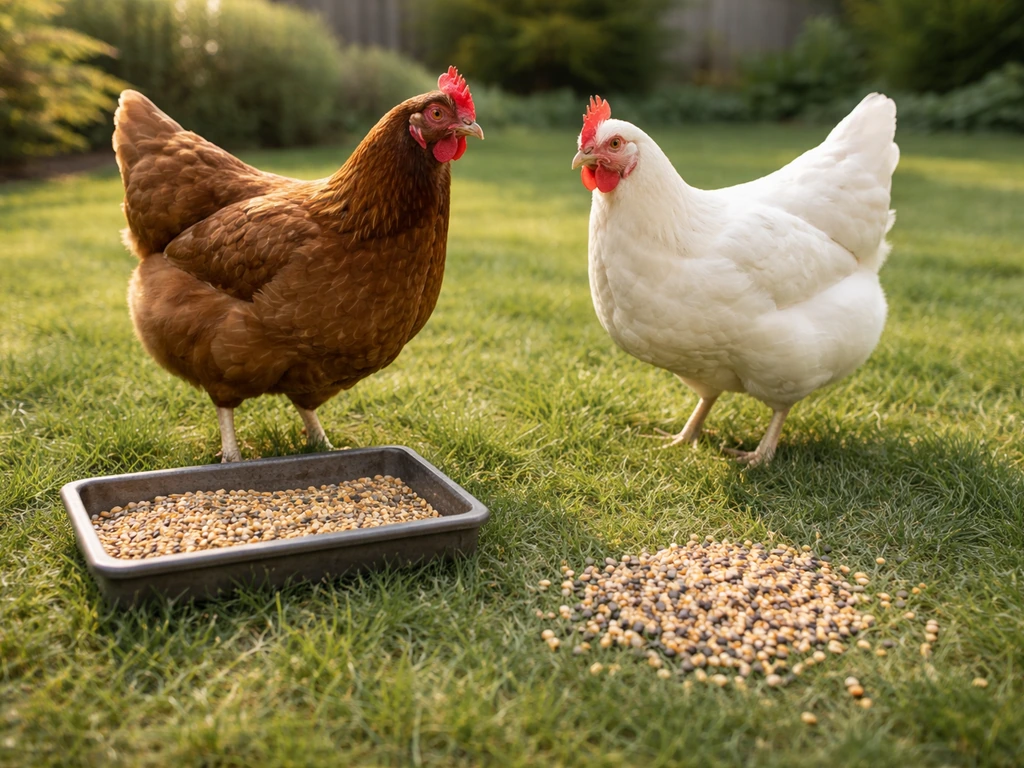
Yes, ducks will eat bird food, and some of it is perfectly fine for them in small amounts. But "bird food" covers a huge range of products, and not all of them are safe or appropriate for ducks. The short answer: plain seeds and grains from a wild bird mix are generally low-risk, but flavored mixes, moldy seed, high-salt ingredients, and feed formulated for specific bird species can cause real problems. Here is exactly what you need to know.
Can Ducks Eat Bird Food? Safe Options and What to Avoid

Maya Henderson
4 Apr 2026
Will ducks actually eat bird food?
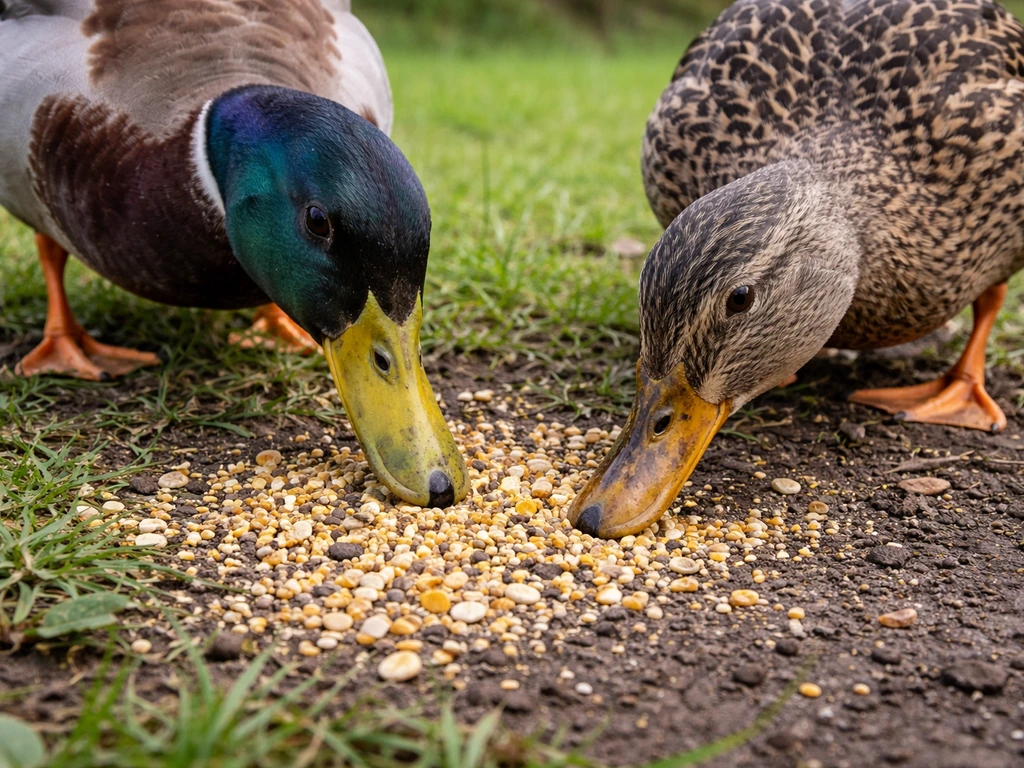
Absolutely, and they will go out of their way to do it. Ducks are opportunistic omnivores, which means they eat just about anything that looks edible and is easy to reach. If you have a ground-level feeder, a spilled seed tray, or scatter-fed seed on a lawn, ducks will find it. Mallards and domestic ducks are especially bold about approaching areas where food is available. This is not inherently dangerous, but it does mean you need to think carefully about what is in the bird food they are accessing.
Safe bird food ingredients for ducks (and what to skip)
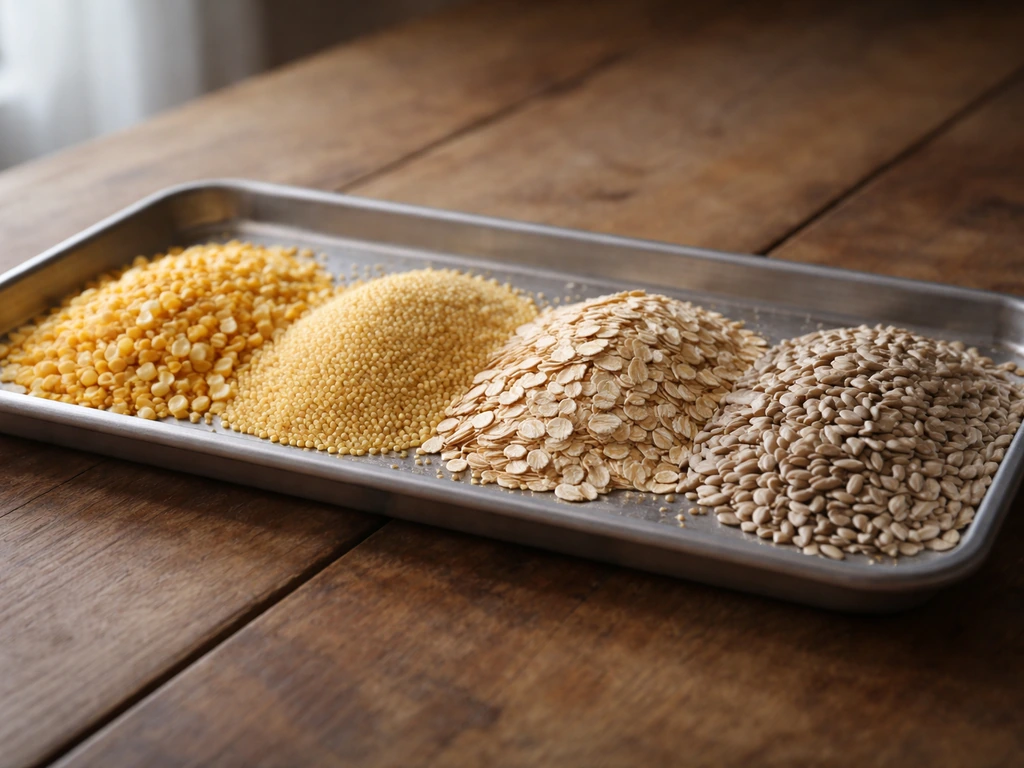
The safest ingredients in most wild bird mixes are plain, unsalted whole grains: cracked corn, millet, oats, and plain sunflower seeds (hulled or un-hulled). These are close to what ducks eat naturally and are unlikely to cause harm in moderate amounts. Maine Audubon specifically lists corn, rice, and peas as appropriate duck foods alongside fresh vegetables and most fruits. If your bird mix is basically just a combination of those seeds with no added flavoring or salt, ducks eating a small amount of spilled seed is not a crisis.
Where things get complicated is with specialty or enhanced mixes. Some wild bird foods include added vitamins and minerals, including vitamin A, vitamin D3, and vitamin E, as shown on commercial product labels. Those supplements are calibrated for songbirds, not waterfowl. Ducks have different nutritional requirements, and regular exposure to a supplement-heavy mix that was not designed for them could throw off their dietary balance over time. It is not a single-serving emergency, but it is not something you want ducks eating daily either.
High-fat mixes are another consideration. Some wild bird food products list crude fat minimums around 15%, which is fine for small, high-energy songbirds but is well above what ducks need in their diet. Chronic overfeeding of high-fat seed can contribute to obesity and a wing deformity known as angel wing, which is especially documented in young waterfowl.
Foods to avoid giving ducks from the bird food category include anything salted, flavored, or treated with preservatives. Bread is the most common offender people think is harmless, but it is nutritionally empty for ducks. Britannica notes that bread is bad for ducks because it has little nutrition and can fill them up without supplying the nutrients they need, which may contribute to malnutrition and related problems Bread is the most common offender people think is harmless, but it is nutritionally empty for ducks.. Also skip popcorn, citrus fruits, and any mix that includes dried fruit with added sugar or sulfites. And if the bag smells musty or the seed looks discolored or clumped, do not offer it to anything, including ducks.
| Ingredient / Food Type | Safe for Ducks? | Notes |
|---|---|---|
| Cracked corn (plain) | Yes | One of the best options; widely available in bird mixes |
| Millet and oats | Yes | Fine in moderation; low risk |
| Plain sunflower seeds | Yes | Hulled preferred; remove shells if possible |
| Rice (cooked or raw) | Yes | Cooked is easier for them to digest |
| Supplement-heavy bird mixes | Use caution | Vitamins calibrated for songbirds, not waterfowl |
| High-fat specialty mixes (15%+ fat) | Limit | Risk of obesity and angel wing in regular feeding |
| Salted or flavored seed | No | Excess salt is harmful to ducks |
| Moldy or clumped seed | No | Risk of aflatoxin poisoning; discard immediately |
| Bread, popcorn, chips | No | Nutritionally poor and can cause digestive issues |
| Citrus fruit pieces in mixes | No | Avoid; not suitable for ducks |
Wild bird food vs. game bird feed: not the same thing
This distinction matters more than most people realize. Wild bird food, the kind sold in bags at hardware or garden stores, is typically a seed blend designed for backyard songbirds like sparrows, finches, and cardinals. Game bird feed is a different product entirely, usually sold at farm supply stores and formulated for turkeys, quail, pheasants, or other upland game birds. The protein levels, mineral content, and medicated additives can be very different from a standard seed mix.
Game bird starter feeds, for example, often contain higher levels of protein (sometimes 24 to 28 percent) and may include coccidiostats, which are medications added to prevent the parasitic disease coccidiosis. These medications are generally considered safe for the species the feed is designed for, but they have not been tested or intended for ducks. If you are wondering about the implications for young birds, the question of whether ducklings can eat game bird starter is worth reading in full before offering any to young waterfowl, because the risks are even higher for developing birds.
For adult ducks that are wandering into an area where game bird feed is being scattered, the risk is lower but still present with regular exposure. High protein levels over time can stress duck kidneys. Medicated feeds should not be offered to ducks at all if you can prevent it. If you are using game bird feed for chickens and ducks are getting access to it, that is worth addressing directly. Similarly, if you keep chickens and are thinking through feed crossover, the question of whether chickens can eat game bird feed covers the overlap from that angle.
Wild bird mixes are generally lower risk for ducks than game bird feed simply because they are seed-based and less likely to include medications or very high protein levels. But neither product is a substitute for a proper waterfowl diet, and neither should be offered as a primary food source for ducks.
How to feed ducks safely (or stop them from eating your bird food)
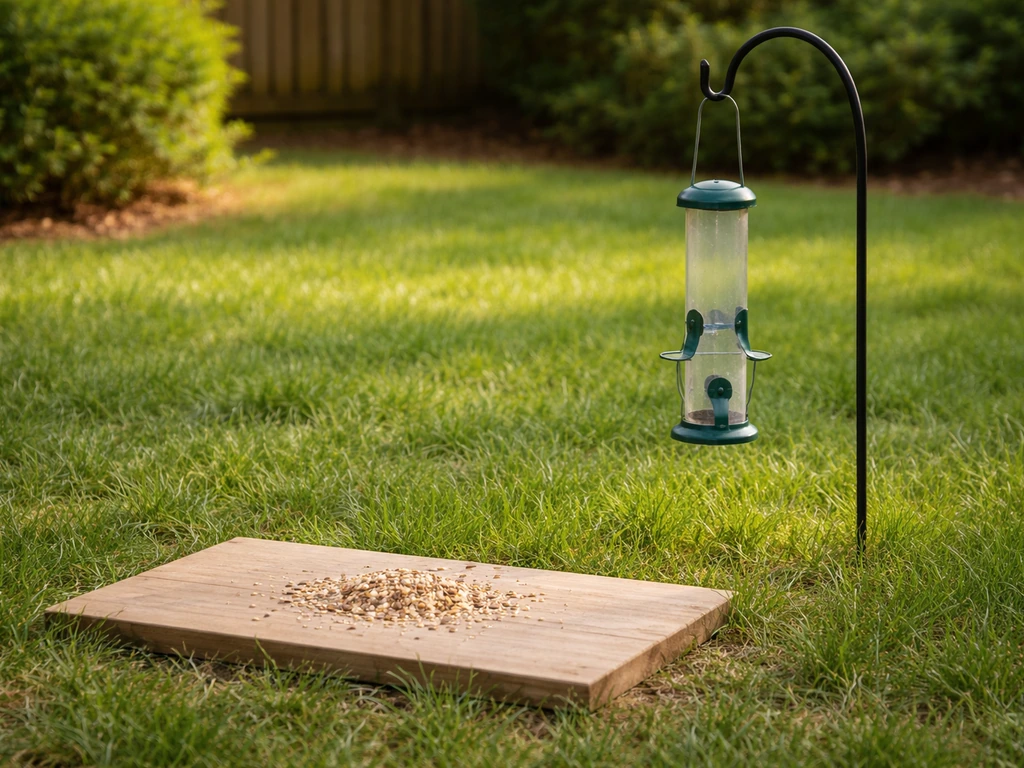
If your goal is to offer ducks something intentionally, keep it simple and ground-level. Ducks are not built to use hanging tube feeders or small perch-style feeders, so they naturally forage on the ground. Scatter small amounts of plain cracked corn, plain millet, or thawed frozen peas on dry ground or near the water's edge. Do not pile food in one spot, and do not offer more than they can clean up in about 10 to 15 minutes. Leftover food sitting on wet ground is a contamination risk.
If your goal is to stop ducks from eating food meant for other birds, the most effective approach is to switch to feeders that ducks physically cannot access: tube feeders, weight-sensitive feeders that close under heavier animals, or hanging feeders placed well off the ground. Pick up spilled seed from the ground regularly, especially after rain. Ducks are persistent, but they will move on if there is nothing accessible for them.
It is also worth knowing that the U.S. Fish and Wildlife Service has flagged feeding waterfowl as potentially harmful overall, noting that it can create dependence on humans and contribute to disease spread in duck populations. That does not mean one accidental feeding event is a disaster, but it is a reason to avoid making it a regular habit. NY State DEC similarly notes that large concentrations of waterfowl can facilitate disease spread and that feeding can attract birds in unnaturally high numbers.
Ground feeding: keeping it clean
- Offer food on dry, hard surfaces rather than muddy or wet grass.
- Scatter small amounts and remove any uneaten food after 15 minutes.
- Never feed near standing water where seed can wash in and decompose.
- Clean feeding areas with a diluted white vinegar solution weekly if ducks visit regularly.
- Rotate feeding spots to prevent buildup of waste and bacteria in one location.
The real risks: mold, toxins, and overfeeding
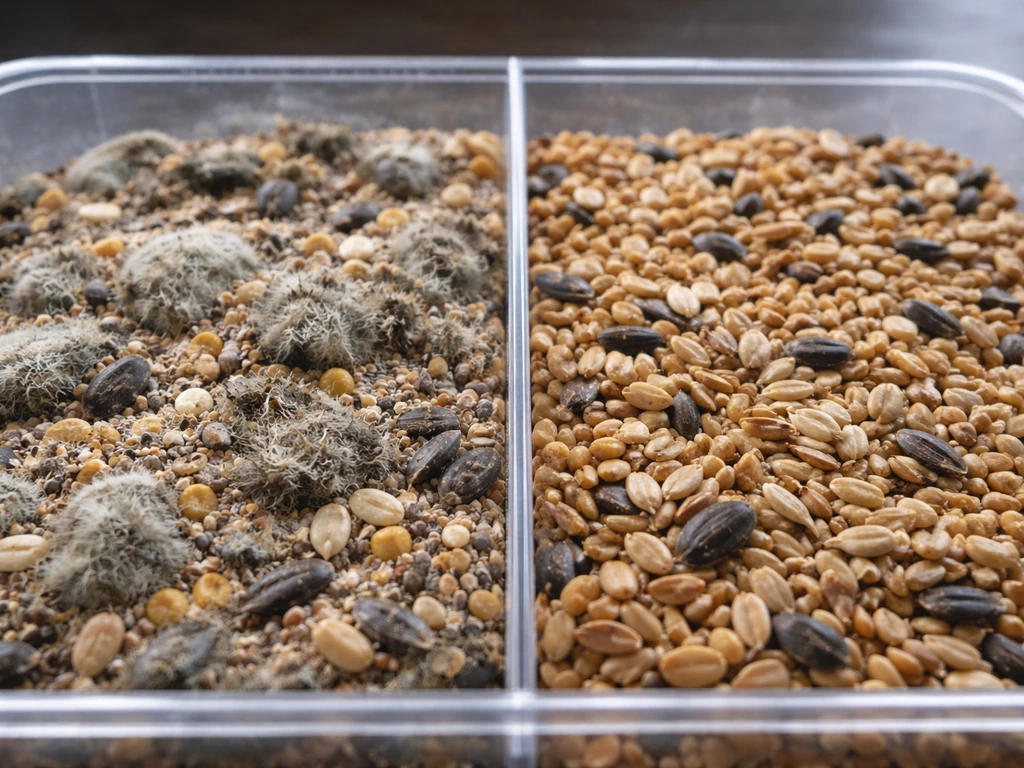
The biggest hazard in the bird food and duck feeding conversation is not a specific seed type; it is aflatoxin. Aflatoxins are toxic compounds produced by mold (specifically Aspergillus species) that can grow on stored grain and seed. Oklahoma State University Extension has specifically highlighted aflatoxin in wildlife feed as a genuine risk, emphasizing thoughtful purchasing, storage, and dispersal to reduce exposure. Ducks foraging on spoiled or improperly stored seed are at real risk of aflatoxin poisoning, which can cause liver damage and death.
This is not a theoretical risk. There have been actual product recalls of wild bird food tied to elevated aflatoxin concerns, which shows the problem exists in the commercial supply chain, not just in poorly stored homemade mixes. The practical lesson: always inspect seed before offering it, store it in sealed containers in a cool, dry place, and discard any seed that smells musty, looks discolored, or has visible clumping or mold. Do not try to "pick out" the bad parts; if a batch is questionable, throw it out.
Overfeeding is the other duck-specific risk that often gets ignored. Ducks that are regularly fed by people tend to stop foraging naturally, which disrupts their nutritional balance and makes them dependent on handouts. It also concentrates them in areas where their waste accumulates, which creates hygiene problems for other wildlife, pets, and people. Keeping any feeding infrequent and in small amounts is the best protection against this pattern developing.
One thing ducks and chickens have in common is that both are drawn to many of the same backyard food sources, including wild bird mixes. If you are managing a mixed environment, it helps to understand what each species can and cannot handle. For instance, whether chickens can eat wild bird food safely has some overlap with the duck question, but there are also key differences worth knowing. Chickens can also be tempted by other bird-specific products, and checking whether chickens can eat bird fat balls safely, for example, is the kind of cross-species check that saves headaches. Even questions about enrichment matter in mixed settings, since whether chickens play with bird toys might come up if you are trying to redirect their attention away from duck food stations.
Peanuts deserve a specific mention because they appear in many wild bird mixes and carry their own aflatoxin risk. Ducks can eat plain, unsalted peanuts in small amounts, but flavored or salted peanuts are harmful. And because peanuts are one of the higher-risk nuts for mold contamination, always check that they look and smell fresh. If you want to go deeper on this for chickens in the same yard, whether chickens can eat wild bird peanuts runs through the same safety logic.
Finally, a quick note on protein sources: some bird mixes include dried insects or mealworms, and ducks can eat those without issue. Ducks are naturally omnivores and eat insects, worms, and small aquatic creatures in the wild. If you want to understand more broadly how animal protein fits into backyard bird diets, the question of whether birds can eat meat covers that territory. For ducks specifically, a small amount of insect protein is not a concern. What matters more is everything else in the mix around it.
If you keep laying hens alongside ducks, feed crossover is a real practical problem worth solving. The nutritional profile of different feeds matters a lot, and understanding whether laying hens can eat meat bird feed gives useful context for thinking through how to manage separate feeding stations and what risks come from shared access.
What to do today: practical next steps
If ducks are currently eating your bird food and you want to stop it, start by picking up any spilled seed on the ground today. Switch to feeders that ducks cannot physically access, and if you are using a ground-level platform feeder, either raise it or replace it. If you want to offer ducks something intentionally as a one-time or occasional treat, scatter a small handful of plain cracked corn or thawed peas on dry ground away from your main bird feeding station.
- Check your current bird food bag: if it smells musty, has clumped seed, or shows any discoloration, discard it and clean the feeder or storage container before refilling.
- Store all bird seed in a sealed, airtight container in a cool, dry location to prevent mold growth.
- If ducks are visiting regularly, move your feeders to a location that is harder for ground-foraging animals to access.
- Do not offer game bird feed to ducks, especially medicated varieties.
- Avoid offering bread, salted seed, or any flavored or processed snack food to ducks, even as a one-time treat.
- If you want to intentionally feed ducks, keep it occasional: plain corn, plain millet, thawed peas, or plain cooked rice in small amounts.
- Clean any ground feeding areas where ducks have been foraging to prevent bacterial or fungal buildup.
- If you have young ducks or ducklings accessing bird food, stop that access immediately and consult a waterfowl rescue or vet if you are concerned about what they have eaten.
The bottom line is that ducks eating a small amount of plain wild bird seed is not an emergency, but it is not something to encourage either. The main risks, including mold contamination, inappropriate supplements, and overfeeding, are all manageable with a few straightforward changes to how and where you store and offer food. Clean up your feeding area, switch to duck-inaccessible feeders if needed, and if you do want to offer ducks something, keep it plain, fresh, and infrequent.
FAQ
How much wild bird seed can ducks safely eat if they’re getting it by accident?
There is no exact safe number, but the practical rule is to keep it truly incidental. If ducks are eating repeatedly for weeks, that counts as regular exposure and you should address the feeder access, especially because aflatoxin risk depends on whether the seed is stored and handled well. Aim to remove spilled seed and prevent repeat access rather than trying to “ration” it.
Is it okay to offer ducks the bird food mix if I remove the flavored parts?
Not reliably. Many mixes are blended so you cannot easily remove the problematic components like salt, added flavors, added vitamins, or sugar-coated dried fruit. Even if the bulk looks the same, the supplement or preservative fraction can still be present in the handfuls ducks pick.
What should I do if the bird food bag smells musty or has clumps after rain?
Do not try to salvage it by sifting out the “bad” bits. Discard the entire batch and clean the feeder and surrounding area, because mold growth and aflatoxin can be present beyond what you can see. Also check storage, use sealed containers, and keep the rest of the seed off damp surfaces.
Can ducks eat sunflower seeds and cracked corn every day in small amounts?
Occasional is fine, but daily feeding can still cause problems. Even with “safe” ingredients, daily scatter feeding encourages dependency, reduces natural foraging, and concentrates droppings in one area. If you are feeding ducks at all, keep it infrequent and clean up leftovers within 10 to 15 minutes.
Do ducks get more risk from “medicated” bird seed than from normal bird seed?
Yes, especially for young ducks. Medications like coccidiostats are formulated for specific land birds and have not been intended or tested for waterfowl nutrition. The safest approach is to prevent access entirely if the bag lists any medication, supplement-heavy formulation, or species-specific direction.
If ducks eat game bird feed sometimes, is it always dangerous?
Not always, but it is not risk-free. Regular access can mean sustained high protein intake and other formulation mismatches, which can stress ducks over time (kidneys are a concern). If you see them repeatedly at the feeder, the best fix is to block access rather than wait for a “one-time” exposure.
Are peanuts in wild bird mixes safe for ducks?
Plain, unsalted peanuts can be okay in small amounts, but peanuts are one of the higher aflatoxin-prone ingredients because they spoil faster when storage is poor. Avoid flavored or salted peanuts, and only consider any peanut-containing mix if it smells fresh and shows no clumping, discoloration, or visible mold.
Can ducks eat bread that’s soaked in water or mixed with other foods?
Bread is still not a good choice, even if soaked or combined. It does not provide meaningful nutrition for ducks and it can contribute to poor dietary balance, which makes them more likely to forage less. If you want a treat, use plain cracked corn or thawed peas instead, and keep portions small.
What’s the fastest way to stop ducks from eating bird food without taking everything down?
Remove ground-level access points first. Pick up spilled seed daily, switch to feeders ducks cannot physically reach, like tube feeders or weight-sensitive designs, and keep the main seed station off the ground and away from water’s edge. Ducks are persistent, but they typically move on when there is nothing accessible.
How do I know if mold or aflatoxin is the real issue versus just “dirty seed”?
If the seed smells musty, looks discolored, or has clumped patches, treat it as unsafe regardless of how clean it looks otherwise. Aflatoxin risk is not something you can reliably “test by eye” from a small spot, and ducks can ingest enough from a contaminated batch to become ill, so discard and improve storage.
Next Article
Can Chickens Eat Wild Bird Food Safely? How to Feed
Safely feed chickens wild bird seed: what ingredients are OK, what’s risky, and how much, how often, plus storage and cl