Yes, chickens can eat game bird feed in some situations, but it comes with real conditions and a few hard stops. Whether it's safe depends almost entirely on what's in the bag: specifically whether it's medicated, what the protein level is, and which life stage it's formulated for. If you're standing in the feed store right now wondering whether to grab a bag of game bird feed for your flock, or if you've already mixed some in, here's exactly what you need to know.
Can Chickens Eat Game Bird Feed? Safety and Alternatives

Maya Henderson
8 Apr 2026
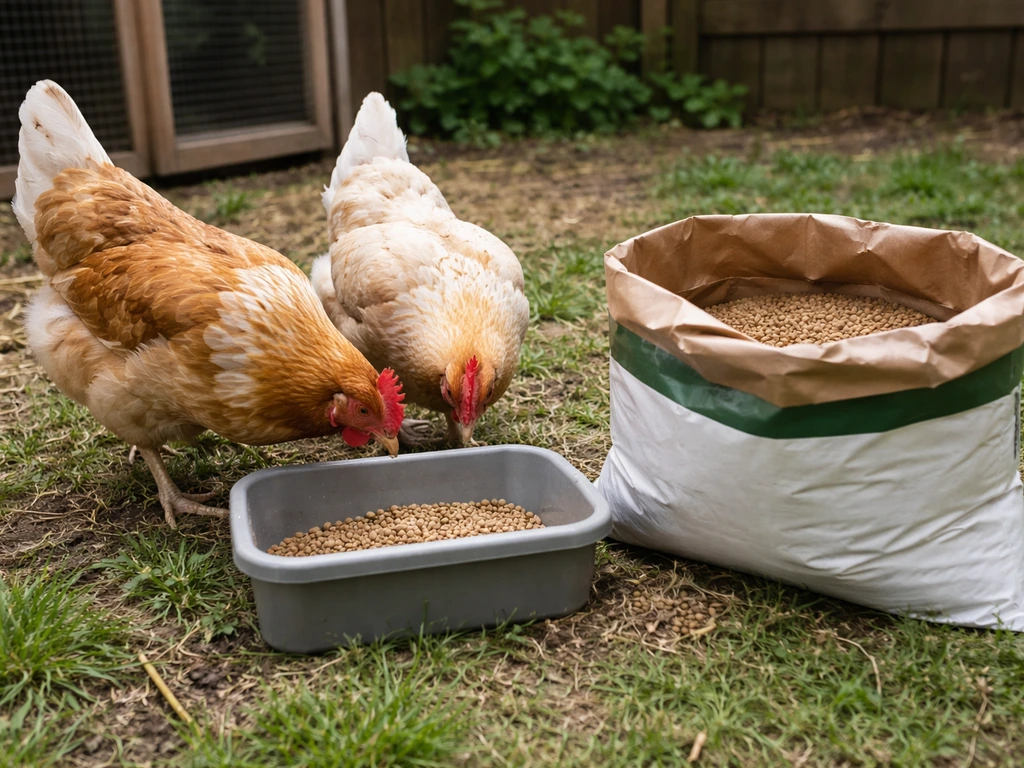
What game bird feed actually contains
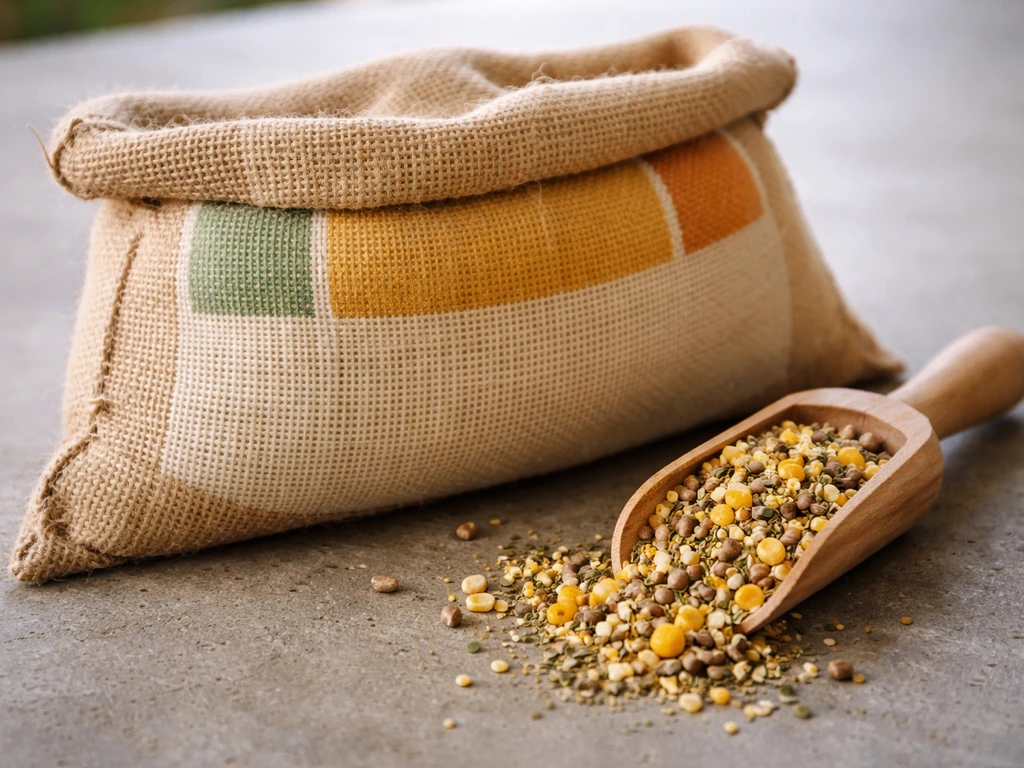
Game bird feeds are formulated for species like pheasants, quail, chukars, guinea fowl, and turkeys. That audience shapes everything about the nutrient profile. Starter rations for game birds run high in crude protein, typically between 24% and 28% for starters and 17%–19% for grower/finisher stages. Some premium starters push even higher: Purina's Game Bird 30% Protein Starter is exactly what it sounds like, designed for birds in the first 0–6 weeks of life that need aggressive early development. Hubbard Feeds' game bird line lists 27% crude protein and up across its products.
Beyond protein, game bird feeds include their own vitamin and mineral packages. Purina's Game Bird Layer product, for example, targets fertility, embryo development, and egg production in laying game birds, with a vitamin/mineral blend calibrated to that purpose. The Country Feeds Gamebird/Turkey Grower lists a complete vitamin and mineral package right on the label. The point is that these formulations are built around the specific physiology of game birds, not chickens, and the differences matter more than most people realize.
Some game bird feeds are also medicated. FDA-approved coccidiostats used in game bird feeds include monensin sodium (Coban) and amprolium. Some brands are non-medicated, and a few manufacturers explicitly state on the label that their gamebird starter does not contain a coccidiostat. You cannot assume either way. You have to read the label on every bag.
Can chickens eat it safely? The direct answer
Here's the short version: non-medicated game bird grower or finisher feed can be used as a short-term substitute for adult chickens in a pinch, but it is not ideal and you should switch back to proper chicken feed as soon as possible. Non-medicated game bird starter (with its very high protein) is less suited to standard laying hens or backyard flock adults. Game bird layer feed is species-specific and not a reliable substitute for chicken layer pellets. And medicated game bird feed is a hard no for laying hens because some coccidiostats are not cleared for use in laying hens producing eggs for human consumption.
The conditional "yes" applies mainly to adult meat birds or growers (not laying hens) eating non-medicated game bird grower rations temporarily, in a situation where the correct feed isn't available. Even then, you're dealing with a protein level and mineral balance that wasn't designed for chickens, so it's a bridge, not a solution. People often ask a related question about whether chickens can eat wild bird food, and the answer there follows similar logic: it depends heavily on what's in the mix and whether the nutritional profile matches what chickens actually need.
The three main risks to understand
Medicated ingredients and laying hens
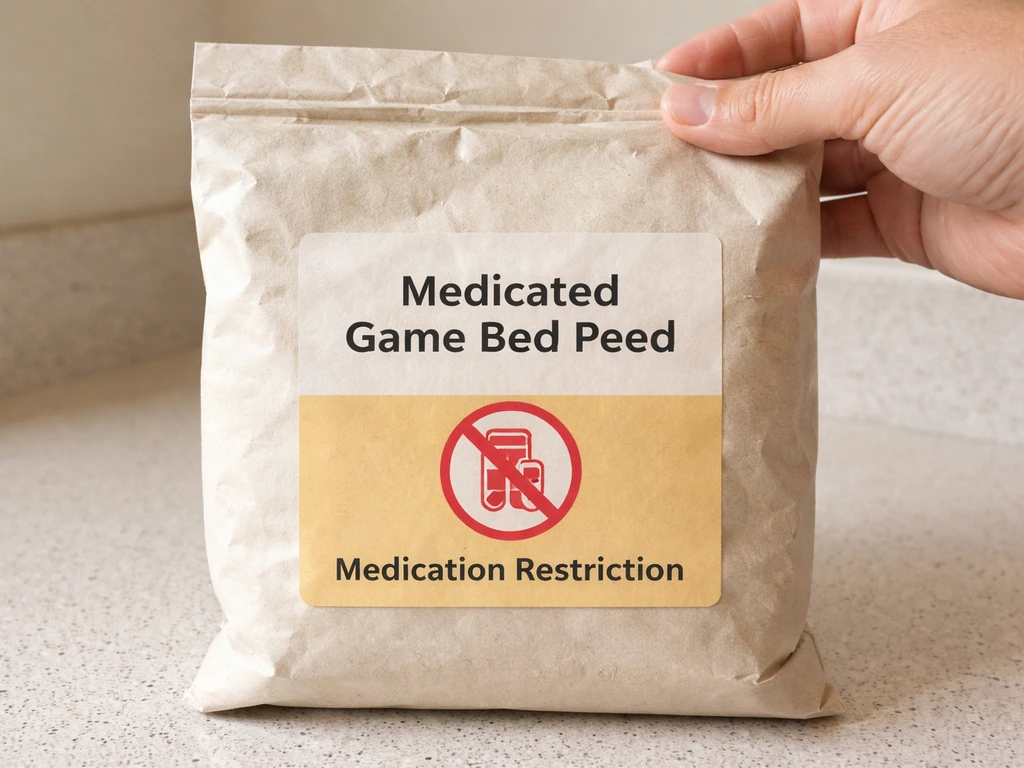
This is the biggest risk, full stop. Medicated game bird feeds containing coccidiostats like monensin or amprolium carry labeling restrictions that may explicitly say "do not feed to laying hens." FDA regulatory materials include that exact language for certain medicated feed uses. The concern is drug residues passing into eggs. OSU/FARAD research on egg withdrawal considerations confirms that labeled species, drug class, and approval status all determine whether egg withdrawal time is zero days or something longer. If your hens are laying eggs you plan to eat or sell, feeding medicated game bird feed is not a risk worth taking. The label is the law here.
Protein and nutrient imbalance
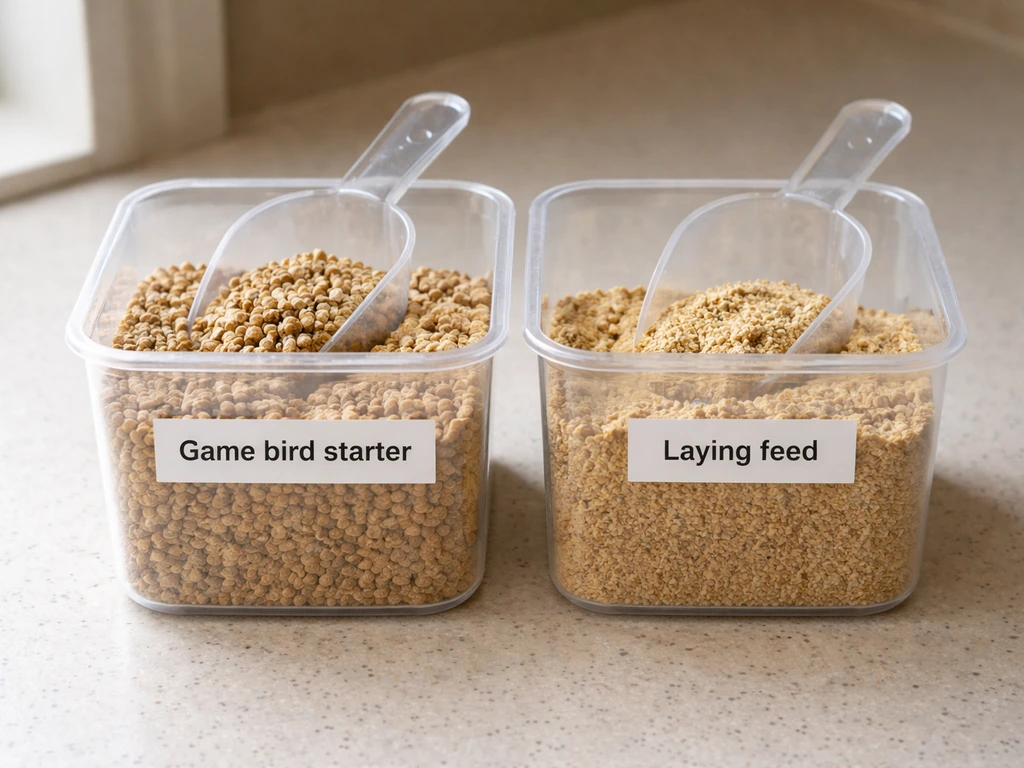
Game bird starter at 28%–30% protein is significantly higher than what a standard laying hen needs. Excess protein isn't instantly toxic, but it adds metabolic burden, increases ammonia output in droppings, and can throw off the energy balance of the diet. More critically, the mineral profile in a game bird feed isn't calibrated to support eggshell production in chickens. Chicken layer feed typically contains around 4% calcium, which is specifically there for eggshell quality. A game bird feed built for quail or pheasant doesn't need to meet that standard. Running laying hens on game bird feed long-term means soft shells, reduced production, and potential bone loss over time.
Life stage mismatch and calcium toxicity risk
The flip side of the calcium problem is equally dangerous. UGA Extension's guidance on backyard flock nutrition warns explicitly that the high calcium levels in layer feed fed to young broilers can cause leg abnormalities and even death. The same principle applies in reverse when you feed young chicks game bird grower feed with a mineral package that doesn't match chick starter requirements. Stage mismatch in any direction creates real harm. If you have chicks, they need chick starter. If you have laying hens, they need layer feed. Game bird feed doesn't slot cleanly into either category.
How to use it safely, or when to avoid it entirely
If you've already fed game bird feed to your flock or you need to use up a partial bag, here's how to handle it sensibly. First, pull the bag and read the label right now. If it says medicated, contains a coccidiostat, or has any "do not feed to laying hens" language, remove it from your laying flock's diet immediately. Replace it with a non-medicated feed and don't use the medicated bag for laying hens at all. You can ask your vet whether eggs from the past few days should be discarded depending on what the specific coccidiostat was.
If the feed is non-medicated and you're dealing with adult meat birds or non-laying growers, you can transition off it gradually using a 7-day blend schedule: start at roughly 75% game bird feed and 25% appropriate chicken feed, move to 50/50 on day three, then 25% game bird and 75% chicken feed by day five, and full chicken feed by day seven. This kind of gradual blending reduces digestive upset during any feed switch. Do not use game bird feed for chicks unless it is explicitly labeled as safe for that purpose and matches the crude protein and mineral needs of that stage.
The hard "avoid entirely" cases are: laying hens eating any medicated game bird feed, chicks eating game bird layer formulations, and any flock eating a game bird feed that's been stored improperly or shows signs of spoilage. If you're curious how this compares to other feed crossover questions, whether laying hens can eat meat bird feed follows very similar reasoning and is worth reading if you're navigating a feed shortage.
What to watch for after feeding
After any diet change, watch your birds closely for 48–72 hours. The symptoms that should put you on alert are reduced feed intake or sudden refusal to eat, watery or unusual droppings, visible lethargy or weakness, and any signs around the mouth or beak like sores or crusty lesions. The Merck Veterinary Manual notes that Fusariotoxicosis associated with Fusarium-derived trichothecenes can include feed refusal and diarrhea among the signs reduced feed intake or sudden refusal to eat. Mycotoxin contamination in poultry feed, as documented in the Merck Veterinary Manual, can cause oral lesions and ulcers, and Fusarium toxins specifically are linked to those kinds of mouth sores. If you opened a new bag of game bird feed and your birds suddenly show any of those signs, especially mouth ulcers, treat it as a feed-related emergency.
Diarrhea and digestive upset can also signal mycotoxin exposure from moldy feed ingredients. If multiple birds are affected at once after a feed change, the feed is the most likely common cause. Pull the feed, switch to a known-safe ration, and contact a vet if you see weakness, dehydration, or mouth bleeding. The rule from veterinary health guidance is straightforward: sudden refusal to eat, severe weakness, dehydration, or mouth ulcers after opening a new bag warrants immediate veterinary attention, not a wait-and-see approach.
Safer alternatives: the right feed by age and purpose
For most backyard chicken keepers, the answer to "what should I actually feed my flock?" is simpler than all of this. Match the feed to the bird's life stage and purpose, and stick with products formulated specifically for chickens. Here's a quick reference:
| Flock type | Recommended feed | Key nutrient target | Notes |
|---|---|---|---|
| Chicks (0–8 weeks) | Chick starter (non-medicated or medicated for cocci prevention) | 18–20% protein | Medicated starter is safe for chicks not yet laying |
| Growers (8–18 weeks) | Grower/developer feed | 15–17% protein | Lower calcium than layer to protect kidneys and bones |
| Laying hens | Layer pellets or crumbles | ~16% protein, ~4% calcium | Calcium supports eggshell production |
| Meat birds (broilers) | Broiler/meat bird starter then finisher | 22–24% protein starter, 18–20% finisher | High protein for growth rate; no layer feed |
| Mixed flock (layers + non-layers) | Flock raiser + oyster shell on side | ~20% protein | Lets layers self-supplement calcium |
If you're managing a mixed flock that includes birds beyond just chickens, it's worth knowing what other species can safely eat. For example, whether ducks can eat bird food raises some of the same cross-species nutrition questions, and the answer isn't always straightforward. Similarly, whether ducklings can eat game bird starter is a question that comes up a lot when people are raising mixed waterfowl and game bird groups together.
Beyond the main ration, chickens are curious foragers and people often supplement with treats from other feed categories. If you're wondering about specific items like whether chickens can eat wild bird peanuts, or even whether chickens can safely eat bird fat balls, those are reasonable questions and both have nuanced answers depending on ingredients and quantities. Treats should never displace the main ration, and the same spoilage and mold risks that apply to game bird feed apply to any supplemental food left out in feeders.
On the topic of enrichment, whether chickens play with bird toys might sound like a tangent, but keeping birds mentally engaged reduces the kind of bored, stress-driven pecking behavior that makes flock management harder overall. A well-fed, engaged flock has fewer health problems to troubleshoot in the first place.
Storing feed properly and keeping wildlife out of it
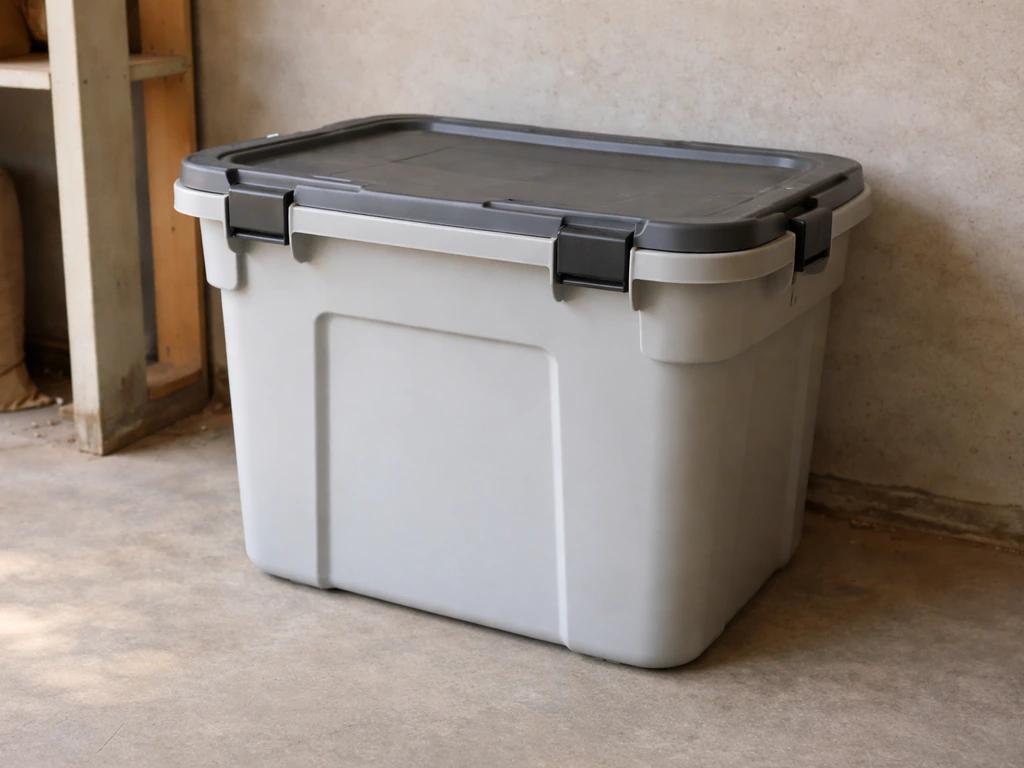
Feed storage is where a lot of keepers create problems without realizing it. Game bird feed, chicken feed, and any other poultry ration left in an open bag or unsecured bin is an invitation for rodents, wild birds, and other scavengers. USDA APHIS poultry biosecurity guidance is explicit: feed bins must be secured to prevent contamination by wild birds or rodents. A rat that gets into a bag of game bird feed doesn't just eat it. It contaminates the rest with droppings, urine, and potential pathogens.
Store all feed in hard-sided, sealed containers with tight-fitting lids. Metal garbage cans or purpose-built feed bins work well. Keep the storage area dry and away from direct sunlight, which accelerates fat oxidation and mold growth. Check every bag before you pour it: if you smell anything sour, musty, or off, or if you see any clumping or visible mold, discard it. Moldy feed is a mycotoxin risk and it's not worth the vet bill or the flock losses.
For feeders themselves, OSU Extension biosecurity guidance recommends cleaning bird feeders once a week and discarding any leftover feed, using a bleach solution to scrub and disinfect. The same principle applies to chicken feeders. Wet feed that sits in the bottom of a feeder for several days is a mold factory. Dump it, rinse the feeder, and refill with fresh feed. This is especially important with high-protein feeds like game bird rations, because the higher fat and protein content can go rancid faster than a standard layer ration.
Spillage around the feeder area also attracts wild birds, which creates a different kind of risk. Wild birds can carry diseases and parasites into your flock, and wild bird droppings contaminating your feed area is a biosecurity problem. Hang feeders at a height that minimizes spillage, clean up spilled feed daily, and consider the layout of your feeding station to reduce the chance of wild birds roosting directly above feed containers. If you've been wondering whether wild birds can eat meat-based foods near a shared feeding area, that interaction is worth thinking through carefully to avoid attracting scavengers that could bring additional contamination risks into your chicken space.
The bottom line on game bird feed for chickens
Non-medicated game bird grower feed is a short-term option for adult non-laying chickens when nothing else is available. That's about the extent of the "yes" answer. For laying hens, the calcium mismatch alone makes it a poor long-term choice, and any medicated game bird feed is off the table for birds producing eggs for consumption. For chicks, the stage mismatch and mineral balance issues make game bird feed a bad fit unless the label specifically covers chickens at that stage.
Your best move today: check the bag you have, confirm whether it's medicated, and match your feed to your flock's actual life stage and purpose. Use the table above to pick the right ration. Store it properly. Clean your feeders weekly. And if your birds show any concerning symptoms after a feed change, especially mouth sores, weakness, or sudden food refusal, call your vet rather than waiting it out.
FAQ
I have a partially used bag of game bird feed, how do I decide if I can use it for my laying hens right now?
If the bag is medicated, look specifically for any coccidiostat name (such as monensin or amprolium) and any “do not feed to laying hens” or egg-withdrawal wording. If you cannot find that, treat it as unsafe for egg layers and switch immediately to a chicken layer ration, because label language and drug approval determine whether eggs need to be discarded.
Can I give laying hens a small amount of medicated game bird feed as a temporary backup?
Do not “test it” by feeding a few handfuls to laying hens. Even small amounts can still violate label restrictions, and the main risk is residue and withdrawal rules for the specific drug. Instead, move the bag out of the laying area and provide proper layer pellets or mash.
If my hens already ate medicated game bird feed, how long until their eggs are safe to eat?
For egg production birds, there is no reliable home rule to calculate withdrawal time from the percent of feed consumed or the days since mixing. Withdrawal depends on the exact coccidiostat, the formulation, and the approval parameters, so the safest approach is to discard eggs laid during any period the birds consumed medicated feed unless a vet confirms otherwise.
Is game bird layer feed a substitute for chicken layer pellets?
No. Game bird layer formulations are designed around another species’ fertility and egg biology, and they typically do not match the calcium and nutrient delivery pattern that chicken layers need for consistent shell strength. Use chicken layer feed for laying hens, and keep game bird layer feed for its labeled species only.
How long can adult, non-laying chickens safely stay on non-medicated game bird grower feed?
If you have non-medicated game bird grower/finisher feed and adult non-laying chickens, you can blend temporarily, but aim to keep the total time on it short and switch as soon as chicken grower or all-flock feed is available. Also watch droppings and appetite during the transition because higher protein can change stool consistency.
My feed bag says “game bird starter,” can I use it for day-old chicks if I run out of chick starter?
Not unless the product explicitly states it is safe for chicks. Protein and mineral requirements for very young birds differ from those for grower rations, and stage mismatch can affect growth and in extreme cases cause severe health issues. For chicks, use starter feed that is clearly labeled for that life stage.
Can I transition my flock onto game bird feed if it is non-medicated, and does the method differ for layers versus growers?
If the label confirms it is non-medicated, and your birds are non-laying growers, you can transition with the same blend approach, but do not apply it to laying hens. For layers, any non-chicken feed change should still be to chicken-formulated layer diets to protect calcium delivery and shell quality.
What specific signs mean I should throw away game bird feed instead of using it for my chickens?
If feed is clumped, musty, smells sour or “off,” has visible mold, or you see any wet spots from a leak, discard it. Moldy feed is a mycotoxin risk and is not something you should “air out” or mix back in, especially with higher-protein game bird rations that can go rancid faster.
If a game bird feed does not contain medication, is it automatically safe for chickens?
Game bird feed is not just a protein issue, it is a drug and nutrient package issue. A product can be non-medicated but still have a vitamin-mineral balance and mineral levels that do not support egg production or chick growth, so you still need to match life stage and purpose, not only look for coccidiostats.
How quickly should I act if my chickens get mouth sores or refuse feed after I start game bird feed?
If you see reduced appetite, watery or unusual droppings, weakness, or any mouth sores after a new feed bag is opened, pause the feed change plan and treat it like a feed-related emergency. Remove the suspect bag, switch to a known-safe ration, and contact your vet promptly, since mouth lesions can be linked to mycotoxins from mold contamination.
What storage and feeder habits matter most when feeding game bird rations to chickens?
To reduce contamination risk, secure the storage container so wild birds and rodents cannot enter, keep feed dry, and prevent cross-spillage between chicken and game bird rations. For feeders, clean regularly and discard wet leftover feed, because wet high-protein feed becomes a mold and spoilage risk within days.