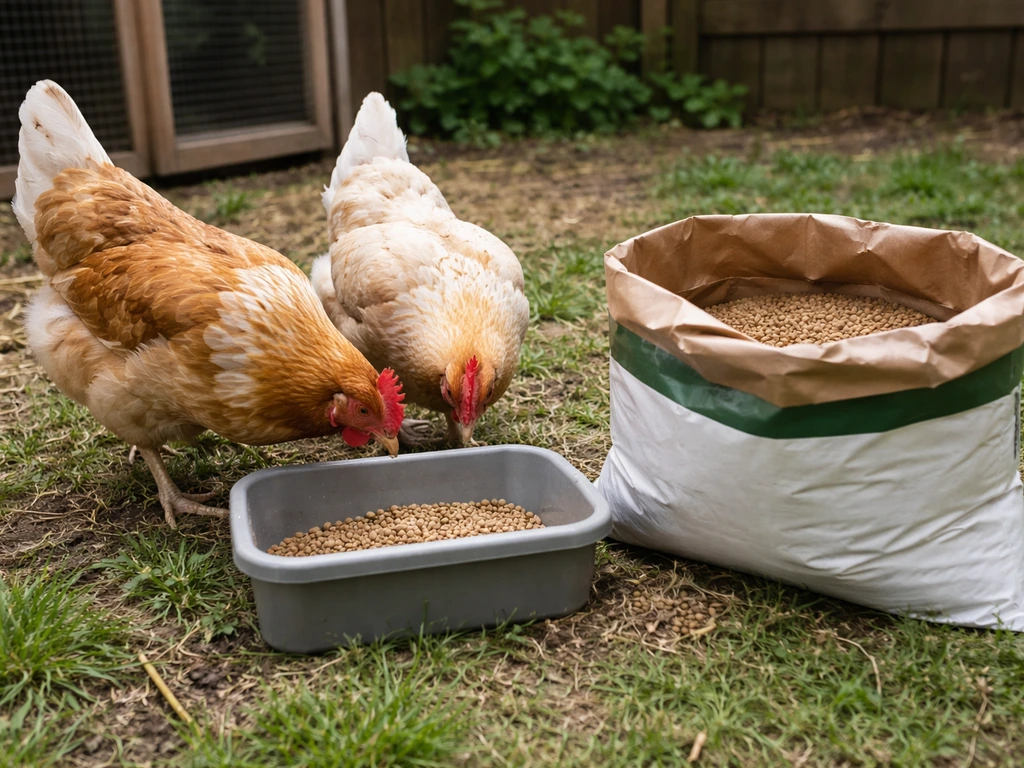
Many birds absolutely eat meat in the wild, but whether it's safe to offer meat in a backyard setting depends almost entirely on the species and what kind of 'meat' you're talking about. You should also avoid using chicken or other meat-bird feed as a substitute for insect-based feeding meat in the wild. Live mealworms and insects are fine for a wide range of birds. Cooked chicken scraps, seasoned leftovers, or raw supermarket meat are a different story entirely, and offering those can cause real harm. The short version: stick to insects and mealworms for omnivorous feeder birds, skip the kitchen scraps, and know which birds at your feeder actually want animal protein in the first place.
Can Bird Eat Meat Safely A Guide to What to Feed and Avoid

Maya Henderson
25 Apr 2026
What counts as 'meat' for a bird?
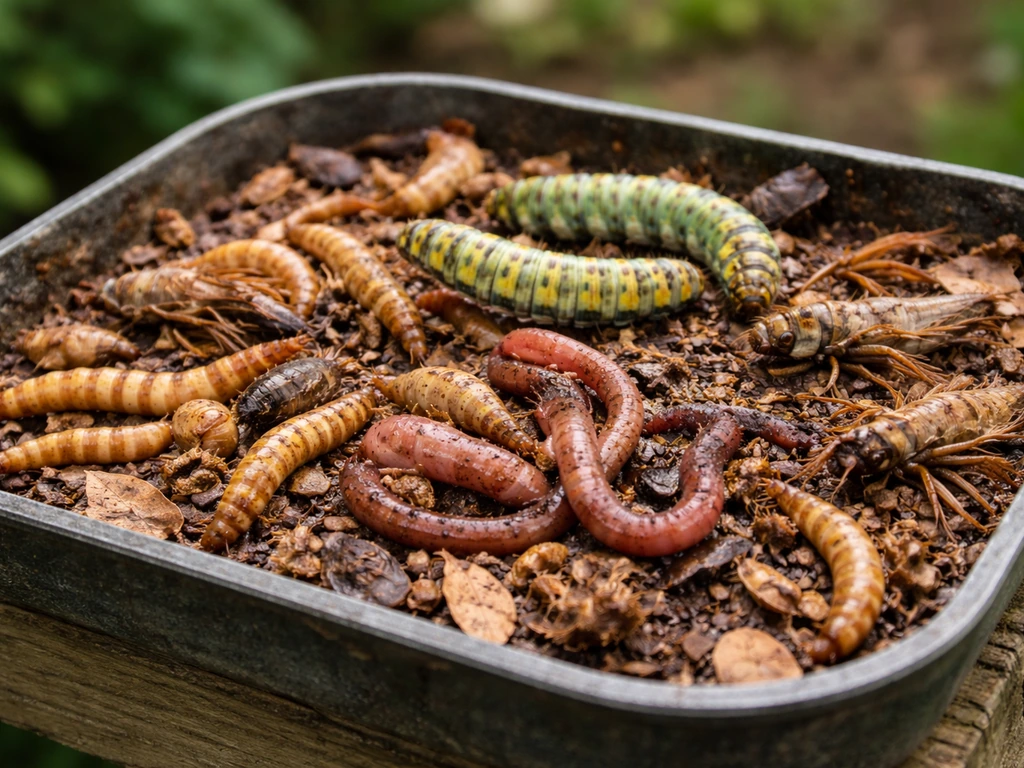
When people ask whether birds can eat meat, they usually mean one of several very different things. It helps to separate them before going any further, because the risks and benefits are not the same across the board.
- Insects and invertebrates: caterpillars, beetles, grasshoppers, ants, spiders, earthworms, grubs. These are the most natural and widely appropriate form of animal protein for birds.
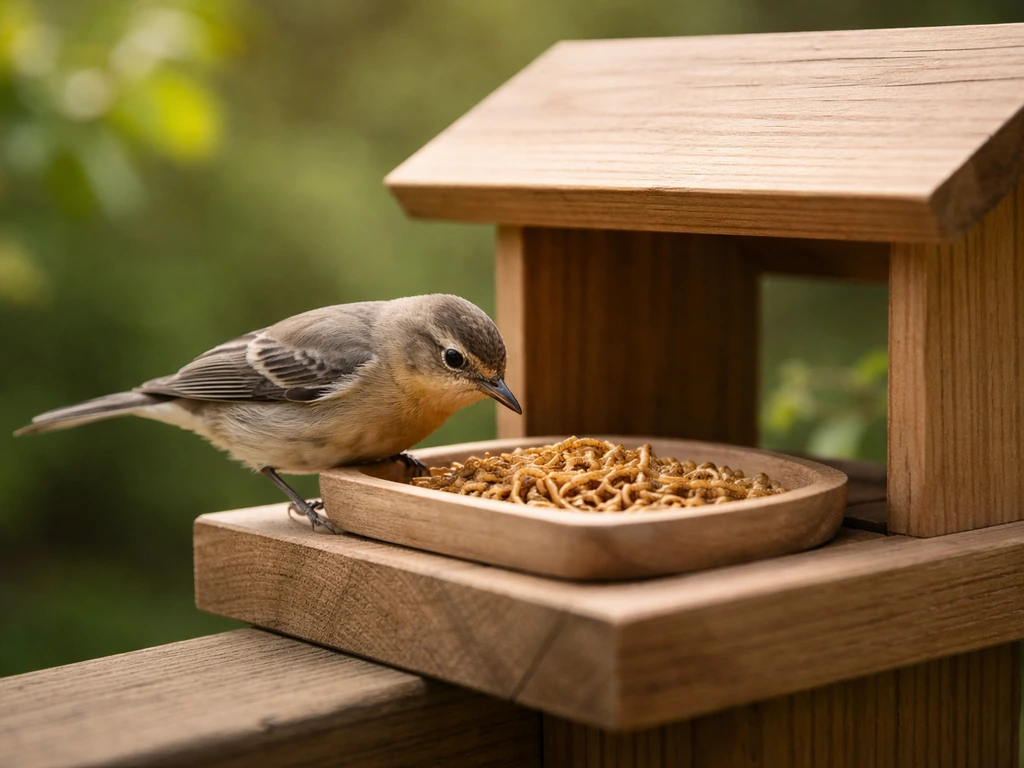
- Live or dried mealworms: a common feeder supplement, especially popular with bluebirds, robins, and wrens during breeding season.
- Carrion: dead animals that scavenging species like crows and corvids eat opportunistically in the wild.
- Raw meat scraps: uncooked flesh from a kitchen or grocery store, which carries real pathogen risks.
- Cooked or seasoned meat: leftover chicken, processed deli meat, sausage, etc. These are problematic because of salt, additives, oils, and cooking residues.
- Fish: some species (herons, kingfishers, ospreys) eat fish naturally, but offering fish at a typical backyard feeder is impractical and attracts unwanted wildlife.
For most backyard feeding purposes, 'safe meat' essentially means insects and mealworms. Everything else requires careful thought and, in most cases, is better avoided.
Which birds actually eat meat, and which don't
This is where species differences really matter. Lumping all birds together on this question leads to bad feeding decisions. Here is a practical breakdown.
Strict seed-eaters (granivores): skip the meat entirely
House finches eat almost exclusively plant material: seeds, buds, and fruits. Their digestive systems and foraging behavior are built around plant foods, and animal protein is not a meaningful part of what they eat. Mourning doves are even more specialized, with seeds making up more than 99% of their diet. Rock pigeons follow a similar pattern, relying on grain and seeds with maybe a few earthworms picked up incidentally. If these are your main feeder birds, there is simply no reason to introduce meat. It won't help them and can only create hygiene and disease problems at the feeder.
Omnivores: yes to insects, cautious on everything else
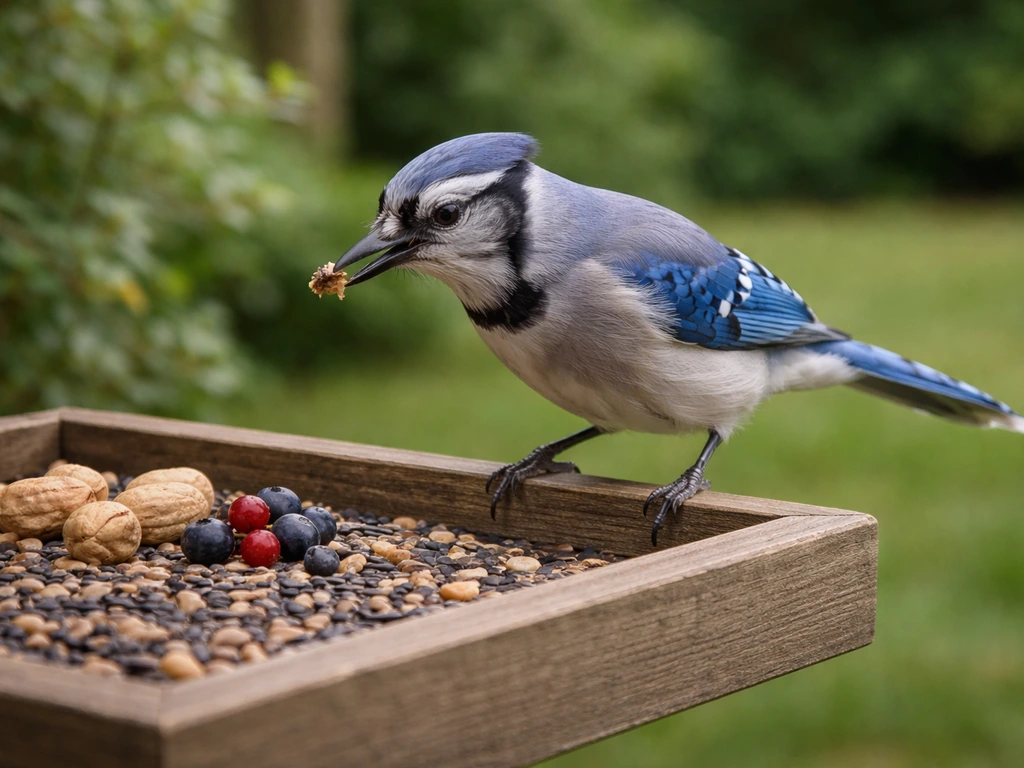
Blue jays are a good example of an omnivore that most backyard birders will recognize. About 75% of their diet is plant-based (acorns, nuts, seeds, berries), but the remaining 25% includes insects like caterpillars, beetles, and grasshoppers, plus spiders, snails, frogs, small rodents, birds' eggs, nestlings, and carrion. American crows take this even further. They eat earthworms, mice, insects, grubs, fish, frogs, snakes, eggs, nestlings, and carrion, and they're genuinely not picky. For these species, insects and mealworms are a perfectly natural supplement. Carrion eating happens on their own terms in the wild, and it's not something you need to replicate at a feeder.
Strict carnivores: hands off
Raptors (hawks, owls, falcons) and birds like herons and kingfishers are full carnivores built to hunt live prey. If you are also thinking about treats like fat balls, double-check whether can chickens eat bird fat balls applies to your chicken specifically before offering anything rich in animal fat. They're not feeder birds in any conventional sense, and you should never try to feed them raw meat scraps. If you find an injured raptor or a bird of prey in distress, contact a licensed wildlife rehabilitator. Feeding them yourself, even with good intentions, can cause nutritional deficiencies (raw meat alone lacks calcium and other nutrients) and can create dangerous habituation to humans.
A quick species comparison
| Bird | Diet Type | Eats Insects/Invertebrates? | Eats Carrion or Scraps? | Safe Feeder Meat Option |
|---|---|---|---|---|
| House Finch | Granivore | Rarely / almost never | No | None needed |
| Mourning Dove | Granivore | Almost never | No | None needed |
| Rock Pigeon | Granivore | Occasional earthworms | No | None needed |
| Blue Jay | Omnivore | Yes (25% of diet) | Opportunistically | Dried/live mealworms, insects |
| American Crow | Omnivore/Scavenger | Yes | Yes, commonly | Mealworms; carrion not needed |
| Robins, Wrens, Bluebirds | Omnivore | Yes, regularly | Rarely | Live or dried mealworms |
| Hawks, Owls, Raptors | Carnivore | Yes (part of diet) | Sometimes | Do not feed — contact a rehabber |
Real risks of feeding birds meat
This is the section that most casual bird-feeding guides skip over, and it's arguably the most important one. Introducing meat, especially cooked or raw kitchen scraps, to a backyard feeding station creates several layered hazards that go beyond just 'will the bird like it.'
Bacteria and disease transmission
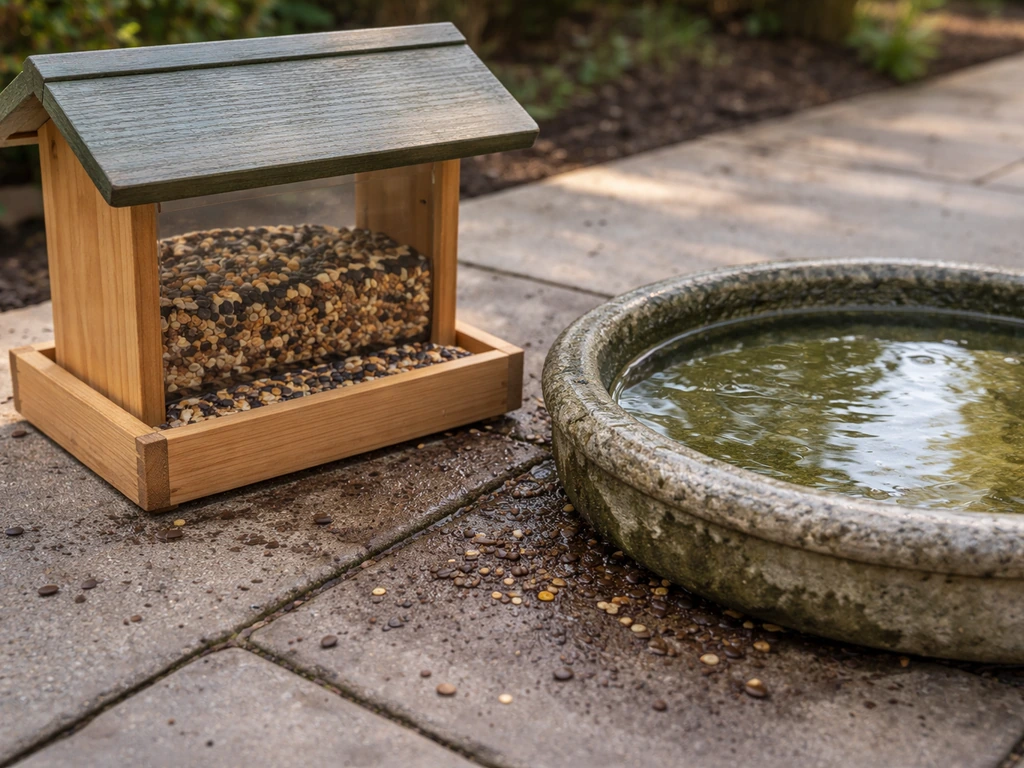
Feeders are already a disease risk because birds share surfaces, and bacteria like Salmonella and E. coli spread easily from bird to bird through contaminated food and droppings. Add raw meat or spoiled protein to that equation and the risk multiplies fast. blank" rel="noopener noreferrer">A major Salmonella Typhimurium outbreak in 2020-2021 was directly linked to backyard bird feeders and affected both wild songbirds and people who handled them. Pennsylvania wildlife officials have noted that salmonellosis can cause large-scale mortality events at feeding stations, and Washington state wildlife managers classify it as usually fatal in affected birds. Meat scraps left at a feeder spoil quickly, especially in warm weather, and become a serious bacterial breeding ground.
Parasites
Trichomonas gallinae, the parasite responsible for avian trichomonosis (sometimes called canker or frounce), spreads through contaminated feeders and bird baths. Mourning doves and pigeons are particularly susceptible, and Wisconsin DNR has identified it as a cause of mortality in finches too. Cornell's wildlife health lab notes that birds can pick up the infection from surfaces contaminated by an infected bird's saliva or food regurgitation. Offering moist meat products at a feeder creates exactly the kind of warm, wet surface this parasite thrives on.
Toxins and additives in human food
Cooked meats almost always contain salt, seasonings, preservatives, or cooking oils that are genuinely harmful to birds. High sodium intake stresses birds' kidneys and can be lethal in small quantities. Processed deli meats, sausages, and cured meats are especially dangerous. Even 'plain' cooked chicken can harbor bacteria after sitting at room temperature, and bones from cooked poultry can splinter. Raw supermarket meat can carry Salmonella, Campylobacter, and other pathogens that spread to any bird (or pet, or person) that comes into contact with the feeder afterward.
Attracting the wrong animals
Meat at a feeder draws in scavengers and predators that you may not want in your yard: rats, raccoons, opossums, and neighborhood cats. This creates conflict situations that can hurt both the birds you're trying to help and the pets or wildlife that show up. USDA APHIS explicitly advises against allowing bird food to accumulate on the ground, and introducing meat scraps escalates that problem significantly.
How to offer meat safely, if you decide to
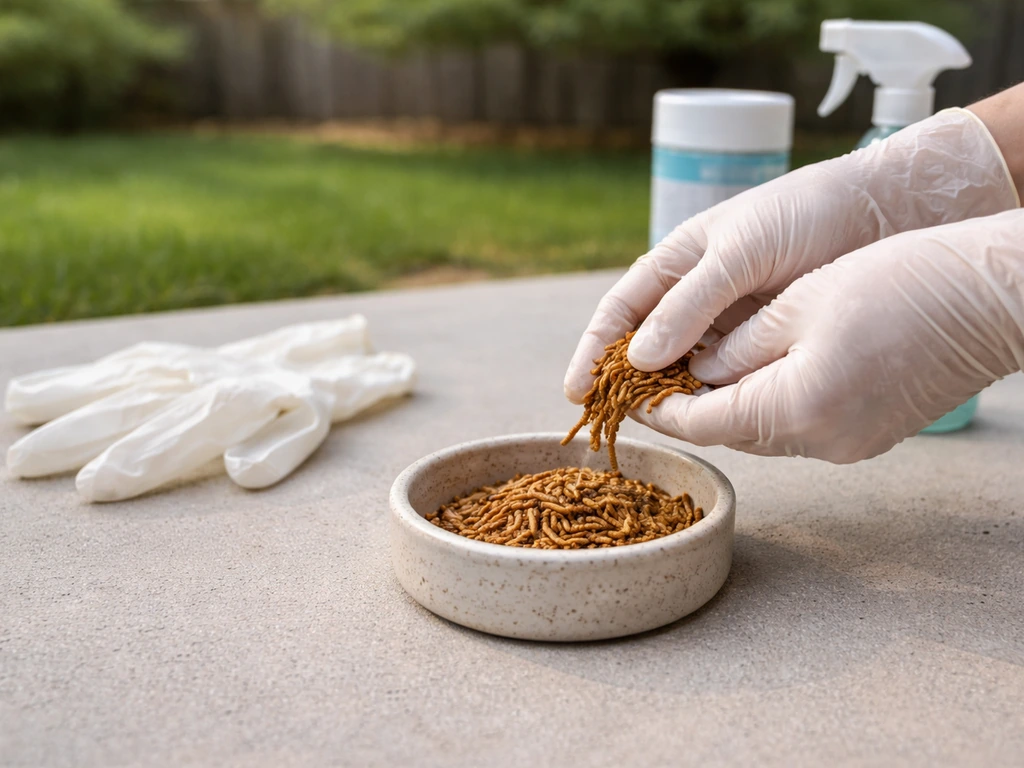
If you have birds in your yard that genuinely benefit from animal protein (bluebirds, robins, wrens, blue jays during nesting season), the safest way to provide it is through mealworms. Here is how to do it without creating problems. Do chickens play with bird toys, and can mealworms be used to encourage natural foraging behavior safely?
- Use dried or live mealworms from a reputable feeder supply source. These are the cleanest, most species-appropriate option.
- Offer mealworms in a dedicated dish or platform feeder, not mixed with seed. This makes cleanup easier and reduces contamination.
- Put out only what birds will eat in one sitting (roughly 15 to 30 minutes). Do not leave mealworms sitting in the sun or heat.
- Clean the mealworm dish every day with hot soapy water. Disinfect it at least once a week with a 9:1 water-to-bleach solution, rinse thoroughly, and let it dry completely before refilling.
- Never offer dried mealworms to baby birds or nestlings without soaking them first to rehydrate them. Dry mealworms can cause dehydration in very young birds.
- Wash your hands thoroughly after handling feeders, mealworm dishes, or any wildlife-related equipment. Do not clean feeder equipment in your kitchen sink.
What to absolutely avoid
- Cooked or seasoned meat of any kind, including chicken scraps, deli meat, bacon, or sausage
- Raw supermarket meat left out in the open
- Anything moldy, spoiled, or past its fresh date. As Tufts wildlife veterinarians put it: if you wouldn't eat it yourself, don't offer it to a bird
- Fish unless you are specifically supporting a fish-eating species under guidance from a wildlife rehabilitator
- Pet food (wet or dry) left where wild birds can access it regularly, as it is nutritionally mismatched and can spread disease
- Honey or sweet meat glazes, which ferment rapidly and are toxic to birds
When you should skip meat feeding altogether
In a lot of backyard situations, the cleanest answer is just: don't bother with meat at all. If your regular feeder visitors are house finches, doves, sparrows, and pigeons, those birds get everything they need from a quality seed mix. Adding meat to the equation introduces risk without any real benefit to those birds. MassWildlife and multiple state wildlife agencies strongly advise against supplemental feeding of wild animals in general, citing increased disease risk, unhealthy food conditioning, and negative human-wildlife interactions.
If you do run a feeder, the hygiene rules apply regardless of whether you're offering meat. The CDC recommends cleaning feeders at least monthly as a baseline. Washington state wildlife managers recommend daily cleaning if there are signs of sick birds. Kentucky fish and wildlife officials found Salmonella in dead songbirds and recommended cleaning feeders every two weeks minimum with a 5 to 10% bleach solution. The more protein-rich the food you offer, the more often cleaning becomes necessary.
One practical trigger: if you ever see birds that look lethargic, fluffed up, or sitting still on the ground near your feeder, stop feeding immediately, clean everything with a bleach solution, and give the area a rest for a week or two. Sick birds concentrate disease at feeders fast, especially when animal protein is involved.
Keeping your pets and yard safe
Backyard feeding setups create real risks for cats and dogs, and those risks go up when meat or high-protein food is part of the picture. Keeping your pets and yard safe also intersects with whether can chickens eat game bird feed, so using the right feed reduces unnecessary risk. Here's what to manage actively. This also helps answer related questions like can ducks eat bird food without putting their health at risk mealworms. If you're also wondering about ducklings and what to feed them, check whether can ducklings eat game bird starter is safe and appropriate for young ducks. Can chickens eat wild bird peanuts? The safer approach is to avoid giving them wild-bird foods and stick to chicken-appropriate feed. Ducks have their own diet requirements, so you should be careful with what you offer them.
Dogs
Dogs that sniff around feeders or eat fallen seed are already at risk from Salmonella and Campylobacter in bird droppings. If meat scraps or mealworm dishes are part of the setup, that risk increases. Spoiled mealworms or contaminated feeder trays are genuinely harmful to dogs if ingested. Keep mealworm dishes and protein-rich feeders at a height your dog cannot reach, clean up spilled food daily, and supervise dogs in the yard near active feeders.
Cats
Outdoor and roaming cats are a direct predation threat to the birds you're trying to help, and a feeding station that draws birds close to the ground makes that worse. Meat scraps at ground level will attract cats (and other predators) even more strongly than seed does. Keep feeders on tall baffled poles, avoid ground feeding entirely if you have cats in the neighborhood, and position feeders away from dense shrubs where cats can hide. Project FeederWatch notes that spoiled food at feeders is unhealthy for outside pets directly, not just for birds.
A practical safety checklist for your feeding station
- Mount feeders at least 5 feet off the ground with a baffle to deter climbing predators and jumping cats.
- Clean up ground-level spill daily. Rake or sweep fallen seed and food scraps from below the feeder.
- Wash mealworm dishes and high-protein feeder trays daily in hot soapy water.
- Disinfect all feeder surfaces weekly with a 9: 1 water-to-bleach solution (some agencies recommend a 10% bleach mix). Rinse completely and allow to air dry.
- Wash your hands with soap and water after every feeder maintenance session.
- Never clean feeder equipment in your kitchen or with utensils used for food preparation.
- Remove and discard any food that looks moldy, smells off, or has been sitting out in heat for more than an hour.
- If you see sick or dead birds near your feeder, stop feeding, clean everything, and contact your state wildlife agency.
Birds that visit typical backyard feeders, whether they're seed-focused species like doves and finches or omnivores like jays and crows, are best served by foods that closely match their natural diet. For most of them, that means quality seed, not kitchen scraps. For the ones that do benefit from animal protein, dried mealworms offered cleanly and in small quantities is the safest path. The rule of thumb is simple: if you wouldn't confidently hand it to a wildlife rehabilitator and say 'this is fine for this bird,' don't put it at your feeder.
FAQ
Can birds eat raw meat if I remove it quickly and clean the feeder every day?
Even with fast removal and daily cleaning, raw meat is still higher risk because it can introduce pathogens that spread to other birds, pets, and people via surfaces and droppings. Spoilage is also hard to control, especially in warm weather, so the safer approach is insects such as dried or live mealworms in small amounts.
Is cooked meat safer than raw meat for backyard birds?
It’s usually not “safe.” Cooked meat often contains salt, oils, and seasonings that can harm birds, and cooked meat can still carry harmful bacteria if it sat at room temperature. Cooked poultry bones are an additional danger because they can splinter. Use insects instead.
What about unseasoned boiled chicken or turkey, no salt?
Plain, unseasoned cooked meat can still be risky due to bacterial contamination after cooking and holding time, and it does not replace the nutrition you would naturally get from insects. If you want to offer animal protein, dried or live mealworms are a more controlled option.
Can I feed meat to attract omnivores like blue jays or robins?
You can support omnivores without using meat scraps. For most backyard omnivores, dried or live mealworms offered in dedicated, clean trays are the better choice, use small quantities, and stop feeding if you see birds looking unwell.
Do I need a separate feeder for mealworms if I already have a seed feeder?
Yes, ideally. A dedicated meat-protein feeder reduces cross-contamination, makes cleaning easier, and helps prevent rodents and scavengers from learning that your seed station is also a protein source.
How much mealworm food is too much?
Mealworms should be offered sparingly and removed promptly if they are not eaten, because leftover protein attracts bacteria growth and scavengers. A practical guide is to provide only what active visitors can consume quickly, then check and clean afterward.
Are dried mealworms safer than live mealworms?
Both are generally safer than meat, but dried mealworms are less likely to spoil. Live mealworms can be fine if you use clean trays and remove excess. In either case, keep the area hygienic and prevent buildup on the ground.
Can birds eat eggs from the kitchen?
It depends on context, but it is best avoided at feeders. Eggs can introduce the same bacterial and hygiene issues as other animal proteins, and raw or improperly handled eggs can be a risk to pets and people. If you want to offer protein, use insects instead.
If a bird at my feeder looks sick, should I keep feeding meat or any food?
No. Stop feeding immediately when you see lethargy, fluffed birds, or birds sitting on the ground near the station. Clean the feeder and surrounding areas with an appropriate disinfectant, then rest the area for about a week or two before restarting.
Will feeding meat increase cats and rats in my yard?
Yes, animal-protein offerings can attract more scavengers and predators. Meat scraps and leftover protein are especially likely to pull in cats, raccoons, and rodents, increasing risk to both birds and pets. Avoid ground feeding and use baffled, elevated feeder setups.
Can dogs safely eat fallen seed or mealworms near a feeder?
Fallen food can still be risky because droppings can carry bacteria, and protein-rich foods that spoil are more problematic. Keep feeders high and supervise dogs, clean spilled food daily, and prevent dogs from accessing trays or the ground beneath the feeder.
Do raptors and birds of prey eat meat at backyard feeders?
Most should not be fed at all. Raptors and similar predators can develop poor nutrition if given raw meat alone, and feeding them can cause habituation and higher human-animal conflict. If you find an injured raptor, contact a licensed wildlife rehabilitator rather than offering food.
What if I accidentally dropped a piece of meat at the feeder?
Remove it promptly, clean any contaminated tray and nearby surfaces, and don’t leave extra meat out “just in case.” For the next day or two, stick to safer insect-based feeding and monitor for sick birds.
Next Article
Can Chickens Eat Game Bird Feed? Safety and Alternatives
Can chickens eat game bird feed? Get the safety yes/no, risks like medication and minerals, and safer alternatives.