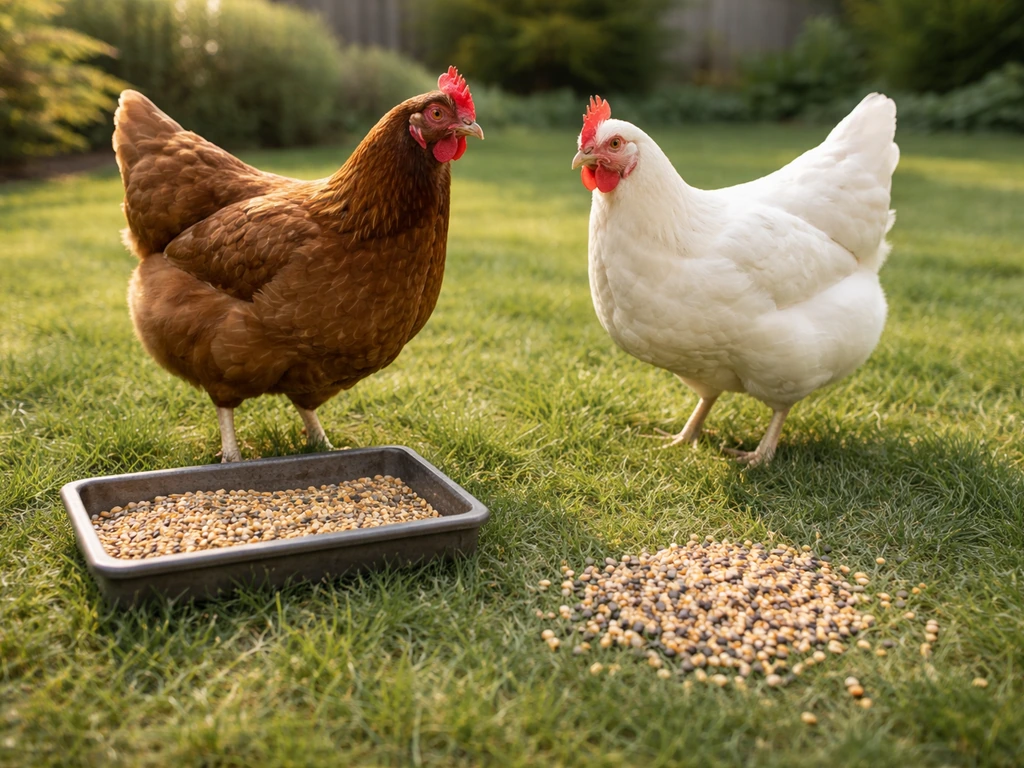
Yes, chickens can eat wild bird seed, and most of what's in a standard wild bird mix is perfectly fine for them in small amounts. The honest answer is that wild bird seed is not formulated for chickens, but it is not toxic either. The real risks come down to a few specific ingredients, the condition of the seed, and how often you're offering it. Treat it as an occasional snack rather than a feed substitute, handle it carefully, and you'll be fine.
Can Chickens Eat Wild Bird Food Safely? How to Feed
Maya Henderson
4 Apr 2026
What's actually in wild bird seed, and is it safe?
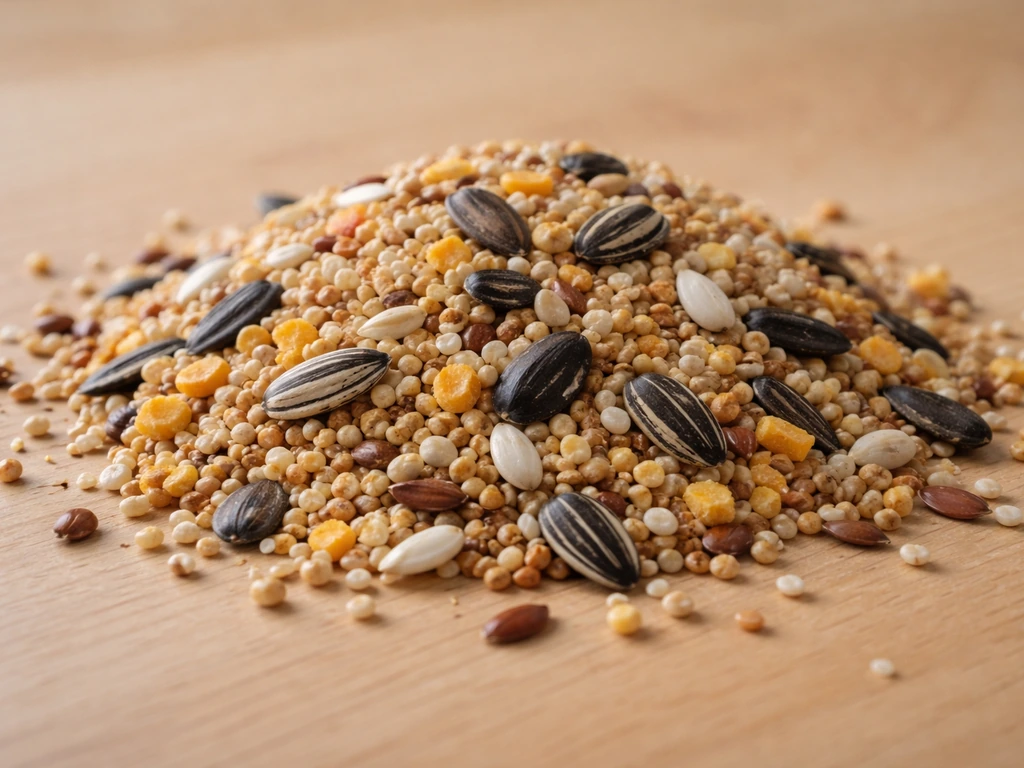
Most wild bird seed mixes contain a combination of millet, milo, cracked corn, sunflower seeds (black oil or striped), safflower, flaxseed, and sometimes nyjer (thistle). Chickens can eat all of these without issue as long as the seed is fresh and uncontaminated. None of these ingredients are inherently toxic to chickens in small quantities.
Sunflower seeds are actually a favorite. Black oil sunflower seeds are high in fat and vitamin E, and chickens go after them enthusiastically. That fat content is worth keeping in mind because it makes sunflower seeds calorie-dense. A handful is a treat; a bucketful regularly starts to unbalance their diet. If you want a deeper dive into the peanut side of things, it's worth reading about whether chickens can eat wild bird peanuts, since peanuts carry their own separate set of considerations around aflatoxin contamination specifically.
Cracked corn and milo are fine in small amounts but are low in protein and high in starch. A laying hen needs around 16-18% protein in her diet to keep production up. Wild bird seed mixes generally run much lower than that, which is why they can never replace a proper layer feed.
Ingredients to watch closely
- Nyjer (thistle) seed: Safe but tiny and oily. Not harmful, just not particularly useful for chickens.
- Safflower: Fine in small amounts, bitter taste, but chickens usually eat it without fuss.
- Milo (sorghum): Chickens don't love the taste but it won't hurt them. Many commercial mixes use it as filler.
- Flavored or coated seeds: Some premium bird mixes include vitamin sprays or coatings. These are generally harmless, but avoid anything with added salt, artificial preservatives, or unknown additives.
- Fat balls or suet-based mixes: These deserve separate attention. Fat content is high and ingredient quality varies significantly. You can check a detailed breakdown of whether chickens can eat bird fat balls before offering them.
Safe vs. risky: a quick comparison
| Ingredient | Safe for Chickens? | Notes |
|---|---|---|
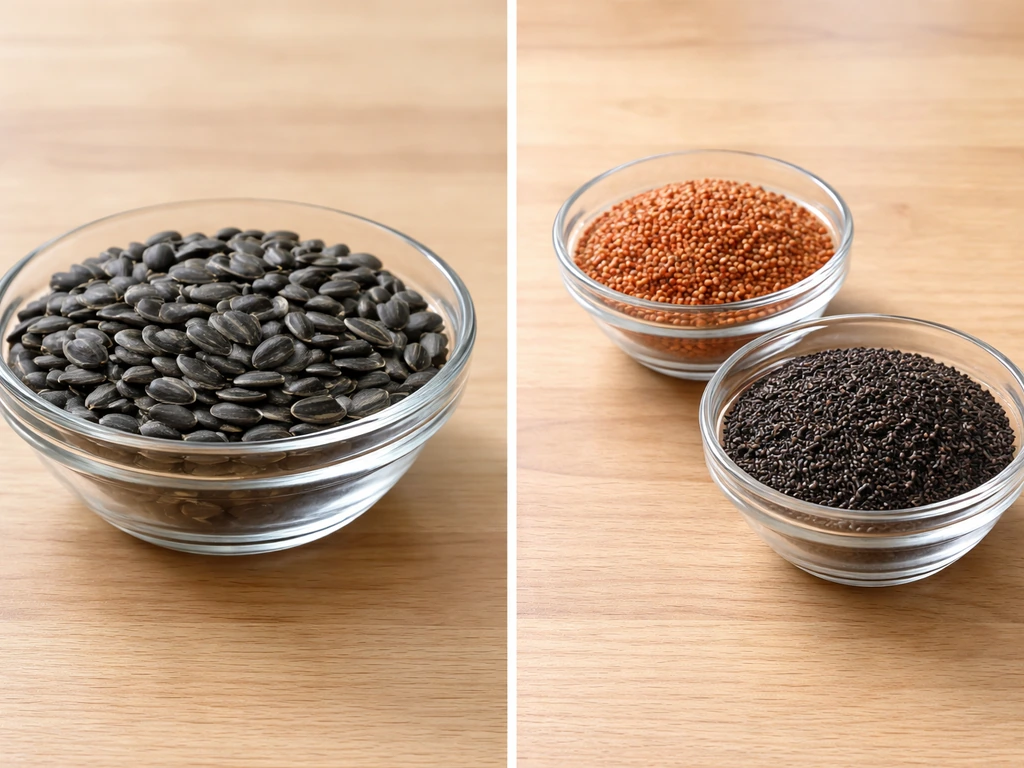
| Black oil sunflower seeds | Yes, in moderation | High fat; great treat, not a staple |
| Millet (white or red) | Yes | Low risk, easily digestible |
| Cracked corn | Yes, in moderation | Low protein, high starch; limit amounts |
| Milo/sorghum | Yes | Filler grain; low nutritional value for chickens |
| Safflower | Yes | Bitter but harmless |
| Nyjer/thistle | Yes | Safe but not nutritionally significant |
| Peanuts in shell/loose | Use caution | Aflatoxin risk if stale or improperly stored |
| Moldy or damp seed | No | Serious mycotoxin risk; discard immediately |
| Seed with salt or additives | No | Can cause kidney stress; avoid |
How to feed it safely: amounts, frequency, and method
Think of wild bird seed the same way you'd think of scratch grains: a treat, not a meal. The standard rule of thumb for treats in a chicken's diet is that they should make up no more than 10% of total daily intake. For a typical laying hen eating around 100-120 grams of feed per day, that's about a tablespoon or two of wild bird seed as a scatter treat.
Frequency is the other lever. A few times a week is plenty. Daily treats, even if the portions are small, can start to crowd out the balanced nutrition that a proper layer feed or game bird feed formulated for chickens provides. If you're also supplementing with other extras like kitchen scraps or mealworms, cut back the bird seed accordingly.
- Check the seed before you offer it. Smell it, look at it. Fresh seed smells nutty and dry. Any musty, sour, or off smell means bin it.
- Scatter on clean ground or use a shallow dish. Don't dump it into a damp corner of the run where it'll sit and absorb moisture.
- Offer only what they'll clean up in 15-20 minutes. Leftover seed on the ground is a mold and pest risk.
- Remove any uneaten seed promptly. Oklahoma State University Extension specifically recommends removing uneaten grain quickly to prevent mold growth and aflatoxin development.
- Store wild bird seed the same way you store chicken feed: airtight container, off the ground, in a cool dry place. Don't mix old and new stock.
Mold and contamination: the real danger here
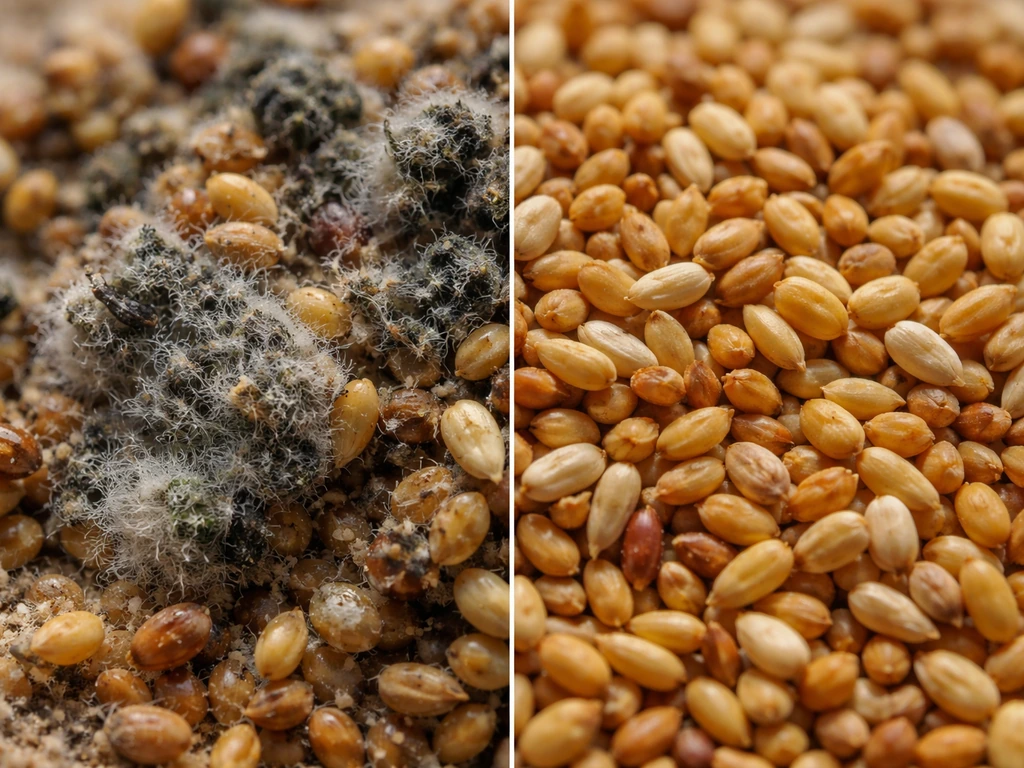
This is where wild bird seed gets genuinely risky, and it's worth taking seriously. All About Birds also points out that common seed mixes can carry contamination risks, and corn in particular is the bird food most likely to be contaminated with aflatoxins even at low levels corn is the bird food most likely to be contaminated with aflatoxins even at low levels. Wild bird seed is not held to the same storage or quality standards as poultry feed. It can sit in a warehouse or on a store shelf for months, and by the time you buy it, it may already be starting to degrade. Once you open a bag and expose it to humidity, mold can develop quickly.
The concern is not just visible mold. UGA Poultry research notes that even without visible mold, low levels of mycotoxins may already be present in feed. Aflatoxins, produced by Aspergillus mold species, are among the most significant. Purdue Extension's research on aflatoxins in poultry identifies them as a serious production and health concern.
Purdue Extension also notes FDA-established action levels for aflatoxin in grain and feed products (for example, 20 ppb) and in milk (0. 5 ppb) [Purdue Extension's research on aflatoxins in poultry](https://www. extension. purdue.
edu/extmedia/bp/bp-47. html). Crucially, Penn State Extension research on mycotoxins and feed hygiene highlights that contamination can occur even in storage bins if they aren't properly cleaned between batches, meaning a bin that held old seed can harbor mold spores that contaminate fresh seed placed on top.
The Merck Veterinary Manual notes that mycotoxicosis in poultry is suspected when the clinical picture fits a feed-related intoxication and moldy or suspicious feed is part of the history. In plain terms: if your chickens get sick and you've been feeding them old or damp seed, that seed should be your first suspect.
OSU Extension is direct about this: avoid grains with any visible mold growth, because visible mold signals likely aflatoxin presence. Don't try to pick out the bad seeds. If the bag smells off or you can see any clumping, discoloration, or fuzz, toss the whole thing.
Storage tips to prevent spoilage
- Use airtight metal or heavy plastic containers, not the original paper bag.
- Clean the container fully before refilling; don't layer new seed on old residue.
- Keep storage cool and dry. Heat and humidity accelerate mold growth.
- Buy smaller quantities more frequently rather than bulk bags that sit for months.
- Date your bags when you open them and aim to use within 4-6 weeks.
Signs something's wrong with your chickens
Most of the time, a small amount of good-quality wild bird seed causes zero problems. But if something is off, here's what to watch for in the days after introducing a new food.
- Lethargy or unusual quietness: Healthy chickens are active and vocal. A bird sitting hunched or not engaging with the flock is a red flag.
- Reduced feed intake: If they're suddenly not interested in their regular feed, something is off.
- Loose or discolored droppings: Some variation is normal, but persistent watery, greenish, or very dark droppings after a diet change warrant attention.
- Drop in egg production: Laying hens are sensitive to nutritional changes and stress. A noticeable drop in eggs within a few days of a new treat is worth noting.
- Neurological signs (head tilting, stumbling): Rare, but severe mycotoxin poisoning can affect the nervous system. This is a vet call immediately.
- Swollen or pale comb and wattles: Can indicate poor circulation or systemic illness.
If you suspect a feed-related problem, pull the suspect food immediately and go back to basics with their regular feed and fresh water. If symptoms persist beyond 24-48 hours or are severe, contact a poultry vet. Keep a sample of the seed in a sealed bag in case testing is needed.
Cleanup matters too
Whatever chickens don't eat needs to come up fast. Seed left on the ground, especially in a damp run, becomes a mold incubator within 24-48 hours in warm weather. Rake or sweep the run after feeding treats, and hose down any feeding area if seed has been scattered. This one habit eliminates most of the contamination risk.
Keeping the backyard balanced: pests, predators, and other wildlife
Feeding wild bird seed to your chickens doesn't happen in a vacuum. If you're also running a bird feeder in the same yard, or if seed is spilling or sitting in the open, you're going to attract company you didn't invite.
Rodents are the most immediate concern. Mice and rats are drawn to spilled grain fast, and once they find a reliable food source near your coop, they'll keep coming back. They can introduce disease, damage feed stores, and attract secondary predators like hawks and foxes that might then target your flock. Keep feeding areas tight: use dishes rather than scattering seed on dirt, remove leftovers promptly, and store all seed in sealed containers.
Squirrels and raccoons will also hit an accessible seed source. Raccoons in particular are a predator risk to chickens. If wild bird seed is drawing raccoons to your yard regularly, reassess where and how you're storing and offering it.
Wild birds are another layer of complexity. If your chickens free-range or share space near a feeder, wild birds landing to eat can introduce parasites, bacteria (including Salmonella), and respiratory diseases to your flock through shared ground contact or droppings. This is a real biosecurity concern, especially during spring and fall migration when wild bird movement peaks. Position feeders away from your chicken area, or suspend feeding during high-risk periods.
It's also worth knowing that other poultry species navigate this same territory. If you're curious about how the same wild bird seed question plays out for waterfowl, the guidance on whether ducks can eat bird food covers similar ground with a few species-specific differences worth knowing.
A note on different flocks and feed types
If you keep a mixed poultry setup, keep in mind that feed needs vary significantly between species and life stages. What works as an occasional snack for mature laying hens is a different calculation for younger birds. The considerations around what ducklings can safely eat in terms of starter feed illustrate how age and species change the math considerably. For young chicks especially, stick to chick starter and hold off on treats entirely until they're at least 8 weeks old and eating grit to help them process whole seeds.
If your goal is to add variety or extra nutrients to your flock's diet beyond wild bird seed, it's also worth knowing that feeding laying hens a meat bird feed is another option some backyard keepers use to boost protein, though it comes with its own trade-offs. And if you've ever wondered whether chickens actually interact with enrichment items the same way caged birds do, the behavior side of things is explored in whether chickens engage with bird toys, relevant if you're looking for ways to keep a bored flock busy beyond food treats.
Finally, if the question on your mind is really about what birds in general can handle when it comes to protein sources, the broader look at whether birds can eat meat gives useful context on how omnivorous most backyard bird species actually are, chickens included.
The bottom line
Wild bird seed is a perfectly acceptable occasional treat for chickens, as long as it's fresh, dry, free of mold, and given in small amounts a few times a week. It is not a replacement for balanced layer feed, and the biggest risks are not the ingredients themselves but the condition of the seed and how you manage what's left over. Check before you feed, don't overfeed, clean up fast, and keep your storage tight. Do those four things and wild bird seed is just a cheap, easy scatter treat that your flock will enjoy.
FAQ
How much wild bird seed can I safely give chickens in one sitting?
If you want a practical limit, aim for roughly 1 to 2 tablespoons per laying hen per day total (all treat grains combined, including bird seed). Offer it in one short window, then remove uneaten bits within about an hour so it does not sit damp and start molding.
Can chickens eat wild bird seed if it smells musty or “off,” even if there is no visible mold?
It’s safer to discard it. Off odors, clumping, discoloration, or any hint of humidity in the bag are warning signs that mold or mycotoxin risk may already be present, and you cannot reliably “pick out” the bad portion.
Is sprouted or soaked wild bird seed safe for chickens?
Generally no for backyard use. Sprouting increases moisture, which speeds mold growth and raises the chance of contamination. If you want sprouts, use a chicken-safe sprouting method and keep strict hygiene, but avoid doing this with unknown wild bird seed mixes.
What should I do if my chickens start acting unwell after eating bird seed?
Remove the seed immediately and switch back to their regular layer feed and fresh water. Watch for worsening symptoms over the next 24 to 48 hours, and if they are severe or persist, call a poultry vet. Keep the unopened or partially used bag sealed in case testing is needed.
Can chicks or juvenile chickens have wild bird seed treats?
Delay treats for young birds. The safest approach is to stick to chick starter (and grit when appropriate) and hold off on whole-seed treats until they are closer to at least 8 weeks old and can handle grains properly. Younger chicks are more vulnerable to digestive upset from whole seeds.
Does feeding wild bird seed make eggs unsafe to eat?
Wild bird seed itself is not a typical egg safety issue, but mold and mycotoxins are the concern. If you suspect a contaminated bag (mold, musty smell, clumping), stop using it right away and monitor flock health, since feed-related toxins can affect birds even if eggs look normal.
Will sunflower seeds in wild bird mixes cause weight or health problems for chickens?
They can if the treat becomes frequent. Sunflower seeds are calorie-dense, so they are fine in moderation, but regularly offering large amounts can push chickens toward an unbalanced diet. Keep treat grains at or under the 10% daily total rule-of-thumb.
Should I worry about wild bird seed drawing predators like raccoons to my coop?
Yes. Spilled seed is a beacon for rodents and can also bring in raccoons, which may pose a direct risk to chickens. Feed from shallow dishes, remove leftovers quickly, and store all seed in sealed containers with tight lids.
If I also run a wild bird feeder, can my chickens still be safe around it?
It depends on how separated the areas are. Wild birds can drop droppings near the ground and increase biosecurity risks (bacteria, parasites, and respiratory issues). Keep feeders positioned away from the chicken yard, and consider pausing feeder use during peak migration times in spring and fall.
Can I reuse leftover seed or store it in an open bucket after opening the bag?
Avoid storing opened seed in anything that lets in air and moisture. Use a sealed, rodent-proof container and keep it dry, because once humidity gets in, mold can develop even if the original bag seemed fine.