Chickens can eat plain, unsalted, unflavored peanuts in modest amounts, but "wild bird peanuts" is a category that covers a surprisingly wide range of products, and some of them carry real risks for your flock. The honest answer is: it depends entirely on what those peanuts actually are, how they were stored, and whether they contain any added salt, seasoning, or other ingredients. Before you toss a handful into the run, it's worth spending two minutes checking the bag.
Can Chickens Eat Wild Bird Peanuts? Safe Feeding Guide
Maya Henderson
6 May 2026
What "wild bird peanuts" actually means
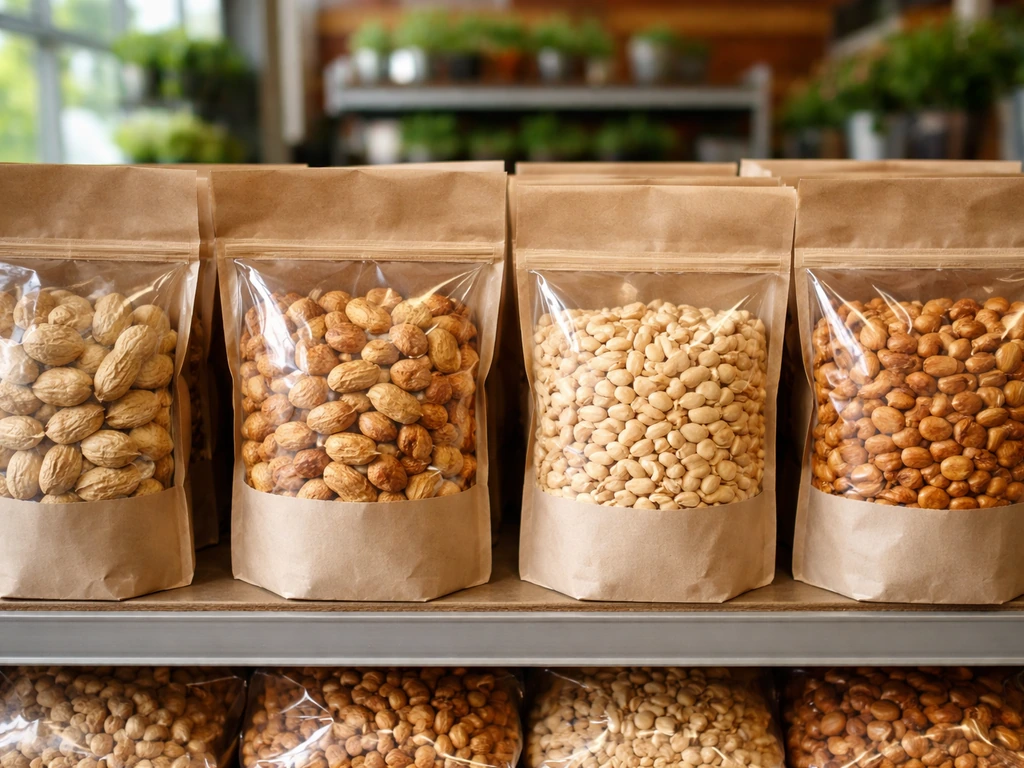
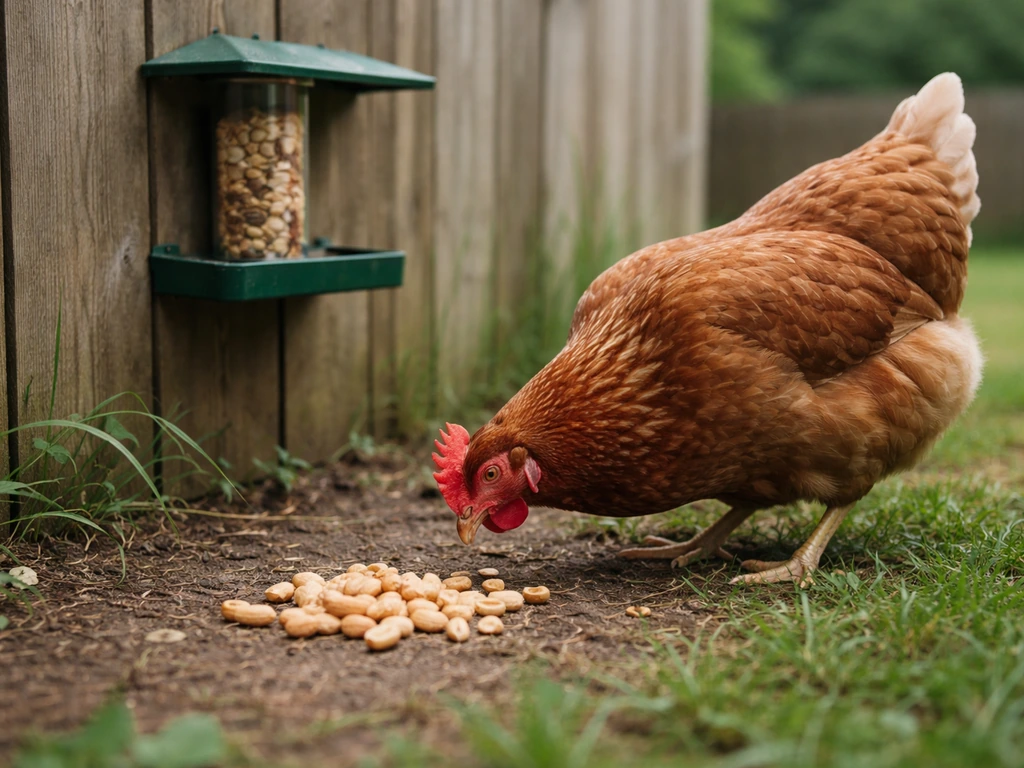
The term gets used loosely across a lot of different products, which is exactly what makes this question tricky. When you're standing in a garden center or browsing online, "wild bird peanuts" could refer to any of the following:
- Whole in-shell peanuts, raw or dry-roasted, sold specifically for jays, squirrels, and ground-feeding birds
- Shelled peanut halves or splits, often labeled "peanut hearts" or "peanut splits" in loose or bagged form
- Peanuts mixed into a general wild bird seed blend alongside sunflower seeds, millet, safflower, or dried fruit
- Peanut suet cakes or fat balls that contain peanuts bound with tallow, lard, or other fats, sometimes with added sugar or dried insects
- Flavored or salted peanuts mislabeled or repackaged under a "bird" banner
The safest products in this list are plain, shelled, unsalted peanut halves with no added ingredients. The riskiest are flavored or salted versions, suet-bound mixes with added sugar or salt, and anything that has been sitting in a damp shed or open feeder for weeks. If the bag doesn't list ingredients, treat it with more caution than you would a clearly labeled, single-ingredient product.
The biggest risk: mold, aflatoxins, and spoilage
Peanuts are one of the most aflatoxin-prone foods on the planet. Aflatoxins are toxic, carcinogenic metabolites produced by Aspergillus molds, and they form in peanuts during growing, harvest, and especially during storage if moisture gets in. The Merck Veterinary Manual notes that aflatoxins primarily affect the liver in poultry and can also compromise immune, digestive, and blood-forming functions. The good news is that chickens are described as "relatively resistant" compared with some other birds, but that phrase does not mean zero risk, and it certainly doesn't mean you can safely feed moldy peanuts.
The FDA sets action levels for aflatoxin in animal feed, and the thresholds are meaningfully different for mature versus immature animals. For corn and peanut products fed to mature poultry, the action level is 100 ppb. For immature animals, including chicks, it drops to 20 ppb. The practical takeaway: chicks and young pullets are significantly more vulnerable than adult hens, so if you're unsure about a batch of peanuts, don't offer them to young birds at all. Ducklings should not be fed game bird starter or any feed intended for other species unless it is specifically formulated for ducks and is given in appropriate amounts.
Beyond aflatoxins, rancidity is a real concern with peanuts. Peanuts are high in fat, and fat oxidizes. The FAO's feed storage guidance links improper storage directly to increases in free fatty acids that cause rancidity in high-lipid feedstuffs. Rancid peanuts smell sharp, sour, or paint-like, and feeding rancid food to chickens can cause digestive upset and reduce the absorption of fat-soluble vitamins. University extension research also makes clear that mycotoxin contamination can happen in the field, during harvest, or in storage, and that effects depend on the specific toxin, contamination level, and how long the birds consume it.
How to check peanuts before feeding
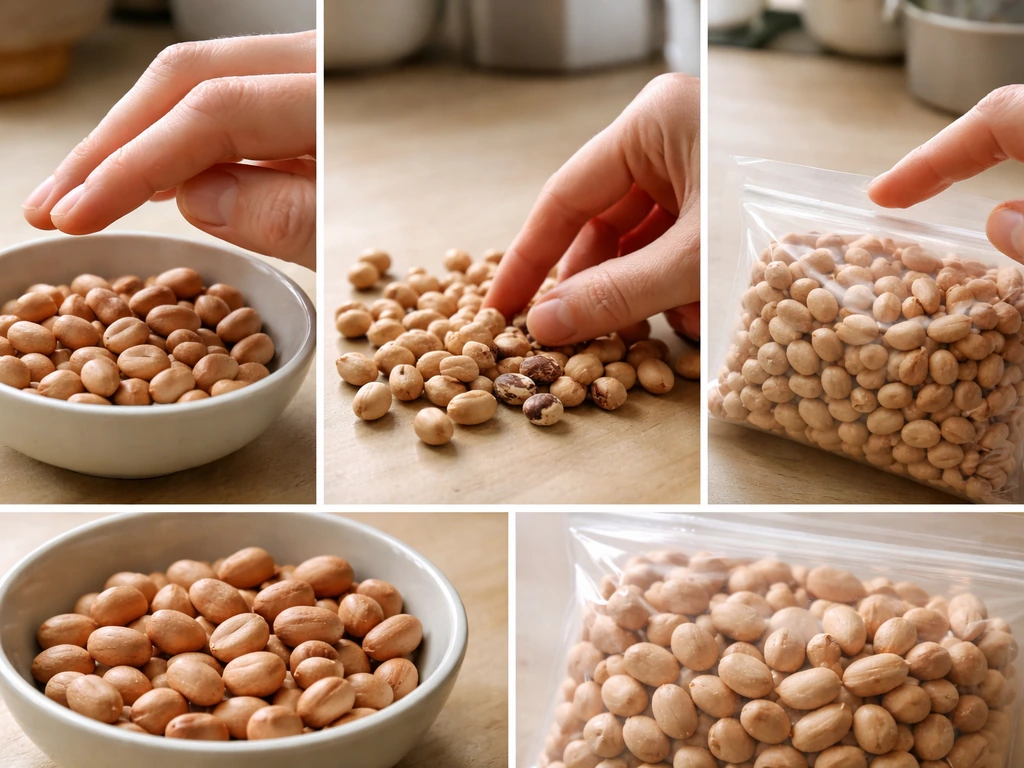
- Smell them first: fresh peanuts smell nutty and mild. A sour, musty, or paint-like smell means rancidity or mold, and the batch should go in the bin, not the feeder.
- Look for discoloration: dark spots, grey or greenish patches, or shriveled kernels are signs of mold. Reject any peanuts with visible mold, even if the rest look clean, because mycotoxins spread invisibly through a batch.
- Check storage conditions: peanuts stored in a damp shed, left in an open feeder in wet weather, or kept in a torn bag exposed to humidity are high-risk. Only use peanuts stored in a cool, dry, sealed container.
- Check the date: peanuts sold for wild birds often have no clear use-by date. If you've had the bag for more than a few months or can't remember when you bought it, replace it.
- Check the label for added salt or flavoring: even a small amount of salt is problematic for chickens in quantity, and any artificial flavoring or seasoning should disqualify the product entirely.
Choking hazards and how much to actually feed
Whole in-shell peanuts are a choking risk for chickens. Unlike large birds such as jays or crows that can manage shells easily, chickens don't reliably break in-shell peanuts down safely, and a bird pecking at a whole shell can crack off sharp pieces. Shelled peanut halves are a much better choice. If you only have whole shelled peanuts (not in-shell), you can crack or roughly chop them before offering.
Peanuts are calorie-dense and high in fat, so they should be a treat, not a dietary staple. A reasonable guideline for adult chickens is no more than a small handful (roughly 10 to 15 peanut halves) for a flock of 6, offered no more than two or three times per week. Overfeeding high-fat treats can lead to weight gain, reduced egg production, and fatty liver syndrome, which is already a common issue in production breeds. Treats in general, including peanuts, should make up no more than 10% of a chicken's daily diet.
Salt, sugar, flavorings, and other ingredient concerns
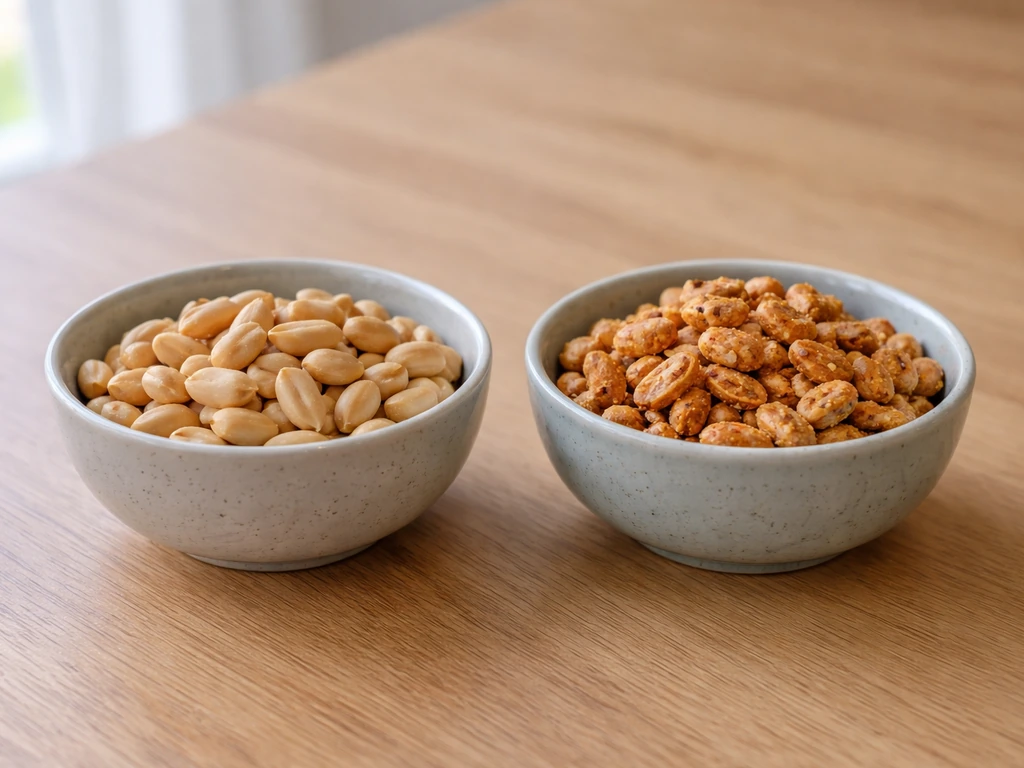
Salt toxicity in chickens is a genuine risk. Chickens have a low tolerance for sodium, and consistent exposure to salted snacks can cause polydipsia (excessive drinking), wet droppings, kidney damage, and in serious cases death. Wild bird peanuts sold in bulk are frequently unsalted, but you should not assume this. If you are asking about ducks, the answer can differ a lot because many “bird foods” are formulated differently than plain nuts or human-safe treats can ducks eat bird food. Always read the ingredient list. If the only ingredient is peanuts, you're in safe territory for that particular hazard. If you see salt, sugar, honey, artificial flavors, or any seasoning listed, those peanuts are not appropriate for chickens.
Suet-based products that contain peanuts (fat balls, suet cakes) add another layer of complexity. Because fat balls are often suet-based and formulated for wild birds, you should be careful about what ingredients they contain before offering them around chickens. Many of these contain added salt to improve palatability, dried fruits like raisins that are toxic to some animals, or high sugar content. These products are formulated for wild birds, not chickens, and should not be offered to your flock. Some wild bird feeds can include ingredients or supplements that are not appropriate for chickens, so avoid feeding meat-bird feed to laying hens unless a poultry nutritionist recommends it meat bird feed. If you are wondering about game bird feed specifically, you should check the ingredients and look for any additives that may not be suitable for chickens can chickens eat game bird feed. If you're interested in the broader fat-ball question, that topic covers the specific ingredient risks in more detail.
Keeping wild birds out of chicken feed and vice versa
If you're feeding wild birds in the same backyard where you keep chickens, cross-contamination between feeders is a real practical problem. Wild birds carry diseases including avian influenza, Marek's disease vectors, and Salmonella, and their droppings contaminating chicken feed is a biosecurity concern. CDC also notes that backyard bird flocks can be exposed to wild birds with avian influenza, and that owners whose flocks become infected and are exposed to sick birds are at higher risk wild birds can carry avian influenza and can infect backyard flocks when sick birds contaminate the area. Equally, your chickens may try to raid a low-hanging peanut feeder, or wild birds may flock to spilled chicken feed on the ground.
- Hang wild bird peanut feeders at least 6 to 8 feet off the ground and well away from the chicken run perimeter, so chickens can't reach them and wild birds aren't drawn directly over the run.
- Use covered or enclosed chicken feeders that wild birds can't access. Treadle feeders that open only under the weight of a chicken are particularly effective.
- Don't leave loose peanuts on the ground near the feeder as spillage. Ground feeding attracts wild bird flocks that will linger near your run.
- Clean up spilled chicken feed daily. Rotting feed on the ground draws rodents, which in turn attract predators and add another disease vector.
- Consider feeding wild birds in a separate area of the yard, ideally with a visual barrier or fence between that zone and the chicken run.
This kind of physical separation isn't just about preventing chickens from eating the wrong food. It also reduces the risk of respiratory diseases spreading from wild bird droppings into your flock's environment, which is especially important during active avian influenza seasons.
Safer alternatives and practical guidelines
If you want to give your chickens a peanut treat without worrying about wild-bird product quality, the cleanest approach is to buy plain, unsalted, shelled peanuts from a grocery store or human-food supplier. These are regulated under different standards, have clear ingredient labels, and are typically fresher than bulk wild bird product that may have sat in a warehouse or on a shelf for months. Raw or dry-roasted with no salt or oil is what you want.
| Product type | Safe for chickens? | Main concern |
|---|---|---|
| Plain unsalted shelled peanuts (fresh, human food grade) | Yes, in moderation | Overfeeding, fat content |
| Wild bird peanut halves (unsalted, single ingredient) | Yes, if fresh and mold-free | Mold, aflatoxins, storage quality |
| Whole in-shell wild bird peanuts | Only if cracked first | Choking hazard from shell pieces |
| Salted or flavored peanuts | No | Salt toxicity, additives |
| Peanuts in a mixed wild bird seed blend | Check ingredients first | Added salt, dried fruit, other hazards |
| Peanut suet cakes or fat balls | Generally no | Salt, sugar, raisins, other additives |
For wild bird feeding alongside a chicken flock, the safest routine is to use tube-style or mesh peanut feeders designed for birds like nuthatches, woodpeckers, and tits, mounted well out of chicken reach, filled with fresh peanuts, and emptied and cleaned every few days in wet weather to prevent mold buildup in the feeder itself. Don't leave peanuts in an outdoor feeder for more than a week, especially in humid or rainy conditions.
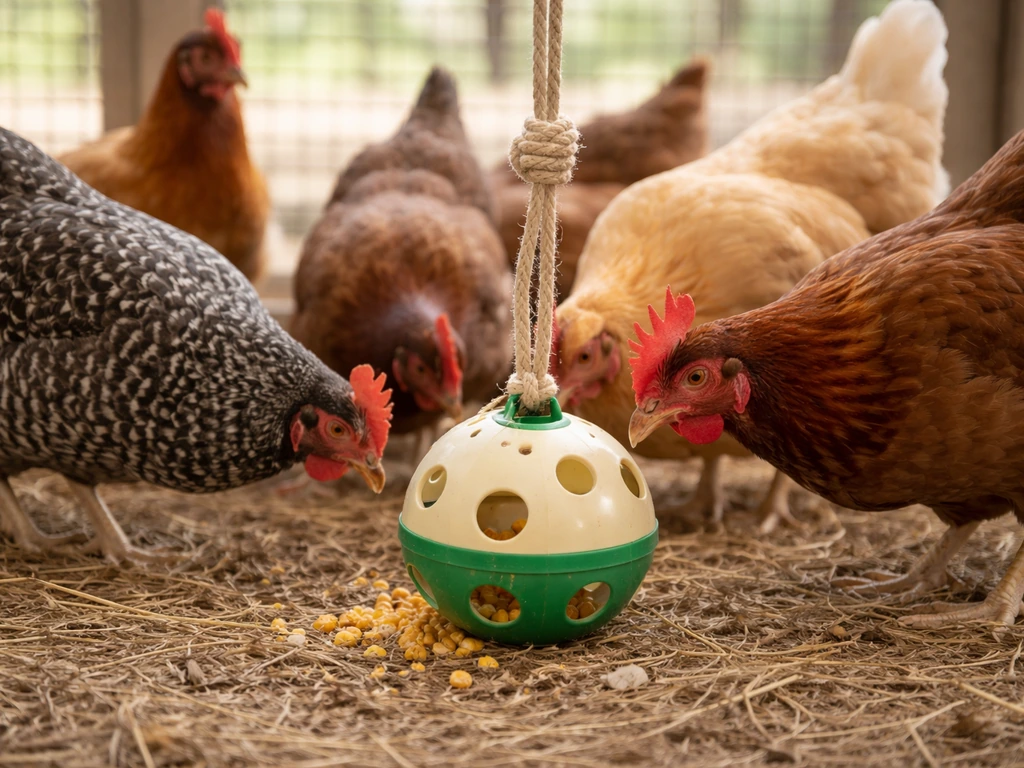
If your chickens have already eaten some wild bird peanuts and you're reading this afterward, don't panic. Do chickens play with bird toys too, and if so, what kinds are safe around a flock? A small amount of plain, reasonably fresh peanuts is very unlikely to cause a problem in an adult hen. But can a bird eat meat instead of peanuts, and what kinds of meat are safe can bird eat meat. Watch for signs of digestive upset (loose droppings, lethargy, reduced appetite) over the next 24 to 48 hours. If the peanuts were visibly moldy or the birds ate a large quantity, contact your vet. The main ongoing risk is repeated exposure to mold-contaminated or rancid product over time, not a one-off small serving of decent-quality nuts.
FAQ
Can chickens eat wild bird peanuts if they were homemade or repackaged from a bulk bin?
Only if you can confirm they are plain, unsalted, and free of any added flavors, sugars, or coatings. Bulk bins often mix batches, and repackaging removes traceability, so check for an ingredient statement or lot/date on the original packaging. If you cannot verify freshness and ingredients, avoid feeding them, especially to chicks.
What should I do if I accidentally spilled wild bird peanuts, and my chickens had access?
First remove the spilled peanuts and any that can be reached by pecking. Then watch the flock for 24 to 48 hours for loose droppings, reduced appetite, or lethargy. If the peanuts looked damp, moldy, or you cannot tell how long they sat outdoors, it is safer to call a poultry veterinarian rather than waiting, because repeated mold exposure is the bigger long-term risk.
Are dry-roasted peanuts safe if they are labeled “unsalted,” but the birds were eating them from a feeder outside?
Dry-roasted and unsalted is a good start, but outdoor feeders add risk from moisture and storage time. Peanuts that have been exposed to humidity or sat in a dirty feeder can develop mold or rancidity even if they were originally safe. If you smell sharp, sour, or paint-like odors or see any discoloration, do not feed them.
How can I tell whether my peanut batch might be moldy or contaminated with aflatoxins?
You cannot reliably detect aflatoxins by smell alone. Look for visible mold, dust, clumping, or a musty odor, but remember the absence of obvious mold does not guarantee safety. If you see any signs of dampness or the bag was stored in a humid place, treat the batch as suspect, especially for chicks and young pullets.
Can chickens eat peanut butter from a wild bird peanut product (or flavored nut spreads)?
Not the typical canned or flavored versions, and do not treat it as safe just because it contains peanuts. Peanut butter often includes salt, sugars, oils, or added flavors, and some “bird” spreads include binders or supplements. If you want to use peanut products, choose one with only peanuts listed as the ingredient and offer only tiny amounts as a treat.
Is it safe to feed peanuts to chicks and young pullets that are otherwise healthy?
Chicks are more vulnerable than adult hens, so do not rely on the general adult guideline. If you are uncertain about the freshness, storage conditions, or ingredients of wild bird peanuts, keep them away from juveniles entirely. For young birds, stick to clearly labeled plain, unsalted shelled peanuts or skip peanuts until you are confident about the batch.
Do whole in-shell peanuts cause problems even if the shells look intact and clean?
Yes. Even clean-looking shells can chip and create sharp fragments when pecked, and the bird may try to swallow pieces it cannot manage. Shelled peanut halves are safer. If you only have whole in-shell peanuts, chop them before offering and remove leftovers quickly.
Can chickens eat wild bird peanuts every day if the amount is small?
Daily feeding increases the chance of overexposure to any problem in the batch, and peanuts are calorie-dense with high fat. The practical approach is to limit treats to a small handful per flock and keep frequency modest (for example, a few times per week), with stricter caution for any batch that has been outdoors, opened for a long time, or stored in a humid area.
If my chickens are raiding a wild bird feeder, should I stop feeding wild birds entirely?
You can keep feeding wild birds, but you should address access and contamination. Use feeders mounted out of reach, choose tube or mesh designs that reduce spillage, and empty and clean on a tight schedule in wet weather. If your chickens repeatedly knock over feeders or can reach spilled seed, it is better to temporarily stop and then restart with improved separation.
What signs mean the peanuts are causing trouble, and when is a vet call urgent?
For a one-off small serving, mild digestive upset might resolve on its own, but you should act if symptoms persist or escalate. Contact a vet promptly if you see severe lethargy, inability to stand, repeated vomiting or very watery droppings, or if chicks are involved. Urgent concern is also warranted if you suspect rancid or visibly moldy peanuts, or if multiple birds in the flock become ill around the same time.
Next Article
Do Chickens Play With Bird Toys? Safe Enrichment Guide
Yes, chickens play and forage with some bird toys. Learn safe options, risks, and how to introduce enrichment today.