Laying hens should not eat meat bird feed as their main diet. If you are wondering about can chickens eat bird fat balls specifically, treat them like other unsuitable treats and check what ingredients and additives are inside before offering them meat bird feed. It is not formulated for egg production, and feeding it regularly can lead to poor shell quality, reduced laying, and potential health problems from additives that are not approved for use in laying hens. If you already have a bag on hand and are wondering whether you can use it up, the short answer is: check the label first, because some meat bird feeds contain medications or coccidiostats that make them genuinely unsafe for layers at any amount.
Can Laying Hens Eat Meat Bird Feed? Safe Guidance

Maya Henderson
30 Apr 2026
What meat bird feed actually is
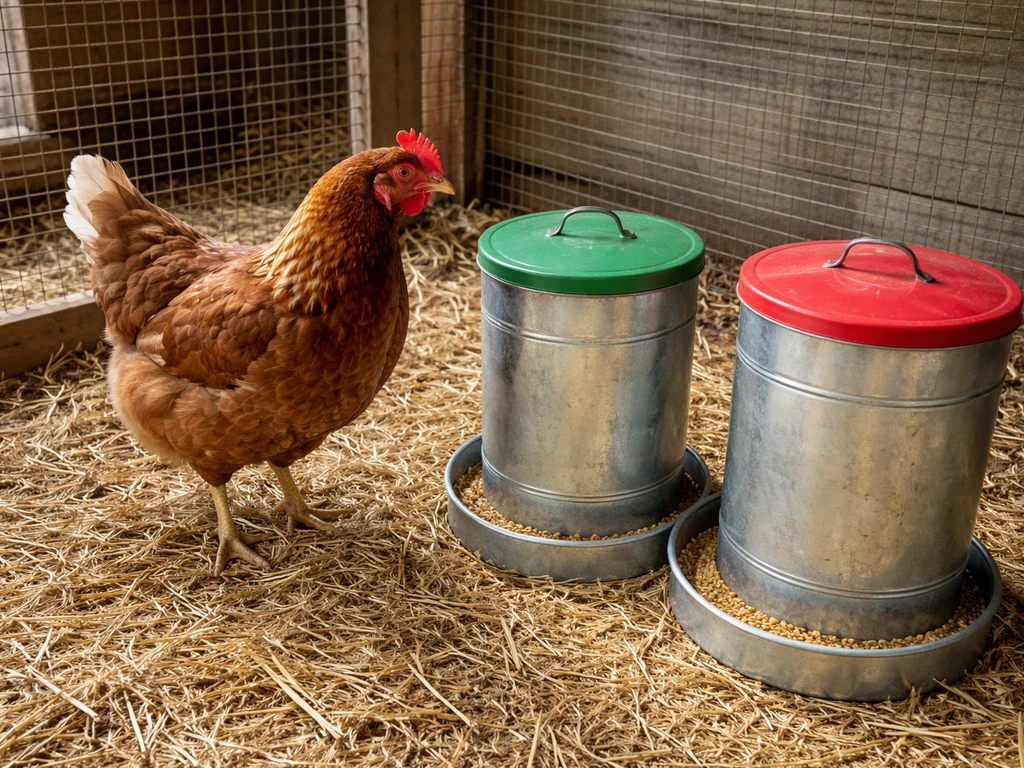
Meat bird feed (also called broiler starter, grower, or finisher, and sometimes marketed as game bird feed) is designed around one goal: fast muscle and body mass gain. The nutrient profile reflects that. A typical broiler finisher runs around 19 to 20 percent crude protein and is formulated with high metabolizable energy, around 3,100 kcal/kg or more. Available phosphorus sits at roughly 0.45 to 0.50 percent. These are solid numbers for a bird putting on weight quickly.
What meat bird feed is not designed for is eggshell production. The calcium content is dramatically lower than what a laying hen needs. Broiler feeds are not formulated with the calcium-to-phosphorus ratio that supports consistent shell formation. They also commonly include additives, growth promoters, or coccidiostats (medications that prevent coccidiosis) that are licensed for meat birds but specifically not approved for use in egg-laying hens. That distinction matters a lot, and it is the first thing to look for on the label.
Can laying hens eat it? The direct answer
No, not as a regular feed, and possibly not at all depending on what is in it. In general, you should think carefully about can bird eat meat safely, since meat-based diets can include additives or nutrients that are not appropriate for egg-laying hens. The label is the deciding factor. If the bag says 'For meat birds only,' 'Do not feed to laying hens,' or lists a medication or coccidiostat in the guaranteed analysis or ingredient list, you should not feed it to your layers under any circumstances. Many broiler finisher formulas include antibiotic growth promoters or ionophore coccidiostats, both of which fall into this category.
If the bag is a plain, unmedicated grower feed with no restricted-use warnings, a very short-term bridge (a few days while you wait for layer feed to arrive) is a gray area that some experienced keepers navigate. If you also meant “wild bird food” like seed or mixed pellets, it is still usually not formulated for laying hens and the ingredients and contamination risks can vary can chickens eat wild bird food. But it is not something to make a habit of, and it still carries the nutritional risks described below. Think of it as an emergency stopgap, not a substitute.
The nutritional mismatch and why it hurts egg quality
The biggest practical problem with feeding meat bird rations to layers is calcium. A laying hen needs roughly 3.5 to 4.5 percent calcium in her diet to maintain shell quality and avoid drawing calcium from her own bones. Layer feeds are formulated specifically to hit this target, often using calcium carbonate as a primary source. Broiler feed provides nowhere near that level. The result is thin, weak, or missing shells, and over time, bone density loss.
Vitamin D3 is tied directly to this. Without adequate D3, a hen cannot properly absorb and use calcium, which makes shell weight drop and shells crack more easily. Broiler feeds are not optimized for this interaction the way layer feeds are. The protein levels in meat bird feed (often 19 to 20 percent) are also higher than a layer typically needs (around 16 to 18 percent), and excess protein over long periods puts unnecessary strain on the kidneys. The extra energy density is similarly mismatched for a hen whose job is egg production rather than rapid body growth.
| Nutrient | Meat Bird Feed (typical) | Layer Feed (target) |
|---|---|---|
| Crude protein | ~19–20% | ~16–18% |
| Calcium | Low (~0.9–1.2%) | ~3.5–4.5% |
| Available phosphorus | ~0.45–0.50% | ~0.6–0.8% |
| Metabolizable energy | ~3,050–3,113 kcal/kg | Lower, optimized for laying |
| Coccidiostats/additives | Often included | Usually absent or layer-safe only |
Medications and additives: the real safety concern
Beyond the nutritional mismatch, medicated meat bird feeds carry a direct safety risk that has nothing to do with nutrition. FDA provides egg guidance and regulatory information that addresses shell-egg safety and related residue considerations FDA provides guidance/regulatory information specific to shell eggs.
Ionophore coccidiostats, including compounds like lasalocid, monensin, narasin, salinomycin, and maduramicin, are among the most commonly used additives in broiler feed. These are specifically not licensed for use in egg-laying hens. Studies have confirmed that lasalocid, for example, persists in eggs for around 10 days after a hen is taken off medicated feed.
The e-CFR lists lasalocid (as part of regulatory residue context) with an acceptable daily intake for total residue of 10 µg/kg body weight per day [lasalocid, for example, persists in eggs for around 10 days after a hen is taken off medicated feed. ](https://www. law. cornell.
edu/cfr/text/21/556. 347). That is a food safety issue, not just a welfare one.
Ionophore monitoring in eggs has shown these compounds appearing in non-compliant laying hen eggs at measurable levels. Beyond residue concerns, ionophore toxicity is species- and dose-dependent, and some ionophores have caused reduced egg production and neurological signs in susceptible birds. Antibiotic growth promoters listed in broiler finisher formulations add another layer of concern, both from a residue standpoint and from a regulatory one. The label will tell you if these are present, which is why reading it carefully before feeding anything to layers is non-negotiable.
How to read the label for these risks
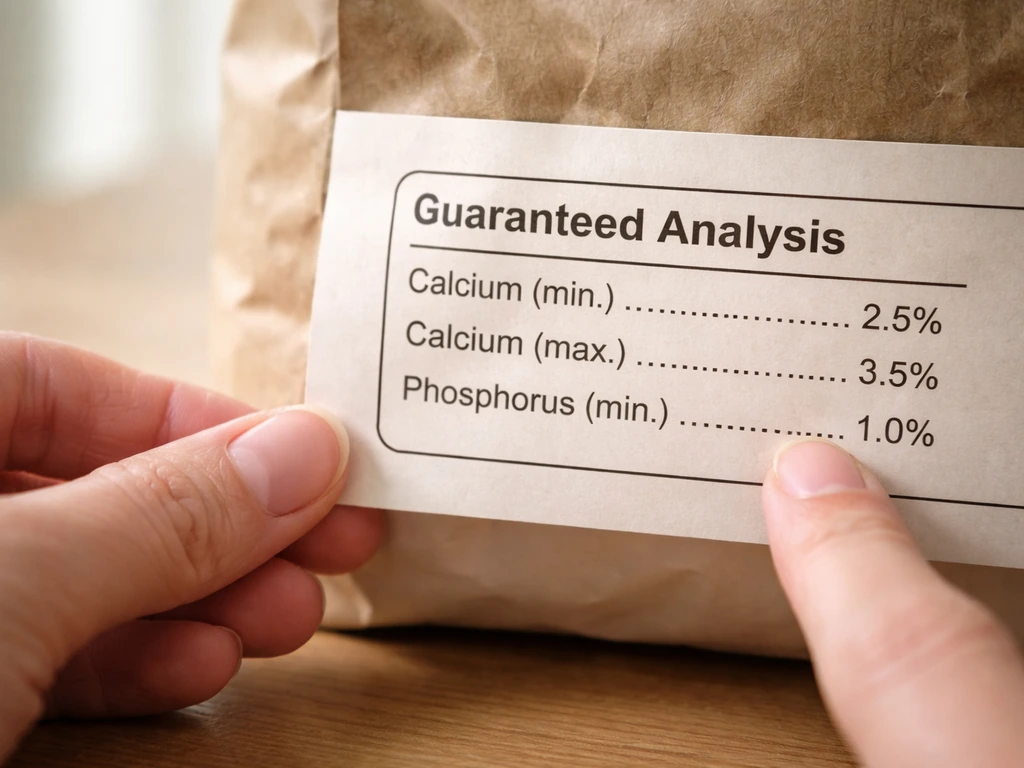
- Check the 'Guaranteed Analysis' section for calcium (minimum and maximum), phosphorus (minimum), and crude protein. If calcium is below 3 percent, this is not a layer feed.
- Look at the ingredient list for any coccidiostat names: lasalocid, monensin, narasin, salinomycin, maduramicin, semduramicin, or amprolium (note: amprolium is generally considered safer for layers than ionophores, but still check).
- Look for any statement like 'for meat birds only,' 'not for use in laying hens,' or a withdrawal time listed for eggs. If any of these appear, do not feed it to your layers.
- Check for antibiotic growth promoters or growth-promoting additives in the ingredient list. Their presence is a reason to keep this feed away from your laying flock entirely.
You already have it: what to do right now
If you have a bag of meat bird feed sitting in your coop or storage area, do not panic, but do act today. Pull the bag out and read the full label before feeding any more of it. If the label shows any coccidiostat or medication, or any warning against use in laying hens, stop using it immediately. Do not try to dilute it into the flock's existing feed as a workaround. The safer play is to set the bag aside and use it only for meat birds if you have any, or dispose of it.
If the label shows it is a plain, unmedicated grower feed with no restricted-use warnings, you have more flexibility. In a genuine pinch (no layer feed available, pickup is a day or two away), you can offer it short-term while making sure your hens have access to a separate free-choice supply of oyster shell to partially offset the calcium deficit. This does not make it nutritionally complete, but it limits the immediate impact on shell quality. Get proper layer feed as fast as you can.
Safer substitutes to look for at your local feed store: a complete layer pellet or crumble formulated with 3. 5 to 4. 5 percent calcium and 16 to 18 percent protein, or an all-flock or flock-raiser style feed paired with free-choice oyster shell.
If you are also raising game birds or ducks alongside your layers, an all-flock feed can be a practical middle ground (similar considerations apply if you have been searching around topics like chickens eating game bird feed or ducks eating bird food, both of which have their own calcium and additive nuances).
If you are wondering about chickens eating game bird feed, the key issues are usually the same as with meat bird feed: calcium balance and any added medications. If you are also wondering about ducks and whether they can eat bird food, the same label-checking approach applies because additives and residue rules can differ by species can ducks eat bird food.
Transitioning back to layer feed and watching for problems
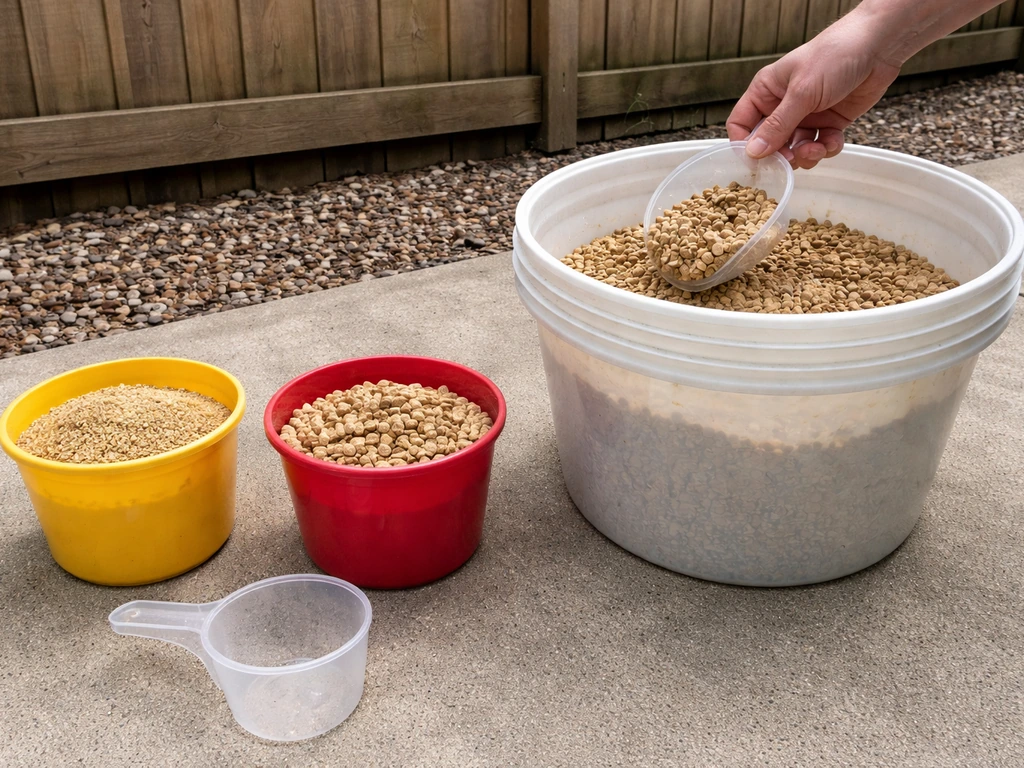
If your hens have been on meat bird feed for more than a few days, transition back to layer feed gradually over about a week. Mix 75 percent layer feed with 25 percent meat bird feed for two or three days, then go to 100 percent layer feed. This reduces digestive upset and gives their systems time to adjust. Keep the oyster shell available free-choice throughout the switch.
Watch your flock closely for the first two to three weeks after any feed change. The signs that something went wrong on the meat bird feed will often show up as egg quality problems first, then behavior or health changes. If you are also looking at bird toys, remember that treats and enrichment should not replace proper layer feed do chickens play with bird toys.
- Thin, soft, or cracked eggshells: a sign of calcium deficiency that should improve within a week or two of returning to proper layer feed
- Reduced egg production or hens going off lay: can happen with nutritional imbalance or stress from a diet change
- Loose droppings or diarrhea: watch for this especially in the first few days of any feed transition
- Lethargy, reduced appetite, or any neurological signs like wobbling or weakness: these are more serious and warrant a call to your vet, particularly if the feed contained any ionophore cocciostat
- Pale yolks or changes in yolk color: can reflect shifts in diet composition
If shell quality does not improve within two to three weeks of returning to a proper layer ration with free-choice oyster shell, or if any hen shows neurological signs or stops eating, contact a poultry vet. If you know or suspect the feed contained a coccidiostat not approved for layers, mention that specifically when you call.
Keeping feed safe: storage, mold, and keeping other animals out
Poultry feed of any kind spoils faster than most keepers realize, and this is especially relevant if you have been dealing with mismatched feeds and now have partial bags sitting around. Mold and mycotoxins are the main hazard. Storage fungi can grow on feed when moisture content climbs to around 15 to 20 percent and relative humidity in storage is above 70 to 90 percent. Mycotoxins produced by those molds can cause serious illness in chickens, including reduced production, immune suppression, and organ damage.
- Store feed in hard-sided, airtight containers (metal bins work well) in a cool, dry location away from direct sun
- Buy only what you will use within 6 to 8 weeks; do not stockpile bags in warm or humid conditions
- Check feed each time you open a container: discard anything that smells musty, looks clumped or discolored, or has visible mold
- Never mix old feed into new feed bags; empty and clean the container between refills
- Keep feeders clean and dry; wet feed at the bottom of a hanging feeder can grow mold within 24 to 48 hours in warm weather
If you keep multiple types of feed on hand (layer feed, meat bird feed for broilers, or game bird starter for chicks), label each container clearly and store them in separate bins. This prevents accidental cross-feeding. It also matters if you have other animals or wildlife around. Pets, wild birds at nearby feeders, or visiting wildlife can access an open feed bin or an uncovered feeder.
Wild bird seed and backyard poultry feed attract different species for different reasons, and unsecured feed creates problems beyond your laying flock. Wild bird seed and backyard poultry feed attract different species for different reasons, and if you are specifically considering can chickens eat wild bird peanuts, treat it like any other cross-feeding risk and keep their main layer diet separate.
Rodents are a persistent issue around any feed storage and can contaminate feed with droppings and pathogens. Use metal containers with locking lids and place them off the ground where possible. Clean up any spilled feed from the coop floor daily to avoid drawing in pests that can also stress your flock.
FAQ
My hens got into some meat bird feed for a day. Is it automatically dangerous?
If you only had a small amount of meat bird feed as an occasional “extra,” the risk is usually lower than if it was their primary ration, but calcium deficiency can still start to affect egg quality. Monitor shell thickness and egg count for about 1 to 2 weeks, keep oyster shell free-choice, and switch back to proper layer feed as soon as possible.
Can I make meat bird feed safer for layers by adding oyster shell or supplements?
Yes, some keepers try to “balance” by adding oyster shell or crushed shells, but it does not fix the other mismatches in broiler/grower diets. Calcium may help shell formation, yet protein and energy levels, vitamin D interaction, and especially any medicated ingredient will still be off.
What if the meat bird feed label looks similar to layer feed, can I judge by protein or calories only?
Do not rely on the “crude protein” number alone. Two feeds can both have similar protein yet differ widely in calcium level, vitamin D3 strategy, and the presence of coccidiostats or other regulated additives. The guaranteed analysis and ingredient panel need to be checked together for warnings.
I want to dilute meat bird feed with layer feed. Is that enough if it’s medicated?
If the bag contains a coccidiostat (for example, the ionophore names), the safest approach is to stop using it for layers entirely, even if you add layer feed to dilute it. Those additives can persist long enough to create residue concerns, and dilution does not guarantee you will land below risky thresholds.
How should I handle a short emergency gap until layer feed arrives?
For a “few days” bridge, keep oyster shell available at all times, and do not offer additional calcium sources beyond oyster shell (too much can still create problems). Also avoid changing other variables at the same time, like lighting or treats, so you can tell whether feed is the cause if egg quality shifts.
How quickly will I notice problems if layers are eating meat bird feed?
When eggshell issues are tied to calcium and D3 handling, thin or cracked shells can appear within days to a couple of weeks, while behavior or health changes take longer. If you see rapid neurological signs, loss of appetite, or a sudden drop in production, treat it as a possible toxic or residue scenario and get advice from a poultry vet right away.
What should I do if my hens stop laying after switching back to layer feed?
If a hen stops laying but still eats normally and the rest of the flock seems okay, it still warrants a structured response: switch to correct layer feed, keep oyster shell free-choice, and watch for improvement over 2 to 3 weeks. If there is no recovery, or if multiple hens worsen, assume the feed switch or an additive exposure may be the driver.
I found a partly used bag. Can I just use it later for my layers if I wasn’t sure at the time?
Yes. If you have meat bird feed in a sealed container with the original label and you can confirm it is unmedicated, you can use it for future broilers or game birds. If you cannot confirm the additive status from the label, set it aside rather than guessing, because “unmedicated” is not the same as “safe for layers.”
Does storage spoilage change the risk compared with fresh meat bird feed?
If the feed is old or has been stored poorly, mold and mycotoxin risk can add illness on top of nutritional problems. Check for clumping, off smell, visible mold, or excessive dust, and do not feed it to any birds if you suspect spoilage. When in doubt, replace the feed and review storage moisture and humidity conditions.
Is game bird starter or game bird feed safe for laying hens if it’s not broiler feed?
Do not assume a feed labeled “game bird” is automatically safe. These products often target growth, may include coccidiostats or other regulated additives, and can still have an unfavorable calcium profile for layers. Use the exact same label-checking rules as with broiler feed.
Next Articles
Can Bird Eat Meat Safely A Guide to What to Feed and Avoid
Learn which birds can eat meat, safe options like insects, and what to avoid to prevent disease and contamination.
Can Chickens Eat Game Bird Feed? Safety and Alternatives
Can chickens eat game bird feed? Get the safety yes/no, risks like medication and minerals, and safer alternatives.
Can Ducks Eat Bird Food? Safe Options and What to Avoid
Learn if ducks can eat bird food, which seeds are safe, which to avoid, and how to feed and clean safely.