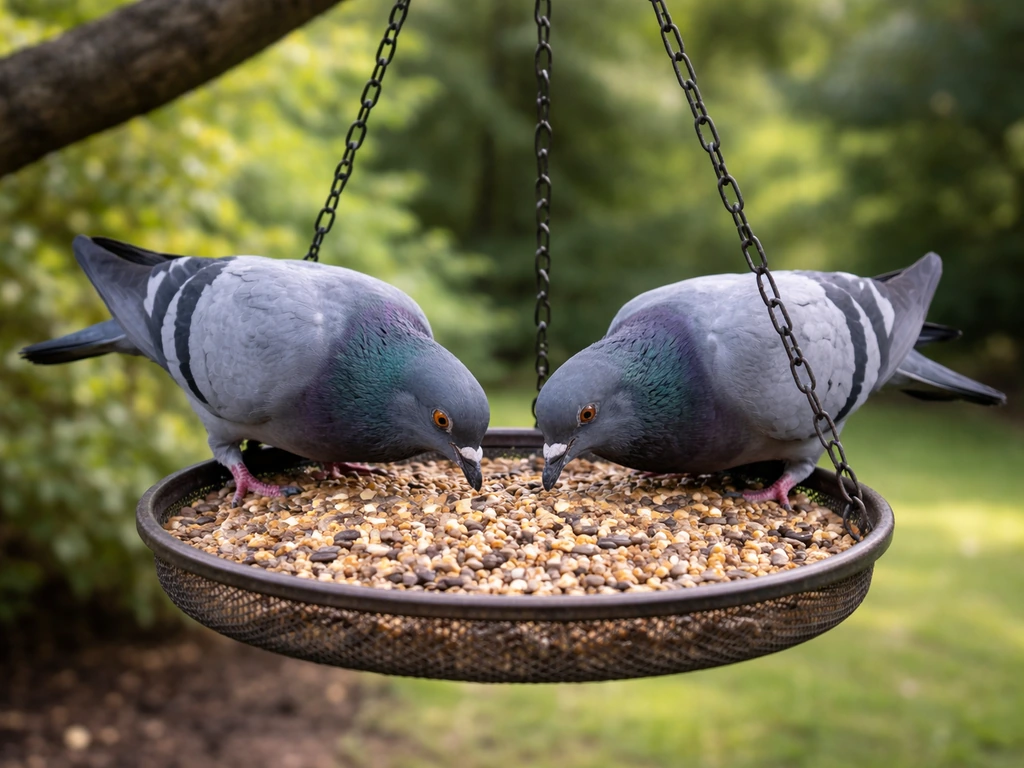
Yes, pigeons absolutely eat bird seed. Rock pigeons are natural grain and seed eaters, and they will readily take almost any seed you put out at a feeder or leave on the ground. In urban areas they have adapted to eat just about anything people leave behind, but given a proper seed mix, they will eat it enthusiastically. The more specific question is which seeds they prefer, whether your seed is safe to offer, and how to avoid turning a simple feeding setup into a mess or a disease risk.
Do Pigeons Eat Bird Seed? Safe Feeding Tips and Risks

Maya Henderson
13 Apr 2026
What pigeons actually eat at feeders (and what they skip)
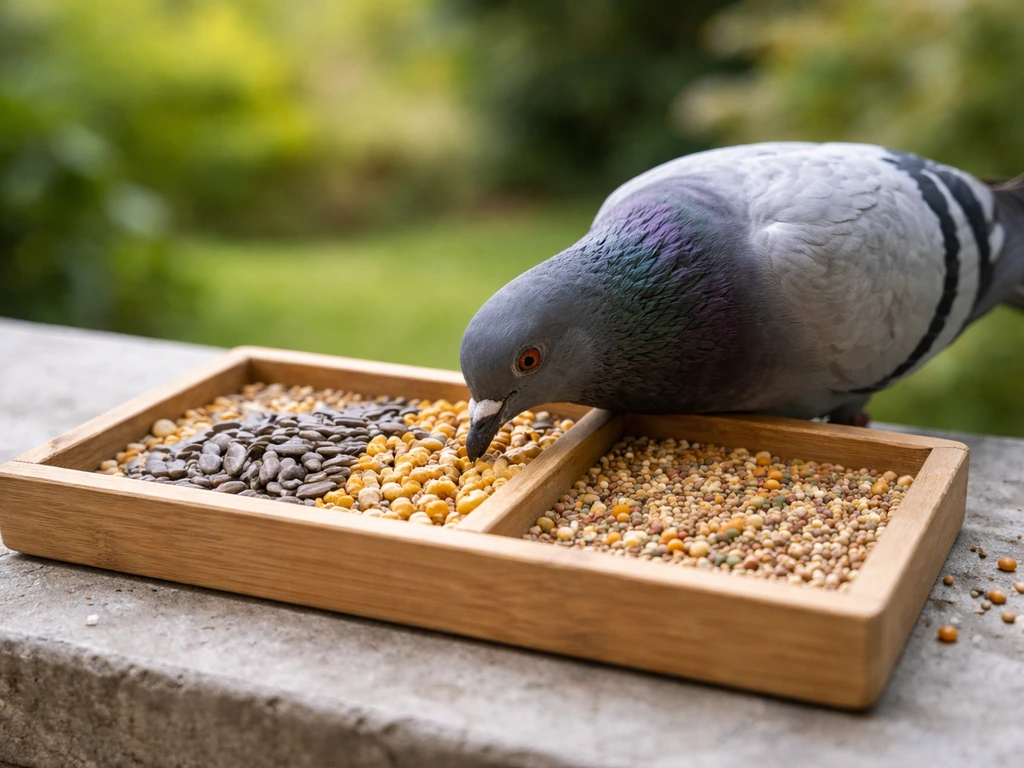
Pigeons are not picky, but they do have preferences. In the wild and in rural areas, rock pigeons feed on waste grain, grass seeds, berries, and acorns. In cities, they fill the gaps with bread, popcorn, and other human food scraps. At a feeder, though, they will eat a wide range of seeds: sunflower seeds (black oil and hulled), safflower seeds, shelled peanuts, white and red millet, Nyjer (thistle), and cracked corn. Cracked corn in particular is known to pull in doves and pigeons quickly, so if you are already seeing too many, it is worth dialing back the corn content in your mix.
Where pigeons get pickier is with low-quality filler blends. Cheap wild bird mixes often contain milo, wheat, oats, red millet, and canary seed. Pigeons may pick through these, tossing out the fillers to get to what they actually want, which creates ground spillage and waste. If you are using a filler-heavy bag and noticing a lot of seed on the ground with birds still looking hungry, the blend is likely the problem. Switching to a blend built around black oil sunflower, sunflower chips, safflower, or shelled peanuts reduces waste and still feeds pigeons (and most other backyard birds) well.
How to tell if your seed is safe before you put it out
Bird seed goes bad, and bad seed causes real harm. The main risks are mold, aflatoxins, and bacterial contamination. Mold grows quickly when moisture gets into your seed, and grain stored above 12% moisture is at risk. Aspergillus mold produces aflatoxins, which are highly toxic to birds and pets alike. If your seed smells musty, looks clumped, or has any visible black or green fuzzy patches, throw it out. Do not try to salvage moldy seed by drying it or picking out the bad parts.
A few practical checks before you fill a feeder: look for clumping or caking (a sign of moisture exposure), smell the seed (fresh seed smells neutral to slightly nutty, not sour or musty), and look inside the feeder itself for any black residue or slime. Project FeederWatch recommends cleaning feeders every two weeks under normal conditions, and more frequently during warm or damp weather. If you spot black mold inside a feeder, discard the remaining seed immediately and scrub the feeder before refilling.
- Smell the seed: musty or sour odor means discard it
- Check for clumping: seed that sticks together has absorbed moisture
- Look for mold: any visible black, green, or fuzzy patches are a discard signal
- Inspect the feeder: slime or black residue inside the feeder needs immediate cleaning
- Store seed in a sealed, dry container away from humidity and direct sunlight
Safe feeding practices that work for pigeons and everyone else at the feeder
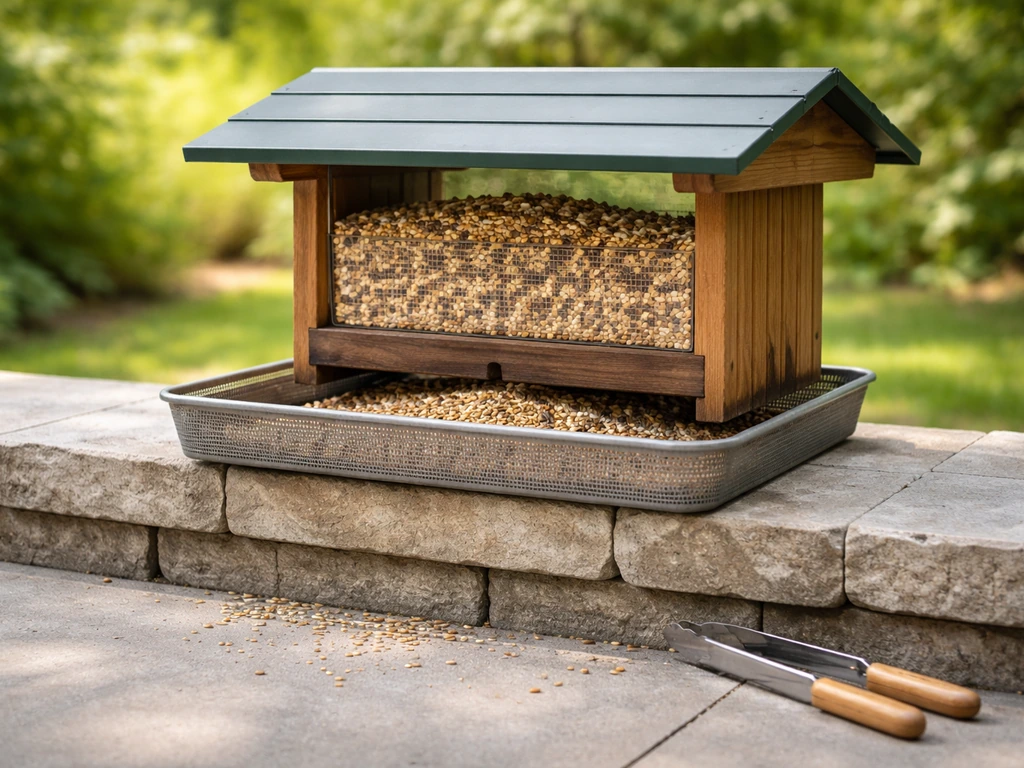
The biggest practical issue with pigeons at feeders is spillage. Pigeons are ground foragers by nature, so spilled seed is actually one of their primary ways of accessing food at feeders. If your feeder design drops a lot of seed onto the ground, you are essentially setting out a buffet for every pigeon in the neighborhood, plus squirrels, rats, and other uninvited guests. Using a tray or seed catcher under your feeder helps contain spillage and lets you monitor and clean up what has fallen before it spoils or attracts pests.
Only put out as much seed as birds can eat in a day or two. Overfilling leads to seed sitting in the feeder through rain and heat, which accelerates spoilage. Audubon recommends scrubbing feeders in spring and fall at minimum, and more often during humid summer months, using a diluted bleach solution (roughly one part bleach to nine parts water) followed by thorough rinsing and drying before refilling. If you are feeding during a disease outbreak among local birds, take feeders down for at least two weeks, clean them thoroughly, and wait for the sick population to cycle through before resuming.
Platform or tray feeders are the most pigeon-friendly feeder style, since pigeons are too large for most tube feeders. If you want to feed smaller songbirds without attracting as many pigeons, switching to tube feeders with small perches or weight-sensitive feeders can help limit pigeon access. You can also offer safflower seed, which pigeons will eat but tend to prefer less than sunflower, making it a reasonable compromise for mixed-species feeding.
How pigeon feeding affects your pets and local wildlife
Moldy bird seed is one of the more overlooked hazards for dogs and cats. If seed falls from a feeder and sits on the ground, especially in wet weather, it can develop mold within days. Dogs in particular will investigate and sometimes eat ground seed. The FDA has specifically flagged aflatoxin poisoning in pets as a real risk when animals eat moldy corn, grains, or peanuts. The ASPCA Animal Poison Control Center notes that pets exposed to moldy food outdoors, including from feeders and spillage, face genuine toxicity risk. Keeping the area under your feeder clean and raking up old seed regularly is not just tidiness, it is a genuine pet safety measure.
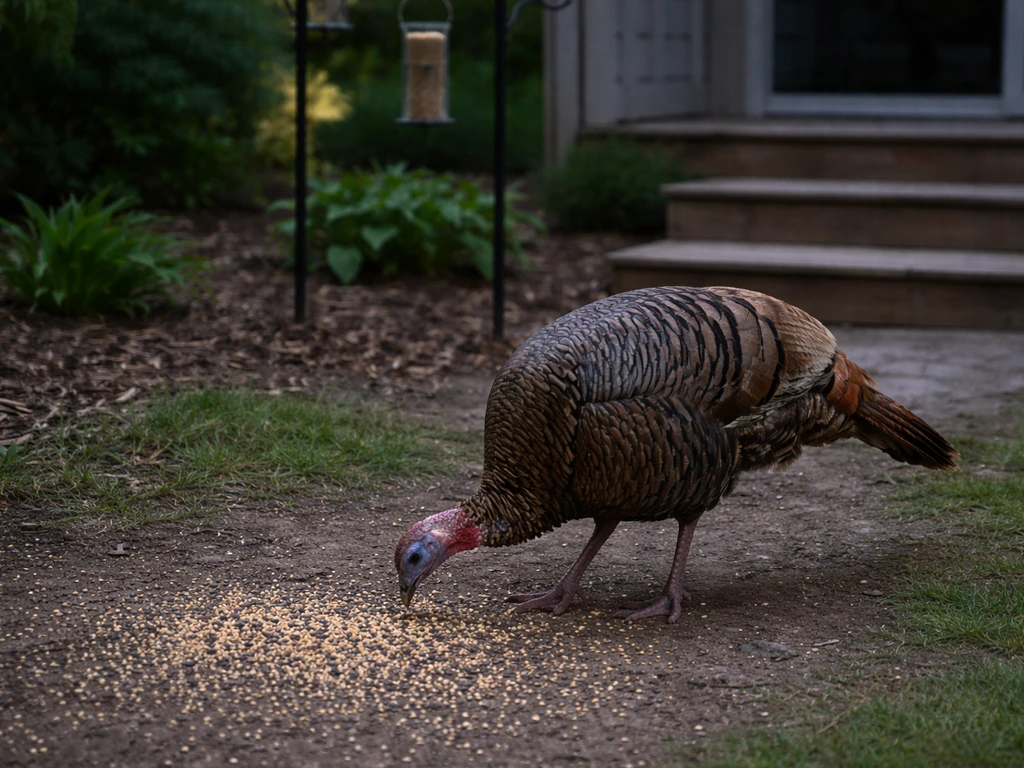
Bird feeders also pull in other wildlife beyond pigeons. Coyotes can be attracted to bird seed through the chain of smaller animals that feeders draw in, making feeder placement and ground cleanup important factors in your overall yard management. Similarly, larger birds with different feeding habits show up depending on what you put out: geese will eat bird seed that lands near water or open ground, and turkeys will eat bird seed from the ground below feeders if given access. Even coastal yards are not immune: seagulls have been known to eat bird seed when other food sources are nearby.
Pigeons and other feeder birds can also carry and spread salmonella. Oregon State University reports that salmonella transmission at feeders is a documented risk, and the CDC has linked wild songbird feeders to human salmonella cases, with bird seed (including sunflower and dried corn) flagged as part of the exposure chain. Always wash your hands after handling feeders, seed bags, or anything from the area below your feeder. Do not let children handle feeders without supervision, and keep feeder cleaning supplies separate from household food prep areas.
Comparing common seed types for pigeon feeding
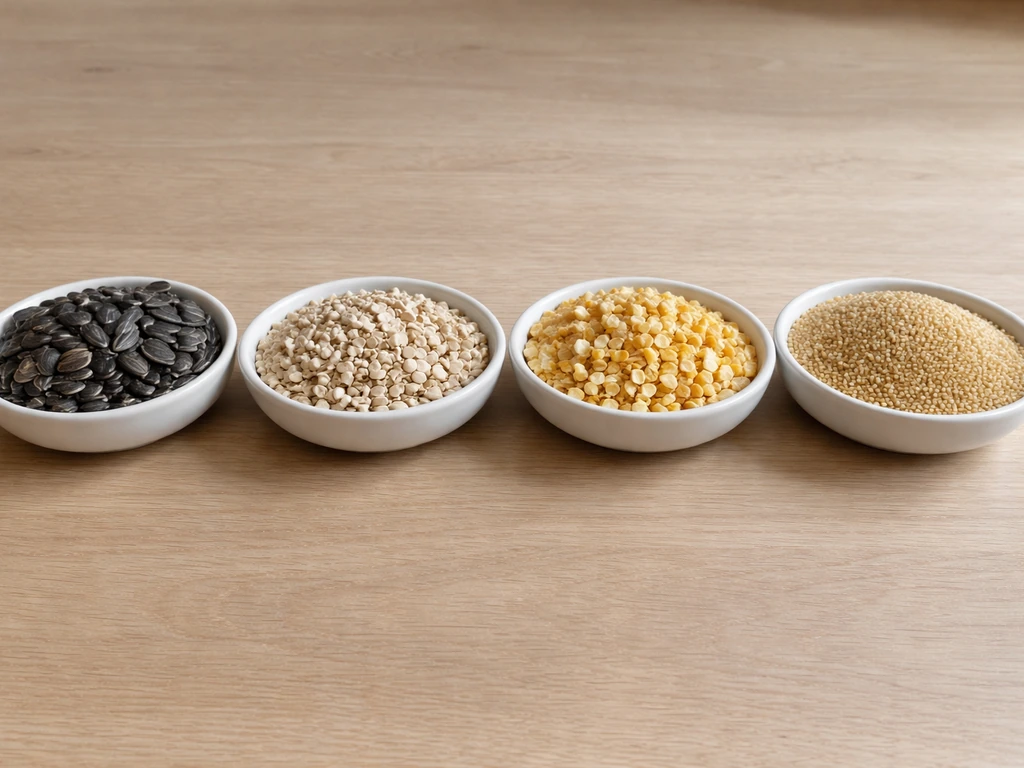
| Seed Type | Pigeon Preference | Spoilage Risk | Mess/Spillage | Notes |
|---|---|---|---|---|
| Black oil sunflower | High | Low if dry | Moderate | Good all-round choice; hulled version reduces shell mess |
| Cracked corn | Very high | High (molds quickly when wet) | High | Attracts pigeons fast; avoid in wet climates or overfill situations |
| White millet | High | Moderate | Moderate | Ground-feeding birds love it; watch for spillage buildup |
| Safflower | Moderate | Low if dry | Low | Fewer pigeons attracted than sunflower; good for mixed flocks |
| Milo/wheat/oat filler blends | Low (selectively picked) | Moderate to high | Very high | Pigeons sort through these and dump fillers; avoid |
| Shelled peanuts | High | Moderate (oils go rancid) | Low | Nutrient-dense; check freshness regularly; aflatoxin risk if moldy |
The practical recommendation: black oil sunflower or a blend of sunflower chips and safflower gives you the best balance of pigeon appeal, low spillage mess, and manageable spoilage risk. Avoid corn-heavy mixes during humid months or if you have poor drainage under your feeder. Skip filler-heavy cheap bags entirely.
Troubleshooting: pigeons won't eat your seed, or they're causing problems
If pigeons are ignoring your feeder
Pigeons not eating seed is less common than the opposite problem, but it happens. First, check seed freshness. Stale or rancid seed loses its scent cues that attract birds, and pigeons will sometimes walk past it without interest. Second, look at feeder placement. Pigeons are cautious about enclosed or elevated areas with limited escape routes. A platform feeder or open ground-level scatter is far more likely to attract them than a tube feeder mounted high on a pole with no landing space. Third, give it time. If you have just put out a new feeder in a new spot, it can take pigeons a week or more to incorporate it into their routine.
If pigeons are taking over and causing problems
Pigeons can go from occasional visitors to a persistent flock fast, especially in urban areas where food is predictable. A few things that help: switch from cracked corn and millet mixes to safflower-heavy blends, which pigeons find less appealing. Use tube feeders with smaller perches that pigeons physically cannot use comfortably. Clean up ground spillage daily so there is no secondary food source below the feeder. If you are dealing with a large flock and disease is a concern, take feeders down for two weeks, clean thoroughly, and reintroduce them with a less pigeon-attractive seed mix.
One clear warning: do not try to deter pigeons with bread, popcorn, or human food scraps as a distraction or replacement. These foods have no nutritional value for pigeons and actually contribute to the urban over-reliance problem that makes feral pigeon populations harder to manage. Stick to proper seed, manage quantities, and keep things clean. That approach keeps pigeons (and every other bird at your feeder) healthier and keeps your yard from becoming a problem zone.
FAQ
Can I feed pigeons bread or popcorn instead of bird seed?
Yes, but do not make it a habit. Pigeons will often eat just enough bread or popcorn to survive, yet it lacks proper nutrition and can increase disease risk because it spoils quickly in warm weather and attracts more unwanted scavengers. If you must stop feeding them, remove bread and human scraps first, then switch to a controlled amount of a better seed mix.
Why do pigeons ignore my bird seed even though it is placed out regularly?
If the seed is fresh and you see no signs of spoilage, the most common cause is that you are offering a preferred feeder access pattern that pigeons do not like. Platform or open tray feeders with landing room work better than many covered or high tube setups. Also, corn and millet draws pigeons faster, so if you are trying to attract fewer of them, reduce corn and choose more safflower or sunflower chips.
Is spilled bird seed dangerous for dogs and cats?
You can, but you must be careful about seed that hits the ground. If pets have access to spillage, moldy seed becomes a toxicity risk, especially with peanuts or corn-type mixes. The practical move is to use a seed catcher under the feeder, rake up dropped seed daily, and store bags sealed and dry so moisture never gets a chance to grow mold.
Can pigeons eat bird seed in winter, and does cold weather change the spoilage risk?
Winter feeding is usually fine if the seed stays dry, but moisture exposure is the problem. Use smaller refills so less seed sits through freeze thaw cycles, and inspect the feeder and seed for caking or musty odor after wet or snowy periods. In very damp weather, reduce quantities more than you would in summer.
How much bird seed should I put out to avoid spoilage?
Aim to fill only what birds will consume in 1 to 2 days, then top off rather than leaving a deep pile. A smaller amount reduces the time seed sits in rain, humidity, and heat, which is when clumping, mold growth, and rancid smells become more likely.
What feeder types reduce how many pigeons visit?
Tube feeders usually work better for songbirds, but pigeons typically cannot access many tube designs because of their size and perch limitations. If pigeons are still showing up, it is usually because some seed is dropping out or the feeder design allows access. In that case, use a tray or catcher system, choose a feeder that prevents ground spillage, and consider smaller-perch weight-sensitive models.
Why do I see so much bird seed on the ground under the feeder?
Yes. If your blend is filler-heavy, pigeons may pick out the desirable items and leave the rest, which creates waste on the ground. That waste is not just messy, it also increases mold and pest attraction risk. Switching to a sunflower-and-safflower or sunflower chip dominated mix reduces spillage because the birds do not need to sort as much.
If my bird seed smells “off” or has clumps, can I dry it and use it anyway?
Do not use musty, clumped, or visibly fuzzy seed. Aspergillus mold can produce aflatoxins, and drying the seed after it becomes moldy does not make it safe. The safe approach is to throw out the seed and scrub the feeder before refilling with a fresh, dry bag.
How do I lower the risk of salmonella from feeders and bird seed?
Clean-up still matters, even if you do not see sick birds. Feeders can contribute to salmonella exposure, so wash hands after handling seed or the feeder, keep kids supervised during cleaning, and keep feeder tools away from food prep areas. If there is known illness locally, take feeders down longer and sanitize before restarting.
What is the best way to stop attracting large flocks of pigeons?
If pigeons become too persistent, the fastest route is not deterrents, it is changing the input. Reduce or remove corn-heavy and millet-heavy mixes, switch to safflower-heavy options, and eliminate ground spillage so there is no secondary food source. Combine that with tighter quantities and more frequent scrubbing during humid periods.
Will feeding pigeons human food keep them from going after the healthier seed?
Not really. Pigeons need safe, appropriate food sources, and bread or human scraps can worsen yard-level problems by increasing reliance on unpredictable, low-quality feeding. Instead, manage nutrition with a controlled seed mix, manage quantity, and keep the feeder area clean.
Next Article
Do Turkeys Eat Bird Seed? What to Do for Safety
Do turkeys eat bird seed? Learn what attracts them, seed ingredients to avoid, and safety steps to stop mold and disease