The Florida Fish and Wildlife Conservation Commission puts it plainly: coyotes can be drawn to the types of food sources found around bird feeders, and cleaning up fallen seed is one of the most direct things you can do to reduce visits. So the short version is: bird seed is an attractant for coyotes both directly (as food) and indirectly (as bait for their prey), and your feeder setup matters a lot.
Why coyotes may approach feeders
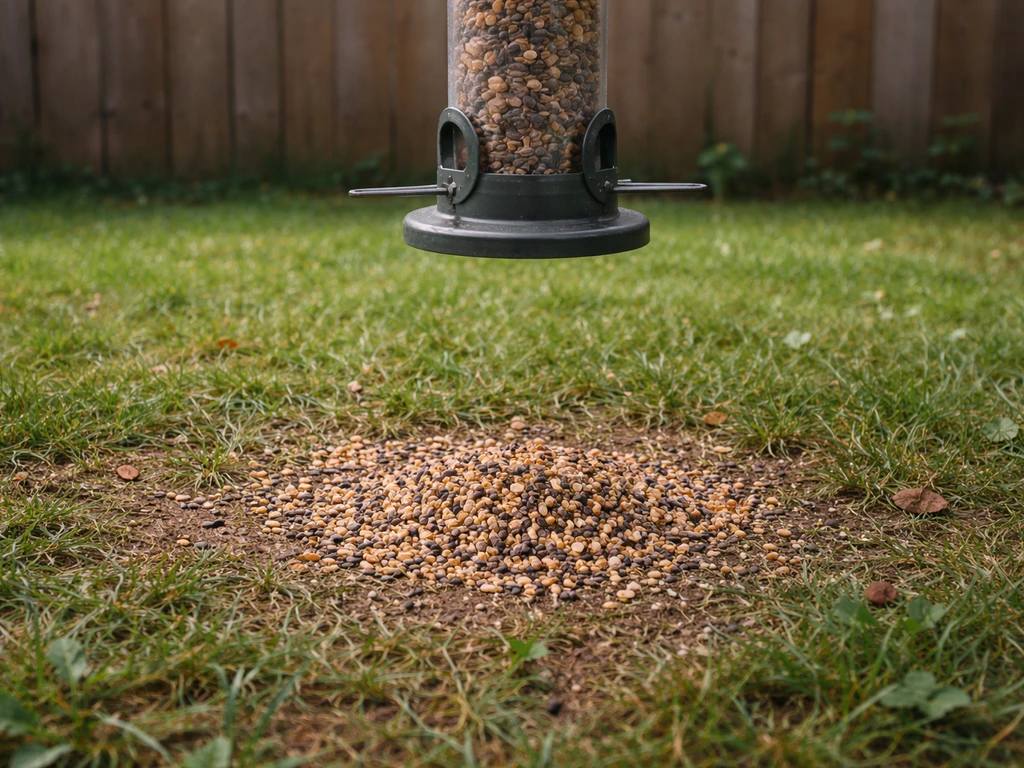
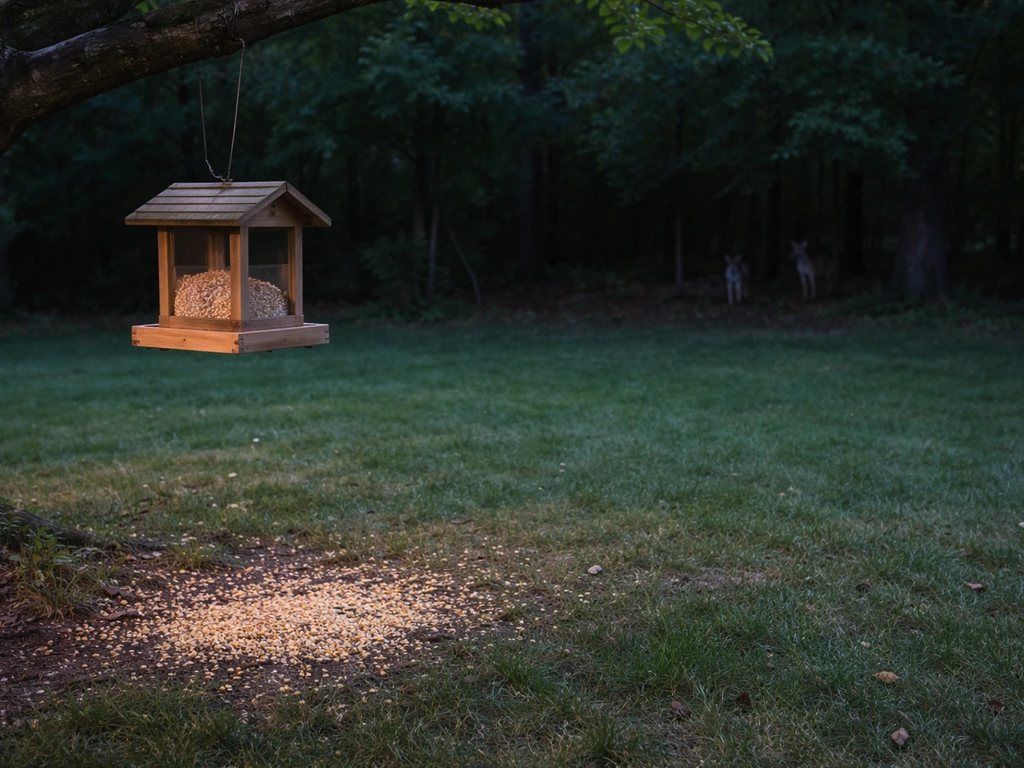
Coyotes are wired to follow food cues. A bird feeder creates a predictable, reliable food zone in two ways, and the Milwaukee County Urban Coyote Management Plan spells both of them out. First, coyotes may eat the bird seed directly if it's accessible. Second, and more importantly, seed that drops to the ground pulls in small rodents, squirrels, and rabbits, and those animals are prime coyote prey. Edwards Air Force Base documented a case where a coyote had learned to hunt rodents in a specific area because someone had been spreading bird seed there. The coyote didn't care about the seed itself. It cared that the seed reliably brought prey.
The behavioral side of this matters too. When a coyote figures out that a specific backyard delivers food, it comes back. Each successful visit chips away at its wariness of humans and structures. The Milwaukee County coyote plan describes this as habituation: feeder-linked attractants, including birdseed and spilled seed, make coyotes more comfortable near homes over time. A coyote that started by grabbing a mouse under your feeder can eventually become a regular visitor that lingers near the yard even when no food is visible. Colorado Parks and Wildlife notes that coyotes in populated areas may become less fearful of people and can begin to approach pets, which raises the stakes considerably.
Weather plays a role too. In cold months, birds flock to feeders in larger numbers, seed accumulates faster, and more seed hits the ground. That increases the attractant signal across the board, pulling in more rodents, and in turn more predators. MassWildlife notes that feeders can attract a wide range of wildlife beyond songbirds, including predators like coyotes, largely through this chain of attraction starting with dropped seed.
How to tell coyotes vs. other animals at your feeder
Most backyard feeder visitors are not coyotes. Raccoons, squirrels, rats, opossums, and feral cats all visit feeders regularly, and it's easy to misread the sign. Knowing what you're actually dealing with helps you respond correctly. Coyotes weigh between 15 and 45 pounds according to the National Park Service, which puts them in a size range distinct from most other common visitors except large dogs.
Tracks are one of the most reliable ways to identify the animal. USDA APHIS Wildlife Services notes that coyote front foot tracks average about 2.5 inches wide, which is larger than a cat or small dog but narrower than a large domestic dog. Coyote tracks show four toes with claws and tend to fall in a fairly straight line when the animal is trotting, unlike the side-by-side pattern of a domestic dog meandering through a yard. If you see tracks, look at the path they follow: coyotes move with purpose, usually along edges like fence lines, hedges, or lawn borders.
Scat is another identifier. Coyote scat is typically grey, tapered at one end, and rope-like in texture, and it often contains fur, bones, and berry seeds. It's commonly found near trail intersections and along paths, not randomly scattered. Raccoon scat tends to be blunter, often contains undigested seeds or corn, and is usually deposited in latrines (repeated spots). Rat droppings are much smaller and scattered near the food source itself. If you're seeing scat near your feeder area, size and content will usually tell you whether you're dealing with a small mammal or a canid.
| Animal | Weight | Track size (front foot) | Scat notes | Most likely reason at feeder |
|---|
| Coyote | 15–45 lbs | ~2.5 inches wide | Grey, tapered, rope-like; fur/berry content | Hunting rodents; direct seed eating |
| Raccoon | 10–30 lbs | ~2 inches, hand-like shape | Blunt, often contains seeds/corn | Direct seed eating; fruit/suet |
| Fox | 8–15 lbs | ~1.75 inches, oval | Dark, twisted, tapered | Hunting rodents attracted by seed |
| Rat/Mouse | Under 1 lb | Tiny, 4–5 toed | Small pellets, scattered near food | Direct seed eating |
| Feral Cat | 6–12 lbs | ~1.5 inches, no claw marks | Covered/buried when possible | Hunting birds; occasionally seed-attracted rodents |
| Squirrel | 1–2 lbs | ~0.75 inches | Small, oval pellets | Direct seed eating |
If you're seeing larger canid tracks but aren't sure whether it's a coyote or a neighbor's dog, compare the stride pattern and look for the straight, purposeful travel path. Dogs tend to wander. Coyotes move like they have somewhere to be.
What to do today: safer feeder setup and wildlife-proofing
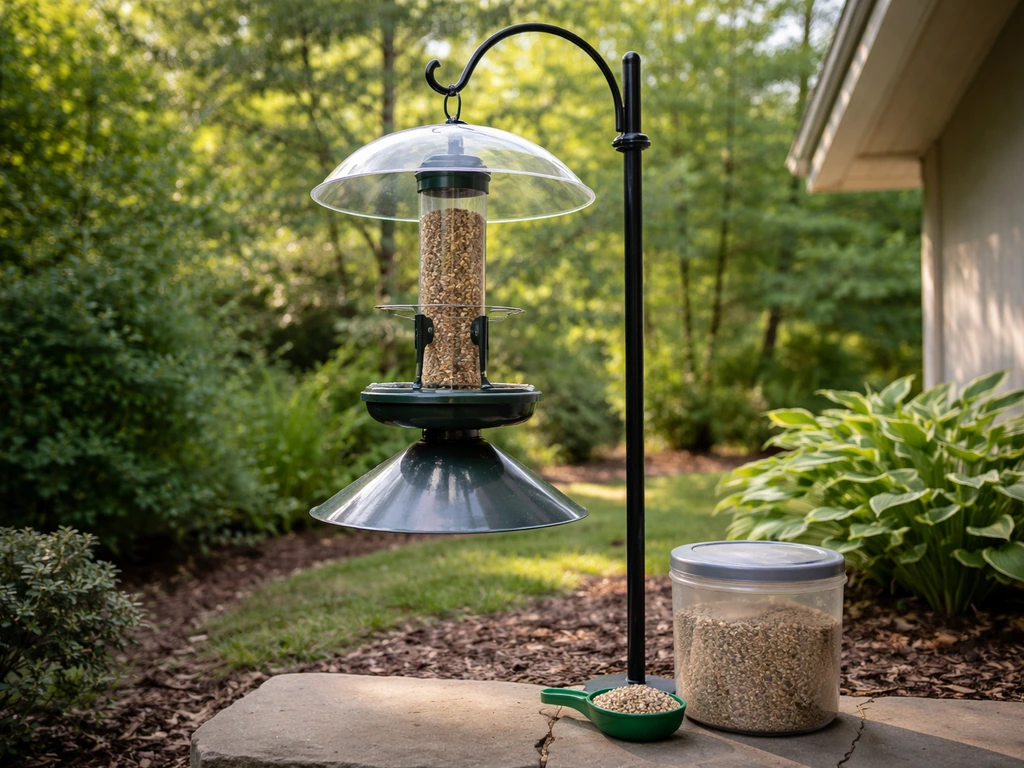
The single most effective step you can take right now is managing what ends up on the ground. The USDA APHIS Wildlife Services guidance is straightforward: do not allow bird food to accumulate on the ground. Seed piled under a feeder is an open invitation, and the chain from spilled seed to rodents to coyotes can form fast. A daily cleanup habit, sweeping or raking under the feeder at the end of the day, removes the accumulation before nocturnal wildlife shows up.
Seed choice matters more than most people realize. The Florida Fish and Wildlife Conservation Commission specifically advises using shelled seed and avoiding red milo, because birds tend to toss milo to the ground where it piles up and draws rodents.
A Florida IFAS (UF/IFAS EDIS) guide also recommends selecting bird feeder seed to reduce waste, noting that unwanted seed mixes like milo can contribute to seed waste, and it provides cleaning guidance including a diluted bleach solution for certain feeder types avoiding red milo.
Shelled seeds like sunflower chips or hulled peanuts get eaten cleanly with little waste. Millet, milo, and whole seeds with shells produce more ground accumulation. Switching your seed mix is a low-effort change with a real impact on what's under your feeder at night.
Feeder design and placement are your next levers. The Internet Center for Wildlife Damage Management recommends modifying feeders to prevent spilled food from reaching the ground, including using weight-activated access controls that close the feeder when a heavier animal (a squirrel, raccoon, or larger) lands on it. Tray-style feeders with catch basins that collect shells and hulls before they fall are another option. Indiana DNR recommends bringing birdfeeders indoors at night entirely, which is a practical choice if coyotes are already visiting your yard, and also recommends attaching baffles to poles or hanging wires to block climbing animals from reaching the feeder.
- Switch to shelled or no-waste seed mixes (sunflower chips, hulled peanuts) to reduce ground accumulation.
- Sweep or rake under feeders every evening before dark to remove spilled seed.
- Install a seed-catching tray or baffle beneath the feeder to intercept shells before they hit the ground.
- Use weight-activated feeder ports that close under heavier animals.
- Bring feeders indoors at night if coyotes are already present in your area.
- Mount feeders at least 5 feet off the ground and away from fences, roofs, or overhanging branches that allow climbing access.
- Install motion-activated lights near the feeder area to deter nocturnal visitors.
- Remove any other food attractants in the yard at the same time: unsecured trash, compost, pet food left outdoors.
During periods of heightened coyote activity in your neighborhood, the most effective option is a temporary feeder break. Arizona Game and Fish Department recommends eliminating attractants entirely, including taking in bird feeders, as a primary conflict-reduction strategy. Connecticut DEEP similarly urges removing bird seed and other food attractants during high-conflict periods. A two-week break, combined with a ground cleanup, is often enough to break the pattern and stop a coyote from treating your yard as a reliable food zone.
It's also worth thinking about what other backyard visitors your seed might be drawing. Pigeons eating bird seed from ground-level feeders can add to the mess and attract a different set of predators. Managing feeder height and seed type helps with the full range of non-target visitors, not just coyotes.
Risk check: bird seed hazards that also matter to coyotes and pets
Bird seed left on the ground doesn't just attract animals. It goes bad. Wet seed, particularly millet, sunflower, and corn-based mixes, can develop mold within a few days in warm or humid conditions. Moldy seed can carry Aspergillus fungi, which causes respiratory disease in birds and can be harmful to small mammals that eat it. If coyotes or other animals are eating seed that's been sitting in a damp pile for days, they're eating seed that may be contaminated.
Disease transmission is the bigger concern at high-traffic feeders. Oregon Department of Fish and Wildlife notes that when feeders congregate birds, especially in cold weather, the risk of spreading bacteria, viruses, parasites, and fungal diseases goes up sharply. Salmonellosis, spread by infected bird droppings landing on seed, is one of the most common feeder-associated diseases. Audubon references National Wildlife Health Center guidance on cleaning feeders with a diluted bleach solution (roughly one part bleach to nine parts water), rinsing thoroughly, and allowing feeders to dry before refilling.
MassWildlife points out that wildlife congregating at feeding sites can also spread diseases like mange and avian pox. If a mange-infected fox or coyote is visiting your feeder area, and that same area is where your dog sniffs around in the morning, there's a real transmission pathway. The U.S. Fish and Wildlife Service advises cleaning not just the feeder itself but the ground beneath it to prevent buildup of moldy or spoiled food.
For pets specifically, the risk isn't limited to coyote encounters. Dogs that graze on spilled seed can ingest contaminated material, and cats that hunt near feeders can be exposed to sick birds or infected rodents. Keeping cats indoors is a consistent recommendation from MassWildlife specifically because of the combination of predator risk and disease exposure around feeding areas.
- Replace seed every 1–2 days in warm or wet weather to prevent mold.
- Clean feeders with a diluted bleach solution (1: 9 ratio) every 1–2 weeks; rinse and dry fully before refilling.
- Rake and remove all accumulated seed and hulls from the ground regularly, not just occasionally.
- Avoid leaving mixed seed with high milo or cracked corn content on the ground, as these mold quickly.
- Do not leave pet food outdoors, and do not let dogs graze under feeders.
- Keep cats indoors, especially at dawn and dusk when coyotes are most active.
- If you see sick or lethargic birds near your feeder, take the feeder down and clean it immediately.
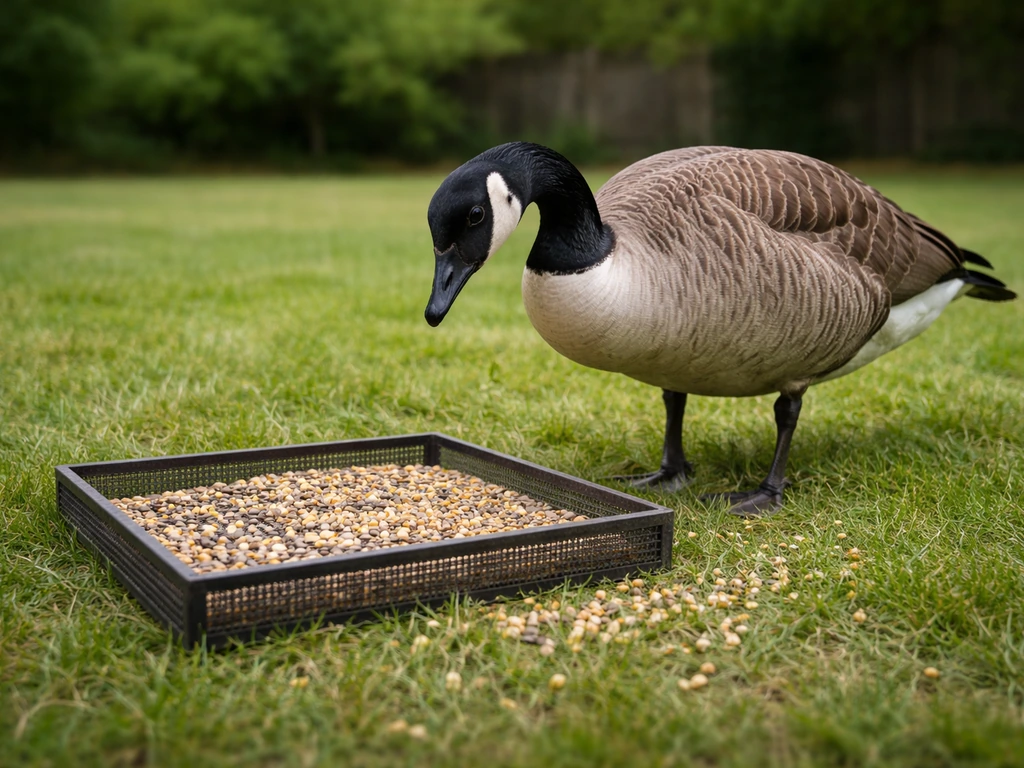
Some seeds that attract wildlife aren't safe for all animals. Chocolate, avocado, and onion-based table scraps sometimes get mixed into homemade suet or scatter-feeding setups, and those are toxic to dogs and can be harmful to other mammals. Stick to commercially prepared seed mixes and avoid the temptation to scatter food scraps, which compounds the attractant problem anyway. If you're curious whether other backyard birds like geese will eat bird seed, the answer involves similar ground-feeding risks worth knowing about.
Coexisting safely: when to call for help and long-term prevention
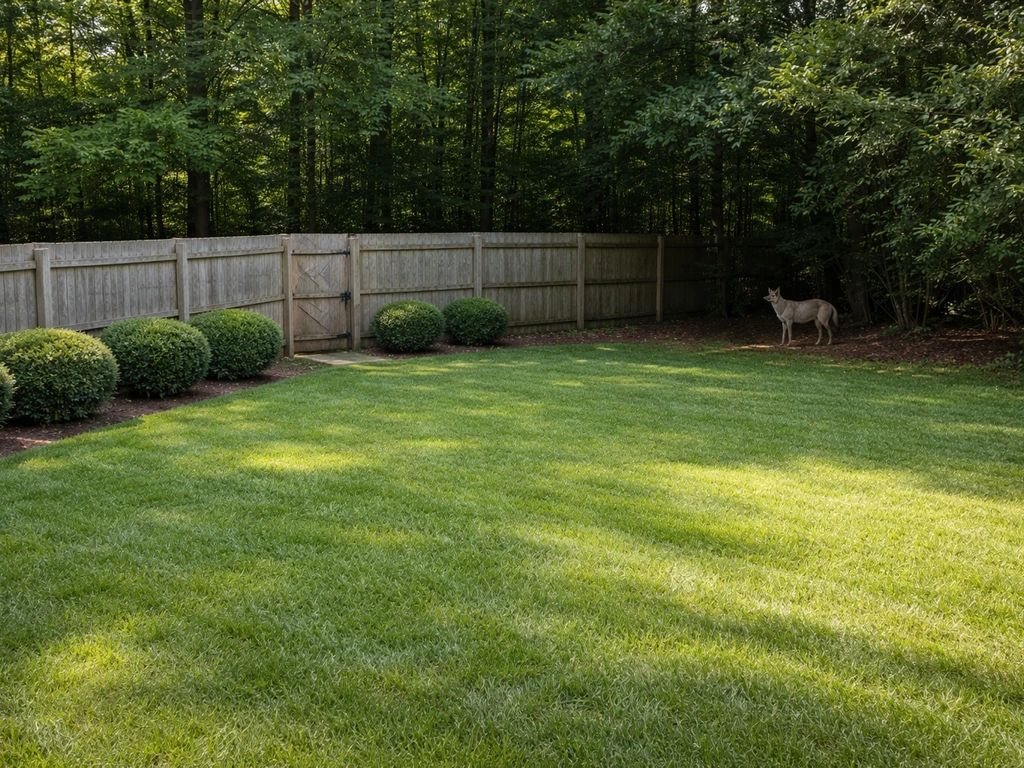
Most coyote feeder visits are opportunistic and can be resolved by removing the attractant. But if a coyote is approaching your yard during the day, showing no fear of people, or coming close to the house, that's a different situation. MassWildlife recommends active hazing when a coyote is present: make yourself large, shout, wave your arms, and physically move toward the animal. The goal is to reinforce that humans are not safe to approach. Never run from a coyote, and never feed one intentionally.
If hazing isn't working or a coyote keeps returning despite removing attractants, that's when you escalate. Rhode Island DEM's Coyote Management and Response Guide lists removing bird feeders and cleaning up bird seed as a specific mitigation step for coyote conflicts, not just a general suggestion. If you've done those things and the animal is still present, contact your state wildlife agency. USDA APHIS Wildlife Services maintains a hotline and state offices specifically to assist with wildlife damage issues, and they can assess whether the animal poses a genuine risk or help coordinate a management response.
Long-term prevention comes down to making your yard consistently unattractive. That means not just managing bird feeders, but securing trash, not leaving pet food outside, using hardware cloth to close gaps under decks and sheds, and keeping compost bins secured. A coyote that finds nothing to eat in your yard two or three visits in a row will shift its range. One that keeps finding food, whether it's seed, rodents, or unsecured garbage, will keep coming back.
Think about the full picture of what your feeder setup is attracting. Large birds that visit ground-level setups can contribute to the accumulation problem: turkeys eating bird seed scatter a significant amount of debris, and their presence can draw in predators that are opportunistically hunting ground-foraging birds. Similarly, seagulls eating bird seed in coastal yards can create the same kind of messy, high-traffic feeding zone that functions as an attractant beacon for coyotes and foxes. Feeder height, seed type, and daily cleanup apply across all of these scenarios.
The goal isn't to stop feeding birds. It's to feed birds in a way that doesn't turn your backyard into a coyote cafeteria. A well-designed, elevated feeder with no-waste seed, a clean ground beneath it, and feeders brought in at night is something you can maintain long-term without cutting off the birds you actually want to attract. That combination, good feeder design plus consistent ground management, is what keeps coyotes and other unwanted wildlife out of the equation.