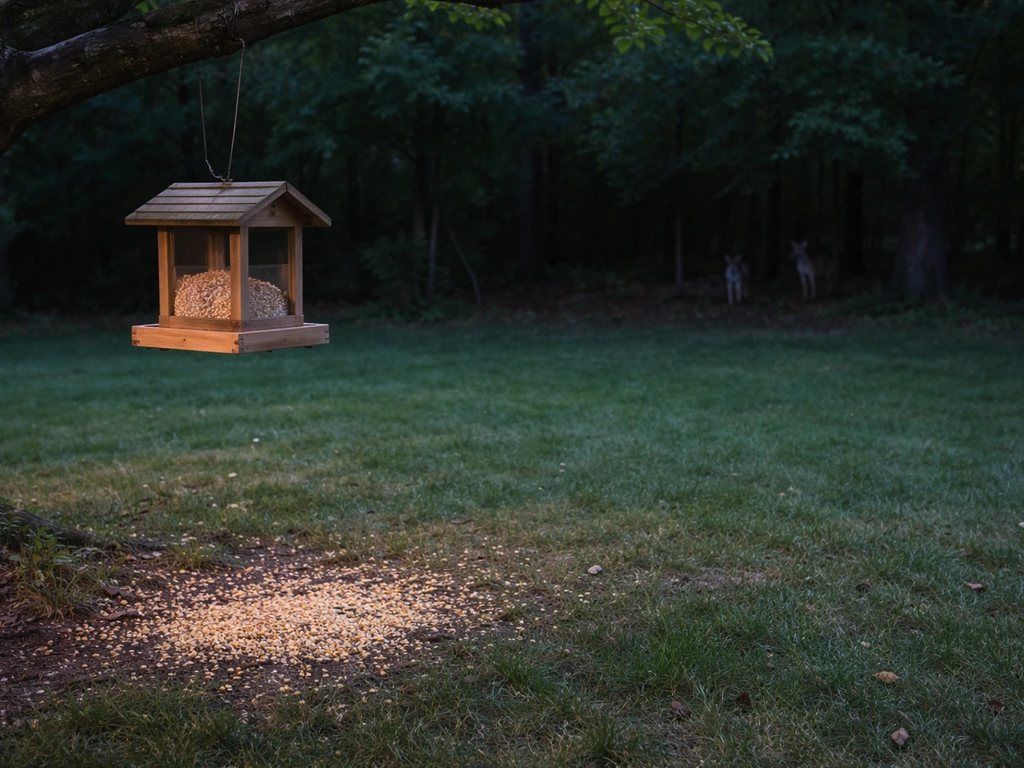
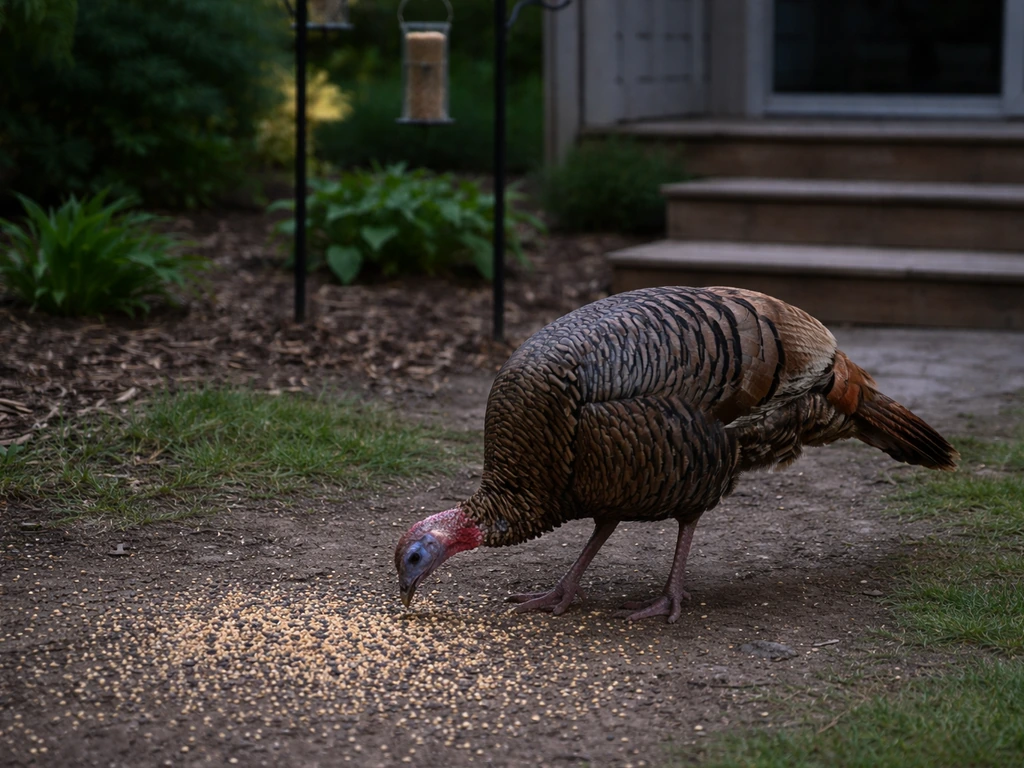
Yes, turkeys will eat bird seed, and wild turkeys in particular are very good at finding it. If you have a ground-level feeder or seed spilling onto the ground, a flock of wild turkeys will treat it like a free buffet. They are opportunistic ground foragers, and bird seed fits right into their natural diet. That said, there are some real safety and management considerations worth knowing before you decide whether to let them keep coming back.
Do Turkeys Eat Bird Seed? What to Do for Safety

Maya Henderson
11 Apr 2026
Wild turkeys vs. domestic turkeys: how their foraging differs
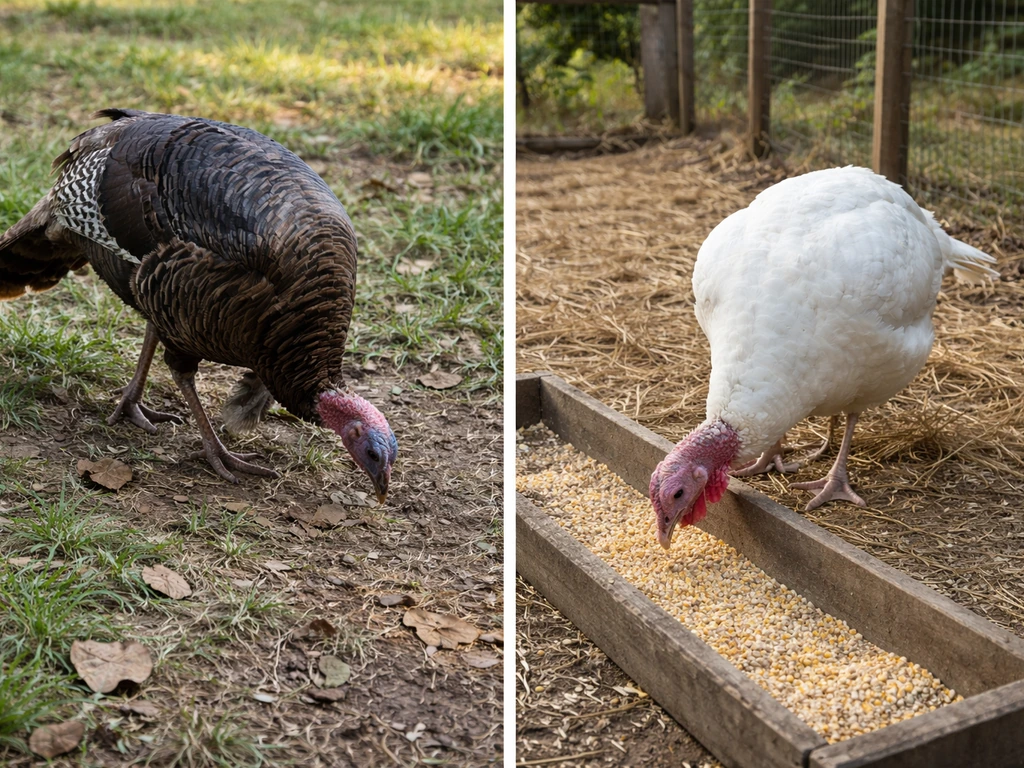
Wild turkeys are the ones most backyard observers are dealing with. According to Oklahoma State University Extension, adult wild turkey diets are roughly 90% plant material (seeds, berries, nuts, grasses) and about 10% animal matter including insects like grasshoppers, ground beetles, caterpillars, ants, and crickets. They forage almost entirely on the ground, scratching and pecking through leaf litter and soil to uncover food. That behavior maps directly onto a spilled-seed situation under your feeder.
Domestic turkeys, raised on farms or in backyard flocks, are fed a formulated feed that meets their nutritional needs. They will also eat bird seed if it is offered, but their diet is already managed, so the concern is less about whether bird seed can fill a nutritional gap and more about whether it introduces any risks (more on that shortly). Wild turkeys are the real variable here because they show up uninvited and in groups.
Which bird seed types turkeys actually eat (and what they ignore)
Turkeys are not picky, but they do have preferences based on seed size and accessibility. Here is a practical breakdown of common bird seed ingredients and how turkeys respond to them.
| Seed Type | Turkey Interest | Notes |
|---|---|---|
| Cracked corn | High | Maine Audubon specifically notes wild turkeys may eat cracked corn; it is easy to peck up off the ground |
| Black oil sunflower | High | Large, calorie-dense seeds that ground-feeding birds including turkeys readily consume |
| Millet (white/red) | Moderate to high | A common ground-feeder draw; if you want fewer ground feeders, reducing millet helps |
| Whole kernel corn | Moderate | Turkeys can handle it but whole kernels are harder to break apart than cracked corn |
| Safflower seeds | Low | Thicker shell and bitter taste; most turkeys skip it |
| Nyjer/thistle | Very low | Too small and light; turkeys generally ignore it |
| Suet | Very low | Not a natural turkey food; they typically show no interest |
The practical takeaway: if your feeder contains cracked corn, black oil sunflower, or millet and any of it is reaching the ground, you are essentially setting out a welcome mat for turkeys. Pigeons are similarly drawn to ground-level seed, so if you are already dealing with one uninvited ground feeder, expect others to follow.
When bird seed becomes a health risk for turkeys (and other wildlife)
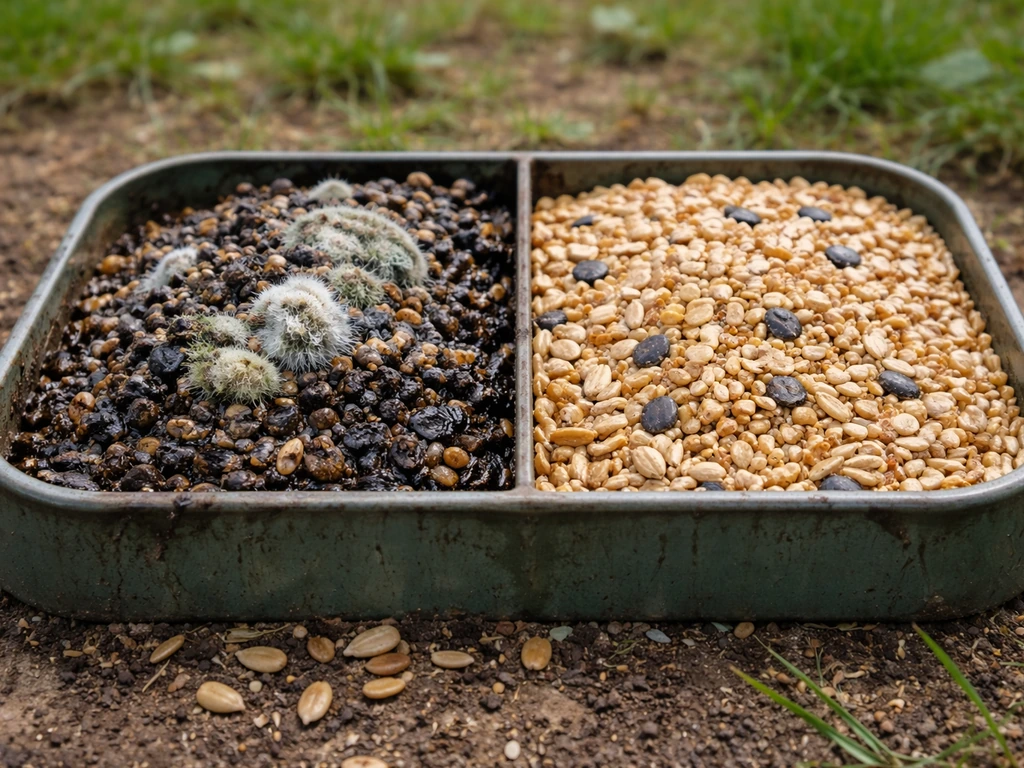
This is the part most people overlook. Bird seed itself is not inherently dangerous to turkeys, but the conditions under which it is stored and left out can make it seriously harmful. The two main hazards are mold and rancidity.
Mold and aspergillosis
Wet or old seed is a breeding ground for fungus and bacteria. Audubon warns that moldy food can transmit aspergillosis, a respiratory disease that affects birds. Turkeys and other ground feeders are especially vulnerable because they are right at ground level where damp, decomposing seed accumulates. Georgia DNR goes further, recommending that if you find moldy or sprouted seed under feeders, you rake it up and treat the soil with a diluted bleach-and-water solution to prevent the fungus from persisting. This is not a minor issue: aspergillosis can be fatal in birds, and a turkey flock that regularly feeds from a contaminated area is at real risk.
Rancid suet and warm-weather spoilage
While turkeys rarely touch suet, USU Extension cautions that suet should not be used when temperatures rise since it turns rancid quickly. The same principle applies to any high-fat seed mix: warm weather accelerates spoilage. If seed sits in a feeder or on the ground during warm months and gets rained on repeatedly, it needs to go. Replacing and refreshing feed after rain or humidity exposure is a minimum standard, not an optional step.
Feeder hygiene basics
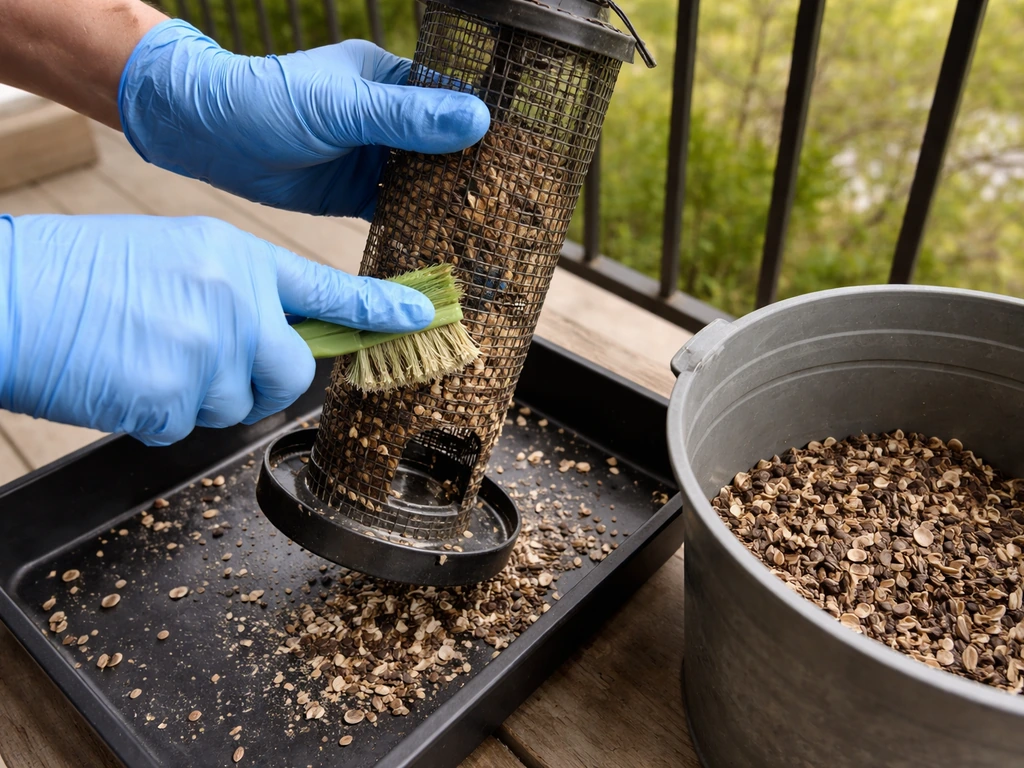
Cornell Lab's Project FeederWatch recommends cleaning seed feeders every two weeks, and more frequently during humid summers. That means scrubbing out old hulls, raking up feces and seed debris on the ground below, and removing any wet or clumped seed before refilling. The U.S. Fish and Wildlife Service specifically advises sweeping up old, moldy, and discarded seed from under feeders as part of responsible bird feeding. These steps protect all the wildlife using your feeder area, not just turkeys.
Backyard safety: pets, predators, and feeder placement
A turkey flock visiting your yard changes the dynamic for everything else in the area. Here is what to think through before you decide to let them keep coming.
- Pets: Dogs may chase turkeys, which is stressful for both animals and can result in injury. Adult wild turkeys are large birds and can hold their own against a small or medium dog. Keep pets supervised when turkeys are present.
- Cats: Outdoor cats pose a risk to smaller birds that share the feeder area. The National Wildlife Federation advises placing feeders at least 10 to 12 feet away from shrubs or cover that cats use as hiding spots. The Humane Society similarly recommends a 12-foot buffer from grass or dense vegetation to reduce predation risk.
- Coyotes: A regular turkey flock at your feeder can attract other wildlife. Coyotes are also known to visit bird feeding areas, particularly if there is spilled seed and small mammals or birds nearby. Turkeys themselves can be prey for coyotes, which means you may be inadvertently drawing in predators as well.
- Disease transmission: Wild turkeys can carry avian diseases. Concentrated feeding areas where multiple species share the same ground-level seed increase the risk of cross-species disease spread. Keeping the feeding area clean is the best mitigation.
- Other waterfowl and large birds: Geese can also be attracted to spilled bird seed, and like turkeys, they can quickly overwhelm a feeding area and leave significant fecal contamination behind.
One thing worth noting about seagulls: if you are near a coastal or lakeside area, seagulls will compete for the same ground-level seed that attracts turkeys, adding another layer of bird-management complexity to your feeder setup.
How to feed responsibly or stop attracting turkeys altogether
The National Wildlife Federation is direct about this: artificially feeding wild turkeys can cause them to lose their natural fear of people, which creates safety problems over time (habituated turkeys can become aggressive, especially during breeding season). The USDA APHIS Wildlife Services echoes this, advising against encouraging wildlife by leaving food available for them. So the first question to ask yourself is whether you actually want turkeys visiting regularly, or whether they are just showing up because the conditions allow it.
If you want to reduce or stop turkey visits
- Switch away from cracked corn and millet in your feeder mix. These are the biggest draws for ground-feeding birds including turkeys. Replacing them with safflower or nyjer makes your feeder far less appealing to turkeys while still attracting many songbirds.
- Use a no-waste feeder or catch tray. The University of Nebraska-Lincoln recommends reducing the amount of seed reaching the ground as the most effective way to make your feeding area less attractive to nuisance visitors. A feeder with a tray that minimizes spillage cuts off a major access point for turkeys.
- Remove or temporarily empty feeders. If you have a persistent flock, UNL also recommends temporarily removing feeders and sweeping up all fallen seed waste. Even a week or two without food available can break the habit.
- Clean under the feeder thoroughly. Rake up all seed debris, hulls, and fecal matter. If you find wet or moldy seed, treat the ground with a diluted bleach solution as recommended by Georgia DNR.
- Do not intentionally offer food. Even well-meaning handouts teach turkeys that your yard equals food, accelerating the habituation problem.
If you want to coexist safely
If you enjoy having wild turkeys around and want to keep feeding while managing risks, the key is hygiene and not actively encouraging them. Use high-quality seed that birds consume quickly so there is less waste falling to the ground. Clean feeders every two weeks and after any wet weather. Keep the ground under and around the feeder clear of seed debris. Never hand-feed turkeys directly. Maintain a respectful distance and do not allow children or pets to approach them. The goal is to let them forage naturally without turning your yard into their primary food source.
Managing any large ground-feeding bird around a feeder comes down to the same core principle: control the seed, control the visitors. Turkeys are smart foragers and they will keep coming back as long as the food is there. Limit what hits the ground, keep things clean, and you have most of the equation handled.
FAQ
How can I tell if the seed on the ground is risky for turkeys and other birds?
Look for visible mold (fuzzy or patchy growth), a musty smell, clumps that stayed damp after rain, and sprouted seeds. If any of that is present, remove the seed and clean the area, because damp, decomposing seed is where respiratory risks like aspergillosis can start.
Should I stop using bird seed entirely if turkeys keep coming to my feeder?
Not necessarily. A better approach is to switch to feeding methods that reduce ground waste, such as a raised, well-fitted tray feeder that prevents spillage, or feeder designs with baffles. The goal is to keep food available to flying birds while minimizing what can be reached on the ground by turkeys.
What’s the safest way to clean up under a feeder after turkeys visit?
Rake and sweep up old hulls, droppings, and discarded seed, then bag and dispose of it. Wear gloves if you have cuts or if the area is heavily contaminated, and avoid stirring up dust so you do not inhale debris.
If I use cracked corn, will turkeys always eat it and cause more issues than other seeds?
Cracked corn is highly attractive, and its larger pieces spill more easily and are easier for ground foragers to collect. Smaller seeds like millet can also draw turkeys, but reducing spill with the right feeder design usually matters more than the seed type alone.
Can turkeys get sick from bird seed, or is the bigger danger only mold and spoilage?
Spoilage is the most common concern, especially in warm or humid weather, but there are other risks too. Seed can attract lots of droppings and debris, which increases disease spread among ground-feeding birds, so cleanliness and reducing crowding under the feeder are important.
How often should I refresh feed if the weather is humid or rainy?
Refresh more frequently than the usual schedule. If seed has been rained on, becomes damp, or starts clumping, remove the wet portion promptly and refill with dry seed, and consider shortening the time the feeder stays loaded during repeated wet spells.
What feeder setup reduces the chance of attracting turkeys without completely stopping bird feeding?
Use feeders that keep seed off the ground, choose models with guardrails or baffles, and place the feeder where it cannot easily spill onto bare soil or leaf litter. Also, avoid near-ground platforms, because turkeys prefer to scratch in accessible areas.
Is it safe for pets or children to watch turkeys near a feeder?
It is not a good idea. Turkeys can feel protective of food and can approach quickly, especially if they are used to people. Keep pets leashed, keep kids at a distance, and stop any interaction that turns the feeder into a supervised “feeding station.”
Will turkeys return if I only give them seed once, or do they learn?
They can learn quickly. If your yard repeatedly offers easy ground food, turkeys often come back to the same foraging spot, even if you change the seed later. To break the pattern, remove ground access (reduce spill), improve cleanup, and keep the area less consistently stocked.
Do domestic turkeys react differently to bird seed than wild turkeys?
Domestic flocks are usually managed on formulated feed, but they can still eat bird seed if it is available. The key difference is that wild turkeys are unmanaged and opportunistic, so you may need to focus on deterrence through reducing spillage rather than worrying about nutrition gaps in domestic birds.
Next Article
Do Coyotes Eat Bird Seed? What to Do and How to Deter Them
Do coyotes eat bird seed? Learn why they visit feeders and step-by-step ways to deter them safely.