Yes, quinoa can be fed to birds, but it is not a conventional bird seed and it comes with real conditions. Plain, rinsed quinoa (raw or cooked) is not toxic to most birds, but seasoned, salted, oily, or spoiled quinoa absolutely can be harmful. If you are wondering whether to toss some leftover quinoa in the feeder or buy it as a seed alternative, the short answer is: plain and properly prepared, it is fine as an occasional supplement; as a primary staple or straight from a restaurant container, skip it.
Is Quinoa Bird Seed Safe for Backyard Birds?

Maya Henderson
11 Apr 2026
Quick answer: is quinoa safe as bird food
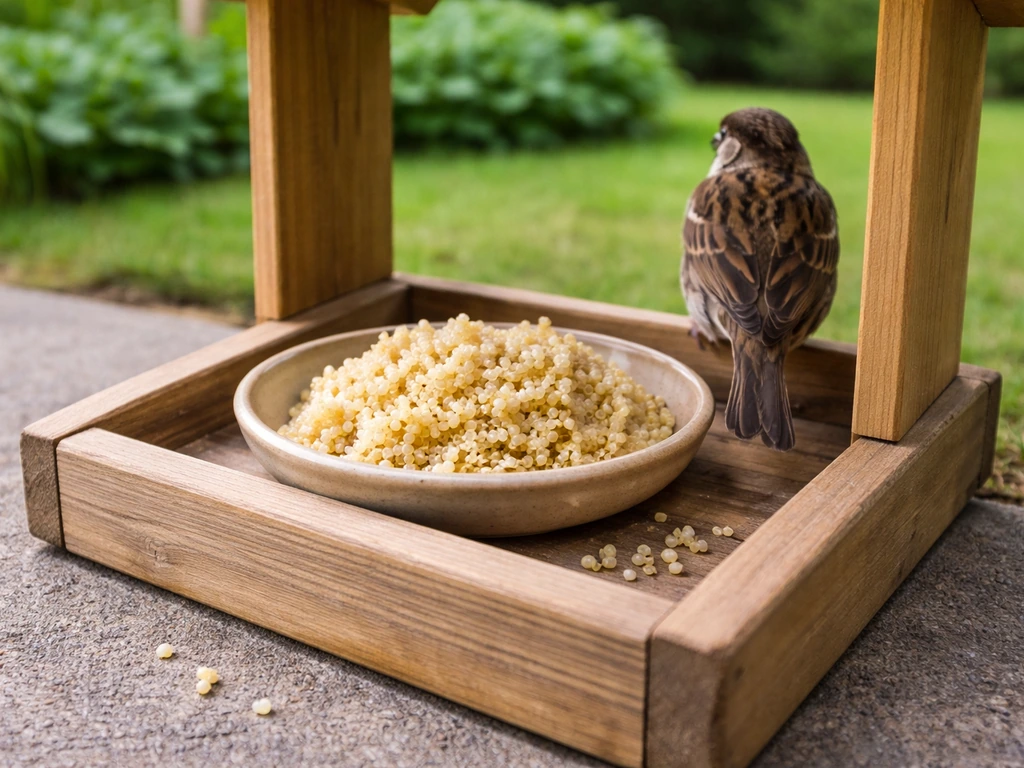
Quinoa is safe for birds when it is plain, properly prepared, and offered in reasonable amounts. It is not a standard commercial bird seed ingredient, but it is a seed (technically the edible fruit of Chenopodium quinoa), and many seed-eating birds will investigate it. The nutrition profile is decent: cooked quinoa contains roughly 4.4 g of protein, 1.9 g of fat, 21.3 g of carbohydrate, and about 2.8 g of dietary fiber per 100 g, which is broadly comparable to smaller grain seeds. The risk factors are not the quinoa itself but what surrounds it: saponin coatings on unrinsed raw seeds, added seasonings, spoilage in the feeder, and overly large portions that sit and rot.
If you are already using quinoa and nothing seems wrong, you are probably fine. If you want to start using it intentionally, the sections below tell you exactly how to do it without creating problems.
Quinoa basics that matter: raw vs cooked, plain vs seasoned
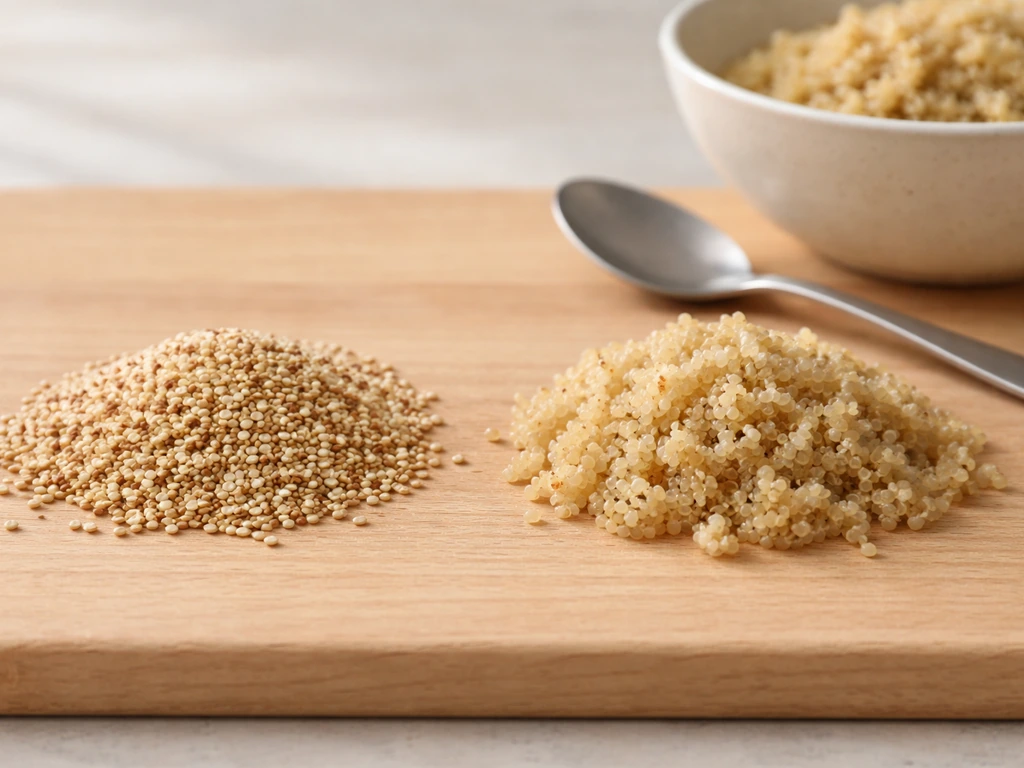
The first thing to understand is the saponin issue. Quinoa seeds have a naturally bitter outer coating made up of saponin compounds. These saponins help the plant resist insects and birds in the wild, which is part of why some birds will ignore quinoa even when it is placed directly in a feeder. Saponin content varies considerably between varieties, but in general, unrinsed raw quinoa can be unpalatable and mildly irritating to the digestive tract. Rinsing raw quinoa thoroughly under running water removes most of the surface saponins and makes it much more acceptable. If you are offering raw quinoa, always rinse it first.
Cooked quinoa is the safer and more practical choice for most backyard situations. Cooking softens the seed, eliminates any remaining saponin concerns, and makes it easier for smaller birds to eat. The downside is that cooked quinoa is moist, which means it spoils much faster in a feeder than dry seed does. If you offer cooked quinoa, it needs to be plain (no butter, no broth, no salt, no garlic, no onion) and should be treated like a perishable food rather than a seed you can top up once a week.
The seasoning question is where things get genuinely dangerous. Quinoa dishes made for humans almost always contain salt, olive oil, garlic, or onion. These are toxic or harmful to birds. Salt disrupts a bird's electrolyte balance at even small doses. Garlic and onion compounds can damage red blood cells in both birds and mammals. Never offer quinoa that was cooked with any of these ingredients. If you are scooping from a meal you made for yourself, stop there.
When quinoa becomes risky
Salt, oils, and flavor additives
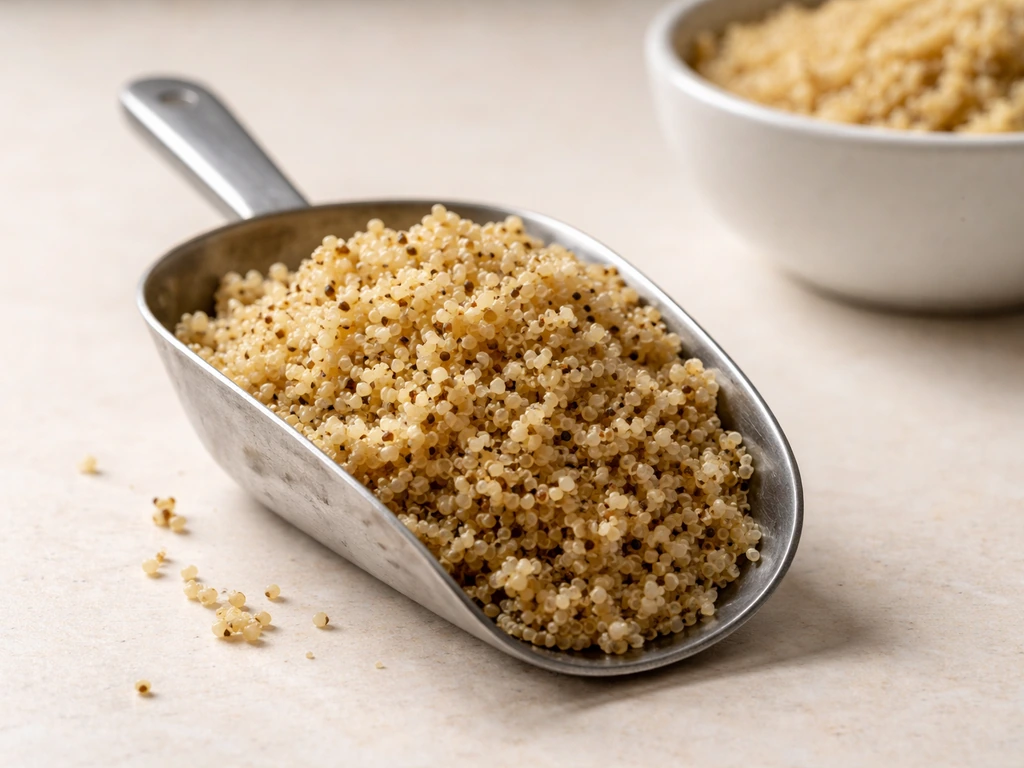
Even small amounts of added salt can cause serious problems for wild birds. Their kidneys are not built to process sodium the way mammal kidneys are. Oil-coated quinoa (from cooking or salad-style preparations) can mat feathers if birds contact it and adds unnecessary fat that has no benefit. Garlic and onion are a hard no in any form. If it came from a restaurant, a box mix, or a seasoning packet, do not use it.
Spoilage and mold
Mold is the most practical danger with quinoa at the feeder. blank" rel="noopener noreferrer">Cooked quinoa left in a feeder for more than a day in warm or humid conditions will begin to grow mold. Certain molds produce mycotoxins, which are toxic to birds, mammals, and other wildlife. If you see any discoloration, clumping, or black spots in or around the feeder, discard the contents and clean the feeder immediately. blank" rel="noopener noreferrer">Project FeederWatch recommends cleaning seed feeders about once every two weeks under normal conditions, and immediately if you spot mold or sliminess. With moist foods like cooked quinoa, that schedule needs to tighten considerably: daily checks and removal of uneaten food are reasonable practice.
Portion size and feeder waste
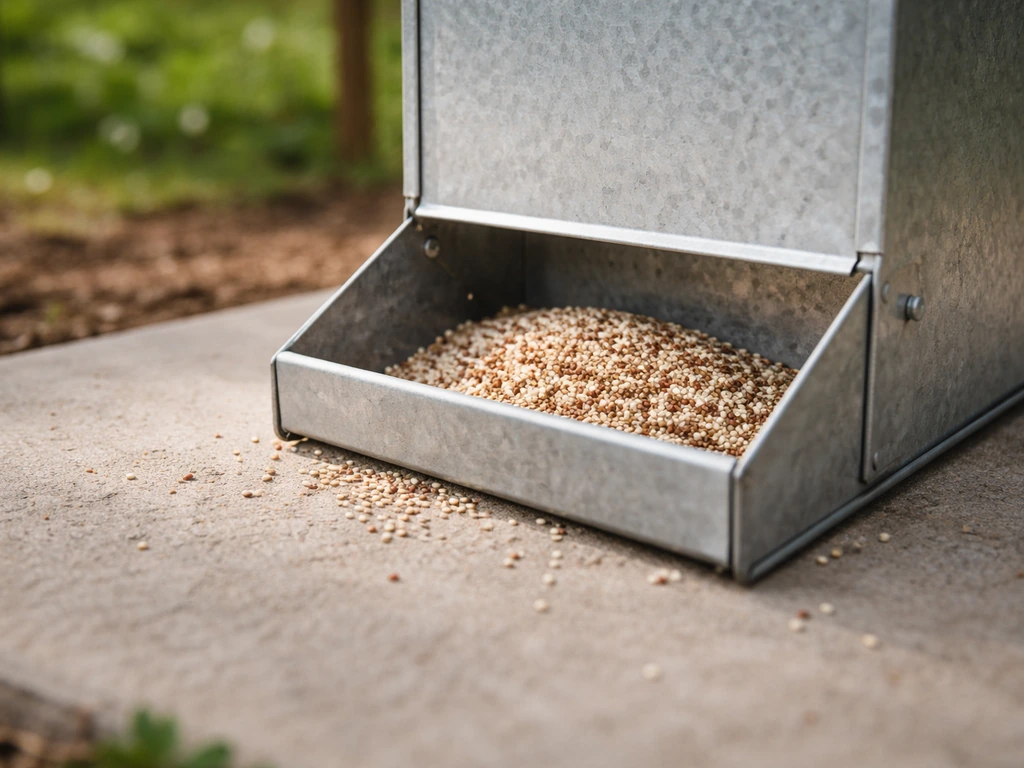
Offering too much quinoa at once leads to waste buildup under the feeder, which attracts rodents, creates a mold risk at ground level, and can make the feeding area unsanitary. Offer only what birds are likely to consume within a few hours. Rake or sweep ground debris regularly to limit disease risk and discourage scavengers.
Which birds are likely to eat quinoa and which won't
Seed-eating ground feeders are your most likely takers. Sparrows, doves, juncos, and towhees tend to forage on flat surfaces and will pick through unfamiliar grains if they are accessible. House finches and similar small finches may also try rinsed raw or cooked quinoa. These species are used to small seeds and will at least investigate something grain-like on a tray or the ground. If you are wondering how <a data-article-id="47ACA4E7-17D1-4C13-ADEF-675B64F64">quail respond to bird seed mixes</a>, the answer is similar: ground-foraging birds like quail are among the most likely to sample quinoa if it is offered at their level. Can quail eat bird seed? Yes, but stick to the safe mix types and keep any grain offered in reasonable amounts quail respond to bird seed mixes.
Birds that are primarily insectivores or that target large nuts and fruits (woodpeckers, warblers, orioles, thrushes) are unlikely to show much interest in quinoa. Suet feeder regulars like woodpeckers, chickadees, titmice, and nuthatches are not going to switch to a grain tray. You will not hurt them by offering quinoa nearby, but do not expect uptake from those species.
There is also a palatability factor worth noting. The residual bitterness from saponins, even after rinsing, may cause some birds to reject quinoa entirely on first exposure. If you put out a tray and nobody touches it after a day or two, that is a normal outcome, not a sign something is wrong. Birds that eat grass seed in the wild, like sparrows and doves, are the most adapted to evaluating unfamiliar small seeds and may be more willing to try quinoa than species with narrower diets.
One practical concern: millet in seed mixes tends to attract cowbirds, house sparrows, and European starlings in high numbers. Quinoa may produce a similar effect with ground-foraging flocks once they find it. If you are trying to attract a specific species and not the whole neighborhood, keep portions small and use a tray feeder rather than scattering on the ground.
How to feed quinoa safely
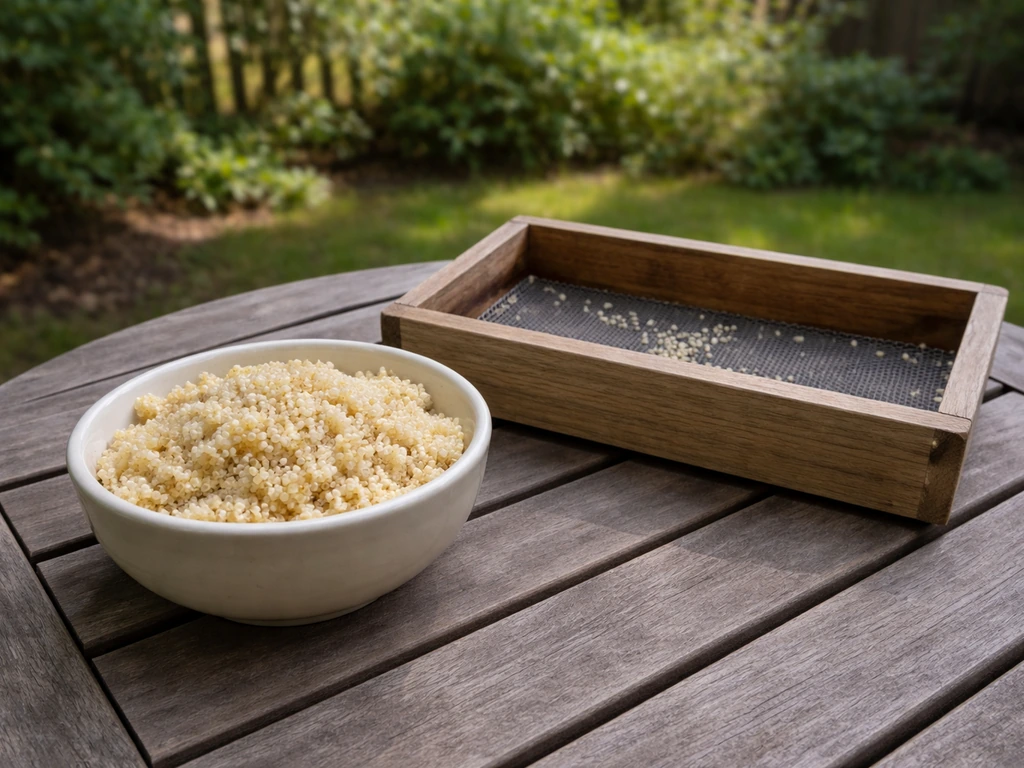
- Rinse raw quinoa thoroughly under running water for at least 60 seconds to remove surface saponins before offering it. If using cooked quinoa, prepare it plain with no salt, oil, butter, garlic, onion, broth, or seasoning of any kind.
- Offer small amounts only: a tablespoon or two at a time is a reasonable starting point. You want birds to finish it within a few hours, not leave it sitting.
- Use a flat tray feeder or a large flat dish rather than a tube feeder. Quinoa is small and will clog most tube feeder ports. Ground-level trays also match the feeding behavior of the birds most likely to eat it.
- Check the feeder within a few hours if you are using cooked quinoa. Remove any uneaten food before it has a chance to start spoiling. In warm weather (above 70°F), this means checking mid-day and before dusk.
- Clean the feeder thoroughly after each use of cooked quinoa with a dilute bleach solution (1 part bleach to 9 parts water), rinse well, and allow it to dry completely before refilling.
- Rake or sweep the ground beneath the feeder after each session to remove fallen quinoa and prevent mold buildup and rodent attraction.
- Store dry rinsed quinoa in an airtight container away from moisture. Do not store leftover cooked quinoa in the feeder bag or in warm spaces. Refrigerate it and use within two days or discard it.
How quinoa stacks up against common bird seeds
| Seed/Food | Protein (per 100g, approx.) | Palatability to birds | Spoilage risk | Best feeder type |
|---|---|---|---|---|
| Black oil sunflower | ~21 g | Very high (widest variety) | Low (dry) | Tube or hopper |
| White millet | ~11 g | High for ground birds | Low (dry) | Tray or ground scatter |
| Quinoa (cooked, plain) | ~4.4 g | Moderate (select species) | High (moist) | Flat tray only |
| Quinoa (raw, rinsed) | ~14 g | Low to moderate | Low-moderate (dry) | Flat tray |
| Chia seeds | ~17 g | Low to moderate | Low (dry) | Tray or mixed in |
Sunflower seed is the practical gold standard: the greatest variety of birds eat it, it stores well, and it does not create the spoilage headaches that moist foods like cooked quinoa do. Quinoa is a fine supplement if you have it on hand and follow the prep steps above, but it is not a replacement for a quality seed mix. If you are interested in exploring other small seeds, whether birds can eat chia seeds follows a similar logic: nutrient-dense, but niche in terms of which species will actually use it.
Pet and wildlife safety
Dogs and cats
Plain cooked quinoa is generally considered safe for dogs in small amounts. However, some dogs experience vomiting, diarrhea, or constipation after eating it, and the same saponin sensitivity that affects birds can affect pets. More importantly, if your dog or cat gets into quinoa that was seasoned for human consumption (with salt, garlic, or onion), that is a real concern. Garlic and onion are toxic to both dogs and cats, and the amounts typically used in a single serving of quinoa salad are enough to cause problems in a small animal. The advice from veterinary sources is consistent: only plain, cooked quinoa, no seasoning, no exceptions. If your dog eats a small amount of plain quinoa from under the feeder, monitor for GI signs and contact your vet if symptoms appear.
Rodents, scavengers, and disease risk
Spilled or leftover quinoa under a feeder is an attractant for mice, rats, and urban scavengers. Rodents carry diseases that can transfer to pets, and feeder areas that accumulate wet food residue create exactly the kind of warm, moist, grain-rich environment that supports mold growth and vermin activity. Keeping portions small, cleaning up spills promptly, and raking under the feeder after each session reduces this risk significantly. If you have a dog that spends time in the yard, how animals like goats interact with bird seed is a useful parallel: the spillover effects of backyard feeding on other animals are easy to underestimate until you have a rodent problem or a sick pet.
Livestock and farm animals near feeders
If you keep farm animals near a feeding area, the same rules apply. Plain rinsed or cooked quinoa in small amounts is unlikely to cause harm to most animals, but seasoned quinoa and moldy grain are dangerous across the board. Anyone with horses near a feeding setup should be aware that horses and bird seed can be a risky combination depending on what is in the mix, and the same principle extends to any grain-based feed that might be accessible to livestock. Similarly, people with backyard poultry should know that roosters eating bird seed and domestic fowl getting into feeders is common, and quinoa at the feeder will likely be eaten by chickens and roosters too, so the same plain/rinsed rules apply. Sheep and other small ruminants that roam near feeding areas are another consideration: sheep eating bird seed is more common than most people expect when feeders are low or spill frequently.
What to do if birds or pets already ate quinoa
If it was plain and properly prepared
If birds ate plain rinsed raw quinoa or plain cooked quinoa with no seasoning, you almost certainly do not need to do anything. Monitor feeder birds for unusual behavior (lethargy, fluffed feathers, disorientation) over the next day or two, but plain quinoa in reasonable amounts is not expected to cause problems. The same goes for dogs or cats that nabbed a small amount of plain, unseasoned quinoa from under the feeder: watch for GI signs for 24 to 48 hours and call your vet if you see vomiting, diarrhea, or loss of appetite.
If it was seasoned or potentially spoiled
If the quinoa contained salt, garlic, onion, oil, or other flavorings, or if it had been sitting out long enough to possibly have mold, treat it more seriously. For pets: contact your veterinarian immediately and describe what was eaten and how much. For wild birds, there is not much you can do after the fact since you cannot treat a wild bird directly, but remove the food source immediately, clean the feeder, and monitor the area. If you notice multiple birds acting sick (lethargic, staying on the ground, unable to fly), contact your local wildlife rehabilitator or state wildlife agency.
Signs to watch for in birds
- Lethargy or sitting still on the ground when not normally a ground bird
- Fluffed feathers outside of cold weather (a sign of illness or stress)
- Labored breathing or unusual posture
- Diarrhea or wet droppings under the feeder in large amounts
- Multiple birds affected in the same feeder area at the same time
The bottom line is practical: quinoa is not bird seed in the traditional sense, but it is not dangerous if you handle it right. Rinse it, keep it plain, offer small amounts, and clean up quickly. If you are looking for a more reliable and universally accepted option, stick with black oil sunflower seed as your base and treat quinoa as an occasional addition rather than a staple. The feeder hygiene habits that make quinoa safe are the same ones that make any feeding setup healthier for birds and less of a headache for you.
FAQ
Can I use quinoa as a long-term “seed” substitute in my feeder?
It’s usually better not to. Even plain cooked quinoa is moist and spoils fast, so it cannot be topped up like shelf-stable seed. If you want a staple, use sunflower seed as the base and offer quinoa only in small, short-duration amounts (and remove leftovers promptly).
Is rinsed raw quinoa safer than cooked quinoa?
Rinsing removes most surface saponins, but raw quinoa is still harder for many small birds to crack and more likely to be ignored. Cooked quinoa is typically more readily eaten, but you must treat it as perishable food because it supports mold more easily in warm weather.
How much quinoa should I offer so it doesn’t become a waste or mold problem?
Start with a small amount you expect to be gone within a few hours, especially with cooked quinoa. If you still see uneaten pieces the next day, reduce the portion, switch to raw rinsed only if birds are actually eating it, and always clean the feeder instead of letting old food accumulate.
What type of feeder works best for quinoa?
A tray or shallow ground-feeding setup tends to be most practical because seed-eating birds can pick through it. Avoid tall, enclosed feeders for quinoa if you’re using cooked portions, since moist grains can clog openings and are harder to clean thoroughly.
Can I mix quinoa with regular bird seed?
You can, but keep it minimal and only with plain, unrinsed-free quinoa that you prepare safely. If you mix in anything seasoned or oily, or if you add cooked quinoa that gets left out, you increase the risk of salt exposure, feather matting, and mold growth for the whole batch.
If birds ignore quinoa after I put it out, should I stop or try again?
Give it one more attempt with the same preparation, especially if you used raw and rinsed it well. Some birds reject the remaining bitterness at first exposure, but if no birds touch it after a day or two, it’s usually a palatability or suitability issue, not a safety problem.
How can I tell if quinoa has gone bad in the feeder?
Look for clumping, discoloration, black spots, sliminess, or a musty odor. With cooked quinoa, check more often than you would for dry seed, and discard the contents immediately if you see any of those signs, then clean and dry the feeder before refilling.
Is it safe if quinoa fell on the ground under the feeder?
Spills on the ground are riskier mainly because of leftovers attracting rodents and because damp food can mold. Rake or sweep under the feeder regularly, remove wet quinoa promptly, and keep the feeding area cleaner than you would for dry seed.
What should I do if multiple birds seem sick after eating quinoa?
Remove the quinoa right away and clean the feeder. If birds are lethargic, fluffed up, staying on the ground, or unable to fly, contact a local wildlife rehabilitator or your state wildlife agency. Also note what preparation you used (salted, garlic, onion, oily, or cooked-and-left-out) because that changes urgency.
Is quinoa safe for my pets if they eat some from under the feeder?
Plain, unseasoned quinoa in small amounts is generally lower risk, but still monitor for vomiting, diarrhea, or constipation. If the quinoa was seasoned (salt, garlic, onion) or appears moldy, treat it as a higher-risk exposure and contact your veterinarian immediately, describing the preparation and approximate amount.
Next Article
Do Seagulls Eat Bird Seed? How to Stop Them
Yes, seagulls often eat bird seed. Learn why they show up and how to block them while keeping feeding safe.