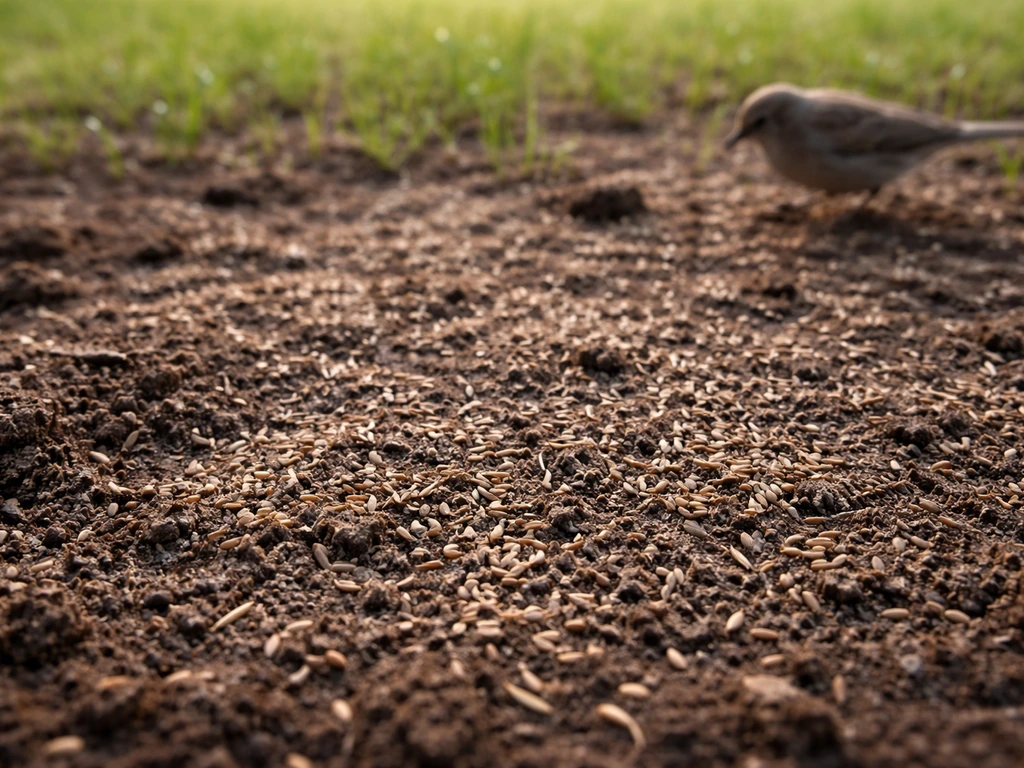
Yes, birds can eat chia seeds. Plain, dry chia seeds are not toxic to birds and are generally safe to offer at feeders as an occasional supplement. If you are also wondering do bird eat grass seed, the answer depends on how the seed is dried and stored and which birds are visiting your feeder. That said, chia is not a magic superfood for your backyard flock, and how you offer it matters more than most people realize. Wet or soaked chia, moldy seed, and poor feeder hygiene create real risks, so this guide walks you through exactly how to do it right.
Can Birds Eat Chia Seeds Safely How to Offer It
Maya Henderson
19 Apr 2026
Is chia safe for birds? The direct answer
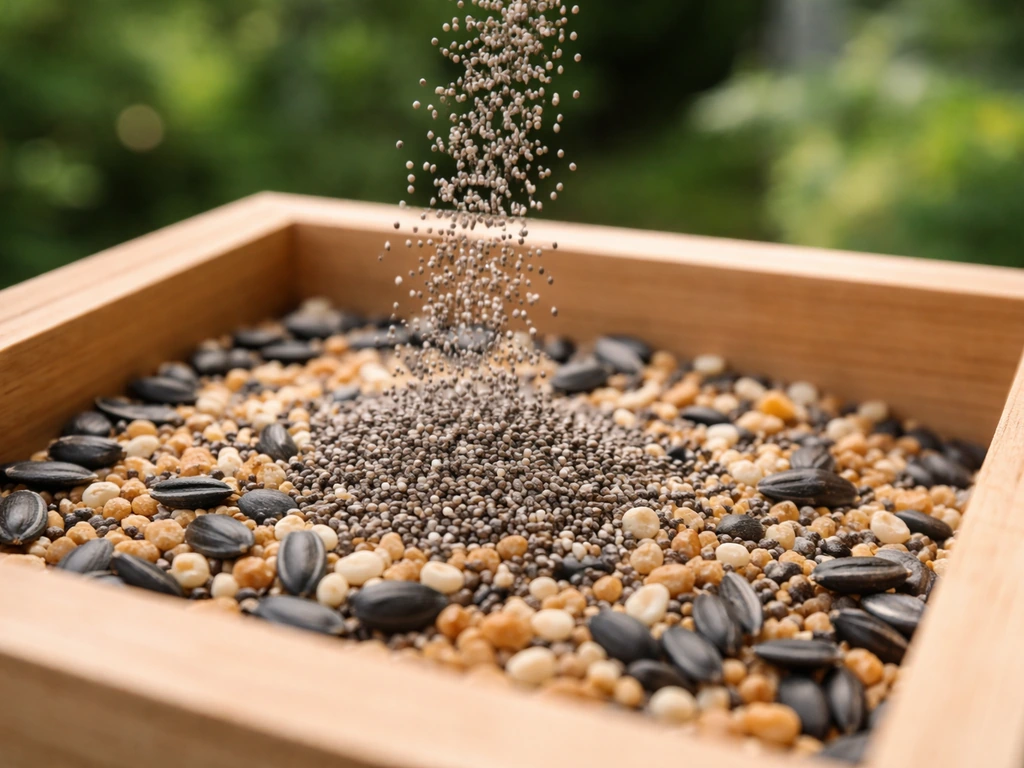
Dry chia seeds are non-toxic to most seed-eating birds and can be treated the same way you would treat any small supplemental seed. The key word is dry. Chia seeds absorb water and swell into a dense gel, and while this is fine in a smoothie, a wet clump of chia at a feeder is a spoilage and contamination problem waiting to happen. Offer chia dry, in small amounts, mixed with familiar seeds, and you are unlikely to run into trouble. The bigger hazards are mold, poor feeder hygiene, and feeding chia as a primary food rather than a supplement.
Which birds will actually eat chia seeds
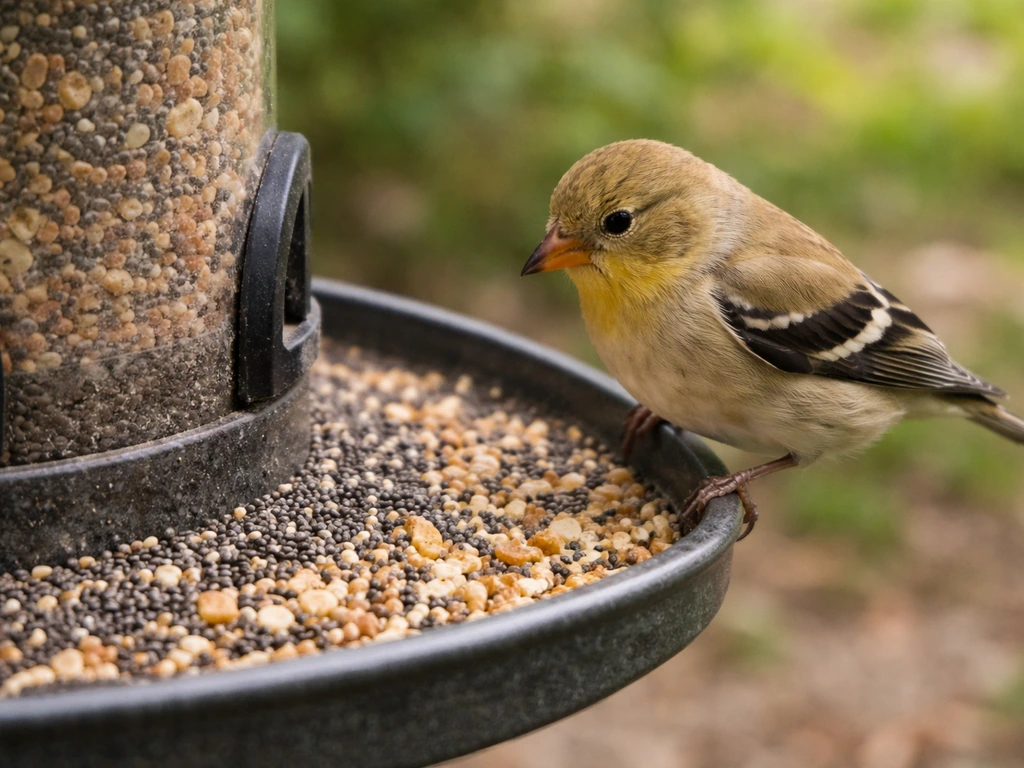
Not every bird at your feeder is going to notice chia, let alone eat it. Chia seeds are tiny, so they tend to attract smaller seed-eating species that naturally forage for fine seeds. The birds most likely to pick up chia are the same ones you see enthusiastically working through nyjer or millet.
- Finches (including American Goldfinches, House Finches, and Purple Finches): active seed foragers that readily accept small seeds mixed into blends
- Sparrows and juncos: ground feeders and platform feeders are their preferred foraging spots, and chia scattered there fits their natural style
- Buntings: seed specialists that will explore new small seeds when mixed with familiar ones
- Chickadees and nuthatches: opportunistic feeders that may sample chia but are not the most likely consumers
- Grosbeaks and towhees: larger bills, but they do forage for smaller seeds, especially on platform feeders or the ground
Birds that eat primarily suet, fruit, insects, or nectar (think woodpeckers, orioles, hummingbirds) are unlikely to touch chia at all. Do not expect any dramatic increase in feeder traffic just because you added chia. Most birds will sort through a seed mix and pick what they recognize first, so mixing chia in with established favorites is far more effective than offering it alone.
How to feed chia safely starting today
The simplest and safest approach is to sprinkle a small amount of dry chia into an existing seed mix. Do not fill a feeder with chia alone. Birds are more likely to try it when it is blended with sunflower chips, millet, or nyjer, and a mixed blend also limits how much any one bird consumes at once.
- Start with a small amount: about one teaspoon of dry chia mixed into a cup of your normal seed blend. This is enough to test acceptance without wasting seed if birds ignore it.
- Use a platform feeder, tray feeder, or wide tube feeder rather than a standard narrow tube. Chia is tiny and will pour through large gaps, and a tray makes it easier for ground-feeding species like sparrows and juncos to access it.
- Place the feeder in a spot you can observe easily. Watch for birds actively eating from the area where chia is mixed in, not just sorting around it.
- Feed only as much as birds can consume in a single day. Penn State Extension recommends this for platform feeders specifically, and it applies doubly to any small seed that can clump when wet or in high humidity.
- Check the feeder the next morning. If chia is sitting untouched or has absorbed moisture and clumped, remove it immediately and discard it.
What to avoid: wet chia, mold, and feeder contamination
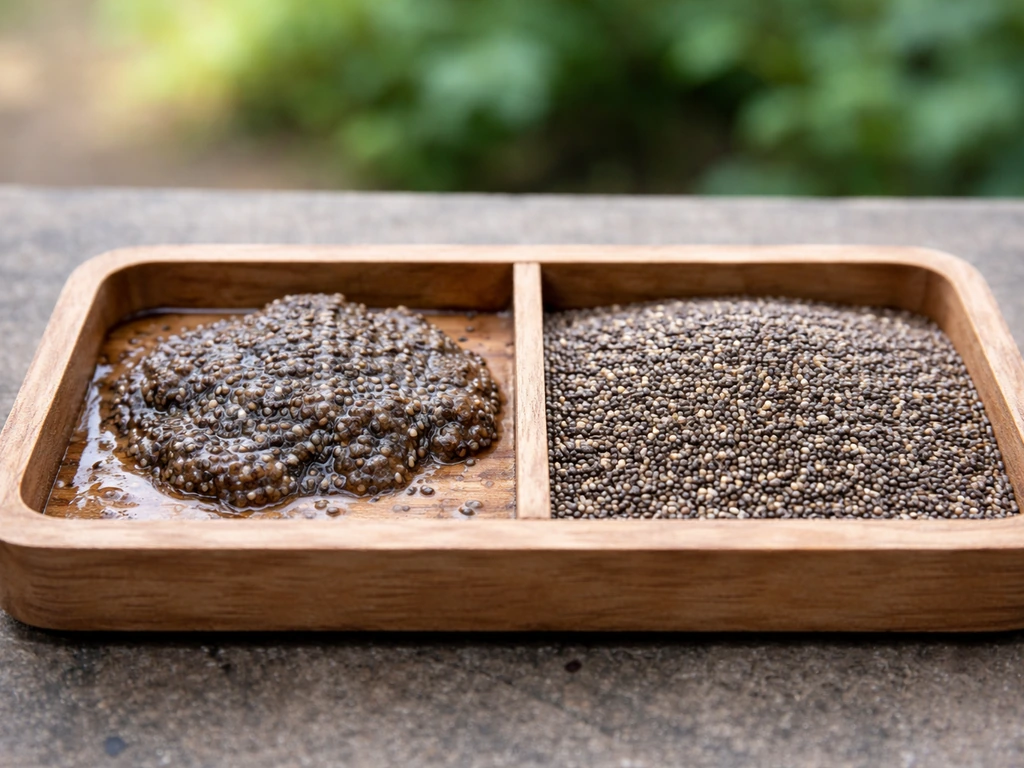
This is where most problems come from. Chia's ability to absorb water and expand makes it more vulnerable to spoilage than something like sunflower seeds. A clump of soaked chia sitting on a tray feeder in warm weather is exactly the kind of environment where mold and bacteria thrive. Georgia DNR links wet, moldy seed hull buildup to fungal infections like aspergillosis, which can cause serious respiratory distress in birds. That risk applies to any wet seed, and chia is particularly quick to clump.
- Never offer soaked or pre-hydrated chia at a feeder. Some sources suggest soaking seeds to make them easier to eat, but wet chia at an outdoor feeder will spoil quickly and attract mold.
- Do not leave chia out overnight or during rain. Oregon State University Extension advises removing any seed that has gotten wet and compacted, and chia meets that threshold faster than most seeds.
- Discard any seed that is clumped, discolored, or smells off. Georgia DNR recommends checking feeders often during damp weather and discarding seeds showing mold or fungus.
- Clean your feeder at least every two weeks under normal conditions, and more frequently during warm or humid weather. Project FeederWatch (Cornell Lab of Ornithology) sets this as the baseline, with increased cleaning when feeders are heavily used.
- After cleaning, dry your feeder completely before refilling it. Audubon emphasizes this step specifically: a damp feeder will cause fresh seed to spoil faster.
- Sweep up seed debris and hulls beneath feeders regularly. The U.S. Fish and Wildlife Service recommends removing old, moldy, and discarded seed under feeders, and Georgia DNR suggests doing this multiple times per week during active feeding seasons.
Health risks to watch for in birds
Chia itself is not a known choking hazard for most seed-eating birds since the seeds are very small. The digestive concerns that sometimes get mentioned online are largely speculative and not supported by wildlife agency guidance. That said, any new food can cause digestive upset in individual birds, especially if they eat a large amount of something unfamiliar. Here is what to actually watch for:
- Lethargy or puffed-up posture at or near the feeder: these are general signs of illness in birds and warrant removing the food and cleaning the feeder immediately
- Diarrhea or unusual droppings near the feeding area: not always easy to attribute to a specific food, but worth noting if it appears after introducing chia
- Reduced or absent feeding from birds that normally visit regularly: this can signal that something about the feeder environment is off
- Visible mold or unusual texture in the seed mix: this is a feeder hygiene problem, not a chia-specific one, but chia's moisture-absorbing nature can accelerate it
True allergic reactions to chia in wild birds are not documented in wildlife or veterinary literature. The bigger documented risk at feeders is always mold and contamination, not the seed itself. If you notice any birds acting lethargic or ill near your feeder, stop feeding, clean the feeder thoroughly, let it dry completely, and monitor before resuming. In a r/Ornithology thread about house finch conjunctivitis, users discuss immediate actions and feeder hygiene when birds at the feeder appear ill, aligning with Cornell Lab-style guidance blank" rel="noopener noreferrer">stop feeding, clean the feeder thoroughly, let it dry completely, and monitor before resuming.. Cornell’s classroom-feeder guidance also emphasizes drying feeders completely before refilling or hanging them again blank" rel="noopener noreferrer">let it dry completely, and monitor before resuming.
Keeping dogs, cats, and other pets safe around chia feeders
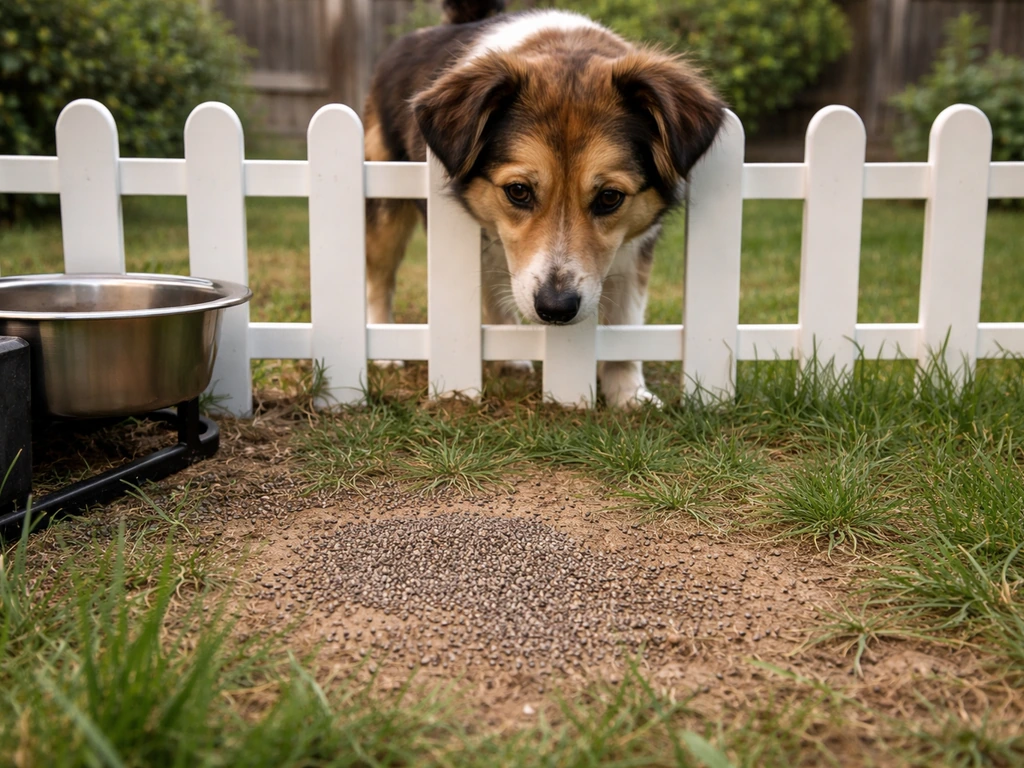
If you have dogs or cats that spend time in the yard, dropped seed under your feeder is a concern. Plain dry chia is not considered toxic to dogs or cats in small amounts, but the real danger comes from spoiled or moldy seed. The AKC warns that moldy birdseed can expose dogs to aflatoxin poisoning, which is caused by molds that can develop in any improperly stored or spoiled seed. The Pet Poison Helpline lists mycotoxins (the category that includes aflatoxins) as a serious hazard from moldy food, and old moldy seed under a feeder is a common route of exposure.
Ground-level feeding increases this risk significantly, since seed scattered on the ground spoils faster due to contact with damp soil (noted by Georgia DNR) and is directly accessible to pets and rodents. Project FeederWatch also notes that bird food scattered on the ground attracts rodents, which creates an additional hygiene and health concern around your feeding station. Project FeederWatch provides standardized feeder-counting instructions and is operated by Cornell Lab of Ornithology and Birds Canada, supporting its credibility as an educational and monitoring authority. If you have pets that roam the yard, use a raised platform feeder, sweep up dropped seed daily, and consider a seed catcher tray under tube feeders to reduce ground contamination.
How chia compares to typical bird foods
| Food | Best for | Spoilage risk | Role at feeder |
|---|---|---|---|
| Black oil sunflower seed | Wide range of species | Low (dry shell protects kernel) | Primary staple |
| Nyjer (thistle) | Finches, redpolls, siskins | Moderate (can clump in wet conditions) | Specialty supplement |
| White millet | Sparrows, juncos, doves | Low to moderate | Ground or platform staple |
| Chia seed | Small finches, sparrows, buntings | Higher (absorbs moisture quickly) | Occasional supplement only |
| Suet | Woodpeckers, nuthatches, chickadees | High in warm weather (turns rancid) | Cold-weather primary supplement |
Chia is not a replacement for established bird foods. It does not have the wide species appeal of sunflower or millet, and it spoils faster than most. If you enjoy variety at your feeder, chia can add a small nutritional boost as an occasional mixed-in supplement, much the same way you might think about quinoa as a bird food.
This is why people also ask whether quinoa is bird-safe, and whether it is quinoa bird seed quinoa as a bird food. If you are looking for a similar alternative, you might also check whether can bird eat quinoa, since it is another food people compare to chia for backyard feeding quinoa as a bird food. The foundational birds-and-seed relationship still depends on proven staples.
When to stop and what to offer instead
Stop offering chia if you notice any of the following: birds consistently ignoring it even when mixed with other seeds, chia clumping repeatedly despite dry weather, signs of illness in birds at your feeder, or mold appearing in your seed mix faster than usual. None of these mean chia is dangerous in principle, but they do mean it is not worth the hygiene management overhead for your specific setup.
If you want to keep offering variety, switch back to nyjer for finches, white millet for sparrows and ground feeders, or a quality mixed seed blend with sunflower chips. If you are wondering whether can horses eat bird seed, the safest approach is to avoid giving it to them and prevent any access to spilled feeder seed.
Roosters can eat bird seed, but you should offer it in moderation and make sure it stays dry and mold-free can roosters eat bird seed. If you are also wondering can sheep eat bird seed, it helps to understand which ingredients are safe and how to prevent moldy or spoiled seed from being consumed your feeder.
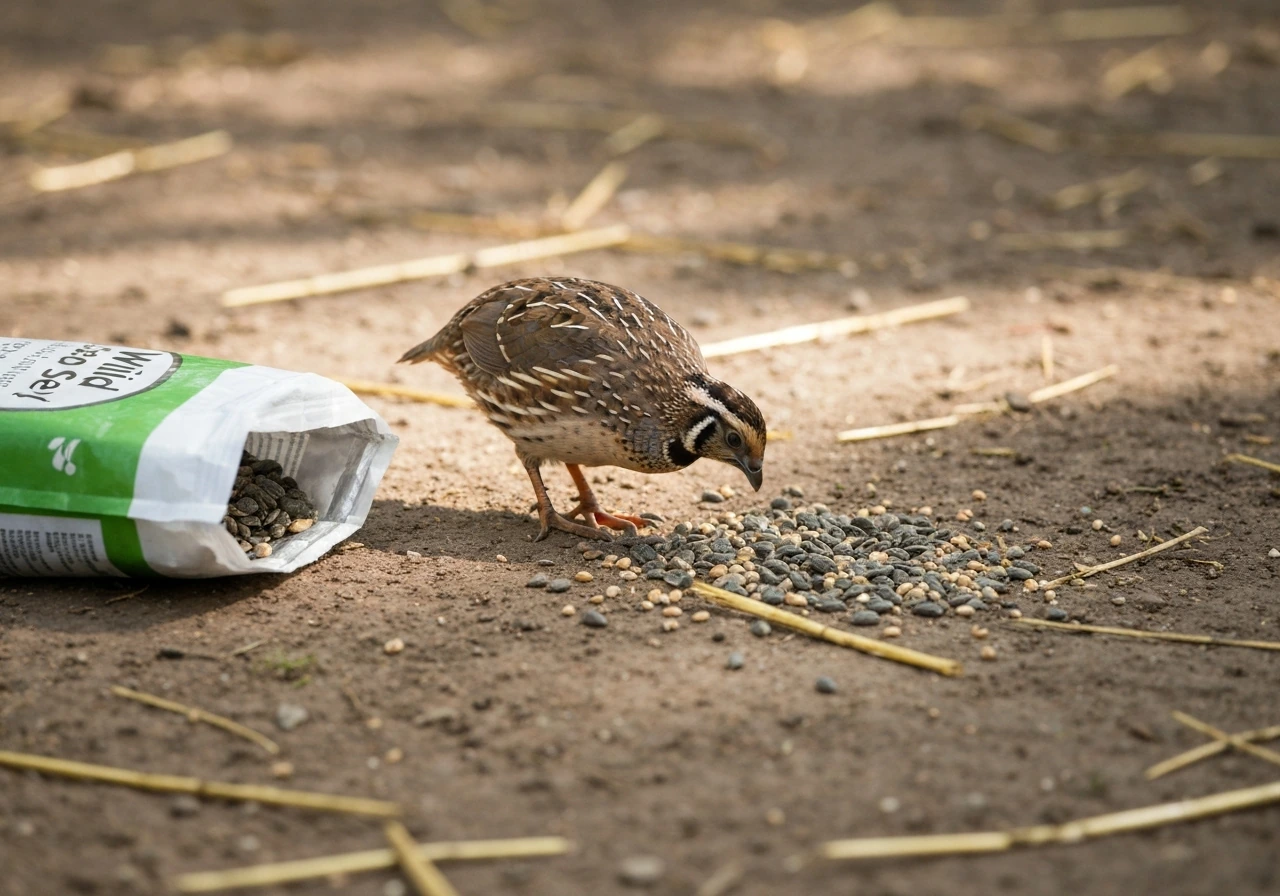
These are well-documented as effective for the same species most likely to have eaten chia, and they are much easier to manage from a spoilage standpoint. If you are feeding quail or ground-dwelling birds in your area, plain millet scattered sparingly is a far more reliable and lower-risk option than chia on the ground. If you are wondering can quail eat bird seed, the key is to use safe, dry seed and prevent spoilage feeding quail or ground-dwelling birds.
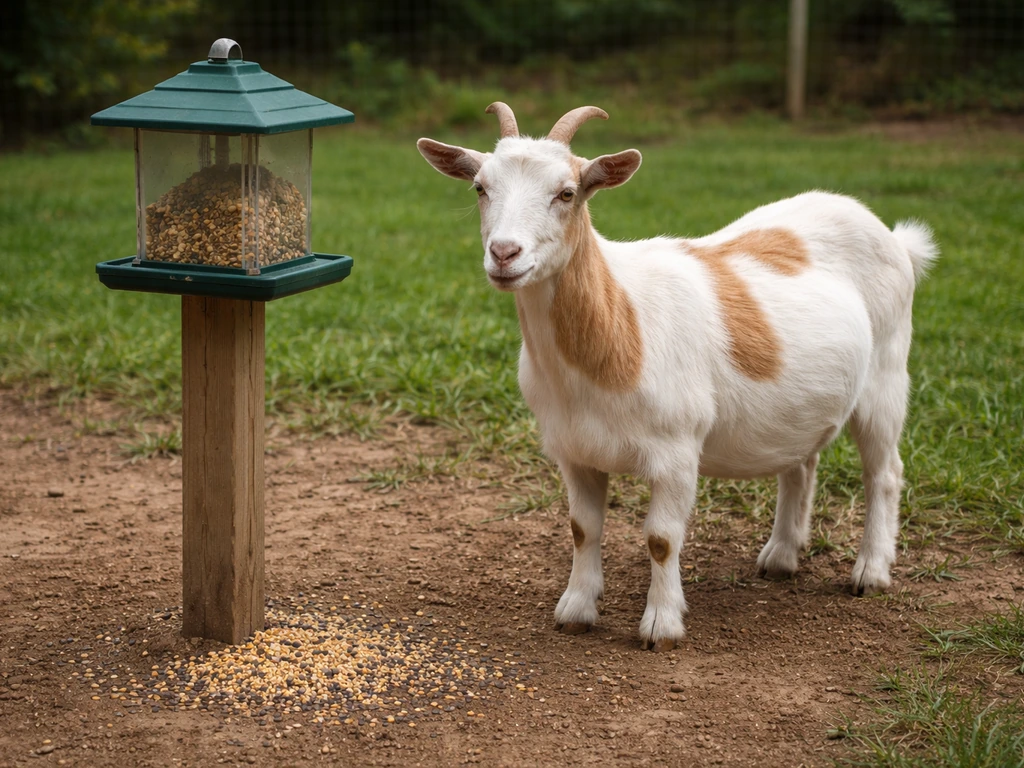
Can goats eat bird seed? In most cases, bird seed itself is not meant for goats and may cause digestive issues if they eat a lot, especially if it includes moldy or spoiled seed.
The bottom line: chia is a fine occasional supplement when offered dry, in small amounts, mixed with established seeds, and managed with the same feeder hygiene you should already be practicing. It is not a must-have, and if it creates more work than benefit at your feeder, there is no reason to keep using it.
FAQ
How much dry chia can I add without risking spoilage or waste?
Use chia the same way you would use other tiny supplemental seeds: sprinkle a small pinch per feeding and only add it to a mix you already keep fresh. If you notice clumping in the feeder tray or seed mix even when the weather seems dry, stop adding chia and switch to a less moisture-sensitive seed like millet or nyjer.
What feeder-cleaning routine matters most when I offer chia?
After each use, empty the feeder tray and remove any visible residue or husk buildup, then wash and dry it fully before refilling. Because chia can absorb moisture and form sticky clumps, leaving it sitting between refills increases mold risk more than it does with harder seeds like sunflower chips.
Is it safe to offer chia if I soak it first to make it easier for birds to eat?
Avoid soaking or sprinkling chia onto damp foods for wild birds. Even though birds can safely eat dry chia, wet chia turns into gel, which spoils quickly outdoors and is harder to keep hygienic at a feeder.
Will chia cause digestive problems for some birds even if it is safe in general?
If you want to reduce any individual-bird digestive upset, blend chia into a larger amount of familiar seed so no single species is getting large portions of unfamiliar food. Also, start with one or two days of offering, then reassess whether birds are using the feeder normally.
Why do some birds seem to pick chia more than others, and what should I do?
If chia attracts mainly small seed-eaters (like finches or sparrows) and those birds are competing heavily, you may see uneven consumption. The practical fix is to keep portions small, mix chia into an established blend, and do not refill a partially used feeder after a long warm interval.
What if my birds keep ignoring chia even when it is mixed in?
If you consistently see chia ignored when mixed into other seeds, do not keep increasing the amount. Either your visiting species do not prefer it, or the feeder conditions are making it unappealing. Try switching to seeds those species already use (for example, nyjer for finches, millet for ground feeders) and stop adding chia if it adds hygiene work without uptake.
What should I do if chia clumps or mold shows up?
If mold appears, stop feeding that mix immediately and discard any remaining seed that has been exposed to moisture. Clean the feeder thoroughly and let it dry completely, then restart only with a fresh, dry blend. Do not try to salvage clumped or damp chia by drying it back out.
Is it okay if birds drop chia and it ends up on the ground?
Yes, but treat it as a supplement with strict moisture control. Dropped or ground-exposed chia can absorb dampness from soil and spoil faster, and it increases contact with pets and rodents. Use a raised platform feeder (or a seed-catcher system on tube feeders) and sweep up fallen seed daily.
Should I offer less chia during humid or rainy weather?
If your feeder area gets very wet (rainy climate, sprinkler overspray, heavy fog that lingers on trays), chia is more likely to clump quickly. In that situation, reduce or skip chia and choose seeds that tolerate outdoor moisture better, like sunflower chips or properly stored mixed seed.
What warning signs mean I should stop feeding entirely and focus on contamination instead of chia itself?
If birds become lethargic or show respiratory signs near the feeder, stop offering all seed, clean and dry the feeder and any surrounding area, and remove seed that has been exposed to dampness. Resume only after the area is dry and you have addressed the source of contamination, since moldy seed is the main feeder-related hazard.