Yes, birds absolutely eat grass seed, and they are often very good at finding it. Whether you have just overseeded your lawn, scattered a wildflower mix, or knocked over a bag of birdseed near the garden, birds will show up quickly. The real question is which birds, when, and what you can do about it if they are eating seed you did not intend to share with them.
Do Bird Eat Grass Seed? What to Expect and What to Do
Maya Henderson
18 Apr 2026
Do birds eat grass seed, and why do they bother?
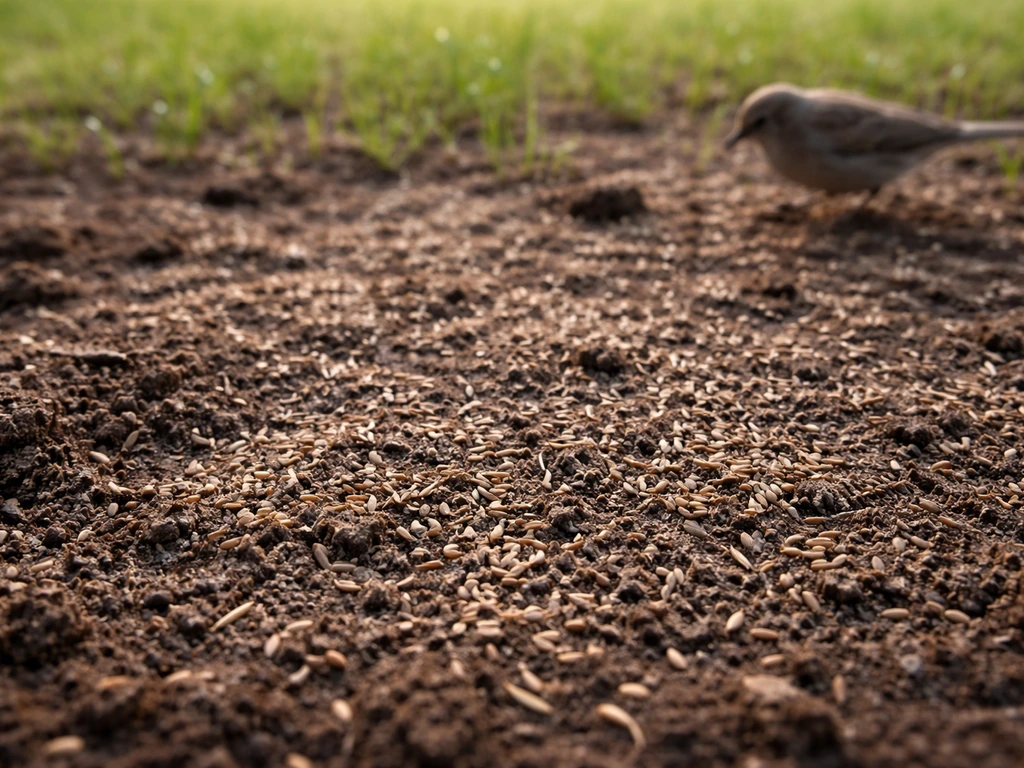
Grass seed is just seed. From a bird's perspective, a freshly seeded lawn looks a lot like a natural foraging patch, especially when the seed is lying on bare soil with nothing covering it. Granivorous birds (seed-eaters) are constantly scanning the ground for easy calories, and loose grass seed sitting on the surface is about as easy as it gets. The U.S. Fish and Wildlife Service points out that feeders and accessible seed become especially attractive when birds are in areas where natural food sources are limited, which is exactly the situation in a suburban yard with freshly turned soil and almost no plant cover.
Grass seed is not harmful to birds in its natural, untreated state. It is nutritionally similar to the small seeds birds would eat in meadows and fields. The problem runs in both directions: birds can significantly set back lawn germination by eating seed before it sprouts, and in certain situations the seed itself can pose a risk to birds if it has been chemically treated or has begun to mold.
Which birds are most likely to eat your grass seed
The birds that go after grass seed are almost exclusively granivores, meaning their diet is built around seeds and grains. Insect-eaters, raptors, and nectarivores will not bother. Here is a quick rundown of the most common culprits:
- Sparrows (especially house sparrows and field sparrows): House sparrows are drawn to millet, corn, and small grains, and they will work a seeded lawn like a buffet line. Field sparrows have a distinctive foraging trick where they ride a grass seed head down to the ground, pin it, and pull off individual seeds one at a time.
- Doves and pigeons: Feral pigeons actively eat grass seeds in parks and gardens, particularly in spring. Mourning doves and other species in the Columbidae family are confirmed grain-eaters and will feed directly from sown seed on the soil surface.
- Finches: House finches, goldfinches, and similar small finches are strong seed-eaters and will investigate any accessible seed source, including lawn seed mixes.
- Blackbirds and starlings: These birds forage heavily on the ground and will consume grass seed along with insects and other food. They also tend to arrive in flocks, which means they can clear a large area quickly.
- Juncos: Dark-eyed juncos are ground-foragers that eat small seeds and are especially active in lawns and gardens during cooler months.
Birds that feed mainly on insects, fruit, or nectar, such as warblers, hummingbirds, or woodpeckers, are not going to be a problem for your lawn seed. If you see a large bird like a crow or jay investigating a seeded area, they are usually after insects in the turned soil rather than the seed itself, though they will occasionally pick up exposed seed too.
When grass seed is safe vs when it becomes a real risk
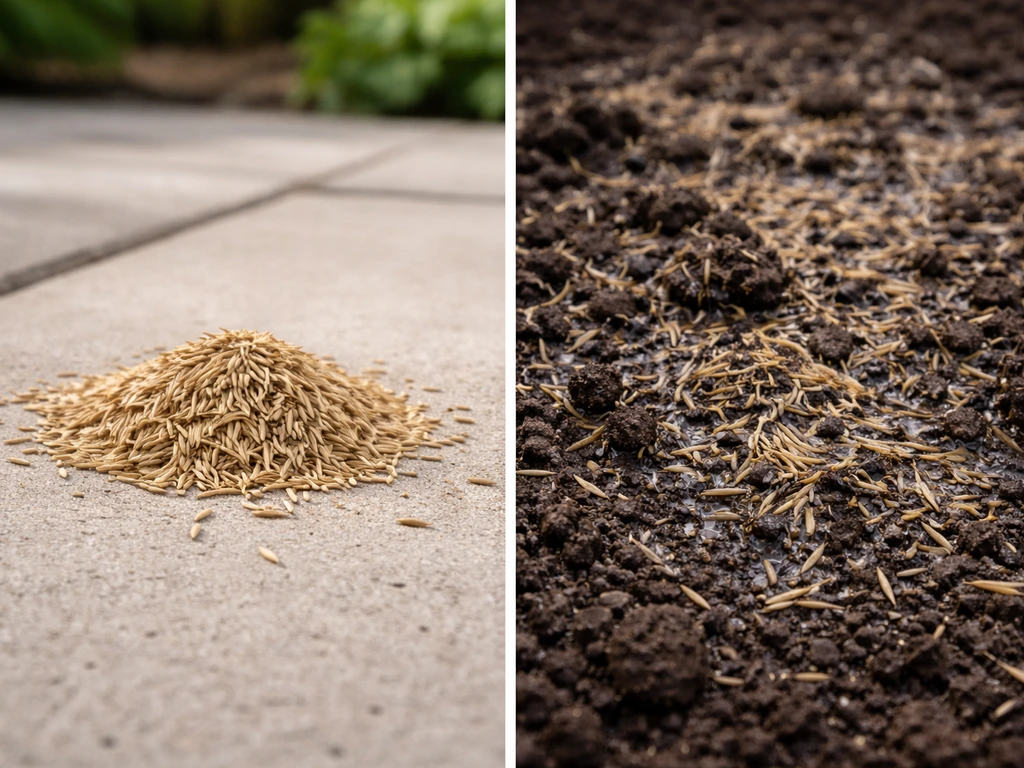
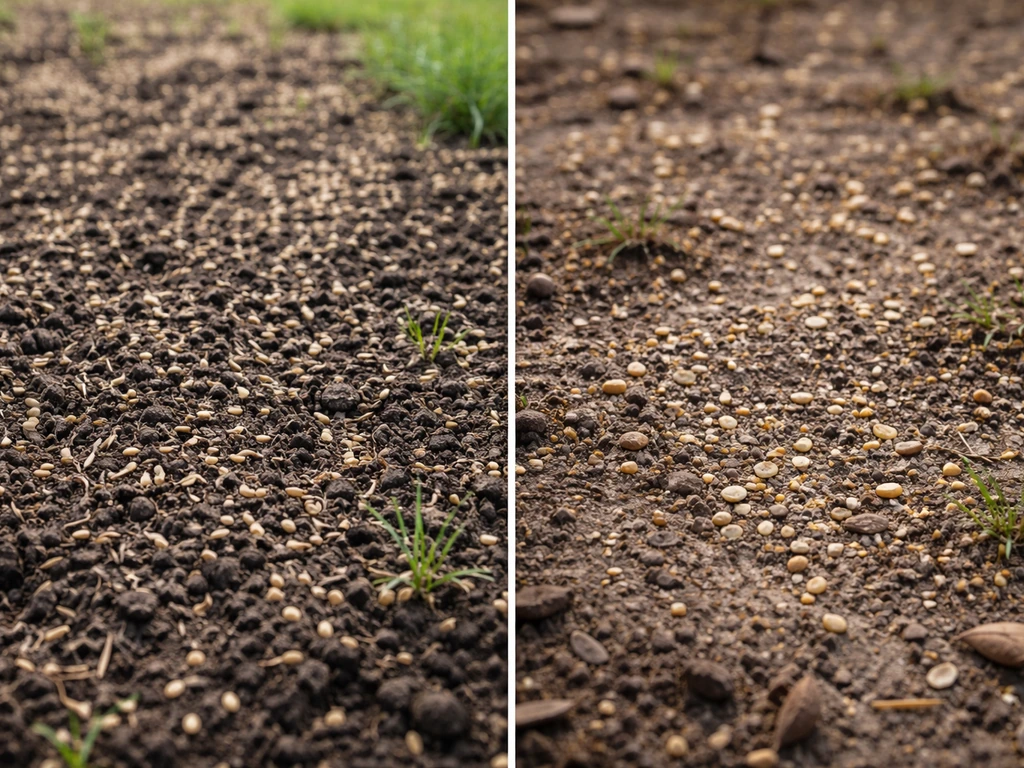
Fresh, dry, untreated grass seed poses no significant health risk to birds. The danger zones are mold, spoilage, and chemical seed treatments, and all three deserve a close look.
Mold and spoiled seed
Seed that sits on damp ground, gets rained on repeatedly, or is stored in humid conditions can quickly develop mold, including Aspergillus species. Aspergillus contamination can cause aspergillosis, a respiratory disease that affects both birds and mammals. The New York State DEC specifically warns that moldy birdseed is a known disease risk, and Cornell's Center for Wildlife Health recommends preventing animals from accessing moldy feed entirely. If you see seed on the ground that looks clumped, discolored, or has visible fuzz, remove it. Do not leave it hoping it will dry out.
Corn is one of the most common carriers of aflatoxins, which are toxins produced by Aspergillus flavus. If your grass seed mix contains any grain components, or if you have spilled birdseed that includes corn, watch for moisture buildup. Seed mixes that have gotten wet and then sat for a few days are the highest-risk scenario.
Chemically treated lawn seed
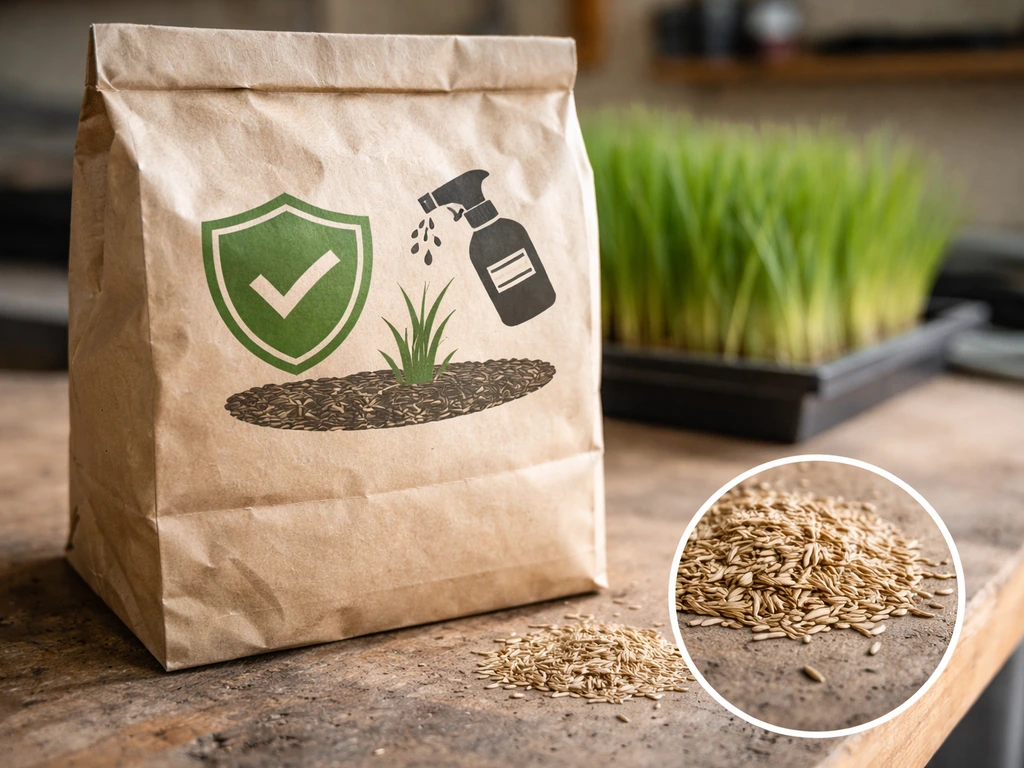
This is a less obvious risk but worth knowing. Many commercially sold grass seed products, especially those labeled for golf courses, farms, or large-scale lawn restoration, are coated with neonicotinoid pesticides to improve germination rates and protect seedlings from insects. The U.S. Geological Survey discusses whether neonicotinoid pesticide seed coatings pose a hazard to seed-eating birds, providing an authoritative risk-assessment context for treated or “dressed” seeds Many commercially sold grass seed products. Research published in peer-reviewed journals notes that neonicotinoid-treated seeds on the soil surface can be lethally risky to seed-eating birds through direct ingestion. Oklahoma wildlife officials specifically recommend not planting neonicotinoid-treated seeds in areas where birds, wildlife, or pollinators are active. Check your seed bag before you scatter it. If the seeds have a colored coating (often pink, blue, or green) and the bag mentions fungicide or insecticide treatment, keep birds away from that area until the seed has germinated and is no longer sitting loose on the surface.
What to do today if birds keep eating your lawn seed
There are a handful of practical methods that actually work, and the best approach usually combines two or three of them at once.
- Cover the seeded area with straw mulch: A thin layer of straw makes it harder for birds to spot individual seeds and also improves germination by retaining moisture. This is one of the most effective and low-cost options available.
- Use bird netting or row covers: Lightweight plastic mesh netting staked a few inches above the soil stops birds from reaching the seed without blocking sunlight or water. Remove it once the grass is about an inch tall.
- Try burlap strips or erosion control fabric: These let water and light through while physically blocking birds from pecking at the soil.
- Time your seeding strategically: Fall seedings often face less bird pressure than spring, simply because many granivore species have migrated or shifted to other food sources. Early morning seeding followed by immediate watering and covering reduces the window birds have to find loose seed.
- Reduce other food sources nearby: If you have a bird feeder close to the lawn, move it to the far end of the yard. Birds that are well-fed at a feeder are less motivated to scratch around for grass seed, and keeping feeders away from seeded areas reduces traffic.
- Use visual deterrents temporarily: Reflective tape, pinwheels, or predator decoys (like owl silhouettes) can discourage birds during the critical first two weeks. Rotate or move them every few days so birds do not acclimate.
- Rake up and dispose of any spilled or failed seed promptly: Seed that did not germinate and is now sitting wet on the surface is both a bird magnet and a mold risk.
The honest reality is that no single method is foolproof, especially against determined flocks of sparrows or doves. Physical barriers like netting are the most reliable. Everything else buys you time.
If you are feeding birds: safe practices with birdseed and feeders
Feeding birds is a great way to attract them deliberately, but the same dynamics that make a lawn look appealing also apply to feeders. If you are also wondering can sheep eat bird seed, the key is choosing safe, clean feed and keeping it accessible only when it is meant for them. The key is managing seed quality and cleanliness so you are helping birds, not harming them. Feeding birds is a great way to attract them deliberately, but the same dynamics that make a lawn look appealing also apply to feeders. is quinoa bird seed.
- Clean feeders every two weeks as a baseline, and more often during warm or humid weather. Project FeederWatch recommends this cleaning frequency and notes that warm, damp conditions accelerate spoilage dramatically.
- Rake or sweep under feeders regularly. Discarded hulls and uneaten seed collect under feeders, get wet, and start molding. The U.S. Fish and Wildlife Service specifically advises sweeping up old, moldy, and discarded seed from under feeders. This is one of the most important and most overlooked steps.
- Choose the right seed for your local birds. Black oil sunflower seed is one of the most broadly accepted seeds among North American backyard birds. Millet is excellent for sparrows and doves. Avoid cheap filler mixes that contain large amounts of milo or wheat, which many birds reject and leave to rot.
- Avoid corn in humid conditions. Corn in feeders or spilled on the ground in warm, wet weather is a prime candidate for aflatoxin contamination. If you do use corn, keep quantities small and replace it frequently.
- Store seed properly. Keep seed in a sealed, waterproof container off the ground. Seed stored in an open bag in a garage or shed can absorb moisture and develop mold within days during humid weather.
- Use a bleach cleaning solution for feeders. Audubon cites National Wildlife Health Center guidance recommending a dilute bleach solution for sanitizing feeders to prevent disease spread between birds.
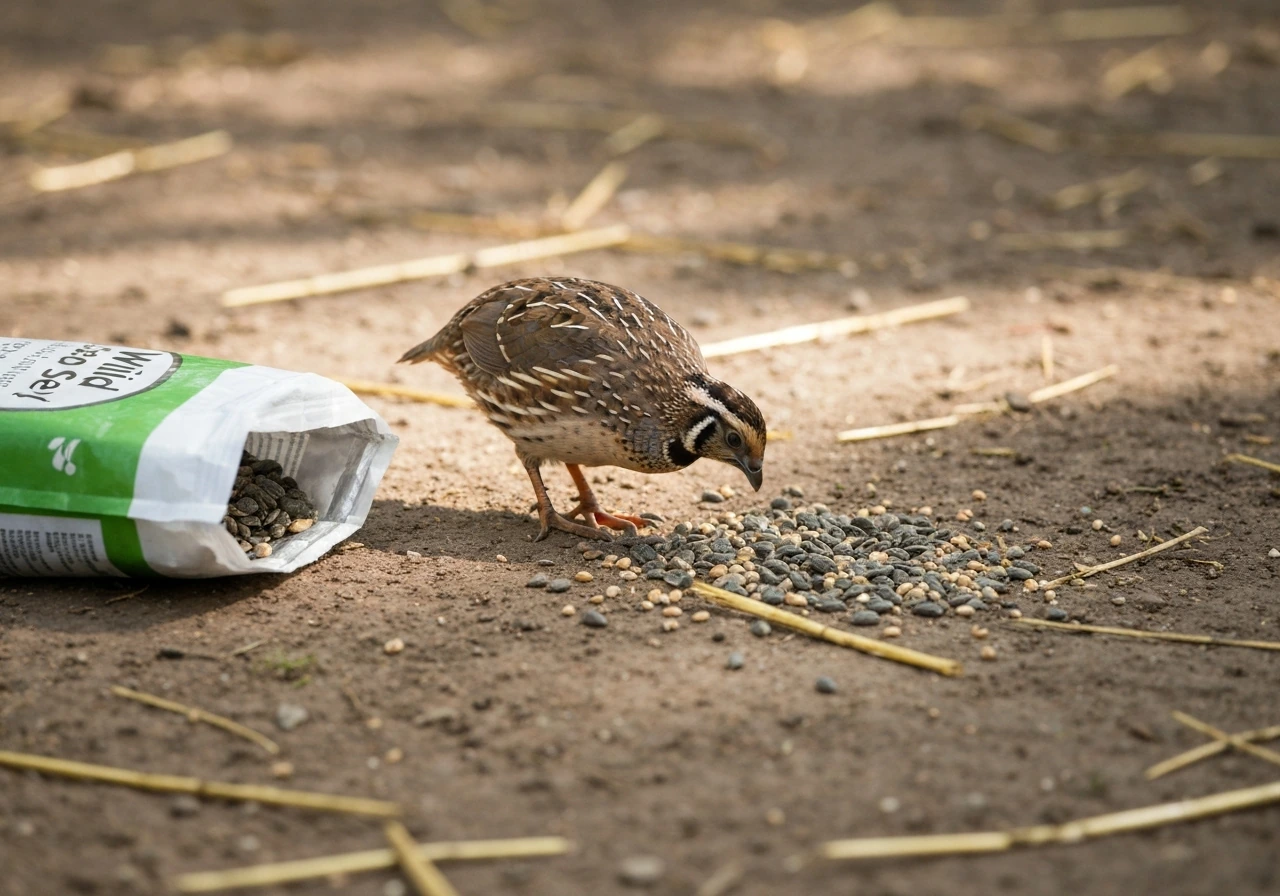
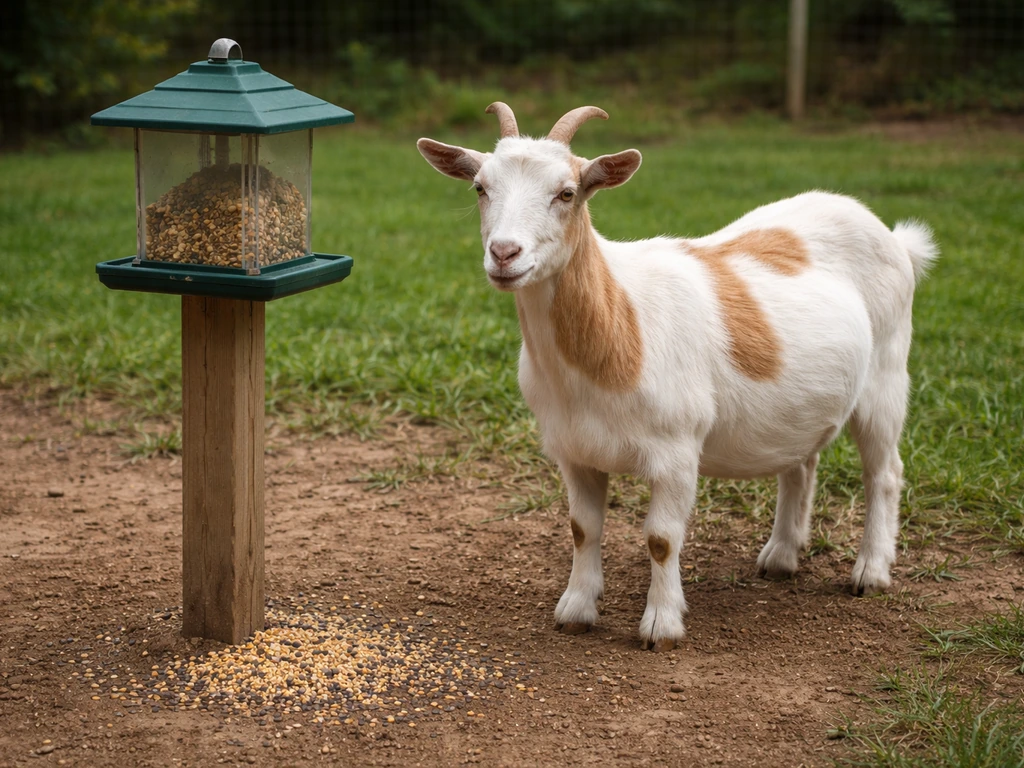
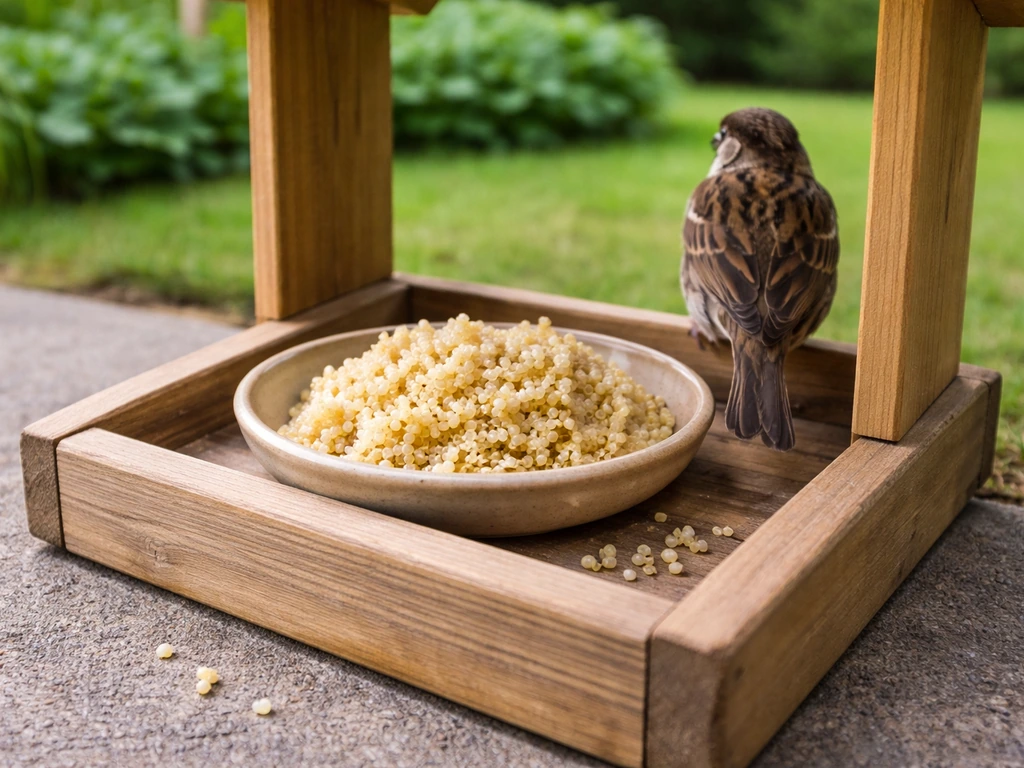
Grass seed, chia seeds, and quinoa are all examples of seeds that birds will eat when given the opportunity, and the same safe-storage and mold-prevention principles apply across all of them. If you are specifically asking can bird eat quinoa, quinoa is another seed that fits the same feeding rules, so stick to clean, dry seed and prevent mold. The fundamentals do not change much whether you are feeding commercial birdseed or dealing with seed scattered in a garden. Can quail eat bird seed too? If you are also wondering about roosters, you can use the same approach and find out whether they should have access to bird seed can roosters eat bird seed. They will often peck at available seeds, so focus on using clean, untreated seed and preventing access to moldy or spoiled feed. If you are wondering whether goats eat bird seed, it helps to consider that goats are opportunistic grazers and will sample many types of feed when they can reach it can goats eat bird seed. If you are wondering about other animals, this also matters for horses, since they can eat bird seed when it is accessible can horses eat bird seed.
Pet and wildlife safety around seed, including cats, dogs, and scavengers
Spilled or improperly stored seed does not just affect birds. Dogs are particularly likely to sniff out and eat seed that has fallen under a feeder, and moldy seed is genuinely dangerous for them. The AKC notes that old or damp birdseed can breed mold and aflatoxins, and dogs are the most common pet affected because they tend to graze underneath feeders. The FDA lists the warning signs of aflatoxin poisoning in pets as sluggishness, loss of appetite, vomiting, jaundice, unexplained bruising or bleeding, and diarrhea. If your dog has gotten into a pile of old, damp seed and shows any of these symptoms, stop exposure immediately and call your veterinarian.
Cats are less likely to eat seed but may use exposed garden soil or seeded areas as a litter area, which disturbs newly planted seed. More importantly, cats are a significant predator risk for the birds you are trying to attract, so keeping cats away from active feeders and seeded areas is good practice for everyone involved.
Other wildlife, including squirrels, raccoons, deer, rats, and mice, are all drawn to accessible seed. Squirrels and rodents can carry seed into burrows or walls, and rodent activity near feeders can attract larger predators to your yard. Spilled seed that accumulates on the ground is the main driver of this problem. Keeping the area under your feeder clean and switching to a no-waste seed mix (where birds eat most of what they crack open) goes a long way toward reducing unwanted scavengers.
| Animal | Main risk from seed | What to do |
|---|---|---|
| Dogs | Aflatoxin poisoning from moldy seed under feeders | Fence off feeder area, sweep regularly, call vet if symptoms appear |
| Cats | Predation of birds (not seed toxicity) | Keep cats indoors near feeders, use feeder placement to reduce risk |
| Wild birds | Mold/aspergillosis, neonicotinoid-treated seed | Remove moldy seed, avoid treated seed in wildlife areas |
| Rodents/squirrels | Attracted by spilled seed, can spread to home | Use no-waste seed, clean under feeders frequently |
| Raccoons | Knock over feeders, spread seed, possible disease vector | Use baffles, bring feeders in overnight |
The safest yard is one where seed is fresh, feeders are clean, and there is no accumulating pile of old or wet seed on the ground. That single habit, keeping things tidy underneath and around your feeder, addresses the majority of safety concerns for birds, pets, and other wildlife at once. If you are also managing a seeded lawn, the same logic applies: loose seed on exposed soil is a resource that many animals will find and use, so the faster you can get it covered, germinated, or cleaned up, the fewer problems you will have.
FAQ
If I water in grass seed right after spreading it, will birds still eat it?
Yes, many seed-eating birds will peck at grass seed even if insects are present, especially when seed is exposed on bare soil. If you want birds to stay away from the lawn seed, the key is to cover or water in the seed promptly rather than leaving loose seed on top for days.
How can I tell whether grass seed on the ground is unsafe for birds (or pets)?
Look for clumping, discoloration, or fuzzy growth, and also check the smell. Even if the seed looks intact, if it has been damp repeatedly or sat humid for several days, treat it as potentially moldy and remove it.
What is the best way to prevent seed piles from forming under my feeder?
For bird feeders, the safest practice is removing what birds do not eat within a day or two and cleaning up spills regularly. Rotating seed types can help, because some mixes create more waste when birds drop husks and hulls.
What should I do if birds keep eating the grass seed I just spread?
If your goal is lawn germination, the most effective approach is combining coverage (lightly raking in or using a top-dressing layer) with fast germination support (regular watering until sprouting). This reduces the time the seed is available on the surface.
How long should I keep birds away if my grass seed has an insecticide or fungicide coating?
Neonicotinoid-treated seed is the main concern when it is still loose on the surface, because birds can directly ingest coated pieces. Once the seed is covered and has germinated, the risk drops, so keep birds off the area until sprouting and re-cover any missed spots.
Why do birds show up so quickly after I seed the lawn?
Birds are most attracted when seed is accessible, not when it is buried. If you see activity right after seeding, that is the sign to cover immediately, then avoid re-exposing seed by walking on or disturbing the area.
Do squirrels and other wildlife eating spilled seed cause the same problems as birds?
Raccoons and squirrels can dig up or scatter seed, and they also create fresh exposed patches by disturbing the ground. To reduce this, clean up the surrounding area and avoid overfilling feeders, since extra waste draws more digging and scouting.
If birds can eat grass seed, is it safe to also feed them other seeds in the yard?
Use a clean, dry, untreated approach for both feeder seed and any supplemental seeds in the garden. If you are trying to attract birds intentionally, avoid letting any spilled seed go damp or moldy, since pets and wildlife will also use the same spilled piles.
Will birds eating grass seed always be bad for my lawn, or only sometimes?
Yes. Even when the grass seed itself is untreated, loose seed can reduce plant establishment by being removed before germination. If you need reliable germination, treat bird activity as a normal variable and plan to seed in conditions that help rapid sprouting (appropriate soil moisture, not chronic dampness).
What are the most important pet-safety steps if birds are eating seed under my feeder?
Moldy seed is the major issue for health, and dogs are the most common pet affected because they often scavenge under feeders and lick or eat what they find. If a pet has been exposed and you notice sluggishness, vomiting, diarrhea, or yellowing, remove them from the area and contact a veterinarian promptly.