A small accidental mouthful of bird seed is not an emergency for most sheep. Can bird eat quinoa? In many cases it is safe in small amounts as long as it is plain and properly prepared. The real problems start when sheep get ongoing access to feeders, eat large quantities of grain-heavy mixes, or get into spilled seed that has been sitting on wet ground long enough to grow mold. Bird seed is not toxic by default, but it is not sheep feed either, and the difference matters a lot depending on how much they ate and what was in the mix.
Can Sheep Eat Bird Seed? Risks and What to Do Today
Maya Henderson
14 May 2026
Can sheep eat bird seed safely? The direct answer
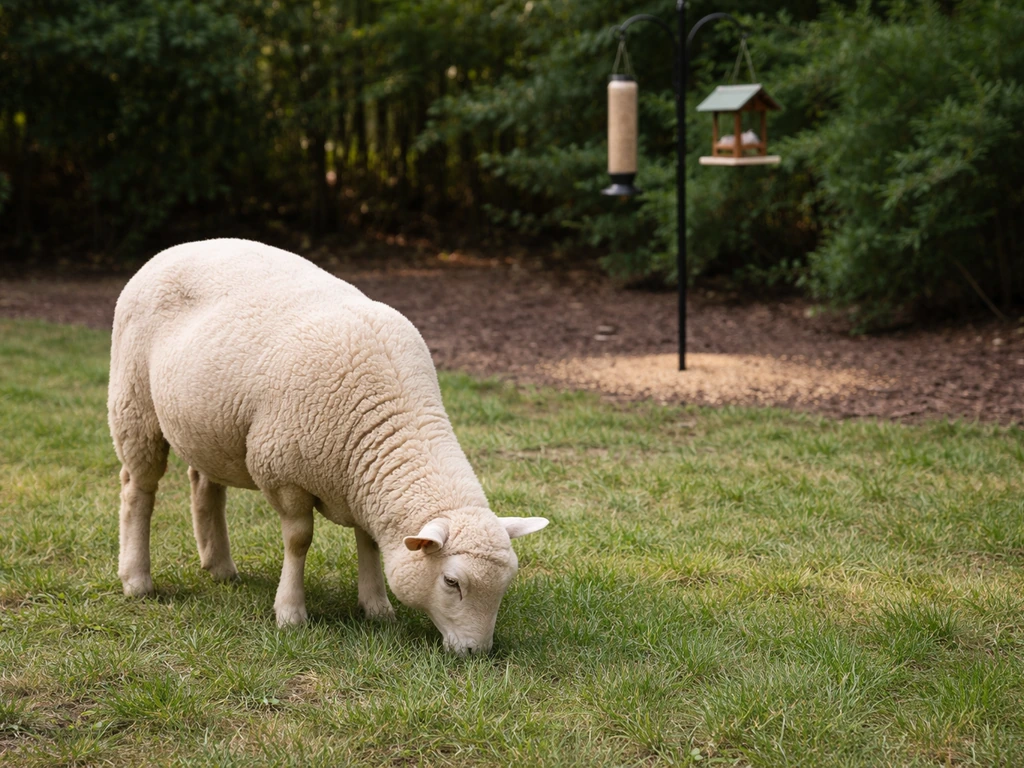
Sheep can eat small amounts of plain, clean, dry bird seed without obvious harm. The same kind of high-energy, high-carbohydrate problem can also come up when you consider can roosters eat bird seed. The ingredients in most bird seed mixes, including millet, sunflower seeds, cracked corn, and safflower, are not inherently poisonous to sheep.
But bird seed is a high-energy, high-carbohydrate food that is not balanced for ruminant nutrition, and ruminant digestive systems need time to adapt to high-grain diets. Give a sheep free access to a feeder and you have a recipe for rumen acidosis, also called grain overload. Add spoiled or moldy seed to that picture and the stakes go up considerably. So the answer is: not dangerous in a one-off nibble, potentially very dangerous with repeated or large-scale access.
What is actually in bird seed (and which parts matter for sheep)
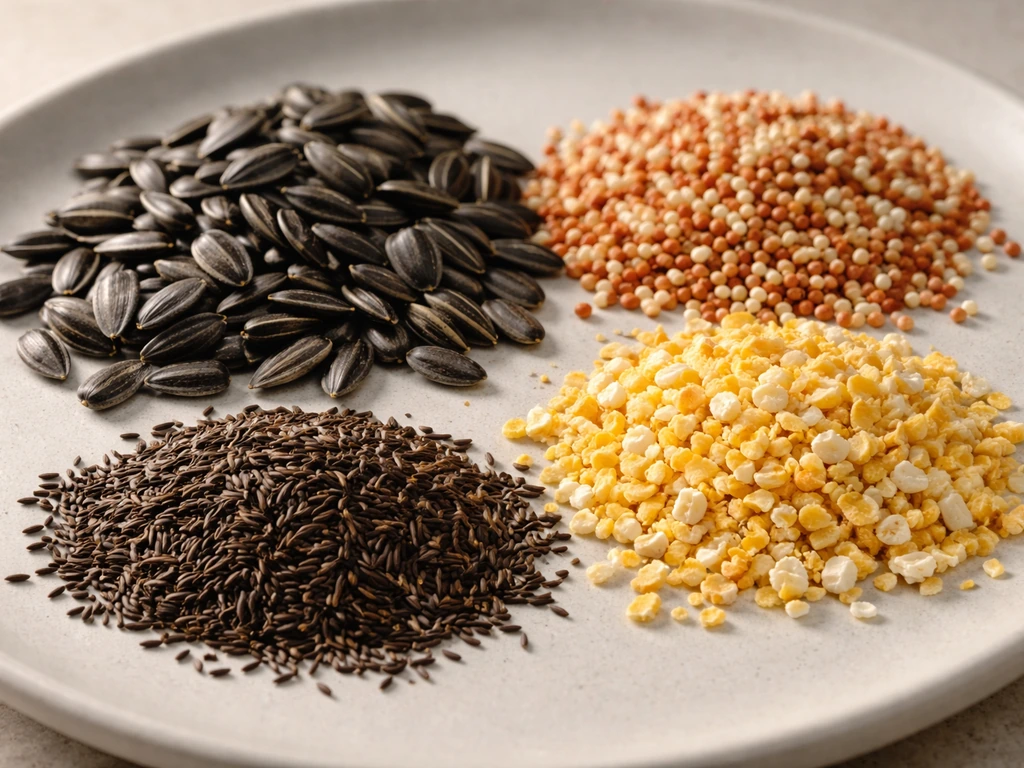
Most commercial wild bird mixes contain a combination of black-oil sunflower seeds, white or red millet, cracked corn, safflower, nyjer (thistle), and sometimes peanut pieces or dried fruit. Some budget mixes add milo (sorghum) and oat groats as filler. Premium mixes may include shelled peanuts, dried mealworms, or suet chunks. The key thing from a sheep perspective is that most of this is starchy, energy-dense grain or seed, not roughage. It is not chemically toxic, but feeding dense carbohydrates suddenly and in volume to a ruminant whose gut microbes are not adapted to them is how rumen acidosis starts.
A few specific things in some mixes deserve extra attention. Dyed or colored seeds (sometimes used in decorative mixes or cheap blends) may contain artificial colorants or chemical coatings. Some seed sold at garden centers is treated with fungicides or insecticides to prevent sprouting or extend shelf life, and treated seed is clearly not safe for any livestock. Suet cakes sometimes contain added salt, artificial preservatives, or rendered fat blended with other ingredients. None of these are designed with sheep in mind, and some can cause real harm if consumed in quantity.
One accidental nibble vs ongoing access: very different problems
If your sheep walked under a feeder and ate a handful of spilled seed, you are probably fine. Watch the animal for the rest of the day, make sure it is eating, drinking, and behaving normally, and clean up the spill so there is no repeat. That is genuinely a low-risk situation with plain, clean seed.
Ongoing access is a completely different scenario. If sheep have been visiting a feeder regularly, if a bag of bird seed fell open in the barn, or if they got into a stored supply, the volume consumed matters enormously. Rumen acidosis from grain overload can develop within 24 to 48 hours of a large ingestion. For goats, the safest approach is still to treat bird seed as a potentially risky snack because grain overload and mold can both cause serious problems. Early signs include reduced appetite, bloating, lethargy, and loose or foul-smelling diarrhea. Severe cases progress to the animal becoming unable to stand, collapsing, or going into shock. This is a genuine veterinary emergency, not a wait-and-see situation.
Health risks to watch for after sheep eat bird seed
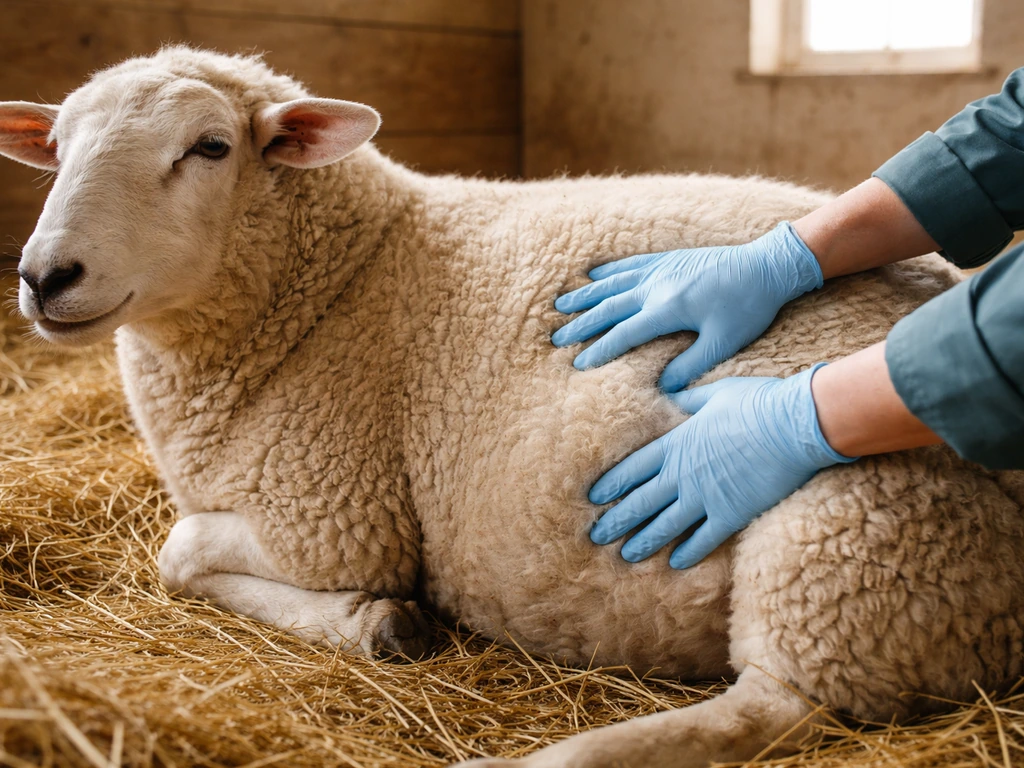
Rumen acidosis (grain overload)
This is the primary risk when sheep eat large amounts of bird seed in one sitting. Ruminants need gradual adaptation to high-starch diets because their rumen bacteria ferment carbohydrates quickly, flooding the rumen with acids and dropping the pH. Symptoms include bloat, fever, profuse and foul-smelling diarrhea, anorexia, and in serious cases, laminitis (foot inflammation), inability to stand, and death. The timeline is fast: signs can appear within hours, and animals can be recumbent within 24 to 48 hours. If you suspect significant grain overload, call a vet the same day, not the next morning.
Mold and mycotoxins
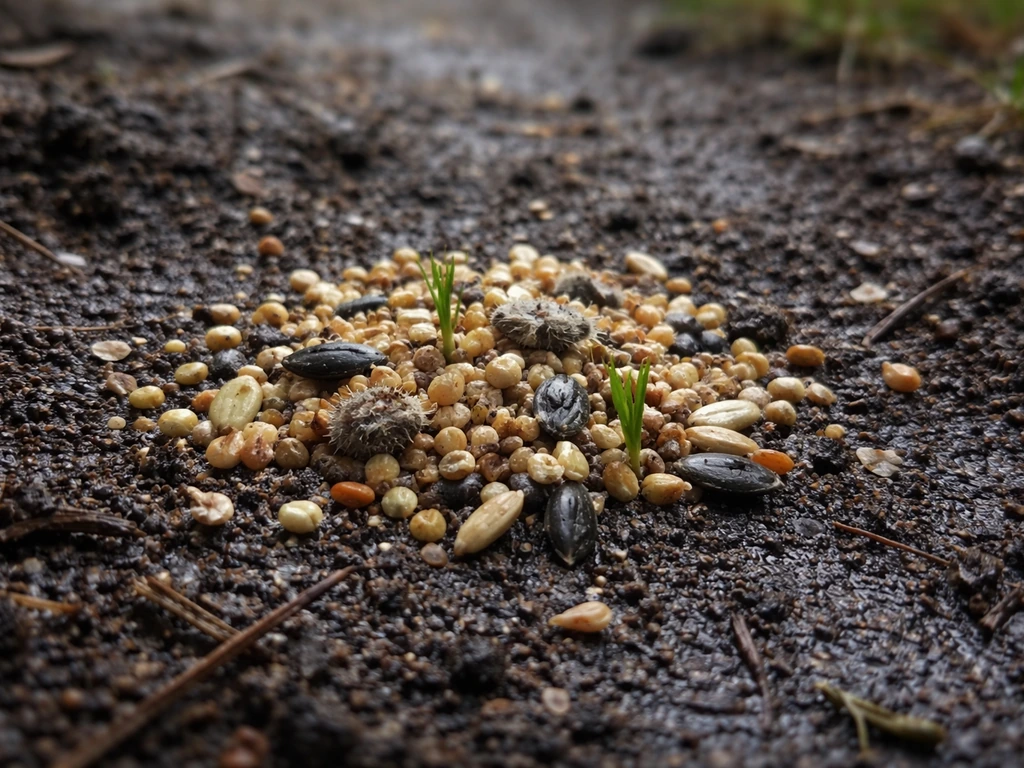
Spilled bird seed on damp ground molds fast, sometimes within a day or two in warm weather. If bird seed is left on damp ground, it can even sprout, which adds another reason to remove it quickly mold. Moldy seed is a more serious threat than fresh seed because mold can produce mycotoxins, compounds that can cause neurological symptoms, immune suppression, digestive damage, and production losses.
Sheep and goats are somewhat more tolerant of mycotoxins than horses or pigs, but that tolerance is not immunity. Horses should not be given bird seed, especially if it is spilled, moldy, or treated with any chemicals mycotoxins. [Even without detectable mycotoxins, mold itself can reduce digestibility by around 5% and cause health and production problems. ](https://extension.
sdstate. edu/can-livestock-utilize-moldy-grain) Critically, you cannot tell whether moldy feed contains dangerous mycotoxins just by looking at it. The guidance from extension veterinarians is clear: remove moldy feed immediately and do not let livestock continue eating it.
Contamination from rodents and pathogens
Bird feeders attract rodents, and rodent droppings contaminate spilled seed on the ground below feeders. This is a real and underappreciated risk for livestock. Salmonella is one pathogen associated with contaminated bird feeder environments. Sheep eating seed that has been sitting under an active feeder may be ingesting fecal bacteria along with the seed itself. This is separate from the mold risk but compounds it, especially if your feeder area also attracts rats.
Treated or chemically coated seed
Some seed sold for planting, or even some cheap wild-bird mixes, may be coated with pesticides, fungicides, or bird repellents. Treated seed is genuinely toxic to livestock. If you are not sure whether a seed product is untreated and food-safe, do not let your sheep near it. Stick to seed clearly labeled as untreated wild bird food.
Signs that need a vet call today
- Visible bloating or a hard, distended rumen on the left side
- Animal not eating or drinking several hours after exposure
- Profuse, foul-smelling, or watery diarrhea
- Lethargy, depression, or standing hunched
- Staggering, incoordination, or inability to rise
- Rapid breathing or signs of distress
- Any neurological symptoms after eating moldy seed
Are some bird seed types more dangerous than others?
Yes, and it is worth knowing the differences, especially if you keep feeders near your flock.
| Seed / Mix Type | Main Risk for Sheep | Relative Concern |
|---|---|---|
| Plain black-oil sunflower (clean, dry) | High fat, energy-dense; low risk in tiny amounts | Low to moderate |
| Mixed wild bird blend (millet, corn, milo) | High starch, grain overload risk in quantity | Moderate |
| Cracked corn or milo-heavy mixes | Higher starch density, faster rumen fermentation | Moderate to high |
| Suet cakes with salt or preservatives | Added salt and additives not suitable for sheep | Moderate to high |
| Sprouting or uncleaned mixes (wet/damp) | Mold and mycotoxin risk, Salmonella risk | High |
| Seed with colored bits or dyes | Potential chemical coatings, unknown additives | High |
| Treated or planted seed (not wild bird food) | Pesticide or fungicide toxicity | Very high — avoid completely |
| Nyjer (thistle) only | Very small seed, lower starch, but still not sheep feed | Low |
The safest scenario, if sheep do get a small amount, is plain dry sunflower or millet from a recently opened, properly stored bag with no mold or chemical coating. If you are wondering can bird eat chia seeds, treat chia like other bird food and keep any spilled seed away from sheep plain dry sunflower or millet.
Quinoa bird seed is also unlikely to be balanced for sheep and can contribute to the same grain overload problems if they eat enough. The worst scenarios involve cracked corn in large amounts, any wet or moldy mix, or seed that was not sold explicitly as untreated wild bird food.
This same logic applies when thinking about what other animals like horses or goats eat around feeders, since grain overload risk is a shared concern across ruminants and equines alike.
What to do right now if your sheep got into bird seed
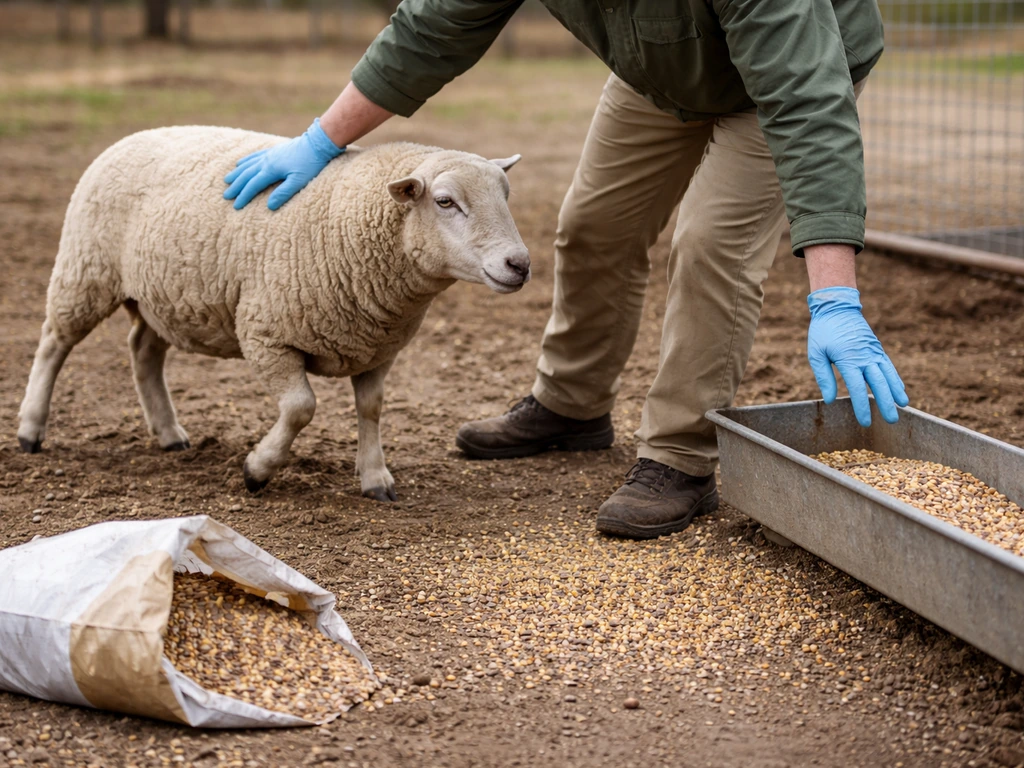
- Remove access immediately. Pull the sheep away from the feeder, spill, or stored seed right now.
- Estimate how much they ate and what kind of seed it was. This matters when you talk to a vet.
- Check the seed for mold. Smell it, look for clumping or discoloration. If it smells musty or looks off, treat this as a higher-risk situation.
- Check whether the seed is treated. If it came from a garden center as planting seed or has any pesticide labeling, call your vet and ASPCA Animal Poison Control (888-426-4435) immediately.
- Watch the animal closely for the next 12 to 24 hours. Monitor for bloat, diarrhea, lethargy, or any of the warning signs listed above.
- Keep the sheep eating normal hay and drinking fresh water. Roughage helps buffer rumen pH.
- Call your vet if anything looks off, if the sheep ate a large amount, or if the seed was moldy or of unknown origin. Do not induce vomiting. Sheep cannot vomit, and trying to force it creates more harm.
- If mycotoxin poisoning is suspected, your vet may recommend submitting a feed sample for laboratory testing to confirm and guide treatment.
How to keep sheep away from feeders and prevent future problems
Feeder placement
The simplest fix is distance and height. Mount feeders high enough that sheep cannot reach them, ideally above 5 feet on a pole or bracket. Place feeders outside the sheep's pasture or paddock entirely if possible. A feeder inside a paddock fence is an invitation to trouble, especially with ground-feeding birds that scatter seed below.
Physical barriers
If you want feeders near the barn or in a mixed-use area, fence off a small zone around the feeder that livestock cannot enter. A simple wire enclosure around the feeder post, about 4 to 5 feet wide and 4 feet tall, keeps sheep out while birds can still land and feed. This also reduces rodent access to spilled seed directly under the feeder.
Cleaning up spilled seed
Ground-level seed accumulation is the main risk zone for livestock. Clean up spilled seed under feeders daily, especially in wet weather when mold develops fast. Use a rake or broom and dispose of spilled seed away from where sheep graze. Do not let it pile up or become wet and compacted.
Rodent control around feeders
Feeders that attract rodents contaminate the surrounding ground with droppings. Use feeders with seed-catching trays rather than open-bottom designs that drop seed freely. Store bagged bird seed in sealed, rodent-proof metal containers, not in open bags in the barn where both rodents and sheep can access them. This reduces the contamination risk for any livestock in the area.
Seed storage
Never store bird seed and livestock feed in the same area without physical separation. If a bird seed bag gets torn or spilled in a barn, sheep will find it. Keep bird seed in a locked or latched container, or in a room or shed that sheep do not access. Check stored seed regularly for moisture, clumping, or mold, and discard any that looks or smells off rather than feeding it out or leaving it where animals can reach it.
The broader principle here is the same one that applies to keeping any high-grain food away from ruminants. A little careful setup, like proper feeder height, a fenced exclusion zone, and daily ground cleanup, removes most of the risk entirely and lets you maintain your feeders without worrying about your flock. If you are also wondering can quail eat bird seed, stick to plain, dry seed and prevent any prolonged access to feeders or spills.
FAQ
How long should I watch a sheep after it eats a handful of bird seed?
If it was truly a one-time handful from a feeder area, the focus is monitoring rather than treatment. Observe appetite, rumen fullness, manure quality, and behavior for at least 24 to 48 hours, since grain overload signs can start within hours. If you see bloating, reduced appetite, foul or loose diarrhea, weakness, or the animal separates from the group, call your veterinarian the same day.
What should I do right away if my sheep gets into bird seed in the barn?
Target the exact likely cause. Remove and bag any remaining bird seed, clean up all spilled seed, and then check whether the product could be chemically treated (garden center seed, repellant blends, or coated seed). If the sheep had access to spoiled or wet seed, treat that as higher risk than fresh dry seed, and prioritize immediate cleanup of damp piles plus veterinary advice if symptoms show up.
Can sheep get sick even if they only nibble bird seed, not eat a full serving?
Yes, but risk depends on what the bird seed contains and whether it became wet or moldy. A cup of seed from a regular feeder visit over time can add up to a large starch load, and contaminated ground seed under feeders can bring in bacteria from rodent droppings. Treat any repeated exposure as potentially serious, not “small nibbles.”
Is dyed or decorative bird seed safe for sheep?
If the seed is mixed with sprout-inhibiting coatings, fungicides, insecticides, or colored decorative blends, assume it is unsafe until the bag clearly states it is untreated and livestock-safe. Dye and coatings are not designed for ruminants, and treated seed should not be accessed by any livestock because even small quantities may be harmful.
What if the bird seed looks a little damp or “iffy,” do I still let them finish it?
Moldy feed is the priority hazard, because you cannot reliably judge toxin risk by appearance alone. Even when you see only “slightly off” seed, remove it immediately and prevent re-access. If your sheep already ate moldy seed in any meaningful amount, contact a vet promptly, especially if you notice diarrhea or reduced rumination.
How big of a problem are rodents and droppings under bird feeders for sheep?
Rodent-contaminated seed adds a different risk than grain overload. To reduce that risk, stop access to the feeder zone, remove spilled seed daily, and use a tray or seed-catching design so seed does not accumulate on the ground. If your flock shows fever, severe diarrhea, or weakness after feeder-area exposure, do not wait, contact your veterinarian.
Should I change the sheep’s diet or provide something specific after bird seed exposure?
Yes, but clean water and roughage management matter. Make sure they have normal access to good-quality hay or pasture so their diet stays balanced while you prevent any further grain access. Do not try to “counteract” the exposure with feed changes like adding more grain or concentrates. Seek veterinary guidance if you suspect a large ingestion.
At what point should I call the vet, even if the sheep seems normal?
For a sheep to develop grain overload, volume and speed of access matter most. If they had ongoing access, got into open bags, or repeatedly ate from scattered seed, call a vet even if they look okay at first, because rumen acidosis can progress quickly. If they only got a single brief nibble from dry, recently opened seed and remain normal, monitoring may be sufficient.
Can sheep eat bird seed that is sold for planting or “garden” use?
No. Seed products labeled for planting are often treated with chemicals that are meant to protect the seed and sprouting process, not to be eaten by livestock. If it is not explicitly labeled as untreated wild bird food, keep sheep away from it and treat it as unsafe until verified.
What is the most effective long-term way to stop sheep from eating bird seed?
Use physical prevention rather than relying on “supervised access.” Mount feeders high enough that sheep cannot reach (about 5 feet or higher), place feeders outside the paddock when possible, fence off a small exclusion zone around the feeder, and clean up spills daily. Also store bird seed in sealed, rodent-proof containers so sheep cannot access it if a bag tears.
Can sheep eat chia seeds from bird seed blends?
Chia should be treated like other bird seed ingredients from a risk-management standpoint: it is not balanced for a ruminant and can contribute to grain overload if eaten in quantity. The safest approach is still prevention (keep spilled seed away) and avoid giving sheep repeated access to any bird mix, including plain dry chia.