The real risks hiding in that bag of bird seed
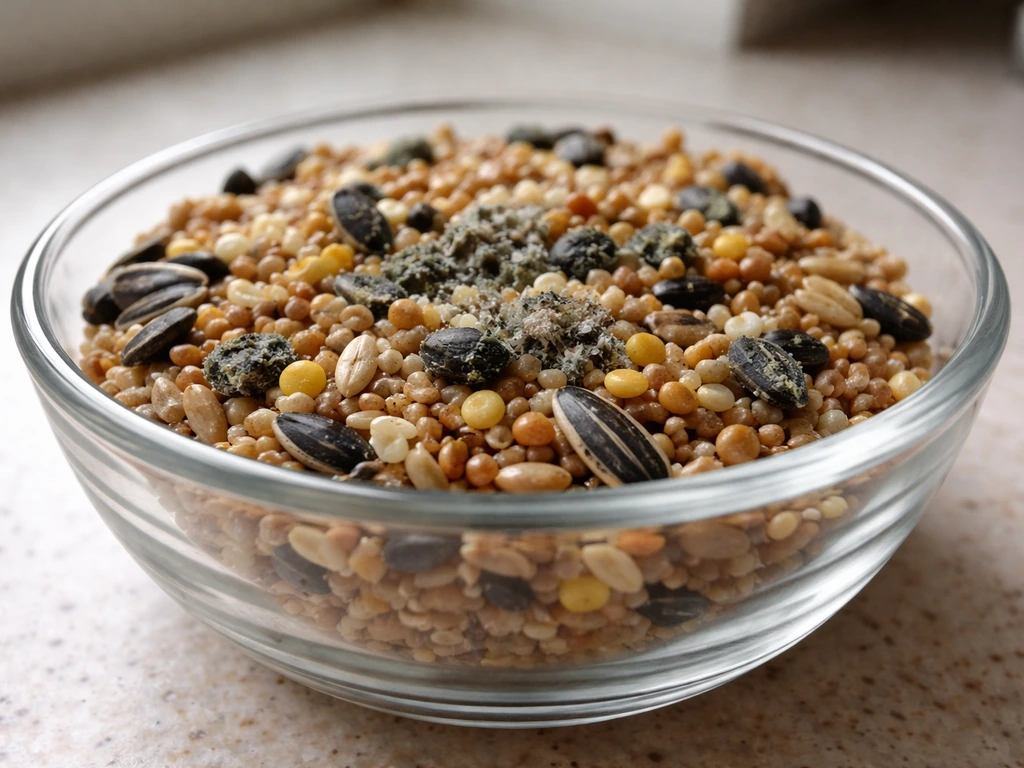
Mold and mycotoxins
This is the biggest danger and one that's easy to underestimate. Mold grows on seed when moisture and warm temperatures combine, and it doesn't always look dramatic. You might see clumping, a musty smell, or a dusty gray-green coating, but sometimes contaminated seed looks completely normal. The dangerous part is what mold produces: mycotoxins, specifically aflatoxins from Aspergillus mold species.
Aflatoxin is produced in stored grain when conditions allow mold to thrive, and the FDA has an action level for it in animal feed at 20 ppb, which gives you a sense of how seriously regulators take even low-level contamination. In quail, mycotoxicosis from contaminated feed can cause reduced appetite, weight loss, liver damage, jaundice, and in serious cases, death.
A bag of bird seed that's been sitting open in a garage since last fall is exactly the kind of scenario you want to avoid.
Wet seed is especially dangerous. Any seed that has gotten damp from rain, morning dew, condensation in storage, or a leaky feeder needs to come out immediately. Texas Parks and Wildlife guidance specifically calls out wet seed as more likely to become moldy, and OSU Extension recommends removing uneaten wet or moldy grain promptly. Do not let quail continue eating from a batch you suspect is compromised.
Spoilage and disease from poor feeder hygiene
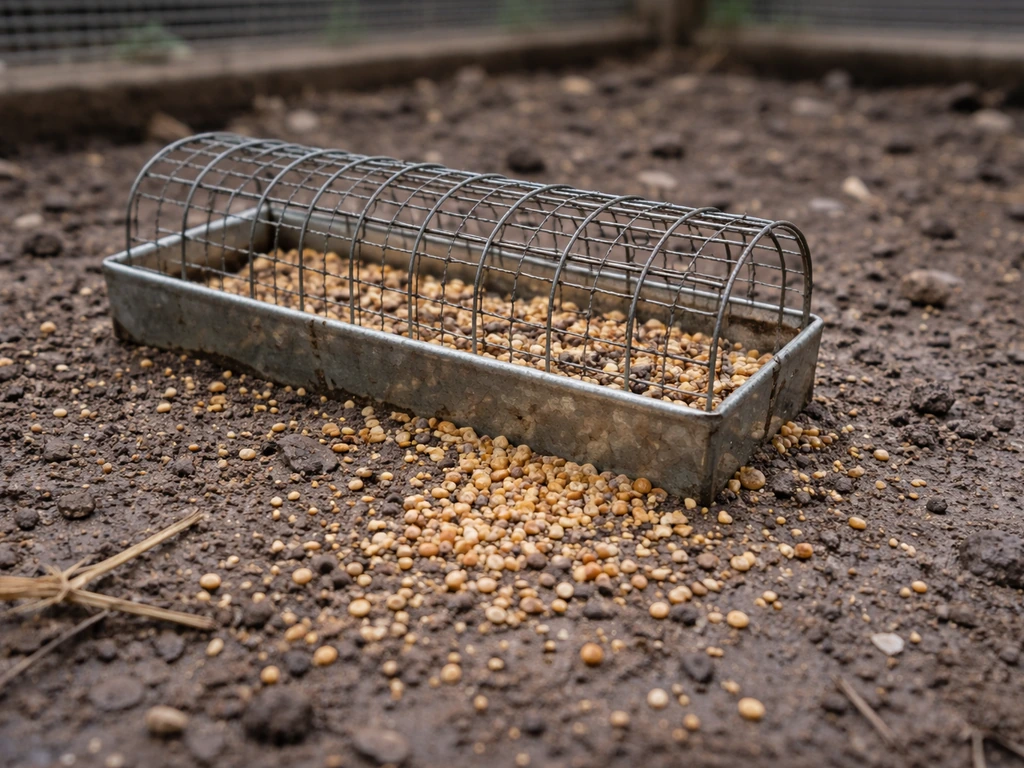
Even without visible mold, seed sitting in feeders or on the ground becomes a disease transmission point. Aspergillosis, a fungal respiratory disease, is one of the conditions that can spread through contaminated feeders, alongside bacterial infections like salmonellosis. Ground-feeding birds like quail are at particular risk because they're foraging in exactly the spots where hulls, droppings, and wet seed accumulate. Project FeederWatch recommends cleaning seed feeders roughly every two weeks, and more often in warm or damp conditions. For quail, who are almost always feeding at or near ground level, that cadence matters a lot.
Rodent and pest problems
Scattered seed attracts rodents. Rats and mice carry disease, contaminate feed with urine and droppings, and can seriously stress quail (especially in an enclosure). King County public health guidance specifically flags bird seed in feeders as a driver of rat activity and recommends sealed containers and regular cleanup to break the cycle. If you're already noticing rodent activity around your setup, bird seed on the ground is making it worse.
Nutritional imbalance
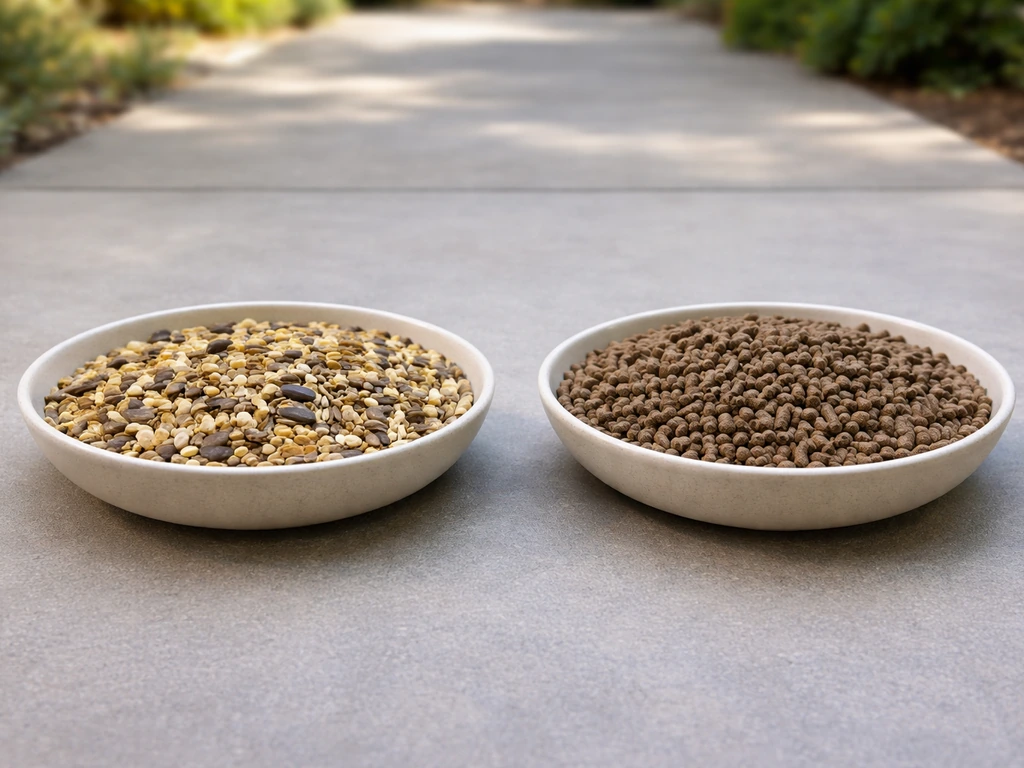
Wild bird seed is formulated for wild songbirds, not gallinaceous game birds like quail. Japanese quail (Coturnix), for example, need around 24% protein during starting and breeding phases, and calcium needs jump significantly during egg-laying, to roughly 2.5% or more. A typical bird seed mix doesn't come close to hitting those numbers consistently. On the flip side, some seeds commonly found in wild bird mixes, like safflower, are high-fat and high-protein in ways that can throw off the overall diet balance when fed in large quantities. Milo (sorghum), another very common filler in commercial mixes, isn't harmful but provides limited nutritional value for quail beyond basic calories.
Which seeds are safer, and which to avoid
Not all seed mix ingredients are equal. Here's a practical breakdown of what you'll commonly find and how quail handle each.
| Seed/Ingredient | Quail Compatibility | Notes |
|---|
| White millet | Good | A natural quail food; low risk, well tolerated |
| Black oil sunflower | Moderate | High fat; fine in small amounts, not ideal in large quantities |
| Cracked corn | Moderate | Quail eat it, but high moisture risk for mold; check quality carefully |
| Milo (sorghum) | Low-moderate | Common filler; quail will eat it but low nutritional value |
| Safflower | Moderate | High fat and protein; occasional use is fine, not a staple |
| Nyjer (thistle) | Not ideal | Very small and oily; designed for finches, not quail |
| Peanuts/peanut pieces | Caution | High mold risk; aflatoxin contamination is a real concern |
| Striped sunflower | Moderate | Harder shell; quail may struggle with whole seeds |
| Oats/whole oats | Moderate | Fine in small amounts; watch moisture content |
The safest bird seed option for quail is a simple, clean white millet or a millet-heavy blend without a lot of corn, peanut pieces, or mystery ingredients. The riskiest are mixes with lots of cracked corn and peanuts, especially if the bag has been open a while or the seed smells musty. Always read the ingredient list before offering any mix to quail. Some blends also include calcium grit, which is actually useful for quail, especially laying hens.
How to feed bird seed safely if you're going to do it
Storage first
Store seed in a sealed, rodent-proof container in a cool, dry location. Keep the original packaging or note the lot number and purchase date, as NC State Extension recommends tracking packaging information as part of managing contamination risk. Do not store open seed in a warm garage or shed through summer months. Once a bag is open, aim to use it within four to six weeks and inspect before every feeding.
Introducing it the right way
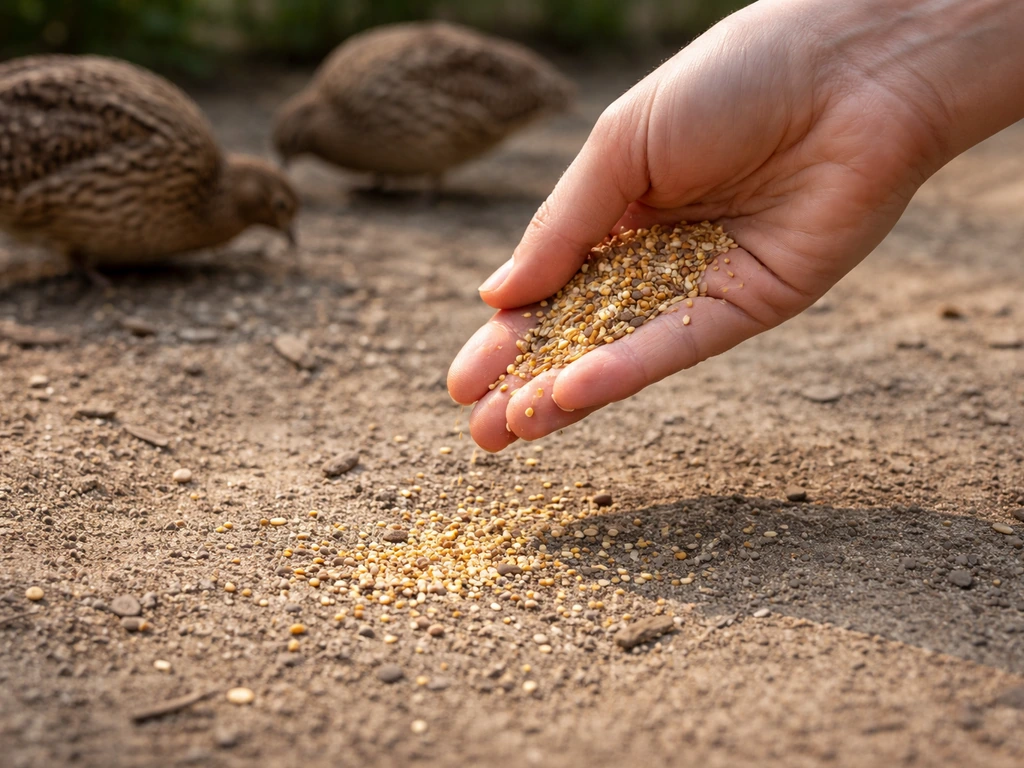
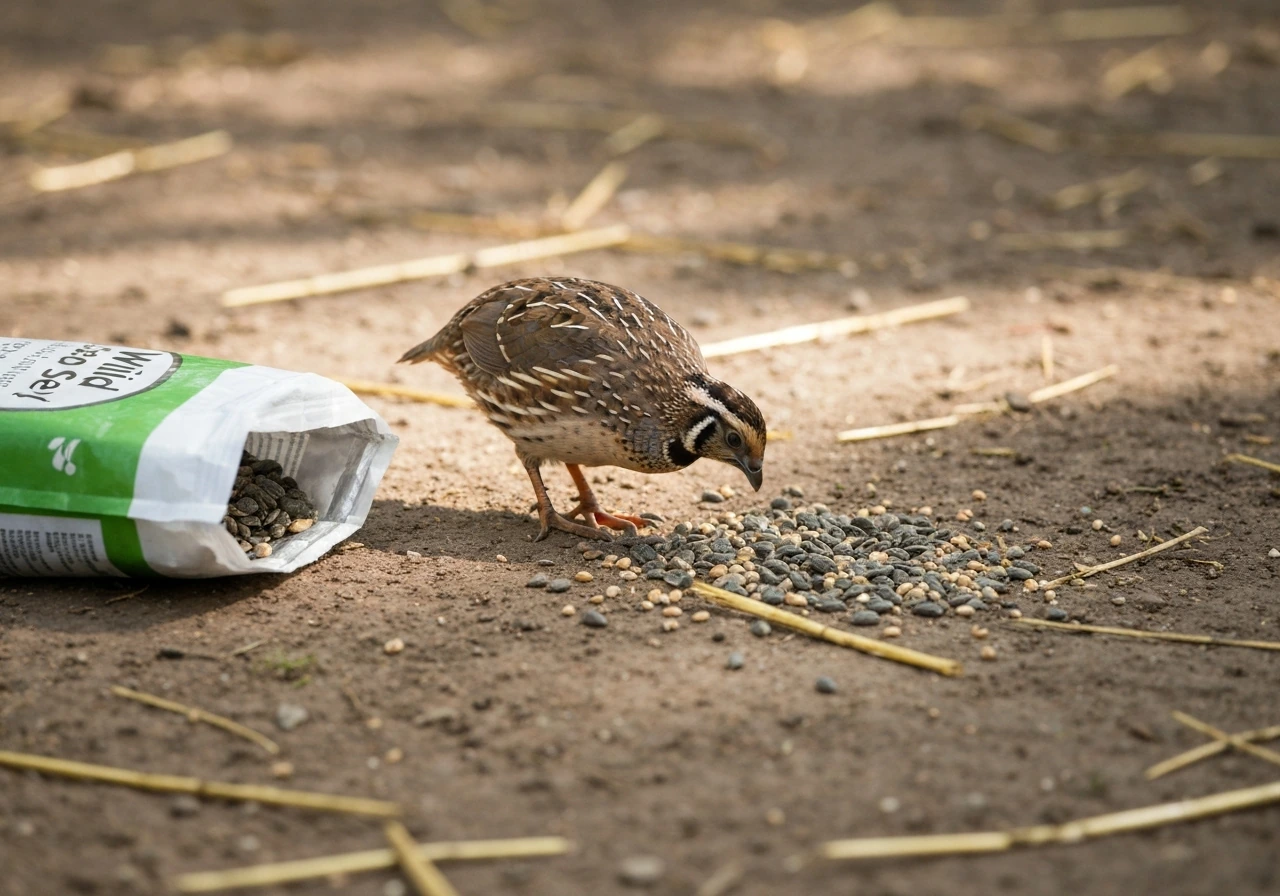
If your quail haven't been eating bird seed before, introduce it gradually as a supplement alongside their regular feed. Start with a small handful scattered in a clean, dry area and watch how they respond over 24 to 48 hours. Don't replace their primary feed; treat it as a treat or supplement that makes up no more than 10 to 15% of their daily intake.
Portioning and cleanup
Offer only what they'll eat in a sitting. Seed sitting on the ground for hours, especially in wet or humid conditions, starts becoming a mold and pest risk quickly. Remove uneaten seed at the end of each day, rake up hulls and droppings around the feeding area, and clean feeding surfaces regularly. Georgia DNR recommends raking up seed hulls and fecal matter under feeders at least twice a week to reduce disease transmission, and that's solid guidance for a quail setup too.
Grit matters too
Quail are gallinaceous birds and need grit to grind whole seeds in their gizzard. If you're feeding whole seeds, make sure indigestible grit (like coarse sand or granite grit) is available. Laying hens also need digestible calcium grit, like oyster shell or crushed limestone, to support egg production. This is something wild bird seed mixes almost never provide in adequate amounts on their own.
When to stop and when to call a vet
Stop feeding bird seed immediately and remove it from the area if you notice any of the following:
- The seed smells musty, looks clumped, or has visible mold or discoloration
- The seed has been exposed to moisture at any point (rain, condensation, wet feeder)
- You notice increased rodent activity around your feeding area
- Your quail are suddenly losing interest in food, seem lethargic, or are losing weight
- You see swelling around the eyes, greenish or watery droppings, unexplained bruising, or yellowing of skin or eyes
The last set of symptoms in particular, including jaundice, sluggishness, loss of appetite, and diarrhea, are signs the FDA associates with aflatoxin poisoning in animals. There is no antidote. The FDA's guidance is to remove the contaminated food immediately and contact a veterinarian. Do not wait and watch when you're seeing those signs together, especially after feeding suspect seed.
It's also worth knowing that some signs of illness in birds, like eye swelling or greenish watery droppings, overlap with notifiable poultry diseases, not just feed-related problems. If you're seeing rapid-onset illness in multiple birds at once, contact your state veterinarian or extension office, not just a regular vet.
What to feed quail instead (and how to transition)
Formulated gamebird feed is the right baseline diet for quail. It's not complicated or expensive, and it solves the nutritional gap that bird seed can't fill. Purina Game Bird Layer, for example, provides 18% protein and is calcium-fortified for laying hens. Nutrena's Country Feeds Gamebird is another complete feed option with a stated calcium minimum. These products are designed specifically for gallinaceous birds and do what bird seed simply can't: hit the protein, calcium, and nutrient targets quail actually need.
Store formulated gamebird feed the same way you'd store any quality seed: in a well-ventilated, dry area protected from rodents and insects. Feed manufacturers like TFP Nutrition include this guidance directly on their product pages because moisture and pest access are just as dangerous for formulated feed as they are for loose seed.
If you've been feeding only bird seed and want to transition, do it gradually over one to two weeks. Mix increasing proportions of gamebird feed with the seed, shifting the ratio from roughly 25% gamebird feed/75% seed in week one to 75% gamebird feed/25% seed by the end of week two, then full gamebird feed after that. This avoids digestive upset from an abrupt change.
You can still offer seeds as enrichment or supplemental treats after transitioning. Quail genuinely enjoy foraging, and scattering a small amount of clean millet or sunflower seeds gives them something to do. Just keep it supplemental, not foundational. If you're curious about how other birds and animals interact with seed-based diets and whether similar logic applies, it's worth knowing that roosters eating bird seed follows a very similar set of rules: fine occasionally, but not as a replacement for a properly formulated poultry diet.
A few things to check before you feed anything today
If you're standing in front of a bag of bird seed right now trying to decide whether to give some to your quail, here's what to do first: If you are considering feeding chia seeds to birds, check the specific guidance for their suitability and portion size.
- Open the bag and smell it. Musty or sour smell means toss it.
- Look for clumping, visible mold, or discoloration. Any of those, toss it.
- Check the ingredient list. Avoid anything with lots of peanut pieces or cracked corn if the bag is old.
- Check when you bought it and whether it's been stored properly. Old open bags stored in a warm or humid space are high risk.
- Offer a small amount in a clean, dry spot. Watch for 24 hours before making it a regular thing.
- Make sure fresh water, indigestible grit, and (for laying hens) oyster shell or limestone grit are available alongside.
Wild bird seed can be a reasonable short-term supplement for quail when it's clean, stored properly, and used in small amounts alongside a proper diet. It becomes a problem when it's the whole diet, when it's old or damp, or when storage lets pests and mold move in. The same basic caution applies whether you're thinking about whether sheep can eat bird seed or managing quail in a backyard setup: seed quality and storage hygiene are what determine whether it's safe.
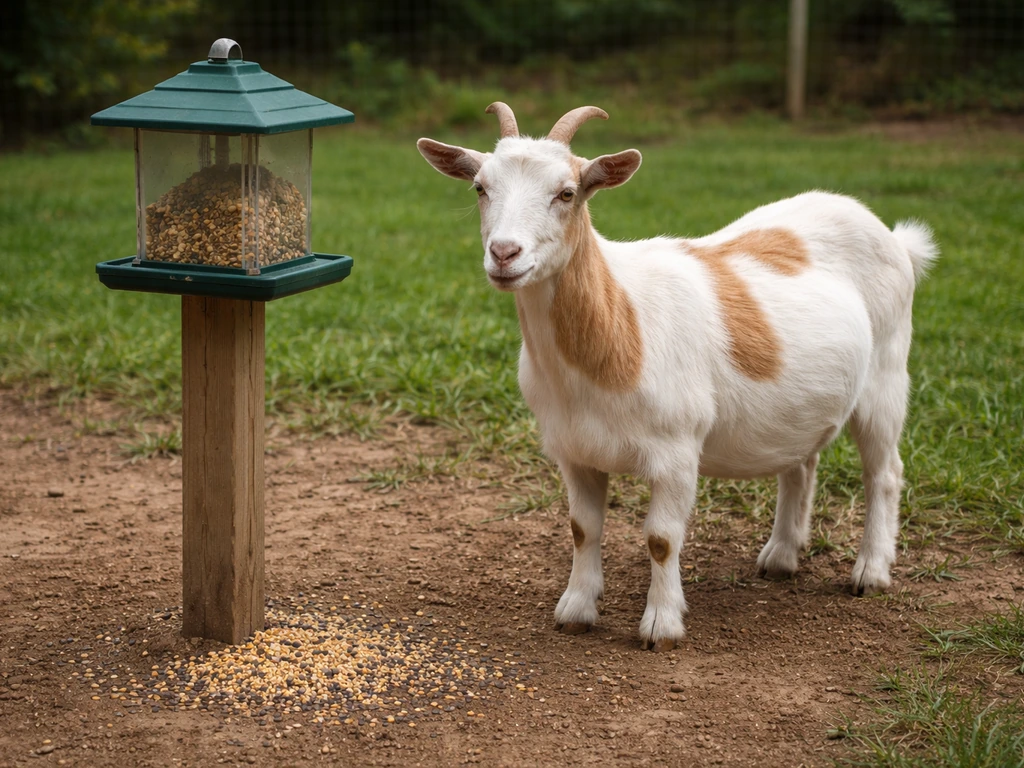
One thing that often surprises people is how many different animal species end up interacting with bird seed in a backyard context. Quail are far from the only ones. Questions like whether goats can eat bird seed or whether horses can safely get into bird seed come up for the same reason: people have seed on hand and animals are curious. The core answer is usually the same: occasional and incidental exposure is rarely dangerous, but intentional regular feeding requires checking what's in the mix and how it's been stored.
On the seed variety side, it's also useful to know what counts as bird seed and what doesn't. For example, people sometimes wonder whether quinoa is a bird seed, or whether birds can eat quinoa safely at all. And if you're thinking about expanding what you offer quail beyond standard seed mixes, chia seeds for birds is another option people explore. These aren't harmful in small amounts but, like bird seed, they're best used as occasional extras rather than diet staples.
Finally, if you're trying to understand the broader picture of what quail eat in a naturalistic setting, it helps to remember that quail are ground foragers who naturally eat a mix of seeds, insects, and plant material. The question of whether birds eat grass seed is relevant here too, since quail do graze on grass seeds in the wild. That instinct is why they'll readily go after whatever seed you scatter, even if it's not designed for them. Use that foraging behavior to your advantage by offering clean, appropriate supplemental seeds, but anchor their diet in a formulated gamebird feed that actually meets their nutritional needs.