Bird seed can absolutely kill grass, but it usually does not do it the way most people expect. The seed itself is rarely the direct culprit. What actually causes dead or bare patches under and around feeders is a combination of compaction from foot traffic, smothering from seed hulls piling up, excess nitrogen from bird droppings, and moisture problems that come when wet seed sits on the ground too long. Some of these effects kill grass outright. Others just make it look dead while the roots are still alive and recoverable. The good news is that if you catch it early, most of the damage is fixable in a weekend.
Does Bird Seed Kill Grass? How to Prevent Lawn Damage
Maya Henderson
16 Apr 2026
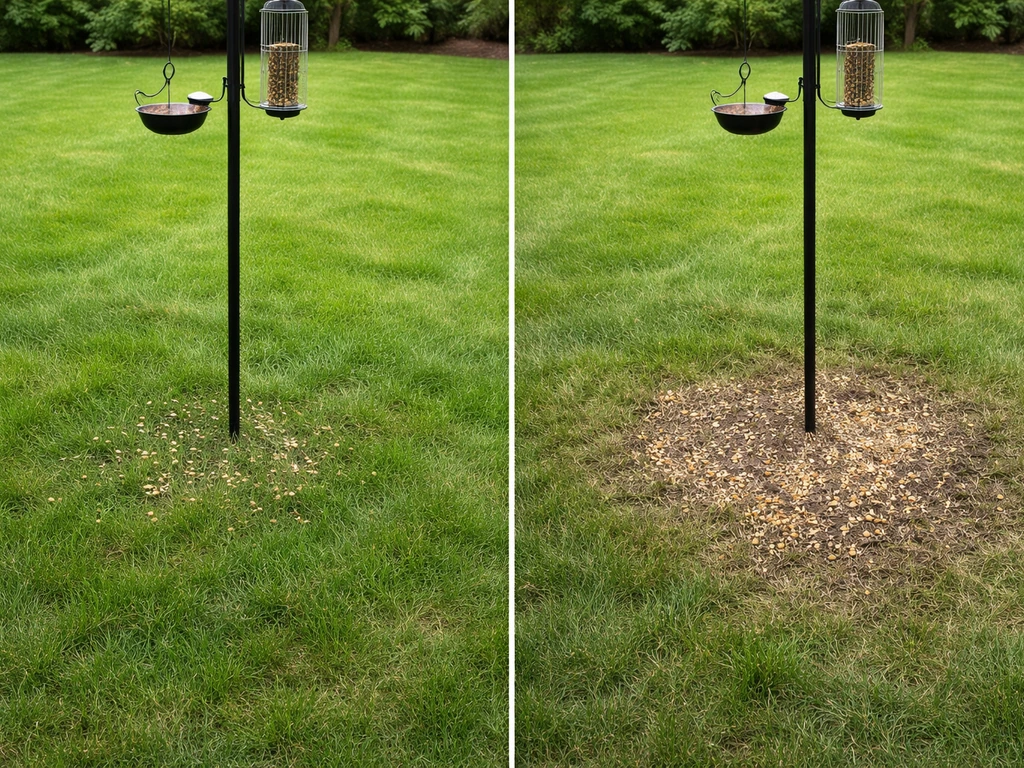
Does bird seed actually kill grass or just damage patches
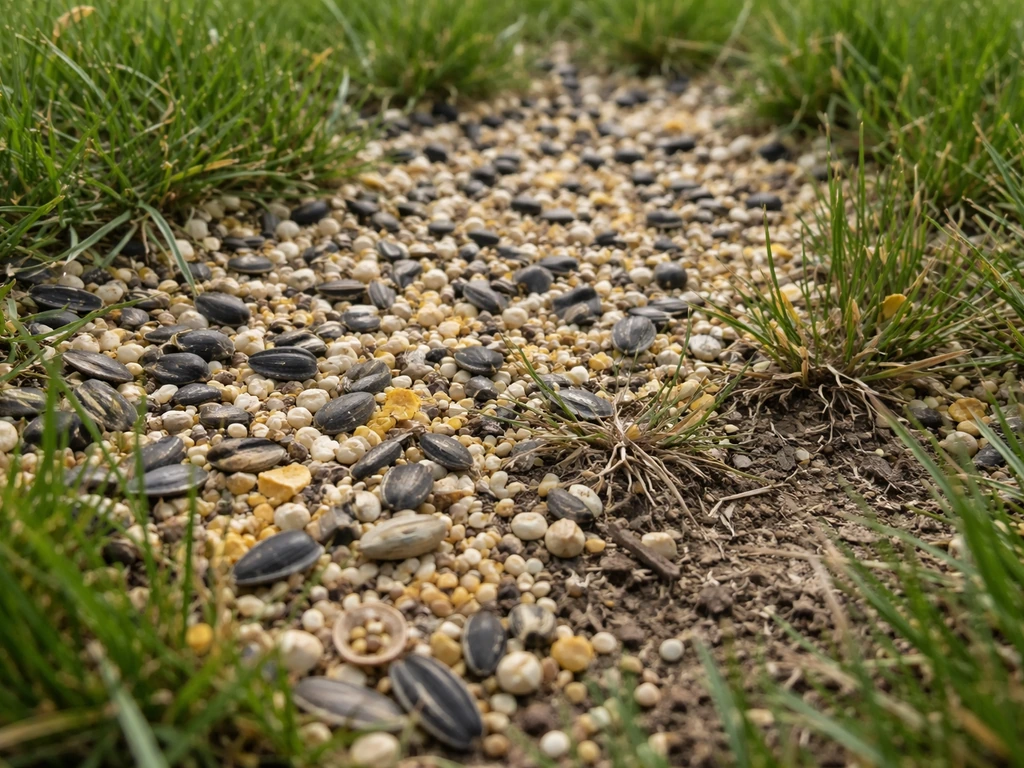
The honest answer is both, depending on how long the problem has been going on. Spilled seed and hulls that sit on turf for days or weeks physically smother the grass by blocking sunlight and trapping moisture against the blades. In an r/lawncare discussion, [a visible patch caused by spilled birdseed](https://www. reddit.
com/r/lawncare/comments/iksfyu/) highlights how dropped seed and hulls sitting on turf can physically smother grass. This creates a matted, airless layer that grass simply cannot push through. In mild cases, the grass underneath is stressed and yellowed but alive. In severe cases, especially when wet seed composts in place over weeks, the grass roots die and you end up with a genuine bare patch.
Bird droppings compound the problem because they deposit concentrated nitrogen directly onto the soil. In small amounts, nitrogen feeds grass. In the concentrated doses that accumulate right under a feeder, it essentially acts like over-fertilizing: [soluble salts burn root tissue and turn turf brown](https://extension. umd.
edu/resource/fertilizer-injury-lawns), the same mechanism described with fertilizer injury in extension research. So yes, birds can functionally kill your grass, but it is a slow accumulation of several stressors, not a single dramatic event.
Why bird seed can harm lawns: spill, trampling, moisture, and soil changes
There are four main pathways by which a bird feeder damages the lawn beneath it, and they often work together.
- Seed and hull accumulation: Spilled seed and discarded hulls (especially sunflower hulls, which contain natural allelopathic compounds) pile up and create a physical barrier over the turf. The hulls themselves can suppress germination of the grass beneath them.
- Compaction from repeated traffic: Birds, squirrels, and other wildlife that come to feed on the ground compact the soil. Compacted soil has reduced pore space, which restricts root growth and limits the air and moisture exchange grass roots need to stay healthy. Over a season, this traffic alone can thin out a patch of turf noticeably.
- Excess nitrogen from droppings: Bird droppings are high in nitrogen and soluble salts. Concentrated doses burn root tissue just like over-applied fertilizer, turning turf brown in localized spots directly under and around feeders.
- Moisture and mold: Wet seed that sits on soil creates anaerobic, high-humidity conditions at the soil surface. This suppresses grass growth, encourages fungal pathogens, and can physically mat down grass blades so they cannot photosynthesize.
Ground-feeding setups are the highest risk because every spilled seed lands directly on the turf. Even elevated feeders create problems through seed fall and the congregation of birds and wildlife directly below. The more birds you attract, the more droppings, the more compaction, and the faster the damage compounds. If you are also seeing wildlife like deer or rabbits coming in for dropped seed, their size and hooves or feet significantly increase compaction pressure. Deer eating bird seed in the winter is far more common than most people realize, and a single deer standing under a feeder for ten minutes does more compaction damage than a flock of sparrows all day.
Signs to identify the cause (seed damage vs animal droppings vs mold)
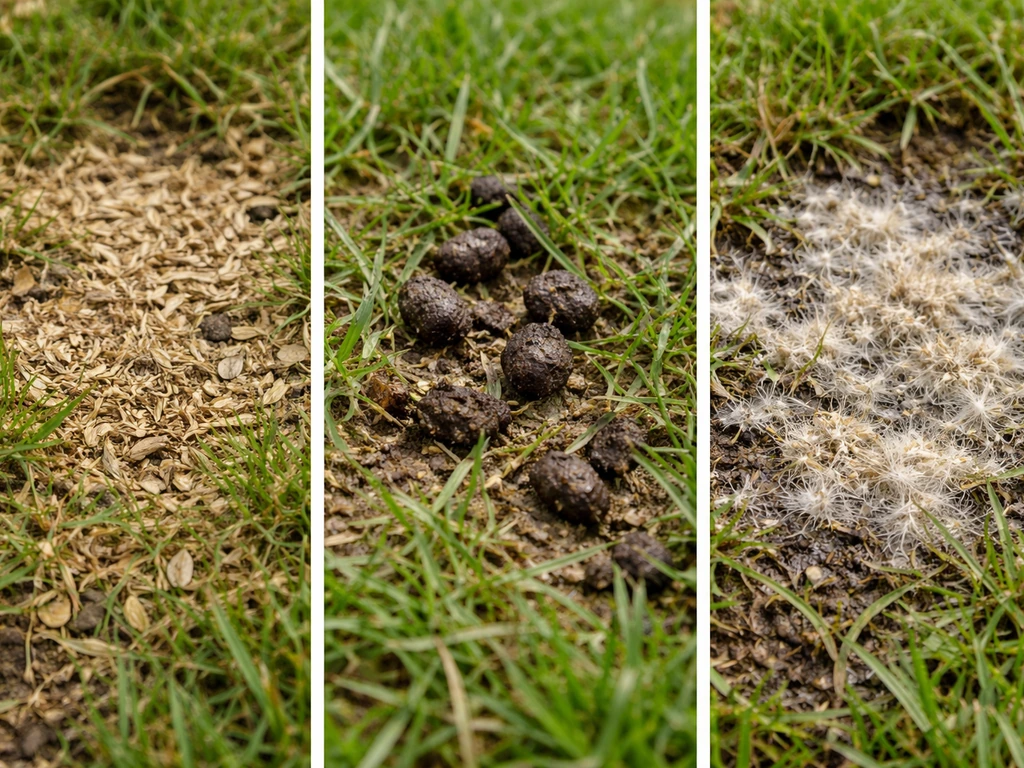
Before you start fixing things, it helps to know exactly what you are dealing with. The symptoms overlap but there are some reliable tells for each cause.
| Cause | What it looks like | Key diagnostic clue |
|---|---|---|
| Seed/hull smothering | Yellowed or flattened grass under feeder, bare patch at center | Visible layer of hulls and seed debris on soil surface |
| Dropping burn (nitrogen) | Brown, scorched-looking patches, distinct edges, no obvious hull layer | No cottony mycelium, no water-soaked blades, blades die but do not mat down (key distinction from fungal disease) |
| Compaction from traffic | Thinning turf, slow growth, puddles forming after rain in the affected area | Soil feels hard underfoot, water runs off rather than soaking in |
| Mold or wet seed composting | Dark, slimy patches, musty smell, grass looks matted and collapsed | Seed debris present, often visible white or gray mold on hulls or soil surface |
| Animal urine (from wildlife) | Circular or irregular dead patches, sometimes with a ring of greener grass at the outer edge | Similar to over-fertilization burn; no fungal signs, no physical debris over the patch |
If you are seeing green rings around dead centers, that is a classic urine or salt-burn pattern, not disease. Extension research is clear that true fungal issues show cottony mycelium and water-soaked blades, while urine and salt damage does not. This matters because the fixes are completely different. Raking up hulls does nothing for compaction, and aerating does nothing for a mold problem.
High-risk situations: feeder location, seed type, weather, pets and wildlife activity
Some setups are far more likely to create lawn damage than others. Knowing the risk factors helps you decide how urgently to act and what to change first.
- Feeders placed directly over lawn (rather than over mulch, gravel, or a patio): Every spilled seed goes straight onto turf.
- Black oil sunflower seed in bulk: Produces a very high volume of discarded hulls, which contain allelopathic compounds that suppress plant growth beneath them.
- Low-drainage locations: Wet climates or low spots in the yard keep spilled seed moist longer, accelerating mold and smothering.
- Heavy wildlife traffic below feeders: Squirrels, rabbits, and larger animals like deer dramatically increase compaction. Ground-feeding birds like doves also concentrate droppings in a small area. If you are wondering whether certain birds use feeders at all, it is worth knowing that species like mourning doves often prefer to feed on the ground, directly below the feeder where seed falls. Mourning doves eating from bird feeders this way puts their droppings concentrated on the same small patch every day.
- Hot, humid weather or shaded feeder spots: These conditions accelerate mold growth on wet seed.
- Pets using the feeder area: Dogs and cats add their own urine nitrogen to an area already stressed by bird droppings.
Seed type matters more than most people think. Mixes with a lot of milo, millet, or filler seed tend to get wasted because many birds toss aside what they do not want. That rejected seed lands on the grass and sits there. Birds that are selective feeders, like killdeer, tend to be ground foragers anyway. Whether killdeer eat bird seed is worth understanding if you are seeing them in your yard, because their ground-feeding habits concentrate activity on your turf rather than at an elevated feeder. Similarly, sandhill cranes eating bird seed is a situation where sheer body weight and foot traffic can compact and damage turf far faster than songbirds.
How to fix the problem today
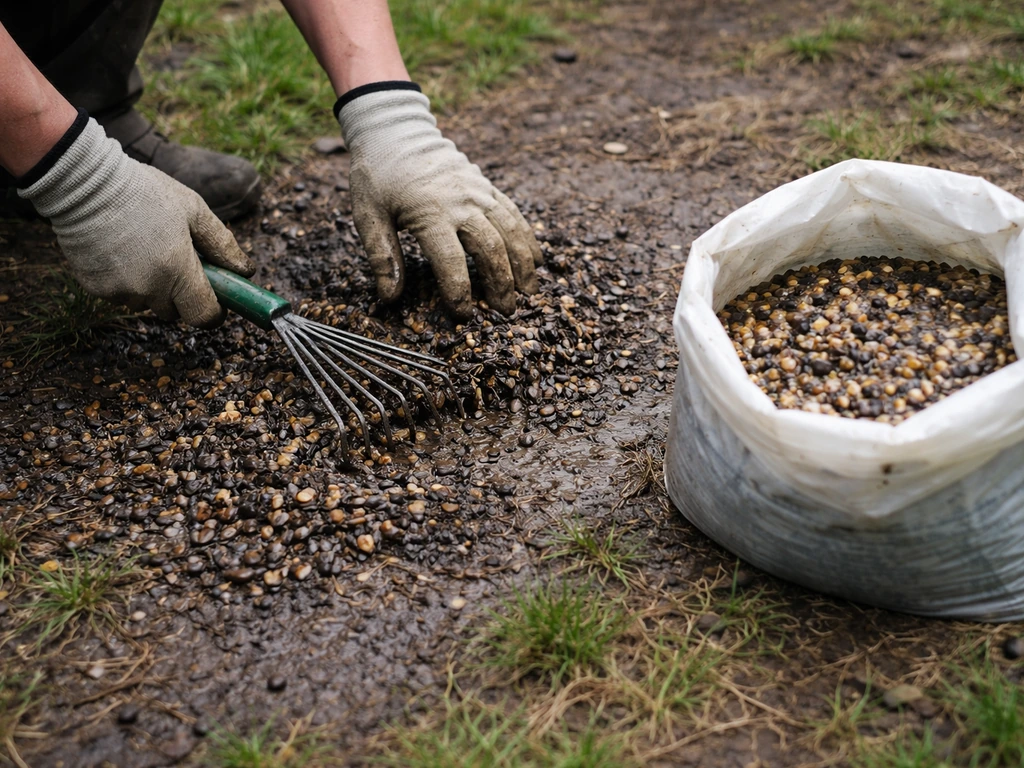
Immediate cleanup steps
- Rake up all spilled seed, hulls, and debris from the affected area. Do not leave it to compost in place.
- Bag and dispose of any moldy seed or clumped, wet seed. Do not compost moldy seed.
- Rinse the affected soil area with water to dilute any accumulated nitrogen salts from droppings. Use enough water to push the salts below the root zone without flooding.
- If compaction is visible (water pooling, hard soil surface), aerate the area with a garden fork or hand aerator before reseeding.
- For bare patches, scratch the soil surface, apply a thin layer of topsoil or compost, and overseed with a grass variety matching your existing lawn. Keep it lightly moist for two weeks.
Adjust your feeding setup right now
- Move the feeder off the lawn entirely. Position it over a mulched bed, a gravel pad, or a patio surface where spilled seed cannot smother grass.
- Add a tray or seed catcher beneath the feeder to catch spilled seed before it hits the ground.
- Switch to no-waste or hulled seed mixes. Hulled sunflower hearts, nyjer (thistle), and hulled millet produce almost no waste hulls and germinate seeds much less readily.
- If you are using a ground feeder, place it on a flat stone or gravel pad rather than directly on soil or turf.
- Clean the feeder area weekly during active feeding seasons, more often in wet weather.
Safer feeding practices and seed choices to protect your lawn
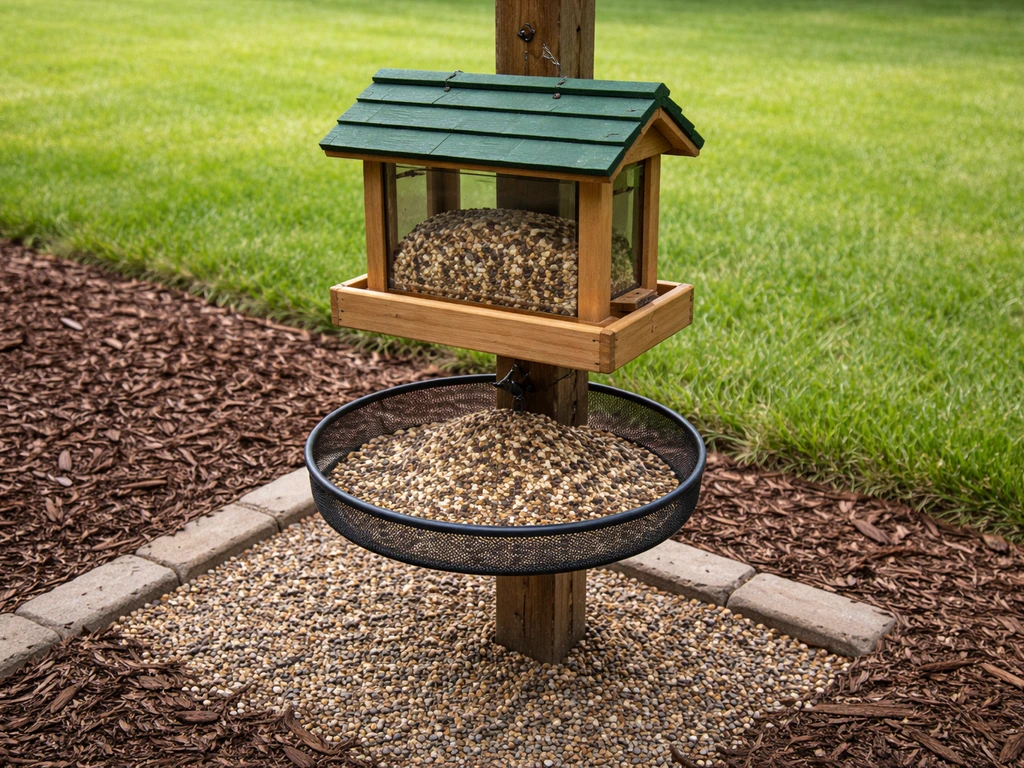
The single most effective change you can make is relocating the feeder off the lawn. Seriously, move it. Place it over a surface that can handle spilled seed, droppings, and foot traffic without dying. A ring of gravel, a stepping stone pad, or even a piece of landscape fabric under the feeder area protects the underlying soil and gives you an easy-to-clean surface.
Seed selection is the second lever. Black oil sunflower seed is one of the best attractors for a wide range of birds, but it generates a large volume of hulls. If you want to keep using it, collect the hulls regularly or switch to hulled sunflower hearts that skip the hull problem entirely. Nyjer seed is very fine and stays where it lands, rarely sprouting because it is usually heat-sterilized before sale.
Safflower seed is another option, as it is less appealing to squirrels and ground-foraging animals like raccoons, which reduces the traffic and compaction problem under the feeder. Winter bird feeding is especially likely to create lawn issues because birds are hungrier and visit feeders more often, and wet winter conditions accelerate mold problems. How birds eat bird seed in the winter versus other seasons affects how much waste accumulates and how fast the grass gets smothered.
Seed mixes with a lot of milo (sorghum), wheat, or oats are the worst offenders for lawn damage because most backyard songbirds toss them aside in search of what they actually want. You end up with a carpet of rejected grain decomposing on your turf. Pay slightly more for high-quality single-ingredient or two-ingredient mixes and you will spill far less waste overall.
Pet and wildlife safety with bird seed: mold, disposal, and coexistence
Moldy seed is a real hazard, and it is not just a lawn problem. Mycotoxins produced by mold on wet seed can harm birds, mammals, and pets that eat it. If you find seed that smells musty, has visible mold (white, gray, or black fuzz), or is clumped and wet, treat it as a disposal problem, not a cleanup problem. Do not scatter it, do not compost it, and do not leave it for wildlife to pick through. Bag it and put it in the trash.
Dogs are especially likely to eat spilled seed and seed debris from under feeders. Beyond mold toxicity, accumulations of droppings under feeders can harbor salmonella and other pathogens. If your dog has access to the feeder area, clean it more frequently and consider placing a physical barrier or moving the feeder outside the dog's usual roaming zone. Cats near feeders create a different kind of problem: they are drawn to the birds and ground-feeding wildlife, which is a welfare issue for the birds rather than the lawn.
Wildlife drawn to spilled seed can create secondary problems beyond lawn damage. Rabbits, for example, are frequent visitors to areas with dropped seed in colder months. Rabbits eating bird seed in the winter is common and their digging and grazing habits compound the soil disturbance already happening from birds. Larger wildlife like deer visit feeders regularly and their heavy footfall causes the most compaction damage. Understanding whether bird seed can harm deer is worth knowing if you are trying to decide whether to let them continue visiting or discourage them, especially since some seed additives or mold could pose risks to them as well.
Some wildlife, like armadillos, are attracted not just to the seed itself but to the insects and invertebrates that accumulate in moist, decaying seed debris. Armadillos and bird seed interactions are a good example of a secondary problem: the armadillo comes for the bugs living in the debris pile, digs up your lawn in the process, and leaves behind its own set of damage. Keeping the feeder area clean and dry breaks that cycle.
Responsible coexistence here comes down to one consistent habit: clean up spilled seed before it has a chance to accumulate, mold, or attract ground-foraging animals. A weekly sweep of the feeder area, paired with a well-placed feeder over a non-grass surface, lets you feed birds generously without sacrificing your lawn or creating hazards for the other animals sharing your yard.
FAQ
Does bird seed kill grass immediately, or does it happen over time?
Not as a standalone product. Most lawn kill comes from what accumulates under feeders (hulls that smother, droppings that concentrate nitrogen, wet seed that stays trapped, and compaction). If you see damage, check whether seed is sitting on the ground for days, not whether the seed is “poisonous.”
Can a well-managed bird feeder still damage the lawn?
Yes, but only in high-contact situations where clumps and wastes build up. If the feeder drops seed onto turf, or birds perch at ground level and leave droppings there, you can get burn or smothering. A clean feeder with minimal spillage is far less likely to cause turf damage.
What should I do first if I see a bare patch under my feeder?
Do not rely on mowing or spot-watering to fix it. For smothering and compaction, the practical first step is clearing hulls and debris and preventing more seed from landing there, then reassessing after a couple of weeks. If the turf is clearly burned from salt or urine, you may need a thorough rinse of the affected area only after you remove the debris, otherwise you just spread salts through the thatch.
How often should I clean up spilled bird seed to prevent lawn damage?
Weekly cleanup is the baseline, but the right interval depends on how often seed is falling and on your weather. In wet winters or during heavy bird traffic, switch to more frequent checks (for example, every few days) to prevent seed from staying damp and composting in place.
How can I tell whether my lawn issue is salt/urine burn, smothering, or fungus?
Use the visual pattern to guide you. Green ring with a dead center often points to urine or salt burn, while matted, airless layers from seed hulls look like a dense thatch-like spot. If you see cottony growth and water-soaked blades, that leans more toward fungus, and you should focus on drying and removing wet seed rather than treating it like burn.
Is it safe to leave spilled seed for birds if I have pets?
Yes. If you have a dog that eats debris, dried seed can still be risky, and wet or moldy seed is the bigger concern. Keep the feeder area behind a physical barrier, move the feeder farther from the dog’s roaming path, and promptly bag any moldy seed you find.
What’s the correct way to dispose of moldy bird seed?
Bag and trash it. Moldy seed that smells musty, has visible fuzz, or is clumped and wet should not be scattered, composted, or left for wildlife to sort through, because it can spread contaminants and keep producing harmful compounds.
Will buying premium bird seed eliminate lawn damage?
A bag of “high-quality” seed can still cause damage if it produces lots of hulls or gets repeatedly spilled onto turf. The useful decision aid is choosing options that reduce waste landing on grass (for example, hulled sunflower hearts, or feeding setups that put the seed over gravel or pavers).
My lawn is near the feeder, but I can’t move it. What are my alternatives?
If birds are dropping seed onto the lawn, stop the drops from reaching turf rather than only treating the symptoms. Move the feeder to a non-grass surface, add a gravel or stepping-stone catch area, and consider switching to seed types that are less likely to be tossed around (then clean up more frequently when wildlife pressure is high).
Should I aerate or rake to fix feeder-related lawn damage?
Yes, but be specific about the cause. Aeration helps with compaction, but it will not solve a mat of hulls blocking light, and it won’t fix salt burn patterns. First remove the debris and prevent future spillage, then aerate only if the soil beneath is truly compacted.
Can dead-looking grass under a feeder recover, and how long should I wait before reseeding?
Sometimes. If you lift the dead-looking turf and the roots and crowns are still firm and green underneath, recovery is often possible after you stop the stressors and keep the area lightly watered during regrowth. If the grass turns uniformly brown with no live tissue, plan on patching or reseeding rather than hoping it bounces back in a week.
Next Articles
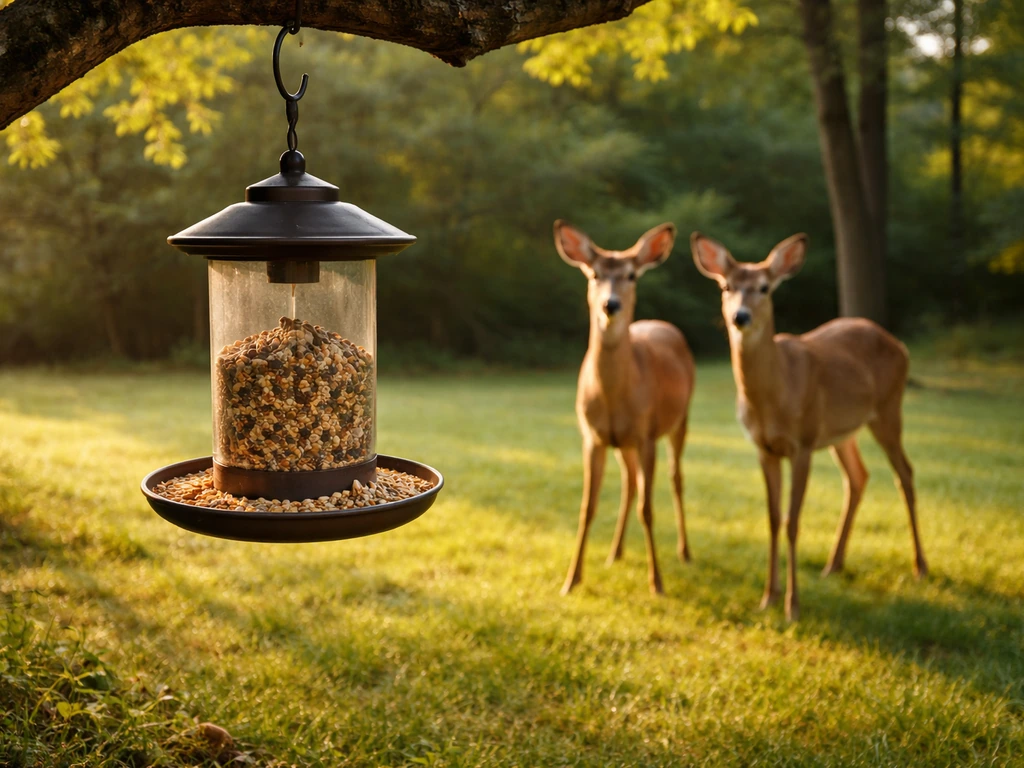
Can Bird Seed Kill Deer? Causes, Risks, and What to Do
Can bird seed kill deer? Learn when it’s harmless, when it can harm via spoiled or contaminated seed, and what to do.
Do Seagulls Eat Bird Seed? How to Stop Them
Yes, seagulls often eat bird seed. Learn why they show up and how to block them while keeping feeding safe.
Do Pigeons Eat Bird Seed? Safe Feeding Tips and Risks
Yes, pigeons eat many seeds, but mold and mess make it risky. Learn safe bird seed storage, feeding, and placement.