Killdeer will occasionally pick up small seeds from the ground, but they are not seed eaters by nature. Their diet is built almost entirely around insects, earthworms, spiders, and other invertebrates.
Will Killdeer Eat Bird Seed Yes or No Plus What to Do
Maya Henderson
30 Apr 2026
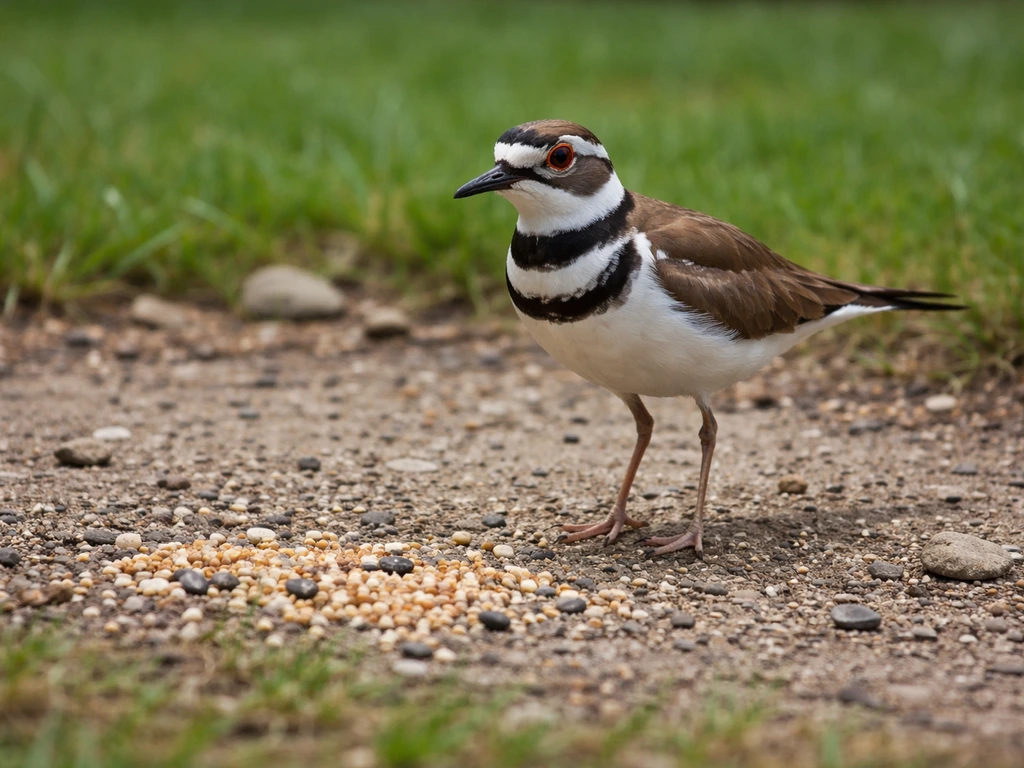
If you see a killdeer near your feeder, it is almost certainly hunting for bugs disturbed by foot traffic or drawn to the bare ground under the feeder, not the seed itself. That said, when spilled seed is sitting on an open gravel driveway or short lawn (exactly the kind of terrain killdeer prefer), they may peck at small seeds opportunistically. Do not expect them to show up reliably for seed the way sparrows or finches do.
Armadillos, for example, are more likely to dig and forage for other foods than to eat bird seed from feeders the way many songbirds do seed the way sparrows or finches do.
Do killdeer eat bird seed, and where they'll look for it
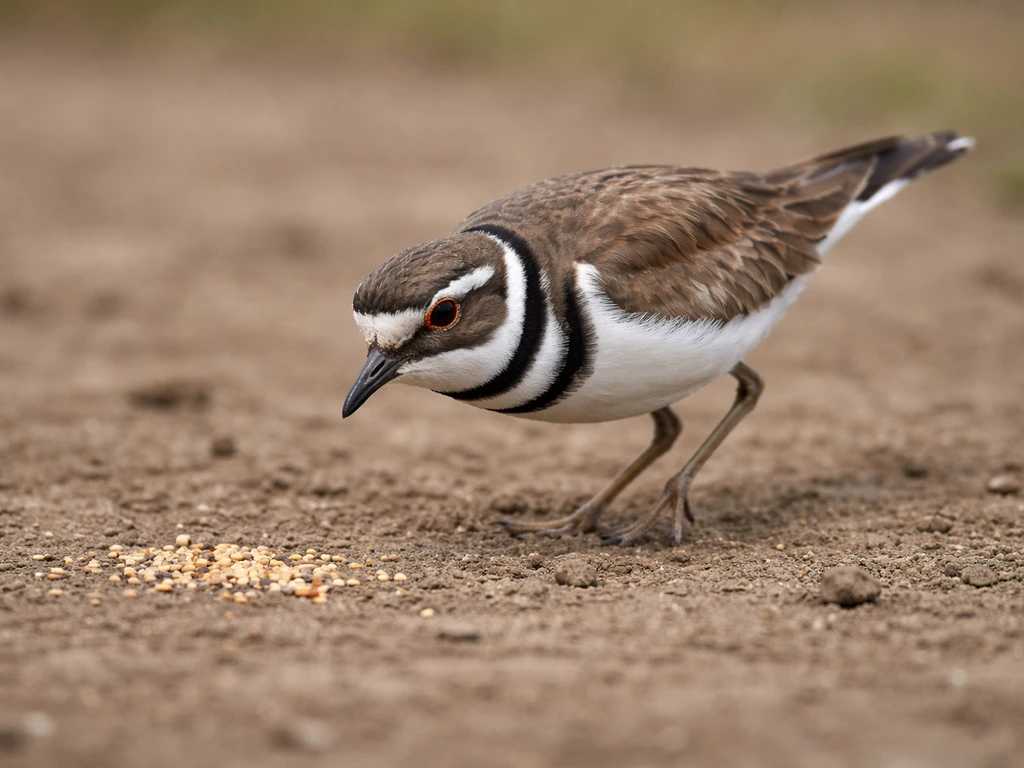
Killdeer are ground-foraging shorebirds. Their hunting strategy is the classic plover "run-stop-look" approach: short dash, sudden halt, scan the ground, then lunge at prey. That behavior is designed for catching moving invertebrates, not picking through a pile of hulled grain. Audubon classifies them as insect and invertebrate foragers working open ground like pastures, plowed fields, large lawns, and gravel lots. Earthworms alone make up a meaningful slice of their diet alongside beetles, fly larvae, grasshoppers, and similar prey.
Where killdeer show up near bird seed is typically incidental. A feeder on a short-cut lawn or gravel pad creates the kind of open, bare-ground habitat they naturally gravitate toward. They will work that area for the bugs, not the seed. If spilled millet or cracked corn is sitting on the ground, a killdeer might grab a piece, but it is more likely probing for a worm underneath. Think of them as drawn to the habitat your feeder creates, not the food inside it.
What seed types they might take (and what they ignore)
If a killdeer does take seed, it will almost always be small and easy to swallow without husking. Their beaks are not built for cracking larger shells. Here is a practical breakdown of what you might see versus what you will not:
| Seed Type | Likely to Be Taken? | Notes |
|---|---|---|
| Millet (white or red) | Occasionally | Small, easy to swallow, often spilled on ground — the most realistic option |
| Cracked corn | Rarely | Small fragments might be taken, but it is not a natural food for them |
| Sunflower seeds (hulled) | Very rarely | Too large and unfamiliar; they will pass these by |
| Sunflower (in shell) | No | Cannot husk them; not worth their effort |
| Safflower | No | Hard shell, wrong size, not on their radar |
| Nyjer/thistle | No | Too small to interest them, wrong food type |
| Mixed wild bird seed | Possibly millet pieces only | Will forage through the mix if on open ground, may pick up the smallest bits |
The honest expectation: even millet is not something killdeer actively seek. You are more likely to attract them by having healthy soil full of earthworms and a short lawn than by putting out any seed at all. Seed is at best a background feature of their environment when they pass through.
Ground feeding vs feeder setup: how to predict their behavior
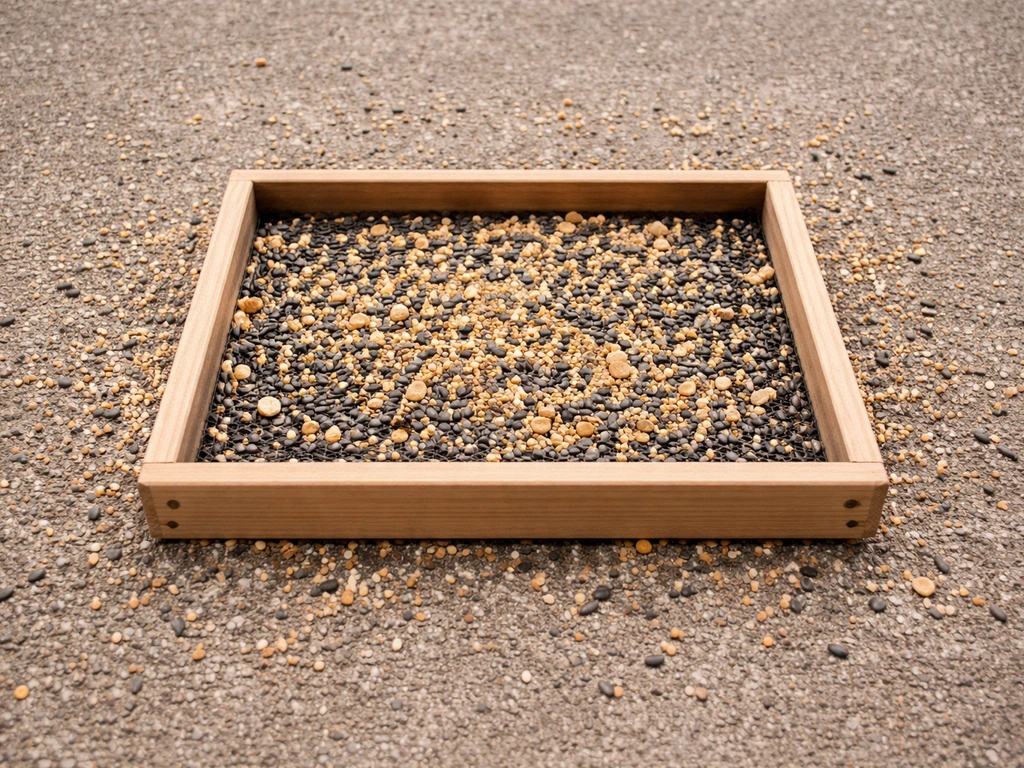
Killdeer will not use a hanging feeder, a tube feeder, or any elevated setup. They are strictly ground birds when foraging. A tray or platform feeder sitting directly on or near the ground is the only feeder type that has any chance of attracting them, and even then only if it mimics open-ground habitat well enough that they wander into it naturally.
Scattered seed on a flat, open surface (a patio, a gravel driveway, a mowed lawn) is far more likely to get their attention than a formal feeding station. If you want to give them the best shot at finding seed, spread a small amount of white millet directly on short grass or bare ground in the open, away from shrubs or cover. Killdeer are wary birds and will not approach if they feel hemmed in or exposed to predators. Open sightlines are non-negotiable for them.
Compare this to mourning doves, which are enthusiastic ground feeders and will return to the same spot for seed every day. They can also feed at traditional bird feeders, including platforms and trays, depending on what food is available mourning doves. Killdeer visits are irregular, unpredictable, and tied to their insect-hunting patterns far more than any seed you put out. Do not design your feeding setup around attracting them consistently, because that is not how their behavior works.
Safety risks of bird seed for killdeer and other wildlife
Ground-level seed presents real hazards, and killdeer are especially exposed to them because they forage exactly where the risks concentrate: on the ground under and around feeders. The main concerns are mold, spoilage, and contamination.
Mold and aspergillosis
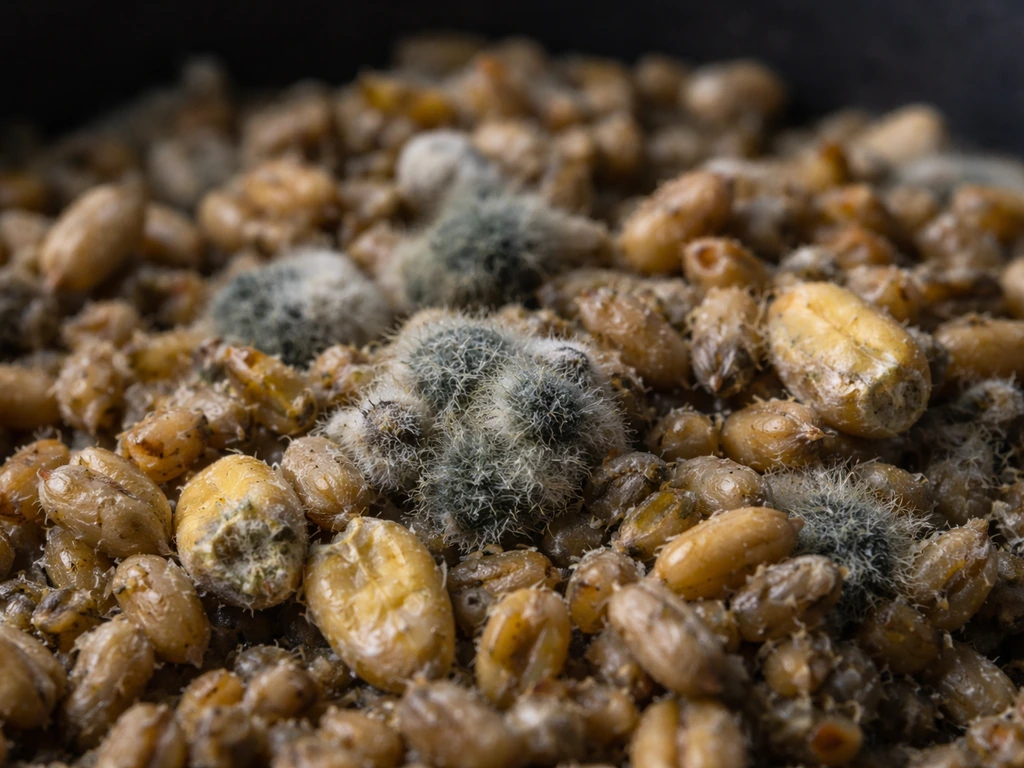
Wet or damp seed is a breeding ground for Aspergillus mold. Cornell's wildlife health resources flag Aspergillus exposure as a known respiratory disease risk for birds, and the practical guidance is straightforward: moldy seed must be removed immediately, not just dried out and reused. Even seed that looks dry after getting wet can harbor fungal spores inside the hull. Any seed left on the ground after rain, or in a poorly draining tray, is a potential aspergillosis risk for any bird that picks it up, killdeer included.
Aflatoxin from spoiled grain
The FDA has specifically flagged aflatoxin (produced by Aspergillus flavus mold on grain and corn) as a toxin that builds up in spoiled seed and grain-based foods. This is not a theoretical concern. Old or damp seed piles under feeders can become genuinely toxic. Any bird, deer, squirrel, or pet that ingests enough contaminated material faces real risk. Killdeer pecking around ground-level seed piles are not immune to this.
Lead and environmental contamination
Ground-foraging birds like killdeer can ingest more than just seed when they probe bare soil. Lead fragments from old shot, paint chips, or contaminated fill material are a documented cause of lead toxicosis in birds, with exposure happening through ingestion, inhalation, or even skin contact. If your yard has any history of lead exposure (old paint, shooting range proximity, contaminated soil), that is a real risk factor for ground-foraging birds spending time there.
How to attract killdeer safely (or discourage them)
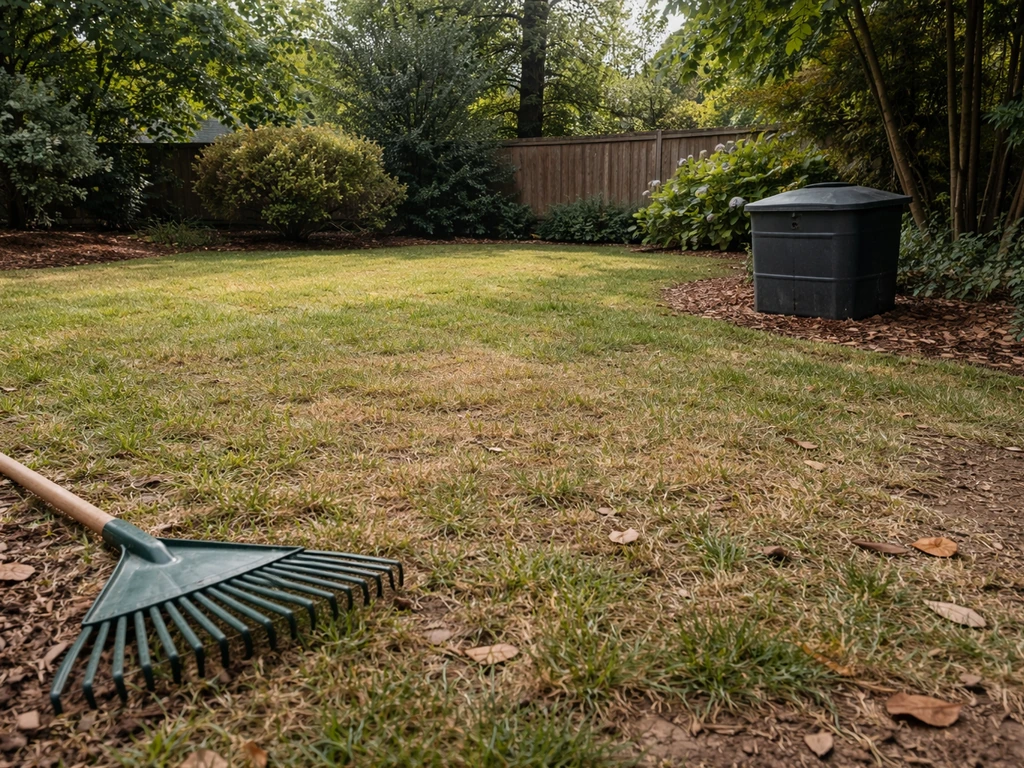
If you want to attract killdeer
The most effective approach is habitat, not seed. Killdeer want short grass, open ground, and soil rich in earthworms and insects. A well-watered, lightly mowed lawn with healthy soil biology will draw them far more reliably than any seed offering. If you want to supplement food, scatter a small amount of white millet on a flat, open surface and keep the area clean and dry. Avoid piling seed up, and remove anything that gets wet before it can mold.
- Keep a section of your lawn mowed short and open, with clear sightlines in multiple directions
- Water your lawn lightly in the evening to bring earthworms close to the surface the next morning
- If offering seed, use only a small amount of white millet scattered on clean bare ground or a low, flat tray
- Remove uneaten seed within a day, especially before rain
- Avoid pesticides and herbicides that reduce invertebrate populations, which are the actual food killdeer are looking for
- Keep cats and dogs away from open foraging areas — killdeer will simply leave if they feel threatened
If you want to discourage killdeer
The most common reason people want to discourage killdeer is that a pair has nested in an inconvenient spot (a gravel driveway, a garden bed, a flat roof) and the adults are now performing the broken-wing distraction display every time anyone approaches. That display looks alarming but is harmless behavior designed to lure you away from the nest. Killdeer nests are protected under the Migratory Bird Treaty Act, so once eggs are laid, the best legal and ethical option is to wait out the roughly 24-28 day incubation period.
To prevent killdeer from setting up near your feeder or in inconvenient spots in the future, reduce what attracts them to the area:
- Clean up spilled seed promptly so you are not maintaining an open-ground foraging area they associate with the location
- Move feeders closer to shrubs or partial cover, which killdeer avoid because they prefer fully open sightlines
- Place low visual barriers (garden borders, plant containers) in spots where they have previously nested to make the surface less attractive
- Reduce bare gravel patches where possible, as gravel is a classic killdeer nesting substrate
- Do not use bird deterrent chemicals, sticky repellents, or any method that could trap or injure them — these birds are federally protected
Pet safety and backyard coexistence around seed and feeders
Dogs are the primary concern here. The AKC notes that dogs routinely eat fallen seed from under feeders, and that damp or old seed is a real mold and aflatoxin risk. A dog hoovering up a pile of wet, moldy millet or corn under a feeder is not a trivial situation. Mycotoxins from mold-contaminated grain can cause vomiting, lethargy, and serious liver damage in dogs. If you find your dog eating seed from the ground and the seed is visibly clumped, discolored, or has been wet, contact your vet.
Cats create a different problem around killdeer specifically. Killdeer nest on the ground and forage on open ground, which puts them at direct predation risk from free-roaming cats. If you are trying to attract killdeer (or just coexist peacefully with a nesting pair), keeping cats indoors or on a leash in the yard during nesting season is important. Beyond killdeer, it is simply good practice around any ground-feeding birds.
A few practical habits that help with both pet safety and wildlife coexistence:
- Clean under feeders at least once a week, more often in wet weather
- Use a feeder tray with drainage holes so seed does not pool and get wet
- Do not stockpile large amounts of seed in outdoor containers where moisture can get in
- If you find clumped, foul-smelling, or discolored seed, discard it entirely rather than spreading it on the ground
- Supervise dogs around feeding areas, especially after rain
- Keep cats indoors or use a cat enclosure during spring and summer nesting season
Troubleshooting: why you are not seeing killdeer, or how to read their behavior
If you expected killdeer and they have not shown up, the most likely reasons are habitat mismatch or disturbance. Killdeer need open ground with clear sightlines. A feeder surrounded by tall plants, set against a fence, or in a busy area with regular foot traffic will not draw them. They are wary and will not linger where they feel they cannot see predators approaching.
If you are seeing killdeer but they are not touching the seed, that is completely normal. They were almost certainly there for insects or worms, not for anything you put out. Sandhill cranes primarily forage for insects, plants, and other natural foods rather than seeking out scattered bird seed in the way some smaller seed-eating birds do do sandhill cranes eat bird seed.
This is consistent with their diet being insect-first and opportunistically supplemented, not seed-driven the way sparrows, doves, or even deer (which do eat bird seed, particularly in winter) approach a feeder area. Deer typically are not killed by common bird seed directly, but spoiled or contaminated feed can still pose risks to wildlife that consumes it deer (which do eat bird seed.
If a killdeer is doing the broken-wing display near your feeding area, there is a nest nearby, probably closer than you think. Back away slowly and give the area a wide berth. The adults will settle down once the perceived threat is gone. Do not attempt to move the nest or eggs. If the nest is in a genuinely hazardous spot (a busy parking lot, a construction zone), contact your local wildlife rehabilitator or state wildlife agency for guidance on legal options.
One thing worth keeping in mind: killdeer visits are seasonal and tied to breeding and migration patterns. If you are wondering do birds eat bird seed in the winter, the timing and availability of natural food sources are just as important as the seed itself. Depending on your region, you may see them regularly in spring and summer around nesting season, less so in fall, and rarely in winter. If you are seeing them at all, you are likely in territory they use for foraging or nesting, and the best thing you can do is keep the ground clean, safe, and low in disturbance.
FAQ
If I want killdeer to eat something near my yard, should I put out seed or insects-friendly habitat instead?
Seed is a weak draw for killdeer. They respond much more reliably to short, open ground and healthy soil with earthworms and insects. If you supplement, use a small amount of white millet on bare or short grass, then focus on keeping the area dry and undisturbed.
Will killdeer eat the seed mix in my bird feeder if it drops to the ground?
They may peck at spilled pieces, but it is usually opportunistic and limited to small, easy-to-swallow items. They are less likely to handle hulled grain or larger seeds, and they are far more likely to probe for worms or invertebrates under the spilled area.
Why do I see killdeer walking under the feeder but not eating the seed?
Because they are likely hunting insects and worms stirred up by foot traffic and bare ground created by the feeder area. Even if seed is present, their “run-stop-look” pattern targets moving prey in the soil and ground surface, not browsing a pile of grain.
Is it safe to leave spilled bird seed on the ground for killdeer?
It can be risky. Wet, clumped, or old seed under feeders can grow mold and can also accumulate toxins like aflatoxin. If seed gets wet or looks discolored or clumped, remove it rather than letting it sit.
What should I do if rain hits the seed under my feeder while killdeer are around?
Clear wet or damp seed promptly, especially from trays, gravel pads, and low spots where it stays soggy. Damp seed can harbor fungal spores even after it later dries, so waiting is not a safe strategy.
Can killdeer pick up seed on a ground tray if it is elevated a little, like a low stand?
Not reliably. Killdeer are strictly ground-foraging, and anything that forces them into a more “hanging or elevated” feeding style usually discourages them. Use a flat, ground-level platform only if your setup also provides open sightlines and resembles open bare ground.
How can I discourage killdeer from nesting near a feeder area without breaking any laws?
Once eggs are laid, it is generally best to wait out incubation (about 24 to 28 days) and avoid disturbing the birds. For prevention, remove attractants before breeding by reducing bare ground around the area, managing dogs, and keeping cats indoors or leashed during nesting season.
Does having a dog around make killdeer feed on seed more, or just increase risks?
It mostly increases risks. Dogs often eat fallen seed under feeders, and if that seed is damp or moldy it can be harmful to the dog as well as other wildlife. Prevent access, especially after rain, and consider moving pets away from ground-feeding areas.
What if killdeer are doing the broken-wing display in my yard while I am near the feeder?
Treat it as a sign that a nest is very close. Back away slowly, give the area a wide berth, and do not try to move eggs or adults. If the nest is in a truly hazardous place, contact your state wildlife agency or a wildlife rehabilitator for guidance.
Will killdeer eat seed in winter if I live in a colder region?
Typically not as consistently. Their visits are seasonal and tied to breeding and migration, and their diet remains primarily invertebrates. If you see them in winter, it is often because natural food and foraging habitat exist, not because they are regular seed consumers.
Next Articles
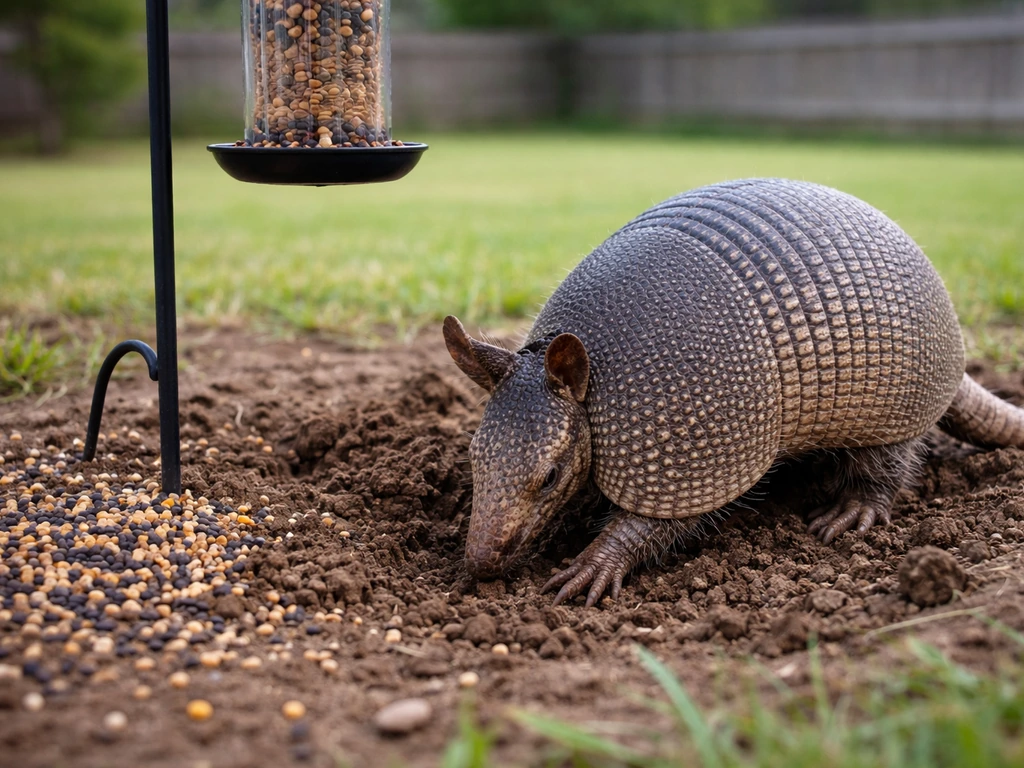
Do Armadillos Eat Bird Seed? What to Do in Your Yard
Yes, armadillos may eat bird seed by digging and scavenging fallen seed. Learn how to deter them safely.
Do Rabbits Eat Bird Seed in Winter? What to Do
Learn if rabbits eat bird seed in winter and how to keep feeders safe with smarter placement and cleanup.
Do Mourning Doves Eat From Bird Feeders? How to Attract Them
Find out if mourning doves eat from bird feeders and get safe setup tips, seed choices, and pest prevention.