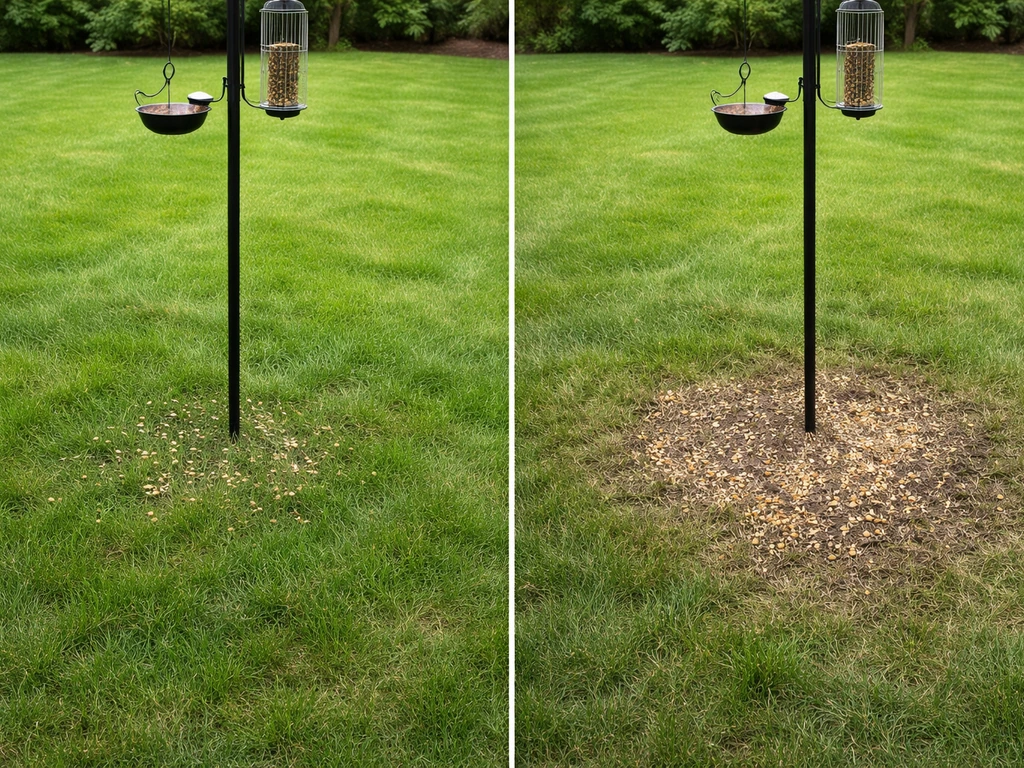
Yes, deer absolutely eat bird seed in the winter, and they can become regular visitors to your feeders once they figure out where the food is. White-tailed deer are opportunistic eaters, and when snow covers their usual browse or cold snaps reduce available forage, they will readily raid ground-level seed, platform feeders, or any spilled seed beneath hanging feeders. The short answer is: if there is accessible seed and a deer is in the area, it will likely eat it. In contrast to deer and other mammals, do birds eat bird seed in the winter is a question many people ask before they set up feeders.
Do Deer Eat Bird Seed in Winter? What to Expect and Do
Maya Henderson
20 Apr 2026
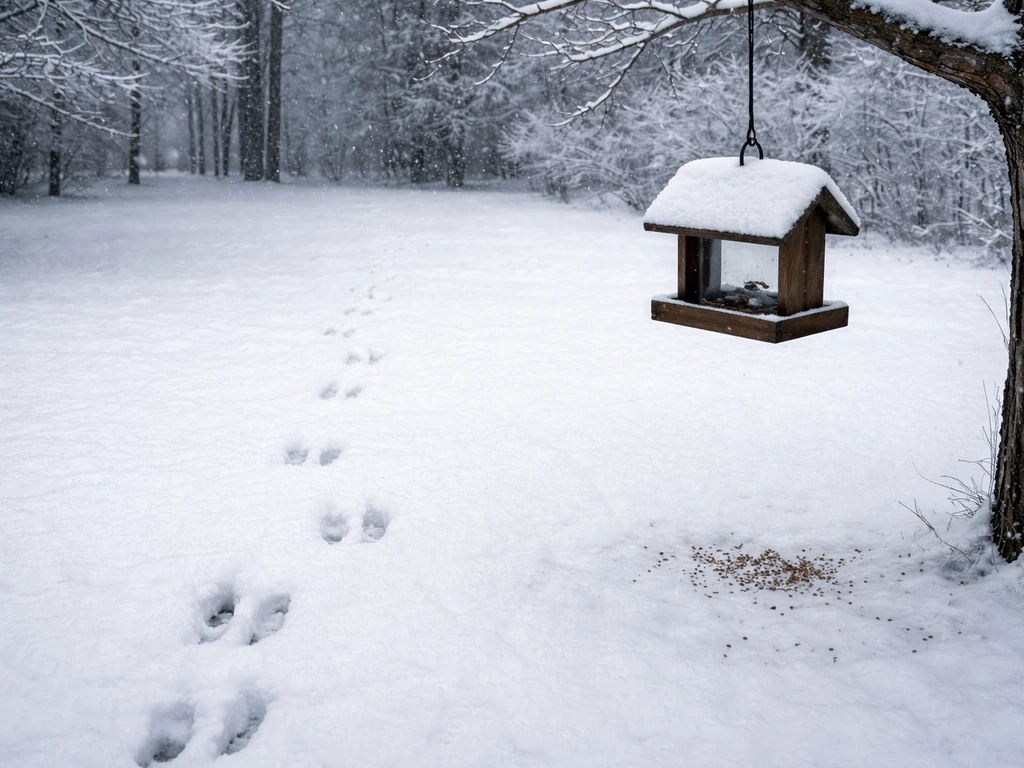
Why deer eat bird seed in winter
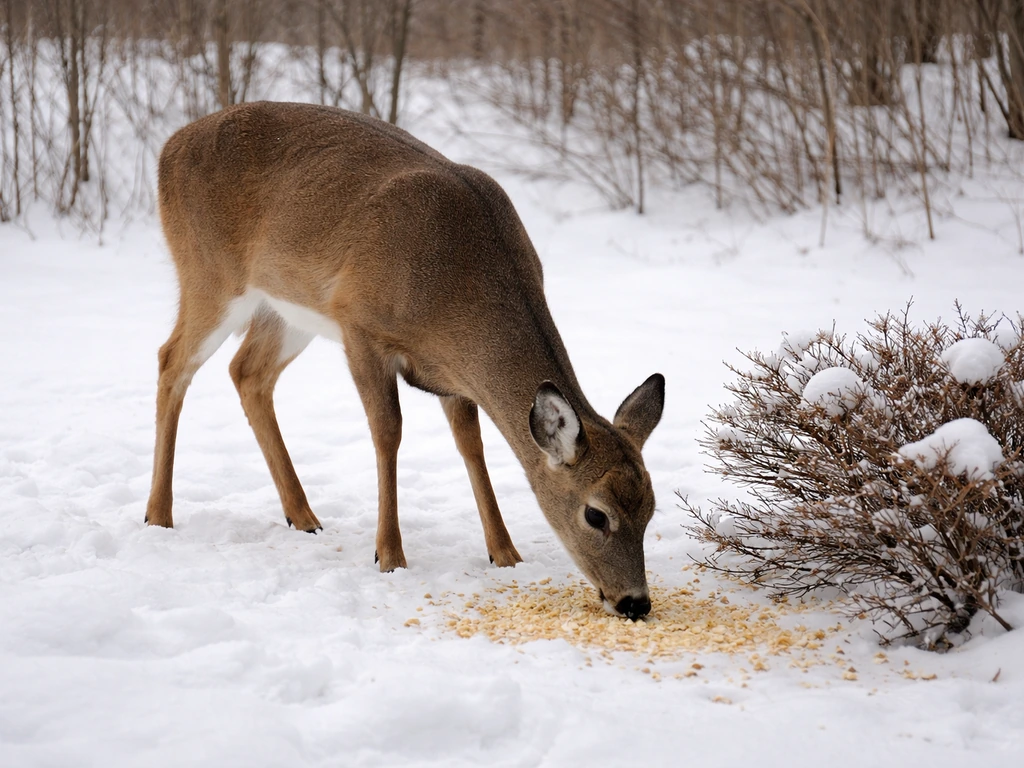
Deer are browsers by nature, feeding on grasses, shrubs, acorns, and agricultural crops through most of the year. Winter changes that calculus quickly. As snow depth increases, the energy required for deer to move and forage goes up while available food goes down. A USDA Forest Service assessment notes that moderate to deep snow can bury food sources entirely, which is exactly when deer start looking for anything easy and calorie-dense. Bird seed, especially black oil sunflower seed and mixed blends, fits that description perfectly. It is high in fat and protein, accessible at ground level or at low feeders, and reliably present whenever you refill it.
Corn is the biggest draw. If your mix contains cracked corn or whole corn, expect deer to find it fast. Corn is a natural attractant for white-tailed deer, and including it in bird seed mixes essentially puts out a welcome mat. Milo (sorghum) has a similar effect. Both are considered filler seeds that many songbirds skip anyway, which means they tend to pile up on the ground right where a deer can get to them.
How likely are deer to show up at your feeders
The short answer depends on where you live, what the weather is doing, and what else is available nearby. Rural and semi-rural properties near woodlots, fields, or brushy habitat are at the highest risk of deer visits, especially from late November through March when natural forage is scarce. Suburban yards on the edge of green spaces are close behind. True urban feeders in dense neighborhoods see deer less often, but it does happen, particularly where deer populations have adapted to human proximity.
Weather is the biggest trigger. After a significant snowfall or an extended freeze, deer range farther and become more willing to approach structures they would normally avoid. A mild winter with little snow cover often means deer stick to their usual browse and your feeders go largely undisturbed. Colder, snowier regions like the upper Midwest, New England, and the mountain West tend to see the most persistent deer pressure at feeders. In warmer climates like Texas and the Southeast, deer may visit year-round but winter visits still spike when hard freezes hit.
What actually happens when deer eat your bird seed
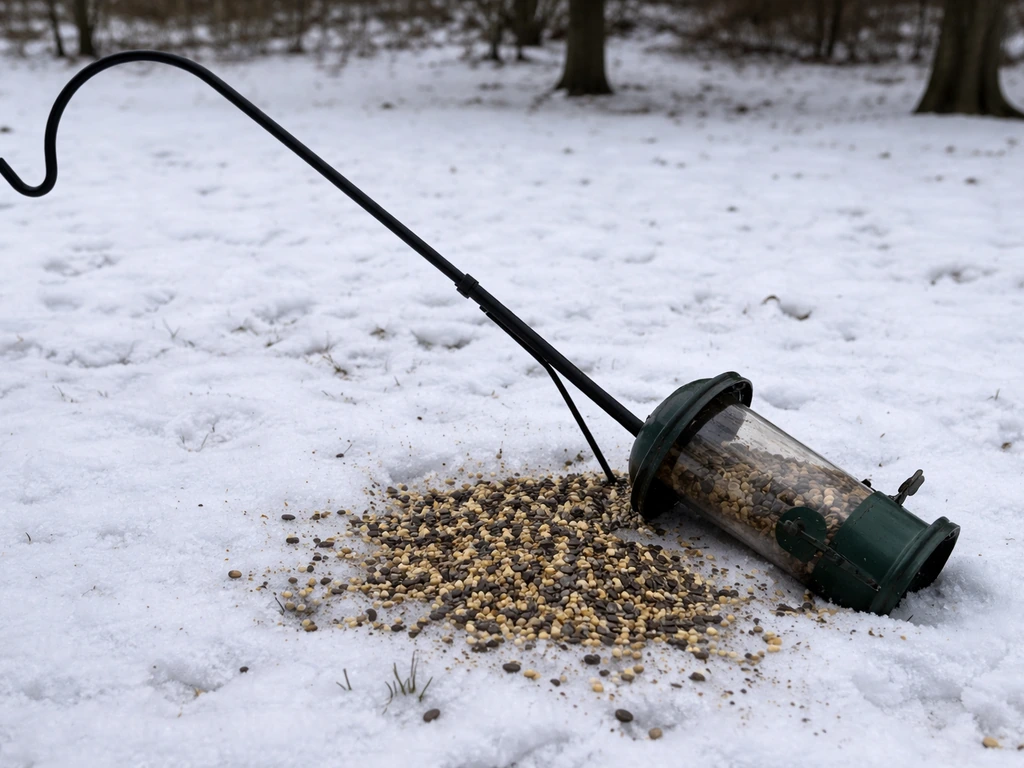
The most immediate problem is feeder damage. Deer are not gentle. They will push over pole-mounted feeders, bend or break feeder arms, and knock hanging feeders down. A deer that learns your yard is a reliable food source will return every night, often bringing others. One deer consuming several pounds of seed per visit is not unusual once it gets comfortable.
Beyond the hardware damage, deer visiting feeders create a cascade of secondary problems. They leave behind considerable mess: droppings, hoof disturbance of garden beds, and trampled ground cover. That mess near feeding areas also creates hygiene issues for your birds. The congregation problem is real too. Where deer gather, ticks, feces, and disease risk increase. Massachusetts wildlife authorities specifically flag fallen bird seed as an attractor not just for deer but for turkeys, squirrels, mice, foxes, fishers, and coyotes. One bird feeder can quietly become a wildlife hub you did not intend to create.
For birds, deer visits usually mean displacement. When a 150-pound animal is working over your feeding area, ground-feeding birds like juncos and sparrows scatter. If deer visits happen frequently, birds may stop using that feeder location entirely.
When bird seed becomes a real risk for wildlife and pets
Deer eating a bit of bird seed is one issue. Spoiled or contaminated seed is a different problem that can harm deer, other wildlife, and pets. Mold is the biggest concern. Seed that has gotten wet and sat in a feeder or on the ground can develop aflatoxin-producing mold. Aflatoxins are toxic to a wide range of animals, and research published in the Journal of Wildlife Diseases specifically examines aflatoxin exposure risk at deer feeders, identifying deer, raccoons, opossums, and squirrels as at-risk species. Oklahoma State University extension guidance echoes this, recommending alternatives with lower contamination risk for wildlife feeding situations. Oklahoma State University Extension’s NREM-9021 fact sheet advises using feed grain that has been tested for aflatoxin and provides guidance aimed at protecting wildlife from contaminated supplemental feed blank" rel="noopener noreferrer">Oklahoma State University extension guidance echoes this. If your seed looks discolored, smells musty or sour, or has visible clumping, do not use it. Throw it out and clean your storage container before refilling.
Disease transmission at congregation points is the other major risk, and it is one that goes beyond your backyard. The Minnesota DNR explains that supplemental feeding can tightly congregate deer and elk and dramatically increase the odds of spreading diseases such as CWD through contact and contamination at feeding sites disease transmission at congregation points is the other major risk. Mississippi State University researchers have documented that supplemental feeding can increase chronic wasting disease (CWD) transmission in deer by bringing animals from different herds into contact at a single point. The Wildlife Society summarizes research showing deer feeders increase risky contact between animals, including touching shared feeder surfaces. Minnesota and other states have responded with feeding and attractant bans in CWD-affected zones. If you are in a state with known CWD activity, check your state wildlife agency's current guidance before putting out any seed or feed that might attract deer.
Platform feeders are particularly risky from a disease standpoint. University of Florida IFAS research notes that platform feeders allow droppings to collect directly on food, which raises transmission risk for birds and any wildlife eating from the same surface. Virginia DWR makes the same point about ground feeding and loose seed distribution, noting that birds poop as they feed, contaminating seed in trays. For pets, the main risks are eating moldy seed directly or being attracted to areas where wildlife congregation brings predators like foxes or coyotes closer to the yard.
Seed and storage warning checklist
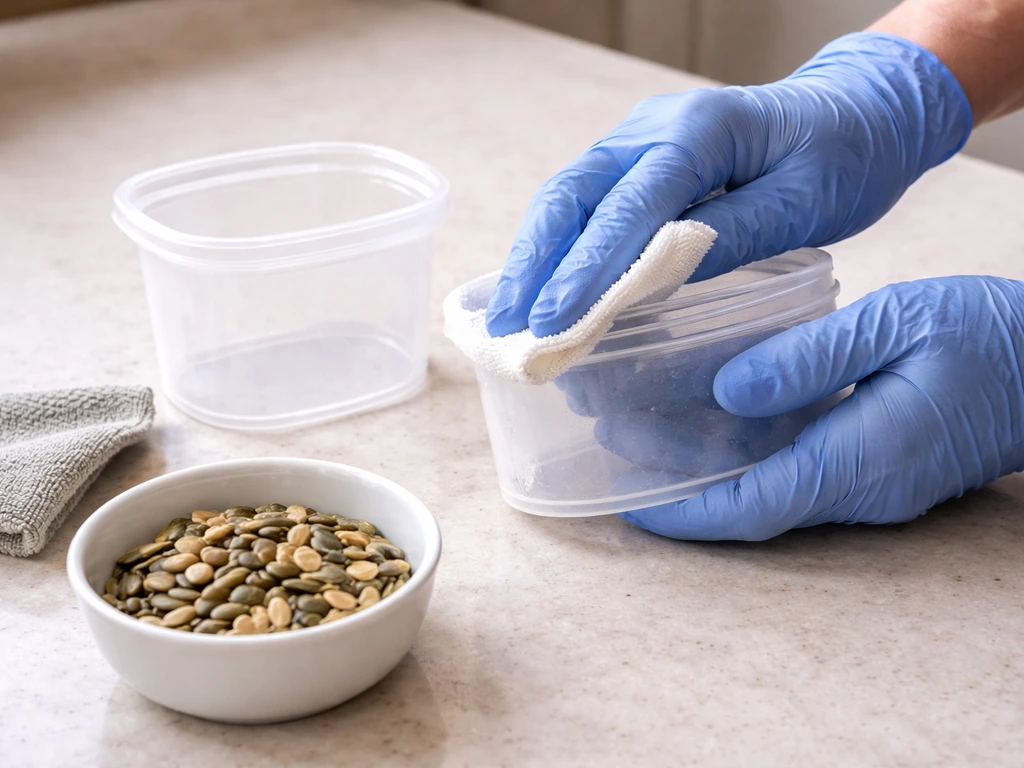
- Discard any seed that smells musty, looks discolored, or has visible mold
- Clean storage containers thoroughly before adding new seed
- Do not leave uneaten seed on the ground overnight; it draws rodents and larger wildlife by morning
- Avoid seed mixes containing cracked corn or milo, which pile up uneaten and attract deer
- Store seed in a sealed, weatherproof container away from moisture
- In CWD-affected zones, check your state agency's current guidance before attracting deer to any feeding area
How to keep deer away from bird seed without shutting down winter feeding
The most reliable strategy is height and placement. Deer can reach roughly 6 feet comfortably. A feeder mounted at 7 feet or higher on a smooth metal pole is out of reach for most deer. A baffle below the feeder blocks climbing. This approach does not require much expense and works consistently without any ongoing maintenance.
Placement matters as much as height. Keep feeders away from fences, deck railings, or low tree branches that a deer could use to get closer. Moving a feeder even 10 to 15 feet from its current location can reduce deer access if the new spot lacks those launch points.
Chemical repellents (taste and smell deterrents) have a mixed track record with deer. Nebraska Extension notes that repellents can reduce damage but will not eliminate it, especially in harsh winter conditions when deer are hungry and motivated. Capsaicin-based (hot pepper) products are widely marketed as mammal deterrents for bird feeders. Virginia DWR confirms that hot pepper seed can deter squirrels and some mammals but explicitly warns it will not deter bears, and field experience suggests deer in food-stressed conditions often push through the irritation as well. Use capsaicin-treated seed as a supporting measure, not a primary strategy.
Feeding timing is an underrated tool. Deer are most active at dawn and dusk. Filling feeders in the morning and using tube or caged feeders that limit the amount of seed spilled on the ground means less accessible food during peak deer hours. Virginia Cooperative Extension advises putting out only what birds will eat within the day so that nothing lingers on the ground overnight. This one habit change reduces deer, rodent, and other wildlife attraction significantly.
Physical barriers like wire cages or exclusion fencing around feeder poles can work for determined deer, though they require more setup. A simple cylinder of chicken wire or welded wire fencing around the base of a feeder station, wide enough that deer cannot reach through, stops most casual visitors. It will not stop a very hungry deer in deep winter, but it breaks the habit before it starts.
Quick deterrent options compared
| Deterrent Method | Effectiveness Against Deer | Effect on Birds | Practical Notes |
|---|---|---|---|
| Raise feeder to 7+ feet on smooth pole | High | None | Best long-term fix; use a metal pole with baffle |
| Hot pepper (capsaicin) seed | Low to moderate | None (birds don't feel capsaicin) | Helps with squirrels; hungry deer often push through it |
| Wire cage around feeder base | Moderate to high | None if sized correctly | Works well combined with height; requires setup |
| Timed feeding (morning fill only) | Moderate | None | Reduces overnight accumulation that draws deer |
| Remove ground-fallen seed daily | Moderate | Slight disruption during cleanup | Eliminates the easiest deer food source in your yard |
| Relocate feeder away from fences/branches | Moderate | Minimal | Easy first step; removes deer access points |
Smarter winter feeding that works for birds without inviting deer
Seed choice is one of the simplest ways to reduce deer interest while still feeding birds well. Black oil sunflower seed and safflower seed are Virginia DWR's top recommendations for bird feeders, and both happen to be less attractive to deer than corn or mixed blends. Safflower is especially useful because squirrels tend to ignore it too, which cuts down on multiple types of unwanted visitors at once. Nyjer (thistle) seed in a tube feeder is another strong option: finches and siskins love it, but deer have little interest in it.
Avoid mixed blends that include cracked corn, milo, wheat, or oats. Avoid mixed blends that include cracked corn, milo, wheat, or oats, because that loose, accessible seed can pull in deer and leave you wondering if bird seed kills grass does bird seed kill grass. These are the filler seeds that birds toss out of the feeder onto the ground, creating exactly the kind of accessible ground-level food that pulls in deer. When deer encounter accessible filler seeds on the ground, they often will eat them, including bird seed mixes they can reach easily. Switching to a single-seed feeder with sunflower or safflower eliminates most of the ground mess problem at its source.
Tube feeders and caged feeders are better choices than platform or tray feeders in winter, especially in deer-prone yards. They hold seed inside a structure that birds can access but deer cannot easily eat from, and they reduce spillage. Mourning doves can also visit bird feeders, but they typically prefer seed that is easy to reach on the ground or in low-access feeding areas. You may also wonder, for example, whether do sandhill cranes eat bird seed, since these larger birds will investigate accessible sources near feeders. If you enjoy watching ground-feeding birds like juncos and white-throated sparrows (and they are worth watching), consider a small caged ground feeder or scatter only a small handful of seed on a swept hard surface that you can clean quickly rather than loose ground feeding.
It is also worth thinking about what your yard offers beyond the feeder. Massachusetts wildlife managers recommend native plantings and a water source as the most sustainable way to support winter wildlife. Dense shrubs like native viburnums and hollies hold berries into winter, provide cover, and attract birds without creating the congregation point that a feeder does. A heated birdbath can draw more birds in winter than any seed combination, because open water is genuinely scarce when temperatures drop. These habitat-focused additions benefit birds without the deer-attracting side effects of a well-stocked feeder.
Similar dynamics apply to other winter wildlife visitors. Armadillos can also be drawn to scattered bird seed, so you may see them foraging at ground level around feeders. Rabbits, for example, are drawn to spilled seed on the ground much like deer, and the same management steps that reduce deer visits (keeping seed off the ground, using tube feeders, timing your fills) also reduce rabbit pressure. The goal is a feeding setup that serves the birds you want to attract without turning your yard into a winter food pantry for every browsing animal in the neighborhood.
FAQ
If I use sunflower or safflower, will deer still eat it in winter?
They still might, but it is less likely than when you include corn, milo, or other “filler” seeds. Deer usually prefer what is easiest to access and most calorie-dense, so pairing the seed choice with a tube or caged feeder (and minimizing spilled seed) is what makes the biggest difference.
How high should a feeder be to keep deer from reaching it?
Aim for mounting height of about 7 feet or more on a smooth pole with a baffle below the feeder. Also check for alternate access points, like nearby railings, decks, or branches within a deer’s jump range, because those can effectively defeat “height-only” protection.
Will deer eat from tube feeders, or do I need a completely different style?
Tube feeders usually reduce deer access, but deer can still try to reach any seed that spills near the feeder or accumulates in the opening. Choose feeders that minimize ground spill, and inspect the area after wind or heavy snow to ensure seed is not collecting at the base.
What’s the best way to prevent spilled seed from attracting deer (and other animals)?
Use only what birds will likely consume within the day, and avoid leaving seed out overnight. Clean under the feeder regularly during winter, especially after snowfall or freeze, because “invisible” accumulation under platform or tray feeders can become a consistent deer target.
How often should I refill feeders during snowy or very cold weather?
Refill in the morning, not late in the day, so the seed is available during birds’ peak activity and removed before deer-hours of late evening to night. If you notice a lot of leftovers or heavy ground scatter, reduce the fill amount and switch to tube or caged designs.
How can I tell if the seed is contaminated or moldy before it harms wildlife or pets?
Watch for visible discoloration, clumping, musty or sour odors, and crusty or damp patches, even if the seed looks “partly normal.” If anything seems off, discard the seed and clean the storage container and feeder to avoid spreading contaminated material to fresh feed.
Does putting out seed for birds increase chronic wasting disease risk in deer in my area?
It can, because supplemental feeding can concentrate deer from different herds at shared locations. If your state has known CWD in deer, check current guidance from your wildlife agency before feeding, and consider alternatives like habitat-based attractants rather than seed.
Are platform feeders always the worst option in deer-prone yards?
They are often the highest risk because they allow droppings to collect directly on food and create loose seed below, both of which attract deer and increase mess. If you keep using a platform, use strict cleanup and a nightly “no leftover seed” routine, but switching to tube or caged feeders is usually more effective.
Do repellents like hot pepper or commercial sprays really stop deer?
They can reduce damage but rarely eliminate deer interest, especially during hard winters when deer are highly motivated. Treat repellents as a supplement, not a primary control, and focus on height, baffles, feeder types that limit spillage, and cleanup.
What should I do if deer keep returning even after I change the feeder setup?
Assume they have learned a reliable route to the food and address it at multiple points, not just the feeder. Improve access control by clearing launch points nearby, switching fully to tube/caged feeders, adding a baffle, and removing all dropped seed so the “reward” disappears.
Will other animals be attracted to my feeder even if deer visits stop?
Yes, for example squirrels and rodents often respond quickly to spilled seed, and larger ground browsers can still investigate. Keep seed contained (tube or caged), sweep under feeders, and consider lowering the amount you put out to avoid creating a persistent ground-feeding buffet.
What are the best bird-friendly alternatives if I want fewer deer visits?
Add winter habitat that supports birds without a high-concentration food source, like dense native shrubs with berries and a heated birdbath for drinking. These can bring birds in consistently while reducing the “calorie bait” that makes deer repeatedly visit feeders.
Next Article
Does Bird Seed Kill Grass? How to Prevent Lawn Damage
Learn if bird seed kills grass and how spill, droppings, trampling, and mold create bare or dead patches.