Yes, birds absolutely eat bird seed in winter, and this is actually when feeders matter most. When snow covers the ground and natural food sources like berries, insects, and weed seeds are buried or gone, many species rely heavily on backyard feeders to survive. The key is knowing which birds will show up, what seeds they actually want, and how to keep everything clean and safe for the birds, your pets, and the other wildlife sharing your yard. Rabbits can also visit winter feeders when the seed is accessible, so it helps to prevent droppings and spilled seed from attracting them do rabbits eat bird seed in the winter.
Do Birds Eat Bird Seed in Winter? Guide and Tips
Maya Henderson
20 May 2026
What changes for birds in winter
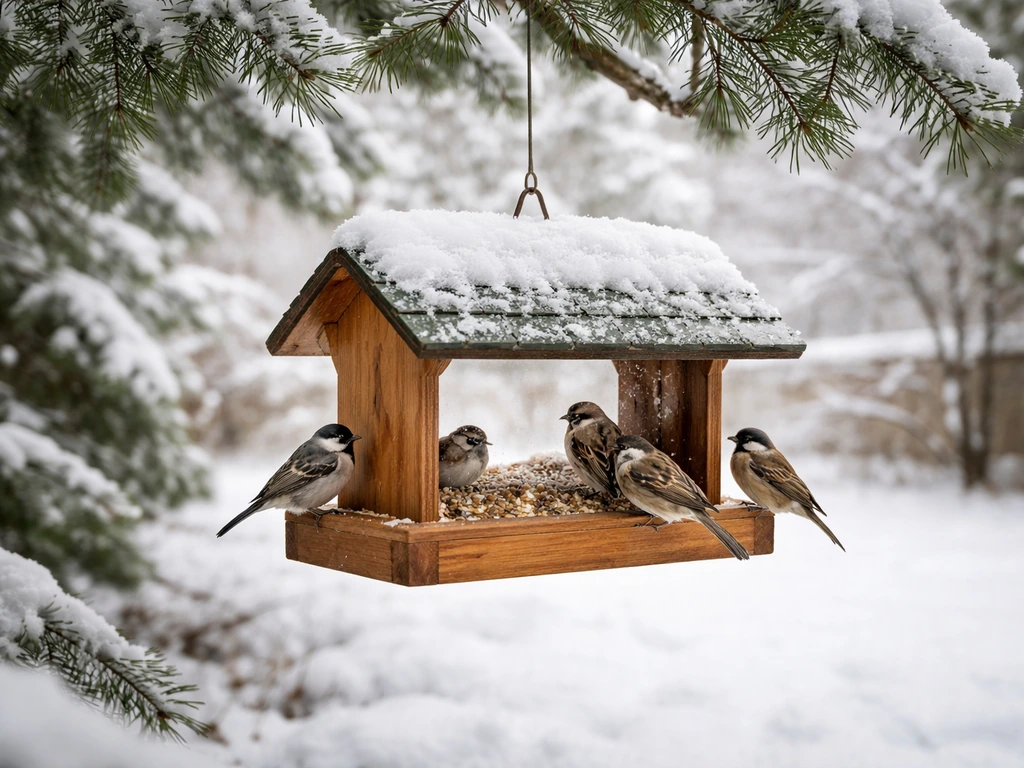
Winter flips the food situation completely for most backyard birds. Insects disappear, fruit gets consumed or rots, and snow or ice covers seeds on the ground. Birds are also burning far more calories just staying warm. That combination means your feeder goes from a convenient snack stop in summer to a genuine energy lifeline once temperatures drop. Audubon puts it plainly: birds often rely most heavily on feeders in winter, when food is scarce. That's not an exaggeration. On very cold nights, small birds like chickadees can lose up to ten percent of their body weight, so finding high-fat, high-calorie food quickly in the morning is critical for them.
The flip side is that winter feeding also concentrates birds, seed, and potentially pests in one spot, which creates real hygiene and safety responsibilities. Seed sitting in a wet or freezing feeder can mold quickly. Ground spillage builds up. Rodents and other wildlife notice the free food. Getting winter feeding right means thinking about all of it, not just filling the feeder.
Which birds eat seed in winter
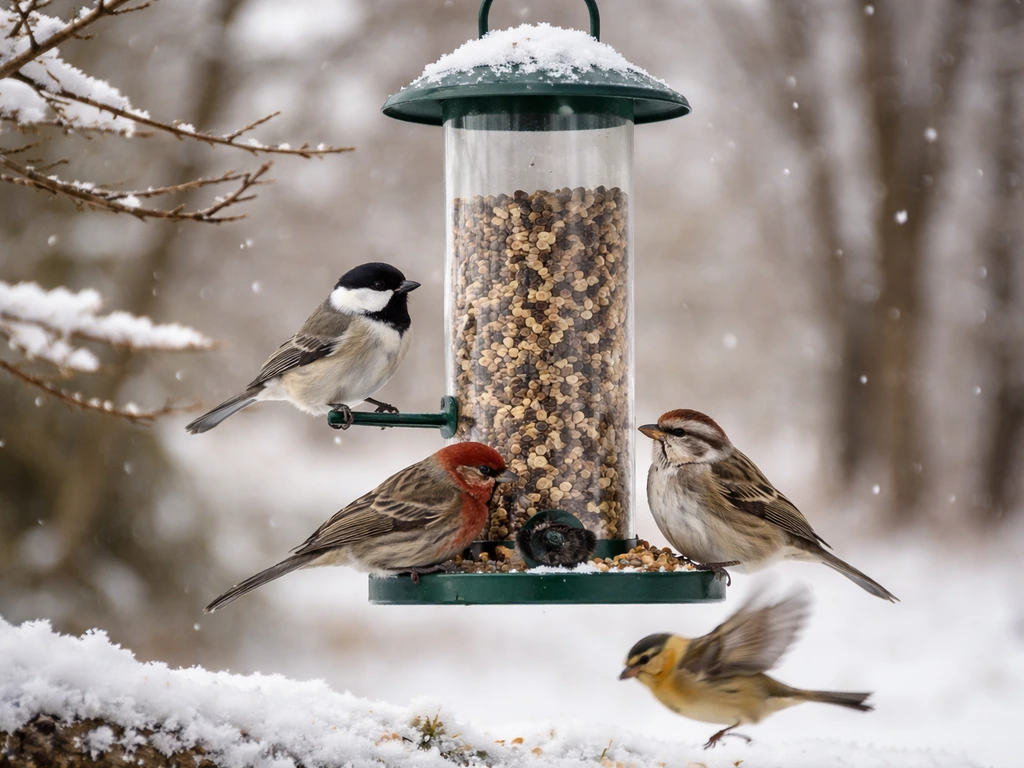
Not every bird at your summer feeder sticks around for winter. If you use bird seed and want to know whether seed will actually keep birds coming, the next step is figuring out which visitors will eat it and how they use feeders winter feeder. Many migrate. What you get in cold months is a core group of seed-specialists and cold-hardy species that are genuinely built for this. Here are the ones most likely to visit a winter feeder in North America:
- Black-capped and Carolina chickadees: Daily regulars who cache seeds and need constant high-calorie food. They'll hit a tube feeder repeatedly throughout the day.
- Dark-eyed juncos: Classic winter ground feeders. They scratch around under feeders eating millet and spilled sunflower. If you have juncos, sprinkle millet on the ground or a low tray.
- White-throated and song sparrows: Ground and low-feeder birds that mix well with juncos. They love millet and cracked corn.
- Northern cardinals: Sunflower seed is their go-to. They prefer a platform or wide-ledge feeder where they can sit comfortably.
- House finches and purple finches: Tube feeder birds that eat sunflower and nyjer. Often show up in small flocks.
- American goldfinches: They stick around all winter, just in duller plumage. Nyjer (thistle) seed is the best way to hold them at your feeder.
- White-breasted and red-breasted nuthatches: Frequent sunflower and suet visitors. They feed upside down on trees and feeders, which is always entertaining.
- Downy and hairy woodpeckers: Suet is the main draw, but they'll also take shelled peanuts and sunflower.
- Blue jays: Bold, loud, and very present in winter. They love sunflower seeds and peanuts.
- Pine siskins and common redpolls: Show up in some winters depending on food availability further north. Nyjer and sunflower will bring them in.
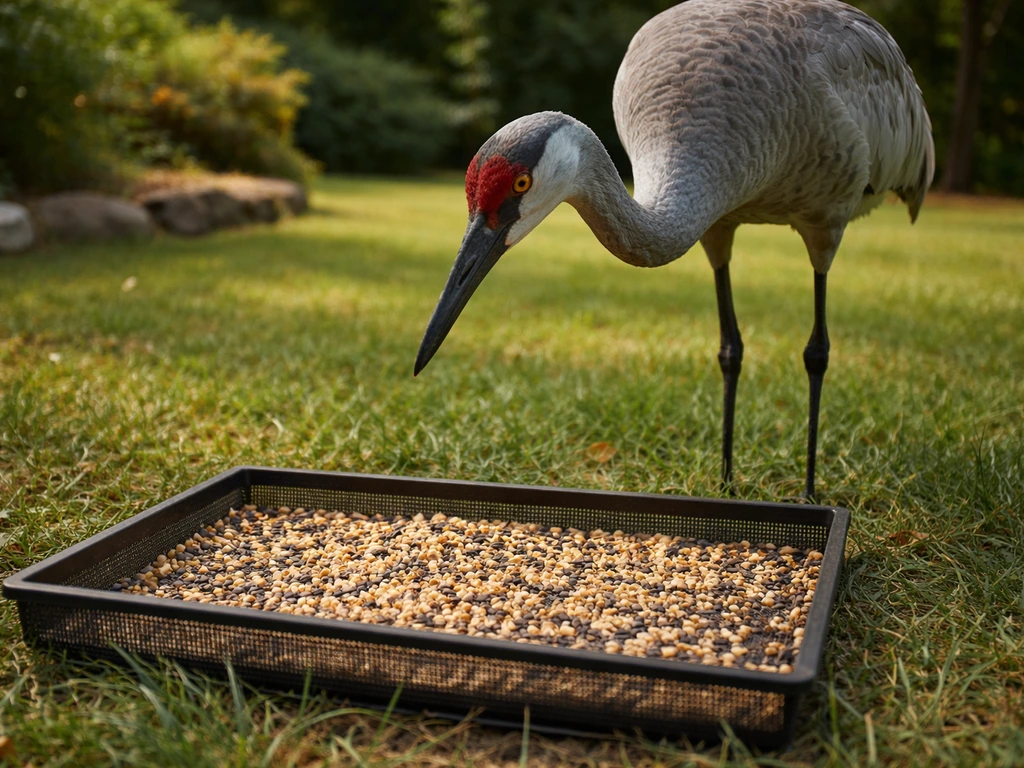
Mourning doves are also frequent winter visitors at feeders, spending most of their time on the ground or low platforms picking up spilled seed. Species like sandhill cranes or killdeer are less typical backyard feeder visitors, though what you see depends a lot on your region and habitat.
The best seeds for winter feeding
Start with black-oil sunflower seed and you've covered most of your bases. It's widely preferred by more species than any other seed, and it's genuinely nutritious rather than filler. Both CSU Extension and the Bird Conservancy of the Rockies call it the single most important seed for winter feeding. The thin shell is easy for smaller birds to crack, and the high fat content gives birds real energy. If you only buy one seed, make it this one.
Beyond sunflower, nyjer (also called thistle seed) is the way to go for finches and siskins. It's tiny and requires a special feeder with very small ports so the seed doesn't spill out. Don't pour it into a standard tube feeder. Suet isn't technically a seed, but it belongs in any serious winter feeding setup because woodpeckers, nuthatches, chickadees, and starlings love it and the fat content is exactly what birds need in the cold. Shelled peanuts round things out well for chickadees, nuthatches, and titmice.
| Seed/Food | Best For | Feeder Type | Winter Value |
|---|---|---|---|
| Black-oil sunflower | Chickadees, finches, cardinals, sparrows, nuthatches, jays | Tube, platform, hopper | High fat and protein, widely accepted |
| Nyjer (thistle) | Goldfinches, house finches, pine siskins, redpolls | Nyjer-specific feeder with small ports | Excellent for small finch species |
| White millet | Juncos, sparrows, doves | Ground or low tray, or scatter on snow | Ideal for ground-feeding winter birds |
| Suet | Woodpeckers, nuthatches, chickadees, starlings | Cage-style suet feeder | Highest calorie density, great for cold nights |
| Shelled peanuts | Chickadees, nuthatches, titmice, jays, woodpeckers | Mesh peanut feeder or platform | High fat and protein, no shell waste |
Avoid cheap mixed seed bags loaded with milo, wheat, and oats. Most winter feeder birds ignore those fillers, and the leftover seed piles up on the ground, gets wet, and molds. You end up spending more managing the waste than you saved buying the cheap bag.
How to set up feeders safely in winter
Feeder placement
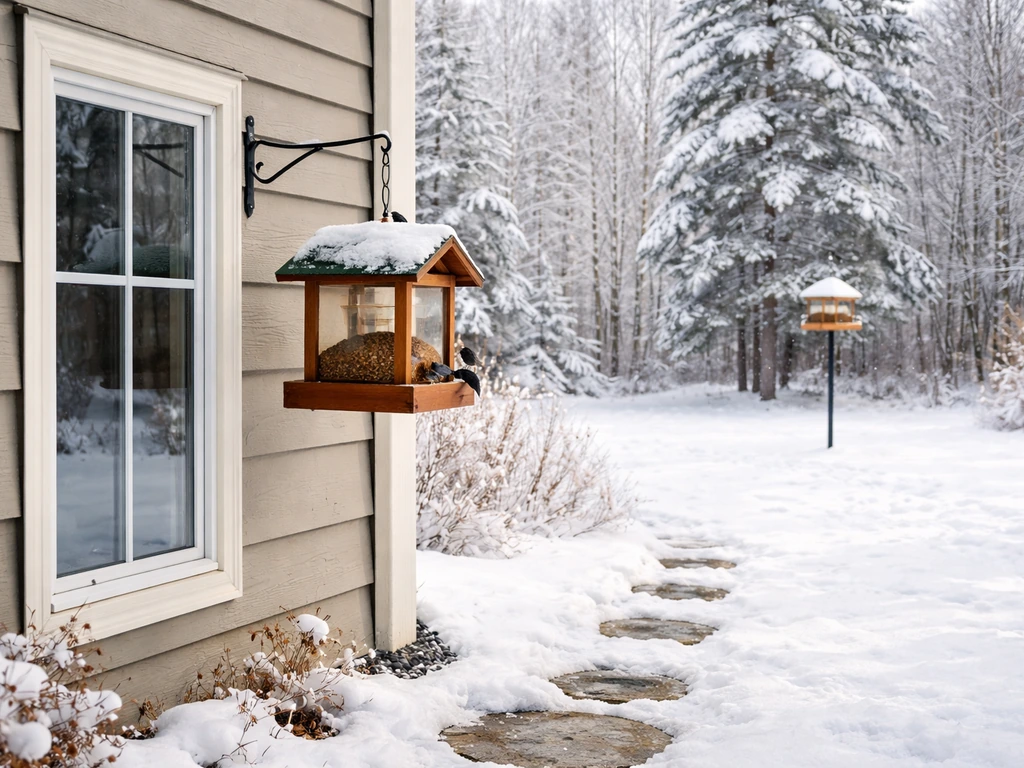
Position matters more than most people think. For window safety, the rule is simple: place feeders either within 3 feet of a window or more than 30 feet away. Audubon also advises placing feeders and birdbaths within 3 feet of windows to prevent collisions on takeoff, or more than 30 feet away so birds have enough distance to clear the building place feeders and birdbaths within 3 feet of windows or more than 30 feet away. At 3 feet or less, birds don't have room to build momentum, so even if they hit the glass they won't injure themselves. Beyond 30 feet, they have enough distance to recognize the glass and steer clear. The dangerous zone is the middle distance, roughly 4 to 30 feet, where birds fly fast enough to be seriously hurt.
For pest control, keep feeders at least 8 feet away from nearby branches, deck rails, or fence lines. This makes it much harder for squirrels to jump across. Pole-mounted feeders with baffles are the most effective squirrel deterrent, and they also keep feeders off the ground where seed can accumulate and rodents can access it more easily.
Cleaning and hygiene
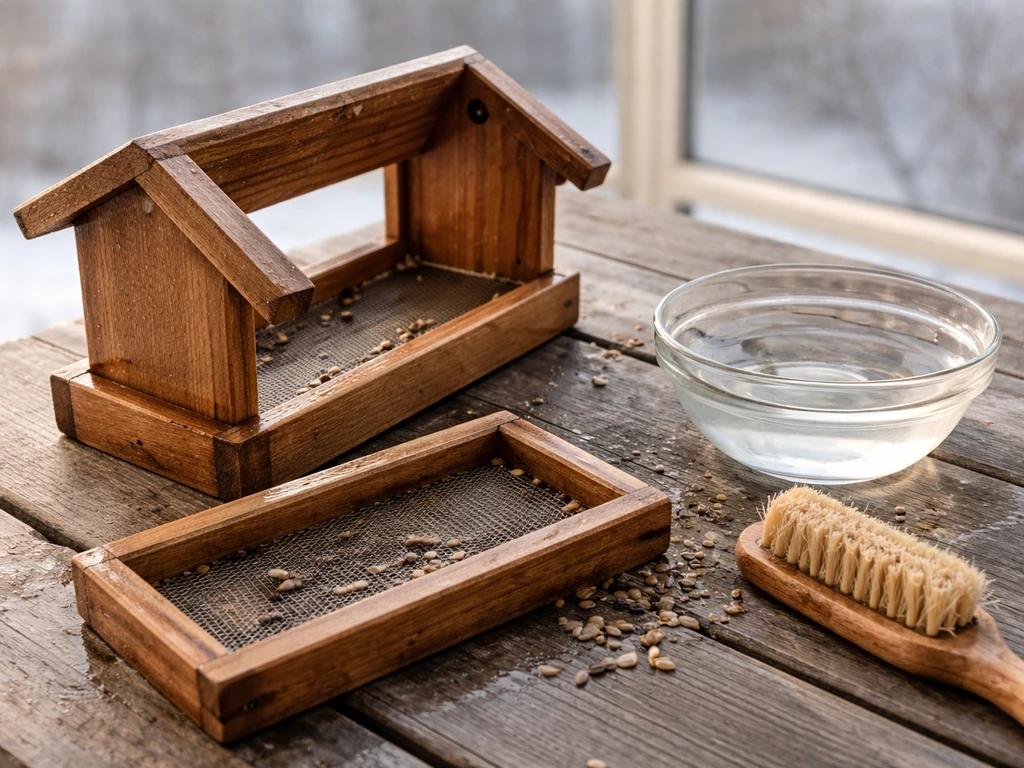
Cleaning your feeder isn't optional, especially in winter. Wet seed molds fast, and moldy seed can cause aspergillosis, a serious fungal lung disease in birds. The same mold poses real risks to pets and other wildlife that access the area. Audubon recommends cleaning seed and suet feeders at least every other week as a baseline. In wet, humid, or freezing-thaw conditions (which describes most of winter), check more often and clean whenever you see any clumping, discoloration, or black residue.
The cleaning process is straightforward. Take the feeder apart, remove all visible debris and old seed, then disinfect with a solution of one part bleach to nine parts water. Rinse thoroughly and, critically, let the feeder dry completely before refilling. Putting fresh seed into a damp feeder just speeds up mold growth and wastes the clean seed you just added. Also sweep or rake the ground beneath feeders regularly to remove old seed, hulls, and droppings. If you are also wondering does bird seed kill grass, the ground cleanup tips above help reduce spilled-seed buildup and the conditions that can harm lawn areas. Seed buildup on the ground is where a lot of the real mold and rodent problems start.
Storing seed properly
Keep your seed in a sealed, weatherproof container, ideally a metal bin with a tight lid. This keeps out moisture that causes mold and makes it much harder for rodents to get in. Don't store seed in the original paper or thin plastic bags long-term, especially outside. Buy in quantities you'll use within a few weeks rather than stocking a huge supply that sits around getting damp.
Risks to pets and other wildlife
Bird feeders create a food concentration point, and that attracts more than birds. Understanding the risks helps you manage them before they become problems.
Moldy seed and pets
If a dog or cat gets into spilled or stored bird seed that has gone moldy, it's a real medical concern. The ASPCA is clear that moldy food is dangerous for animals, and the FDA specifically flags aflatoxin (a mold toxin that can develop on corn, peanuts, and grains) as a serious poisoning risk for pets. Symptoms can range from lethargy and vomiting to liver damage in severe cases. If you suspect your pet has eaten moldy seed, contact your vet or the ASPCA Animal Poison Control Center right away. The prevention is simple: keep seed storage secure, clean up ground spillage regularly, and don't let moldy seed accumulate anywhere pets can reach.
Rodents and predators
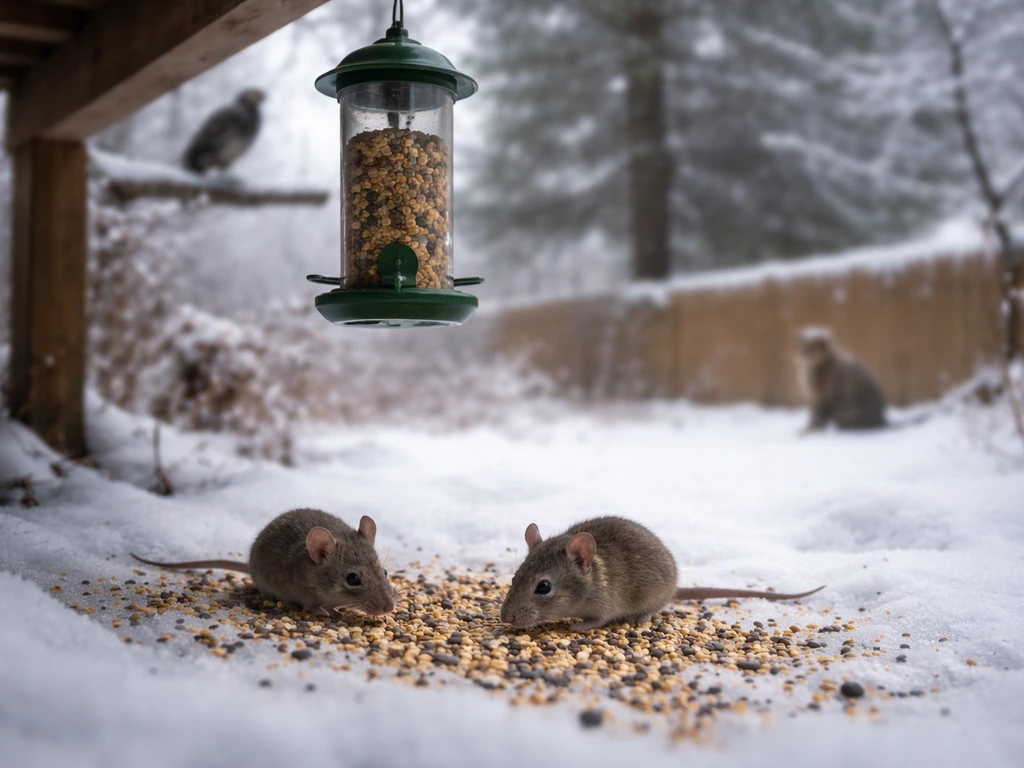
blank" rel="noopener noreferrer">Bird feeders reliably attract mice and rats, which are drawn to spilled seed on the ground. Yes, armadillos can sometimes dig through yards and look for insects and other foods, but bird seed is not their main diet spilled seed. More rodents mean more predators: hawks, foxes, and neighborhood cats will all take notice of a feeder area with a reliable prey population. Squirrels are a constant issue at most feeders. The best approach is a combination of squirrel-resistant feeders (pole-mounted with baffles, or caged feeders), regular ground cleanup, and not leaving excess seed to accumulate overnight. The U.S. Fish and Wildlife Service recommends not overfeeding and avoiding letting food pile up, which is good advice for managing the whole chain reaction.
Other wildlife drawn to feeders
Deer are very capable of finding and raiding bird feeders in winter, especially platform or low-hung feeders. While deer eating bird seed isn't immediately toxic in most cases, it does create a habituation problem and can damage feeders. Raccoons, opossums, and other opportunists also investigate feeders at night. Keeping feeders elevated, using baffles, and bringing feeders in at night if necessary can reduce these visits significantly.
Getting started and troubleshooting if birds aren't showing up
If you're setting up for the first time this winter, or your feeder has been up for a week and nothing is happening, here's a step-by-step approach:
- Start with black-oil sunflower seed in a tube or hopper feeder. This is the single best way to attract the widest range of winter birds quickly. Don't start with a mixed bag.
- Add a suet cage nearby. Woodpeckers and nuthatches often discover a new yard through suet before they notice the seed feeder.
- Place the feeder at the right distance from windows (under 3 feet or over 30 feet) and at least 8 feet from branches or structures that give squirrels a launching point.
- Be patient for at least 7 to 14 days. Birds in your area need to discover the new food source. In winter, the local flock is already established and it takes time for word to spread.
- Check seed freshness. Old, clumped, or foul-smelling seed will be ignored. Dump it, clean the feeder with a bleach solution, rinse, dry completely, and start fresh.
- Try adding millet on the ground or a low tray. If juncos or sparrows are in your area, this will often pull them in faster than an elevated feeder.
- Check feeder placement for disturbance. If the feeder is near a high-traffic door, a dog run, or a frequently used path, birds may avoid it even if the seed is perfect. Move it to a quieter spot near natural cover like shrubs or trees.
- If the feeder is consistently going empty but you're not seeing birds, check for nocturnal raiders. Squirrels, raccoons, or deer may be cleaning it out overnight. Switch to a pole-mounted feeder with a baffle and consider bringing the feeder in after dark until you identify what's getting to it.
- Keep a maintenance schedule. Clean every two weeks minimum, check seed after any rain, ice, or snow that could push moisture into the feeder, and sweep the ground below weekly.
One thing worth knowing: if your feeder runs empty, most birds will find food elsewhere and may not return immediately. Project FeederWatch confirms that birds move on when a feeder goes dry, which is why consistent stocking matters more in winter than any other season. Once you've built up a regular flock of chickadees, juncos, and finches, keeping the feeder stocked and clean becomes the only job. They'll do the rest.
FAQ
How long should I leave a winter feeder running before deciding it is not working?
In winter, many birds will check a feeder quickly, but if your feeder goes empty they may move on and not return the same day. A practical approach is to keep a consistent supply for at least 1 to 2 weeks while you also confirm you are offering a seed type they actually eat (for many mixed bags, black-oil sunflower is the best first test).
Do birds need to eat seed every day in winter, or can I top off less often?
They do not require constant feeding all day, but small birds often need a reliable calorie supply when mornings are coldest. If you wait too long between refills and the feeder sits empty or nearly empty overnight, fewer birds may commit to that location.
Can I use any bird seed in winter, or are some blends risky?
Avoid blends heavy in milo, wheat, and oats because many winter feeder birds ignore them, leaving waste that gets wet and molds faster. Also, prioritize seeds that stay dry and offer enough fat and energy, black-oil sunflower is usually the most broadly successful base seed.
Is it okay to add new seed on top of old seed during winter?
It is better not to. If old seed has gotten damp or has moldy clumps, topping off spreads contamination and you can reduce bird use. In practice, empty the feeder when it looks dirty, clean/disinfect, then refill with fresh dry seed.
What feeder types work best for winter, and which ones tend to fail?
Tube feeders without protection can spill seed, which becomes a rodent and mold problem in winter. For nyjer (thistle), you need small-port feeders designed for it, standard tube feeders usually cause heavy waste. For squirrels, pole-mounted feeders with baffles and caged feeders reduce access much more than a typical hopper.
How do I prevent seed from freezing in the feeder?
Use feeders that can be sheltered from direct wet snow or persistent freezing-thaw conditions, and check more frequently in those weather swings. Also make sure the feeder is fully dry before refilling, otherwise moisture often leads to clumps that birds cannot access.
Should I offer water in winter, or will seed be enough?
Water still matters because birds need to drink even in cold weather, and fresh water can be harder to access when surfaces freeze. Use a heated birdbath or change water frequently, and keep the water source clean to prevent algae and contamination.
Why are birds not landing on the feeder if there are birds nearby?
Common reasons are placement and feeder design. If the feeder is in the risky window distance band (roughly 4 to 30 feet), birds may avoid it to prevent collisions. Also check for excessive spillage, empty feeder periods, or the wrong seed type for the local species.
Is it safe for pets to be around spilled bird seed in winter?
Do not allow pets to eat spilled or stored seed that has gone moldy. Moldy food can cause serious illness, including risk from mold toxins, and symptoms can escalate quickly. Keep seed storage sealed, clean up hulls and droppings under feeders regularly, and remove any visibly moldy seed.
What should I do if I see mold on the seed or inside the feeder?
Stop using the feeder immediately, discard moldy seed, then take the feeder apart and disinfect as you normally would. Let everything dry completely before refilling. If mold keeps returning, the issue is usually moisture management, such as wet snow getting into the feeder or repeated freezing-thaw clumping.
Do deer and raccoons eat bird seed in winter, and how can I stop them?
They may raid feeders, especially platform or low-hung options, and they can habituate to easy access. Use baffles, keep feeders elevated, and consider bringing feeders in at night if nocturnal visitors persist. Also reduce spilled seed on the ground because it makes the area more attractive.
How often should I clean in dry versus very wet winter weather?
Every other week is a reasonable baseline, but in humid, wet, or freezing-thaw conditions you should check more often. Clean promptly when you notice clumping, discoloration, or dark residue, and always dry the feeder fully before refilling.
Next Article
Do Sandhill Cranes Eat Bird Seed? What to Expect
Learn if sandhill cranes eat bird seed, which types they target, and how to deter them safely at feeders.