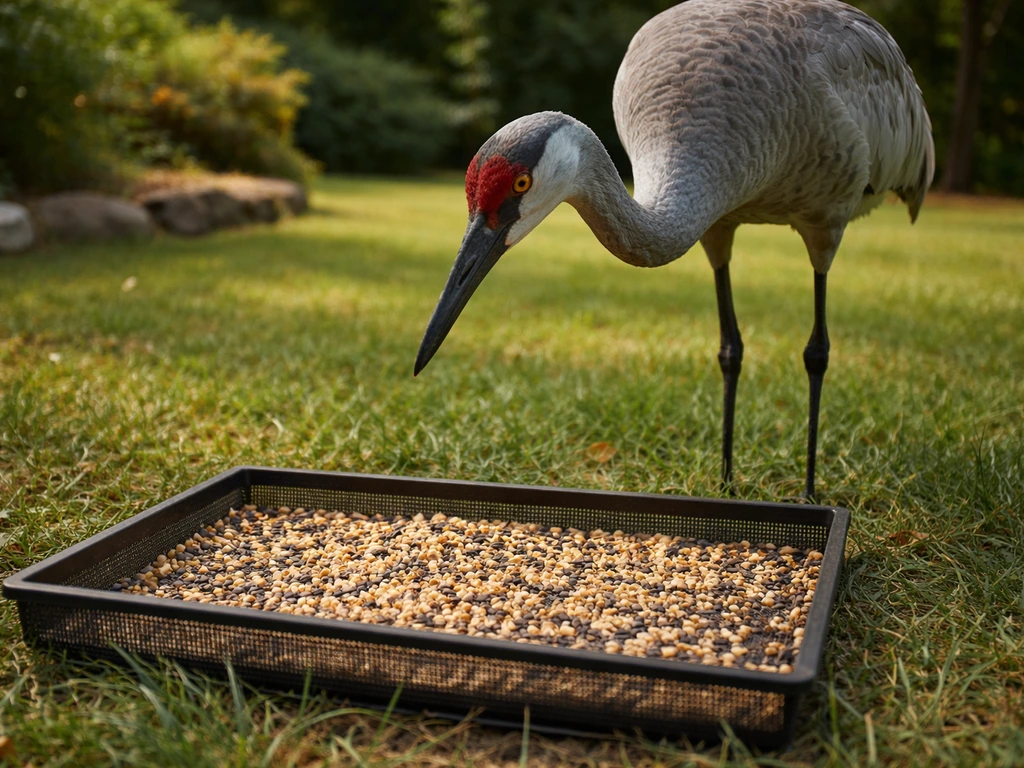
Yes, sandhill cranes will eat bird seed, especially whole grains like corn, wheat, and mixed seeds scattered on the ground. Do armadillos eat bird seed too, and if so what can you do to keep them from turning your feeder area into a feeding spot? They are not feeder birds in the traditional sense, but if you have spilled seed or a ground-feeding setup, cranes will absolutely take advantage of it. Once they find a reliable food source in your yard, they tend to come back, often in pairs or small groups, and they can make a real mess of your feeding area.
Do Sandhill Cranes Eat Bird Seed? What to Expect

Maya Henderson
12 May 2026
Will sandhill cranes eat bird seed (and when)?
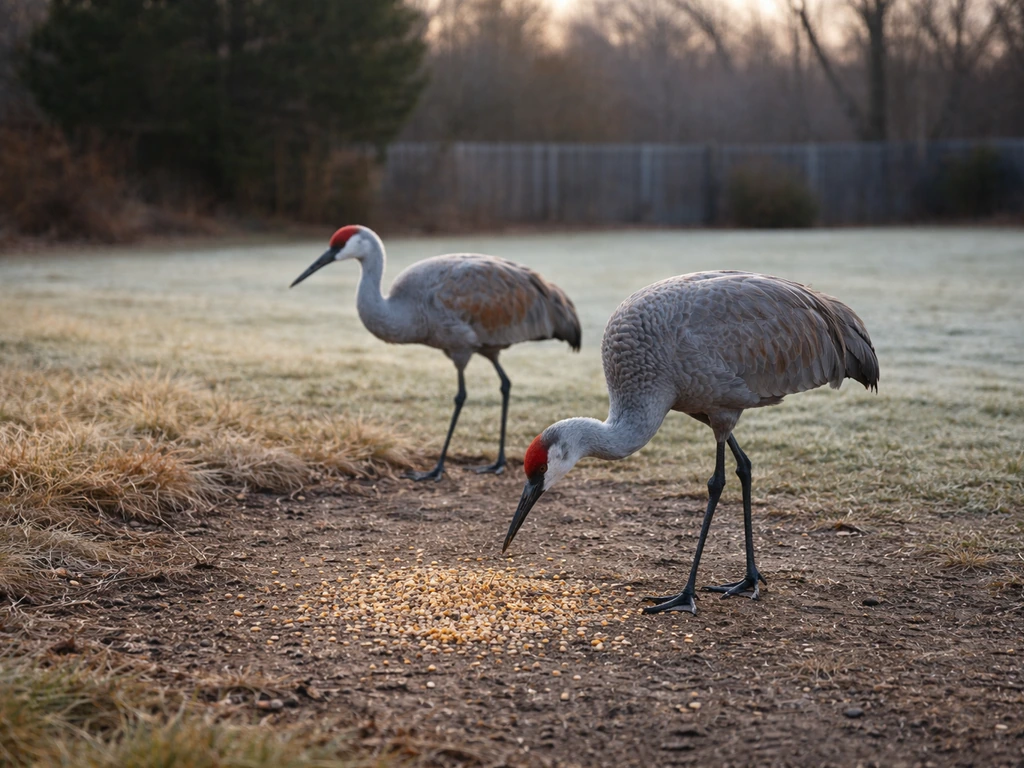
Sandhill cranes are opportunistic omnivores. Their natural diet covers a wide range: seeds, berries, roots, insects, small vertebrates, and aquatic plants. Grains and seeds are a significant part of what they eat seasonally, and cultivated grains like corn and wheat are especially attractive to them. Research from USDA studies shows that cranes foraging in cornfields eat corn almost exclusively, with grain making up over 99% of their diet in those settings. That tells you a lot about how strongly they respond to grain availability.
In a backyard context, cranes are most likely to show up during migration stopovers and in late fall and winter when natural food sources are thinner. In winter, you will often see cranes eating available bird seed, especially if it is on the ground do birds eat bird seed in the winter. In winter, deer may also investigate bird feeders and spilled seed if it is accessible on the ground deer eat bird seed in the winter. If you live in Florida, Texas, or the upper Midwest, you may have resident or overwintering cranes year-round. The trigger is almost always spilled seed on the ground, especially anything resembling whole grain. Once one crane finds it, others follow.
Which bird seed types they're most likely to eat
Sandhill cranes go after the larger, denser grain-type seeds. They are not finicky eaters, but they do have a strong preference for anything that resembles the cultivated crops they forage in the wild. Here is how common backyard seed types stack up in terms of crane appeal:
| Seed Type | Crane Interest | Notes |
|---|---|---|
| Cracked corn | Very high | Closely mimics field corn; a top attractant |
| Whole kernel corn | Very high | Cranes can handle large kernels easily with their bill |
| Wheat or milo | High | Common crane crop food; readily eaten off the ground |
| Sunflower seeds (black oil) | Moderate | Will eat if available, not a top draw |
| Mixed seed (standard) | Moderate | Depends on grain content; milo-heavy mixes attract more interest |
| Safflower seed | Low | Not a typical crane food |
| Nyjer/thistle | Very low | Too small; not worth their effort |
The clearest takeaway: if your bird feeding setup includes cracked corn or whole grains, you are essentially laying out a welcome mat for sandhill cranes. Mixes heavy in milo or wheat have the same effect. If crane visits are a problem, switching to safflower or nyjer is one of the simplest deterrents you have.
How cranes forage in yards (ground vs feeders)
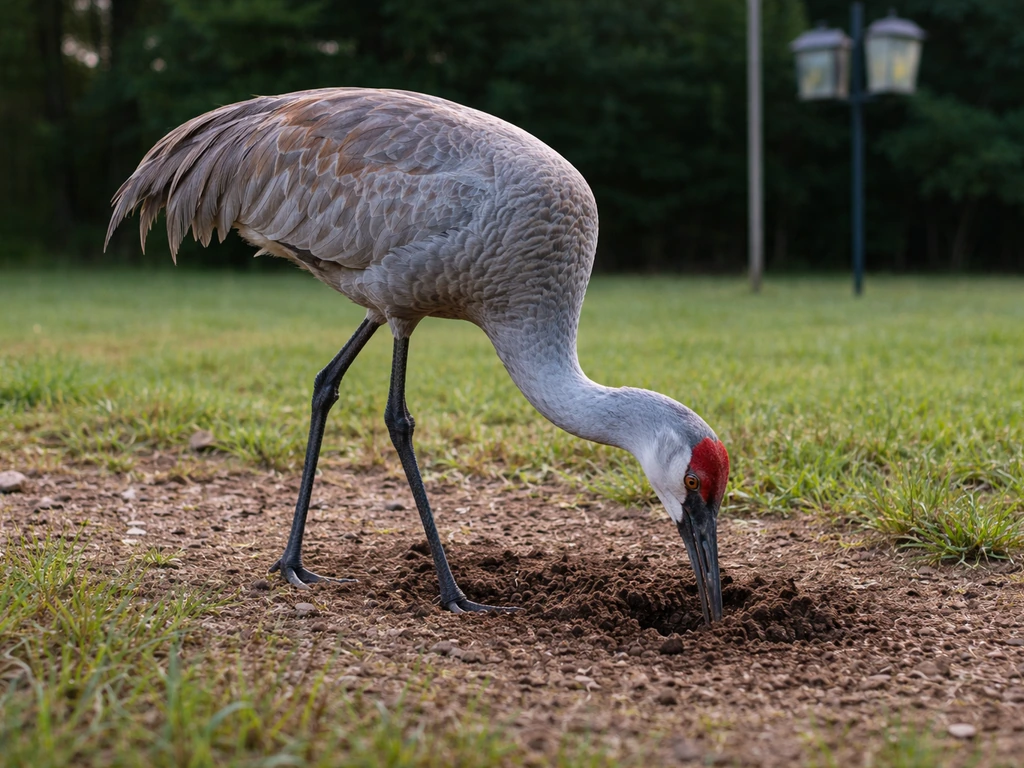
Sandhill cranes are ground foragers. blank" rel="noopener noreferrer">They probe and scratch at the soil looking for subsurface food, and they walk slowly through an area picking up anything edible. They do not perch on feeders and they cannot use a standard hanging tube or hopper feeder. Do mourning doves eat from bird feeders too, often preferring to feed at open, easy-to-reach stations rather than where cranes focus? What they can do is clean up everything that falls beneath one. A busy feeder with a lot of waste seed underneath is exactly the kind of setup that attracts them.
Cranes are large birds, typically standing around 4 feet tall, so they are very visible when they show up. They tend to forage methodically and are not easily spooked. If you have a ground-level tray feeder or you are tossing seed directly on the lawn, cranes will treat it the same way they would a grain field: work the area thoroughly before moving on. Bird seed itself does not usually kill grass, but leftover spilled seed and the mess around feeders can indirectly harm turf if it stays wet and molds does bird seed kill grass. Unlike smaller visitors, a pair of cranes can strip a feeding area quickly.
Risks of spilled and moldy seed when cranes visit
This is the part that matters most from a seed safety standpoint. When sandhill cranes visit a feeding area, they scatter seed, knock over ground trays, and churn up the area underfoot. That displaced seed sits on wet ground and starts to spoil fast, especially in warm or humid weather. Moldy seed is a real hazard for every bird in your yard, not just the cranes.
Aflatoxin, a toxin produced by mold that grows on damp corn and grain, is one of the more serious risks. It can sicken or kill birds that eat contaminated seed. Because cranes are drawn to corn-based seed, and because they tend to scatter a lot of it, their visits can leave behind a mess that creates exactly the conditions for mold growth. After any crane visit, you should check the ground beneath and around your feeders and remove any wet, clumped, or discolored seed.
- Remove spilled seed from the ground within 24 to 48 hours, especially in warm or wet weather
- Look for seed that is clumping, discolored, or has a musty smell — discard all of it
- Rake and clean the ground under feeders regularly to prevent seed buildup
- Avoid leaving corn-based seed or mixed seed on the ground overnight
- Use a seed catcher tray under hanging feeders to reduce ground scatter, but empty it daily
It is also worth noting that a large foraging group of cranes, or cranes visiting repeatedly over time, can attract other opportunistic wildlife like deer, raccoons, or squirrels to the same seed source. Concentrated wildlife activity around feeders increases disease transmission risk and keeps seed conditions messier. Keeping the area clean is the single most effective thing you can do.
How to deter sandhill cranes from feeders (practical steps)
If cranes have found your feeders, the good news is that their dependence on ground-level feeding makes them easier to manage than some other wildlife. You do not need to stop feeding altogether. You just need to make the setup less accessible and less appealing to them specifically.
- Switch away from corn and milo-based seed mixes. Replace with safflower, nyjer, or pure black oil sunflower. These seeds still attract the birds you want but are far less interesting to cranes.
- Eliminate ground feeding entirely. Move all feeders to hanging or pole-mounted setups at least 5 to 6 feet off the ground with baffles. Do not toss seed on the lawn.
- Clean up spilled seed daily. Cranes will return as long as there is food on the ground. Remove the food source and the visits stop.
- Use a no-mess or low-waste seed. Hulled sunflower and shelled peanuts leave almost no debris on the ground, which removes the ground-level seed cranes are looking for.
- Try visual deterrents near feeding areas. Reflective tape, pinwheels, or a motion-activated sprinkler (like a Scarecrow brand unit) can discourage cranes from settling in. They are not foolproof but help in combination with other steps.
- Do not feed cranes intentionally or try to hand-feed them. Cranes that associate people with food become aggressive and are much harder to deter. In some areas, intentionally feeding sandhill cranes is also discouraged or restricted under local wildlife ordinances.
- If cranes are persistent, temporarily stop all ground-level feeding for one to two weeks. Breaking the habit of visiting your yard is often the fastest fix.
One thing that does not work well: trying to shoo them away without changing the food source. Cranes are not especially afraid of people and they will come right back if the seed is still there. Fix the food situation first.
Keeping pets and other wildlife safe around seed and cranes
Sandhill cranes are large and they can be aggressive, particularly during nesting season (typically spring through early summer). They have been known to bluff-charge people and small animals that get too close. Small dogs and cats are at some risk if they approach cranes or disturb a nesting pair. If you have cranes visiting regularly and you have small pets, supervise outdoor time and keep pets away from areas where cranes are foraging.
Spoiled or moldy seed on the ground is a hazard for pets too. Dogs especially will investigate and sometimes eat spilled seed. Moldy corn or grain can cause vomiting, neurological symptoms, or worse, depending on the type of mold and amount consumed. Keep the area under feeders clean, and if your dog has access to the yard, check the ground feeding zone regularly. If your dog has eaten moldy seed or shows signs of illness after being in the yard near feeders, contact your vet.
Other wildlife drawn to spilled seed, including deer, rabbits, and armadillos, create similar contamination and hygiene concerns around your feeding area. Cranes are just one piece of a larger picture when your yard has an active seed source. Keeping feeders clean, minimizing ground waste, and choosing seed types that attract the birds you want without broadcasting an invitation to every large forager in the area is the practical solution for everyone involved.
FAQ
Will sandhill cranes eat the seed inside a hanging feeder, or only ground-spilled seed?
They mainly forage on the ground and typically cannot use standard hanging or hopper feeders. However, if seed falls onto a tray, platform, or directly to the ground, cranes will use that waste. The practical fix is to prevent drop and regularly clean any scatter beneath feeders.
What bird seed is least likely to attract sandhill cranes?
Seed mixes that are heavy on whole grains (corn, wheat, milo) are the most attractive. If cranes are visiting, switching away from grain-heavy mixes toward safflower or nyjer reduces how much the yard resembles their preferred cultivated foods.
If I stop feeding, will sandhill cranes still come back to my yard?
They may return briefly, especially if they have already learned the area. But if there is no longer accessible, high-volume ground food, their visits usually decline. Focus on removing spilled seed and eliminating ground-level access rather than relying on scaring alone.
How long does it take for spilled seed to become moldy after crane foraging?
Spoilage can begin quickly once seed is churned into damp soil, especially in warm or humid weather. If you see clumps, discoloration, or wet seed, treat it as unsafe and remove it promptly rather than waiting days.
Can cranes contaminate seed in a way that affects all birds, not just cranes?
Yes. Mold and toxin risk from damp grain is a yard-wide issue because other birds can also eat the same spilled seed. This is why cleaning the ground beneath feeders matters even if your “target” birds are small and you never see cranes at the feeder itself.
What signs suggest seed has a toxin or dangerous mold risk?
Look for wet clumps, caked or discolored seed, musty odors, and any seed that has been buried or mixed into mud. If any of those are present after crane activity, discard the seed and sanitize the tray area when possible.
Do sandhill cranes scratch up the lawn, and how can I protect turf?
Their methodical walking and probing can disrupt soil around feeding zones. While seed alone usually does not kill grass, the messy, wet mat around feeders can promote mold and create conditions that weaken turf. Try moving feeders away from the most trampled ground and clean up waste daily during crane visits.
Are cranes more aggressive toward people during a particular season?
Yes, risk can rise during nesting season, typically spring through early summer. If cranes are regular visitors and you have to move near them, give them space, keep pets close, and avoid sudden approaches near a nesting pair.
Is it safe for my dog or cat to be outside where cranes have been feeding?
Not automatically. Pets may eat spilled seed, and moldy grain can cause serious illness. Supervise outdoor time, keep pets out of the foraging area, and contact a veterinarian if your pet shows vomiting, weakness, or neurological symptoms after being near feeders.
Will cranes attract other animals like deer or raccoons to my feeder area?
Yes, a reliable ground seed source often draws multiple opportunistic animals, increasing mess and the chance of disease spread. Keeping the area clean and reducing ground waste helps break the “food magnet” effect for more than just cranes.