Bird seed very rarely kills deer directly. The short answer is that a healthy deer eating seed from under your feeder is not going to drop dead from the seed itself. But there are real, specific conditions where bird seed can become genuinely dangerous to deer, and ignoring those conditions is a mistake. Understanding the difference between a harmless snack and a serious hazard is exactly what this article is for.
Can Bird Seed Kill Deer? Causes, Risks, and What to Do
Maya Henderson
9 Apr 2026
Does bird seed actually kill deer?
In most cases, no. A deer eating a modest amount of fresh, uncontaminated bird seed is not being poisoned. Colorado Parks and Wildlife investigated a deer found dead with bird seed in its stomach and concluded that cancer, not the seed, was the cause of death. That story stuck around online precisely because people assumed the bird seed must have been the culprit. It usually isn't.
That said, bird seed can contribute to deer illness or death under a handful of specific conditions: the seed is moldy and loaded with mycotoxins, the feed contains pesticide or rodenticide residues, a deer eats a very large amount and develops rumen acidosis, or repeated visits to a communal feeding site expose deer to infectious disease. Those are real risks worth taking seriously, even if they're not common.
How deer get into your bird seed
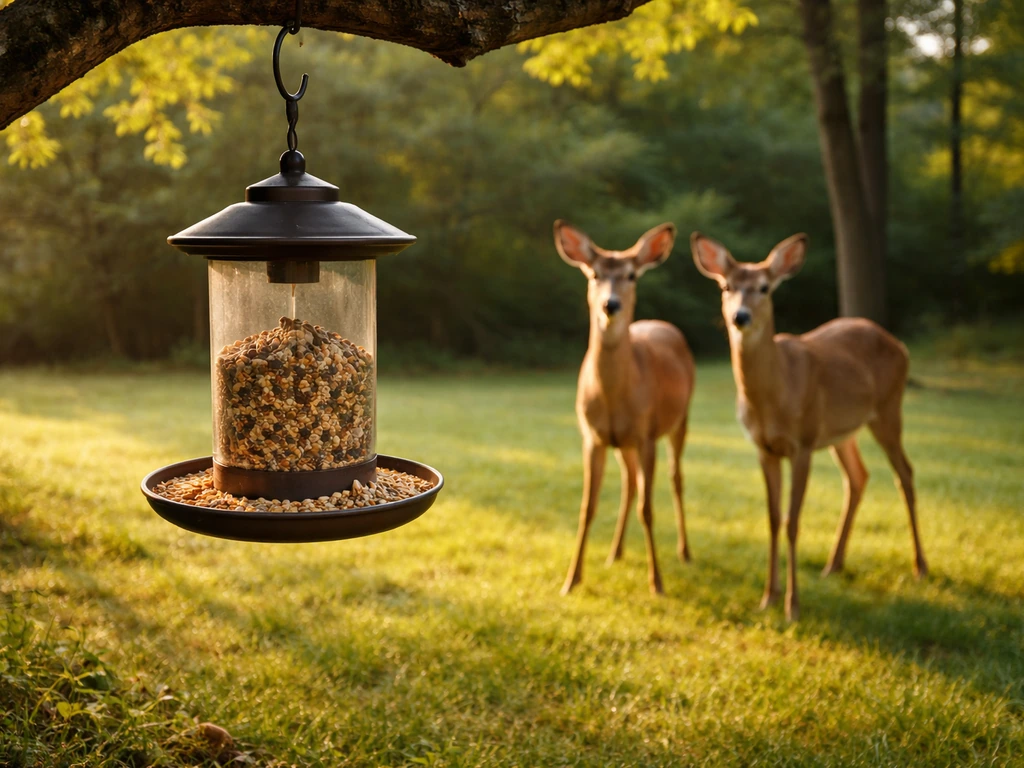
Deer are opportunistic browsers, and a bird feeder is basically a free buffet at nose height. They'll walk directly up to hanging tube feeders and platform feeders, often knocking them sideways or completely off their hooks. More commonly, they clean up whatever spilled seed has accumulated on the ground below. A Reddit discussion on r/birdfeeding also describes birds flinging seed onto the ground, which then draws deer to feed on the spilled seed More commonly, they clean up whatever spilled seed has accumulated on the ground below.. Sunflower seeds, millet, cracked corn, and safflower are all attractive to deer. Cracked corn especially, which is a common filler in cheap mixes, is something deer will seek out aggressively.
Ground-level access is the main pathway. Virginia DWR specifically notes that ground feeding or loose distribution of seed is not recommended because it increases disease-spread risk and draws in non-target animals like deer. If you're scattering seed or your feeder regularly drops seed to the ground, deer will find it. If you're wondering whether deer eat bird seed in the winter, the answer is yes, frequently, because natural food sources are scarce and your feeder is predictable.
The real risks: what can actually harm or kill a deer
Rumen acidosis and digestive shock
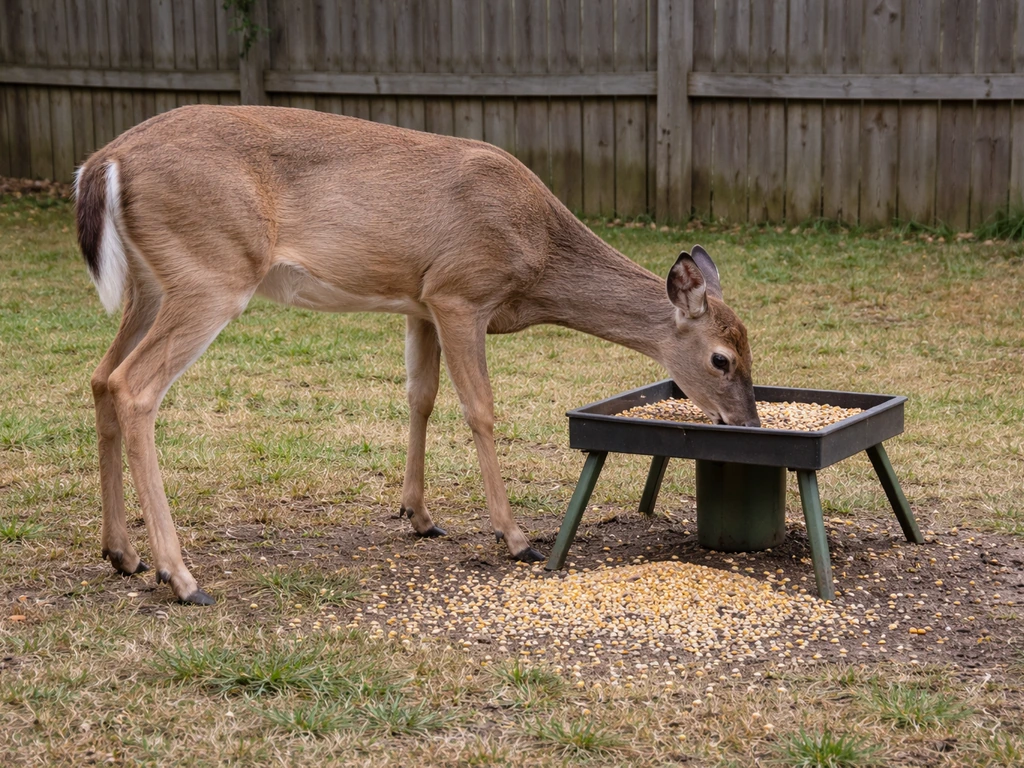
This is probably the most underappreciated risk. Deer have a complex rumen microbiome that's calibrated to their natural diet of browse, forbs, and grass. When a deer suddenly ingests a large quantity of grain-based feed, the rapid fermentation of starch in the rumen can drop the pH and cause acidosis, also called grain overload. Michigan DNR describes acidosis signs in ruminants including indigestion, rumen stasis, dehydration, diarrhea, toxemia, incoordination, and death, with severity depending on the type of grain and how much is consumed rumen acidosis, also called grain overload. Virginia DWR explicitly warns that rapid diet changes can have deadly outcomes from rumen acidosis and bloat. This doesn't happen from a deer taking a few mouthfuls of millet, but a deer that bingeing on a spilled bag of cracked corn or a tipped-over feeder is at real risk.
Disease transmission at feeding sites
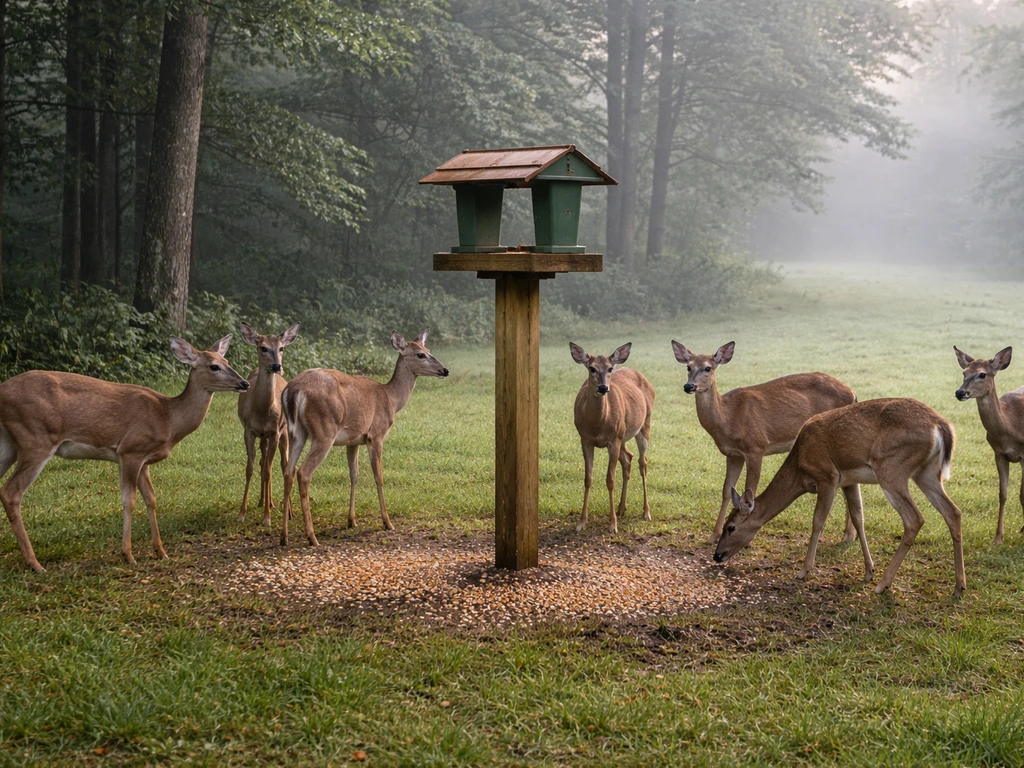
This is where the long-term harm compounds. When deer congregate repeatedly at a single spot, like under a bird feeder, the conditions for spreading chronic wasting disease (CWD), tuberculosis, and mange improve significantly. The Journal of Wildlife Management has documented that deer feeders help spread CWD by increasing congregation at point sources. Virginia DWR identifies preventing artificially concentrated deer as a key CWD management strategy. Bird feeders aren't deer feeders, but if deer are visiting them daily, the effect is the same.
Contamination and pesticide residues
Some seed mixes, particularly cheap bulk corn or mixes sourced from agricultural grain, can carry pesticide residues or rodenticide contamination. If seed near a feeder has also been treated with a rodent bait or if bait stations are nearby, a deer eating contaminated seed or a poisoned rodent in the area can be exposed to anticoagulant rodenticides. This is an indirect but real pathway to serious harm.
Mold and mycotoxins: the hidden danger in old seed
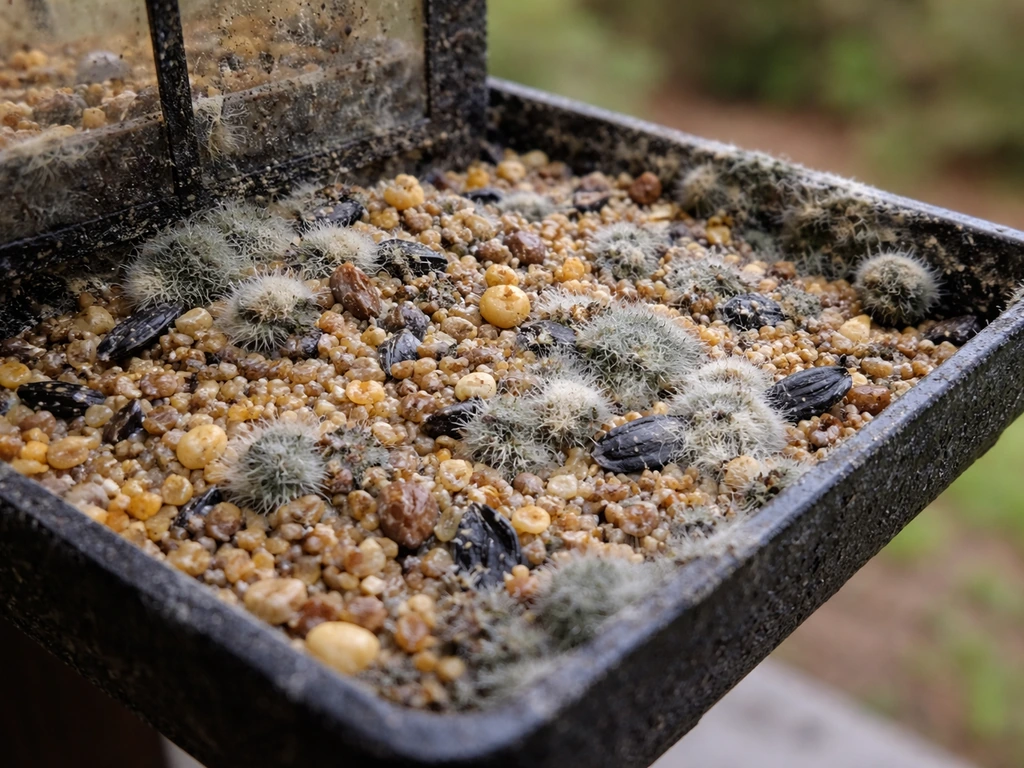
Moldy seed is a legitimate hazard that doesn't get enough attention. When bird seed sits in a wet feeder, gets rained on, or is stored improperly, it can develop mold colonies that produce mycotoxins, particularly aflatoxins. A peer-reviewed study published in the Journal of Wildlife Diseases found aflatoxin contamination in corn used as bait for deer and concluded that using aflatoxin-contaminated corn should be avoided because the wildlife-health impact is not well understood. Aflatoxins are hepatotoxic, meaning they damage the liver, and chronic low-level exposure or a single high-dose exposure can be fatal.
This isn't theoretical. Grain stored in outdoor feeders gets wet, clumps together, and can develop visible greenish or black mold within days in humid weather. Deer (and other wildlife) eating that seed can be exposed to meaningful mycotoxin loads. The OIE's guidance on mycotoxicosis recommends routine cleaning of feeders and managing aflatoxin levels in feed as a general animal-health concern. If you've let your feeder go weeks without cleaning, especially through wet weather, the seed at the bottom may be genuinely dangerous, not just to birds but to any animal eating from the ground below.
Interestingly, ground-level spilled seed creates the same mycotoxin risk for other foraging wildlife too. Rabbits eat bird seed in the winter and face the same mold exposure risk when seed decomposes on cold, wet ground.
When it looks like bird seed killed a deer but probably didn't
A dead deer near a bird feeder does not mean the feeder killed it. Deer die from vehicle strikes, predation, CWD, hemorrhagic disease, internal parasites, cancer, and plain old winter starvation. If the deer had been visiting your feeder and then turns up dead, the instinct to connect those two things is human nature, but it's often wrong. The CPW case described earlier is a perfect example: a deer with bird seed in its stomach, dead from cancer, that generated headlines suggesting the seed was to blame.
Winter is especially misleading. Deer are physiologically stressed from November through March, and some die every year regardless of what food is available. Virginia DWR and wildlife biologists broadly agree that deer are capable of surviving winters without supplemental feeding, and that yard feeding often does more harm than good by creating dependency and disease vectors. One Reddit discussion notes that feeding deer, including allowing supplemental foods or yard access, can influence deer health and behavior, reflecting common confusion about whether yard feeding is harmful yard feeding often does more harm than good by creating dependency and disease vectors. A deer that's been weakened all winter and dies near your feeder in February probably did not die because of your sunflower seeds.
What to do today: stop access and clean up safely
If you're concerned about deer accessing your feeder or you've seen signs of sick deer in the area, here's what to do right now:
- Remove or bring in your feeders temporarily. Even a 24-hour break lets you assess and clean without deer returning to the site.
- Clean up all spilled seed from the ground under and around the feeder. Rake or bag it. Wet, clumped seed especially needs to go.
- Inspect remaining seed for mold. Any seed that smells musty, looks discolored, or has clumped together should be discarded, not just spread elsewhere.
- Clean the feeder itself with a diluted bleach solution (one part bleach to nine parts water), rinse thoroughly, and let it dry completely before refilling.
- Move the feeder at least 10 feet from where it was, and raise it higher if possible. A feeder at 6 feet or above is much harder for deer to reach directly.
- Stop scattering seed on the ground. If you're feeding ground-feeding birds like doves or juncos, use a tray feeder with a tray that catches spillage rather than letting seed fall to the dirt.
- If you've been using cheap seed mixes with cracked corn, switch to straight safflower or nyjer (thistle) seed. Deer are much less interested in these, and they still attract a wide range of birds.
One note on cleanup: if there are other animals using the area, like squirrels or raccoons, removing the seed source disrupts their access too. Armadillos will also eat bird seed given the chance, and concentrating multiple species at a single point on the ground only amplifies the disease-transmission concern.
Smarter feeder practices going forward
Placement and height
The single most effective thing you can do to reduce deer access is height. Mount feeders on poles at least 5 to 6 feet off the ground and use baffles to prevent deer from pressing against the pole and tipping the feeder. Hanging feeders from a wire strung between two trees or poles, with the feeder suspended in the middle, works well too. Deer can still reach some hanging feeders if they're low enough, so height matters.
Seed choice matters
Cracked corn and sunflower hearts are deer magnets. Nyjer seed, safflower, and white proso millet are less attractive to deer while still supporting a variety of birds. Mourning doves eat from bird feeders and do well with millet and safflower, so switching away from corn doesn't mean you lose your bird visitors.
Timing and seasonal adjustments
Consider bringing feeders in at night. Deer are most active at dusk and dawn, and removing the food source during those windows can significantly reduce visits. If deer pressure is high in winter, that's also when birds rely most heavily on feeders, so a compromise is to keep the feeder up during daylight hours and take it in before dark.
What about the lawn under the feeder?
If you're noticing dead patches under the feeder, that's a separate but related issue. Bird seed can kill grass through a combination of sunflower hull allelopathy and wet seed smothering the turf. Keeping that area clean reduces both the lawn problem and the ground-foraging opportunity for deer.
A quick comparison: seed types and deer risk
| Seed Type | Deer Attraction Level | Mycotoxin Risk if Wet | Bird Appeal |
|---|---|---|---|
| Cracked corn | Very high | High | Moderate |
| Black oil sunflower | High | Moderate | Very high |
| Sunflower hearts/chips | High | High (no hull protection) | Very high |
| White proso millet | Moderate | Moderate | High |
| Safflower | Low | Low | Moderate to high |
| Nyjer (thistle) | Very low | Low | High (finches, redpolls) |
If you want to attract a wide variety of birds while minimizing deer interest, safflower and nyjer are the practical go-to choices. Some unusual visitors might also surprise you. Sandhill cranes will eat bird seed in areas where they overlap with feeders, and like deer, they're most likely to access seed at ground level, so keeping the ground under your feeder clean serves multiple purposes.
Not every bird you want to attract is a feeder bird, either. Killdeer will sometimes eat bird seed, but they prefer foraging on open ground. If your setup involves a lot of scatter feeding to attract ground foragers, you're also creating the exact conditions that draw deer.
When to call a wildlife professional or vet
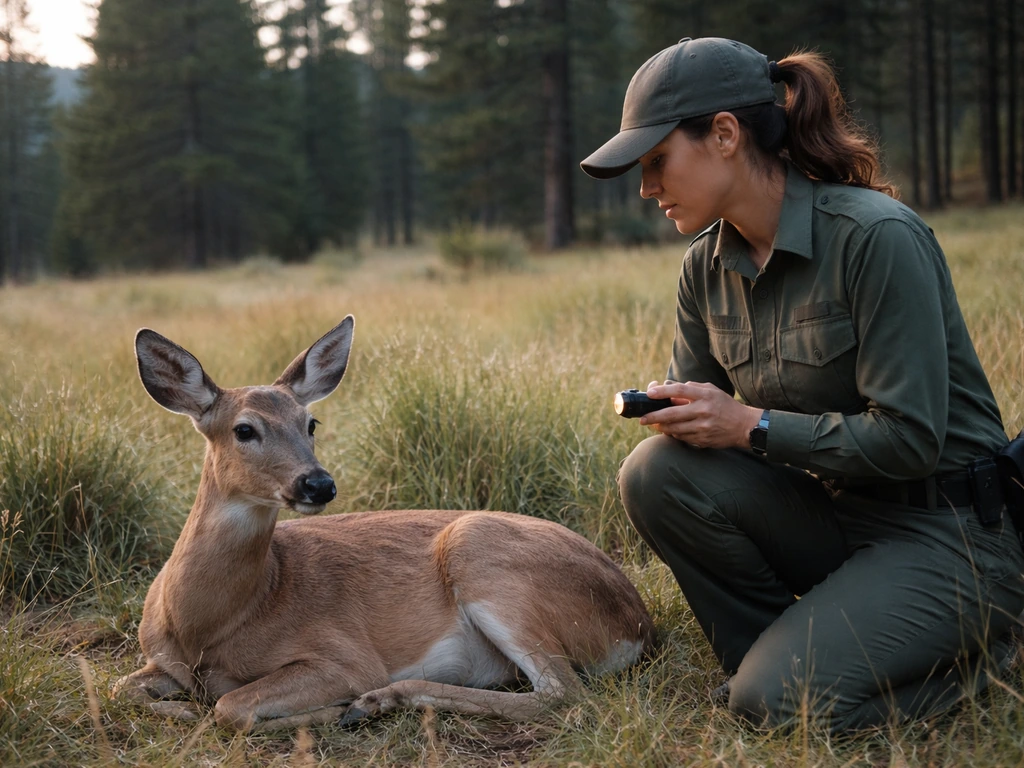
Most deer visiting a feeder are fine. But there are specific signs that mean you should stop observing and start making calls. Virginia DWR lists the following as red-flag behaviors that warrant immediate reporting for deer: loss of coordination or staggering, droopy head or ears, a lack of fear of humans (a deer that lets you walk up to it), excessive drooling, and extreme emaciation or wasting. Those are CWD warning signs, but they're also consistent with neurological toxicity from certain contaminants.
If you see any of those signs, do not try to handle the animal. Virginia DWR is clear that handling injured or sick wildlife can do more harm than good. Contact a licensed wildlife rehabilitator instead. In Virginia, you can call the DWR toll-free wildlife conflict helpline at 1-855-571-9003 during business hours. For general deer conflicts or questions in other states, wildlife hotlines like 1-855-WILD-HELP exist specifically because members of the public are expected to consult wildlife specialists rather than diagnose the issue themselves.
If the concern is a possible disease cluster (multiple deer showing symptoms, or deer dying near a communal point source), that's when USDA APHIS Wildlife Services and your state wildlife agency need to be in the loop. APHIS Wildlife Services operates Virginia-specific response infrastructure for exactly these situations. In Washington state, WDFW directs people to call their appropriate enforcement office or 911 if there's an immediate public-safety concern. The threshold for calling is lower than most people think: if you're unsure, call.
One practical note for Florida residents: keeping sick, injured, or orphaned wildlife beyond the time needed to transport it to a licensed rehabilitator can be a violation of Florida law under FWC rules. The right move in every state is to contact a licensed rehabilitator or your state wildlife agency, not to wait and watch.
The bottom line on bird seed and deer
Bird seed is not a deer poison. But moldy seed, contaminated grain, rumen overload from bingeing, and disease transmission at congregation points are all real pathways to harm. The most dangerous thing about a deer at your bird feeder isn't the seed itself, it's the conditions that seed creates: wet grain that grows mycotoxins, a predictable food source that draws deer into close contact with each other and with other wildlife, and a ground-level buffet that encourages exactly the kind of unhealthy congregation that spreads CWD. Clean your feeder, raise it up, switch to deer-discouraging seed, and stop scattering on the ground. Those four steps solve most of the problem.
FAQ
If I find a deer dead under or near my bird feeder, does that automatically mean the bird seed killed it?
Yes, but it is indirect. The seed itself is usually not lethal, however spilled seed on the ground can become moldy or contaminated, and it can also attract deer repeatedly to the same spot, which increases disease-spread risk. If you see deer actively feeding, consider raising the feeder, cleaning it more often, and avoiding corn or other corn-based mixes.
What should I do immediately if there are dead birds or moldy seed under the feeder?
Keep the feeder area clean for your own safety and to reduce spill access, but do not assume the deer died from the feeder. Remove the seed source and bag any moldy seed for disposal. Avoid handling the carcass yourself, and report sick or suspicious animals to your state wildlife agency or a licensed rehabilitator.
How often should I clean feeders to reduce the risk from moldy seed?
Don’t “flush” the problem by hosing the feeder with water if it will leave wet seed in place. Instead, empty the feeder, remove clumped or visibly moldy seed, and wipe out residues so the next fill stays dry. If the feeder bottom is getting rained on, use a cover or switch to a feeder design that sheds water, then store seed in a sealed container in a dry location.
Can certain brands of bird seed be more dangerous to deer than others?
Stop using the mix and switch to a different brand or type. Many pellet and seed products include additives, and some bulk grain may be sourced from agricultural areas where pesticide or rodenticide contamination is possible. If you suspect rodent-bait exposure in the yard, remove the feeder seed entirely until the bait risk is resolved.
If deer are eating the seed but no deer die immediately, is it still a risk?
Not reliably. Deer can clean up small amounts quickly and then leave, so you may never see a “finish” carcass. The higher-risk pattern is repeated visits plus wet or moldy seed, spilled seed on the ground, or grain-heavy bingeing. If deer are visiting daily and you are noticing ground-level leftovers, treat it as a real risk even without a confirmed incident.
Why is cracked corn in bird seed considered riskier than sunflower hearts?
Yes. Cheap mixes that include cracked corn or other grain fillers can be especially appealing, and tipped feeders can cause large, rapid grain intake. Combine this with wet weather and you get the double hazard of rumen overload potential plus increased mycotoxin risk from mold growth.
Does scattering bird seed on the ground increase the chance deer will get sick or die?
Yes, and it can matter even if you only feed birds. Deer are opportunistic, so if seed falls to the ground or you scatter seed to attract ground-feeding birds, deer will use the same resource. For deer reduction, avoid ground scatter, use baffles, and keep the area under the feeder clear of seed.
If I only have one deer visiting, can disease still be a concern?
Yes, particularly when the feeder site becomes a recurring congregation point. If multiple deer are repeatedly showing up at the same time and place, you increase the chance of spreading infectious diseases. Changing the setup (height, baffles, timing, and reducing congregation) is more effective than simply changing seed type alone.
What signs mean I should report a deer that is coming to my feeder?
Look for symptoms that suggest advanced illness rather than “normal winter loss,” such as staggering or loss of coordination, droopy head or ears, lack of fear of humans, excessive drooling, and extreme emaciation or wasting. If you see these, do not approach or handle the animal, and contact your state wildlife agency or a licensed wildlife rehabilitator.
Will taking my feeder in at night reduce deer visits, or does that not help?
It can. High night feeding can increase deer visits during peak activity at dusk and dawn, especially in winter. A common compromise is keeping the feeder up only during daylight hours and taking it in before dark, while still allowing birds to access it in the morning.
Can bird feeders make deer dependent, even if I feed only during winter?
Potentially, especially if your area has high winter pressure where natural forage is scarce. Deer tend to use predictable food sources, and congregating at feeders can increase disease and other hazards. If deer are repeatedly visiting, shift toward deer-discouraging seed and a feeder setup that denies ground access rather than continuing to offer unlimited food.
How do I interpret a deer with bird seed in its stomach if it dies near my feeder?
Yes, and it is a common misconception. Deer may die for many reasons unrelated to seed, including vehicle strikes, predation, parasites, chronic disease, or unrelated illnesses. A seed-filled stomach can be a coincidence, not the cause, so the safest approach is to remove the seed source and report any suspicious cluster of animals to wildlife authorities.
Next Articles
Do Seagulls Eat Bird Seed? How to Stop Them
Yes, seagulls often eat bird seed. Learn why they show up and how to block them while keeping feeding safe.
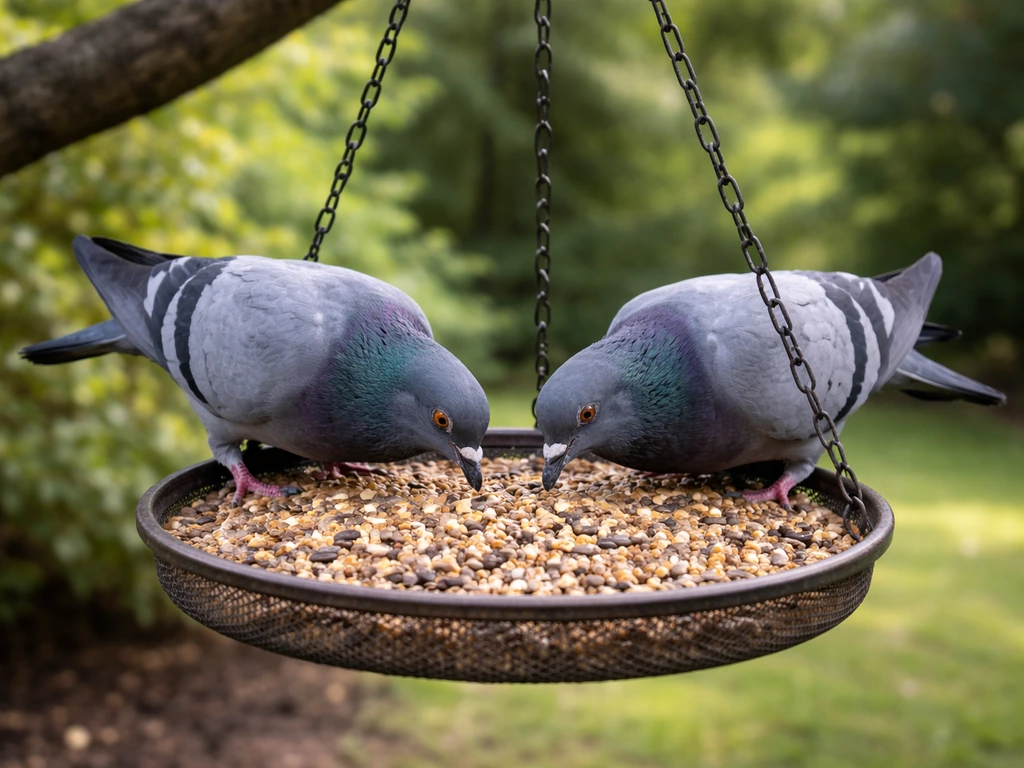
Do Pigeons Eat Bird Seed? Safe Feeding Tips and Risks
Yes, pigeons eat many seeds, but mold and mess make it risky. Learn safe bird seed storage, feeding, and placement.
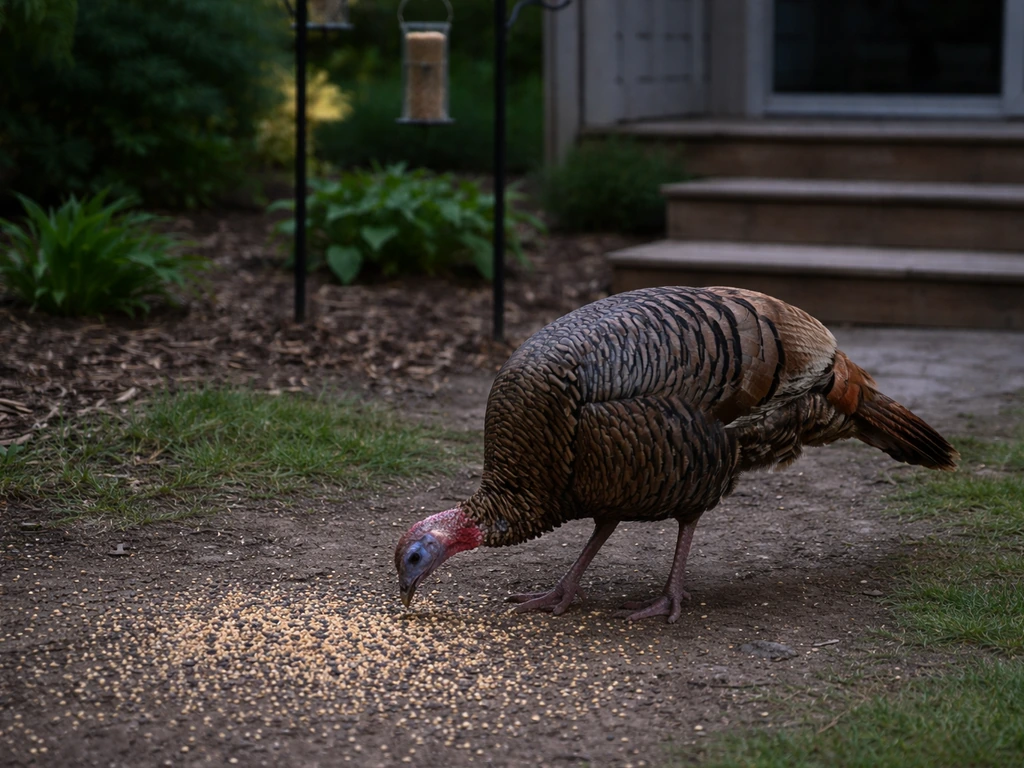
Do Turkeys Eat Bird Seed? What to Do for Safety
Do turkeys eat bird seed? Learn what attracts them, seed ingredients to avoid, and safety steps to stop mold and disease