Hamsters can technically eat small amounts of plain, simple seeds like millet without immediate harm, but bird seed as a category is not safe or appropriate food for hamsters. The short answer is: do not deliberately feed your hamster bird seed, and if they got into some, the risk depends heavily on what type it was and how fresh it was. Here is exactly what you need to know.
Can Hamsters Eat Bird Seed Safely? Risks and What to Do

Maya Henderson
7 Apr 2026
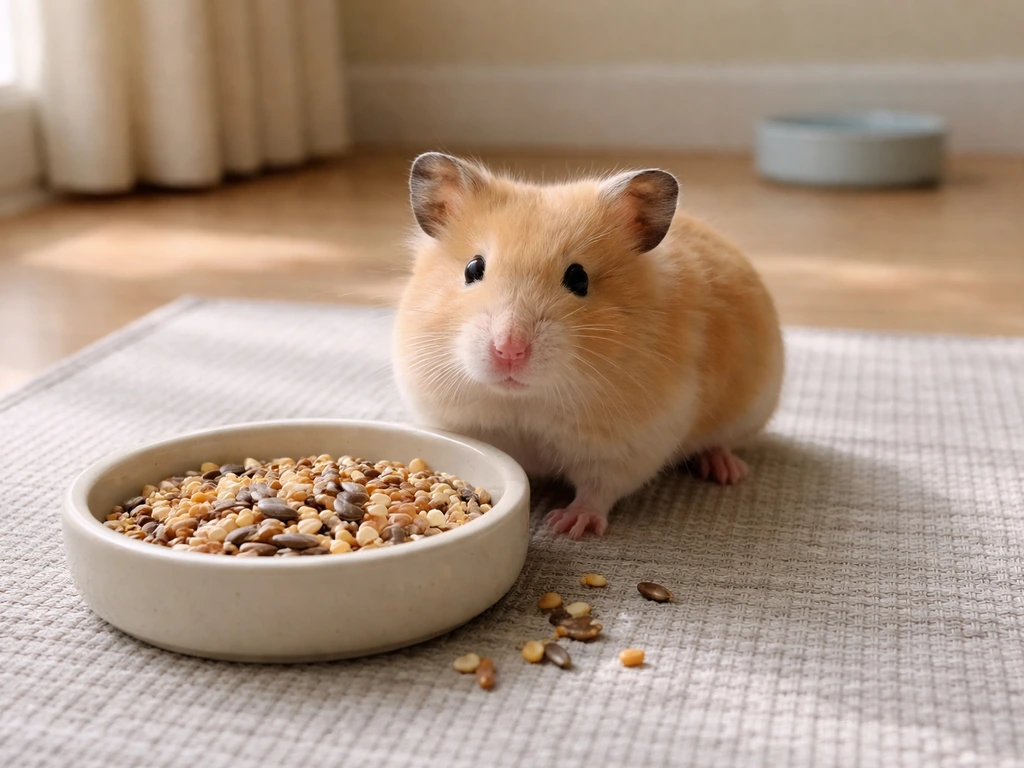
Can hamsters eat bird seed or bird food?
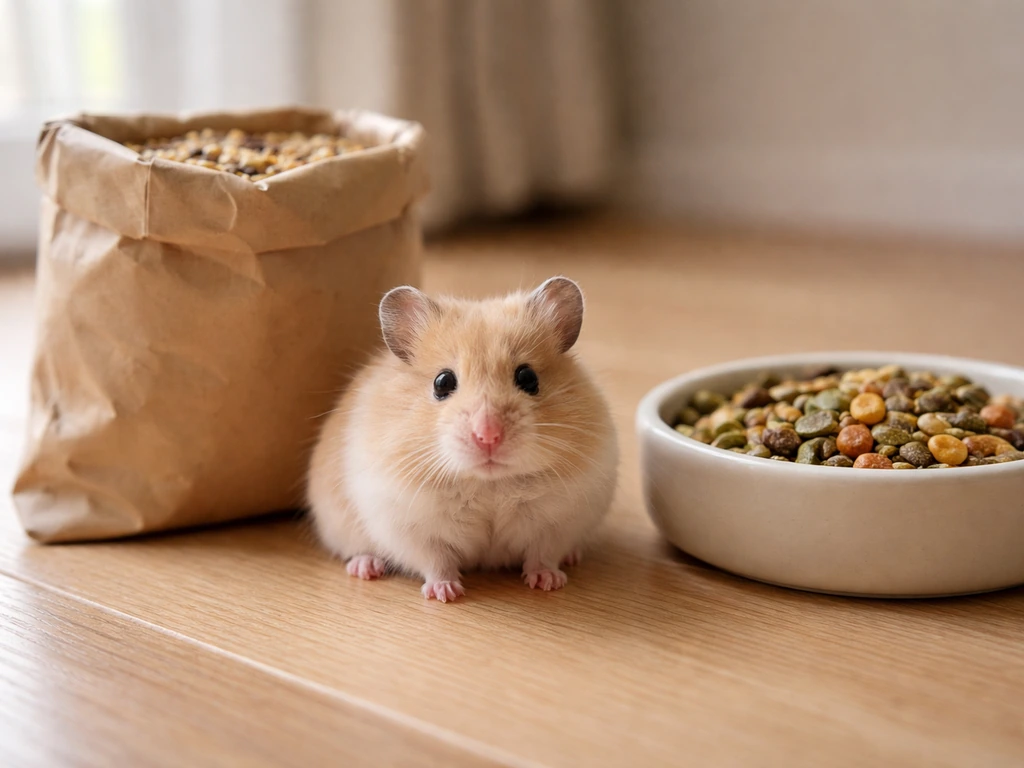
No, bird seed is not recommended for hamsters. A single sunflower seed from a premium bag is not going to kill your hamster, but bird seed is formulated for birds, not small rodents, and the differences in nutritional needs are significant. Bird seed mixes are often high in fat and low in the balanced nutrients hamsters need from a species-specific diet. Beyond nutrition, the contamination risk from bird seed, especially anything from an outdoor feeder, is the real danger. Mold, aflatoxins, pesticide residues, and bacteria are all genuine hazards that can seriously harm or kill a hamster.
Why bird seed is risky for hamsters
There are several distinct risks here, and it helps to understand each one rather than treating this as a single blanket warning.
Diet imbalance and selective eating
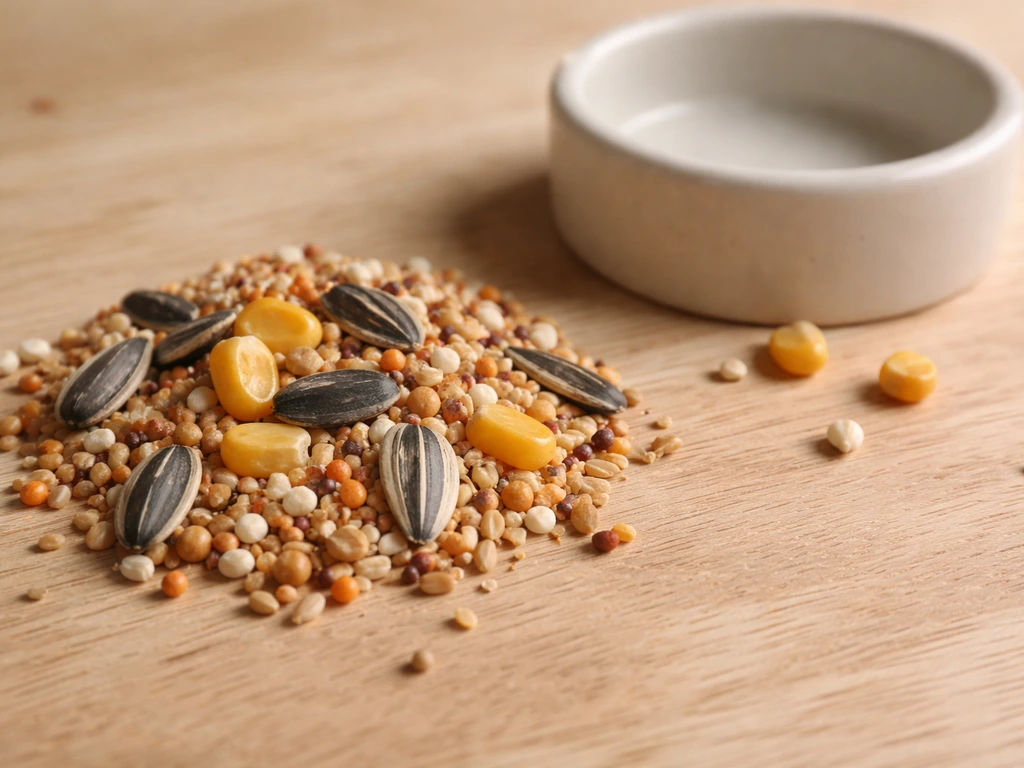
Hamsters are notorious for picking their favorite pieces out of any mixed diet. Sunflower seeds are a classic example: hamsters love them, but they are high in fat, and a hamster eating mostly sunflower seeds from a mix is on a fast track to obesity and nutritional deficiency. This same selective eating problem is exactly why the Idaho Humane Society warns against feeding hamsters pellet mixes containing seeds, fruits, and nuts. Bird seed mixes amplify this problem because they are not designed with rodent nutrition in mind at all.
Hard hulls and choking hazards
Many bird seed mixes include large, hard-hulled seeds meant for birds with strong beaks. Hamsters can chip a tooth or struggle to process these safely. Hard hulls in the gut also pose a real foreign body risk. Clinical signs of a gastrointestinal obstruction in small animals include anorexia, lethargy, diarrhea, and in severe cases shock, and that is exactly the kind of emergency nobody wants to be dealing with over a handful of bird seed.
Mold, aflatoxins, and contamination
This is the biggest risk by far, especially with feeder leftovers or any seed that has been exposed to moisture. Seeds exposed to humidity, rain, or dew can develop mold within days, and some molds produce aflatoxins, which are highly toxic to small animals. The FDA has documented aflatoxin poisoning in pets from eating moldy grains, corn, and peanuts. Clinical signs include sluggishness, loss of appetite, vomiting, jaundice from liver damage, unexplained bruising or bleeding, and diarrhea. Scarier still, pets may show no signs early on and can die suddenly. A hamster's tiny body has almost no margin for error here.
Pesticide and chemical residues
Commercial wild bird seed is not grown or handled to the same standards as food intended for pets or humans. Pesticide residues and chemical treatments that a bird can tolerate may be far more dangerous to a hamster weighing 100 to 200 grams. This is especially true for bargain bulk wild bird mixes where sourcing and treatment history is unknown.
Breaking down the types of bird seed
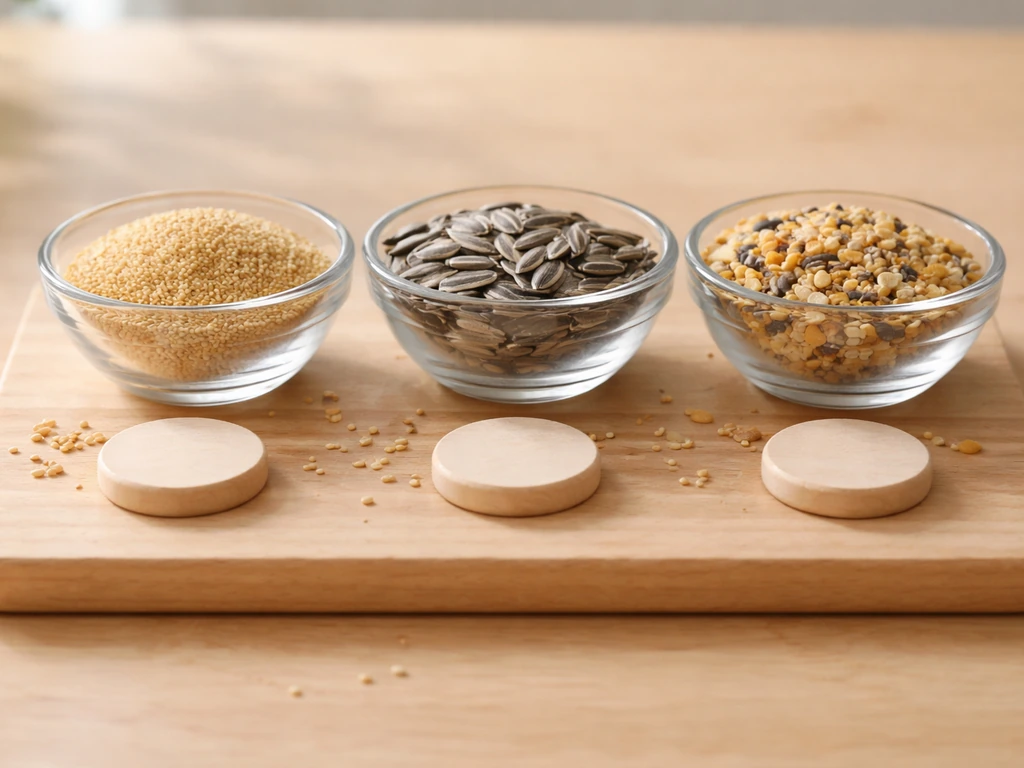
Not all bird seed carries the same level of risk. Here is a practical breakdown to help you assess what your hamster may have gotten into.
| Seed Type | Risk Level | Main Concerns | Verdict |
|---|---|---|---|
| Premium store-bought hamster/bird seed blend (plain millet, no additives) | Lower (but still not ideal) | Diet imbalance, fat content, selective eating | Occasional tiny amount unlikely to cause harm, but not a regular food |
| Mixed wild bird seed (sunflower, safflower, corn, peanuts) | Moderate to high | High fat, hard hulls, pesticide residues, aflatoxin risk | Not recommended even in small amounts |
| Feeder leftovers or outdoor seed | High | Mold, aflatoxins, bacteria, moisture damage, rodent/pest contamination | Do not feed to hamsters under any circumstances |
| Plain proso millet (dry, fresh, from sealed bag) | Low-moderate | Fiber-rich hull, mild fat content, still not formulated for hamsters | Safer than mixed seed but still not a proper hamster food |
| Bird seed with dried fruit, honey, or sugar coatings | High | Excess sugar, artificial additives, fermentation risk | Avoid entirely |
Plain proso millet sits closest to something a hamster could handle without immediate harm. It has a relatively high fiber content due to its attached hulls, and it shows up in finch and wild bird mixes regularly. But even millet is not a nutritionally complete food for a hamster, and the hull makes it harder to digest in quantity. Think of it as the least bad option, not a good option.
If your hamster already ate bird seed: what to watch for
If your hamster got into a small amount of fresh, dry, plain seed from a sealed bag, monitor them closely for 24 to 48 hours but do not panic. If the seed came from an outdoor feeder, was visibly damp or clumped, had any musty smell, or was an unknown mix, treat it more seriously.
Watch for these signs and seek veterinary help if any appear:
- Lethargy or unusual stillness (hamsters are active; sudden sluggishness is a red flag)
- Loss of appetite or refusal to eat for more than 12 hours
- Diarrhea or wet tail
- Bloated or hard abdomen
- Yellowing of skin or eyes (jaundice, a sign of liver damage from aflatoxins)
- Unexplained bruising or bleeding around the mouth or body
- Labored breathing or hunched posture
Do not attempt to induce vomiting. Hamsters cannot vomit, and attempting to do so can cause additional harm. Instead, call the ASPCA Animal Poison Control Center (APCC), which operates 24/7, or the Pet Poison Helpline immediately if you suspect toxic ingestion. Have information ready: the type of seed, the approximate amount eaten, and how long ago it happened. Your vet can also advise you on whether an exam is warranted. Acting quickly matters because aflatoxin damage to the liver can progress silently before visible symptoms appear.
What to feed hamsters instead
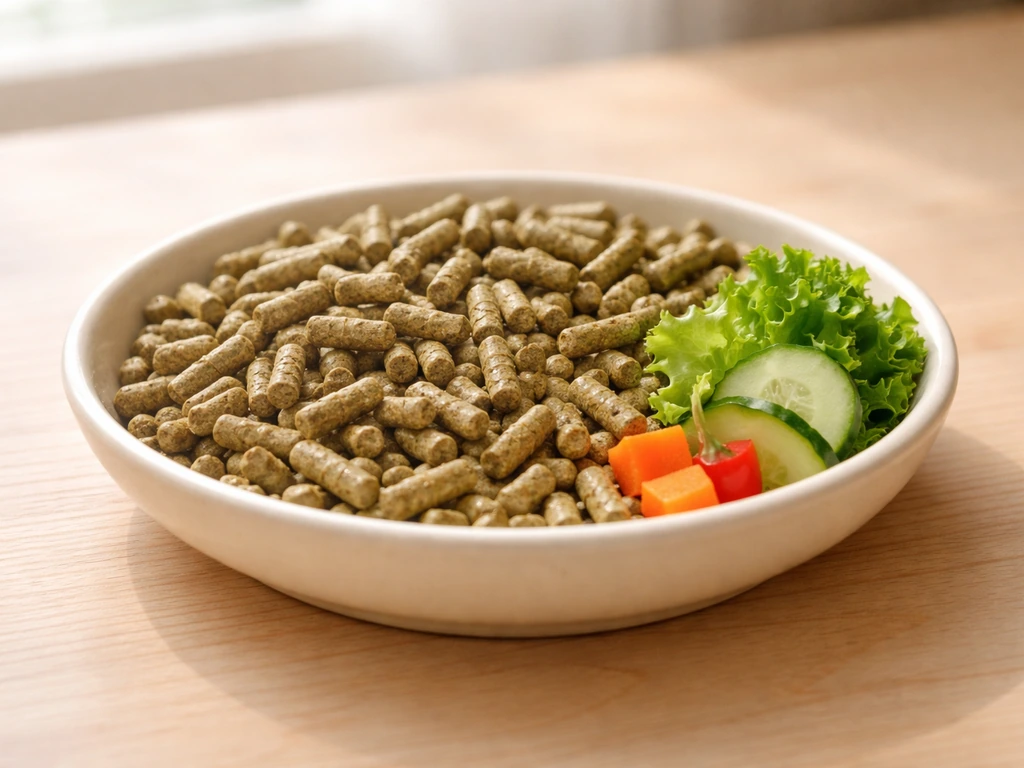
Hamsters do best on a commercially formulated hamster pellet diet as their staple food. Pellets designed specifically for hamsters are nutritionally balanced in a way that no seed mix can replicate. A good pellet diet eliminates the selective eating problem entirely because every bite has the same nutritional profile.
Safe supplemental foods you can offer in small amounts alongside a pellet base include:
- Small pieces of fresh vegetables: broccoli, cucumber, carrot, zucchini
- Plain cooked grains: a tiny amount of cooked oats or plain brown rice
- Fresh herbs: parsley or cilantro in small amounts
- Occasional treats: a small piece of plain cooked chicken or a tiny cube of hard-boiled egg for protein
- Small amounts of Timothy hay for fiber and dental health
Avoid anything sugary, salty, or processed. Sunflower seeds can be given occasionally as a treat but should never be a dietary staple because of their high fat content. If you want to read more about how seed-heavy diets affect other small animals and birds around the home, the question of whether fledglings can eat bird seed shows a similar pattern: species-appropriate nutrition matters even when a food looks perfectly harmless.
Keeping hamsters away from bird feeders and stored seed
If you run a backyard bird feeder and also own a hamster, some practical setup choices can protect both your hamster and your local birds. Spilled seed under a feeder is the most likely source of unintended hamster exposure, especially if your hamster has outdoor time or lives in a space connected to a garage where seed is stored.
Feeder seed becomes a contamination risk faster than most people realize. Seeds left in feeders for a week or more, especially in humid conditions, are at elevated aflatoxin risk. Project FeederWatch recommends cleaning feeders at least once every two weeks, and more often during warm or wet weather. Raking up and disposing of spilled grain and hulls under feeders is also important, and Audubon specifically recommends this practice. Moldy or wet seed should never be reused or repurposed as animal food of any kind.
For storage, keep bird seed in a sealed, airtight container in a cool, dry location. Penn State Extension advises discarding any seed that has gone moldy rather than trying to salvage it. Storing seed in a garage or shed where a free-roaming pet could access it is a setup for accidental ingestion. This same principle applies whether you are worried about a hamster, another small pet, or even the local wildlife around your property. Oklahoma State University Extension has noted that aflatoxin-contaminated grain can cause organ dysfunction, internal bleeding, and death in wildlife, which underscores how serious moldy seed exposure really is.
If you are trying to reduce which animals access your feeder setup overall, it is worth thinking about placement and design. King County guidance on bird feeders recommends using feeder designs and storage approaches that limit access by rodents and scavengers. A hamster that escapes its enclosure and finds a poorly stored bag of bird seed is in real danger, so container choice and location matter.
This site covers a wide range of animals that interact with bird seed and feeders. If you have been curious about how seed-based diets affect other animals in your care or yard, you might find it useful to read about whether chickens can eat bird seeds, which presents its own set of nutritional and contamination considerations. And for a completely different angle on the topic, the question of whether humans can eat bird seed is more nuanced than most people expect. Even whether turtles can eat bird seed follows similar logic: just because an animal will eat something does not mean it should.
The bottom line for hamster owners is simple. Stick to a species-formulated diet, keep bird seed stored securely and out of reach, clean up feeder spills regularly, and if your hamster gets into seed from an outdoor feeder, call a vet or poison control line rather than waiting to see what happens. The risks are real, the symptoms can be delayed, and a little prevention is far easier than treating aflatoxin poisoning in a 150-gram animal.
FAQ
If my hamster only ate one or two seeds, what should I do right away?
First, remove any remaining bird seed so they cannot keep eating it. Offer fresh water and resume their normal pellet diet. Since aflatoxin and GI issues can show up late, monitor closely for 24 to 48 hours, and call a vet or poison control immediately if you see appetite loss, diarrhea, hunched posture, or weakness.
Does the risk depend on the type of bird seed, like sunflower versus millet?
Yes. Sunflower seeds are high in fat and can drive quick nutritional imbalance if eaten repeatedly, while millet is more comparable to what a hamster can tolerate in small amounts. However, any seed mix, especially outdoor or mixed blends, can still carry mold, toxins, or hard hulls, so “better” types are still not hamster-appropriate as a food source.
Can hamsters have bird seed if it is “fresh,” “natural,” or “no additives”?
Not reliably. Freshness helps reduce mold, but it does not remove other concerns like pesticide residues or whether the mix contains hard hulls meant for birds. Also, “natural” does not mean it is nutritionally balanced for rodents, and seed mixes often skew high in fat.
What if the seed was stored indoors in a bag, not outdoors?
Indoor storage reduces moisture and outdoor contamination risk, but you still need to check for clumping, musty or sour odors, or any visible mold. If the bag was sealed and the seed is visibly dry with no odor, the risk is usually lower, but you should still monitor for symptoms and avoid offering more.
My hamster has diarrhea after getting into bird seed, is it always toxic mold?
Diarrhea can come from multiple causes, including sudden diet changes, stress, or mild GI irritation. Toxic mold and aflatoxin are possible, especially if the seed was damp or clumped, so do not “wait it out” if symptoms worsen or the hamster becomes lethargic. Contact a small animal vet for guidance based on the seed type and timing.
Can hamsters vomit if they ate something harmful like bird seed?
Hamsters generally do not vomit effectively, so inducing vomiting is not recommended and can make injury worse. The safer next step is contacting a veterinarian or poison control, especially if you suspect moldy seed, large hard-hulled seeds, or an unknown mix.
What are the most concerning signs that need urgent veterinary help?
Seek urgent care if you see persistent lethargy, refusing food, rapid breathing, severe bloating, repeated watery or bloody diarrhea, weakness, collapse, or any signs of bleeding or yellowing of the gums/skin. These can indicate toxin exposure or possible GI obstruction, which can progress quickly in small animals.
Could hard hulls or large seeds cause an obstruction even if they seem to chew?
Yes. Even partial chewing does not guarantee safe passage, especially with hard, hulled seeds or large pieces. If you notice reduced appetite, straining, a hunched posture, no droppings, or diarrhea after ingestion, treat it as possible obstruction and get veterinary advice promptly.
How can I prevent my hamster from accessing bird seed at the feeder?
Use a rodent-resistant feeder and clean up spills under and around the feeder, since dropped hulls are where hamsters most often get exposed. Store all bagged seed in a sealed, airtight container in a locked, hamster-inaccessible area, and keep the container off floors where a curious hamster could reach it.
Is it safe to feed “bird seed” to other pets in the home, like rabbits or turtles?
Often it is not a good idea, because seed mixes vary in fat, fiber, and toxins, and they are not formulated for those species. If you have other small animals, use species-appropriate diets for each one rather than trying to share seed, since contamination risk from moldy or outdoor-exposed seed is not species-specific.
If I find the seed bag has mold, should I discard it or can I bake it to make it safe?
Discard it. Heat does not reliably remove aflatoxins, and attempting to salvage moldy seed can still leave harmful toxins behind. Keep the moldy food away from pets and wildlife, then clean the storage area to prevent lingering exposure.