Quick answer: yes, but with real limits
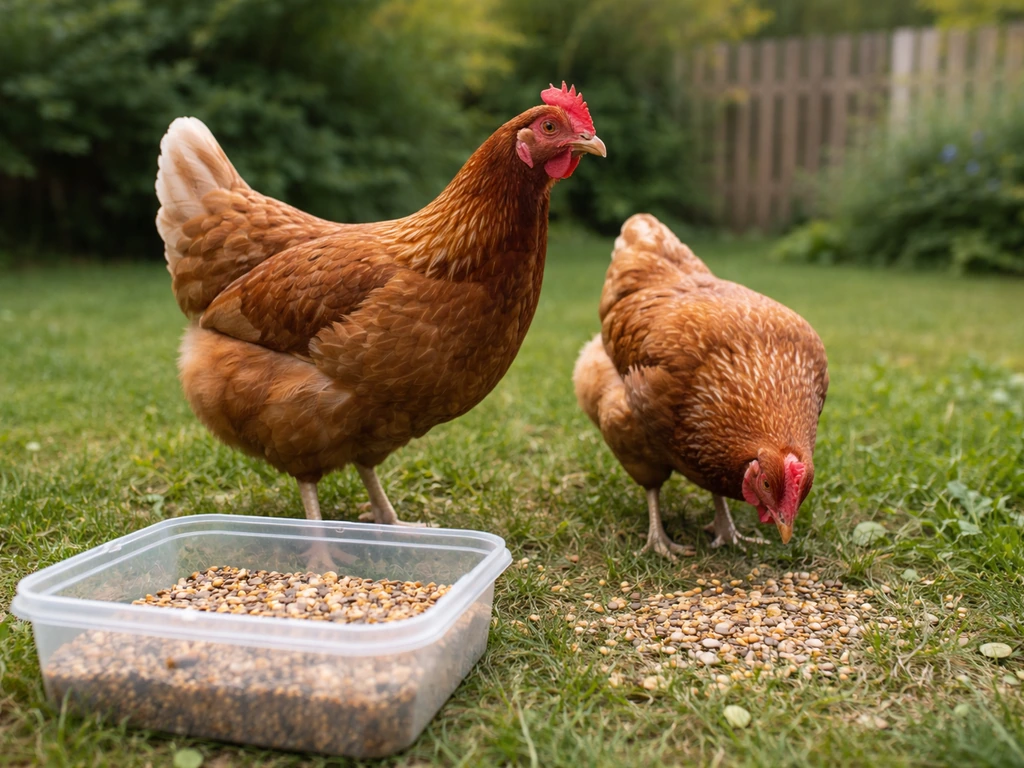
Chickens can eat bird seed safely, but only as an occasional treat and never as a replacement for proper chicken feed. Most standard bird seed mixes contain ingredients chickens already recognize and enjoy: millet, cracked corn, sunflower seeds, and milo. None of those are toxic to chickens. The real issues are nutritional imbalance if bird seed crowds out complete feed, and the mold and contamination risks that come with seed stored or used incorrectly. Get those two things right and a small handful of bird seed is a perfectly fine snack.
Bird seed vs chicken feed: why they are not the same thing
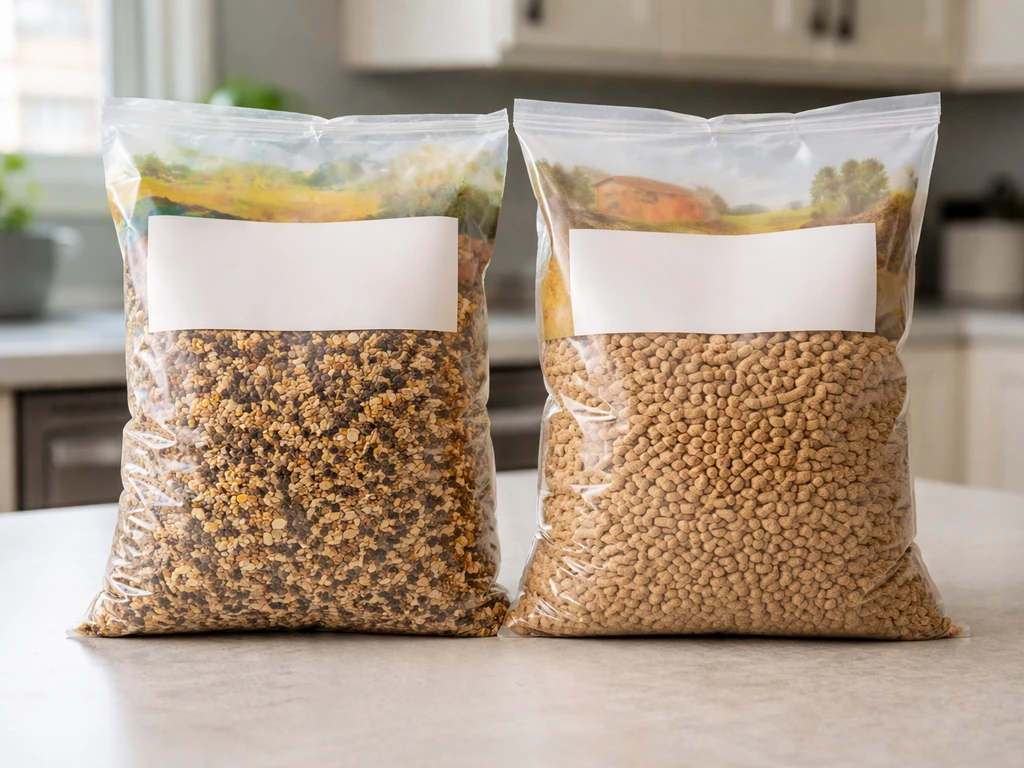
Bird seed mixes are formulated for wild birds, not laying hens or meat birds. A complete layer feed is balanced for the protein (typically 16-18%), calcium, phosphorus, and vitamins that a chicken needs to produce eggs and stay healthy. Bird seed hits none of those targets. It is heavy on carbohydrates and fat, light on protein, and has almost no usable calcium. Feeding too much of it is essentially the same problem as overfeeding scratch grains, and Oregon State University Extension is direct on this: scratch is not necessary when hens already get a complete diet, and the rule of thumb is to offer no more than what birds can finish in about 20 minutes, keeping treats to roughly 10-15% of their total daily intake. That same logic applies perfectly to bird seed.
Colorado State University Extension reinforces the point: complete rations minimize nutritional problems, and no treat or supplement is a substitute for balanced feed. So think of bird seed the way you would think of a handful of trail mix for yourself. Fine occasionally, not a meal.
The risks that actually matter: mold, pests, and contamination
The nutritional gap is manageable. Mold is the risk that can genuinely harm your flock. Mycotoxins, the toxic compounds produced by mold fungi, are colorless and odorless once they have formed in seed, and you cannot always see or smell them even when contamination is serious. FDA describes mycotoxins as toxic metabolites of fungi that can grow on commodities in the field and during storage, with occurrence influenced by environmental factors like temperature, humidity, and rainfall mycotoxins, the toxic compounds produced by mold fungi. The Merck Veterinary Manual puts it plainly: prevention means using feed and ingredients free of mycotoxins and managing storage so mold never gets a foothold in the first place. The ASPCA advises not storing chicken feed longer than two months because of this exact hazard, noting that mycotoxin exposure can cause disease and reduced egg production. Bird seed sitting in an outdoor feeder is exposed to far worse conditions than feed in a sealed bin.
Texas Parks and Wildlife has flagged this for wild bird feeders specifically: seeds exposed to humidity, rain, or morning dew become moldy quickly, and the risk climbs sharply when seed sits in a feeder for a week or more. Oklahoma State University Extension adds that visible mold growth on grain may indicate aflatoxins, one of the most dangerous mycotoxin families. If your chickens are foraging near a wild bird feeder or you are scooping seed from an outdoor feeder to use as a treat, that seed may already be compromised.
Beyond mold, bird feeders attract rodents, sparrows, and pigeons that leave droppings in or near seed. Those droppings can carry Salmonella and other pathogens. Some commercial bird seed blends also include additives like hot pepper (capsaicin) to deter squirrels. That is harmless to birds but worth checking the label before you offer the mix to chickens, since capsaicin-laced seed is not something to hand out freely. Interestingly, humans who have wondered about eating bird seed face some of the same contamination concerns, especially around Salmonella.
Sunflower seeds and mixed seed: does the blend change anything?
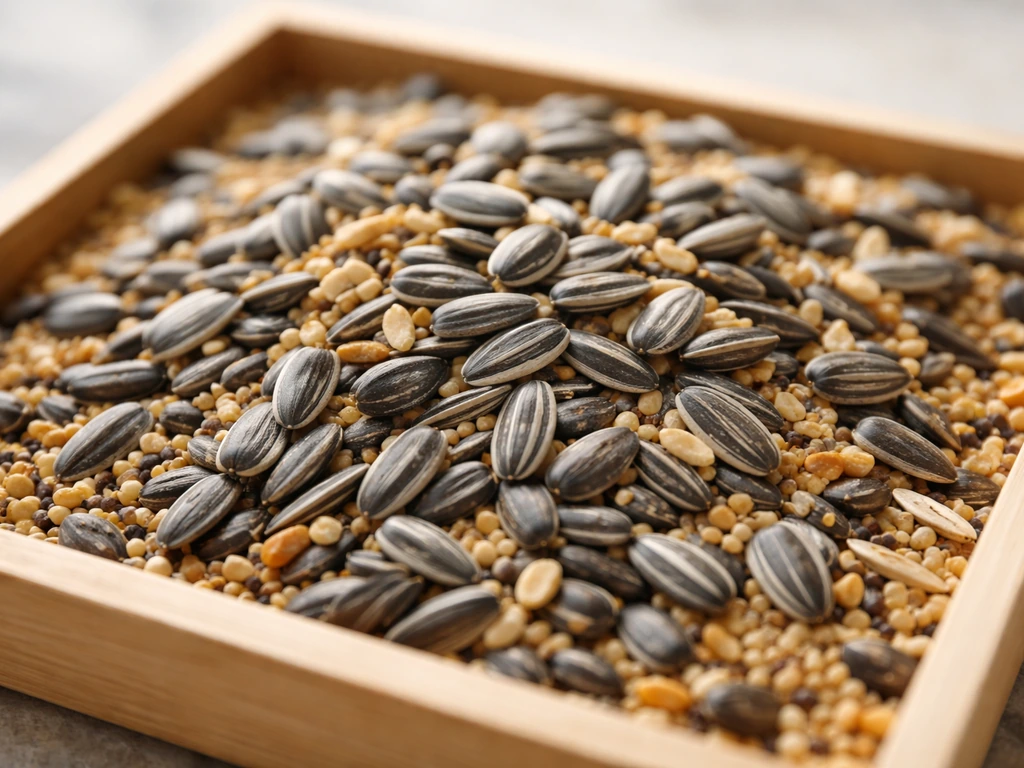
Sunflower seeds are one of the better things in a typical bird seed mix for chickens. They are higher in protein than most other seed mix components and provide vitamin E and healthy fats. Black oil sunflower seeds (the small, thin-shelled type common in bird seed) are easier for chickens to crack open and digest than the larger striped variety. Chickens genuinely love them and will often pick them out of a mix first.
That said, sunflower seeds are calorie-dense and high in fat, so they still fall under the treat-limit rule. A small flock of four to six hens should get no more than a tablespoon or two of sunflower seeds per bird per day when offered as part of a treat. A typical mixed bird seed with millet, milo, cracked corn, and sunflower seeds is fine in that same treat-sized quantity. The cracked corn adds quick energy, the millet is low-risk, and milo (grain sorghum) is digestible for chickens even though many wild birds ignore it. None of the standard ingredients in a plain mixed seed are dangerous in small amounts. The concern is always quantity and freshness, not the seed type itself.
How to offer bird seed safely today
If you have bird seed on hand right now and want to give your chickens a small treat, here is a practical checklist to do it safely.
- Inspect the seed before offering it. Look for clumping, discoloration, visible mold, or a musty smell. Discard anything suspicious immediately. As the University of Tennessee Extension warns, never offer stale, moldy, or rancid feed to chickens.
- Use seed from a sealed indoor container, not from an outdoor bird feeder. Seed that has been sitting in a feeder exposed to weather or wildlife droppings should not go to your chickens.
- Portion it as a treat: roughly one to two tablespoons per bird, and no more than what the flock finishes in 20 minutes. Do not fill a whole bowl.
- Offer it no more than two to three times per week, and always after the flock has already had access to their complete feed that day so they are not filling up on seeds instead.
- Store bird seed in a sealed, airtight container in a cool, dry place, separate from chicken feed. Replace any bag you have had open for longer than six to eight weeks.
- Check your storage container for evidence of rodents or insects before each use. Pest activity near seed is a contamination warning sign.
When to skip the bird seed entirely and what to use instead
There are situations where the right answer is to put the bird seed away and reach for something else. Avoid offering bird seed to chickens if the seed has been stored outdoors, exposed to moisture, or sitting open for more than a few weeks. Avoid it if you notice any reduction in egg production or changes in droppings in your flock, because those can be early signs of mycotoxin exposure or nutritional imbalance. Also avoid it if your hens are already getting scratch grains regularly, since adding bird seed on top of scratch pushes the treat percentage well past the 10-15% guideline.
If you want to give your flock a treat that carries fewer risks, fresh or cooked vegetables (leafy greens, pumpkin, zucchini), plain cooked oats, or plain dried mealworms are all better options. Mealworms in particular add protein rather than just carbohydrates and fat. If you are looking for something foraging-friendly that fits into the broader backyard wildlife picture, consider that turtles eating bird seed face similar spoilage risks as backyard chickens, which is a good reminder that outdoor seed left on the ground is a hazard for multiple species. Fresh food with no mold risk is almost always the safer treat choice.
Keeping chickens away from feeders and bad seed
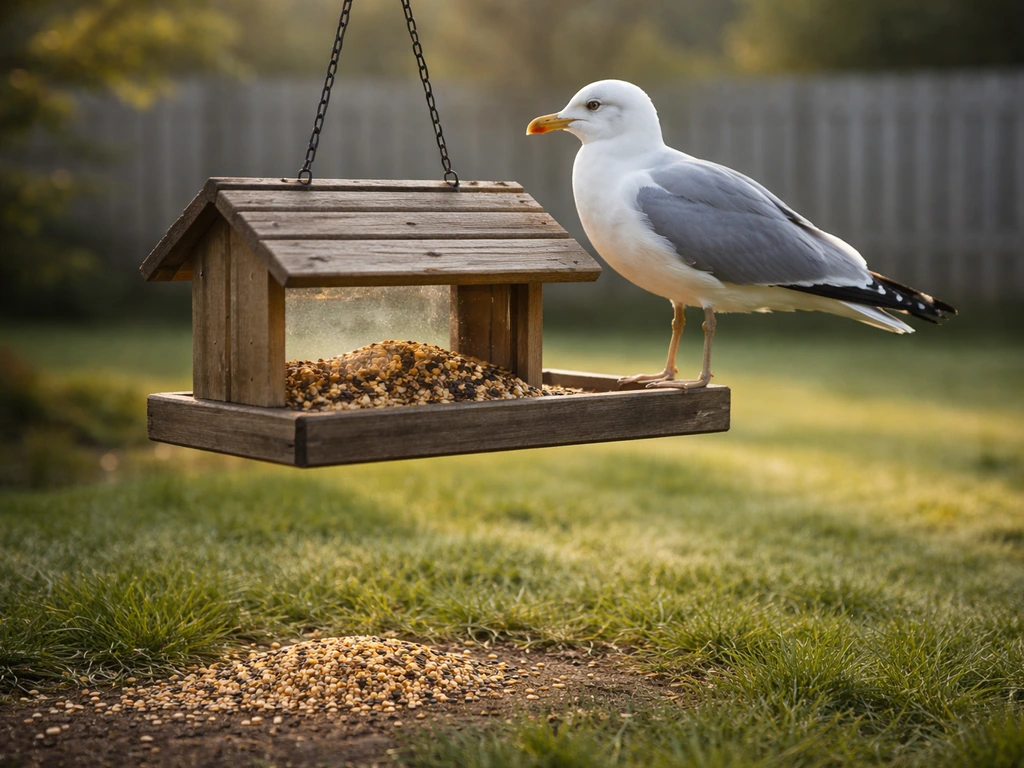
If you run a wild bird feeder in the same yard where your chickens free-range, you need a plan to keep the birds separate from each other, especially from any seed that has fallen, gone stale, or been contaminated by feeder visitors. Free-ranging chickens will absolutely forage under feeders and eat whatever hits the ground, including seed that has been sitting in rain and sun for days.
- Mount feeders high enough (at least 5-6 feet) that chickens cannot reach them, and use a feeder with a tray that catches fallen seed rather than letting it pile up on the ground.
- Clean up spilled or fallen seed from underneath feeders every few days, especially after rain.
- Empty and refill tube feeders or platform feeders at least once a week in warm, humid weather to prevent moldy seed from accumulating.
- If your chickens have access to a run, position the wild bird feeder outside the run boundary rather than inside it.
- After cleaning the area under a feeder, rake or till the soil to expose any buried seed or debris to sunlight, which slows mold growth.
It is also worth knowing that chickens are not the only backyard animals drawn to bird feeders and their spilled seed. Hamsters eating bird seed and fledgling birds eating seed from feeders face their own contamination risks for similar reasons: small animals and young birds are especially vulnerable to mycotoxin exposure from spoiled seed. The takeaway for a mixed backyard is the same regardless of which animal you are thinking about: fresh, dry, properly stored seed is safe; wet, old, or feeder-exposed seed is not.
The short version if you are in a hurry
| Question | Answer |
|---|
| Can chickens eat bird seed? | Yes, as an occasional treat in small amounts |
| Is it safe daily? | Not recommended; can displace balanced feed |
| Best portion size | 1-2 tablespoons per bird, 2-3 times per week max |
| Are sunflower seeds okay? | Yes, black oil sunflower seeds are one of the better options in a mix |
| Biggest real risk | Mold and mycotoxins, especially from outdoor or old seed |
| Can it replace chicken feed? | No, never. Complete feed is non-negotiable |
| What to avoid | Seed from outdoor feeders, clumped or musty seed, capsaicin-treated mixes |