Turtles can physically eat bird seed, but that does not mean it is safe for them. Bird seed is formulated for birds, not reptiles, and depending on what is in the mix and how long it has been sitting on the ground, it can expose a turtle to salt, additives, pesticide residues, and most seriously, blank" rel="noopener noreferrer">mold toxins that are genuinely dangerous to their liver. If a turtle is currently eating fallen seed under your feeder, the smart move is to clean up that seed now, figure out what type of seed you are using, and make a quick adjustment to your feeder setup to prevent repeat access.
Can Turtles Eat Bird Seed? Risks and Safer Backyard Tips

Maya Henderson
23 Apr 2026
What happens when a turtle eats bird seed
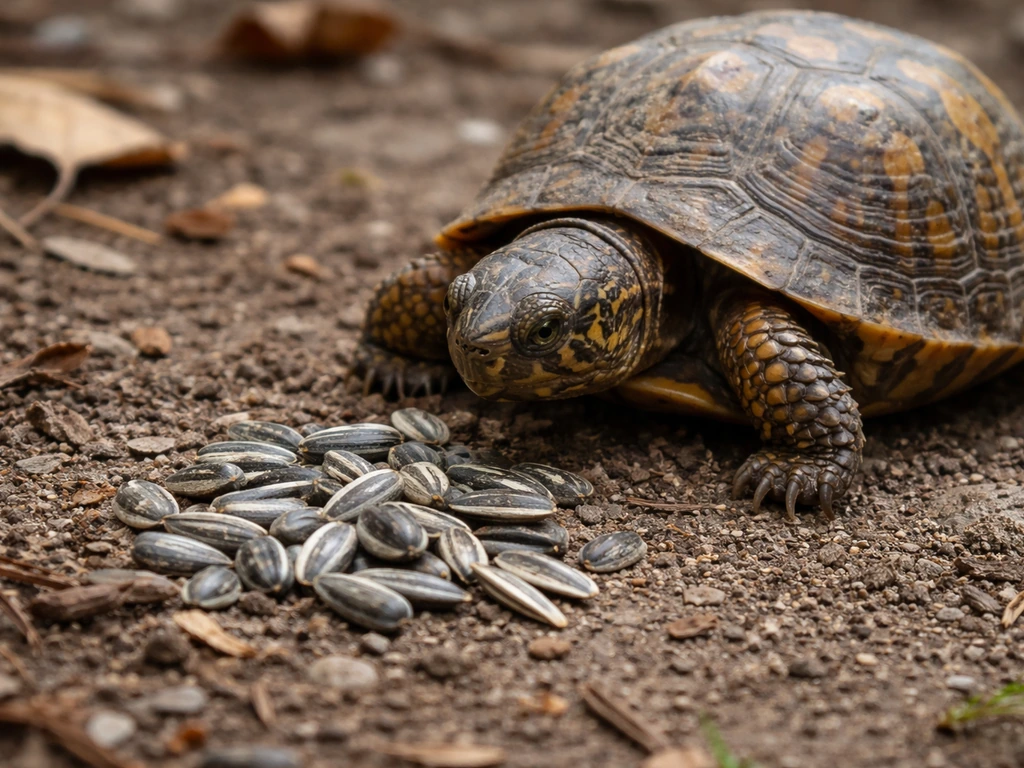
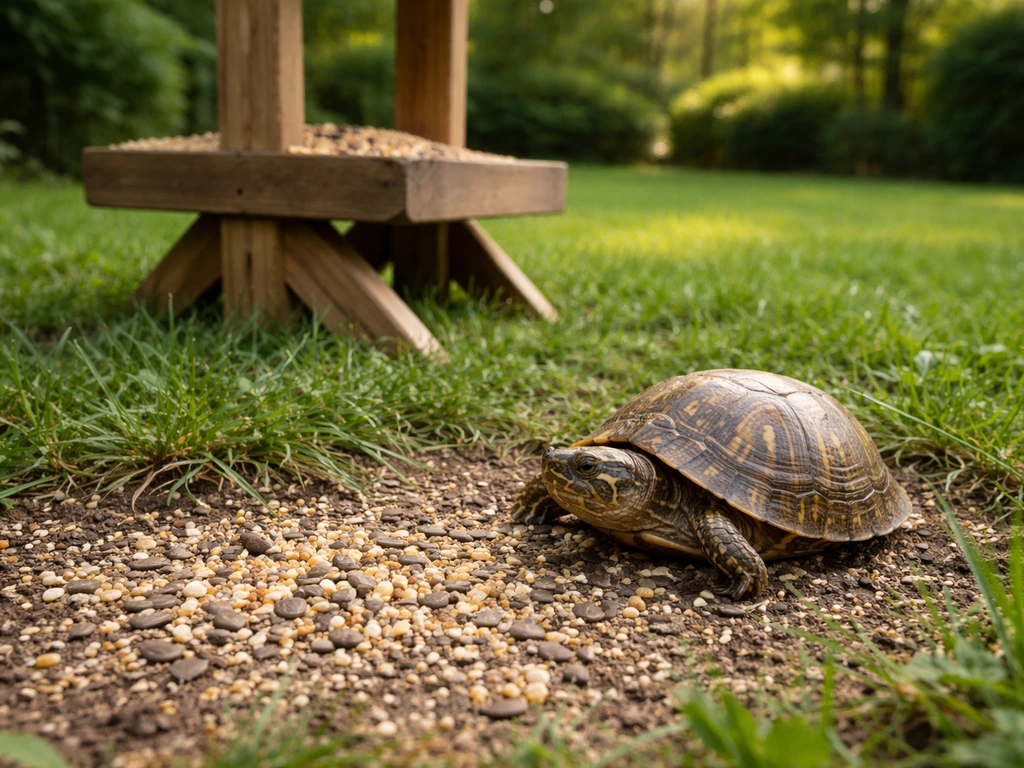
A single encounter with a small amount of plain, dry, fresh sunflower seed is unlikely to cause obvious harm. The real concern is not one seed but the conditions around it. Fallen seed under a feeder accumulates quickly, gets wet, sits in soil mixed with bird droppings, and starts molding within days in warm or humid weather. That is the scenario that creates actual risk, and it is the scenario most turtles encounter because they forage slowly along the ground and graze on whatever is sitting there.
There is no established safe dose of bird seed for turtles, and no research confirms any commercial mix as turtle-appropriate. Until something is shown to be safe, the default is to treat fallen feeder seed as a potential hazard and manage your yard accordingly.
The real health risks: mold, additives, and contamination
The biggest threat is aflatoxin, a mycotoxin produced by Aspergillus mold that grows readily on corn, peanuts, and other grains stored or left in damp conditions. The FDA explains that mycotoxins can contaminate food and feed, can be present in crops, and pose health risks. Aflatoxin B1 is extremely hepatotoxic, meaning it directly damages the liver. In animals, aflatoxicosis can develop with repeated or high-dose exposure, and turtles that graze on moldy fallen seed over days or weeks are at real risk. You may not notice any problem until significant damage has already occurred, because reptiles often mask illness until it is advanced.
Beyond mold, here are the other risks worth knowing about:
- Salt and flavorings: Some commercial seed mixes include salted or flavored versions, and even small amounts of added sodium can disrupt a turtle's electrolyte balance over time.
- Pesticide residues: Conventionally grown grain crops are treated with pesticides during cultivation and sometimes during storage. A turtle eating seed regularly is getting repeated low-level exposure.
- Feeder contamination: Seed that has sat under a feeder is mixed with bird droppings, which carry Salmonella and other pathogens. Turtles rooting through this material are directly exposed.
- Wet and clumped seed: Once seed clumps together from moisture, mold growth accelerates rapidly. Wet seed that smells off or shows any discoloration should be treated as contaminated.
If you suspect a turtle has eaten a significant amount of moldy or treated seed, do not wait for visible symptoms. Contact a wildlife rehabilitator or a reptile veterinarian for guidance rather than watching and hoping.
Which turtles are most likely to eat bird seed
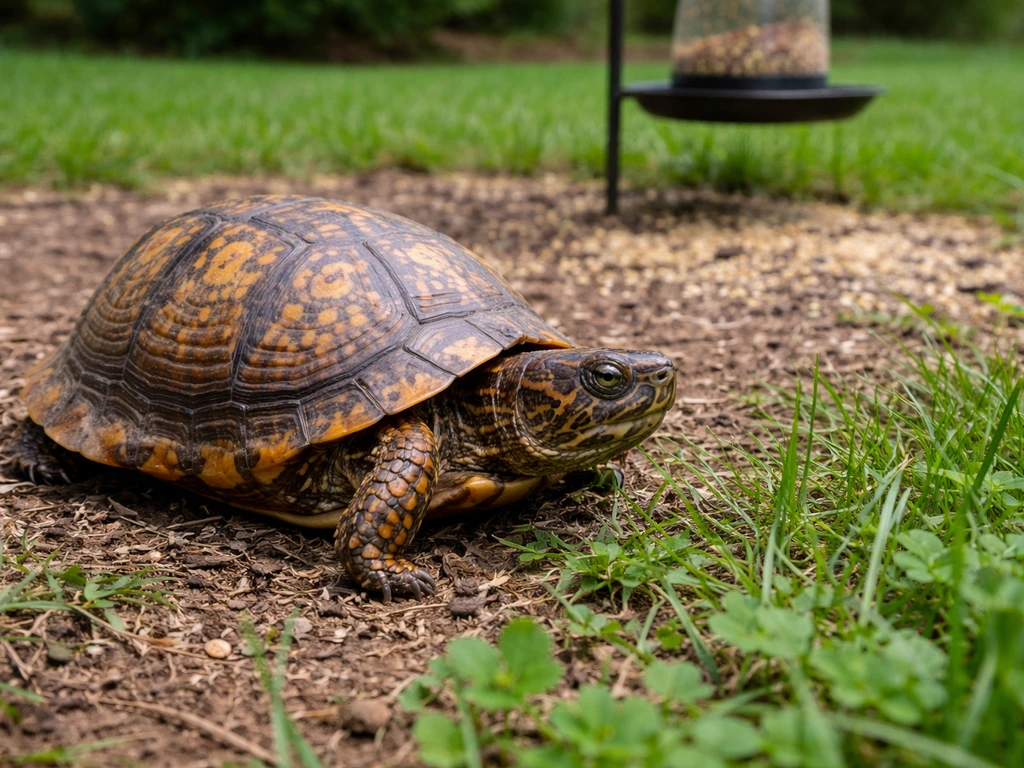
Land turtles, especially box turtles, are the most common visitors to backyard feeders because they actively forage across lawns and gardens. Box turtles are omnivores and will investigate and eat almost anything on the ground, including seed scatter. They are slow movers, which means they may graze a single area repeatedly over several days, dramatically increasing their exposure compared to a passing visit.
Aquatic turtles like painted turtles or sliders are less likely to wander far from water, but they do come onto land to bask and occasionally forage, especially females during nesting season in late spring. A feeder placed near a pond edge or drainage area is a genuine attraction point. Semi-aquatic species are opportunistic feeders and will sample unfamiliar food items readily.
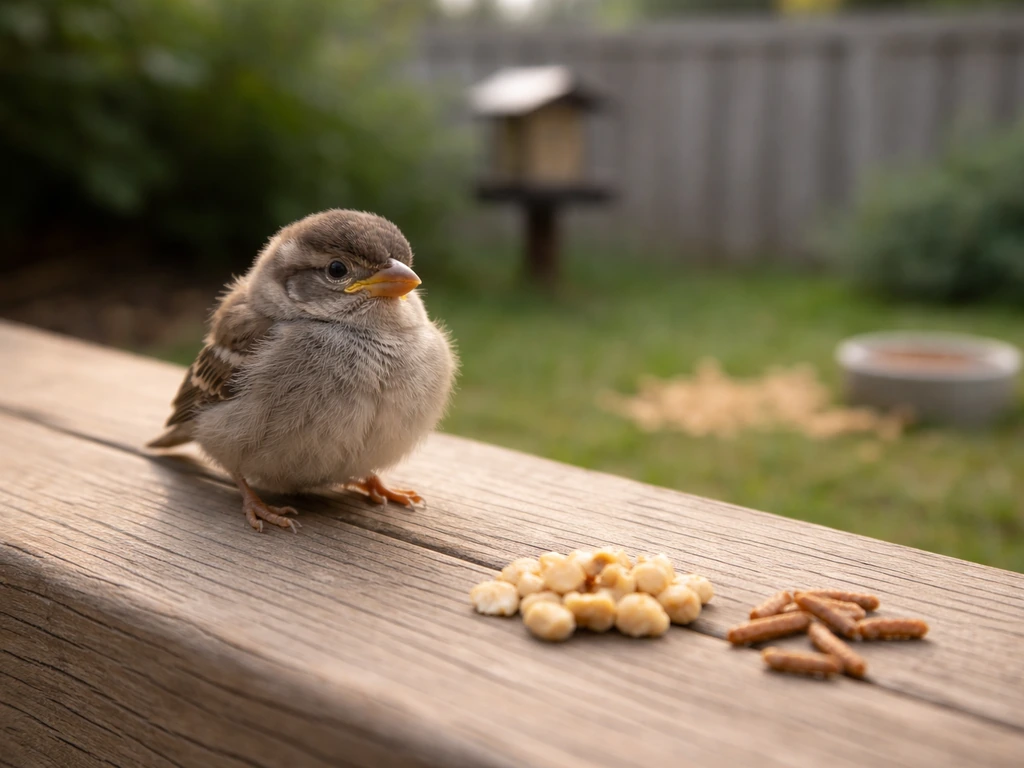
Tortoises kept as outdoor pets face a different but related risk: if they share yard space with a bird feeder, they can become regular seed eaters without the owner realizing it. Tortoise nutritional guidelines from chelonian care resources describe a diet that is mostly plant matter with a smaller protein component, with no role for processed seed mixes. If you are trying to feed baby turtles, avoid giving them bird seed and instead follow a species-appropriate diet for fledglings processed seed mixes. An outdoor tortoise getting into feeder scatter is eating well outside its intended diet.
Choosing safer seed if turtles are in your yard
You do not necessarily have to stop feeding birds, but you should make smarter choices about what goes in the feeder. Some seed types carry lower contamination risk than others, and some feeder practices drastically cut the chance of a turtle eating something harmful.
| Seed Type | Turtle Risk Level | Why |
|---|---|---|
| Plain black oil sunflower seed (unsalted) | Lower | Single ingredient, widely available without additives, dries relatively quickly |
| Mixes with corn or peanuts | Higher | Corn and peanuts are the most aflatoxin-prone grains, especially when wet or improperly stored |
| Mixes with artificial flavoring or salt | Higher | Additives have no benefit for wildlife and add direct chemical risk |
| Nyjer/thistle seed | Lower | Fine seed, less likely to accumulate in large ground piles, lower mold profile |
| Safflower seed | Lower | Plain single ingredient, lower oil content than sunflower, less attractive to many ground-foraging animals |
If turtles are regular visitors, switching to plain unsalted sunflower or safflower seed and avoiding any mix that contains corn, peanuts, or added salt is the single most practical seed-choice adjustment you can make today.
How to feed birds while reducing turtle exposure
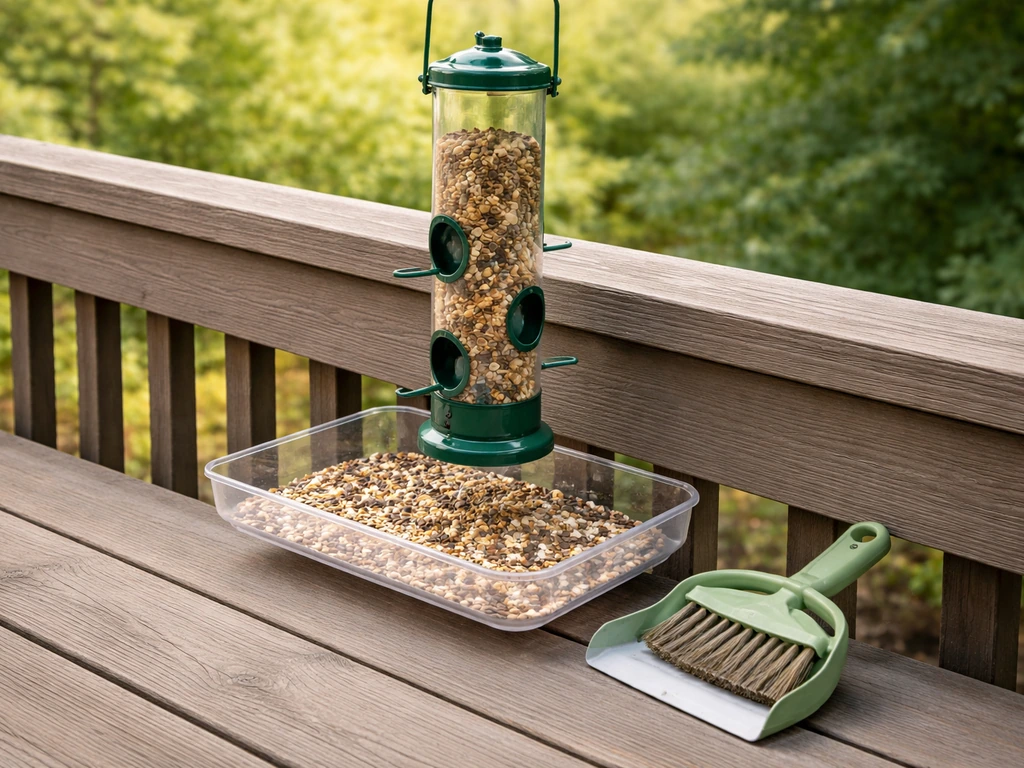
Placement matters as much as seed type. A tube or hopper feeder positioned over a hard surface like a patio or deck makes it much easier to clean up daily scatter before it accumulates. Feeding on soft soil or lawn near vegetation creates exactly the damp, shaded environment where seed molds fastest and where ground-foraging turtles are most active.
- Use a feeder tray or catch tray to limit how much seed hits the ground. Clean it daily.
- Position feeders over pavement or a raised platform, not directly over soil or lawn.
- Fill feeders only with what birds are likely to consume in one to two days. Do not overfill.
- Avoid ground-scatter feeding entirely if turtles visit your yard regularly.
- Remove any uneaten ground seed before nightfall, when moisture levels rise and mold conditions worsen.
Dealing with wet seed and spoilage fast
Wet or clumped seed is the most urgent problem to handle. If you see seed stuck together, discolored, or smelling musty or sour, remove it immediately and dispose of it away from the yard. Do not just scatter it or toss it into a garden bed where a turtle could still access it.
For the feeder itself, clean it at least every two weeks, and more often during warm, humid months or after rain. Use a separate brush and bucket, wear gloves, and rinse thoroughly. Let the feeder dry completely before refilling. A damp feeder reintroduces moisture to fresh seed almost immediately, undoing any benefit from cleaning. This is standard guidance from bird-feeding programs and it applies even more urgently when wildlife like turtles have access to what falls.
A quick cleaning checklist to follow after wet weather or if you spot mold:
- Empty the feeder completely, including any stuck or clumped seed.
- Scrub all surfaces with a brush and mild dish soap or a diluted bleach solution (one part bleach to nine parts water).
- Rinse thoroughly and allow to air dry completely, ideally for several hours in sunlight.
- Clear all seed debris from the ground below the feeder and dispose of it in a sealed bag.
- Refill only with fresh, dry seed once the feeder is completely dry.
When to stop and what to offer instead
If a turtle is regularly visiting your feeder area despite your best efforts to clean up and reposition, the simplest fix is to suspend ground-level feeding until the turtle moves on. Most turtles are seasonal visitors, and a two to three week pause is usually enough. Turtles are not dependent on your feeder; they are just opportunistically grazing what is available.
If you have a resident turtle in your yard or a pet tortoise with outdoor access and you want to offer food, here are far better options than bird seed:
- Dark leafy greens like collard greens, dandelion greens, or romaine lettuce
- Squash, bell pepper, or shredded carrots as occasional variety
- Strawberries, blueberries, or melon as small treats
- Earthworms or feeder insects (crickets, mealworms) for omnivorous species that need protein
- Commercially prepared turtle or tortoise pellets designed to meet chelonian nutritional needs
From a habitat standpoint, turtles in a backyard are generally a benefit. They eat slugs, insects, and decomposing plant matter. If you want to encourage their presence without the seed risk, adding a shallow water dish at ground level, some leafy ground cover, and a log or rock pile for shelter gives them what they actually need. That is a much better trade than an accidental diet of mold-prone grain mix.
It is worth noting that the seed-safety question comes up across many backyard animals. The risks look different for species like chickens or hamsters compared to reptiles, partly because their digestive systems and toxin tolerances differ significantly. Can hamsters eat bird seeds? It depends on the seed mix and storage, but bird seed is generally not a best choice for hamsters.
Because chicken diets are different from turtles, the answer for can chickens eat bird seeds can vary depending on the seed mix and how it is stored. Turtles, with their slow metabolism and liver sensitivity, sit at the more cautious end of that spectrum, which is why the mold risk in particular deserves more attention here than it might for other animals.
FAQ
Is it okay if a turtle just sniffs or takes one bite of bird seed?
One brief nibble of plain, dry seed is less likely to cause obvious harm, but the risk is still the surrounding conditions. If the seed is sitting on damp soil, wet clumps, or smells musty, treat it as hazardous and remove it immediately, since mold toxins build up with time rather than from a single moment.
What seed types are the most risky for turtles (besides corn or peanuts)?
Any mix that includes grain components that can mold well, plus anything with added salt or flavorings, is a concern. Also watch for seed labeled “moisture resistant,” “soft,” or “spray treated,” since treated coatings can add chemicals turtles are not adapted to process.
How can I tell if fallen bird seed has gone bad enough to be dangerous?
Use more than smell. If you see clumping, visible discoloration, fuzzy growth, or a sour, fermented, or musty odor, remove it right away. In warm or humid weather, mold can develop quickly even before you notice heavy visual changes.
Can turtles get sick even if the seed looks normal?
Yes, especially with storage or lingering dampness. Some molds can start forming in damp pockets under feeders or in shaded lawn areas, and a turtle can graze repeatedly over days before any symptoms show up.
What symptoms should I watch for if I suspect seed-related liver damage?
Because reptiles can hide illness, look for subtle changes like reduced appetite, lethargy or less movement, abnormal posture, weight loss, watery or foul stool, and slowed behavior. If these appear after access to fallen seed, contact a reptile veterinarian promptly rather than waiting for worsening signs.
I saw a turtle eating seed. How quickly should I intervene?
Don’t wait for symptoms. Clean up the scatter the same day, stop ground-level feeding for a short period, and switch to a safer seed type if you continue feeding birds.
If I remove the seed, does that fully solve the risk?
It reduces risk but does not always eliminate it. Seed debris, damp seed under vegetation, and feeder residue can keep producing exposure spots. To fully break the cycle, clean the feeder, remove buried or damp seed patches, and prevent repeat access during the cleanup window.
Can I compost leftover bird seed or toss it in a garden bed?
Avoid it. Disposed seed can still be reachable by turtles, and compost piles can retain moisture that allows molds to continue. Bag it and dispose of it away from turtle-access areas, or follow local waste guidance for contaminated organic material.
How often should I clean a bird feeder if turtles are visiting?
At least every two weeks is the baseline, but with turtle access you often need more frequent cleaning during warm, humid stretches, and always after rain. If you see wet seed or clumps, clean immediately and let the feeder dry completely before refilling.
Do feeder guards or changes in height help?
Yes, they can. Aim for feeding designs that limit ground scatter, and place feeders so fallen seed drops to a hard, easy-to-sweep surface rather than grass or soil. Even with a guard, still plan on daily checks because scatter can accumulate at the edges where turtles forage.
Is suspending seed feeding for a while enough, or should I stop feeding birds completely?
Usually suspending ground-level seed feeding for 2 to 3 weeks is a practical test if a turtle is visiting. Many turtles are seasonal, so a short pause can break the routine without eliminating bird feeding entirely. If the turtle returns, reassess seed type, feeder placement, and scatter control.
What can I offer a resident box turtle or outdoor pet tortoise instead of bird seed?
Provide species-appropriate foods instead. For many land turtles and tortoises, leafy greens and other plant-based items (with controlled protein depending on species) are far safer than processed seed mixes. If you are specifically considering feeding baby turtles, use a vetted diet for the life stage and do not rely on bird seed.
If I want turtles around, will a water dish and shelter be enough?
They help a lot, but they do not replace proper food. A shallow water dish, ground cover, and shelter (log or rock pile) encourage natural behaviors, while also reducing the temptation to forage specifically under feeders. Keep water clean to avoid attracting other problem wildlife.
Does this advice apply to aquatic turtles like sliders or painted turtles?
It applies, but their exposure pattern differs. They may come onto land to bask and occasionally forage, so a feeder near a pond edge or drainage area can still create repeat access. The same cleanup and safer-seed choices matter, especially during nesting season.
Next Article
Can Fledglings Eat Bird Seed? What to Feed Instead
Can fledglings eat bird seed? Get safe options, what to avoid, and step-by-step care when you find one.