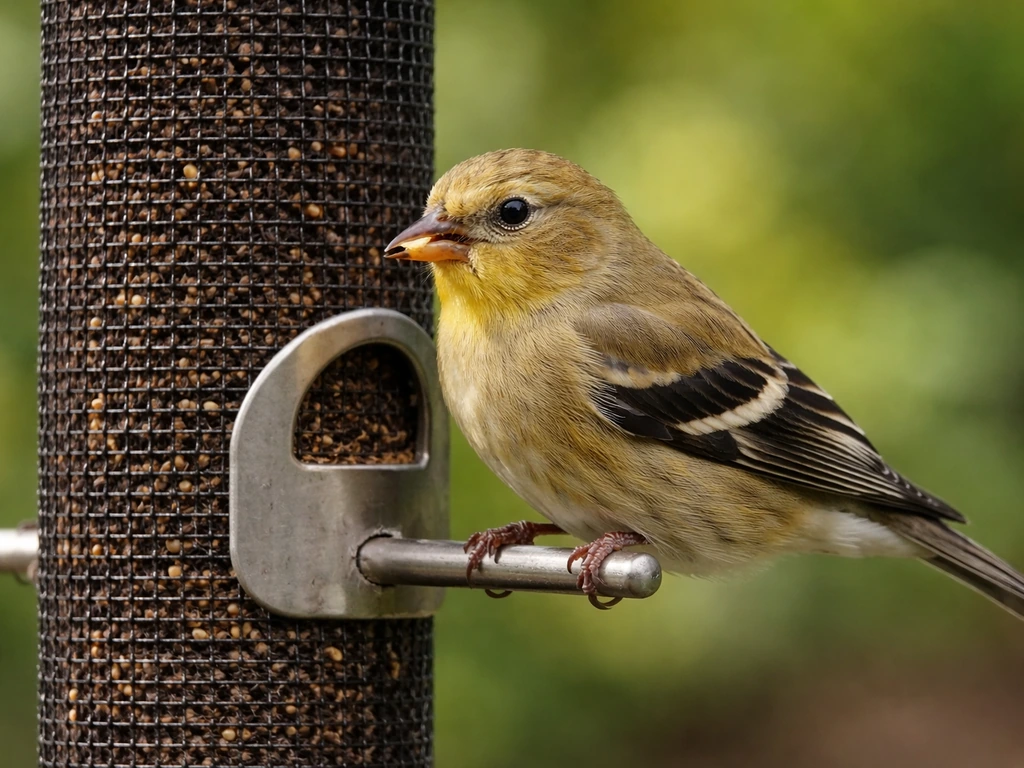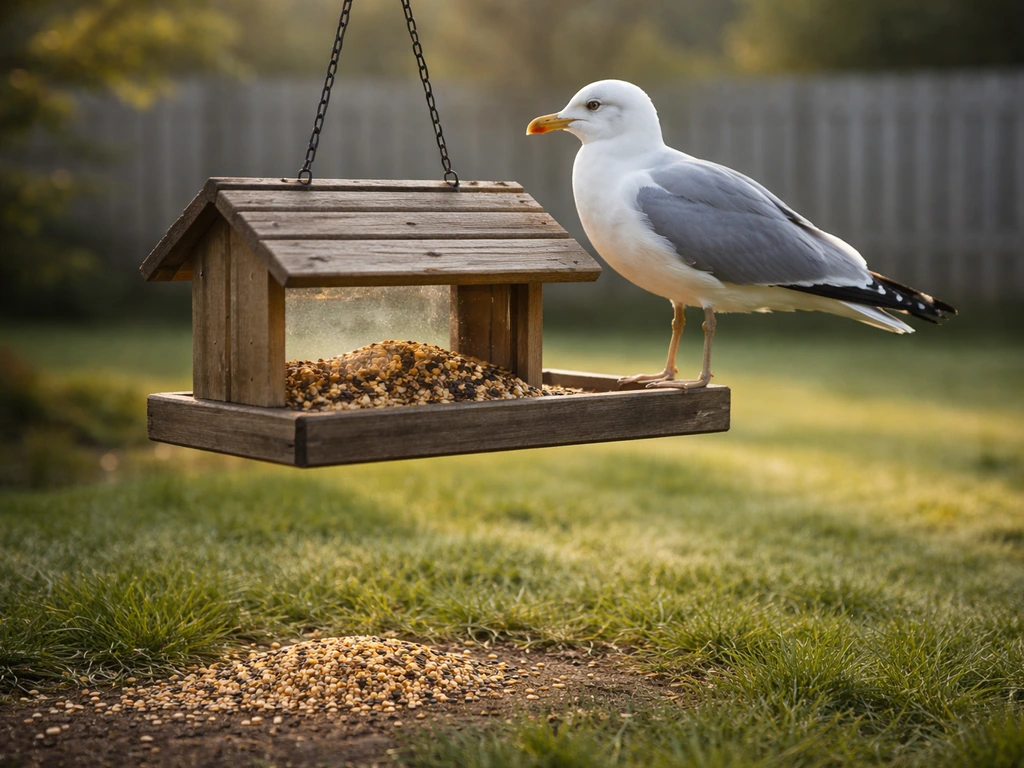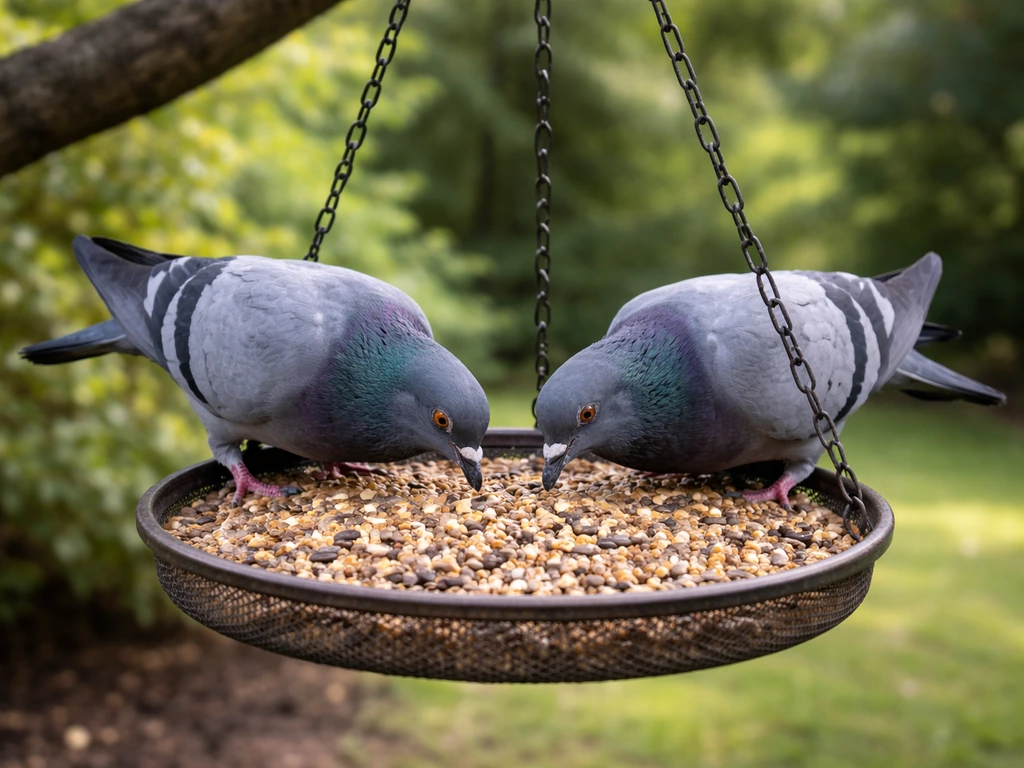
Thistle bird seed (sold as Nyjer) is very unlikely to cause weeds in your yard. The seed is heat-sterilized at 248°F (120°C) for 15 minutes before it reaches store shelves, which kills germination potential. The bigger weed problem comes from the other seeds in cheap mixed blends: milo, sorghum, oats, and red proso millet are not sterilized and will absolutely sprout when they hit moist soil under your feeder. So the short answer is: true Nyjer thistle seed, managed well, is a low-risk choice for weed-free feeding. General bird seed blends are a different story.
Does Thistle Bird Seed Cause Weeds? What to Do Now

Maya Henderson
19 Apr 2026
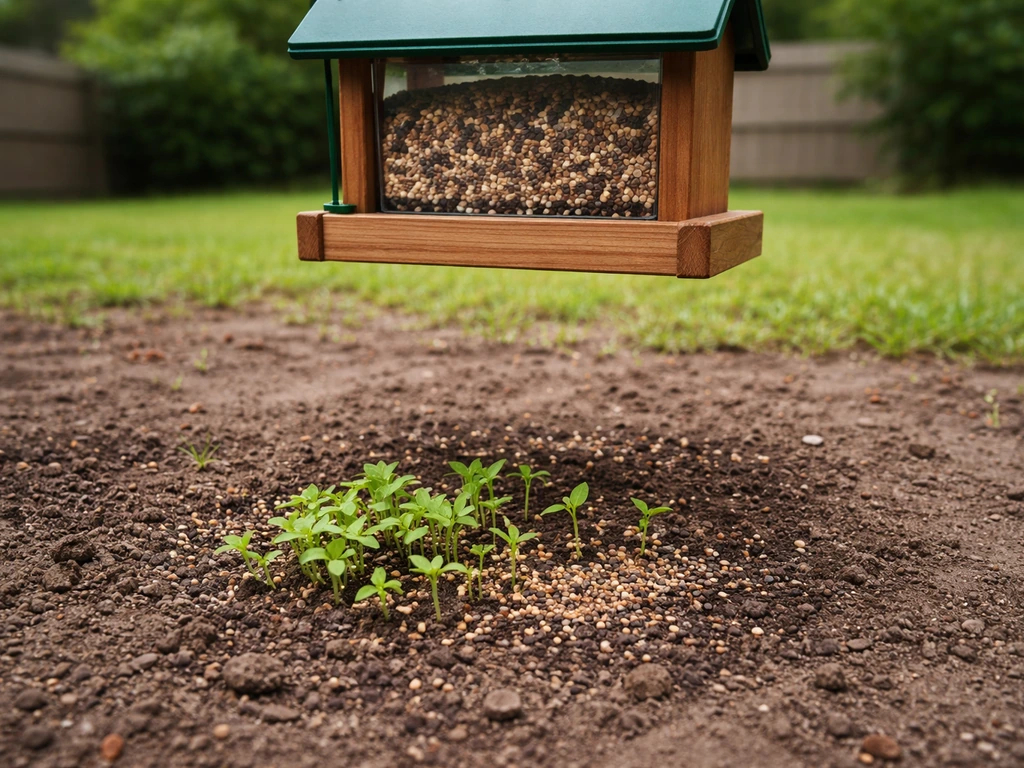
What "thistle seed" actually is
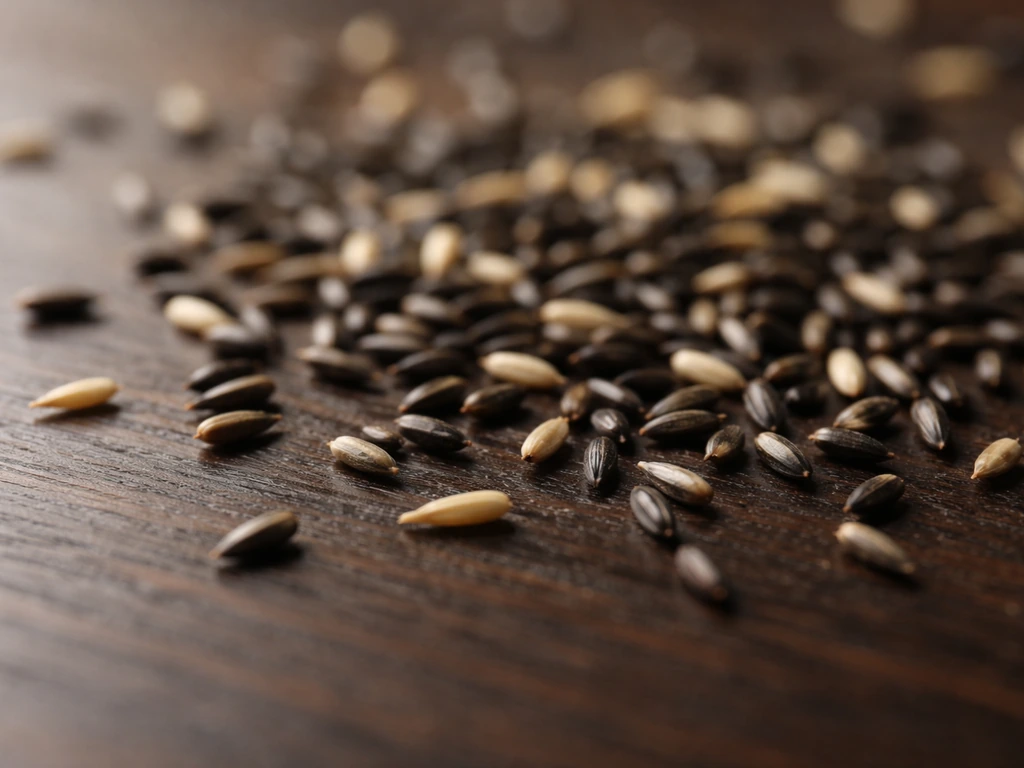
The seed sold as "thistle" at bird stores is actually Guizotia abyssinica, a small African yellow daisy seed commercially branded as Nyjer. It is called thistle because finches love it, not because it is botanically related to North American thistles. That distinction matters here because true North American thistles are vigorous spreaders, but Nyjer is not. Even in the unlikely event that a Nyjer seed manages to germinate, the resulting plant would be stunted and sterile unless cross-pollinated, so it cannot produce seeds and spread on its own.
All Nyjer imported into the United States must pass through USDA-controlled heat sterilization, specifically 248°F for 15 minutes. That process reliably destroys the seed's ability to germinate. Most commercial wild bird seed blends are not held to the same standard, though, which is where your real sprouting risk lives.
Why spilled seed sprouts in the first place
Birds are messy eaters. They scratch, toss, and crack seeds, and a steady rain of seed falls under every feeder. When viable seeds land on disturbed or bare soil, they are already in the ideal germination setting: direct ground contact, easy moisture absorption, and exposure to sunlight. Disturbed soil in particular provides near-perfect conditions for weed germination because competing plants are not yet established to crowd out seedlings. Add normal watering or rain, and you have a seed nursery under your feeder whether you intended it or not.
The ingredients most responsible for sprouting are the low-cost fillers found in budget bird seed blends. Milo (great millet/sorghum) is one of the most commonly cited culprits and will readily sprout under a feeder. Red proso millet, oats, and wheat are similar. These seeds are not sterilized, they are inexpensive, and they often make up the bulk of a bag that markets itself as a "variety blend." If you are finding a carpet of seedlings under your feeder, the bag of mixed seed is almost certainly the source, not the Nyjer.
Volunteer plants vs. actual weeds: what to expect
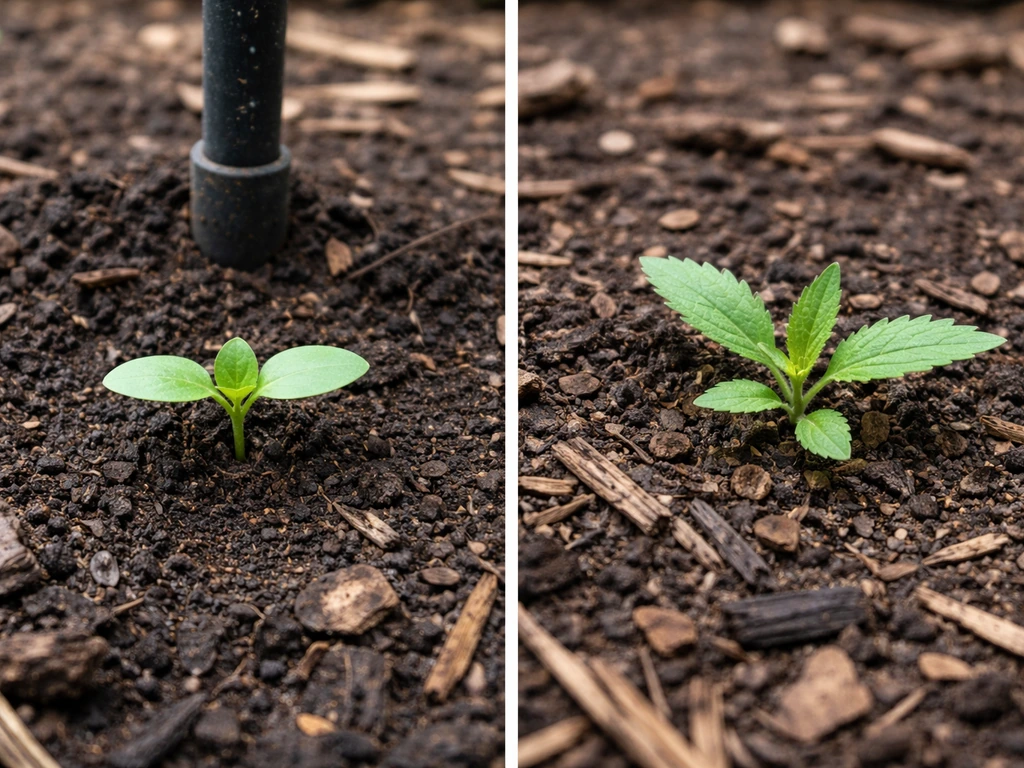
Not everything sprouting under your feeder is a weed in the traditional sense. Some of what comes up is just the intended seed species, a "volunteer plant" rather than an invasive one. Millet and sorghum, for example, are cultivated crops. They look weedy in a lawn or garden bed, but they are not invasive spreaders that will take over a landscape. True weeds are typically species that spread aggressively, tolerate a wide range of conditions, and outcompete desirable plants. The seedlings under your feeder are more likely to be patchy, weak clumps of grain that die back when conditions change than a genuine weed invasion.
That said, "not technically a weed" does not mean "not annoying." A patch of sorghum or millet growing through your mulch beds or lawn still needs to be managed. The practical approach is the same regardless of species: remove the plants before they mature and set seed, and address the source of spillage.
Conditions that make sprouting more likely
Several factors stack up to turn spilled seed into a real problem. Understanding them helps you target your prevention efforts. If you are also wondering why there is a bird seed shortage, the same supply and demand pressures can affect what’s available on store shelves.
- Bare or disturbed soil directly under the feeder: seeds need ground contact to germinate, and bare soil gives them exactly that
- Regular watering nearby: irrigating your garden beds or lawn right next to the feeder keeps the seed moist enough to sprout
- Cheap mixed blends: the higher the proportion of milo, millet, oats, and wheat in a blend, the more viable ungerminated seed is hitting the ground
- High feeder traffic with messy feeders: open platform feeders and low-quality tube feeders scatter far more seed than well-designed feeders with seed trays
- Infrequent cleanup: seed that sits on the ground for weeks has more time to make soil contact and absorb moisture
- Spring and early summer timing: warm temperatures and increased rainfall create peak germination conditions, which is why the problem often appears most dramatically in spring
How to stop weeds from growing under your feeder, starting today
The good news is that most of these fixes are simple and immediate. You do not need herbicides or a major landscaping overhaul.
Switch to better seed
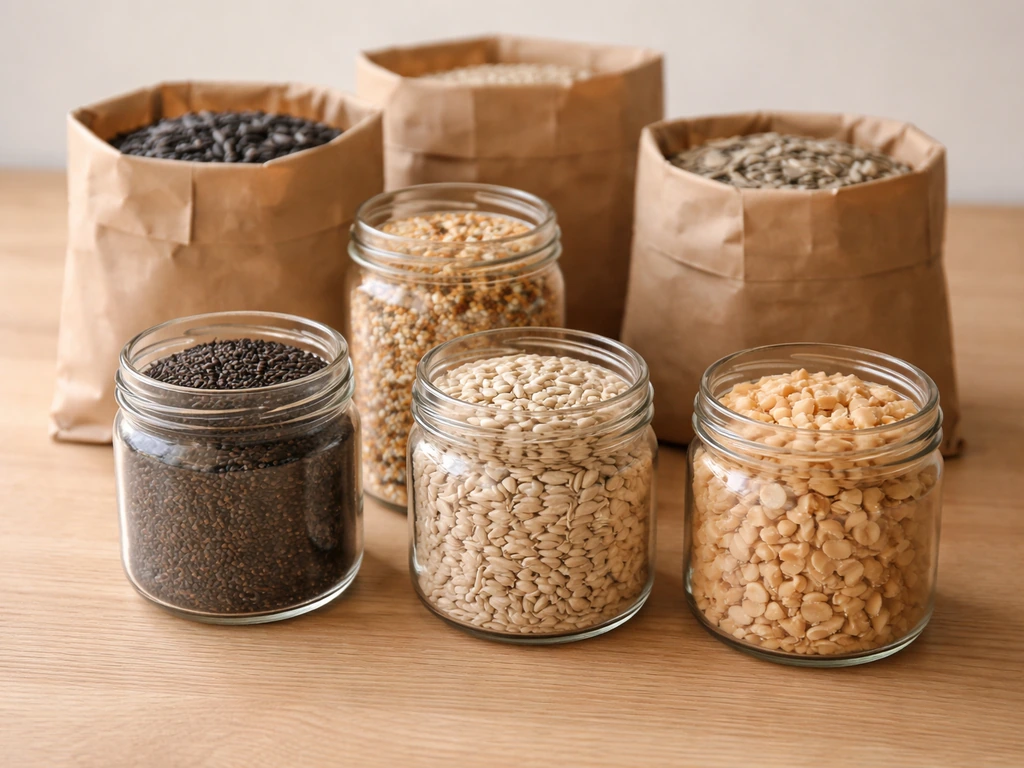
If you are using a budget mixed blend, switching to straight Nyjer, hulled sunflower (no shell, no sprouting potential), or shelled peanuts dramatically reduces what hits the ground in a viable state. Hulled seeds leave behind empty casings rather than whole seeds, cutting your sprouting risk significantly. If you want to keep attracting a variety of species, look for blends that use hulled or high-quality seeds rather than cheap filler grains.
Add a seed tray or catcher
A seed-catching tray clipped under your feeder intercepts a large portion of spilled seed before it reaches the ground. You empty the tray every few days, which also prevents the wet, compacted seed buildup that leads to mold. Many feeder manufacturers sell tray attachments that fit their designs directly.
Clean up spilled seed regularly
Rake up the area under and around your feeder at least once a week, more often in spring when germination is fastest. Audubon specifically recommends raking up spilled grain and hulls in early spring and moving or burying the debris away from your yard. Do not just push it into a garden bed. Take it to a compost pile or trash it. Leaving it in a pile nearby just relocates the problem.
Suppress the ground surface under the feeder
Covering bare soil removes the easiest germination site. A few practical options: lay down a thick layer of mulch (3 to 4 inches) under the feeder and rake it fresh each week to disturb any seedlings before they establish. You can also place a patio stone, gravel pad, or hardware cloth under the feeder so seed lands on a hard surface rather than soil. If you do use mulch, make sure it is weed-seed-free, since adding mulch full of viable seeds defeats the purpose.
Relocate or reposition your feeder
If the feeder is positioned over a garden bed or lawn you care about, move it to a gravel or paved area where sprouting is impossible and cleanup is easy. Even shifting it a few feet onto a patio or deck can take a chronic problem area completely off the table.
Pull what is already there
For seedlings already coming up, hand-pull them while they are small, before they root deeply or set seed. After pulling, apply mulch over the area to suppress regrowth. This mechanical-then-mulch approach is a standard recommendation from extension services for ornamental beds and works well in feeder zones too.
Comparing seed types by sprouting risk
| Seed Type | Sterilized? | Sprouting Risk | Notes |
|---|---|---|---|
| Nyjer (Nyjer/thistle) | Yes, USDA heat-treated | Very low | Sterile even if it somehow germinates; stunted plant cannot set seed |
| Hulled sunflower (no shell) | No, but hull-free | Very low | No intact seed coat to protect embryo; most fragments will not germinate |
| Black-oil sunflower (with shell) | No | Moderate | Whole seeds can sprout; sunflowers are easy to pull before they mature |
| Milo/sorghum | No | High | Readily sprouts under feeders; common cheap filler in blends |
| Red proso millet | No | High | Favored by ground feeders; whole seeds land on soil and sprout quickly |
| Safflower | No | Low-moderate | Less commonly sprouts than millet or milo; birds crack the shell |
| Shelled peanuts/peanut pieces | No, but processed | Very low | Fragmented; rarely germinates as a result |
If your main goal is zero sprouting and you still want to attract finches, goldfinches, and siskins, straight Nyjer is your best option. For attracting a broader range of species with minimal weed risk, hulled sunflower or a no-waste blend (hulled seeds only) is the most practical choice. Avoid budget blends heavy in milo and millet unless you are prepared to clean up weekly.
Keeping birds, pets, and wildlife safe while you manage seed and weeds
Cleaning up spilled seed is not just a weed-prevention step, it is also one of the most important things you can do for the health of the birds and animals visiting your yard. While the focus is weed prevention, choosing and handling bird seed responsibly can also create real bird seed benefits for humans, like cleaner yards and fewer mold-related issues. Wet, accumulated seed under a feeder is a breeding ground for Aspergillus mold, and aspergillosis is a serious respiratory disease in birds. The Pennsylvania Game Commission specifically warns that feeders can be an exposure source and recommends keeping seed fresh and mold-free. The CDC notes that Aspergillus risk is elevated for individuals with weakened immune systems or lung disease, so anyone in that category should wear a mask and gloves when cleaning up old, soggy seed.
A few safety notes worth keeping in mind as you tackle the cleanup:
- Do not use herbicides or pesticides directly under feeders or in areas where birds forage; residue on seed or soil can harm birds and small mammals that eat spilled seed
- If you use mulch to suppress sprouting, avoid cocoa mulch, which is toxic to dogs and cats
- Moldy seed should be bagged and discarded, not composted; composting can spread mold spores
- Wash your hands thoroughly after handling spilled or moldy seed, and consider gloves if the seed looks discolored or smells off
- Clean feeders themselves every one to two weeks with a dilute bleach solution (one part bleach to nine parts water), rinse thoroughly, and let dry completely before refilling
- If you notice sick or lethargic birds under your feeder, take the feeder down and clean the area immediately; mold and disease can spread quickly at congregation points
It is also worth noting that the sprouting-and-cleanup problem is closely connected to broader bird seed issues like seed spoilage and feeder hygiene. Addressing bird seed problems like seed spoilage and poor feeder hygiene can also cut down on mold and disease risk bird seed issues. Managing your feeder area well, including the right seed choice, regular raking, and periodic feeder cleaning, addresses weed risk, mold risk, and disease risk all at once. These are not separate problems with separate solutions. Good feeder hygiene covers all of them.
If you are also thinking about which birds are actually eating your Nyjer, goldfinches, pine siskins, and house finches are the primary Nyjer consumers. Switching to straight Nyjer is not just a weed-prevention strategy, it also means you are putting out a seed that the birds you want to attract will actually eat, rather than filling a blend with cheap fillers that get scratched out and ignored on the ground.
FAQ
My yard has seedlings under the feeder, but I thought I bought thistle. Is Nyjer the weed source?
If you are seeing seedlings, it is usually from the other grains in a mixed “thistle” or wild bird blend, not from heat-sterilized Nyjer. Check the label for sprouting-prone fillers like milo, sorghum, oats, and proso millet, since those are the common sources of a carpet of weeds under feeders.
Does thistle bird seed still cause weeds if I clean up under the feeder?
Yes, you can use Nyjer with very low weed risk if you still control spillage. Even though Nyjer is sterilized, any spilled seed needs cleanup to prevent unwanted volunteers in the feeder zone, especially when the ground is disturbed and kept consistently moist.
What happens if the spilled thistle seed gets wet for weeks, will it sprout or just mold?
Nyjer that has been exposed to moisture for a long time may mold rather than sprout, but moldy seed can still create a messy buildup that gets tracked around and mixed into soil. The best practice is to remove wet seed and debris (tray emptying, raking) even if you are not seeing sprouts yet.
How can I confirm my bag is truly low-risk Nyjer and not a risky mixed seed blend?
Don’t rely on the bag description alone. “Thistle” can be branding for Nyjer, but many budget mixes add unsterilized grains. If you want the lowest risk, buy straight Nyjer, or a hulled-seed blend (with a clear ingredient list showing hulled content).
Does the feeder type (hopper, platform, tube) change weed risk?
If you are using a bird feeder that drops seed directly onto soil, weed risk goes up because every refill creates new disturbed germination spots. A seed-catching tray, a gravel or hard-surface stand, and weekly cleanup dramatically reduce the chance that any viable grains land in ideal conditions.
What is the best way to remove seedlings under a feeder without making the problem worse?
Remove seedlings before they set seed. For small plants, hand-pulling works best when they are young and roots are shallow, then cover with fresh mulch so any remaining fragments and new germination attempts are suppressed.
Can I use mulch under the feeder to stop weeds, and does mulch itself cause sprouting?
Yes, mulch can help, but only if it is weed-seed-free. If the mulch contains viable seeds or is poorly screened, it can become the real source of sprouting even when the bird seed itself is low risk.
I want goldfinches and siskins, but I also want fewer weeds. What should I feed?
Switch to hulled sunflower or straight Nyjer and keep the cleanup routine, especially in spring. If you still want a mix of species, choose blends described as “no-waste” or “hulled-only” so fewer intact seeds hit the ground.
If I move the feeder to a different area, will the weed risk disappear?
If you relocate the feeder, do not just move it to another spot with soil. Put it over a paved surface, gravel pad, or a contained area with easy cleanup, because spilled seed will still germinate wherever moist, disturbed soil is available.
What’s the biggest mistake people make that keeps weed seedlings coming back?
When cleanup is delayed, spilled seed can accumulate into a compact, wet layer that is harder to remove and more likely to create repeated germination cycles. A practical rule is quick weekly raking, more often during spring, and removing debris to compost or trash rather than leaving it in a nearby pile.