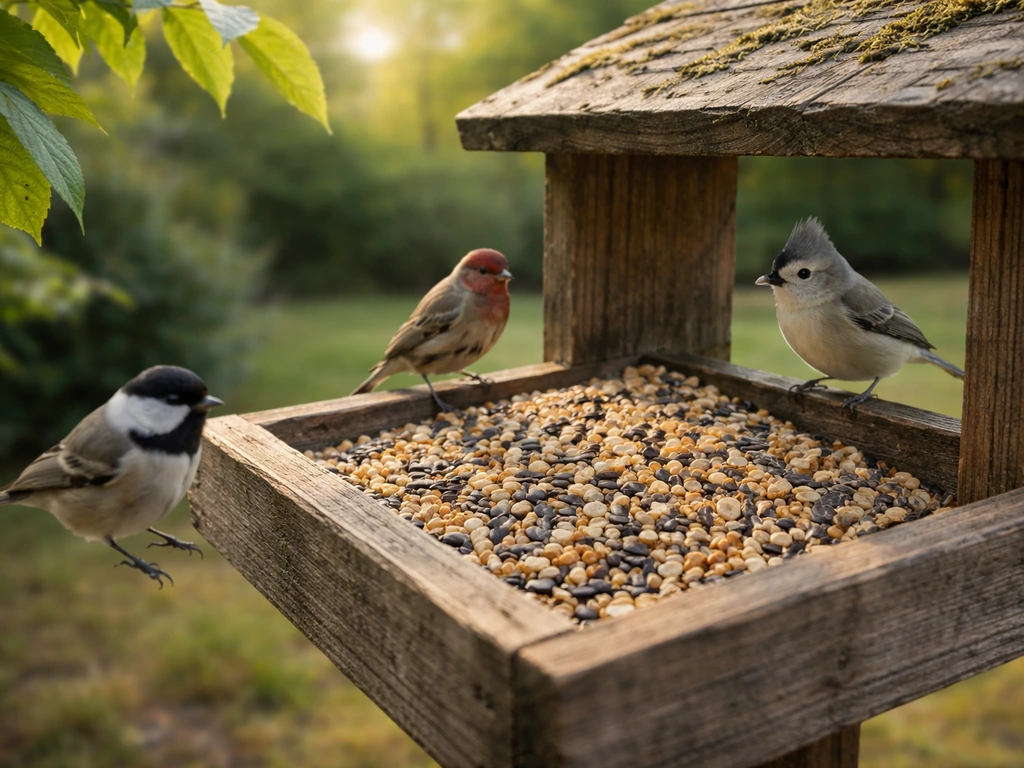
Bird seed shortages right now are usually caused by a combination of things hitting at once: supply chain and transportation disruptions, seasonal demand spikes in spring and winter, and a growing number of products being pulled from shelves due to quality and safety issues like mold, moisture damage, or weed-seed contamination. It's rarely just one factor, and what looks like a simple 'out of stock' problem at your local store is often the tail end of a longer chain of disruptions. Here's what's actually happening and what you can do about it today.
Why Is There a Bird Seed Shortage and What to Do Now
Maya Henderson
3 May 2026
What the shortage actually looks like right now
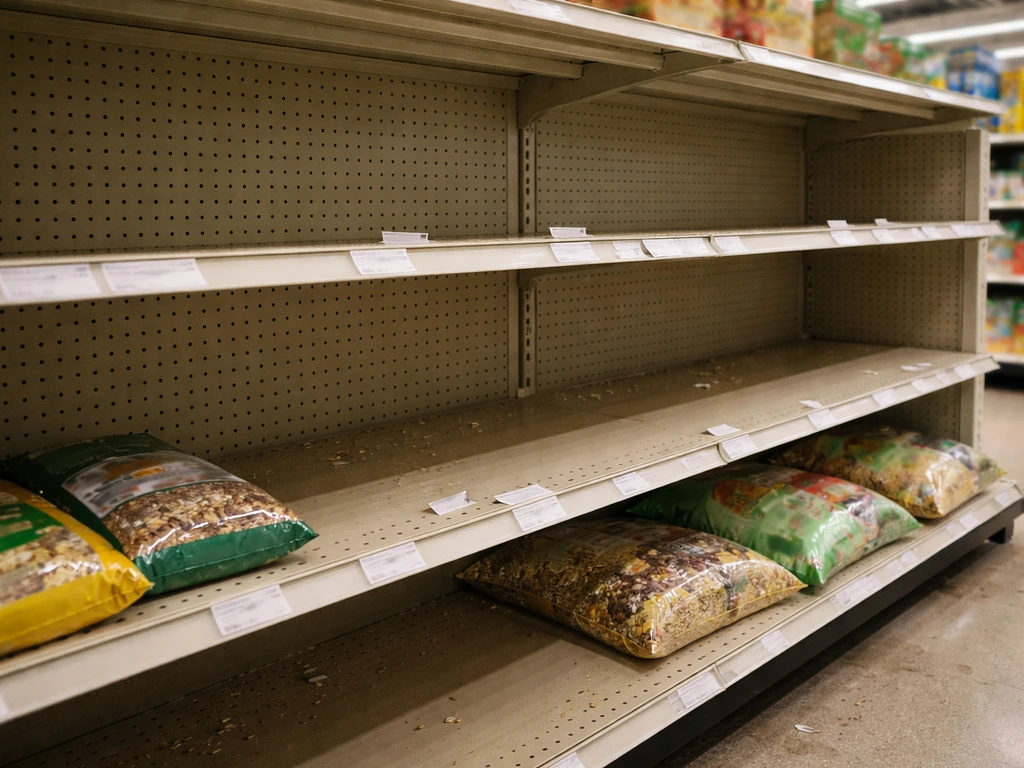
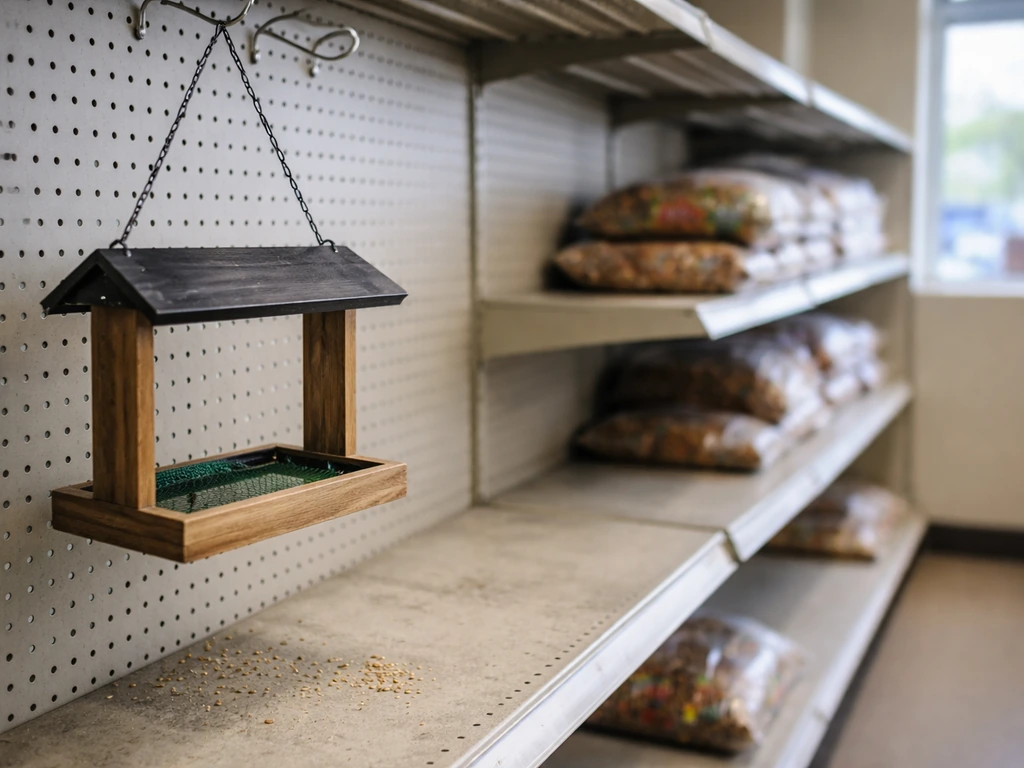
If you've noticed empty shelves, limited brand selection, or unusually high prices at garden centers, pet stores, and big-box retailers, you're not imagining it. The shortage isn't always nationwide or uniform. It tends to show up as regional gaps, specific product types disappearing (like nyjer/thistle or safflower), or only one or two brands remaining in stock. If you are trying to replace nyjer (thistle) seed, look for birds known to eat thistle seed so you can match the right food to the visitors you want nyjer/thistle. Online retailers often show longer shipping windows or 'temporarily unavailable' flags on popular mixes. Some stores are quietly limiting quantities per purchase. The pattern is uneven, which actually tells you something useful: this isn't a single catastrophic supply failure but rather several pressure points squeezing the pipeline at the same time.
On top of standard availability issues, regulatory recalls have removed specific products from the market entirely. In 2025, both Washington and Oregon issued recalls for wild birdseed products found to contain invasive quarantined weed seeds. When a product gets recalled, it disappears from shelves immediately, and replacement stock takes time to arrive, especially if the supplier has to reformulate or repackage the mix. Those gaps can linger for months.
Supply chain and production: the structural problems
Most commercial bird seed starts as an agricultural commodity: sunflower, millet, milo, safflower, nyjer. That means it's subject to the same pressures as any other crop, including drought, flooding, pest pressure, and yield variability. When a major sunflower or millet growing region has a bad season, the effects show up in bird seed prices and availability months later. The 2023 and 2024 growing seasons were particularly rough in parts of North America due to prolonged drought in key sunflower-producing states.
Beyond the farm, the problems compound. Processing facilities have capacity limits. Transportation bottlenecks, including trucking shortages and fuel cost spikes, slow down how quickly seed moves from processor to regional warehouse to retailer. Packaging and labeling constraints add another layer: if a facility can't get the right bags or labels in volume, finished product sits waiting. These aren't dramatic failures you'd see in the news, but they stack up into weeks-long delays that empty shelves one product at a time.
Warehouse storage is also a factor. Bird seed has a limited shelf life, especially in warm or humid conditions. Distributors can't always hold large buffers of stock when moisture management is a concern. That limits how much cushion exists in the system when a disruption hits upstream.
Why demand keeps spiking when you least expect it
Bird feeding has a strong seasonal rhythm, and retailers don't always keep up. Demand surges twice a year in a predictable pattern: late fall into winter (November through February) when natural food is scarce and people want to support overwintering birds, and again in early spring (March through May) when backyard birders ramp up feeding to support migrating species and nesting pairs. Both windows tend to clean out regional inventory fast, and restock cycles haven't always caught up with the pace of demand.
The broader trend matters too. Backyard bird feeding has grown significantly as a hobby since 2020, with millions of new participants who started feeding during the pandemic and kept going. More feeders in more yards means baseline demand is structurally higher than it was five years ago. That sustained higher baseline makes the seasonal spikes hit harder, because retailers are already running leaner margins on buffer stock.
One thing worth knowing: regulatory changes in other markets can affect demand indirectly. The RSPB in the UK updated its guidance in April 2026, recommending that garden bird feeders with seeds and peanuts not be filled between May 1 and October 31, due to disease risks including trichomonosis. This kind of seasonal guidance is specific to the UK, but it's a useful reminder that feeding practices are changing globally, and demand patterns are shifting in ways that affect global commodity markets for seed.
Quality and safety problems that shrink available stock
This is the part most people don't think about when they hear 'shortage.' A meaningful chunk of what reduces available bird seed isn't production failure, it's product removal due to quality and safety concerns. Mold and moisture damage are the most common culprits. If seed is stored or transported in conditions with too much humidity, it can develop mold before it even reaches a store. Retailers and distributors who catch this pull the product rather than risk liability, and that product doesn't get replaced overnight.
Weed-seed contamination is a more specific and serious issue. As noted earlier, Washington and Oregon both issued recalls in 2025 for wild birdseed containing invasive quarantined weed seeds. State-level seed regulatory programs, like Oregon's Seed Regulatory Program, blank" rel="noopener noreferrer">test for germination quality and weed-seed content, and when a product fails those standards, it's pulled from commerce. The Oregon State University Seed Laboratory even blank" rel="noopener noreferrer">offers birdseed identification and testing services for cases where the contents of a mix are in question. These recalls aren't just paperwork: they physically remove product from the supply chain and add delays as suppliers address the contamination source.
Spoilage at the feeder level also plays a role in perceived shortage. If seed is going bad faster (due to wet spring weather or poor storage at home), you're buying more to replace what's wasted. That accelerates your personal consumption rate, which makes the shortage feel worse even if your local store is reasonably stocked.
Where to find bird seed alternatives right now
If your usual mix isn't available, the good news is that most common feeder birds aren't locked into a single food source. The key is matching the substitute to the birds you're actually trying to feed, rather than just grabbing whatever is in stock.
| Bird type | Primary food preference | Good substitute options |
|---|---|---|
| Finches (goldfinch, house finch) | Nyjer/thistle, small seeds | Fine sunflower chips, millet |
| Chickadees, nuthatches, titmice | Black oil sunflower | Sunflower chips, safflower, suet |
| Cardinals, grosbeaks | Black oil or striped sunflower, safflower | Safflower (also deters squirrels), shelled peanuts |
| Sparrows, juncos, doves | Millet, milo, cracked corn | Cracked corn, mixed grain, scattered on ground |
| Woodpeckers | Suet, peanuts, sunflower | Suet cakes, peanut butter (in cold weather), suet nuggets |
| Orioles, warblers (seasonal) | Fruit, nectar, mealworms | Mealworms, orange halves, grape jelly (in small amounts) |
Suet cakes and suet nuggets are often more consistently available than seed mixes right now, especially at hardware stores and farm supply retailers that don't normally stock much bird seed. They're a reliable calorie source for most feeder birds. Mealworms (dried or live) are another option that stays in stock more reliably because they have a separate supply chain from grain-based seeds. If you can only find millet or cracked corn, those work well for ground-feeding birds and doves. Safflower seed tends to stay in stock longer than black oil sunflower because squirrels largely ignore it, which means it moves slower off shelves.
Check farm supply stores, agricultural co-ops, and local feed mills rather than limiting yourself to pet store chains. Prices are often lower and availability better. Online subscriptions from specialty birding retailers can also lock in supply at a fixed price, which is worth doing if you feed year-round. If you're curious about what's actually in a discounted or off-brand mix you find, that's worth checking carefully before filling your feeders.
Feeding responsibly when supplies are tight
A shortage is actually a good moment to audit how you're feeding, because a lot of bird seed gets wasted in ways that are easy to fix. Bird seed can also offer benefits for humans in the form of supporting local bird life and encouraging pollinator-friendly yard ecosystems bird seed benefits for humans. Reducing waste means your existing supply stretches further, and it also reduces the hazards that come with spoiled seed at feeders.
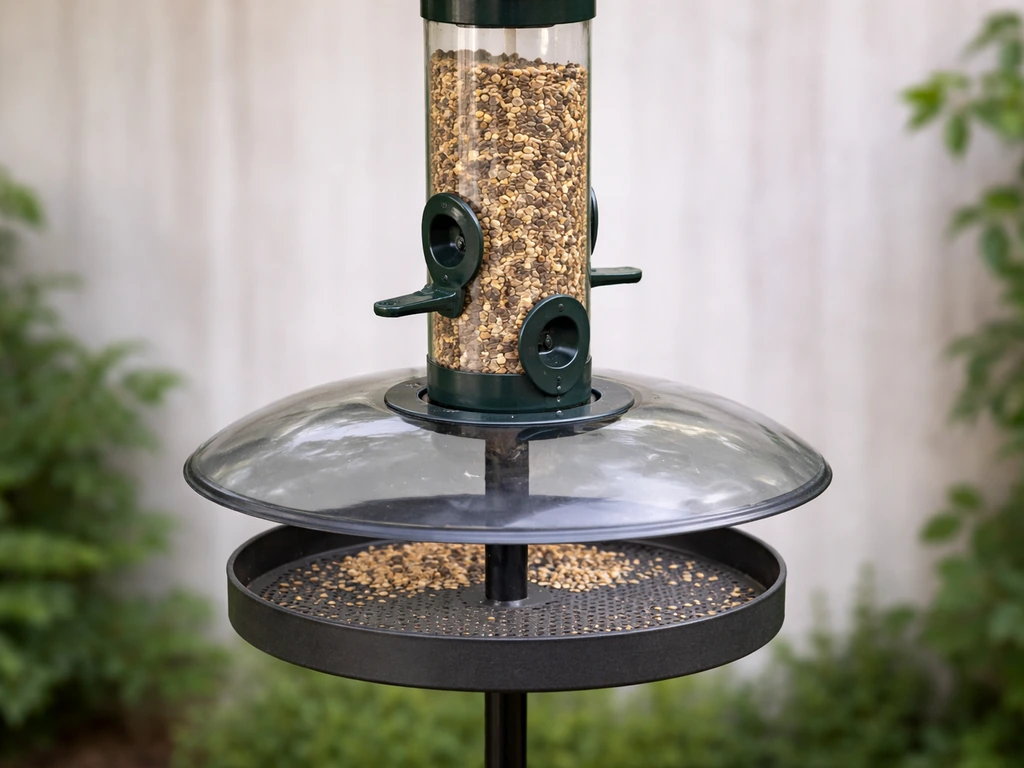
- Use tube feeders or covered platform feeders that protect seed from rain. Wet seed molds fast, sometimes within 48 hours in warm weather.
- Only fill feeders with a 2 to 3 day supply at a time, especially in spring and summer when heat and humidity accelerate spoilage.
- Inspect seed before filling. Fresh sunflower seed should smell nutty and neutral. A sour, musty, or dusty smell means toss it.
- Clean feeders every 1 to 2 weeks with a 10% bleach solution and rinse thoroughly. Bacterial buildup at feeders is a disease pathway for birds, as the U.S. Fish and Wildlife Service has noted in guidance on wild bird feeding risks.
- Store bulk seed in a sealed, hard-sided container (metal or thick plastic) in a cool, dry location. Do not leave it in a paper bag or in a garage where temperature swings cause moisture condensation.
- Remove uneaten seed from platform feeders at the end of each day to avoid attracting rodents overnight.
If you normally run multiple feeders, consider temporarily consolidating to one or two feeders with your highest-value seed. This reduces consumption, keeps feeders cleaner (fewer to manage), and concentrates bird activity where you can actually monitor it. Fewer feeders also means fewer opportunities for seed to sit and spoil.
It's also worth thinking about feeder placement. Feeders positioned near dense shrubs or brush piles tend to attract more birds per unit of seed because birds feel safer approaching. You'll get more activity with less seed, which stretches supply during a shortage.
Keeping pets and other wildlife safe while you adapt
Switching seed types or trying new products during a shortage period introduces some specific risks that are worth thinking through before you fill your first feeder.
Pets and spilled seed
Dogs and cats that spend time in the yard will often investigate spilled seed, feeder debris, and the ground beneath feeders. This matters more when you're trying unfamiliar mixes. Some bird seed products contain added ingredients like milo, sorghum, or mixed grains that are fine for birds but can cause digestive upset in dogs if eaten in quantity. More seriously, moldy seed contains mycotoxins that are genuinely dangerous to dogs and cats. If your pet has access to the area under feeders, clean up spilled seed regularly and check that stored seed hasn't gone bad before it ends up on the ground.
Xylitol, the artificial sweetener sometimes found in peanut butter, is toxic to dogs. If you're using plain peanut butter as a suet substitute on a feeder during cold weather, make sure it contains no xylitol before spreading it. Look for natural peanut butter with just peanuts and salt as the only ingredients.
Unintended wildlife visitors
Changing what you put out can change who shows up. Cracked corn and milo, common cheap substitutes during a shortage, are attractive to raccoons, deer, and turkeys in addition to ground-feeding birds. If you don't want to encourage those visitors, stick with nyjer, safflower, or sunflower chips, which are far less appealing to most mammals. Mealworms can attract opossums and raccoons at night, so if you're offering them, use a feeder design that makes access difficult for larger animals.
Predator activity at feeders also tends to increase when birds are concentrated around limited food sources. Dense feeder activity can attract hawks, which is a natural part of the ecosystem, but it's worth positioning feeders near dense cover so small birds have escape routes. If you notice a hawk hunting regularly at your feeder, the ethical and practical response is to take feeders down for a week or two. The hawk will move on, and the songbirds will return.
Checking what's actually in the seed you do find
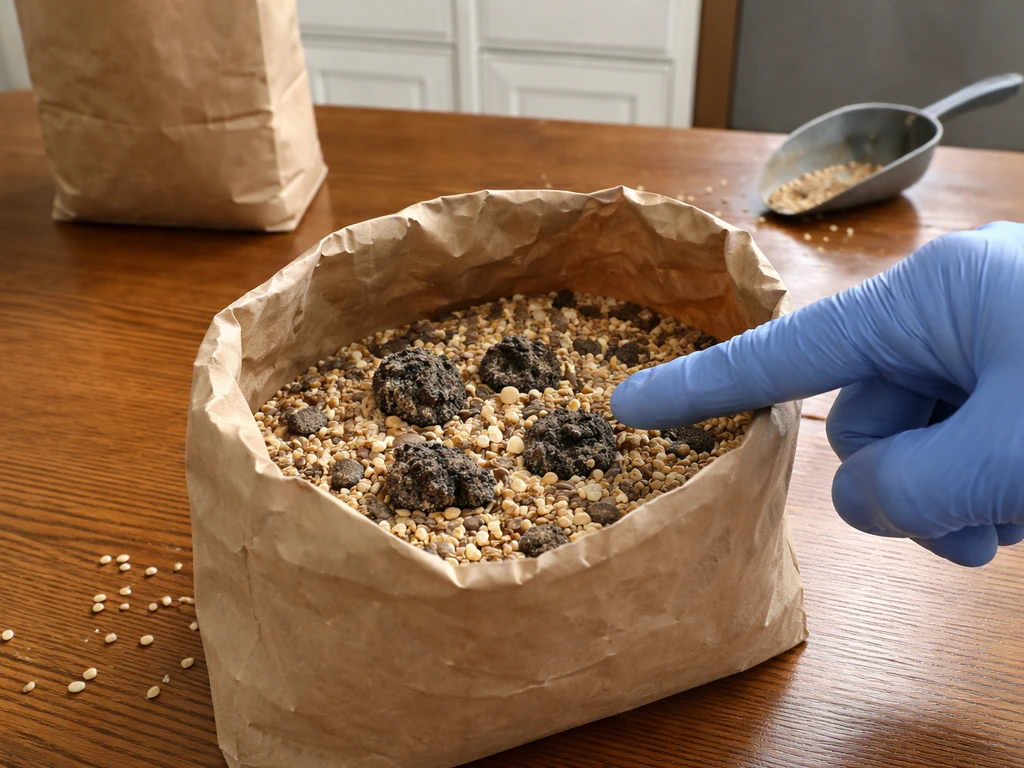
Given the recalls for weed-seed contamination that hit the Pacific Northwest in 2025, it's reasonable to be a bit skeptical of heavily discounted or unfamiliar seed brands, especially if the mix looks unusual or contains seeds you don't recognize. Because thistle bird seed is a common mix that can be involved in weed-seed contamination, it helps to check labels and, when in doubt, test or choose a brand with recent verification. State seed regulatory programs and university labs like the Oregon State University Seed Laboratory exist precisely for this reason: they can test seed mixes for weed seed content and identify what's actually in a bag. If you want to avoid bird seed that does not sprout, focus on mixes with the best germination quality and no weed seed contamination weed seed content. If you're buying bulk from an unfamiliar source or picking up a bargain bin product, a quick visual check for foreign plant material is worth doing. Look for seeds that look out of place, unusual shapes, or any that appear shriveled or discolored.
Problems with bird seed at feeders don't stop at contamination. Mold, bacterial growth, and spoilage are ongoing concerns that affect both the birds you're trying to feed and any pets or wildlife that access feeder areas. During a shortage, when you might be buying from less familiar sources or using seed that's been stored longer than usual, that extra moment of inspection before filling the feeder is genuinely worthwhile.
FAQ
How can I tell if the shortage near me is a recall issue versus normal low stock?
If it’s a recall, the “missing” product usually disappears completely, while typical shortages show up as limited brands or limited mix types. Check the bag label for the manufacturer and lot or batch information, then contact the store to ask whether they pulled specific lots or just ran low on inventory.
What’s the safest way to store bird seed during a shortage so it doesn’t spoil?
For best results, store new seed in airtight containers and keep it dry. If you buy in bulk, split it into smaller bins, label the date, and avoid keeping seed in hot garages or near humid areas where mold can develop.
If I buy an unfamiliar mix, how do I test it without risking wasting seed or harming birds?
If you cannot confirm what’s in a new mix, do not immediately fill multiple feeders. Use small test amounts for a few days, watch which birds come in, and stop feeding if you notice a musty smell, clumping, or heavy debris, since those can signal moisture damage.
Why does my local store stay out of stock while other stores seem fine?
Yes. Some shortages are “channel” problems, meaning certain retailers stock less frequently or receive shipments on slower schedules. If your local store says “temporarily unavailable” repeatedly, switch to a different retailer type (farm supply, co-op, feed mill) or plan your purchases around shipment days when possible.
What are good substitutes if my exact bird seed mix is unavailable?
Start by matching the birds you want to feed, then choose substitutes that birds reliably eat. In practice, use suet/nuggets for many common feeder birds, mealworms for insect-eaters, and safflower or sunflower chips for finch-like visitors, while reserving cracked corn or millet for ground feeders.
Is it better to buy a lot of seed quickly, or smaller amounts during the shortage?
Buy less at once and refill based on what you’re seeing. During shortages, opening one bag at a time reduces the risk of using a stale or moisture-damaged batch, and it also helps you adjust if birds aren’t taking the new food as expected.
If I consolidate feeders to reduce waste, what cleaning changes should I make?
Consolidating feeders can help, but don’t ignore hygiene. Even with fewer feeders, clean trays and empty old seed more often, and keep seed from accumulating under the feeder, because spoiled leftovers and debris can spread mold and bacteria.
How do I prevent my dog or cat from eating spoiled or contaminated seed under the feeder?
If you have pets that go outside, assume spilled seed will be eaten eventually. Clean up fallen seed daily or as often as you can, and store all seed off the ground in sealed containers to prevent pets from accessing it.
Are discounted or off-brand bird seeds more risky during this shortage?
Heavily discounted products can be a red flag, not because “cheap is bad,” but because you may not get enough information to verify freshness and composition. Before buying, check labels for identifiable ingredients, inspect for foreign plant material, and avoid lots that look clumped, damp, or unusually dirty.
Does the shortage affect seed germination, and how should I choose seed if I’m planting it (not just feeding birds)?
A germination issue feels like “out of stock” if you’re using seed for sprouting or plantings, but it matters less for feeder use. For gardening purposes, check that the product is intended for planting, not only bird feeding, and consider using a seed-testing service when you need confidence about viability.
What should I do if I notice hawks or other predators hunting at my feeder?
During high bird traffic, predators can show up because food is concentrated. If you see hawking or frequent larger predators, temporarily change tactics, like moving feeders closer to dense cover (for escape routes) or removing feeders briefly (a week or two) to let pressure drop.
Next Article
Bird Seed Benefits for Humans: Safe, Practical Guide
Discover bird seed benefits for humans, plus safety rules for mold, pests, cleaning, pets, and spoilage prevention.