Bird seed benefits for humans are real, but they're mostly indirect: the joy of watching wildlife, a quieter connection to nature, some genuine stress relief, and the satisfaction of supporting local bird populations through hard seasons. What bird seed does NOT do is offer meaningful nutritional value if you eat it yourself (more on that myth below). The practical upside is in your yard and your wellbeing, not on your plate. But those benefits only hold up if you handle seed safely, because poorly managed feeders can attract pests, grow dangerous mold, and create genuine health hazards for you, your pets, and even the birds you're trying to help.
Bird Seed Benefits for Humans: Safe, Practical Guide
Maya Henderson
28 Apr 2026
What 'benefits' actually mean for people
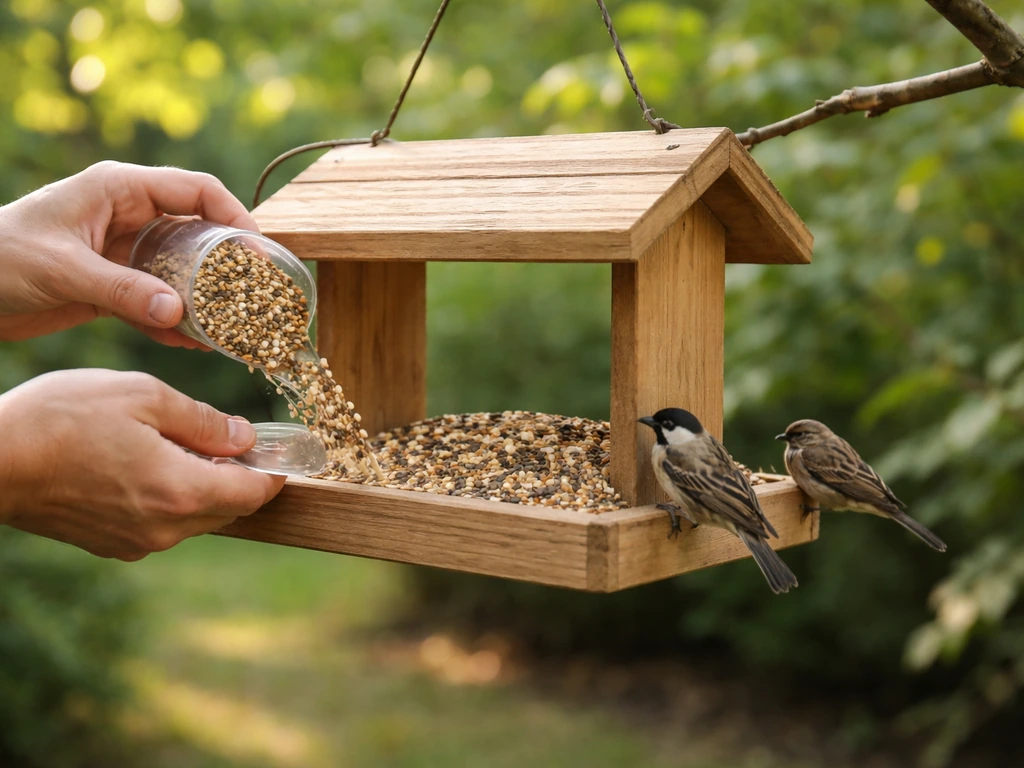
When people search for bird seed benefits for humans, they're often wondering one of two things: can they eat bird seed themselves, or is there some broader value in buying and using it? The honest answer to the first question is: technically some seeds found in bird mixes (sunflower seeds, millet, safflower) are also human food, but the bird seed versions are unroasted, often unprocessed, and not regulated to food-grade standards. If you’re wondering whether the seeds in your mix could be used as a food, the answer depends on what’s in the bag and how it’s processed is sorghum in bird seed. You wouldn't get sick from a handful, but there's no good reason to eat it when human-grade versions exist.
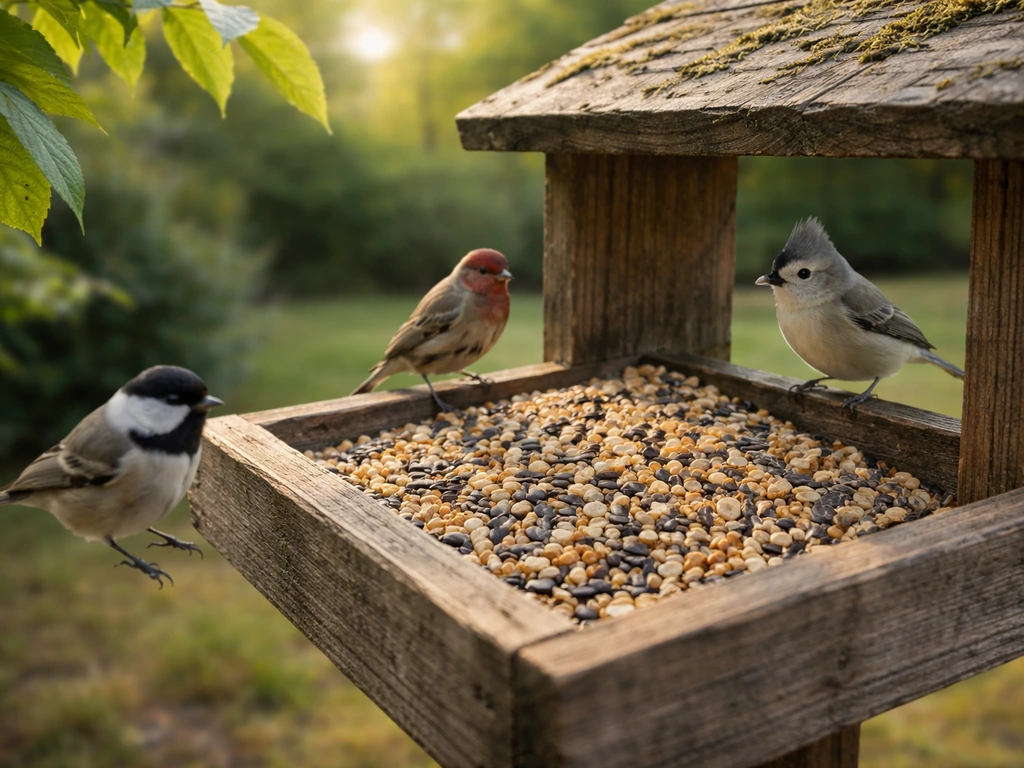
The real benefits sit in a different category entirely. Research from Cornell Lab of Ornithology's Project FeederWatch, which has accumulated more than 1.5 million checklists from everyday participants, shows that people who engage with backyard bird feeding report experiencing nature more directly, feeling genuine joy and relaxation, and sharing those experiences with family and friends. An exploratory study of young adults who feed wild birds confirmed the same motivations: self-benefits like calm and connection to nature, alongside a real desire to help birds survive. These aren't trivial things. Regular time spent observing nature is linked to lower stress and improved mood, and a backyard feeder is one of the easiest ways to build that habit.
There's also an educational angle that surprises a lot of people. Participating in feeder-watching programs teaches bird and tree identification, species behavior, and basic ecological concepts in ways that stick. If you have kids or just want to learn more about your local ecosystem, a feeder becomes a genuinely useful tool, not just a decoration.
How bird seed actually helps (and when it doesn't)
Supplemental feeding genuinely supports birds during lean periods: late winter, early spring before natural food sources return, and during extreme weather. Offering the right seed types for your region means birds spend less energy foraging and more energy surviving and breeding. That matters for local biodiversity, especially for species that are year-round residents rather than migrants.
Where it stops helping, or actively becomes neutral, is when feeders are poorly maintained. Seed that sits too long, gets wet, or is spread in large quantities on the ground doesn't feed birds efficiently. It feeds rodents, attracts insects, and creates conditions for mold growth. A feeder that's never cleaned stops being a benefit and starts being a source of disease for the birds visiting it. So the benefit to local wildlife is real, but it's conditional on responsible setup and upkeep.
It's also worth being realistic about scale. A single backyard feeder won't reverse population declines for any species on its own. The value is local and immediate: the birds in your yard, in your season, right now. That's still worth doing, but it's helpful to frame expectations correctly so you're not over-investing or under-maintaining.
Common risks to humans: mold, pests, mess, and allergies
This is the part most beginner feeders don't think about until something goes wrong. Bird seed carries genuine risks to human health if it's mismanaged, and they're worth taking seriously. If you are seeing empty shelves or fewer bags than usual, that question is often tied to supply chain and purchasing surges for bird food bird seed shortage.
Mold and fungal contamination
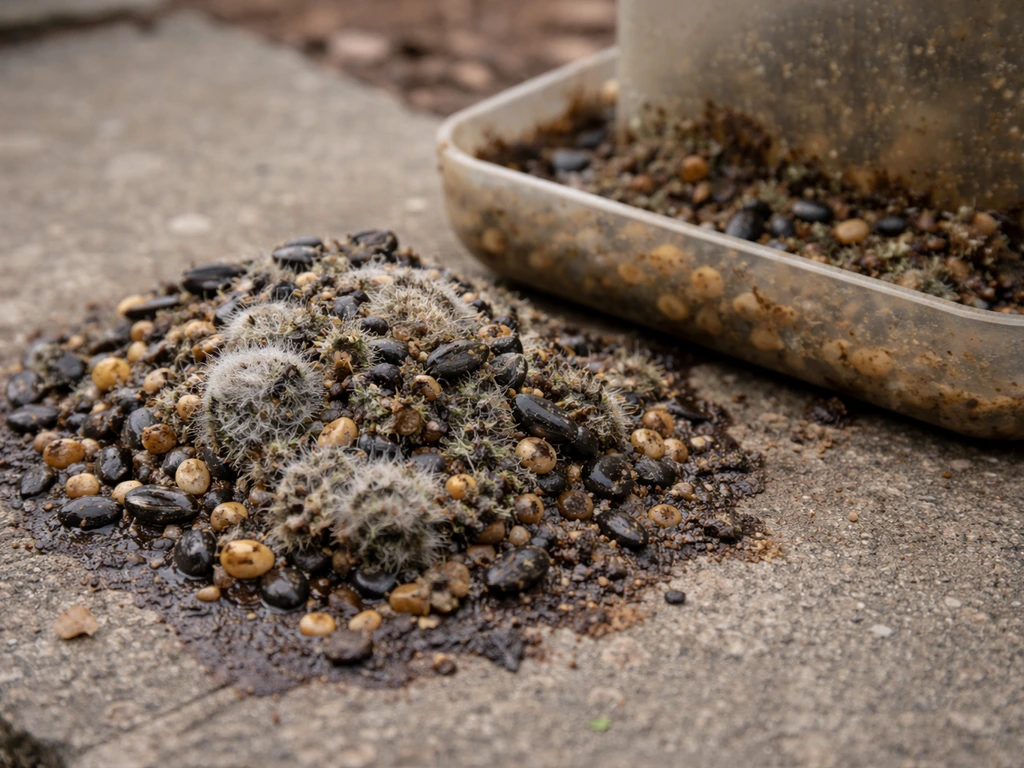
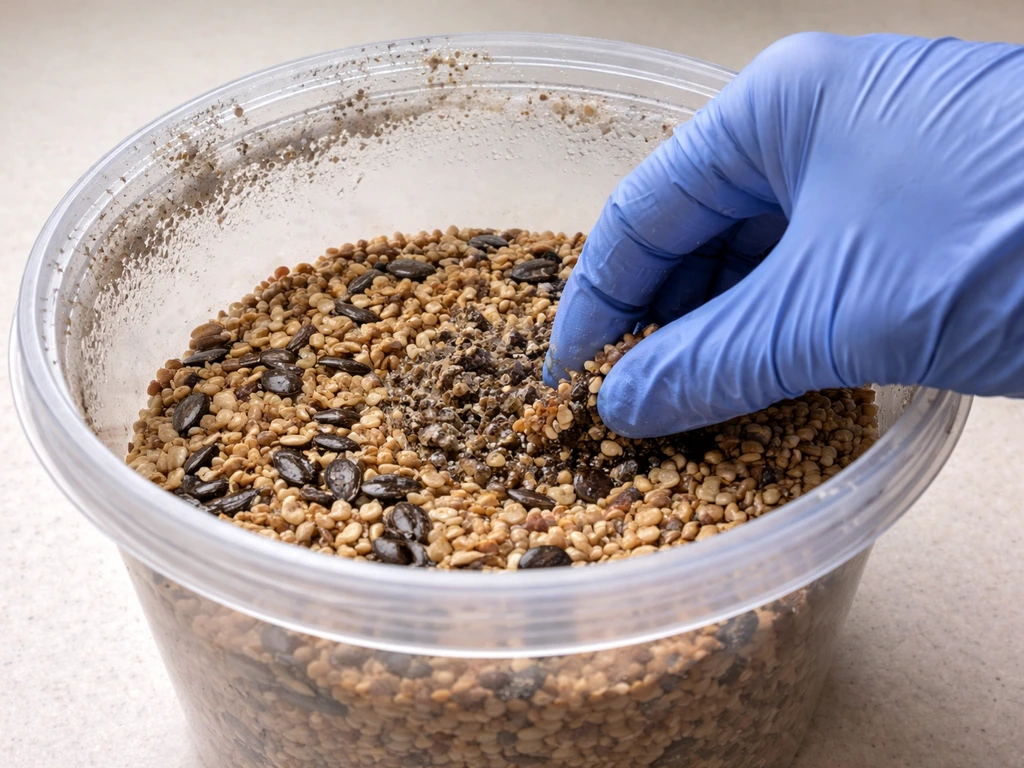
Wet or improperly stored seed grows mold fast, including Aspergillus species that produce aflatoxins, which are toxic to both birds and humans. You're unlikely to get a serious dose from casual handling, but breathing in spores from a moldy seed bag or moldy feeder residue is a real respiratory risk, especially for people with asthma or mold sensitivities. CDC notes that mold exposure can cause health effects such as stuffy nose, sore throat, coughing or wheezing, burning eyes, and skin rash, and that immune-compromised people or those with chronic lung disease are at higher risk for infections breathing in spores from a moldy seed bag or moldy feeder residue is a real respiratory risk. Always handle any clumped, discolored, or off-smelling seed with gloves and a mask, and dispose of it in a sealed bag outdoors.
Pests: rodents and insects
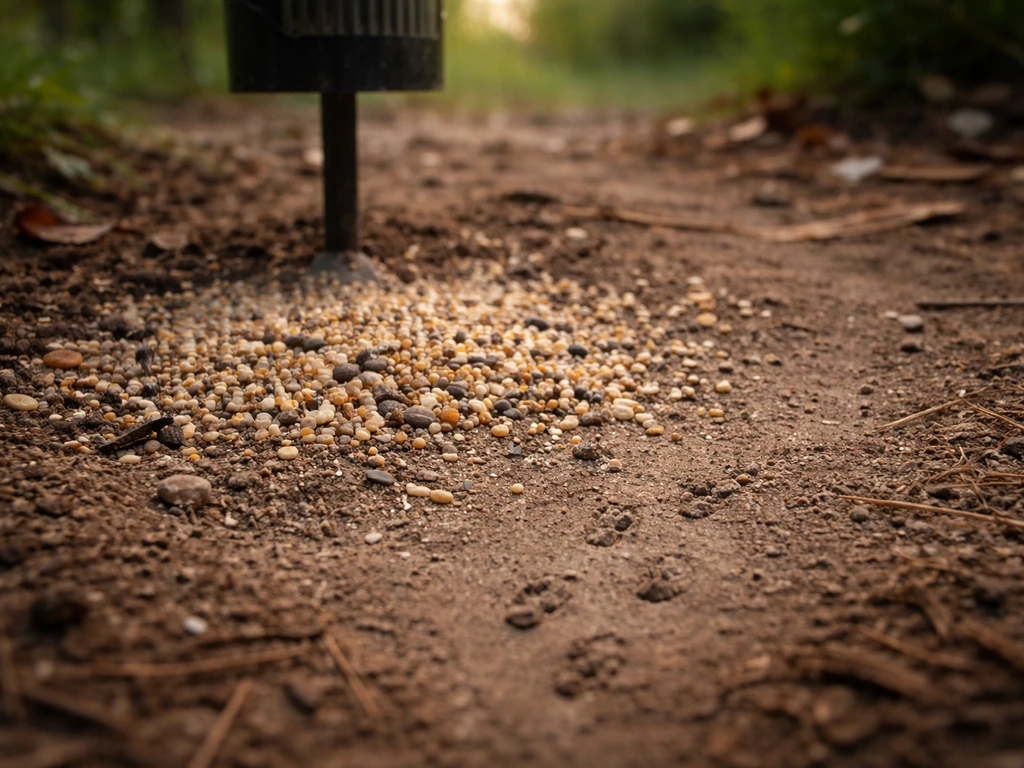
Spilled seed under feeders is a direct invitation for mice, rats, squirrels, and in warmer months, insects. Rodents carry diseases, damage property, and once they find a reliable food source, they're hard to discourage. This is one of the most common bird seed problems people run into, and it's almost always a result of too much seed on the ground or a feeder with poor design that scatters seed widely. This section is the heart of bird seed problems because mold, pests, and mess usually come from mismanaged feeders and storage.
Dust, allergens, and skin irritation
Even fresh, clean seed produces fine dust, especially from millet and cracked corn mixes. Handling bags and filling feeders regularly exposes you to this dust, and for people with seed or grass allergies, it can trigger reactions. Wearing gloves and washing hands thoroughly after handling seed is a simple fix, but worth making a habit. Bird droppings around feeders also carry pathogens like Salmonella and E. coli, so good hand hygiene after any feeder contact matters.
How to keep bird seed safe: storage, handling, and spotting spoilage
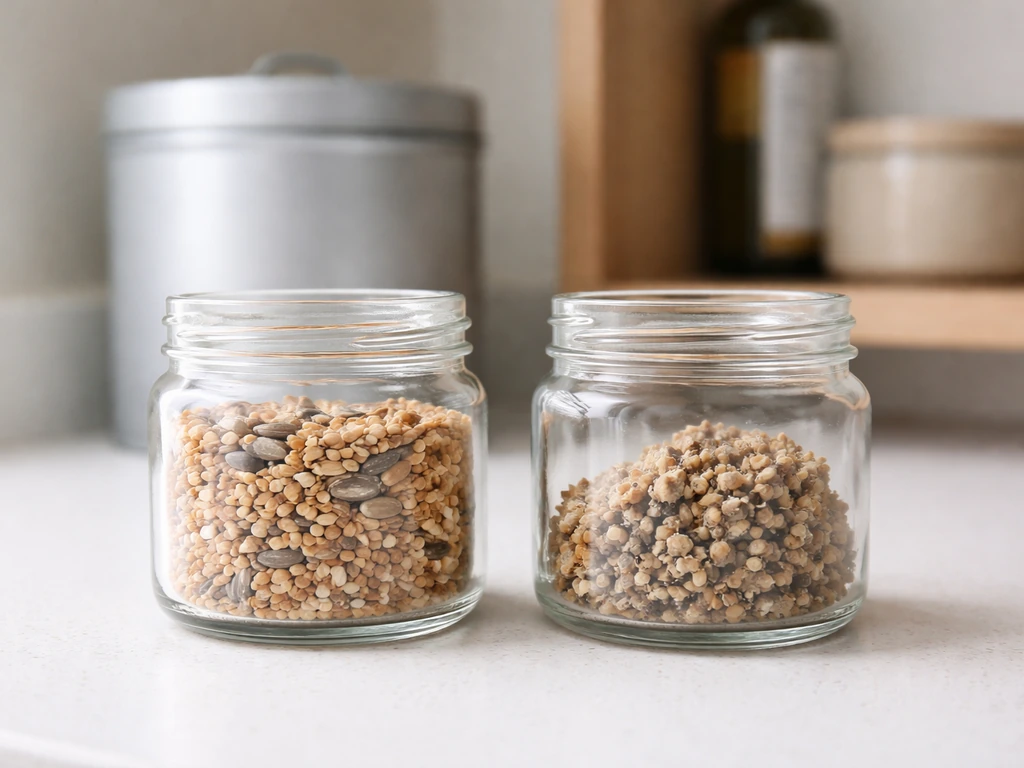
Proper storage is the single most effective thing you can do to prevent most of the risks above. Seed that stays dry, cool, and sealed stays safe for months. Seed that sits in a hot garage in an open paper bag goes bad in weeks.
- Store seed in airtight, hard-sided containers (metal or thick plastic). Rodents chew through paper and thin plastic bags easily.
- Keep storage containers in a cool, dry location. Temperatures above 80°F accelerate mold growth and fat oxidation in seeds like sunflower, making them go rancid.
- Buy in quantities you'll use within 4 to 6 weeks. Large bulk bags seem economical but often lead to spoilage if you're running a single feeder.
- Label containers with the purchase or fill date so you know how old the stock is.
- Never mix new seed into a container that still has old seed at the bottom. Empty, wipe out, and dry the container first.
How to tell if seed has gone bad
- Clumping or caking: fresh loose seed should flow freely. Any clumping means moisture has gotten in.
- Visible mold: white, gray, or greenish patches anywhere in the seed or on the container walls.
- Off smell: rancid, musty, or sour odor indicates either fat oxidation or fungal growth.
- Insect activity: weevils, moths, or larvae in the seed mean it's been compromised.
- Discoloration: seeds that look dull, darkened, or have unusual coatings.
If any of these signs appear, don't try to pick out the bad parts. When seed has started to spoil or clump, you should not try to use it later, especially if you end up with bird seed that does not sprout pick out the bad parts. Discard the whole batch, clean the container thoroughly with hot soapy water, let it dry completely, then start fresh. If you're dealing with thistle (nyjer) seed specifically, note that it has a shorter shelf life than sunflower or safflower, which is one reason some people find birds suddenly stop visiting a feeder that used to be popular. Thistle (nyjer) seed is also more likely to lead to weed problems if it spills onto the ground, so keep it contained and clean up any waste quickly does thistle bird seed cause weeds.
Feeder and yard setup to reduce hazards
Where and how you place your feeder matters as much as what you put in it. Good placement minimizes waste, reduces ground spillage, and keeps your yard from becoming an unintended pest feeding station.
- Position feeders at least 10 feet from your home, garage, or shed to limit rodent pathways toward your building.
- Use feeders with catch trays or no-waste designs that reduce how much seed falls to the ground.
- Place a hard surface or ground cover (gravel works well) beneath feeders so dropped seed doesn't mix into soil and decompose invisibly.
- Clean the ground beneath feeders at least once a week, more often in warm weather or if you notice rodent activity.
- Avoid placing feeders directly over garden beds or mulched areas where fallen seed will germinate or rot undetected. This ties into the broader issue of bird seed sprouting and creating weed problems.
- Use a baffle on feeder poles to prevent squirrels from reaching seed, which also reduces the amount that gets knocked to the ground.
- Choose seed types that produce less waste. Hulled sunflower, shelled peanuts, and nyjer in a proper thistle feeder leave very little debris compared to mixed seed with fillers like milo or sorghum.
Cleaning the feeder itself is non-negotiable. A full scrub with a 10% bleach solution (1 part bleach to 9 parts water), rinsed thoroughly and dried completely before refilling, should happen every two to four weeks during mild weather and weekly in hot, humid conditions. Hummingbird feeders need cleaning every two to three days in summer, but tube feeders for seed need attention too, especially the ports and perches where wet seed and droppings accumulate.
Pet and wildlife safety around feeders
If you have cats, dogs, or other pets with outdoor access, your feeder setup affects them too. Cats that hunt around feeders are a risk to the birds, but the seed itself can also be a problem for some pets. Most bird seed isn't toxic to dogs or cats in small amounts, but the moldy or aflatoxin-contaminated seed mentioned earlier is dangerous to dogs in particular. Dogs that eat moldy seed from under a feeder can develop aflatoxicosis, which is a serious liver condition. Keep the ground under feeders clean and check it before letting pets roam freely in that area.
Urban and suburban wildlife interaction is the other side of this. Raccoons, opossums, deer, and squirrels are all attracted to feeders and spilled seed. Some of these visitors are harmless, but raccoons and rodents can damage feeders, contaminate water sources, and create conflict with pets. Bring feeders in at night if raccoons are a persistent problem in your area, or switch to squirrel-proof feeders that deter most larger animals without harming them.
If you're in an area with bears, even seasonally, take feeders down entirely during active bear months (typically spring through fall). A bird feeder is not worth a bear habituating to your yard. Most wildlife agencies recommend this clearly, and it's good policy even if you've never seen a bear nearby.
Your step-by-step responsible feeding plan
Here's how to put all of this together in a practical routine that actually sticks. This is the sequence I'd recommend to anyone starting out or troubleshooting an existing setup.
- Choose one or two seed types suited to your region's common birds. Black-oil sunflower seed is the single best all-around choice for most of North America. Add nyjer if you want to attract finches specifically.
- Buy a feeder designed for the seed type you choose, with a catch tray and easy-to-disassemble cleaning access. Avoid cheap feeders with hard-to-reach corners where seed and droppings accumulate.
- Set up a dedicated storage container before you buy your first bag of seed. Airtight, rodent-resistant, labeled with the fill date.
- Position the feeder away from your home and over a cleanable surface. Install a baffle on the pole.
- Establish a weekly ground-cleaning routine from day one. It takes five minutes and prevents the biggest pest and hygiene problems.
- Deep clean the feeder every two to four weeks with bleach solution, rinse completely, and let it air-dry before refilling.
- Inspect seed before every refill. Look for clumping, smell, and color. If anything looks off, discard and start fresh.
- If you have pets, check the ground beneath the feeder before allowing access and monitor for any signs of mold or rodent activity.
- Consider participating in a structured feeder-watching program like Project FeederWatch during winter months. It turns casual watching into something that contributes real data to conservation science, and it deepens the educational benefit for you.
The benefits of bird seed for humans are genuinely worth having. Better mood, more time spent outdoors noticing the natural world, and direct support for local wildlife during hard seasons are all real outcomes you can achieve with a modest investment of time and money. The risks are also real but almost entirely preventable with the habits above. Start simple, stay consistent with cleaning, and the experience of watching birds in your yard will deliver exactly what most people are hoping for when they first pick up that bag of seed.
FAQ
Are any bird seeds safe for humans to eat if I’m careful?
Don’t use bird seed as a substitute for food. Even when some mix ingredients overlap with human foods, bird versions are commonly unroasted and not held to food-grade safety standards, so you cannot rely on consistent processing or storage quality.
How can I tell the difference between bird seed and something that’s actually food-grade?
If the bag is labeled “for human consumption” or sold as a pantry product, you can treat it like food, but bird-feeder mixes are different. The key decision is labeling and processing, not whether the seed looks like an edible variety.
How much bird seed should I put out to get the benefits without creating pests?
Start with the smallest amount that your yard can consume quickly. A practical rule is to avoid refilling if you see lots of leftover seed, and to adjust so you get less ground scatter, which reduces mold growth and rodent attraction.
Can bird feeding worsen allergies or asthma for humans even if the seed looks fine?
Yes, even if you never get sick, mold dust and feeder residue can trigger respiratory symptoms. If you notice coughing, wheezing, or allergy flare-ups, switch to gloves and a mask, and pause feeding until you clean and discard suspect seed.
What’s the fastest way to troubleshoot a feeder that seems to be growing mold?
Check the feeder area weekly. Remove clumps, wet or discolored seed, and any residue, then wash and fully dry the feeder before refilling, because trapped damp material can regrow mold quickly.
If only part of the seed is clumped or smells off, can I pick out the bad pieces and keep feeding?
Don’t “save” spoiled seed. Discard the whole batch, clean the container and feeder thoroughly, then start fresh with dry, sealed storage. Mixing fresh seed with partially spoiled seed spreads contaminants.
Where should I place a feeder to reduce spilled seed and weed problems?
Place feeders away from dense cover where predators hide, and use devices that limit seed scattering. This reduces waste, which is the main driver of weed growth from spilled seed, plus it lowers rodent activity.
Do bird feeders increase the risk of illness from droppings and seed dust for people and kids?
Yes. Seed handling and droppings both add risk, so wash hands after refilling, avoid touching your face, and keep kids and pets from playing in the spill zone under the feeder.
What’s the best way to store bird seed so it stays safe for everyone?
Store seed in a sealed, moisture-free container and keep it out of heat, especially if it’s summer and humid. Paper bags in hot garages speed spoilage, while sealed storage dramatically extends safe use time.
My feeder keeps attracting rodents and getting messy, what should I change first?
If you notice repeated moldy residues or persistent pests, change more than one variable at once. Clean thoroughly, reduce the amount you put out, relocate the feeder, and switch to a seed type or feeder design that minimizes wet or scattered seed.
Can my pets get sick from bird seed leftovers or spilled seed?
Yes, cats and dogs can be affected by contaminated seed. Keep the ground under feeders clean, prevent pets from eating fallen seed, and if you suspect mold or off-spoiled feed, remove it immediately.
What should I do if I live where bears show up sometimes?
If bears are in the area during active months, take feeders down and store seed securely. The goal is to avoid habituating bears to your yard, since wildlife agencies consider this a serious safety and conflict-prevention issue.
Next Article
Bird Seed Problems: Fix Mold, Pests, Spoilage, and Waste
Solve bird seed problems fast: mold, pests, spoilage, sprouting, waste, storage fixes, and safe feeder cleanup.