The short answer is: sometimes, but not reliably, and not without risks you need to know about first. Wild bird food and pet bird food are not the same thing, even when they share overlapping ingredients like millet or sunflower seeds. The real issue is not whether a parakeet can physically swallow a sunflower seed from your backyard feeder mix. It is whether that seed is safe, nutritionally appropriate, and free from the contaminants that can quietly make your pet bird seriously ill. The same concern flips the other way too: pet bird food left out for wild visitors comes with its own set of problems. Both directions of this question deserve a straight answer.
Can Pet Birds Eat Wild Bird Food? Safety Guide
Maya Henderson
2 Apr 2026
Why wild bird food is not automatically safe for pet birds
The biggest practical risks with wild bird food are contamination, nutritional mismatch, and the occasional presence of additives or treatments you would never knowingly give a pet bird.
Contamination is the issue that catches most people off guard. Wild bird seed sold in large outdoor bags can contain pesticide residues from treated seeds. Federal law (7 CFR § 201.31a) requires treated seeds to carry specific warnings including 'Do not use for feed' and skull-and-crossbones labeling when residues are present or harmful to vertebrate animals. The EPA also requires that bags used for treated seed not be reused to handle food or feed products, specifically to prevent cross-contamination. This is not theoretical fine print. It means some wild bird seed on store shelves is genuinely labeled as unsuitable for direct feeding to animals.
Beyond pesticide treatment, bagged wild bird seed stored outdoors or in large quantities is far more likely to have been exposed to moisture, rodents, or insects before it reaches your feeder. Wild bird mix product labels explicitly state not to feed seed that is moldy, spoiled, or insect- and rodent-infested. Those contamination pathways introduce bacteria, parasites, and fungal spores that are far more dangerous to a pet bird living in an enclosed environment than to a wild bird that is constantly moving and has different baseline exposures.
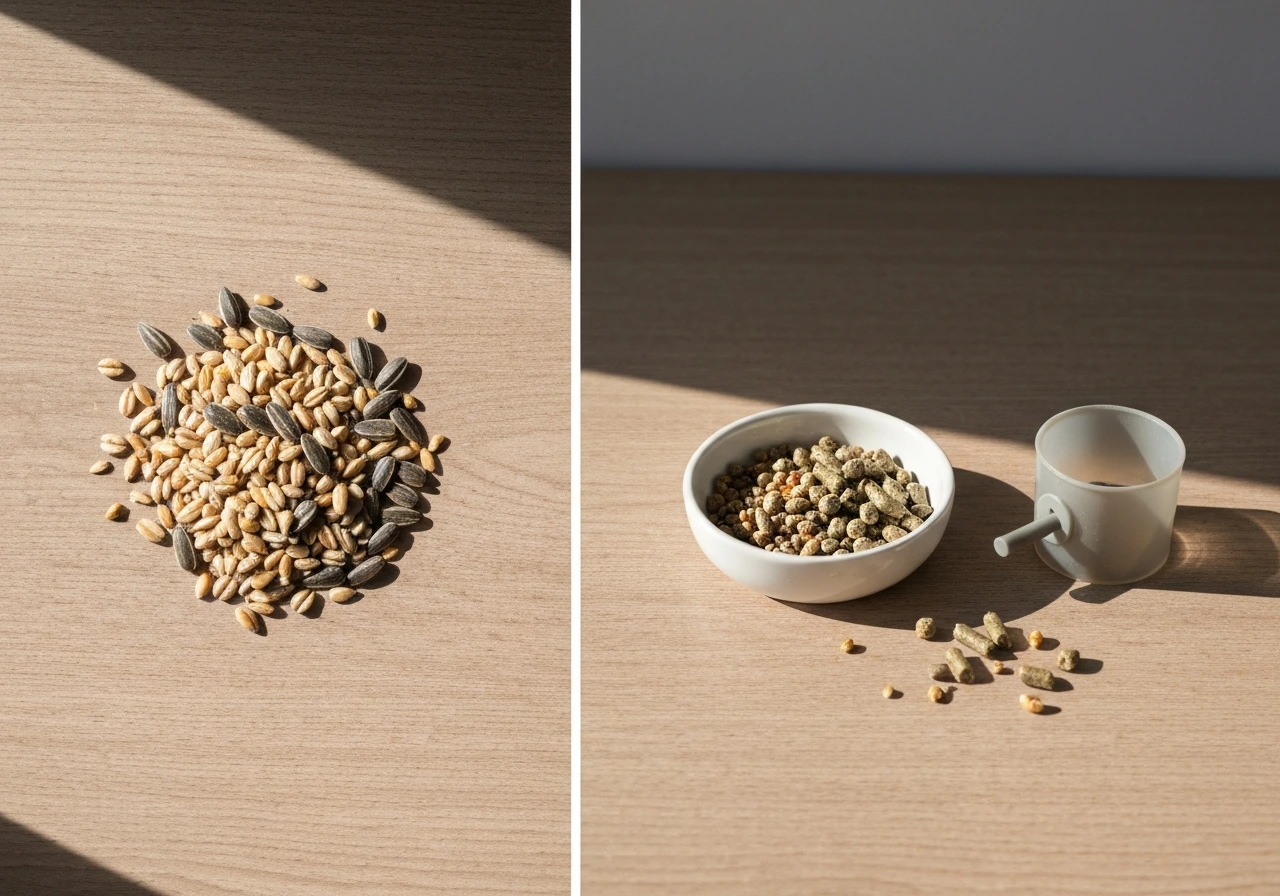
Nutritionally, wild bird mixes are designed for a broad population of species eating outdoors and burning significant energy. They are typically heavy on sunflower seeds, milo, and other high-fat, energy-dense ingredients. Sunflower seeds in particular are flagged in parrot nutrition guides as high in fat and deficient in calcium and Vitamin A when used as a dietary staple. If you are feeding or handling parakeets, choose seed blends intended for pet parakeets rather than generic wild bird mixes Sunflower seeds in particular. UF/IFAS notes that seeds alone are not sufficient to sustain a healthy pet bird, and that energy-dense seeds can contribute to obesity when birds eat them in larger quantities than intended. PetMD explicitly warns that high-fat and high-salt foods can cause serious health problems in pet birds. Wild bird blends are not formulated with any of that in mind.
Why pet bird food is not great for wild birds either
If you have ever tossed leftover pellets or a scoop of your pet bird's seed mix into an outdoor feeder, the risks are different but real. Formulated pet bird foods often include added vitamins, minerals, and in some veterinary diets, medications. Those additives are calibrated for a known species, known body weight, and controlled feeding amounts. Wild birds eating from a shared outdoor station are unpredictable in species, size, and intake. A medicated diet designed for a small parakeet is not something you want a flock of house sparrows consuming freely.
Flavored or sweetened formulations are another concern. Some pet bird treats and mixed foods contain salt, sugar, or artificial flavorings. A toxin handout from an avian exotic vet notes that excessive salt intake in birds can cause increased thirst and lead to vomiting, regurgitation, or diarrhea. Wild birds have no way to self-regulate around an unusually salty or sweetened food source, and they are not monitored the way your pet is.
There is also a spoilage timing problem. Pet bird food formulated with pellets, dried fruit, or egg-based protein breaks down and spoils faster than plain seed when left outdoors. Hot sun, humidity, and rain accelerate that process significantly. What is fine in your bird's indoor bowl at 8 a.m. can be a mold risk in an outdoor feeder by afternoon in warm weather.
Mold, moisture, and knowing when seed has gone bad
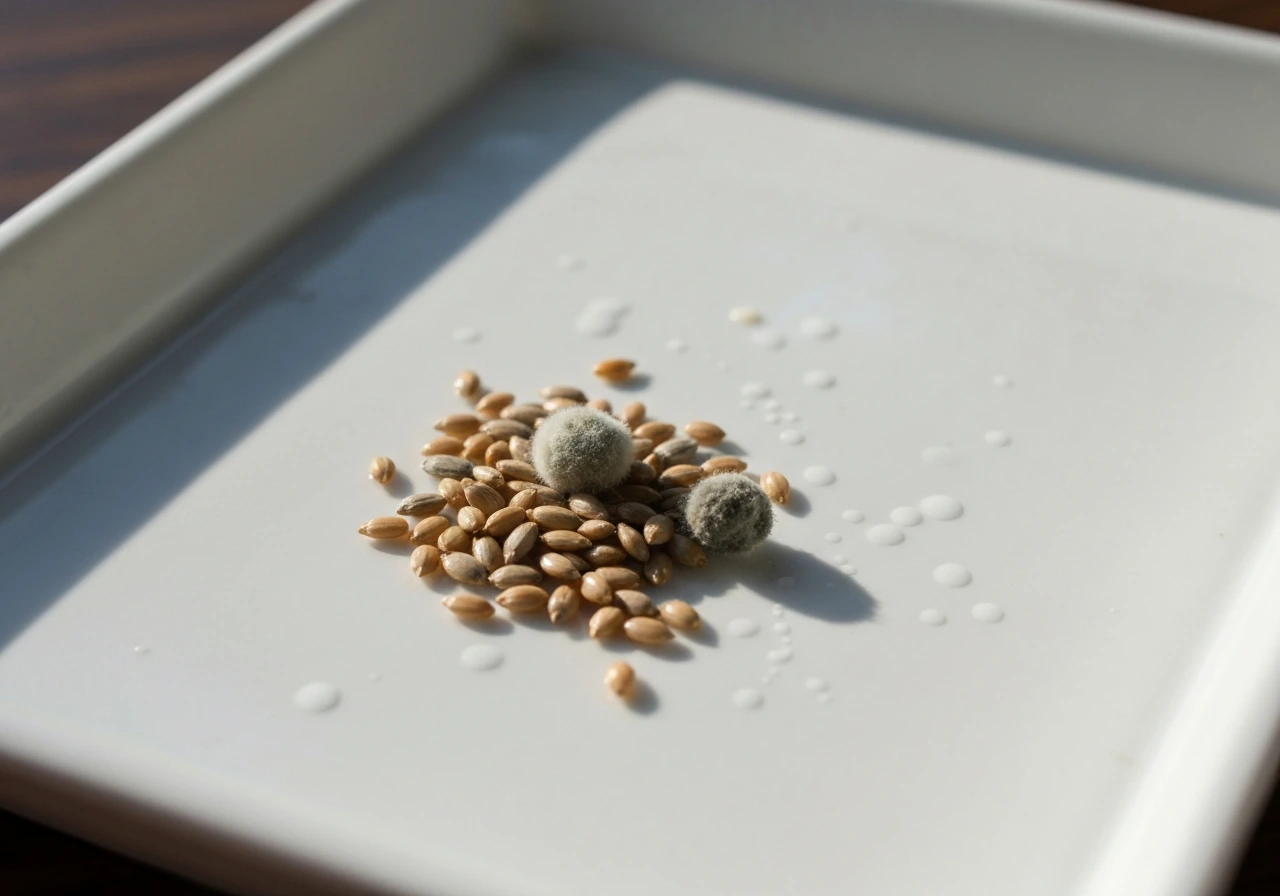
Mold is the single most serious and underappreciated risk in this entire topic. Aspergillosis, a fungal disease caused by Aspergillus mold, is one of the most common and deadly illnesses associated with moldy birdseed. The NYSDEC explicitly lists moldy birdseed as a risk factor for avian aspergillosis, and the disease can progress rapidly, sometimes causing death within days without obvious prior weight loss. One study on infected birds found clinical signs beginning around 3 days post-infection. That is a very short window between exposure and serious illness.
Mycotoxins from mold are a secondary threat. Merck Veterinary Manual notes that mycotoxin exposure from a contaminated batch of feed can cause subclinical or acute illness depending on the dose and species, with some toxins causing liver and kidney damage or visible oral lesions. The problem is that mold is not always visible to the naked eye, especially in the early stages or deep inside a feeder where seed is compacted.
How to inspect seed before using it
- Smell the seed before filling any feeder. Fresh seed smells neutral or mildly nutty. A musty, sour, or ammonia-like smell means discard it immediately.
- Look for clumping. Seed that has been wet and dried often clumps together; this is a sign of past moisture exposure and possible mold even if you cannot see spores.
- Check for visible fuzz, discoloration, or a powdery coating on seeds or the inside of the bag.
- Look for signs of insects (webbing, larvae, or damaged shells) or rodent activity (droppings, gnaw marks on packaging).
- If you cannot confirm seed is clean and dry, do not use it for a pet bird under any circumstances, and reconsider outdoor use as well.
Storage practices that actually prevent spoilage
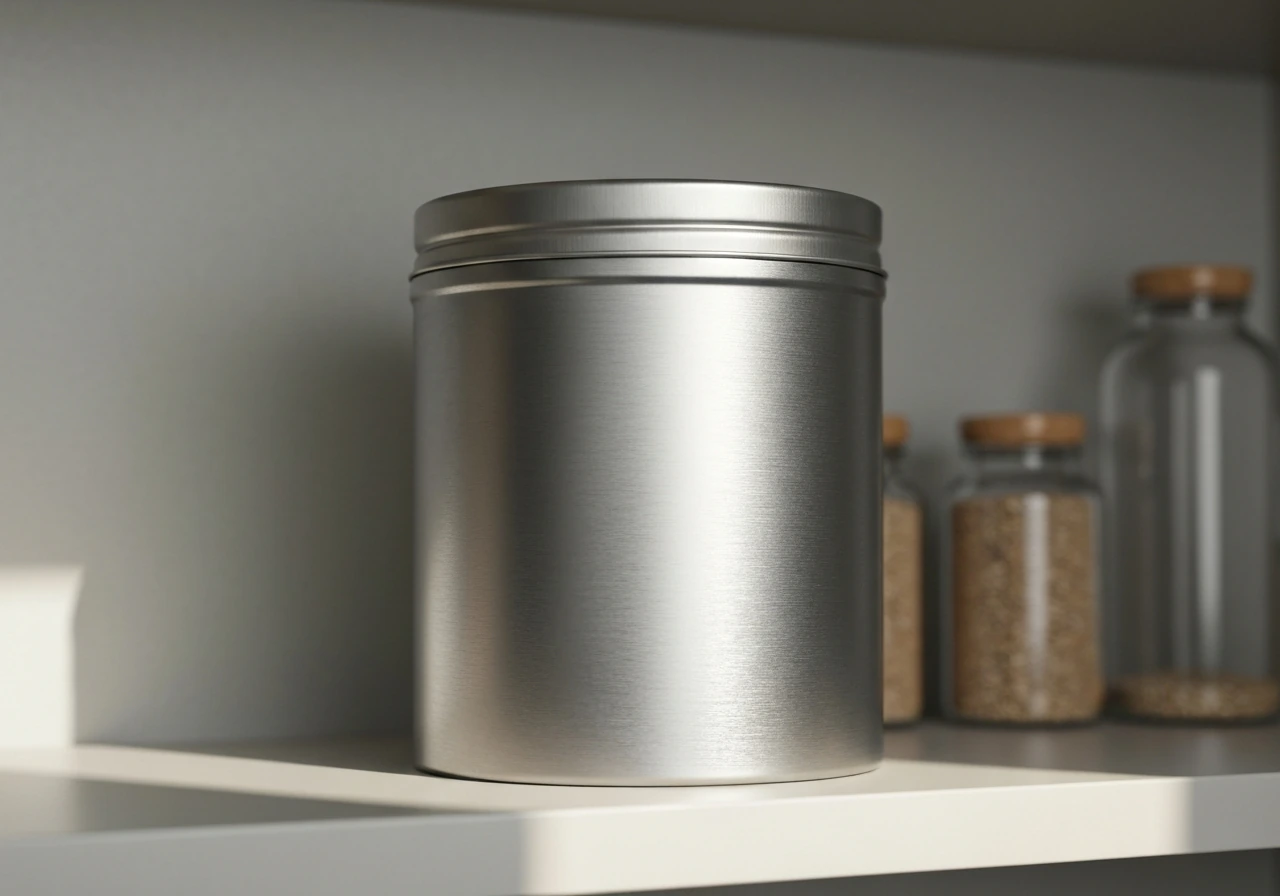
- Store seed in a sealed, hard-sided container (metal or thick plastic) in a cool, dry location. Moisture and heat are the two fastest routes to mold.
- Never store bird seed in the same bag it came in once the bag is open. Transfer to an airtight container.
- Do not buy more seed than you can use in 2 to 4 weeks, especially in warm or humid months.
- Do not leave seed in an outdoor feeder for more than a few days during warm, damp weather. Empty and inspect feeders regularly.
- Discard any seed that has been exposed to rain, even if it looks fine. OSU Extension confirms that moisture directly encourages mold growth in seed.
Species-specific guidance: not all pet birds are the same
Whether wild bird food is even partially acceptable depends heavily on what kind of pet bird you have. Seed-eating birds, parrots, and finches have meaningfully different dietary needs, and a one-size answer does not serve any of them well.
| Pet Bird Type | Typical Diet Needs | Wild Seed Blend Risk Level | Key Concern |
|---|---|---|---|
| Parakeets (budgies) | Small seeds, millet, greens, some pellets | Moderate | High milo and sunflower content in wild mixes; mold risk in outdoor storage |
| Cockatiels | Small seeds, pellets, some fresh food | Moderate to high | Fat-heavy wild blends; sunflower dependence risk and contamination exposure |
| Parrots (larger psittacines) | Pellet-based diet, fruit, vegetables, limited seed | High | Wild mixes are nutritionally inadequate; sunflower seeds are flagged as poor staples |
| Canaries and finches | Fine seeds, especially canary grass seed and millet | Moderate to high | Wild mixes include seeds too large or too fatty; mold risk in high-moisture conditions |
| Doves and pigeons | Whole grains, corn, millet | Lower but not zero | Contamination and pesticide treatment still apply; corn-heavy mixes may be closer to natural diet |
Parakeets and wild bird seed is one of the most common questions in this category, partly because parakeet seed and wild songbird mixes look similar. Yes, because the safety concerns for “bird seed” and for specific mixes overlap, especially contamination, spoilage, and nutritional mismatch Parakeets and wild bird seed. The overlap in ingredients like millet is real, but the differences in blend composition, storage conditions, and contamination risk make them genuinely different products. Similarly, cockatiels eating wild bird food involves a bird that can develop strong seed preferences and is especially prone to the kind of high-fat diet imbalance that wild mixes encourage.
For parrot-type birds (any psittacine), the nutritional gap between a formulated pellet diet and a wild bird seed blend is large enough that wild seed should not substitute for their normal food at all. The parrot nutrition literature is consistent on this: sunflower-heavy seed diets cause fat accumulation, calcium deficiency, and Vitamin A deficiency over time. Birds can also become strongly conditioned to the taste of fatty seeds, making it harder to transition them back to a healthier diet later. If you are looking for variety beyond standard pellets and seed, there are better options than wild bird mixes, and what parakeets can eat besides bird food offers a useful starting point for thinking about safe dietary variety.
Safe feeding practices when you have both pet birds and a backyard feeder
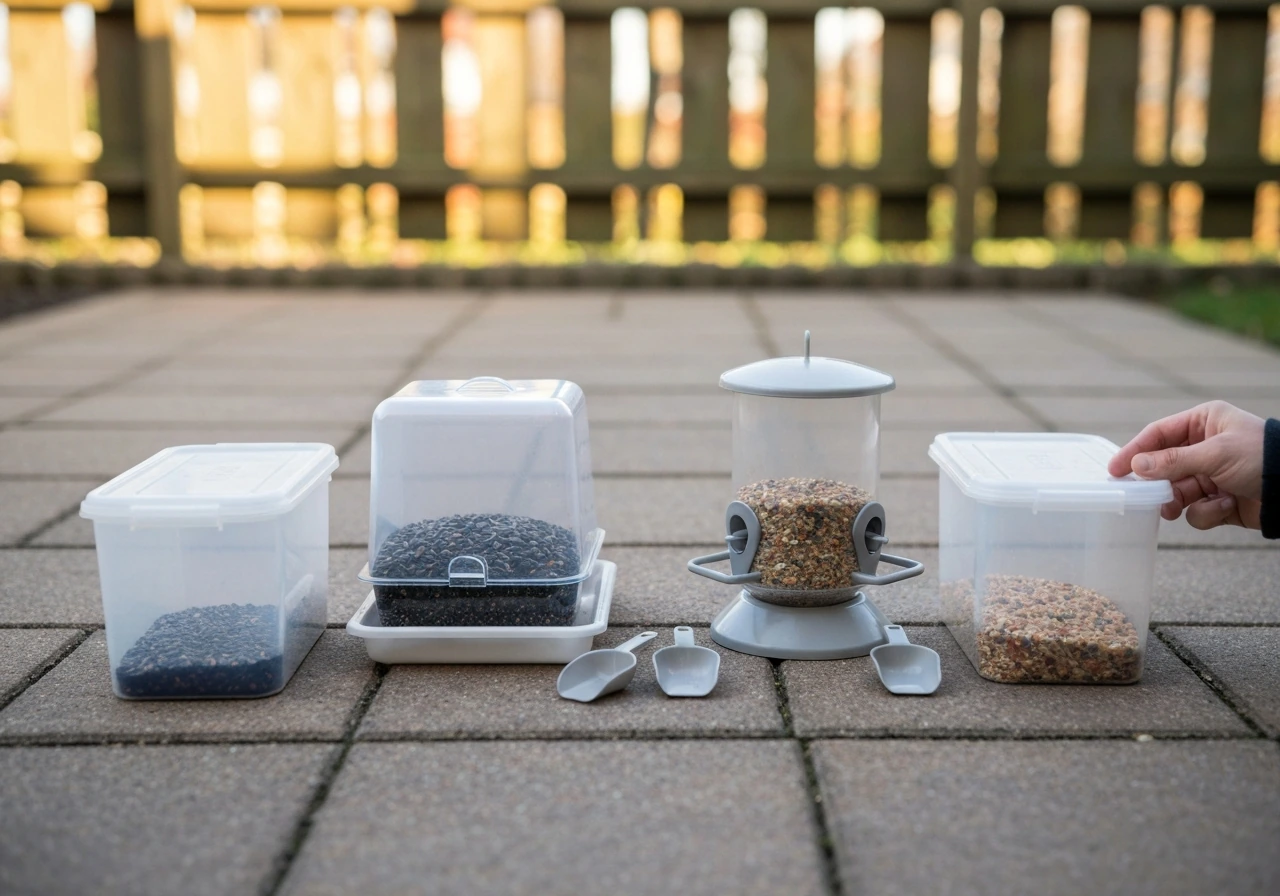
The cleanest solution is strict separation: different seed, different storage, different feeders, and no cross-use. That is not always how households operate in practice, so here is a realistic set of guidelines for keeping both populations safe.
- Keep pet bird seed and wild bird seed in completely separate labeled containers. Do not scoop from one to fill the other.
- Never fill an indoor bird feeder or food dish with outdoor wild bird seed unless you have inspected it carefully and confirmed it is clean, dry, and free of treatment residues.
- Clean outdoor feeders every 1 to 2 weeks at minimum. During warm or damp weather, increase that to every few days. Use 2 ounces of bleach per 1 gallon of water, scrub all surfaces, rinse thoroughly, and let the feeder dry completely before refilling.
- Rake up seed hulls, droppings, and debris from the ground below outdoor feeders regularly. Decomposing organic material under feeders is a direct mold and disease source, and it attracts rodents that increase contamination risk.
- Move outdoor feeders periodically so waste does not accumulate in one spot.
- Do not let your pet bird have unsupervised access to outdoor feeders or any seed that has been sitting outside.
- Wash your hands thoroughly after handling outdoor feeders, seed bags, or cleaning equipment before interacting with your pet bird.
For households where wild birds visit the same general area as an outdoor aviary or where a pet bird has access to an outdoor enclosure, biosecurity matters more. UC Davis avian care guidance recommends preventing direct interaction between pet birds and wild birds or pests as a core disease-prevention measure, and disinfecting surfaces and tools that may have been shared or contaminated.
Signs something has gone wrong, and what to do about it
Birds are good at hiding illness. By the time symptoms are obvious, the problem is often already serious. If your pet bird has eaten wild bird food of unknown quality, or if you suspect mold or contamination exposure, watch closely for the following signs over the next 3 to 7 days.
- Labored or heavy breathing, wheezing, or open-mouth breathing (a primary early sign of aspergillosis)
- Ruffled feathers, lethargy, or the bird sitting low and quiet when it is normally active
- Loss of appetite or reduced food intake
- Vomiting, regurgitation, or diarrhea (especially relevant after exposure to salty or sweetened pet food)
- Increased water drinking beyond the bird's normal pattern
- Visible mouth lesions, crusting around the beak, or discharge from the nostrils
- Sudden death without obvious prior illness (which the NYSDEC notes can occur in aspergillosis cases)
If you see any of these signs, contact an avian veterinarian the same day. Do not wait to see if symptoms resolve on their own. Aspergillosis progresses fast and does not reliably improve without antifungal treatment. Mycotoxin exposure can affect internal organs before visible symptoms appear. The earlier you get a diagnosis, the better the outcome.
For wild birds at your outdoor feeder that appear sick, the right step is to take down the feeder immediately, clean it thoroughly, and wait a week or two before putting it back up. Audubon and the Minnesota DNR both recommend increasing cleaning frequency when disease is suspected at a feeding station. If you are seeing multiple sick or dead birds at your feeder, report it to your state wildlife agency and discontinue feeding until the situation is investigated.
The practical takeaway is simple: wild bird food and pet bird food are not interchangeable, and the risks of treating them that way are real enough to warrant keeping them separate. If you are wondering whether do pheasants eat wild bird seed, the same contamination and nutrition concerns still apply when birds are feeding from mixtures outdoors. If you are ever unsure about a particular seed, the safest default is to discard it. Seed is inexpensive. Veterinary treatment for a sick pet bird is not.
FAQ
Can pet birds have a tiny pinch of wild bird seed just once, or is any amount risky?
Any amount can be risky because the main danger is not quantity but what is in the batch, especially hidden mold or pesticide residues. If you do not know the source and storage history, a one-time exposure still warrants close monitoring for 3 to 7 days, particularly for breathing changes, lethargy, or sudden appetite loss.
What should I check on a bag of wild bird seed to avoid treated-seed or unsafe batches?
Look for explicit warnings that it is treated and for labeling that indicates it is not intended for animal feed. Also avoid bulk or outdoor-stored bags that look clumped, damp, or have insect or rodent contamination. If the bag does not clearly indicate it is untreated and suitable for feeding animals, discard it as the safest default.
Is it safer to use wild bird seed only for outdoor wild birds while keeping my pet birds fully indoors?
It helps, but not perfectly. Pet birds can still be exposed through shared air in a household, aerosolized dust from seed, or by you transferring seed on your hands, clothes, bowls, or cleaning tools. The safest approach is strict separation: dedicated scoops, dedicated surfaces, and hand washing before handling pet food.
If I mixed wild bird seed into my pet bird’s normal food, what’s the best way to respond now?
Remove any remaining mixture and do not “finish the bag.” If your pet already ate it, treat the situation as unknown quality exposure and monitor closely for 3 to 7 days. Make note of the approximate amount eaten and whether it was from an outdoor feeder or a store bag, and tell your avian vet if you call.
How do I tell if seed is moldy when there is no obvious smell or visible fuzz?
Mold can be present without clear visual cues, especially when seed is tightly packed in a feeder or deep inside a container. If the seed looks slightly damp, has caking, shows insect damage, or the feeder has been wet from rain or condensation, assume risk even if you cannot clearly see mold. When in doubt, discard it.
My parrot-type bird accidentally ate some wild seed from a feeder, what is the specific concern?
For psittacines, the biggest concern is nutritional imbalance over time, but the immediate concern is still contamination and mold. Because parrot-type birds may develop strong preferences for fatty seeds like sunflower, even a short period can make later dietary changes harder, so do not replace pellets with wild mixes and follow your normal diet strictly after the incident.
Can cockatiels or other seed-preference birds be “trained” to take only wild seed safely?
Not safely in the way training implies. Wild mixes are not formulated for captive nutrition needs, so calcium and Vitamin A gaps and high-fat overconsumption can develop. Use wild seed only as strictly separated treats at most, and prefer species-appropriate formulated diets or vet-approved variety instead of feeder blends as the base food.
What signs should make me contact an avian vet immediately after my bird ate unknown seed?
Contact an avian veterinarian the same day if you see breathing-related changes (open-mouth breathing, wheezing, tail bobbing), abrupt inactivity, vomiting or regurgitation, abnormal droppings, or a sudden appetite drop. Birds often hide illness, so delaying “to see if it improves” can reduce treatment options, especially for fast-moving mold-related disease.
If wild birds at my feeder look sick, how long should I stop feeding before restarting?
If you see multiple sick or dead birds, stop feeding and report it to your state wildlife agency, and do not resume until the situation is addressed. If it appears to be a localized issue and you are only dealing with suspect contamination, the practical guidance is to take the feeder down and wait about 1 to 2 weeks after thorough cleaning before putting it back up.
How should I clean feeders and tools to reduce mold and contamination risk?
Use a thorough cleaning routine and remove all old residue, then disinfect surfaces and tools that may have contacted shared seed or feeder contents. Avoid cross-use of scoops, gloves, or towels between wild bird areas and your pet bird food setup. Let items dry completely before reuse to reduce the chance of returning moisture that supports mold growth.
Is it ever acceptable to use a small amount of wild bird seed as enrichment for a pet bird?
Enrichment is only reasonable if you can control for safety, meaning the seed is stored dry, is clearly untreated, and is offered separately from any contaminated feeder material. Even then, use enrichment as a minor add-on, not a diet replacement, because nutritional mismatch and mold risk still apply.
Next Articles
Can Cockatiels Eat Wild Bird Food or Seed Safely?
Can cockatiels eat wild bird seed safely? Learn risks from outdoor mixes and what to feed instead.
Do Seagulls Eat Bird Seed? How to Stop Them
Yes, seagulls often eat bird seed. Learn why they show up and how to block them while keeping feeding safe.
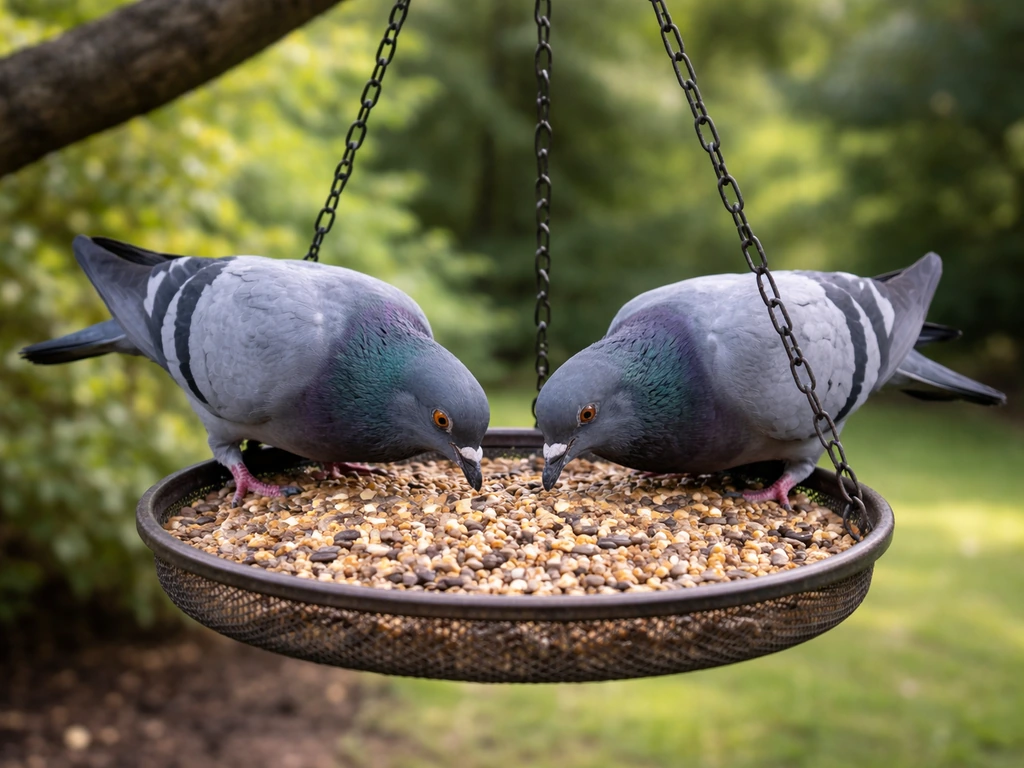
Do Pigeons Eat Bird Seed? Safe Feeding Tips and Risks
Yes, pigeons eat many seeds, but mold and mess make it risky. Learn safe bird seed storage, feeding, and placement.