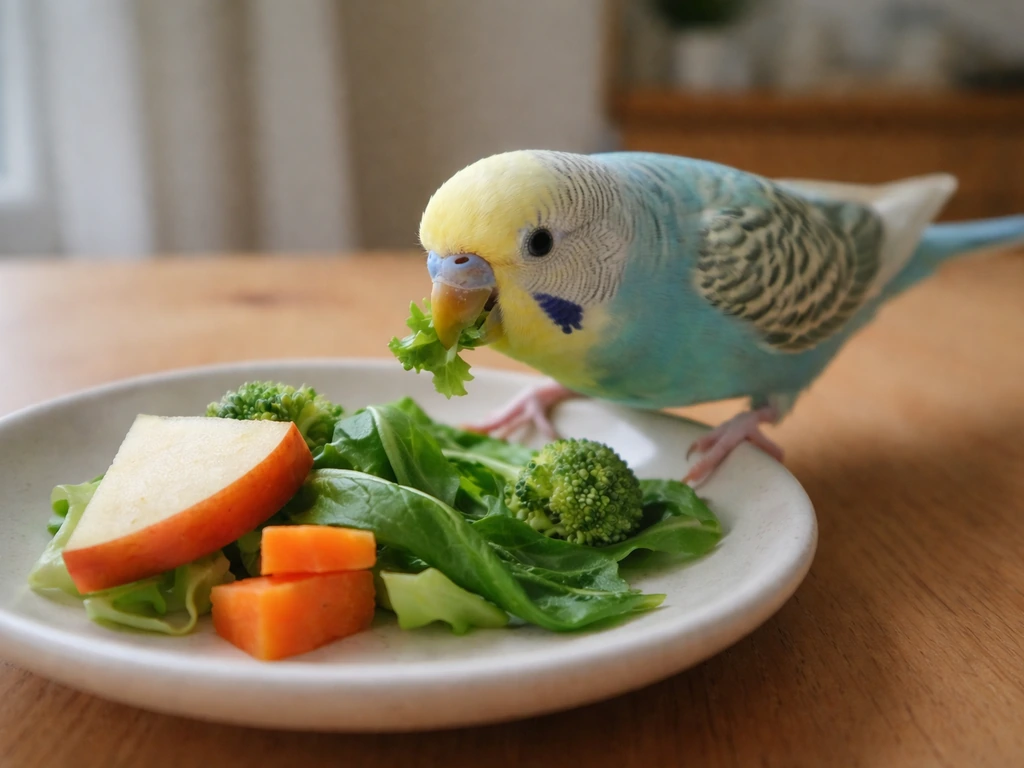
Parakeets can eat a wide range of foods beyond their standard seed or pellet mix, including fresh vegetables, fruits, cooked grains, legumes, and sprouted seeds. The short answer is that a well-rounded parakeet diet should be roughly 60–70% quality bird food (seed or pellets) and 25–30% fresh foods like vegetables, fruits, and grains, with the rest made up of occasional extras. Buffalo Bird Nerds' Avian Nutrition Guidelines recommend a similar balance of about 70% pellets with about 25% fresh table foods roughly 60–70% quality bird food (seed or pellets) and 25–30% fresh foods. Getting that balance right, and knowing what to keep out of the cage entirely, is what this guide is about.
What Can Parakeets Eat Besides Bird Food Safely
Maya Henderson
17 Apr 2026
Safe human foods and supplements for parakeets
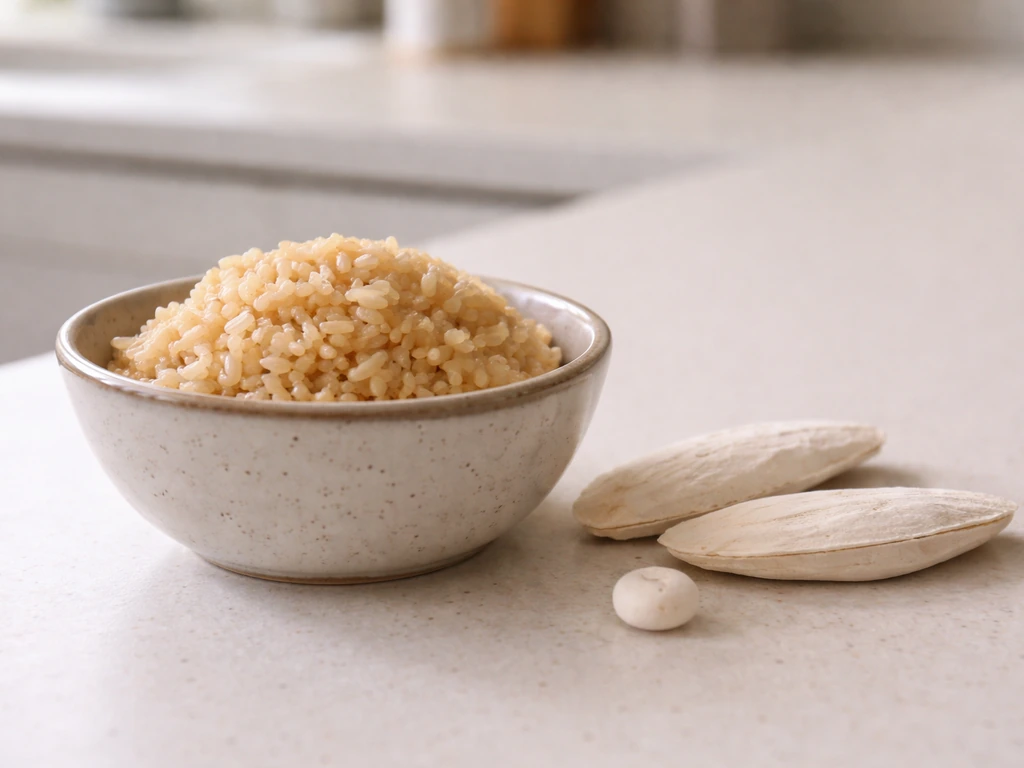
Plenty of everyday kitchen foods are genuinely good for parakeets. Cooked brown rice (made without salt in the cooking water) is one of the easiest to offer. Quinoa, oats, and millet are also excellent grain options. Legumes like lentils and chickpeas are fine when cooked through or sprouted. Small pieces of hard-boiled egg white can provide a protein boost, especially during molting. Plain, unsweetened yogurt in very small amounts can supply calcium and probiotics, though some birds are indifferent to dairy.
For supplements, a cuttlebone is the simplest calcium source you can provide and most parakeets will use it on their own schedule. Calcium and mineral blocks sold at pet stores work similarly. A full-spectrum bird vitamin powder can be sprinkled lightly over soft food (not water, where it degrades quickly and can encourage bacterial growth). Bee pollen granules are sometimes used as a natural vitamin booster, and a small amount of ground flaxseed adds omega-3 fatty acids. Just keep supplementation light: over-supplementing vitamins A and D in particular can cause toxicity.
Foods to avoid, the real danger list
Some common human foods are genuinely dangerous to parakeets, not just mildly inadvisable. Avocado is the one to be most strict about: the entire plant contains persin, which causes serious respiratory distress and heart-related effects and can cause sudden death in small birds. Even a tiny amount of guacamole or a sliver of avocado flesh is not worth the risk.
Chocolate is equally dangerous. It contains theobromine and caffeine (both methylxanthines), which can cause hyperactivity, elevated heart rate, tremors, seizures, and potentially death. Because parakeets are small birds, even a crumb-sized amount can push them toward a toxic dose. Keep all chocolate products completely away from the cage.
The entire onion and garlic family is unsafe. That includes raw onion, cooked onion, garlic, chives, shallots, and powdered or concentrated forms like garlic powder and onion soup mix (which can actually be more potent than the raw vegetable). These cause changes in red blood cells that lead to severe anemia. Caffeine from coffee or tea, alcohol in any form, and fruit pits or apple seeds (which contain cyanogenic compounds) round out the most critical items to avoid.
- Avocado (all parts, including flesh and skin)
- Chocolate and cocoa products
- Onions, garlic, chives, shallots (raw, cooked, or powdered)
- Caffeine (coffee, tea, energy drinks)
- Alcohol
- Apple seeds and fruit pits (cherry, peach, plum)
- Salty, sugary, or heavily processed human snacks
- Raw dried beans (contain hemagglutinin — must be cooked thoroughly)
- Rhubarb (leaves especially, but the stalk is also best avoided)
Fruits, veggies, grains, and sprouts, what's okay and how much
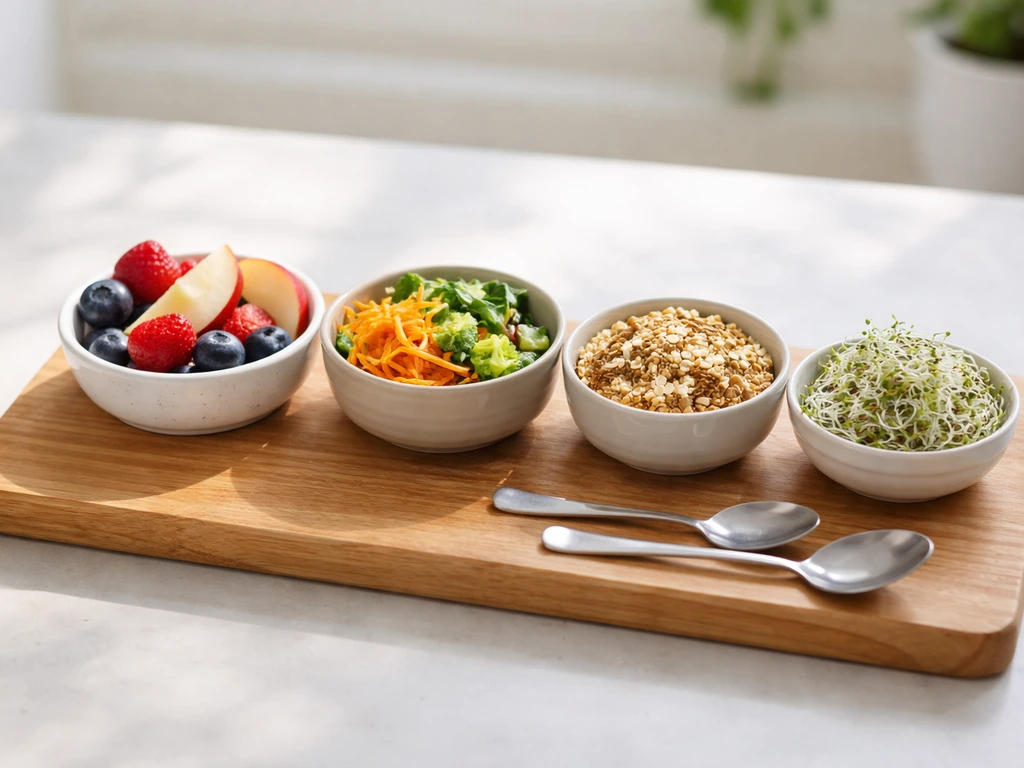
Fresh produce and grains should make up around 25–30% of a parakeet's total diet. That translates to roughly a teaspoon to a tablespoon of fresh food per bird per day, adjusted to what they actually eat. Start smaller and increase based on interest and tolerance.
Vegetables are the most nutritionally valuable fresh food you can offer. Dark leafy greens like kale, spinach (in moderation due to oxalic acid), romaine lettuce, Swiss chard, and dandelion greens are all great. Broccoli, carrots, bell peppers (all colors), zucchini, and cucumber are well-tolerated and generally liked. Corn on the cob is a fun enrichment food. Avoid iceberg lettuce, which is mostly water and offers little nutrition.
For fruit, stick to small portions since the sugar content is high. Apples (seeds removed), blueberries, mango, papaya, watermelon, grapes (halved), strawberries, and pears are all safe choices. Citrus like orange or tangerine is fine occasionally but some birds dislike the acidity. Dried fruit is okay in very small amounts, but choose unsulfured, unsweetened varieties.
Grains are underused in most parakeet diets and worth incorporating. As noted, quinoa, brown rice, oats, and millet can be fed dry, soaked, cooked, or sprouted. Sprouting is particularly valuable because it increases nutrient availability and digestibility. To sprout seeds, rinse them, soak overnight, then rinse twice daily for one to two days until small tails appear. Offer immediately and discard any unused sprouts within 24 hours. This is especially worth trying if your bird has always eaten dry seed and you want to add variety without a dramatic diet overhaul.
How to offer new foods safely, portioning, prep, and frequency
Introduce new foods one at a time, in small amounts, a few times a week. Do not replace the main seed or pellet dish with fresh food right away. Place the new item in a separate small dish alongside the regular food so the bird can investigate at its own pace. Many parakeets are neophobic (wary of unfamiliar things), and it can take 10 or more exposures before they try something new. That is normal. Keep offering it.
Wash all produce thoroughly before serving. Chop or shred vegetables and fruits into small, manageable pieces. Remove any uneaten fresh food within two hours at room temperature, or within one hour in warm weather, to prevent spoilage and bacterial growth in the cage. Never leave fresh food in the cage overnight. Cook grains and legumes plain: no salt, no oil, no seasonings of any kind.
Frequency is flexible. Many owners offer fresh food daily, which is ideal. A minimum of three to four times per week still makes a meaningful nutritional difference. The key is consistency: parakeets do better when their feeding routine is predictable.
Water, grit, and calcium, the basics that get overlooked
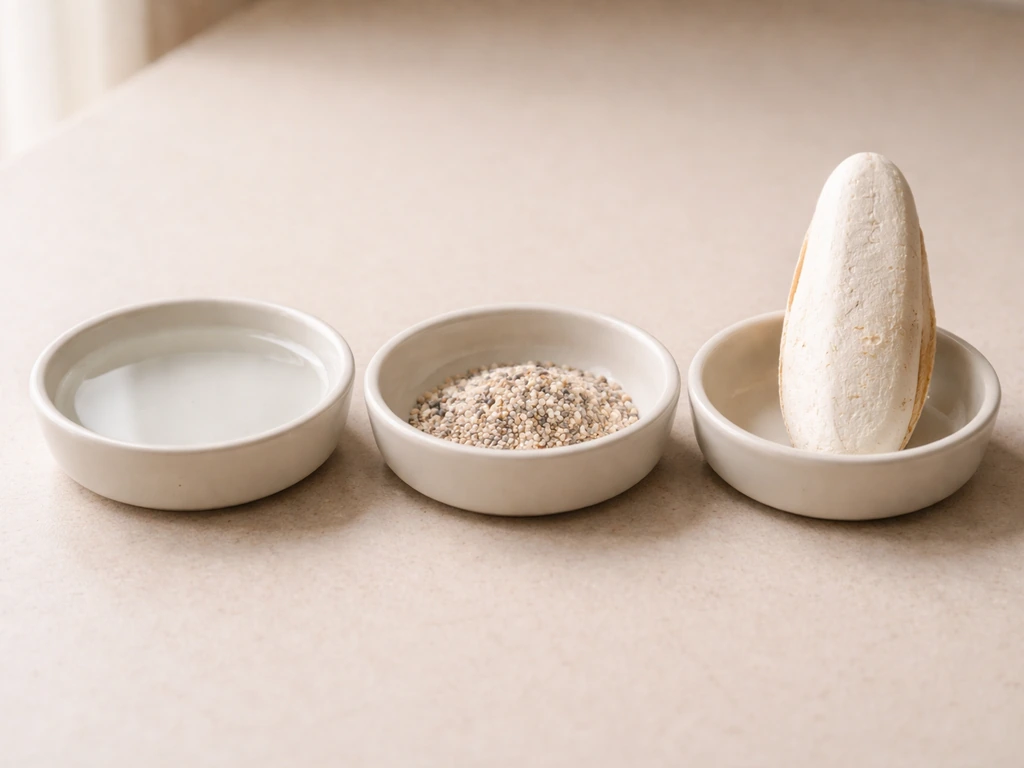
Fresh water every day is non-negotiable. Water sitting in a dish for more than 24 hours collects bacteria, especially if the bird steps in it or drops food in. Use a small, easy-to-clean dish or a water bottle designed for birds. Clean the container daily with dish soap and rinse thoroughly.
Grit is a somewhat misunderstood topic. Parakeets hull their seeds before swallowing, so they do not need grit to grind food in the gizzard the way some other birds do. Omlet notes that budgerigars/parakeets do not need gravel grit because they remove the seed’s outer hull before swallowing blank" rel="noopener noreferrer">do not need grit to grind food in the gizzard. A small amount of soluble grit (like crushed eggshell or oyster shell) is fine and can contribute calcium. Insoluble grit (like gravel) is not necessary and can cause problems if eaten in excess, so skip the gravel-based grit products.
Calcium deserves special attention, especially for females, who can be prone to egg binding if calcium-deficient. A cuttlebone attached to the cage bars is the simplest fix and doubles as a beak conditioner. Mineral blocks and calcium-enriched pellets are also good options. If your bird ignores the cuttlebone, try scraping a small amount of it into soft food instead.
Feeder and food safety: mold, contamination, and pest risks
If you keep parakeets alongside backyard feeding setups, or if you source seed in bulk, contamination risks become a real issue. Mold and bacteria form quickly on wet or old birdseed, and seed that smells sour, looks clumped, or is visibly discolored should be discarded immediately. Do pheasants eat wild bird seed, and what does that mean for contamination risk around your feeders? Never fill a feeder or food dish with seed that has gone damp, even if it looks mostly okay. The same rule applies to backyard feeders: outdoor feeders should be cleaned at least every two weeks, and more often during warm or wet weather when mold spreads faster.
Droppings buildup on feeder trays is another contamination vector, both for backyard birds and for cage feeding setups. Bacteria and fungal spores from droppings can contaminate fresh food quickly. Clean cage food dishes daily, and scrub them with hot water and dish soap. If you're buying bulk seed for your parakeet, store it in an airtight container in a cool, dry location and use it within a few weeks. If you're wondering whether you can supplement with wild bird mixes, parakeets eating wild bird seed is worth reading before you mix those products into your bird's diet, since quality and composition vary significantly.
Backyard feeding setups can also attract pests like rodents, which introduce their own contamination risks. If you notice mice, rats, or squirrels getting into seed storage or feeders, tighten up storage immediately and consider elevated or baffled feeder designs. Pests near a pet bird's food supply is a genuine health risk, not just a nuisance.
It's also worth knowing that parakeets are not the only birds affected by these contamination issues. Pet birds eating wild bird food in general face elevated contamination and nutritional imbalance risks compared to birds eating food formulated specifically for their species.
Transitioning a diet and watching for problems
Switching a parakeet's diet gradually is essential. A bird that has eaten dry seed its whole life does not have the gut flora or the digestive adaptation to handle large amounts of fresh food right away. A sudden shift can cause loose droppings, lethargy, or a bird that simply refuses to eat enough. Introduce one new food at a time over several weeks, keeping the primary seed or pellet base constant during the process.
Watch droppings closely when adding new foods. Normal parakeet droppings have a dark green or brownish solid portion, white urates, and a small amount of clear liquid. Loose or very watery droppings for more than a day or two after introducing a new food is a sign to pull that food and wait before trying again. Beet and berries will temporarily turn droppings red or purple, which looks alarming but is harmless.
Weight is the most reliable health indicator. A healthy adult parakeet typically weighs between 25 and 36 grams. Weigh your bird weekly on a small digital kitchen scale. A loss of more than one or two grams over a week is worth paying attention to. If the bird is losing weight, eating less, or showing fluffed feathers and decreased activity, pull the new foods and return to the established diet while you assess.
If you are also managing feeding for other species and want a comparison, the diet considerations for cockatiels and wild bird food have some overlap with parakeet nutrition but also important differences in portion size and seed preference. Larger bird species like peacocks eating bird seed and pheasants eating wild bird seed have very different caloric and foraging needs, so do not assume that what works at scale for those birds applies to a small cage bird like a parakeet.
Quick comparison: food categories at a glance
| Food Category | Safe Options | How Often | Watch Out For |
|---|---|---|---|
| Vegetables | Kale, broccoli, carrots, bell pepper, zucchini, romaine | Daily ideal, 3–4x/week minimum | Iceberg lettuce (low value); wilted or rotting produce |
| Fruits | Apple (no seeds), blueberries, mango, grapes, strawberries | 2–3x/week, small amounts | High sugar; remove pits and seeds always |
| Grains | Brown rice, quinoa, oats, millet (cooked or sprouted) | 3–4x/week | Never salt the cooking water; discard sprouts after 24h |
| Legumes | Lentils, chickpeas, cooked beans | 2–3x/week | Raw dried beans are toxic; must be fully cooked |
| Protein extras | Hard-boiled egg white, small plain yogurt amounts | Once or twice a week max | No seasoning; remove uneaten portions within 2 hours |
| Calcium/supplements | Cuttlebone, mineral block, crushed eggshell | Always available | Avoid over-supplementing fat-soluble vitamins A and D |
| Unsafe (never offer) | Avocado, chocolate, onion/garlic family, caffeine, alcohol | Never | Powdered/concentrated forms (garlic powder) are more toxic than raw |
FAQ
Can parakeets eat wet fruit or leftovers that have been cut earlier in the day?
They can, but only if it has been kept fresh and handled safely. Cut produce should be offered promptly, then removed on the same schedule as other fresh foods (no more than two hours at room temperature, one hour in warm weather). If it sat longer or smells fermented, discard it rather than “risking a nibble.”
What should I do if my parakeet refuses fresh foods during the transition?
Keep the main seed or pellet base steady and offer the new item alongside it in a separate dish. It can take 10 or more exposures, and some birds prefer specific shapes or textures, like shredded greens or a whole blueberry. Try offering the new food when they are normally most interested (many parakeets are curious earlier in the day).
Is it okay to give parakeets bread, crackers, or other baked grains?
Occasionally plain cooked grains are fine, but most baked snacks are not ideal because they often contain salt, added sugars, oils, or flavorings. If you want a bread-like option, use plain cooked grains (like unsalted oats or quinoa) rather than store-bought breads, and avoid anything with toppings or seasoning.
Can parakeets eat cooked vegetables from my dinner, like steamed broccoli or roasted carrots?
Only if they were cooked without salt, oil, butter, garlic, onion, or seasonings. Even small amounts of common seasonings can add up over time. If you are unsure what went into the dish, cook a small portion plain specifically for the bird instead.
Are all leafy greens safe, and which ones should be limited?
Most leafy greens are safe in portion-sized amounts, but spinach should be moderated because of oxalic acid. If you feed spinach, balance it with other greens like romaine, Swiss chard, kale, or dandelion greens so no single type dominates.
Can parakeets eat citrus every day?
It is best kept occasional. Even if citrus is not inherently toxic, some birds dislike the acidity and may eat less overall or get digestive upset. Use tiny portions and watch droppings for changes for a day or two after introducing it.
What about seeds labeled “sprouting mix” or “wild bird seed” for wild-bird feeders?
Sprouting seed must be appropriate for sprouting and free of coatings, and wild bird mixes vary widely in ingredients. If a mix includes unknown additives or treated seed, it can be a contamination risk and may not be balanced for a parakeet. Stick to seed types you can reliably sprout and feed plain, and only mix in new products after confirming what is included.
How much fresh food is too much, and how can I tell?
More is not always better. If fresh food is left uneaten frequently, it can increase spoilage risk and encourage picky eating, so reduce the portion size and offer smaller amounts more often. A good rule is to start with a small daily amount and adjust based on interest, while keeping fresh food around the target portion of the diet.
Do parakeets need supplements like grit, vitamins, or bee pollen?
Typically, no special grit is required. Calcium and mineral support is often useful, especially for females, but vitamins should be light and carefully dosed to avoid excess A and D. Bee pollen can be used by some owners, but it should be treated as occasional and never relied on as the primary supplement.
My parakeet eats onions or garlic accidentally. What should I do?
Remove the food immediately and monitor closely for symptoms like unusual weakness, lethargy, or changes consistent with anemia (you might see reduced activity and paler appearance). Contact an avian veterinarian, especially if the amount could be more than a tiny taste, because reaction risk varies with dose and the specific form (raw, cooked, powder).
Is yogurt always a good idea, since the article says it can help?
It can help some birds, but many parakeets simply do not like it or may not tolerate dairy well. If you offer it, use very small amounts, plain and unsweetened, and treat it as occasional. If you notice loose droppings or reduced appetite after offering it, stop and switch to other calcium support like cuttlebone.
How often should I weigh my parakeet when introducing new foods?
Weekly is a practical baseline, but if you are changing several foods at once or the bird seems hesitant, increase check frequency to about every few days during the transition. Any noticeable downward trend, combined with fluffed feathers or lower activity, is a reason to revert to the established diet and reassess.
Next Articles
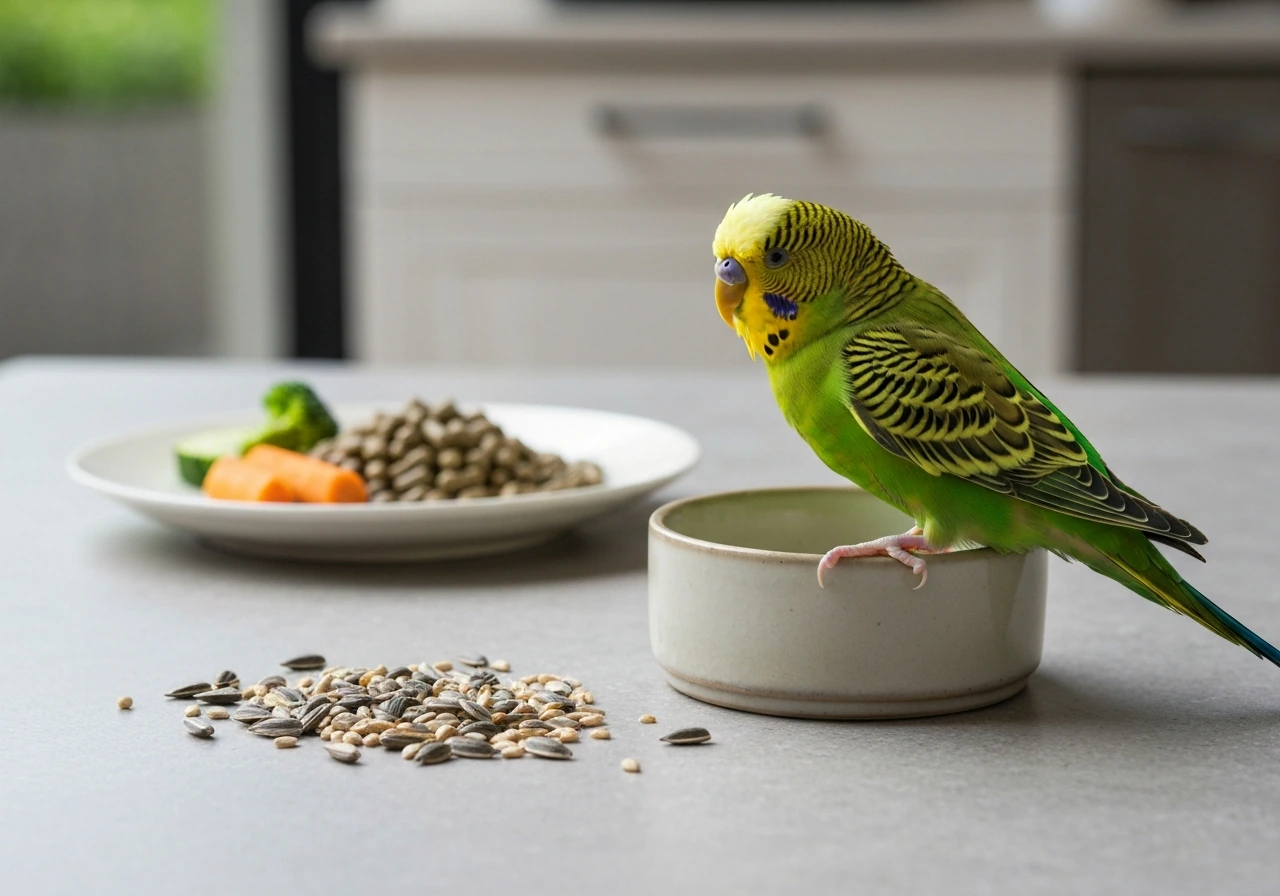
Can Parakeets Eat Wild Bird Seed Safely? Risks and Alternatives
Can parakeets eat wild bird seed safely? Learn risks like mold and additives, plus safer pellet or seed swaps and storag
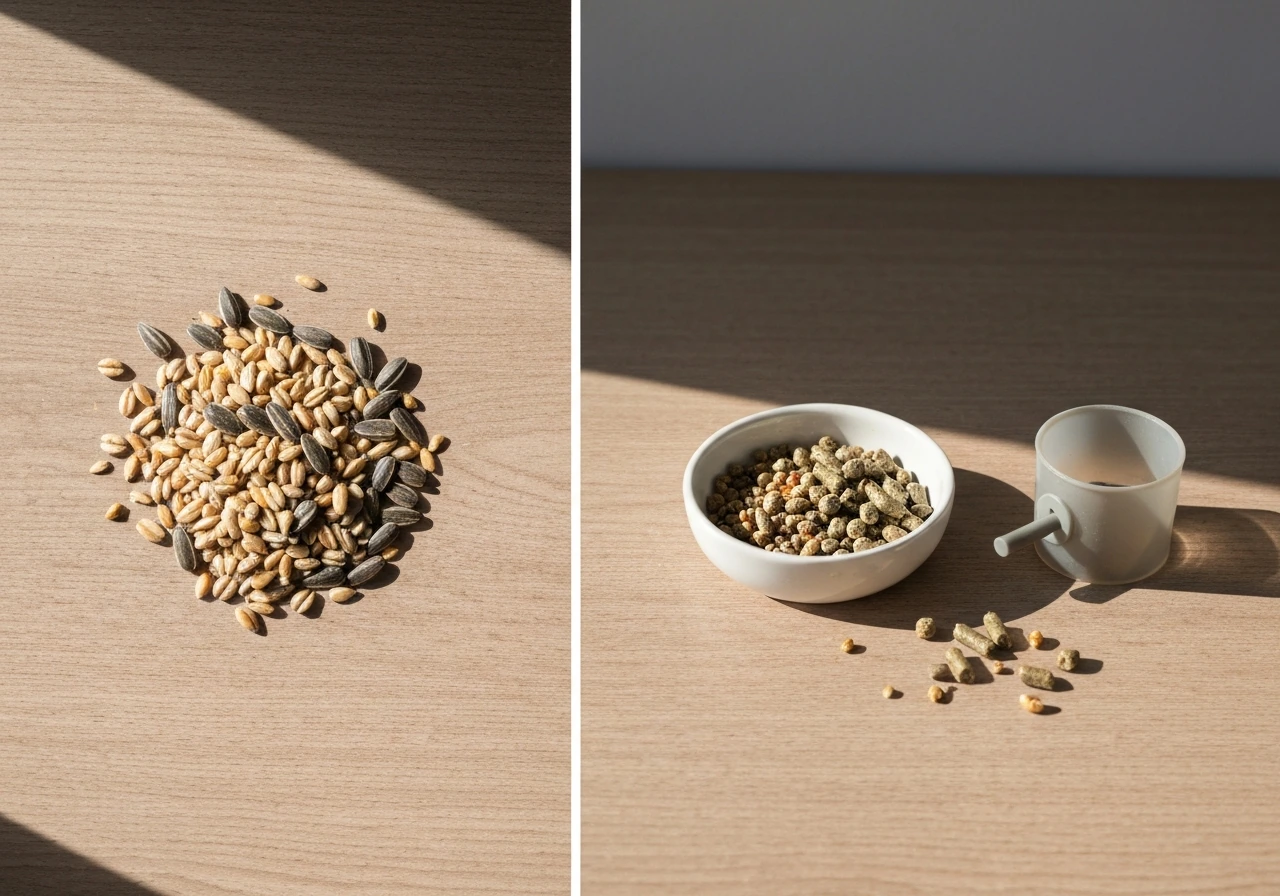
Can Pet Birds Eat Wild Bird Food? Safety Guide
Get clear yes/no on can pet birds or wild birds eat the other’s seed, plus mold, additives, and feeder safety steps.
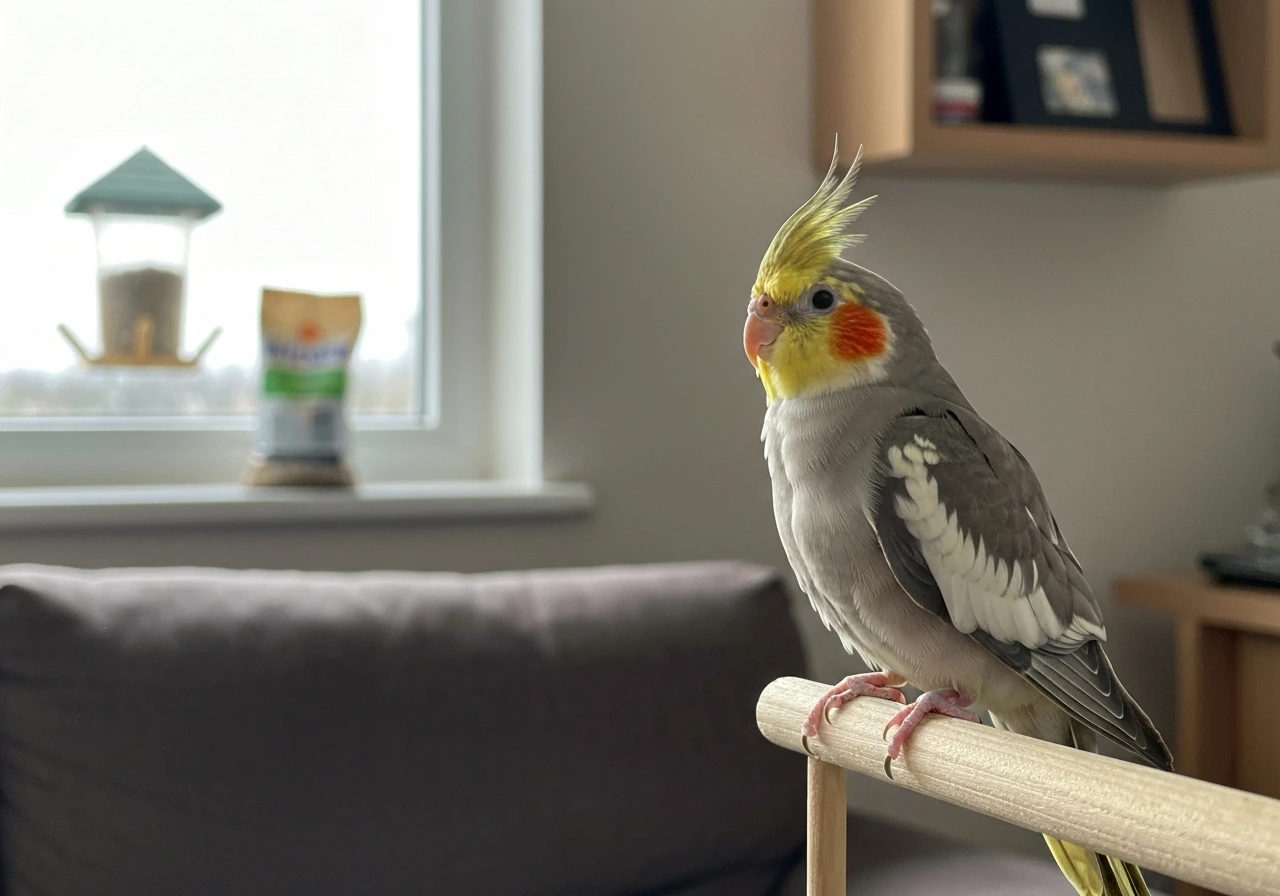
Can Cockatiels Eat Wild Bird Food or Seed Safely?
Can cockatiels eat wild bird seed safely? Learn risks from outdoor mixes and what to feed instead.