Yes, pheasants absolutely eat wild bird seed, and they will visit backyard feeders when the setup gives them easy access to grain. Yes, can peacocks eat bird seed, and the answer depends on the type of seed and whether it is fresh, clean, and offered in a safe way. blank" rel="noopener noreferrer">Ring-necked pheasants are primarily seed-eaters, with cereal grains making up as much as 82% of their diet where those grains are available. If your feeder area offers cracked corn, milo, wheat, or sunflower seed spilled on the ground, you have essentially laid out a welcome mat for any pheasant in the neighborhood.
Do Pheasants Eat Wild Bird Seed? What to Expect Today

Maya Henderson
26 Apr 2026
Do pheasants eat bird seed? What their feeding behavior actually looks like
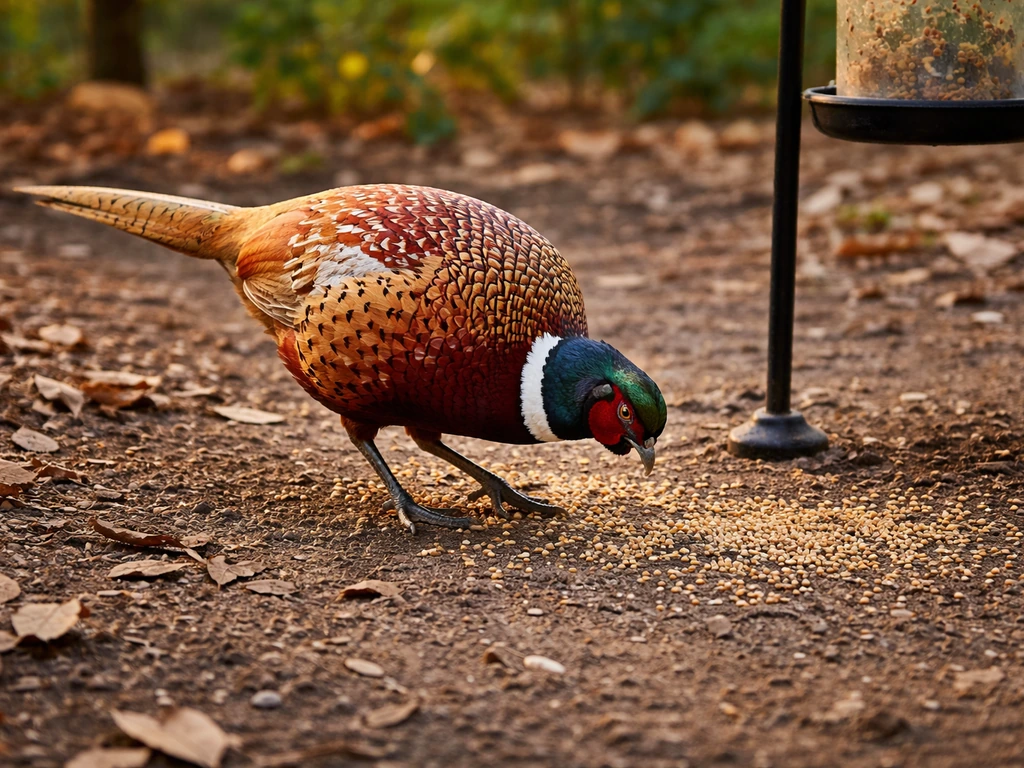
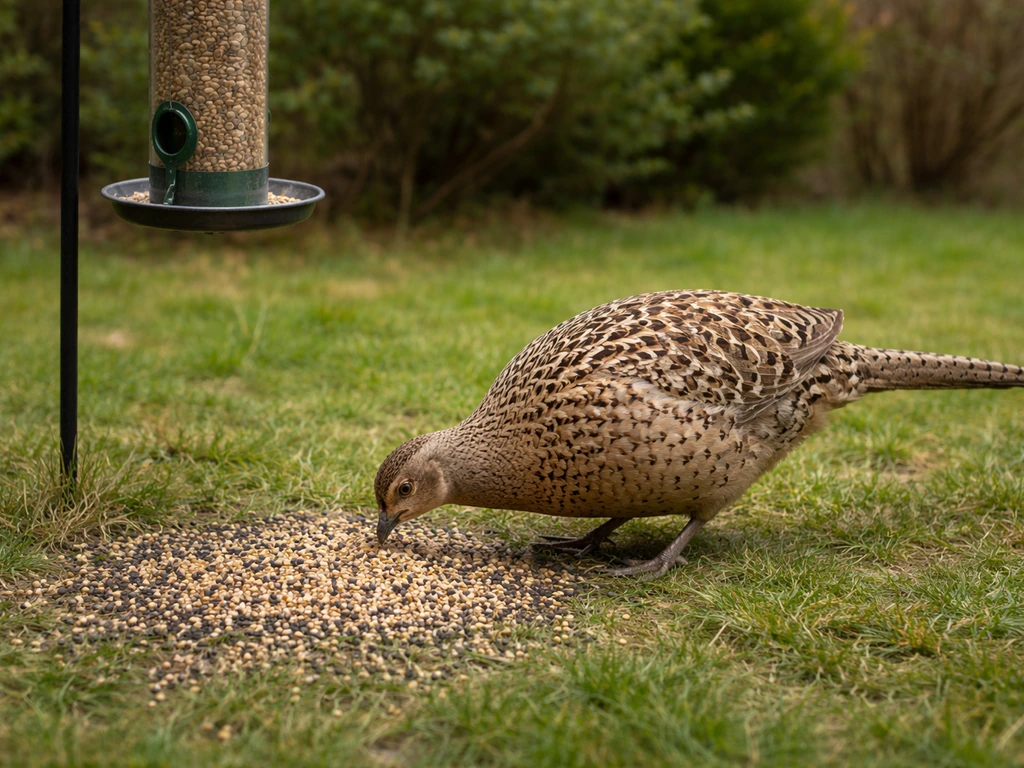
Pheasants are ground foragers. They scratch and peck along the soil surface rather than perching on a tube or hopper feeder, so they are most likely to show up beneath your feeder eating whatever smaller songbirds drop. Their diet naturally revolves around cereal grains and wild seeds, especially in fall and winter. Cornell Lab and USDA research both confirm that from December through February, farm-crop grain and seeds dominate the pheasant menu, with fresh greenery and insects becoming more important in spring and summer. So if you have pheasants in your area, they are most likely to appear at feeders during the colder months when natural food is scarce.
Pheasants are not shy about taking advantage of an easy food source. I have seen them work methodically under a platform feeder for 20 minutes at a stretch, eating everything in sight before moving on. They tend to visit in the early morning and again near dusk, which is worth knowing if you are trying to catch a sighting or avoid one.
Which seeds attract pheasants (and which they tend to ignore)
Not all seed mixes are equally appealing to pheasants. Because their diet leans so heavily on cereal grains, they are drawn to specific ingredients in typical wild bird blends. Knowing which seeds to use (or avoid) gives you real control over whether pheasants show up.
| Seed or Feed Type | Pheasant Appeal | Notes |
|---|---|---|
| Cracked corn | Very high | Closest to their natural grain diet; Michigan DNR specifically notes corn on platform feeders attracts pheasants |
| Whole corn / field corn | Very high | Mimics waste grain from harvest; a staple winter food in farm landscapes |
| Milo (sorghum) | High | Another cereal grain pheasants readily eat |
| Millet (white or red) | Moderate to high | Smaller grain; eaten but less preferred than corn |
| Black-oil sunflower seed | Moderate | Eaten when available, though not a top preference |
| Safflower seed | Low | Less attractive to pheasants and many other large birds |
| Nyjer / thistle | Very low | Tiny seed designed for finches; pheasants largely ignore it |
| Suet | Very low | Fat-based; not part of pheasant natural diet |
The practical takeaway: if you want pheasants, corn is your best tool. If you want to discourage them without stopping feeding altogether, switching to safflower, nyjer, or suet removes most of the grain that draws them in. The US Fish and Wildlife Service notes that feeding only safflower is an effective strategy for managing which species you attract, since many ground-feeding generalists, including pheasants, find it far less appealing than corn or millet mixes.
Feeder setup and placement: how to influence pheasant visits
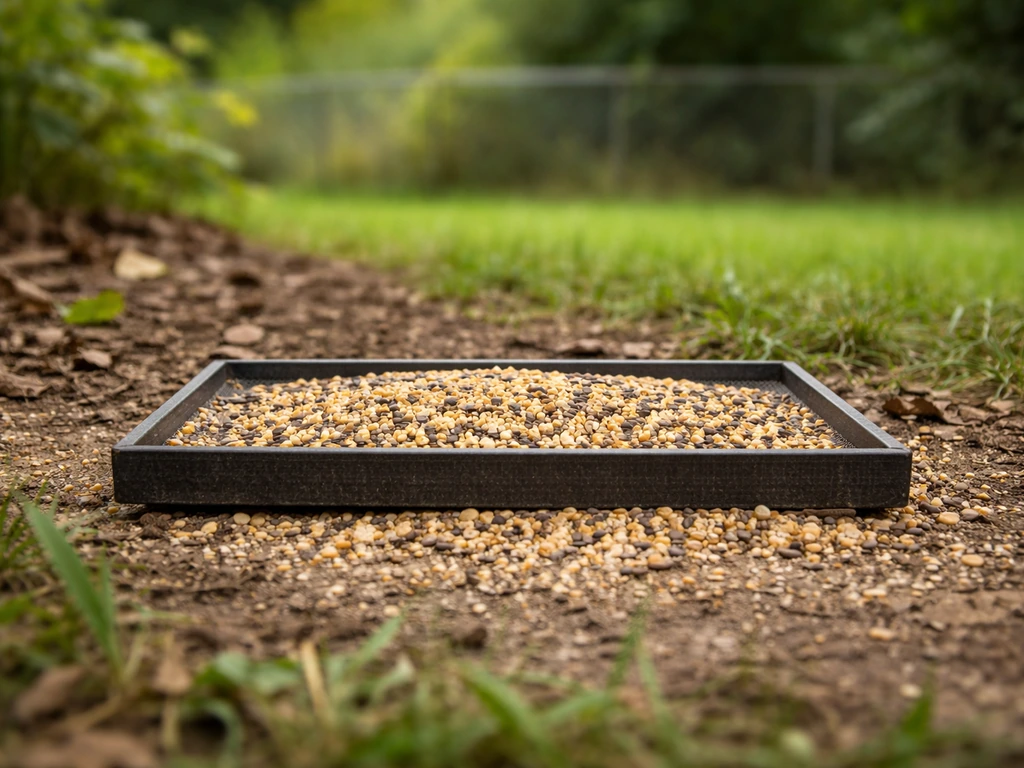
Feeder type matters as much as seed choice when it comes to pheasants. Because they cannot perch on standard tube or hopper feeders, they depend almost entirely on spilled seed and ground-level access. The feeder design you choose essentially decides whether pheasants get invited in.
If you want to attract pheasants
- Use a large platform or tray feeder set close to the ground or directly on it. Michigan DNR specifically states that platform feeders filled with corn may attract pheasants and grouse.
- Scatter cracked corn or millet directly on the ground in an open area with some nearby cover (brush, tall grass, or shrubs) so pheasants feel safe enough to feed.
- Place the feeding area at the edge of your yard near natural cover rather than in the middle of an open lawn. Pheasants are wary birds and will avoid spots where they feel exposed.
- Feed in the early morning or late afternoon, which matches their natural foraging rhythm.
- Keep the ground area raked and fresh so uneaten grain does not sit long enough to mold.
If you want to discourage pheasants
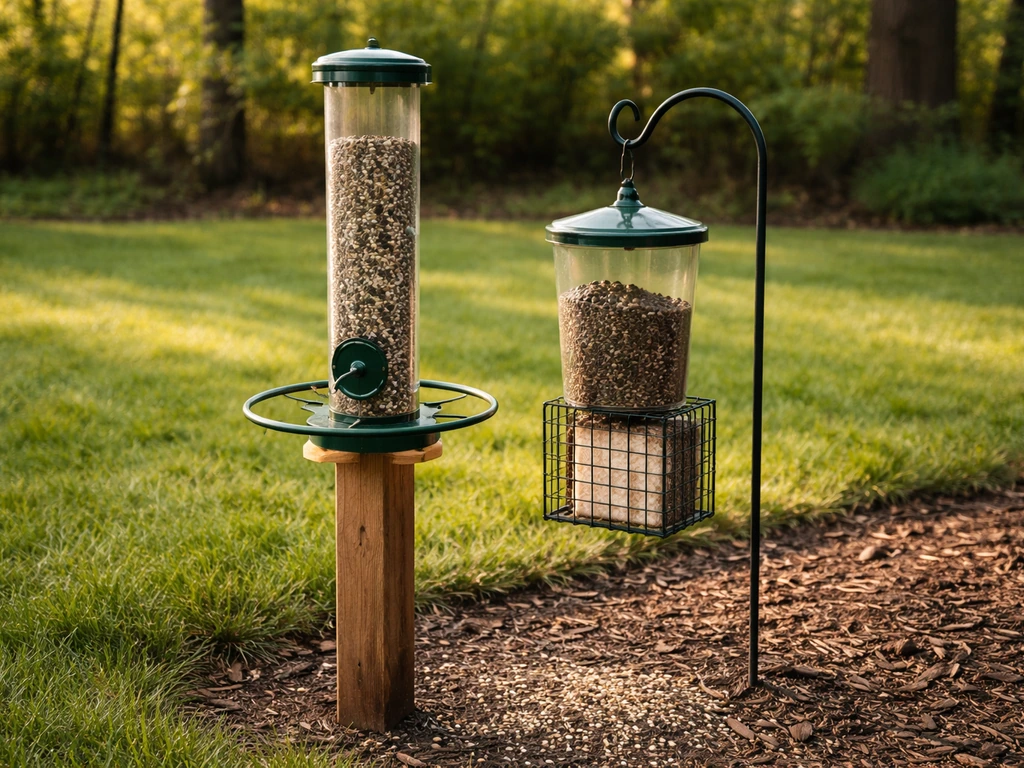
- Switch to tube feeders with small perches that physically exclude large birds.
- Replace corn-heavy mixes with safflower, nyjer, or suet cakes, which pheasants find much less appealing.
- Rake up spilled seed daily so there is no ground-level buffet waiting for them.
- Hang feeders at least 5 feet off the ground and use baffles to prevent access from below.
- Remove platform feeders entirely if pheasants are a persistent problem, since Michigan DNR notes these are the design most accessible to larger wildlife.
Seed spoilage, mold, and contamination risks
This is the part most people skip, and it is the most important. When pheasants or any large bird species visits a feeder regularly, seed consumption and scattering increases, and so does the risk of spoilage. Pheasants peck and scratch, which pushes seed into wet soil and shaded spots where it can sit for days. That is exactly the condition that produces mold and dangerous fungal toxins.
Aflatoxicosis is a real and serious hazard. It is caused by Aspergillus fungi that grow on spoiled grains, and the Pennsylvania Game Commission specifically warns that spoiled feed containing these fungal toxins can sicken and kill wildlife. Corn is particularly vulnerable because it retains moisture easily. If you are feeding corn and it is getting wet and sitting on damp ground, you are creating an aflatoxin risk for every animal that eats from that spot, including the pheasants you are trying to attract.
Aspergillosis is another concern: it is a respiratory fungal disease that can spread through moldy seed and contaminated feeder surfaces. Beyond fungal risks, fecal contamination at high-traffic feeders spreads bacterial diseases like salmonellosis. Audubon and the Mississippi State Extension both recommend cleaning feeders with a 9-parts-water to 1-part-bleach solution, soaking for 10 minutes, rinsing thoroughly, and letting feeders dry completely before refilling. Do this at least once a month, more often if you have heavy traffic or wet weather.
Quick seed safety checklist
- Store seed in sealed, waterproof containers away from humidity and direct sunlight.
- Discard any seed that smells musty, looks clumped, or shows visible mold or discoloration.
- Rake and remove uneaten ground seed every 1 to 2 days, especially in wet weather.
- Clean and disinfect feeders monthly (9: 1 water to bleach, 10-minute soak, rinse and dry fully).
- Avoid filling feeders with more seed than birds will eat in 1 to 2 days to prevent buildup.
- Do not use corn that has been stored improperly or shows any soft, discolored, or off-smell kernels.
Pet and wildlife safety when pheasants visit your feeders
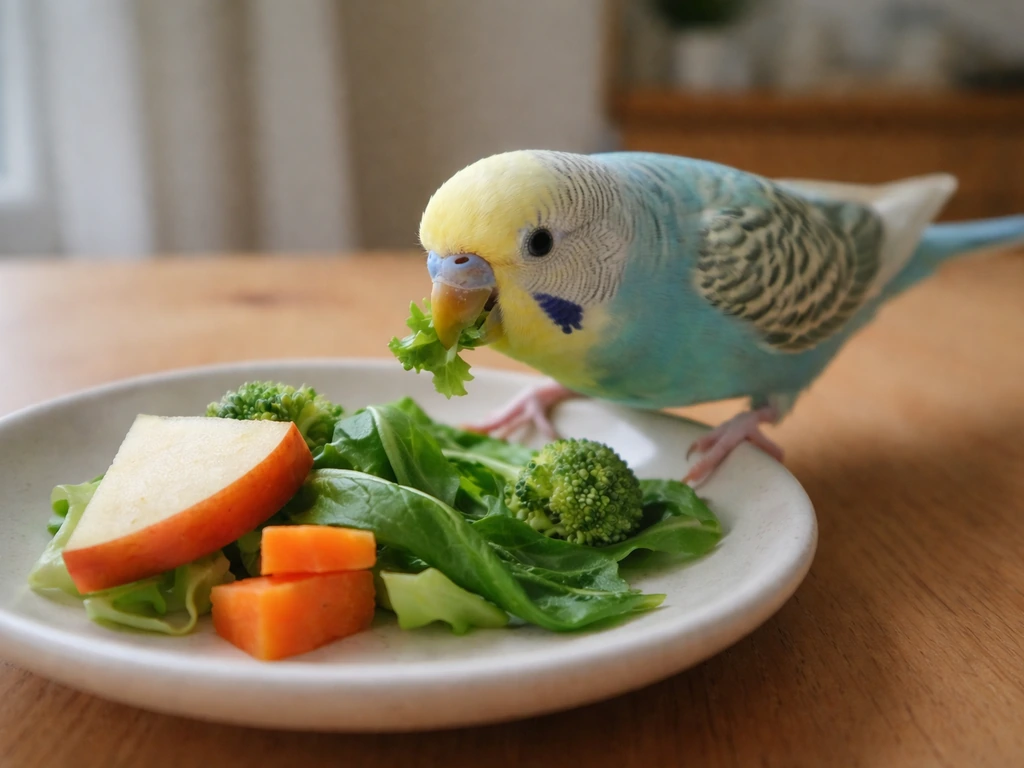
Pheasants at feeders do not just affect the seed supply. If you keep pet birds, make sure you do not offer them wild bird food, since it may not be suitable for their diet. If you are also feeding other backyard birds, you may wonder whether can parakeets eat wild bird seed, since shared seed mixes can affect their safety too.
If you’re trying to offer a safer alternative, you should learn what parakeets can eat besides bird food and what to avoid. If you are also feeding parakeets, it is important to understand their diet, including whether can cockatiels eat wild bird food safely. Their presence affects every other animal that shares that space, including your pets and other neighborhood wildlife. There are a few specific risks worth knowing about.
Dogs and cats
Dogs routinely eat spilled bird seed from the ground, and where there are birds, there is fecal matter mixed in with that seed. The AKC reports that dogs eating birdseed under feeders are likely also consuming bird droppings, which can carry salmonella and other bacteria. Pheasants, being large birds that scratch around and defecate frequently in a small area, amplify this risk. If your dog has access to the feeder area, keep ground seed cleaned up regularly and watch for any signs of digestive upset. Cats present a different concern: they may stalk pheasants, but a full-grown ring-necked pheasant is a large, strong bird that can cause real injury to a cat that tries to grab one.
Other backyard wildlife
Pheasant activity at feeders often draws attention from other wildlife. Spilled grain attracts rodents, which in turn attract predators like foxes, hawks, and owls. MassWildlife notes that seed and fallen feed can pull in bears, turkeys, small mammals, and the predators that follow them. The US Fish and Wildlife Service recommends keeping feeder areas clean specifically to discourage rodents, since they bring their own disease risks and attract larger animals you may not want near your home. If raccoons are already a problem, platform feeders make it worse because they offer easy ground-level access. WV DNR suggests hanging feeders higher and using baffles to limit raccoon access.
Disease transmission between species
When multiple species use the same feeder area, the disease risk for all of them goes up. Colorado Parks and Wildlife specifically calls out avian pox as a disease spread through contact with contaminated feeder surfaces. Platform feeders, where birds stand directly in the seed and can defecate on the feeding surface, are the highest-risk design for this kind of transmission. If you have a platform feeder attracting pheasants plus other songbirds, clean it more frequently than you would a tube feeder.
What to do next: encouraging or stopping pheasant visits
Here is how to move forward depending on your situation today.
If you want more pheasants
- Set up a low platform feeder or scatter cracked corn directly on the ground at the edge of your yard near brush or tall grass cover.
- Start feeding in fall and be consistent through winter, since that is when pheasants rely most heavily on supplemental grain.
- Keep the feeding area clean and free of moldy or wet seed to avoid sickening the birds you are trying to attract.
- Be aware that encouraging pheasants also encourages other wildlife. Set expectations for what else might show up and manage accordingly.
- Clean your feeder and ground area on a regular schedule (monthly bleach soak minimum) to prevent disease buildup.
If you want to stop pheasants from visiting
- Remove platform feeders and replace with tube or hopper feeders with small perches that physically exclude large birds.
- Switch your seed mix to safflower, nyjer, or suet. These have low appeal to pheasants and most other large ground-feeding birds.
- Rake up spilled seed daily so there is nothing left on the ground to attract them.
- If the problem is persistent, stop filling feeders for 1 to 2 weeks to break the habit. Pheasants will move their foraging elsewhere and are less likely to return when the reliable food source disappears.
- Check for other attractants nearby: compost piles, garden beds with seeds, or waste grain from a neighboring yard can all keep pheasants coming back even after you adjust your feeders.
One thing worth keeping in mind: pheasants at feeders are not inherently a problem. They are fascinating birds and a sign of healthy wildlife habitat nearby. The actual risks come from poorly managed feeding setups where seed spoils, disease builds up, and multiple species crowd into a small space without regular cleaning. Whether you are trying to enjoy pheasant visits or discourage them, the same basic discipline applies: keep seed fresh, feeders clean, and ground areas tidy. That one habit protects every bird and animal using your feeder, including pets who wander through the area. If you are also caring for parakeets, it helps to know what parakeets can eat besides bird food and which foods to avoid.
FAQ
If I want pheasants to visit, how do I prevent the seed from getting moldy when they scratch and scatter it?
Use smaller, more frequent refills instead of dumping a lot of seed at once, and stop offering corn or other high-moisture-prone grains if you see it staying damp or caking in shaded spots. If you use a platform, clear spilled seed daily (or at least every morning after peak activity) so you are not feeding from wet ground.
What’s the safest way to offer seed if pheasants are ground-foraging under my feeder?
Choose feeding methods that reduce ground accumulation, like feeders with trays you can scrape clean, and keep the ground under the feeder bare or covered with material that is easy to clean. Avoid letting seed sit in leaf litter, grass clumps, or near downspouts where water drips.
Do pheasants only eat seed, or will they ignore birdseed if natural food is available?
They will still take seed, but visitation drops when insects, greenery, and other wild foods are abundant. During spring and summer, you may see fewer visits or shorter stays, which usually means less feeder traffic and less seed spoilage if you reduce refills accordingly.
Can I use corn to attract pheasants year-round, or is there a higher risk in certain seasons?
The risk is highest when temperature and humidity let spoiled grain sit undetected, especially during wet weather and cold snaps where seed freezes and thaws repeatedly. If you are feeding corn, inspect the same spots where it lands every day and remove anything that looks dark, damp, or fuzzy.
If I want to discourage pheasants but still feed other birds, what should I switch to besides safflower?
Safflower is often the best option because many ground-feeding birds find it less appealing, but you can also reduce corn and millet-heavy mixes. Another practical step is using a feeder design that limits access to the ground, since pheasants benefit most from spilled seed.
How often should I clean the feeder if pheasants are frequent visitors?
At least weekly when pheasants or other large ground birds are using the site, and immediately after any visible spoilage, heavy wetting, or a big increase in traffic. Monthly cleaning is a minimum baseline, but ground-scratching increases the chance that contaminated seed and droppings get into crevices.
Will pheasants carry diseases to my yard even if I clean the feeder?
They can still contribute to contamination because they scratch, scatter, and defecate in a small area. Good hygiene helps, but you should also manage the surrounding ground by removing spilled seed and keeping pets away from the feeder zone, especially if you notice persistent wet patches or strong odors from old seed.
Are there specific signs that the birdseed has become unsafe for wildlife?
Yes, discard seed if it has musty odors, visible mold, unusual discoloration (often gray-green or dark spots), clumping from moisture, or fuzzy growth near feeder bases and tray corners. If corn or similar grains are damp to the touch, assume spoilage risk and remove it promptly.
Can feeding pheasants increase rodent problems around my house?
Often it does, because scattered grain becomes a consistent food source. If you see increased mouse or rat activity, reduce the amount offered, clean fallen seed quickly, and consider baffles or higher placement to limit how easily rodents exploit the feeder area.
Is it safe to let my dog eat seed from under the feeder where pheasants are pecking?
No, because seed under feeders is mixed with droppings and can harbor bacteria. Prevent access by cleaning ground seed regularly and supervising outdoor time, especially if you notice diarrhea, vomiting, or lethargy after your dog visits the feeding area.
Why do pheasants show up at the feeder at certain times of day?
They often use consistent feeding windows, with activity commonly highest in early morning and again near dusk. If your goal is either to watch them or reduce visits, adjust your refill schedule so seed is not left out during peak hours when they are most likely to scratch and scatter it.
Next Article
What Can Parakeets Eat Besides Bird Food Safely
Safe foods for parakeets beyond seed: fruits, veg, grains, sprouts, calcium, grit, plus toxic items and storage tips.