Quick answer: can cockatiels eat wild bird seed or food?
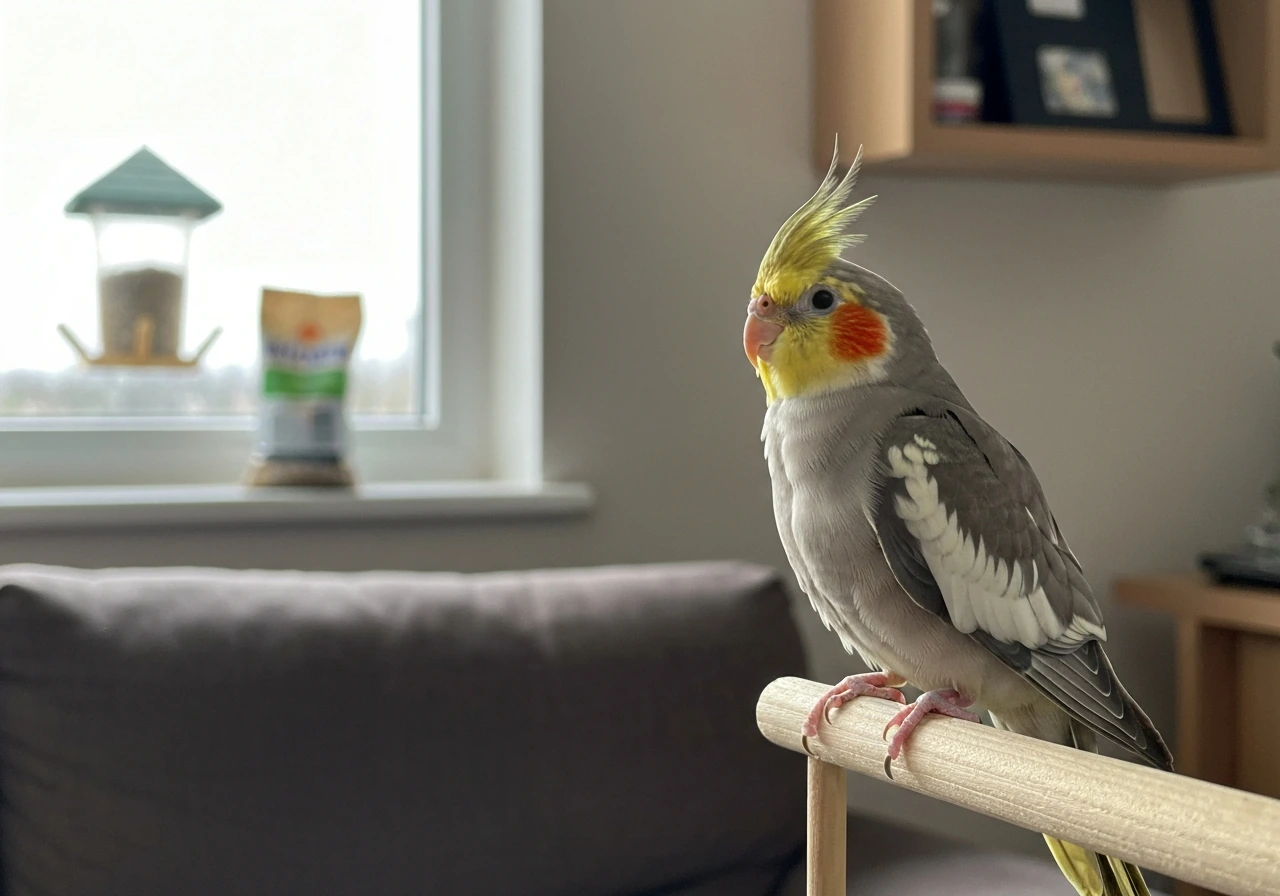
The short answer is no, not as a regular food source, and with real caution even as a one-off. Wild bird seed mixes are formulated for outdoor species like finches, sparrows, and doves. They are not balanced for cockatiels, and more importantly, they carry contamination risks (mold, bacteria, pesticides) that make them genuinely unsafe for a small pet bird. A cockatiel that snags a seed or two from a feeder is unlikely to come to immediate harm, but deliberately feeding wild bird food to a cockatiel is a bad idea that can lead to nutritional problems and, in worse cases, serious illness from mycotoxins or bacterial contamination.
What's actually in wild bird seed mixes (and why it matters)
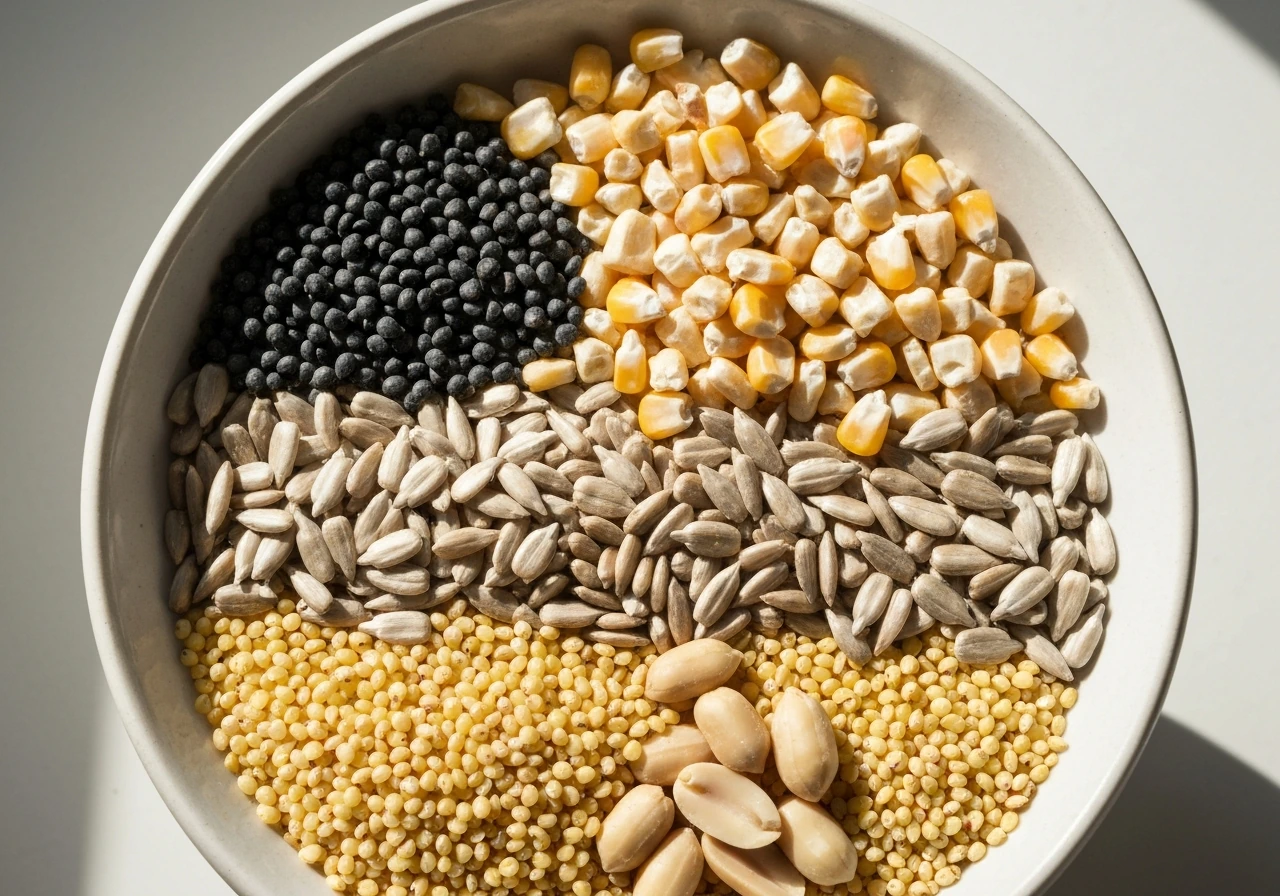
Wild bird seed mixes typically center on ingredients like milo, cracked corn, sunflower seeds, peanuts, millet, and safflower. Cockatiels do eat sunflower seeds and millet in the wild, and those two ingredients are not inherently toxic to them. The problem is everything else in the mix. Milo (sorghum) is mostly filler that wild birds pick around and cockatiels have no real use for. Cracked corn and peanuts are the biggest concern: both have a high likelihood of harboring aflatoxins, naturally occurring fungal toxins produced by Aspergillus mold.
Beyond individual ingredients, wild bird food is not nutritionally calibrated for cockatiels. Even a seed-heavy cockatiel diet sold in pet stores is considered deficient in many nutrients, and avian vets actively discourage seed-only diets. Wild bird mixes are a step further removed from appropriate cockatiel nutrition because they are not formulated with parrots or psittacines in mind at all. They prioritize high-fat, high-calorie seeds that give outdoor birds energy through cold weather. For a house bird on a controlled diet, that imbalance adds up fast.
The real hazards: mold, bacteria, and contamination
Aflatoxin and mold
Aflatoxin is the biggest invisible hazard in wild bird seed. It is produced by Aspergillus mold, and it concentrates in corn and peanuts especially. You cannot see, smell, or taste aflatoxin contamination at low levels, and visible mold growth is only one indicator that it may be present. The FDA has issued a voluntary recall of a major commercial wild bird food (Kaytee Birders Blend) specifically because of elevated aflatoxin levels, which shows this is not a theoretical risk. A peer-reviewed global review found that up to one-fourth of wild bird feed samples contained aflatoxin above 100 micrograms. Cockatiels are small birds with fast metabolisms, so their exposure-to-body-weight ratio is not in their favor. Aflatoxin targets the liver and kidneys, and clinical signs of organ damage can appear without warning.
Salmonella and bacterial contamination
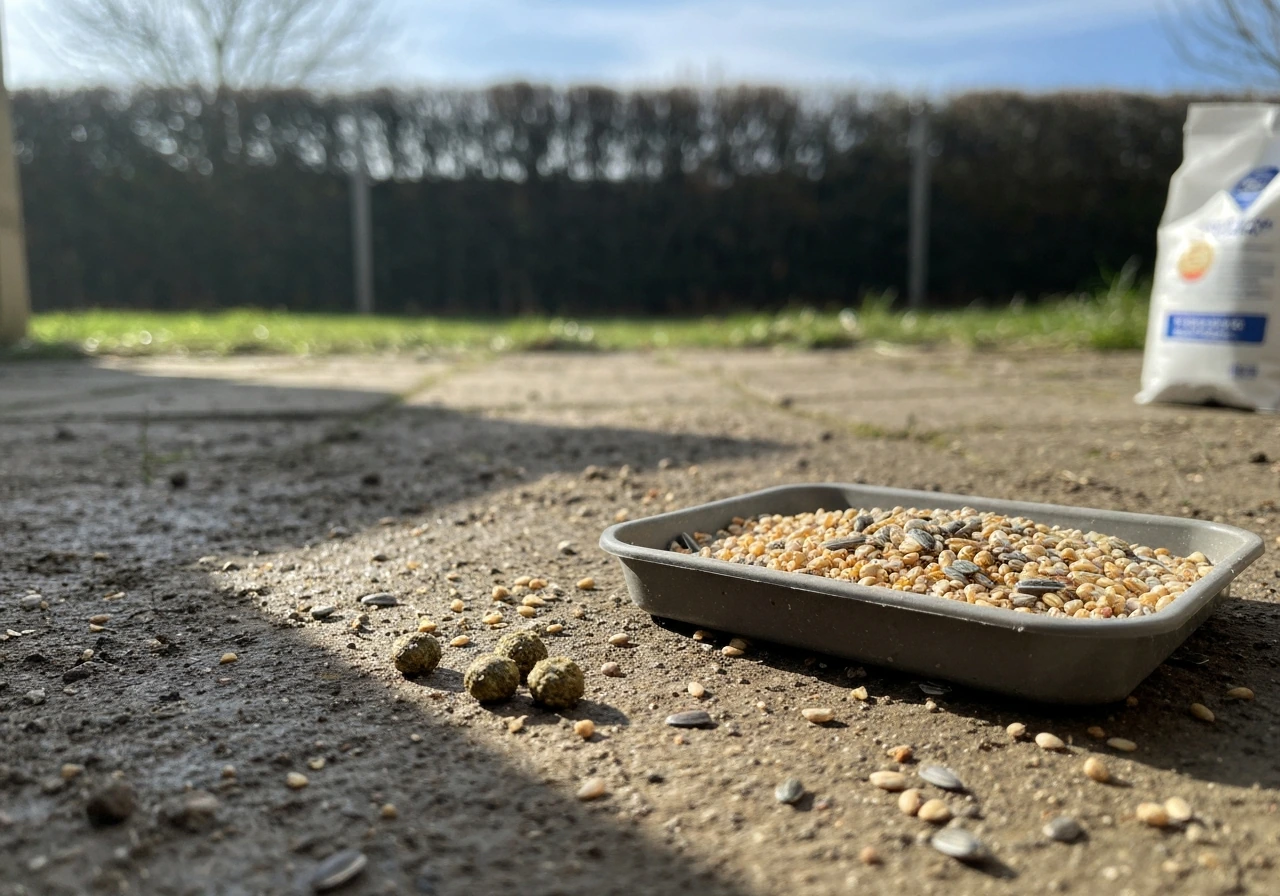
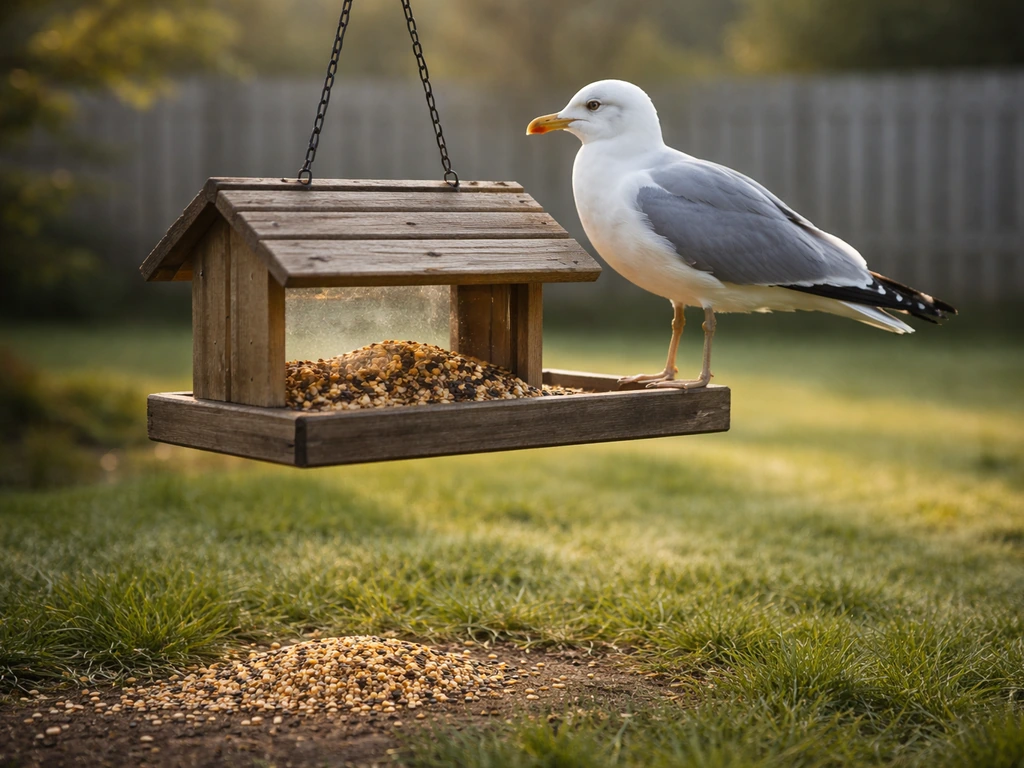
Outdoor feeders are gathering points for wild birds, and wild birds shed salmonella through their droppings and saliva. The bacteria spread easily through seed that sits in a tray, gets rained on, and accumulates fecal material. A cockatiel with access to that seed, or to a bag of wild bird food that has been stored outdoors or near a feeder area, can pick up salmonellosis. Even asymptomatic wild birds can transmit the bacteria, so there is no reliable way to judge whether a seed source is contaminated by looking at it.
Pesticide and chemical residues
Wild bird seed is grown as a commodity crop, not as food for pets. Pesticide and herbicide residues are a real concern, and wild bird seed is not held to the same handling or safety standards as food produced for human or companion-animal consumption. If you are already thinking about whether pet birds can eat wild bird food in general, the pesticide question applies to all species but is especially relevant to a small bird like a cockatiel.
If your cockatiel already ate some: what to watch for
If your bird grabbed a few seeds from a feeder or got into a bag of wild bird mix, stay calm but stay observant. A small accidental exposure is much lower risk than ongoing feeding. Watch your bird closely for 24 to 48 hours. The signs that tell you something is wrong include:
- Lethargy or sitting fluffed up and not moving around normally
- Loss of appetite or refusing food entirely
- Vomiting or regurgitation (not normal preening behavior)
- Open-mouth breathing or labored, tail-bobbing breathing
- Loose or discolored droppings
- Yellowing of the skin around the beak or eyes (jaundice, a sign of liver stress)
- Unexplained bruising or bleeding
- Crop that is visibly enlarged and not emptying between feedings
If your bird shows any of those signs, contact an avian vet immediately. Do not wait to see if it resolves on its own. Aflatoxin poisoning can cause liver damage without obvious early signs, and birds can deteriorate quickly. If your bird seems completely fine after 48 hours with normal droppings, eating well, and behaving normally, the exposure was likely too small to cause harm. Even so, it is worth mentioning at your next routine vet visit.
What to actually feed your cockatiel instead
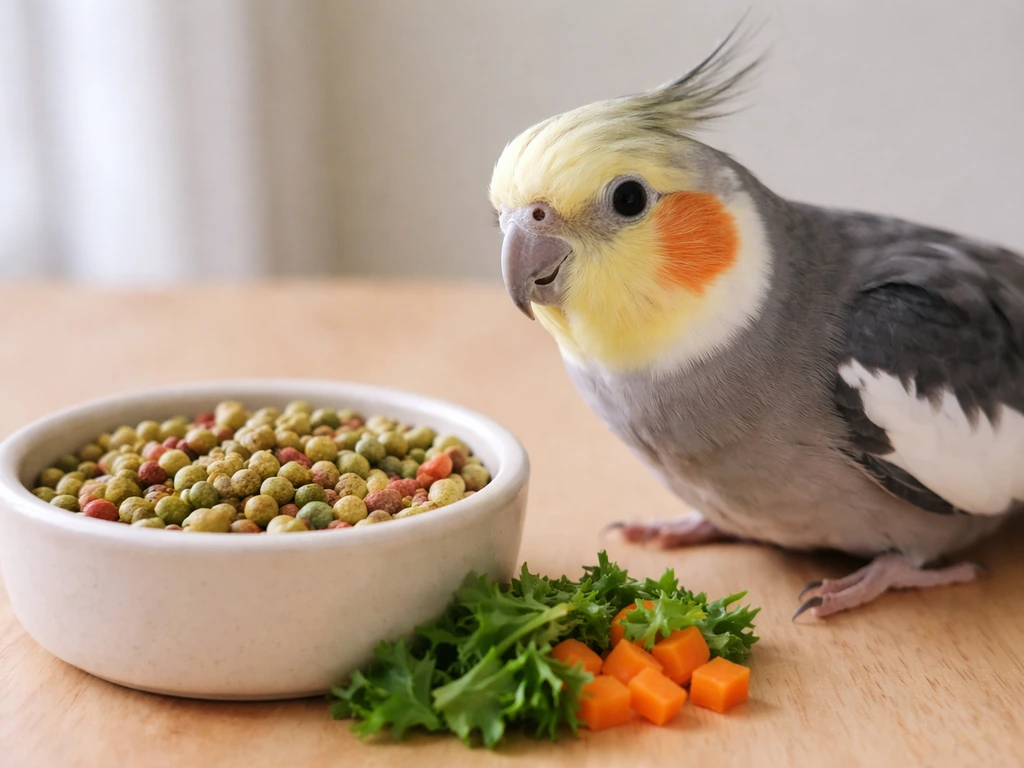
The consensus from avian vets is clear: the base of a cockatiel's diet should be a high-quality formulated pellet. A good target is 75 to 80 percent pellets, with 15 to 20 percent fresh fruits and vegetables filling out the rest. Pellets designed for cockatiels or small parrots (look for products labeled for psittacines) deliver balanced nutrition without the guesswork of assembling a seed mix. A bird eating mostly pellets generally does not need additional supplements, which removes another variable.
If your cockatiel is currently eating a seed-heavy diet, switching to pellets should be done gradually. Abrupt changes stress birds and can cause them to refuse food entirely. Start by mixing a small amount of pellets into the existing seed mix and slowly shift the ratio over several weeks. If your bird is resistant or losing weight during the transition, loop in an avian vet rather than pushing through it alone.
For treats and variety, fresh foods are the better choice over any kind of seed mix. Good options include:
- Dark leafy greens (kale, chard, romaine)
- Carrots and other orange vegetables
- Cooked sweet potato
- Apple or pear slices (no seeds or core)
- Berries in small amounts
- Cooked grains like brown rice or quinoa
Keep fresh food portions to around a teaspoon at a time for a single cockatiel. That small amount is the equivalent of a large meal for a bird their size. Anything uneaten should be removed within a couple of hours to prevent spoilage in the cage.
When wild seed is "okay" vs. a hard no
There is a narrow scenario where exposure is low enough that you do not need to panic, and a broader set of situations where you should avoid it entirely. Here is how to think about it:
| Situation | Risk Level | What to Do |
|---|
| Bird grabbed 2 to 3 seeds from a clean, fresh feeder (no mold, no droppings visible) | Low | Monitor for 48 hours, no immediate action needed |
| Bird ate a small amount of a commercial wild seed mix from a sealed, unexpired bag | Low to moderate | Monitor closely, check ingredients for corn/peanuts, do not repeat |
| Bird ate corn- or peanut-heavy wild mix, or mix with visible mold or musty smell | High | Contact avian vet promptly, watch for signs of illness |
| Bird accessed seed from an outdoor feeder with droppings, wet seed, or visible mold | High | Contact avian vet, monitor for bacterial and toxin exposure signs |
| Feeding wild bird food regularly as a diet staple | Hard no | Stop immediately, transition to formulated cockatiel pellets |
The clearest rule: the more corn and peanuts, the older the seed, and the more outdoor exposure it has had, the higher the risk. A sealed bag of plain millet from a reputable brand poses a much lower contamination risk than an open bag of mixed wild bird food that has been sitting in a shed. But neither replaces a proper cockatiel diet.
Keeping wild bird seed away from your cockatiel at home
If you have outdoor bird feeders and an indoor cockatiel, the risks overlap more than you might expect. Do pheasants eat wild bird seed, and is that safe for them and other backyard birds? Yes, peacocks can eat bird seed in the wild, but what and how long they eat it matters for their health can peacocks eat bird seed. Seed bags brought inside, seed trays carried through the house, or a cockatiel allowed outdoor time near feeder areas can all create exposure. A few practical steps close most of those gaps.
Feeder placement
Keep outdoor feeders well away from any doors, windows, or areas where your cockatiel spends time. If your bird has access to a porch or patio, that area should not double as a wild bird feeding zone. The ground under feeders accumulates dropped seed, husks, and droppings, and cockatiels foraging on the ground or floor nearby can pick up contaminated material easily.
Storage and cleanup
Store wild bird seed in a dedicated container with a lid, separate from your cockatiel's food. Do not use the same scoops, containers, or storage areas for both. Clean outdoor feeders about every two weeks under normal conditions, and more often during warm or wet weather when mold grows faster. Remove any remaining seed before cleaning, scrub with a mild bleach solution, rinse thoroughly, and let the feeder dry completely before refilling. Rake or shovel seed debris and droppings from the ground beneath feeders regularly, and wash your hands before handling your cockatiel after any feeder maintenance.
Checking seed freshness
Before opening any bag of wild bird seed, check the expiration date. Smell it: fresh seed has a mild, slightly nutty scent. A musty, sour, or off smell is a sign of mold and the seed should be discarded, not used for wild birds either. Any clumping or visible dark spots in the mix is another red flag. This matters even for seed you will only use in outdoor feeders, because moldy seed at an outdoor feeder can attract the same wild birds that later land near your pet's space and carry contamination with them.
If you keep both a cockatiel and outdoor feeders and want to think through the broader picture, the same principles apply to other pet birds. Parakeets face nearly identical risks with wild bird seed, so the guidance transfers well if you have a mixed household. Parakeets face nearly identical risks with wild bird seed, which is why the same feeding cautions apply even if your pet is not a cockatiel. The takeaway across species is the same: wild bird food is made for wild birds and carries risks that make it a poor and potentially dangerous choice for small pet parrots.