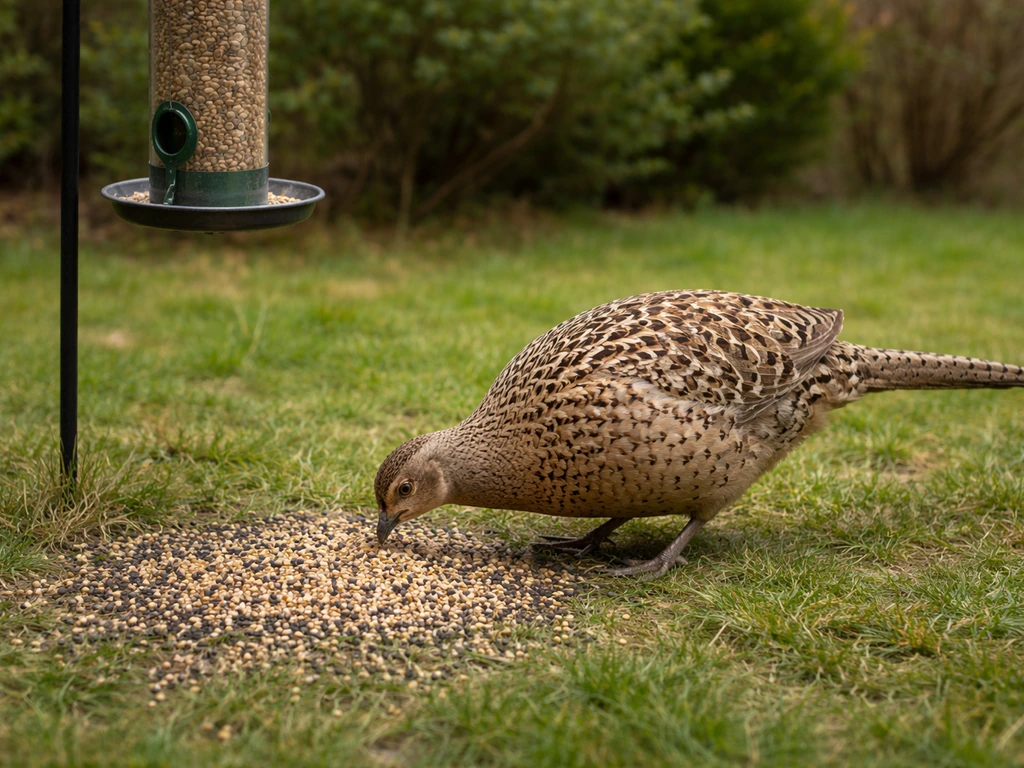
Yes, peacocks can eat common bird seed, but it should be a small supplement to their diet, not the foundation of it. Seeds like sunflower, millet, cracked corn, wheat, and oats are generally safe in moderate amounts. The real risks come from moldy or spoiled seed, pesticide-treated grain, and the habit of letting seed replace the balanced, protein-rich diet peacocks actually need to stay healthy.
Can Peacocks Eat Bird Seed? Safe Types and How to Feed
Maya Henderson
17 May 2026
Which seed types are safest for peacocks
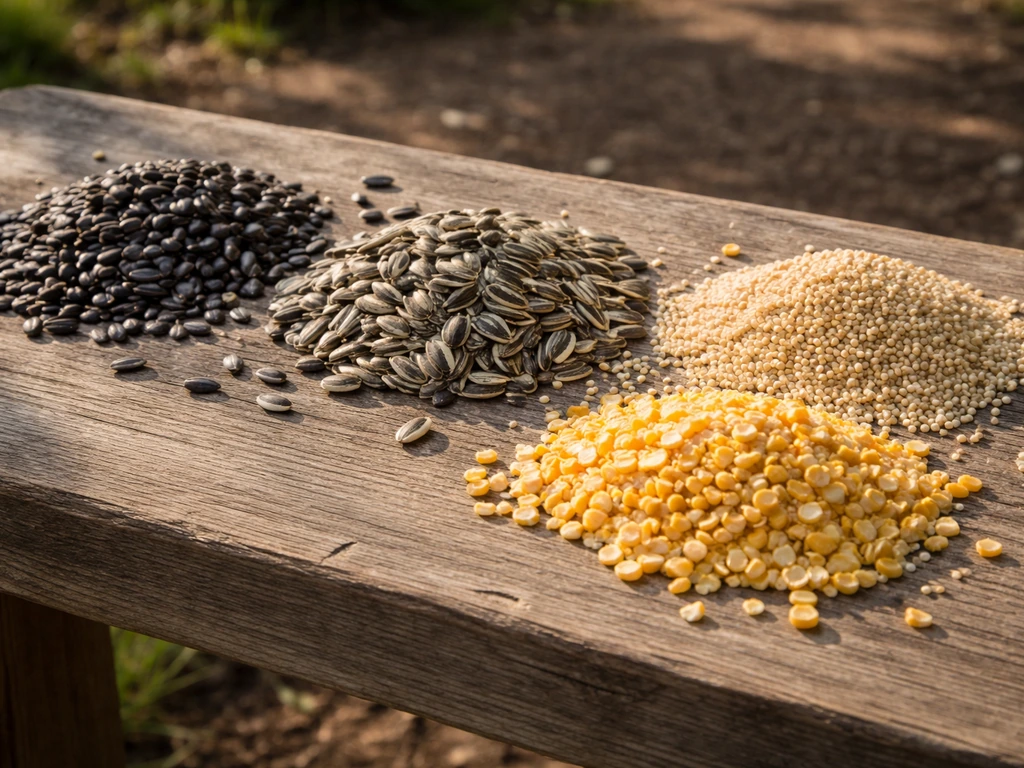
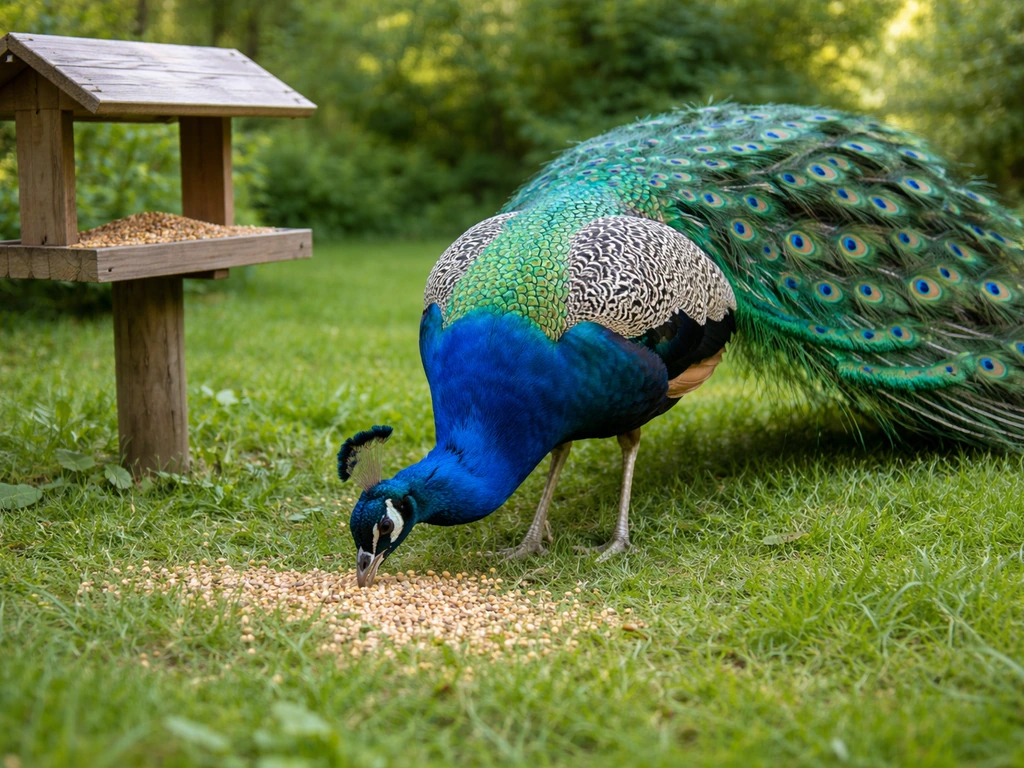
Most standard wild bird seed ingredients won't harm a peacock when offered fresh and in reasonable quantities. Peacocks are omnivores and natural foragers, so they will happily scratch through a seed mix and pick out what they like. Here's how the most common seeds stack up:
| Seed Type | Safe for Peacocks? | Notes |
|---|---|---|
| Sunflower seeds (black oil or striped) | Yes, in moderation | High in fat, low in overall nutrition. Limit to avoid weight gain. |
| White or red millet | Yes | Low-risk, palatable, good as a minor scratch supplement. |
| Cracked corn | Yes | Peacocks enjoy it. Prone to mold in wet conditions — keep dry. |
| Whole or rolled oats | Yes | Fine as a small grain supplement alongside a proper diet. |
| Wheat | Yes | Digestible and low-risk. Still nutritionally incomplete on its own. |
| Safflower seeds | Yes, in moderation | Safe but high in fat. Less commonly eaten by peacocks. |
| Peanuts (raw, unsalted) | Yes, in moderation | Risk of aflatoxin mold if stored poorly. Only offer very fresh. |
| Treated or colored seed | No | Pesticide-coated or dyed seed can be toxic. Avoid entirely. |
| Suet or seed cakes with additives | No | Added oils, honey, fruit preservatives, or artificial ingredients are not appropriate. |
The honest truth is that even the "safe" seeds are nutritionally incomplete. Research from IVIS on clinical avian medicine makes clear that seeds like corn, oats, sunflower, safflower, and millet are missing many of the nutrients birds need for long-term health. The Association of Avian Veterinarians puts it bluntly for sunflower seeds: they're a lot of fat and very little nutritional benefit. That doesn't make them dangerous as an occasional treat, but it does mean you can't build a peacock's diet around a bag of wild bird mix.
What makes bird seed risky for peacocks
The seed itself is rarely the problem. The conditions around it are. There are a few specific hazards worth taking seriously:
Mold and mycotoxins
This is the biggest risk by far. Wet or improperly stored seed can develop mold quickly, and some molds, particularly Aspergillus species, produce mycotoxins including aflatoxin that are genuinely dangerous to birds. The Pennsylvania Game Commission and Michigan DNR both note that bird feeders are a known exposure route for aspergillosis, a serious fungal respiratory infection. What makes this especially tricky is that mycotoxins don't disappear when the mold dries out. Seed that looks fine after drying can still carry toxins from earlier mold growth. The Minnesota DNR's guidance is straightforward: if seed gets wet and sits, assume it's compromised and replace it.
Treated and pesticide-coated grain
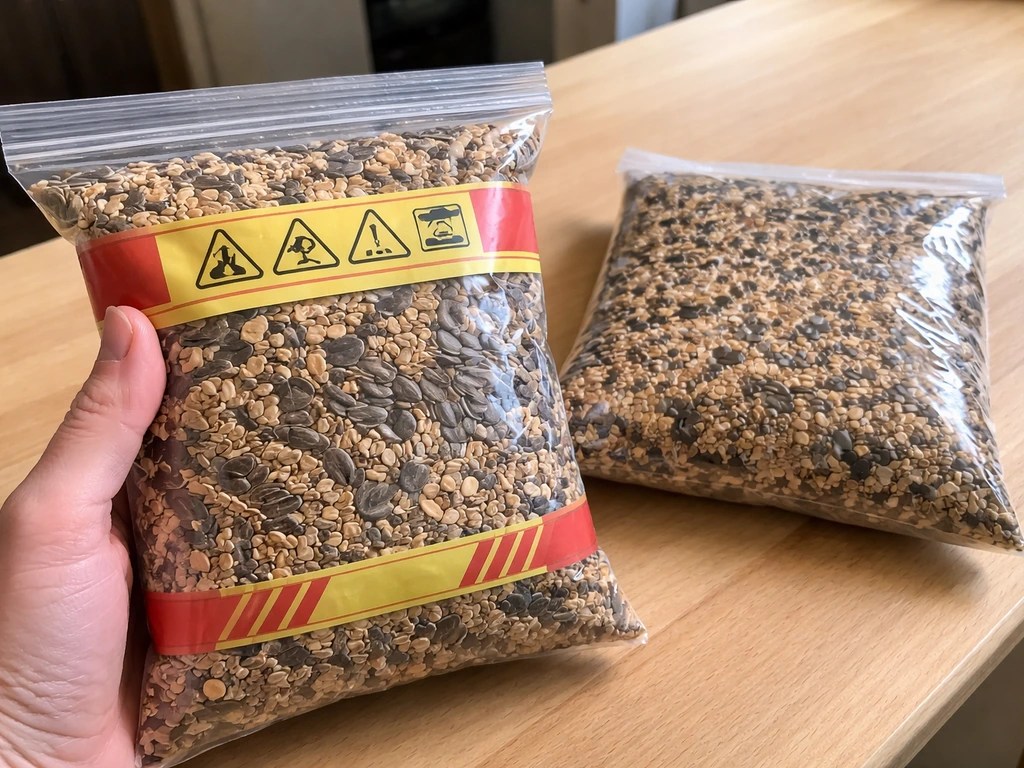
Seed sold for agricultural planting is often coated with fungicides or pesticides and colored to signal it isn't food-grade. These coatings are toxic to birds. Always buy seed explicitly labeled for bird feeding or human consumption, never planting grain from a farm supply store.
Additives in commercial mixes
Some wild bird seed products contain suet chunks, dried fruit, honey-coated seeds, preservatives, or flavoring agents. These are formulated for small songbirds, not large gallinaceous birds like peacocks. Anything beyond plain, natural seeds should be kept away from peacocks.
Filler seeds and nutritional displacement
Cheap wild bird mixes often include a lot of filler seeds (red milo, for example) that birds tend to reject and toss on the ground. If peacocks eat a lot of low-value filler, it fills them up without meeting their nutritional needs. This is more of a slow-burn problem than an acute toxicity risk, but it matters for birds you're keeping long-term.
How to feed peacocks bird seed safely
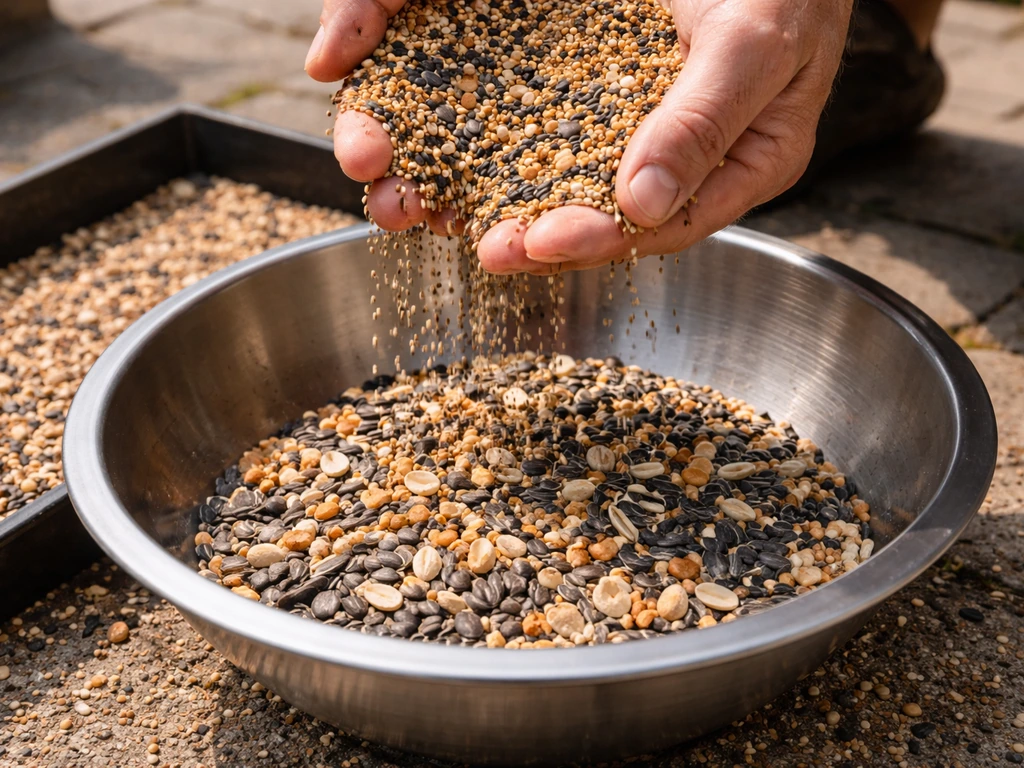
If you want to offer seed to peacocks, the goal is keeping it fresh, clean, and appropriately portioned. These steps cover the practical setup:
- Buy only fresh seed from a reputable source. Check the packaging date and avoid any bag that smells musty or has clumped seed inside.
- Store seed in a sealed, dry container. A metal bin or airtight plastic container in a cool, dry place prevents both mold and pests. Don't store it in a hot shed or open bag.
- Offer only what they'll eat in a day. Penn State Extension's guidance on feeders applies directly here: put out only as much seed as your birds will eat in a single day, especially on platforms or the ground where seed contacts moisture.
- Scatter seed on dry, clean ground or use a low, wide platform feeder. Peacocks forage naturally on the ground, so ground feeding works, but clear up leftover seed before the next day's offering.
- Skip the typical hanging bird feeder. Standard tube or hopper feeders designed for songbirds don't suit peacocks physically. A flat ground tray or a shallow platform is more practical.
- Clean any feeding area at least weekly. Rinse trays or platforms with a diluted bleach solution (1 part bleach to 9 parts water), rinse thoroughly, and let them dry before refilling.
- Offer insoluble grit alongside whole grains. The United Peafowl Association specifically recommends keeping chick-size insoluble grit in a separate feeder when feeding whole grains, because peacocks need it to grind food properly in their gizzard.
- Don't soak seed unless you're germinating it intentionally. Wet seed left sitting is a mold risk. If you want to sprout grain as an enrichment food, do it in a controlled way and offer it the same day sprouts appear.
How much bird seed actually fits into a balanced peacock diet
Bird seed should make up a small fraction of what a peacock eats, not the centerpiece. Peacocks are large birds with high protein needs, especially during breeding season, molt, and for growing juveniles. The United Peafowl Association recommends a 28 to 30 percent protein turkey starter for young chicks when a dedicated peafowl starter isn't available, which tells you something about how protein-intensive their early development is. Hubbard Feeds and similar game bird nutrition resources emphasize age- and life-stage-specific feeding rather than a one-size-fits-all wild bird mix approach.
A practical breakdown for a healthy adult peacock's diet looks something like this: a quality commercial game bird pellet or turkey grower feed as the base (providing complete protein, vitamins, and minerals), supplemented with fresh greens, insects, and occasional fruit. Bird seed, if offered at all, should function the way a handful of treats would. Think of it as maybe 10 to 15 percent of the daily intake at most, and less than that during molting or breeding when nutritional demands spike.
If you're also feeding wild birds in your yard and wondering about the overlap, peacocks will often raid standard bird feeders and scratch through seed spilled on the ground. That's generally fine as incidental foraging, but it's different from relying on wild bird seed as an intentional feed source.
The nutritional shortfalls that affect smaller birds on seed-only diets (a topic relevant to parakeets, cockatiels, and other pet birds too) are even more pronounced for a large bird like a peacock. If you’re also wondering what parakeets can eat besides bird food, the same idea applies: seeds alone can leave out key nutrients, so choose a balanced variety of safe foods what can parakeets eat besides bird food.
If you're wondering about cockatiels specifically, the same seed-freshness and contamination rules matter, because can cockatiels eat wild bird food depends on avoiding moldy or pesticide-coated mixes parakeets, cockatiels, and other pet birds too. If you are also wondering about pet parakeets, the answer to whether they can eat wild bird seed depends on whether the seed is fresh, clean, and free of harmful additives parakeets, cockatiels.
Health red flags: when seed is causing trouble
If a peacock has eaten moldy, contaminated, or otherwise problematic seed, signs usually show up within 24 to 72 hours but can develop more slowly with chronic low-level exposure. Know what to watch for:
- Loss of appetite or suddenly refusing feed they normally eat
- Lethargy or unusual stillness (peacocks are active birds when healthy)
- Watery, discolored, or foul-smelling droppings
- Labored or rapid breathing, especially after suspected mold exposure
- Visible weight loss or poor body condition developing over days or weeks
- Vomiting or repeated head-shaking after eating
- Convulsions or loss of coordination (acute sign, requires immediate attention)
If you notice any of these signs and suspect seed is the cause, remove all seed immediately and switch to fresh, clean feed. Isolate the bird from others if possible to prevent spread of anything infectious. Contact an avian vet as soon as you can. Aspergillosis and mycotoxin poisoning both require professional diagnosis and treatment. Don't wait to see if the bird "bounces back" on its own, especially if breathing is affected.
Keep a sample of the suspect seed if you can. Bringing it to the vet gives them useful context for diagnosis, particularly if mold contamination is the likely cause.
Keeping feeders and peacocks from creating problems in your yard
Peacocks and backyard wild bird feeders can coexist, but there are a few yard-management issues worth thinking through. First, wild bird feeders attract a lot of wildlife beyond just songbirds. Rodents, raccoons, and other scavengers are drawn to spilled seed, and those visitors can carry disease or create stress for peacocks. Seed that falls from hanging feeders and sits on wet ground overnight is also a mold risk for any bird that forages there, including your peacocks.
Predators are another consideration. Concentrated feeding areas, where peacocks spend extended time on the ground, can make them more vulnerable to opportunistic predators. Keep feeding areas open enough that a peacock can see threats approaching, and don't create situations where birds are crowded and distracted in a confined space.
On the contamination side, multiple bird species using the same feeding area increases the chance of disease transmission through droppings on shared surfaces. Research published in Scientific Reports found that feeder cleaning is associated with measurable changes in bacterial loads on feeder surfaces. For mixed-species areas (wild birds plus peacocks), clean feeding surfaces more frequently than you might otherwise bother to.
A few practical rules for keeping a yard with both feeders and peacocks running cleanly:
- Place wild bird feeders away from the main peacock foraging and roosting areas to reduce cross-contamination of droppings.
- Rake or remove spilled seed from under feeders daily, especially in wet weather.
- Use feeders with catch trays to reduce ground spillage.
- Never offer seed that has been sitting in a wet feeder or on wet ground for more than a day.
- Clean peacock feeding stations and wild bird feeders on separate schedules to keep track of both.
- If rats or mice appear, shift to covered or elevated feeders and reduce the amount of seed offered until the pressure drops.
The bottom line is that bird seed isn't dangerous to peacocks as long as it's fresh, offered in modest amounts, and part of a diet that actually meets their nutritional needs. The hazards are real but manageable: keep seed dry, clean up regularly, never let mold form, and treat seed as a supplement rather than a staple. If your peacock gets into a contaminated batch and starts showing symptoms, act quickly and get a vet involved.
FAQ
How much bird seed can I safely give a peacock in a day?
A good rule is to cap seed at about 10 to 15% of daily intake for most adults, and even less during breeding, molt, or growth. If you are already feeding pellets or turkey grower as the main diet, smaller amounts are usually easiest to control and assess.
Is it okay if the seed gets wet from rain but dries later?
No, dried is not the same as safe. If seed was wet and sat, discard it because mold can produce toxins that remain after drying. In practice, use an opaque container and only bring out fresh portions you can remove quickly.
Can peacocks eat suet, dried fruit, or honey-coated seed mixes meant for songbirds?
It is best to avoid anything beyond plain, natural seed. Flavorings, preservatives, and added fats are formulated for small birds and can create an unbalanced diet for peacocks, especially if they start preferring those items over their complete feed.
What type of bird seed is most appropriate, and what should I avoid?
Plain, single-ingredient or simple mixes are safer than heavily processed products. Avoid agricultural planting grain, colored seed, and mixes that do not clearly indicate bird-safe, food-grade ingredients, because they may include pesticide or fungicide coatings.
My peacock picks through seed and eats only some pieces. Does that make seed safer?
It reduces how much the bird consumes, but it does not eliminate the main risks. If the batch is contaminated or improperly stored, even a partial intake can be harmful due to mold and mycotoxins.
Are roasted or sprouted seeds okay for peacocks?
Roasting may reduce some risks related to spoilage, but it does not correct the nutritional gap of seed-only feeding, and it can add extra oils or salt depending on the product. Sprouted seed must be handled like fresh produce, it should never smell sour, and you should keep sprouting clean and short-lived to avoid bacterial growth.
If my peacock eats one bad seed piece, should I worry right away?
One small amount is less likely to cause severe illness than repeated exposure, but symptoms can still appear depending on toxin load and the bird’s sensitivity. If you know the batch was moldy, stop offering it and monitor closely for breathing changes or lethargy over the next 1 to 3 days.
What symptoms point to mold or mycotoxin problems from seed?
Look for respiratory signs such as wheezing, open-mouth breathing, coughing, nasal discharge, or increased breathing effort, plus decreased appetite and weakness. If breathing looks abnormal or the bird seems unusually tired, treat it as urgent and contact an avian vet promptly.
How should I store bird seed to prevent mold?
Keep it sealed in a dry, rodent-resistant container, store in a cool area, and avoid humidity. Buy smaller quantities so you can use them before they age, and do not leave seed outdoors in feeders when weather is wet.
Can I use spilled seed on the ground as peacock forage?
Accidental foraging is usually fine, but do not rely on ground-spilled seed. Seed left on wet ground overnight becomes a mold risk, and it can also attract rodents and other animals that increase disease and stress.
If I feed seed while also feeding pellets, can that replace greens and insects?
No. Seed does not provide the full nutrient profile peacocks need, and greens and insects help support their natural omnivore foraging. Use seed only as a treat component, and keep the main diet based on a complete feed plus appropriate fresh foods.
Can multiple bird species share the same feeder with peacocks safely?
It can work, but it increases contamination from droppings on shared surfaces and can raise the chance of disease exposure. Clean feeding areas more frequently than you would for peacocks alone, and separate feeding zones if you notice frequent mixing.
Next Article
Do Pheasants Eat Wild Bird Seed? What to Expect Today
Learn if pheasants eat wild bird seed, which blends attract them, and how feeder placement and safe storage prevent risk