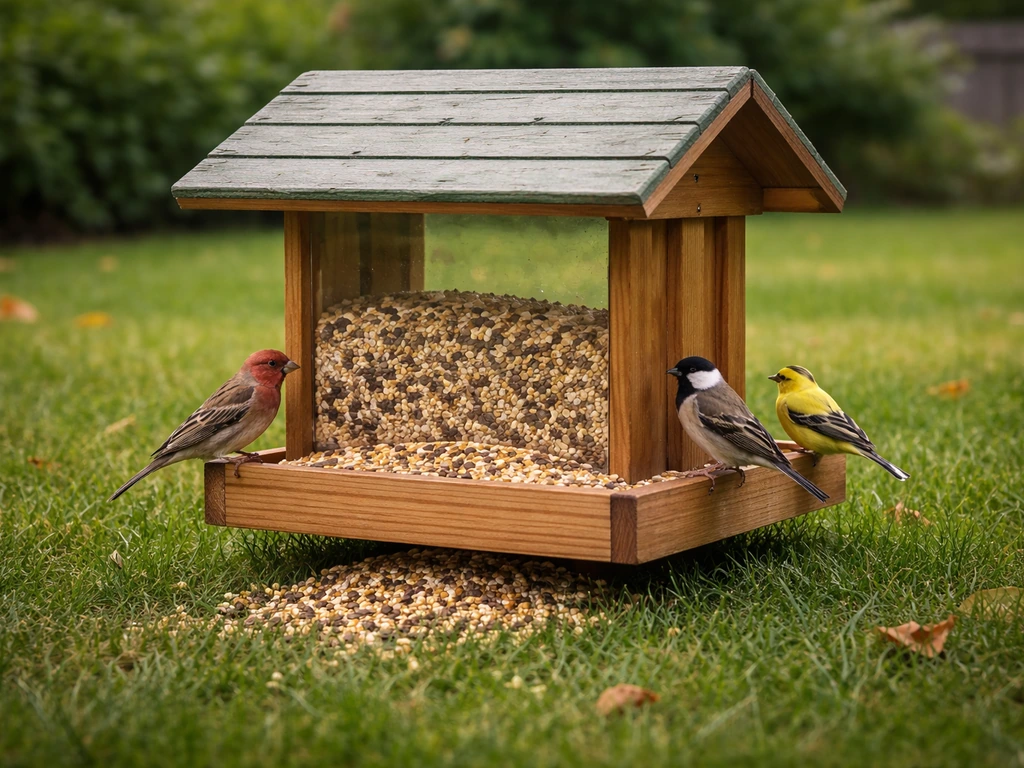
Most backyard birds eat somewhere between a few dozen and a few hundred insects per day, but a small bird like a Black-capped Chickadee can push into the hundreds easily, and a hummingbird may snag up to 2,000 tiny insects in a single day on top of all its nectar. The range is genuinely wide because species, body size, season, and whether a bird is feeding nestlings all pull the number in very different directions. Here's how to think about it practically for the birds actually showing up in your yard.
How Many Insects Does a Bird Eat a Day? Quick Estimate

Maya Henderson
19 May 2026
Why the number varies so much
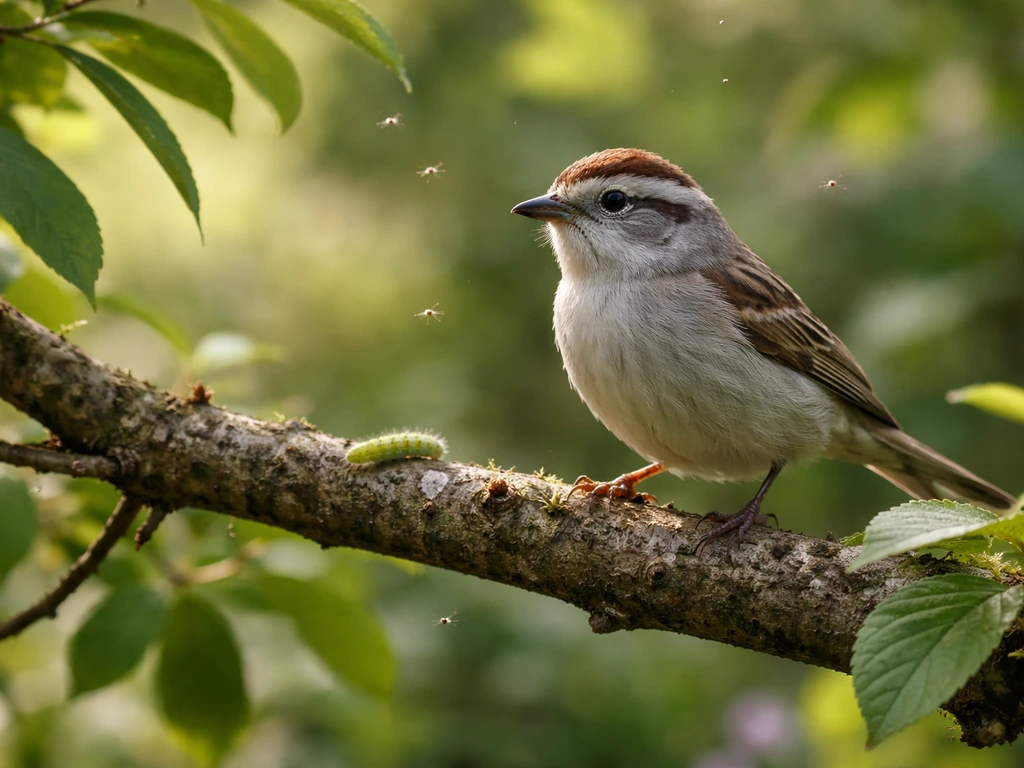
The biggest driver is body size. Smaller birds burn through calories at a much faster rate relative to their weight, so they eat a larger share of their body mass every single day. A Black-capped Chickadee, which weighs around 10–12 grams, eats roughly 35% of its body weight daily. A Cooper's Hawk, which is dramatically larger, clocks in closer to 12% of body weight per day. That gap in metabolic demand means a tiny bird has to hustle constantly to hit its calorie target, and insects are a dense, fast source of protein and fat.
Diet type matters just as much. A strict insectivore like a swallow or a flycatcher is going to hit much higher daily insect counts than an omnivore like a house sparrow that fills most of its plate with seeds. Then there's breeding season: when a bird is hauling food to a nest full of nestlings, insect intake spikes dramatically because chicks need protein, not seeds. A chickadee feeding young can visit the nest hundreds of times a day, each time carrying caterpillars or larvae. That is a completely different feeding mode from the same bird cruising through your feeder in January.
Quick ballpark ranges by bird type

These are rough daily insect counts for common backyard species. Treat them as order-of-magnitude estimates, not lab measurements, because what a bird actually takes depends on what's available and what else it's eating that day.
| Bird type | Approx. daily insect count | Notes |
|---|---|---|
| Hummingbird | Up to ~2,000 tiny insects | Gnats, fruit flies, small spiders; insects supply protein alongside nectar |
| Black-capped Chickadee | Hundreds (varies widely) | Caterpillars, larvae, insect eggs; 80–90% animal foods in breeding season |
| Swallow / flycatcher | Hundreds to 1,000+ | Aerial insectivores; nearly 100% insect diet during flight season |
| Robin / thrush | Dozens to low hundreds | Earthworms plus insects; seasonal and ground-foraging dependent |
| Sparrow / finch (omnivore) | Dozens or fewer | Seeds dominate; insects increase in spring/summer, especially when nesting |
| Cooper's Hawk / raptor | Prey items (not insects) | Primarily birds and small mammals; insect intake negligible |
A useful frame here: if a bird eats roughly 35% of its body weight daily (like a chickadee) and insects make up about half its diet outside breeding season, you can estimate the insect portion by weight and then convert to a count based on average prey size. A medium caterpillar weighs roughly 0.5–1 gram, so a chickadee targeting caterpillars exclusively might only need 20–30 of them to hit its insect calorie quota, while a bird targeting tiny aphids or insect eggs could rack up many hundreds. The count is less meaningful than the biomass.
How to estimate for the birds in your yard
Start by identifying what you're actually seeing. You don't need a field guide for every bird, just a rough diet category: strict insectivore, omnivore leaning insect, or seed-first omnivore. Most bird ID apps (Merlin is free and reliable) will tell you the diet breakdown for any species in seconds.
- ID the species using a free app or field guide, then check if it's listed as insectivorous, omnivorous, or granivorous.
- Look up the bird's average body weight in grams (usually listed in the same app).
- Multiply body weight by the daily intake fraction: roughly 35% for small birds (under 30g), closer to 15–20% for medium birds (30–200g).
- Estimate what share of diet is insects: 80–90% during breeding season, 50% or less in winter for most common backyard species.
- Divide the insect-weight target by a typical prey weight for that bird to get a rough count (small flies: ~0.01g; medium caterpillar: ~0.5g; earthworm: ~1–3g).
This gives you a working estimate, not a precise number. But it's enough to understand why a chickadee needs a yard with actual insect habitat, not just a feeder, to stay healthy through breeding season.
Spring and summer vs. winter: the seasonal shift
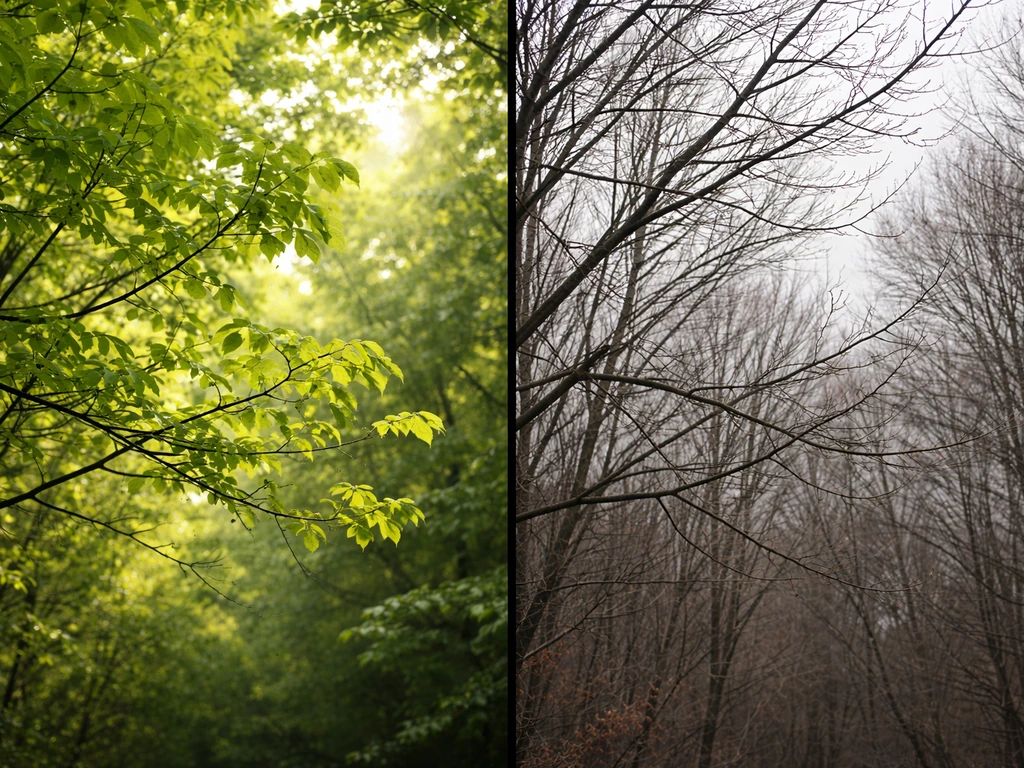
Insect availability drives almost everything. In spring and summer, insect populations explode, and birds shift heavily toward them. For species like the Black-capped Chickadee, animal foods (insects, spiders, caterpillars, larvae, and insect eggs) make up 80–90% of the diet during the breeding season. That's not a preference, it's a nutritional requirement: nestlings cannot thrive on seeds alone and need the protein and fat that insects provide.
Come late fall and winter, insect availability crashes, and most backyard birds pivot hard toward seeds, berries, and stored food. That same chickadee drops its insect intake to roughly 50% of its diet. Strict insectivores (swallows, flycatchers, warblers) handle this by migrating to where insects are still available. The birds that stick around your yard in winter are almost always the ones with the metabolic flexibility to switch to seeds and other plant foods.
This is also why how many seeds a bird eats in a day becomes a more relevant question in the colder months. If you want a practical answer in terms of feeder use, the next step is to figure out how much bird seed does a bird eat for the species you’re seeing. Mockingbirds do eat bird seed at times, especially when natural food is harder to find do mockingbirds eat bird seed.
Do bird feeders change how many insects birds eat?
This is a genuinely interesting question, and the honest answer is: it depends on the bird, the season, and how much supplemental food you're providing. Feeders are a supplement, not a replacement for natural foraging, for most species. A chickadee that has access to your sunflower feeder will still hunt insects, especially in spring and summer when insect protein is irreplaceable for its chicks. Hummingbirds generally don't rely on bird seed, because they mainly eat nectar and small insects. The feeder gives it an energy buffer, particularly on cold days, but it doesn't switch the bird off its natural foraging instincts.
That said, very dense feeder supplementation could theoretically reduce time spent foraging, which might marginally reduce insect intake. There's no evidence that feeders cause birds to abandon insect hunting entirely, but it's a reason not to go overboard with year-round high-calorie seed mixes. If you load feeders with too much seed, some birds can end up consuming more calories than they need overboard with year-round high-calorie seed mixes. If your goal is to support insect-eating birds in your yard, native plantings that host caterpillars and other invertebrates are doing at least as much work as your feeder, probably more.
How to attract insect-eating birds safely
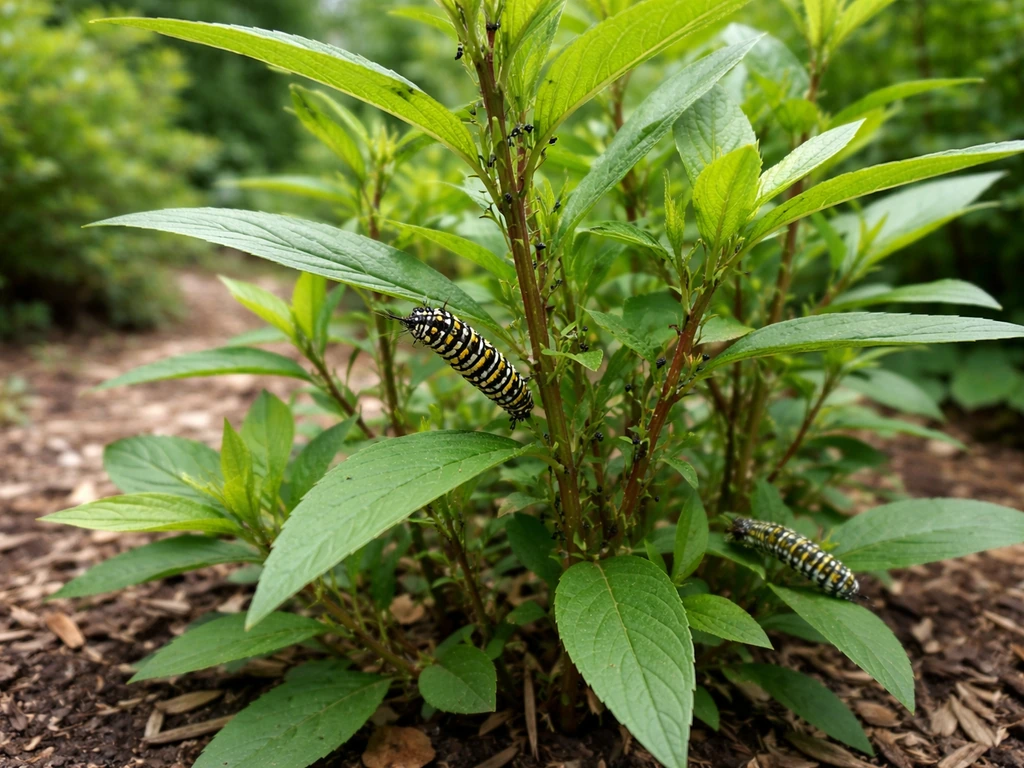
The most effective thing you can do is grow native plants. Native trees and shrubs host orders of magnitude more caterpillar and insect species than ornamental or non-native plants. Oaks, native cherries, willows, and native sunflowers are all high-value insect hosts that bring insectivorous birds directly to your yard without any feeder required.
Beyond planting, here are practical steps that are safe for wildlife and your pets: For seed feeders, South Carolina DNR recommends thoroughly cleaning them at least once per month, using a 1 part liquid chlorine bleach to 9 parts hot water dilution and following with rinsing thoroughly cleaning seed feeders at least once per month with a bleach-to-water dilution.
- Reduce or eliminate pesticide and herbicide use in your yard. Even 'safe' pesticides knock down insect populations that birds depend on.
- Leave leaf litter and brush piles in corners of your yard. These harbor the overwintering insects, larvae, and pupae that birds like chickadees and robins hunt in early spring.
- Install a shallow bird bath with moving water (a dripper or small pump works). Insects are attracted to water too, creating a feeding zone for birds.
- Avoid placing feeders directly under large trees where seed falling to the ground can accumulate and rot. Clean up spilled seed regularly to prevent mold and discourage rodents.
- Keep feeders and baths clean. The CDC and multiple state wildlife agencies recommend cleaning seed feeders at least once a month using a 10% bleach solution (1 part bleach to 9 parts hot water), rinsing thoroughly, and letting them dry before refilling.
- Clean hummingbird feeders and bird baths more frequently, every few days in warm weather, since nectar and standing water spoil faster and can harbor pathogens.
- Do not let seed accumulate on the ground beneath feeders. USDA APHIS specifically warns that ground-level food buildup attracts pests and increases disease risk at feeding stations.
- Keep cats indoors or supervised. Cats are a major threat to insectivorous birds that forage low to the ground, and outdoor cats also face exposure risk from birds carrying avian influenza.
- If you have dogs, the CDC recommends preventing them from direct contact with wild birds, their droppings, or feeders to reduce avian flu transmission risk.
Common misconceptions about bird insect intake
One of the most common assumptions is that seed-feeder birds don't eat many insects. In reality, even heavy feeder users like chickadees, nuthatches, and titmice are enthusiastic insect hunters during warmer months. If you are trying to understand feeder impact, see whether do starlings eat bird seed, since seed availability can shift diets during different seasons. The feeder is their fast food, not their whole diet.
Another misconception is that more insects available always means more insects eaten. Research on insectivorous birds shows that abundance in the environment doesn't directly translate to abundance in the diet. Birds are selective: they target prey that gives the best energy return for effort, which means common insects can be numerically abundant but underrepresented in what birds actually eat. Don't assume a yard full of one insect type is automatically a great feeding ground.
People also underestimate how high insect intake gets during nesting. A pair of chickadees feeding a clutch of six to eight chicks may collectively deliver caterpillars to the nest several hundred times per day. The daily insect count for a nesting pair is dramatically higher than what either bird would eat on its own outside of breeding season. If you see a chickadee at your feeder in May, there's a good chance it's grabbing quick energy between insect-hunting runs to a nearby nest.
Finally, the idea that attracting insects to your yard is risky or messy is overblown. Native plantings that host beneficial insects don't create pest problems; they create balance. The insect diversity that draws birds is the same diversity that suppresses the pest species you actually don't want. Supporting insect-eating birds through habitat is one of the more self-reinforcing things you can do in a backyard.
FAQ
Why is the “number of insects per day” so inconsistent between birds?
Because counting insects misses the real unit of need, energy and nutrients. Birds eat by biomass and prey quality, so a day of many tiny prey can equal fewer larger caterpillars, and nesting time can multiply visits to a nest without changing the bird’s general body size.
Does feeding nestlings change the insect count compared with adult birds?
Yes, dramatically. A nesting pair can deliver insects hundreds of times per day to the nest, so the combined daily insect intake for the adults can be far higher than what you’d estimate from a single bird seen at a feeder outside breeding season.
How can I estimate insects per day for the specific bird in my yard?
Start with bird type (strict insectivore, insect-leaning omnivore, seed-first omnivore), then estimate season (breeding vs winter). Use body size only as a rough proxy, because diet composition and prey size are what change the insect count most.
Is a chickadee’s daily insect count closer to “dozens” or “hundreds”?
For adults outside peak breeding, estimates tend to fall in the dozens to low hundreds, but during the breeding period it can rise quickly because chicks require frequent high-protein deliveries. If you’re watching in spring, assume it’s skewing higher, even if the bird also uses feeders.
Do hummingbirds eat only nectar, or do they also eat enough insects to matter?
They do eat insects. Nectar provides energy, but hummingbirds also need protein, and they commonly take tiny insects or insect prey while foraging. That means “insects per day” for hummingbirds is not zero, but it depends on local insect availability and how much nectar is being produced in nearby flowers.
If I put out lots of bird seed, will insect-eating birds stop hunting insects?
Usually not entirely, but heavy, constant supplementation can slightly reduce time spent foraging on insects for some species. The safer approach is to treat feeders as a supplement and avoid overloading with calorie-dense seed year-round if your goal is to support insect hunting.
What’s the best way to support insect-eating birds without relying on feeders?
Use native plants. Native trees and shrubs host far more caterpillars and invertebrates than non-native ornamentals, which supports birds through both feeding and breeding seasons. It also tends to attract a wider mix of insects than a single feeder would.
Do birds always eat insects in proportion to how many insects are in the yard?
No. Even when insects are abundant, birds may select prey based on energy return and ease of capture. Some insect types can be plentiful but underrepresented in the diet, so “more bugs around” does not always mean “more bugs eaten.”
Why might I see a bird at a feeder but still assume it eats insects?
Because feeders often provide fast calories between foraging trips, not a complete diet. Many insectivorous or insect-leaning birds still hunt actively for larvae and caterpillars, especially when they need protein for breeding and chick growth.
In winter, do birds that eat insects switch foods completely?
Many shift heavily toward seeds, berries, and other stored foods when insects become scarce. Strict insectivores generally migrate to track insect availability, while birds that stay are usually the more flexible feeders that can rely on plant foods more readily.
Are insect counts lower or higher for larger birds?
Often lower in insect number but not necessarily in total food needs. Larger birds generally consume a smaller fraction of their body weight per day, and they can also target larger prey when available. That changes how many individual insects they take compared with small birds that must eat a bigger share of their body weight daily.
Next Article
Can Birds Eat Too Much Bird Seed? What To Do Now
Learn if birds can overeat seed, signs of illness, and what to do now for safer feeding and cleaner feeders.