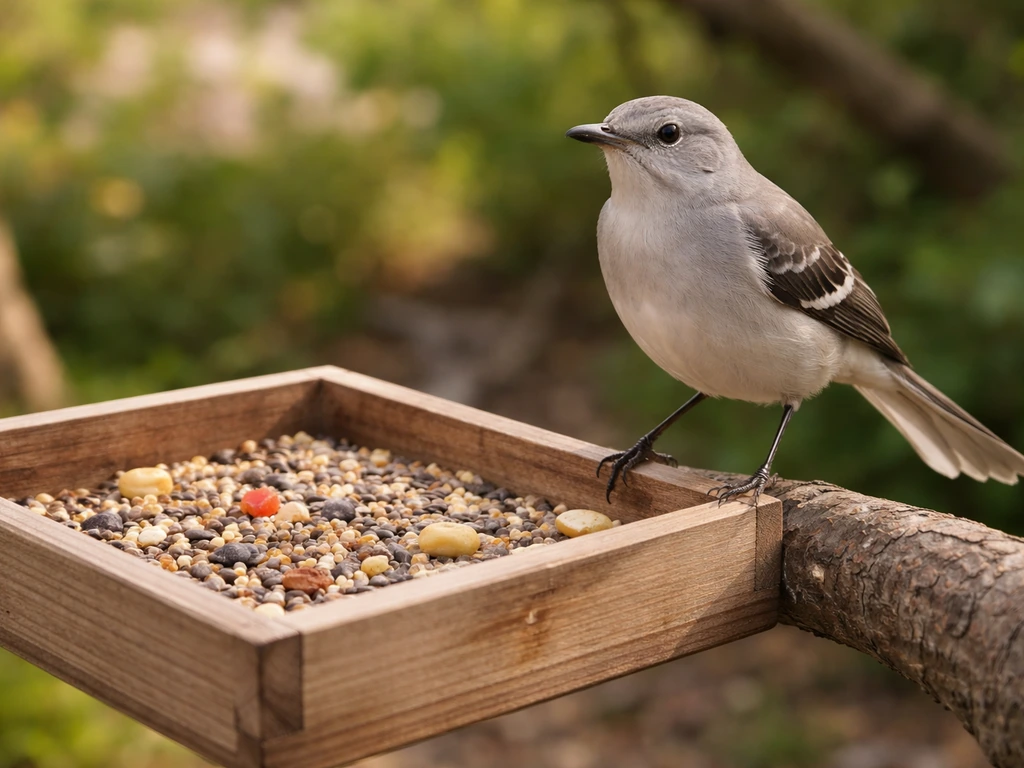
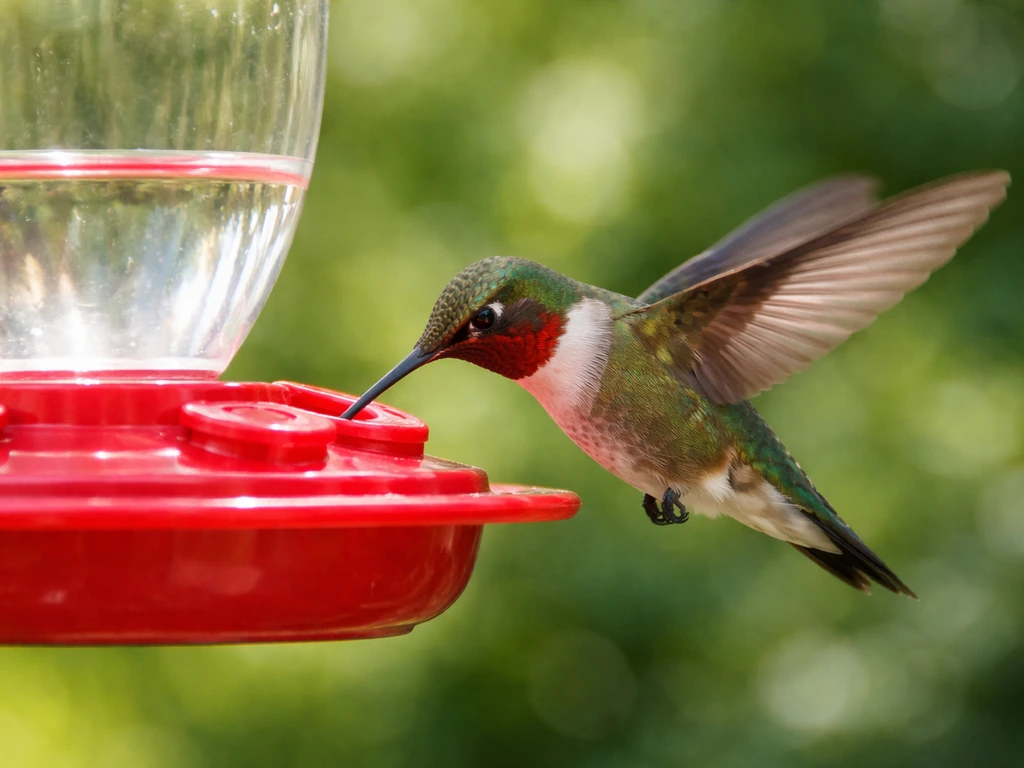
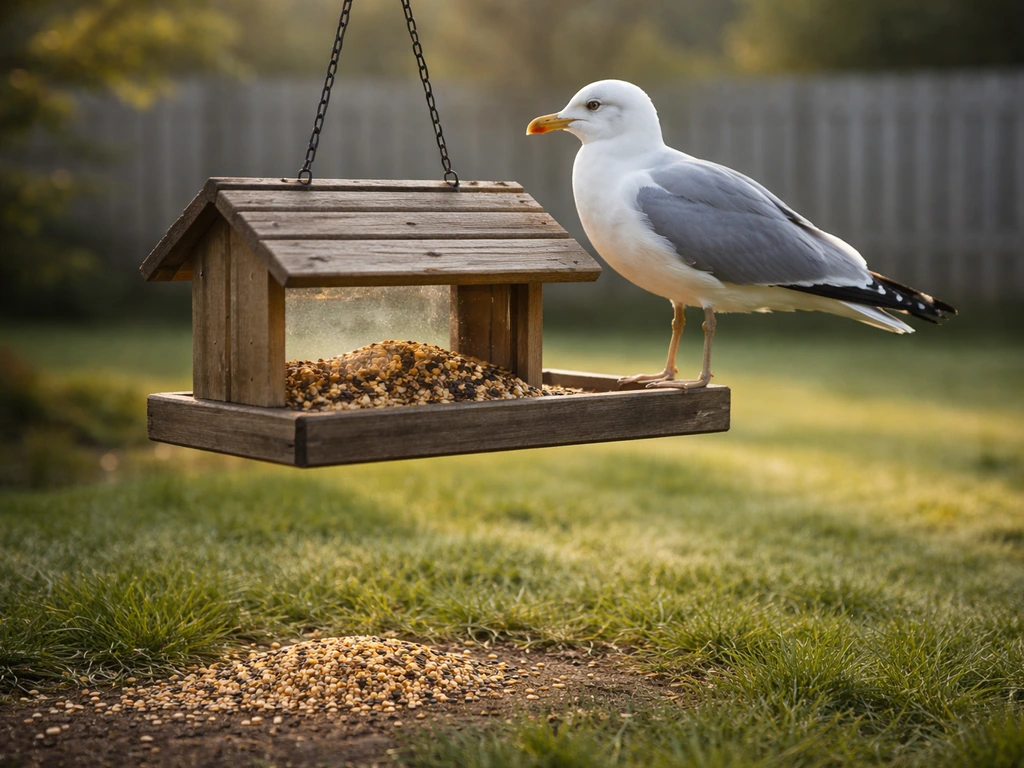
If you've got starlings at your feeder, the birds you actually want to attract are likely getting pushed out. The good news is that a few targeted changes to your feeder setup and seed selection can make a real difference, and you can start today. In the same way, hummingbirds typically do not eat bird seed, since they prefer nectar and small insects rather than seed mixes hummingbirds do not eat bird seed.
In the same way, hummingbirds typically do not eat bird seed, since they prefer nectar and small insects rather than seed mixes hummingbirds do not eat bird seed.
Which seeds and foods starlings prefer (and how they forage)
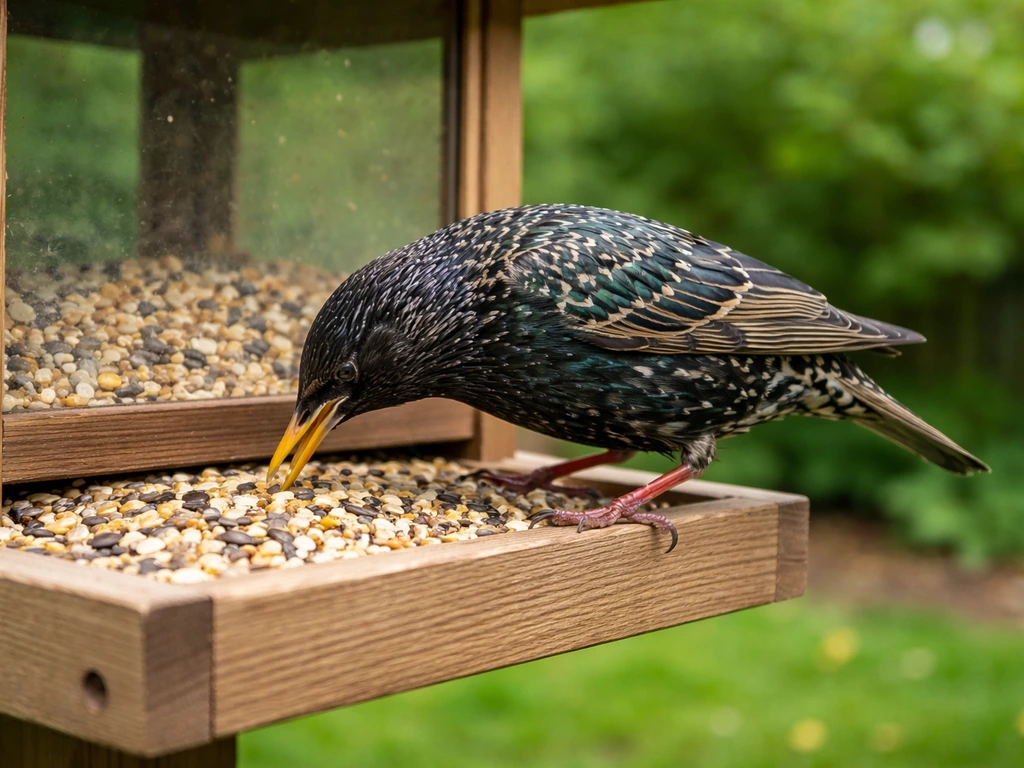
Starlings are not picky. Their diet in the wild includes insects, invertebrates, fruits, and plant matter, which means they bring a very flexible palate to your feeder. At backyard feeders, the foods they go after most aggressively are suet, peanuts and peanut butter, sunflower seeds, cracked corn, and white millet. Suet is probably their number one target because it's calorie-dense and easy to consume quickly. Mixed seed bags that include cracked corn and millet are also a major draw, since those are essentially starling favorites in bulk.
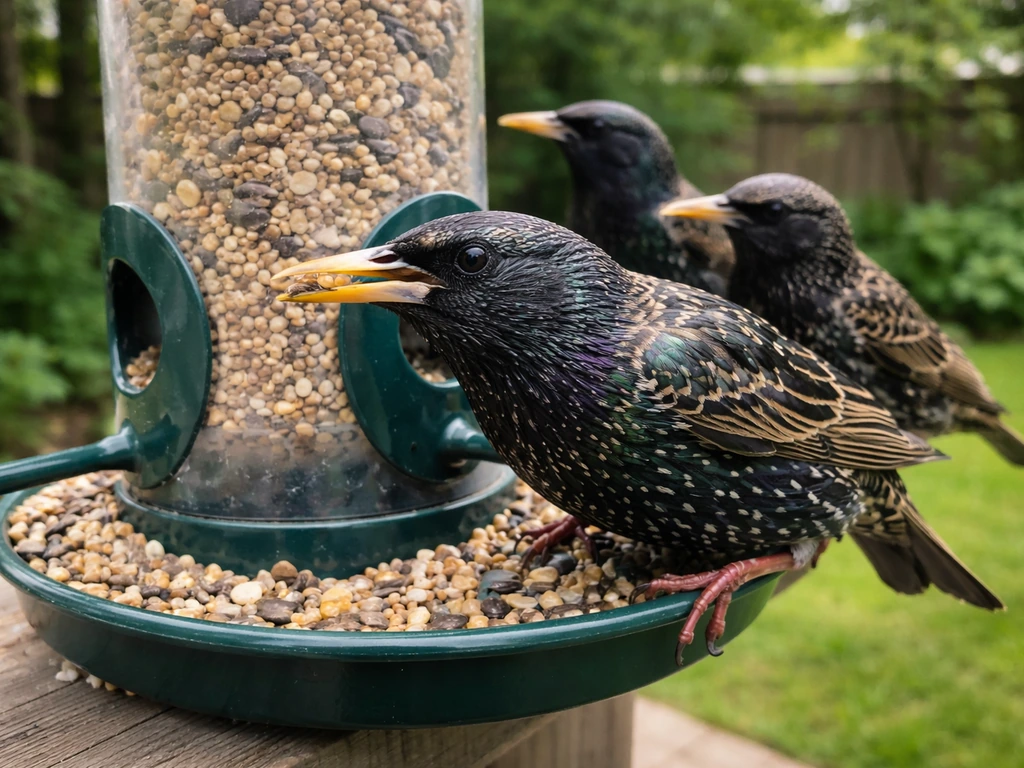
Starlings forage differently from smaller songbirds. Hummingbirds typically do not eat traditional bird seed, and they are best supported with nectar feeders and appropriate plants. They tend to arrive in groups rather than one or two at a time, and they dominate a feeding area through sheer numbers and persistence. They'll queue up, take turns, and displace smaller birds from perches.
At tube feeders, they can still work the ports if the perches are long enough to support their body size. At open platform feeders or trays, they have no trouble at all. They're also fast eaters, which means by the time you notice them at the feeder, they may have already consumed a significant portion of what you put out.
| Food Type | Starling Interest | Notes |
|---|
| Suet cakes | Very high | Top target; gone fast in cold weather |
| Peanuts / peanut butter | Very high | Easy calories, attracts flocks quickly |
| Black-oil sunflower seeds | High | Consumed readily; also attracts many desirable species |
| Cracked corn | High | A filler seed that starlings and other nuisance birds love |
| White millet | High | Common in cheap mixes; a known starling favorite |
| Nyjer (thistle) seed | Low | Starlings generally ignore it; finches love it |
| Safflower seeds | Low | Bitter taste deters starlings; cardinals and chickadees will eat it |
Feeder and yard setup changes that actually reduce starlings
The most effective approach combines feeder design changes with smarter seed selection. No single fix works perfectly on its own, but stacking a few of these together can cut starling visits dramatically within a few days.
Switch to a bottom-access suet feeder
If suet is your main offering, the single biggest change you can make is switching to an upside-down or bottom-access suet feeder. Starlings struggle with feeders that require them to cling upside down to access food. Woodpeckers, nuthatches, and other birds that naturally forage in that orientation can handle it fine, but starlings rarely bother. This is one of the most well-supported deterrent strategies around, and it works.
Swap out the seed mix
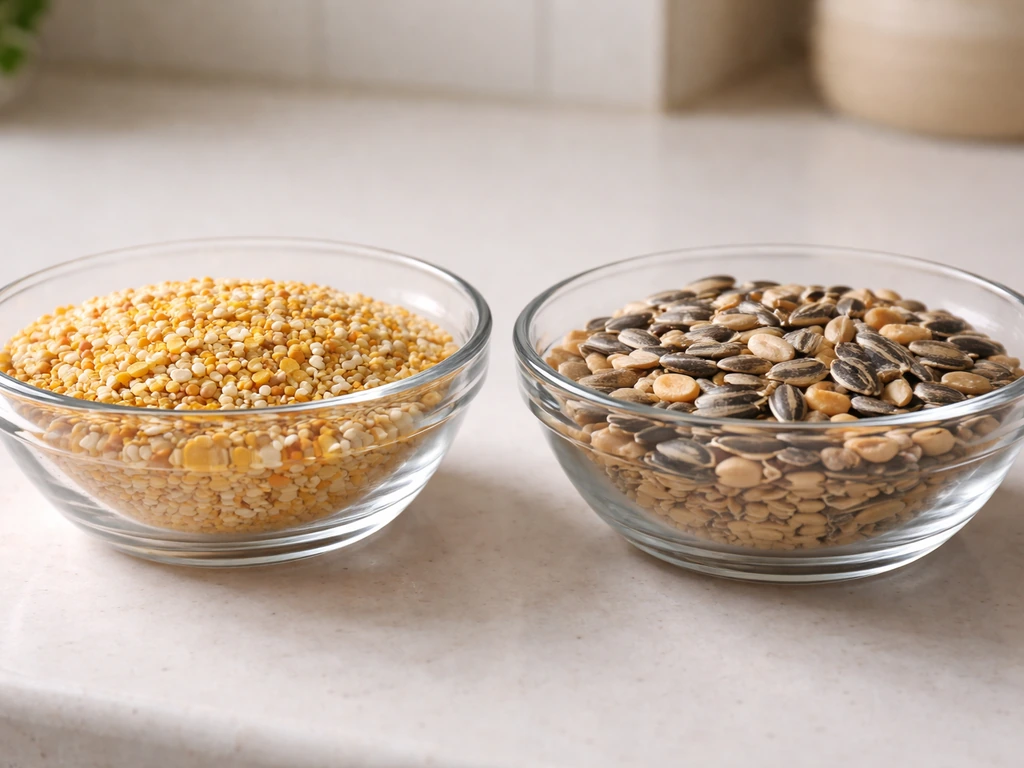
Stop buying mixes that contain cracked corn and millet if starlings are your problem. These are essentially the cheapest fillers in commercial mixes and they happen to be two of the seeds starlings love most. A bird-seminar feeder-selection guide also discusses that cracked corn and millet can be especially popular with feeder birds like starlings, which is why swapping them out helps with feeder targeting and seed choice. Replace them with safflower seeds and nyjer (thistle). Starlings tend to ignore both. Safflower is a great choice for feeders you want cardinals, chickadees, and house finches to use. Nyjer works well in tube feeders with small ports sized for finches, which starlings can't use effectively anyway.
Use tube feeders with short or no perches
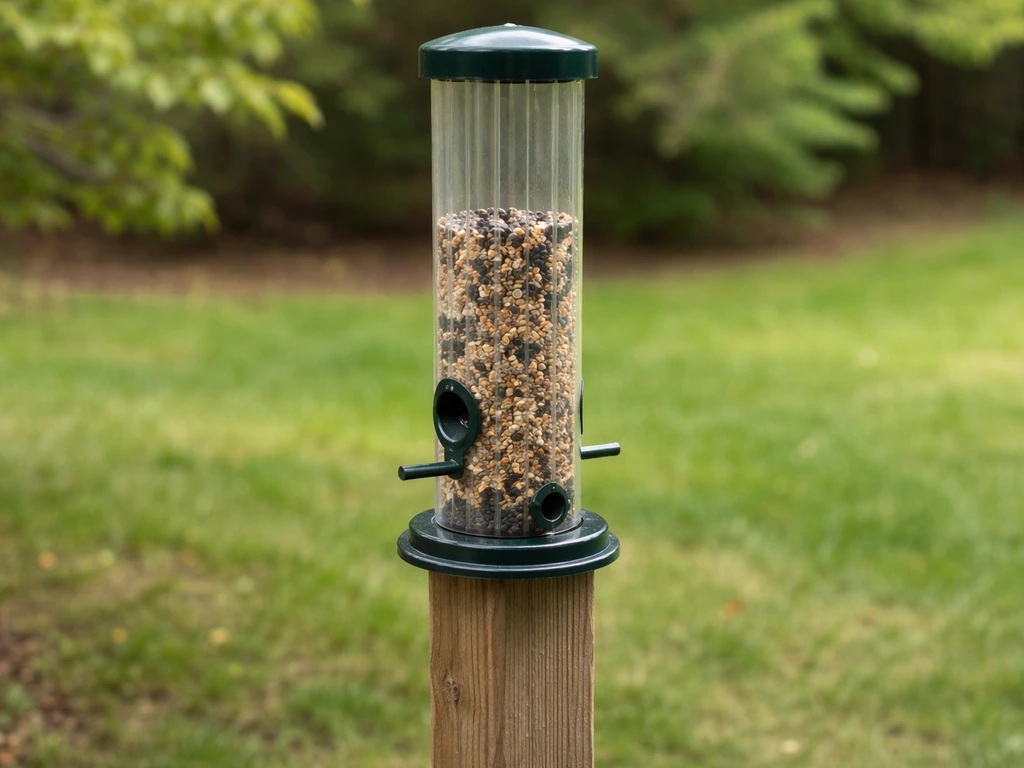
Tube feeders with short perches make it harder for large-bodied birds like starlings to get a stable foothold. Starlings are bigger and heavier than most feeder birds, and a tube feeder with tiny ports and no tray underneath will frustrate them without stopping smaller songbirds at all. Avoid adding seed trays to the bottom of tube feeders, since those essentially convert the feeder into a platform that starlings can land on easily.
Open platform feeders are the easiest target for starlings. If you have a tray or platform feeder and starlings are dominating it, take it down for a week and see what happens. You can reintroduce it later with a starling-resistant seed like safflower only, or restrict it to offering foods starlings ignore.
Adjust timing and quantity
Starlings tend to feed in bursts, often in morning and late afternoon. Putting out smaller amounts of food more frequently, rather than filling feeders once a day, can help reduce how much they consume in a single visit. It also helps reduce waste and spoilage, which is a separate problem worth paying attention to.
Health and safety risks: mold, spoilage, and what it means for birds and pets
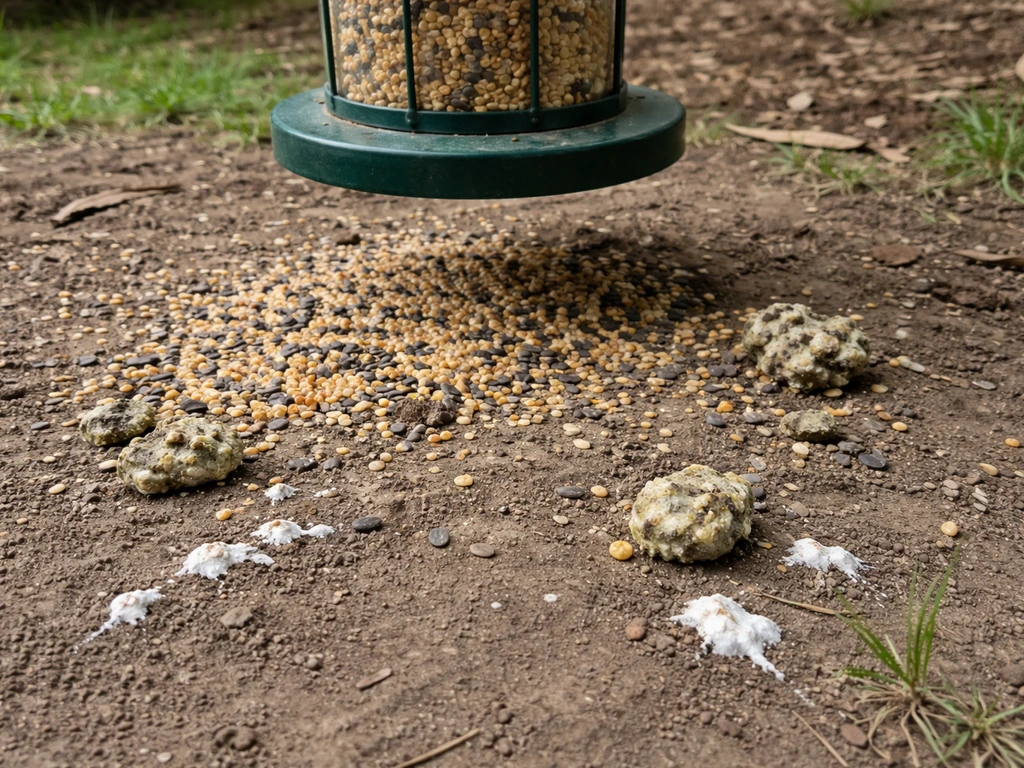
Starlings tend to make a mess at feeders. They scatter seed, leave droppings on and around feeders, and can contaminate the remaining seed through contact. This is where the problem goes beyond just competition with other birds and becomes a genuine health concern.
Mold and mycotoxins in wet or leftover seed
When seed gets wet from rain, morning dew, or starling saliva and droppings, it can develop mold within a week, especially in warm or humid conditions. Moldy seed can carry aflatoxins, which are mycotoxins harmful to birds. Visibly moldy or clumped seed should be removed immediately and not refilled on top of. This isn't just a starling problem, but starling activity speeds up the rate at which feeders get fouled, which speeds up the spoilage cycle.
Disease transmission at feeders
Feeders visited by large numbers of birds, especially flock species like starlings, can become vectors for diseases like salmonellosis. Droppings accumulate fast when starlings swarm a feeder. To reduce risk, scrub feeders with a dilute bleach solution at least every two weeks, and more often if you're seeing heavy traffic. Remove wet or spoiled seed hulls from the area below the feeder regularly rather than letting them pile up.
Droppings buildup and histoplasmosis risk
Large accumulations of bird droppings, which can happen quickly when starlings are roosting or feeding in numbers, can support the growth of Histoplasma, a fungal organism associated with respiratory illness in humans. The CDC notes that activities disturbing dried droppings (like raking or shoveling) can increase exposure risk. Wear a dust mask when cleaning up significant accumulations under feeders and dampen the area before disturbing it.
Pets and nearby wildlife
Spilled or spoiled seed on the ground attracts more than just birds. Dogs are known to eat seed scattered below feeders, and moldy seed can cause digestive upset or worse if a dog consumes it in quantity. Cats allowed outside can also be exposed to contaminated seed or the birds themselves. If you have pets that have access to your yard, check regularly what's accumulating below your feeders and clean it up before it becomes a hazard.
When starlings become a real pest problem (and what to do)
At a feeder, starlings are annoying and competitive. In larger numbers, they become a more serious issue. A flock roosting near your yard or returning day after day in large groups creates significant droppings accumulation, noise, and displacement of every other bird species. USDA APHIS notes that large roosting flocks of starlings and blackbirds can raise health concerns through droppings buildup, which is why this isn't just a nuisance situation when numbers get high.
One thing worth knowing: European starlings are not protected under the Migratory Bird Treaty Act in the United States, which means there are fewer legal restrictions on non-lethal deterrent methods compared to native species. However, if you're considering any kind of active removal or nest interference, USDA APHIS advises checking your state laws first, since regulations can vary and some actions may still require permits depending on what's involved.
For most backyard situations, the most practical non-lethal steps are the feeder changes described above combined with reducing attractants. That means no open water sources near the feeder area during peak starling season, no unsecured pet food outdoors, and no ground-level food offerings that essentially set a table for a flock. If starlings are also targeting your garden or fruit trees, that is a separate problem, but removing the feeder food incentive first is usually the right starting point.
If you've tried multiple feeder adjustments and starlings are still dominating, the most straightforward option is to take down all feeders for one to two weeks. Starlings are opportunistic, and they will move on if the food source disappears. When you restart, bring feeders back online one at a time with the right seed and feeder types already in place.
What to change and observe starting today
Here's a practical sequence to work through over the next several days. These changes are ordered by impact and ease, so start at the top.
- Today: Remove or replace any open platform or tray feeders. Swap suet feeders for a bottom-access (upside-down) model if you have one, or temporarily take suet down entirely.
- Today: Check what seed you're offering. If it contains cracked corn, millet, or generic mixed seed, stop using it. Transition to safflower, nyjer, or black-oil sunflower offered in tube feeders with short perches.
- Day 1 to 3: Inspect the area under your feeders. Remove any wet, clumped, or moldy seed from the ground. Rake the area clean. This eliminates ground-feeding opportunities for starlings and reduces contamination risk for other animals.
- Day 2 to 3: Clean your feeders with a dilute bleach solution (1 part bleach to 9 parts water), rinse thoroughly, and let them dry completely before refilling with your new seed selection.
- Day 3 to 5: Observe which birds are returning and at what times. Starlings typically show up in groups. If you're seeing one or two rather than a flock, your changes are working. Note whether the birds you want to attract are coming back.
- Day 5 to 7: If starling pressure is still high, reduce the amount of seed you're putting out at each fill. Smaller quantities mean less incentive for a large flock to linger. Refill more frequently in smaller amounts instead.
- Week 2: If the problem persists despite seed and feeder changes, take everything down for 7 to 14 days. Let the area reset. Reintroduce one feeder at a time with starling-resistant seed and feeder design already in place.
A few things to watch for that signal the plan is working: fewer birds arriving in large simultaneous groups, smaller and more species-diverse feeder visits, and less seed disappearing all at once. If you're still seeing rapid seed loss and flock arrivals after a week of changes, the most likely culprits are an open feeder type still in use, a seed mix that still contains starling favorites, or a ground-feeding opportunity you haven't eliminated yet.
It's also worth keeping an eye on how much seed different birds actually go through day to day. Starlings skew those numbers significantly when they're present. Once they're deterred, you may find your seed lasts noticeably longer, which is a useful signal that your setup is working the way you want. If you're curious about normal seed consumption patterns for the birds you're trying to attract, that's a useful baseline to understand separately from the starling management question.
Learning how much bird seed a bird eats can help you set the right amount out and avoid waste how much bird seed does a bird eat. If you are trying to estimate daily intake for a specific species, you may also want to look at how many seeds a bird eats in a day how much bird seed does a bird eat.
You can also look up how many insects a bird eats each day to compare insect-eating species with seed eaters how many insects does a bird eat a day. If birds eat too much bird seed, it can lead to waste and spoilage, so setting a sensible amount out matters can birds eat too much bird seed.