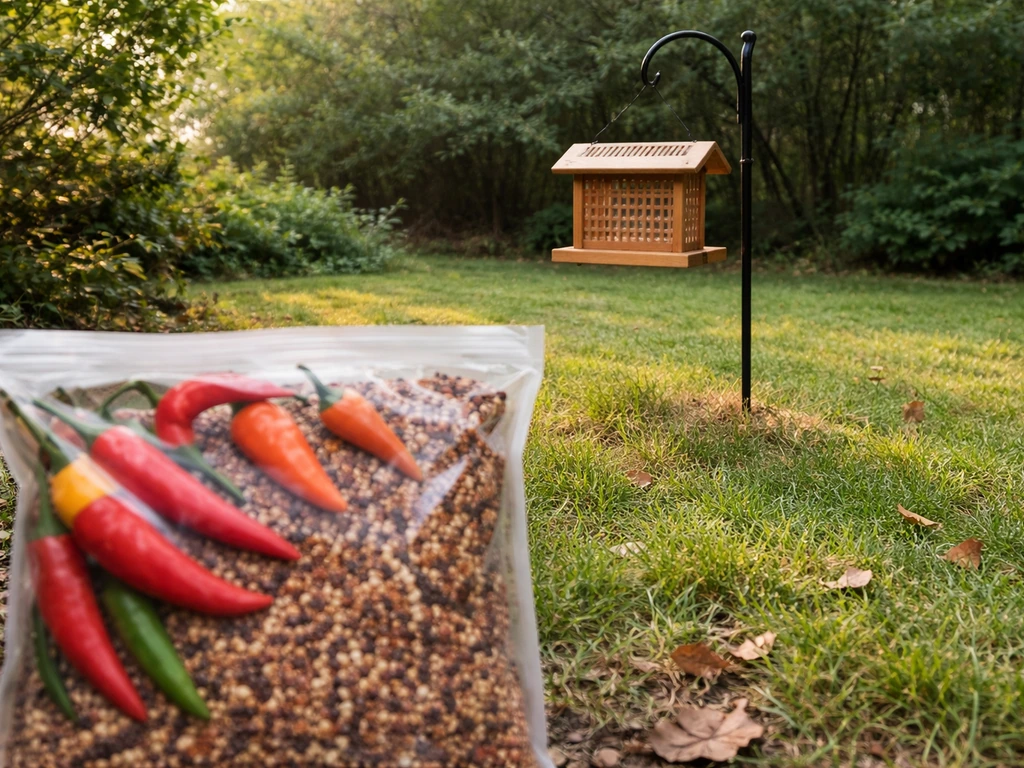
Yes, mice will sometimes eat hot pepper bird seed, but capsaicin does reduce how much they eat. Research from the USDA Forest Service found that deer mice consumed significantly fewer pepper-coated seeds than untreated seeds in controlled trials, and seeds coated with ghost pepper reduced rodent consumption by roughly 47 to 50 percent under tested conditions. That is a real deterrent effect, but it is not a lock. A hungry mouse, or one with limited food alternatives, will still push through the discomfort and eat peppered seed. So if you are dealing with mice at your feeder right now, spicy seed alone is probably not going to solve your problem. You need a fuller plan.
Will Mice Eat Hot Pepper Bird Seed? What to Do

Maya Henderson
10 Apr 2026
Why capsaicin bothers mice but not birds
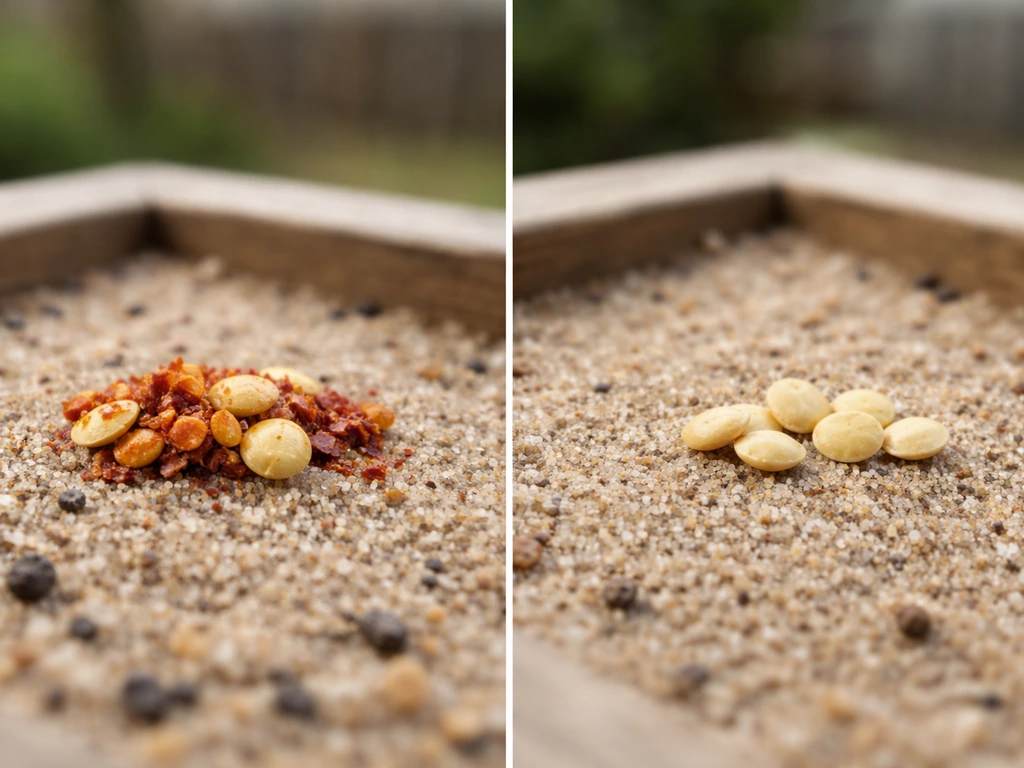
The reason pepper-infused bird seed exists in the first place comes down to basic biology. Capsaicin, the compound that makes chili peppers hot, activates the TRPV1 receptor, which is the sensory pathway responsible for that burning sensation. Mammals, including mice and squirrels, have fully functional TRPV1 receptors. Birds, on the other hand, lack the receptor configuration that makes capsaicin feel painful, so they can eat pepper-coated seeds without any discomfort at all. University of Florida research confirmed this contrast directly: mammals avoid capsaicin in peppers while birds are actually more likely to eat from chili plants. This ecological dynamic is not an accident. It is thought to be an evolutionary strategy that helps peppers get their seeds dispersed by birds rather than chewed up by mammals.
This is also why spicy seed products are legitimately marketed for bird feeders. If you are curious about <a data-article-id="3E07E561-8EB9-4A95-AF7B-562F7B7">which bird species actively seek out chillies and show a preference for hot peppers, it is a surprisingly long list that includes many common backyard species. The short version: the birds you want at your feeder will not be put off by spicy seed, but the mice definitely should be, at least in theory.
That said, not all "hot pepper" bird seed products are created equal. Some blends, like those listing cayenne pepper as an ingredient alongside sunflower seeds and millet, contain ground pepper mixed into the seed. Others use oleoresin of capsicum, a concentrated extract, coated directly onto seeds. The coating method generally delivers more consistent capsaicin contact. When a mouse has to ingest the seed to hit the pepper, as some product FAQs acknowledge, the deterrent effect depends on them actually biting into it rather than just smelling it and walking away.
What makes mice more likely to eat it anyway
Even with real capsaicin content, several factors push mice past the deterrent. USDA Forest Service research specifically calls out food availability as a major variable: when alternative food sources are readily available, deterrent-coated seeds still get eaten, just at lower rates. When food is scarce, calorie need wins over discomfort. So if your yard is otherwise lean in terms of food sources and your feeder is the best option around, expect more mouse pressure regardless of pepper content.
- Seed type matters: sunflower seeds and peanuts are calorie-dense and highly attractive to mice; millet and safflower are lower appeal but still edible
- Feeder placement: feeders close to walls, fences, or dense shrubs give mice easy access and cover, lowering the risk they perceive
- Spilled seed on the ground is almost always un-deterred and easy to eat without triggering any pepper contact
- Existing mouse populations near the feeder build familiarity and reduce novelty avoidance over time
- Hunger level: a mouse that has been foraging all night and found little else will tolerate significantly more discomfort than a well-fed one
If you want to know how rats stack up against mice on this same question, the behavioral patterns are very similar. There is a full breakdown in this article on whether rats will eat hot pepper bird seed, which covers the differences in rat versus mouse foraging behavior and how pepper seed performs against each.
The real health risks when mice are around your feeder
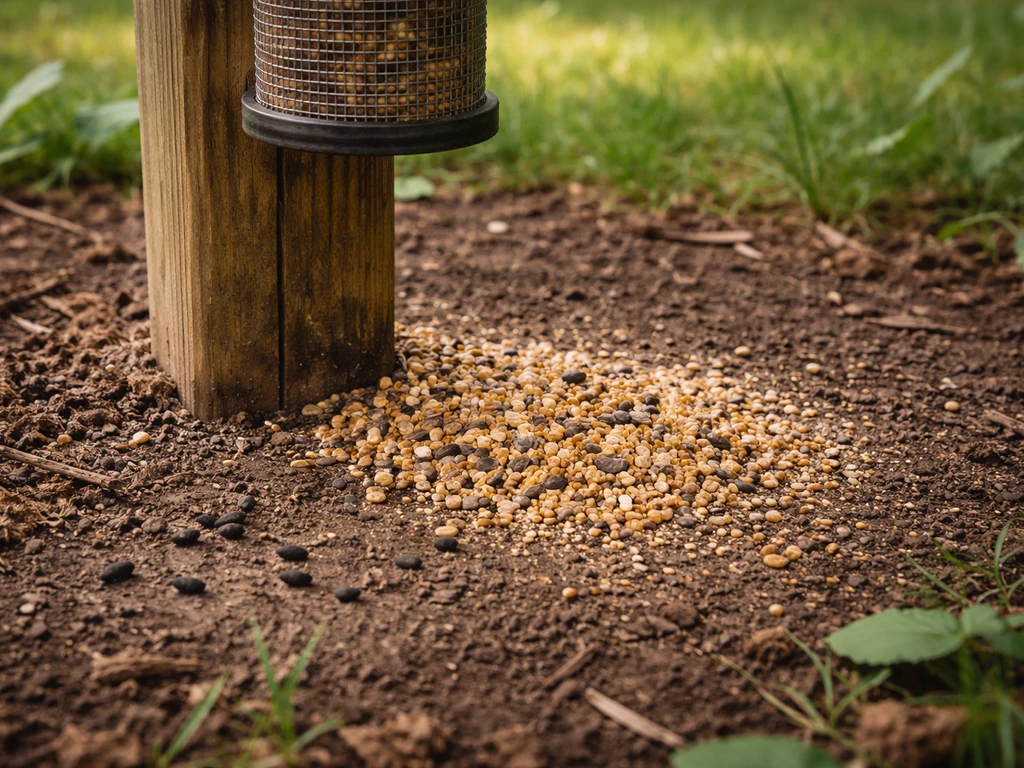
This is where the problem gets serious. Whether or not your mice eat the spicy seed, having mice active around a feeder creates genuine health and sanitation risks that go well beyond an annoying wildlife problem. Project FeederWatch also recommends cleaning seed or suet feeders regularly, about every week or two (and more often during heavy use or wet weather), and raking or sweeping the ground below to prevent waste from building up. The CDC is clear that hantavirus is transmitted when saliva, urine, or feces from infected rodents is inhaled as dust, or gets into a person's eyes, nose, mouth, or cuts in the skin. Anyone cleaning up a mouse-contaminated area, including around a bird feeder, is in the higher-risk group. Droppings left on feeder trays, in spilled seed on the ground, or in nearby shrubbery are a real hazard.
Beyond hantavirus risk, mouse activity at feeders also accelerates seed spoilage. Mice gnaw through seed bags and storage containers, contaminate seed with droppings, and create moisture exposure that promotes mold growth. Project FeederWatch explicitly warns that moldy seed can make birds sick, and that droppings accumulating on feeder trays are a disease risk for birds too. So a mouse problem at your feeder is not just a pest nuisance, it is a chain reaction that affects the birds you are trying to feed.
How to clean up safely if mice have been around
- Do not sweep or vacuum rodent droppings or disturbed nesting material before disinfecting. Vacuuming sends contaminated dust into the air and increases your inhalation risk significantly.
- Wear disposable gloves and, if the area is heavily contaminated, an N95 mask or respirator before starting cleanup.
- Soak droppings, urine-stained surfaces, and nesting debris with a diluted bleach solution (1 part bleach to 10 parts water) and let it sit for at least 5 minutes before wiping up.
- Seal contaminated material in a plastic bag and dispose of it in an outdoor trash container.
- Wash your hands thoroughly with soap and water after removing gloves.
- Clean the feeder itself with the same bleach solution, rinse well, and let it dry completely before refilling.
What happens to other wildlife and your birds when you use spicy seed
If you switch to a hot pepper seed blend, you will likely see your bird traffic stay the same or even improve, since birds are completely unbothered by capsaicin. Squirrel activity typically drops noticeably, though very persistent squirrels will sometimes push through it. Raccoons are a slightly different story. They are omnivores with stronger flavor discrimination than rodents, and their response to spicy seed varies by individual and by how hungry they are. If you have raccoons hitting your feeder, check out whether raccoons eat hot pepper bird seed for a more detailed breakdown of how they typically respond and what actually works to discourage them.
Pets are a different concern. If a dog or cat gets into spilled spicy seed on the ground, they will experience the same burning discomfort that rodents do, since they also have functional TRPV1 receptors. It is unlikely to cause lasting harm in small amounts, but it will cause real distress. Keep this in mind if you have dogs that explore your yard. Store spicy seed in a sealed container, clean up spills promptly, and consider feeder placement carefully if pets have yard access.
One more thing worth knowing about pepper varieties in bird seed: not all capsaicin sources are the same in terms of potency or behavior. If you want to understand the difference between the two most common options used in bird seed products, this comparison of african bird pepper vs cayenne pepper breaks down how they differ in heat level, application, and effectiveness as mammal deterrents.
Your practical plan for today
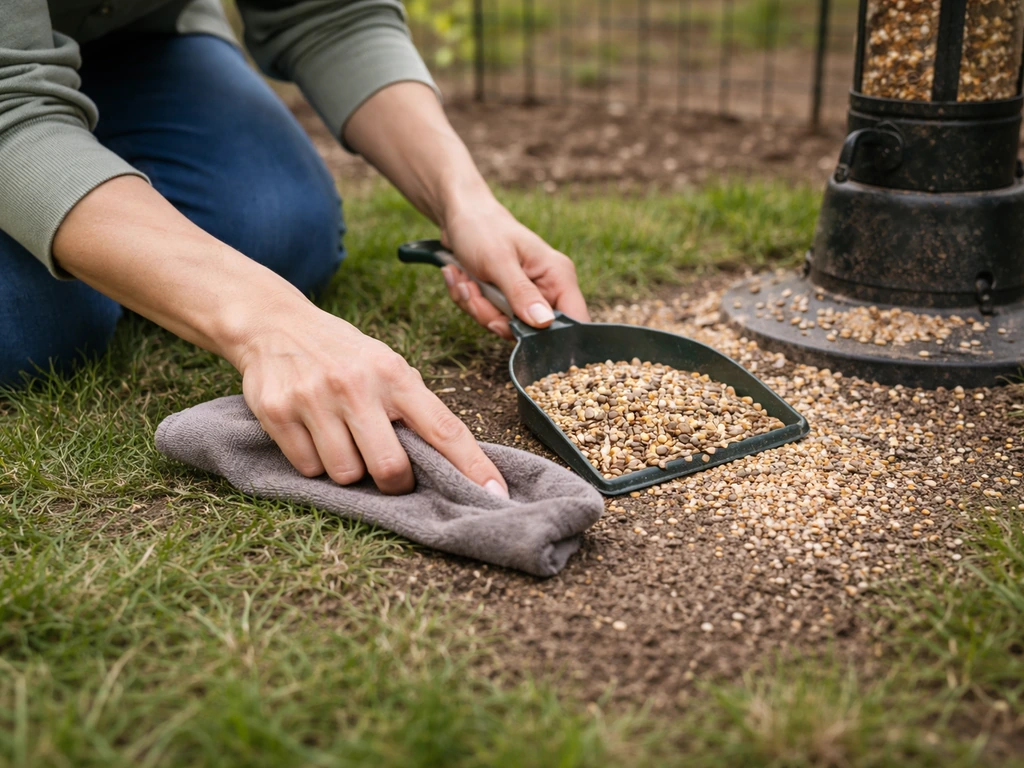
If mice are actively visiting your feeder, start with these steps today. Do not wait on this one, because mouse populations grow fast and spilled seed is the single biggest driver of feeder rodent problems.
- Pick up all spilled seed on the ground right now. Scattered seed is a guaranteed mouse attractant, and no amount of spicy coating on feeder seed helps once it has fallen to the ground and mixed with soil.
- Switch to a tray-style feeder with a catch tray, or add a seed catcher under your existing feeder, to reduce spillage going forward.
- If you use a tube or platform feeder, add a baffle above and below it. A smooth metal or plastic pole-mount baffle prevents mice from climbing up; an overhead baffle stops them from dropping down from branches.
- Move the feeder at least 10 feet from fences, walls, dense shrubs, or any structure mice can use to launch from.
- Store your bird seed in a sealed metal or heavy plastic container, not the paper bag it came in. Mice will chew through bags in minutes.
- Clean the feeder and surrounding area with a diluted bleach solution. Project FeederWatch recommends cleaning about once every two weeks under normal conditions, and more often when it is warm, damp, or heavily trafficked.
- Consider switching to or adding a hot pepper bird seed product to your existing feeder setup, with realistic expectations: it will reduce mouse activity, not eliminate it.
It also helps to think about what cayenne or other pepper-based products actually contain before you buy. If you want clarity on ingredient terminology, this explanation of whether bird pepper is the same as cayenne pepper is worth a quick read before you shop.
Safer ways to actually control mice around your feeder
Hot pepper seed is a deterrent, not a solution. If mice are already established near your feeder, you need to address the population directly. Here is how to do that without creating new risks for birds, pets, or other wildlife.
Physical exclusion first
Mice can squeeze through a hole the size of a dime, roughly 6mm across. If they are accessing a shed, garage, or the area under a deck near your feeder, they have a shelter base that feeding deterrents alone will not touch. Walk the perimeter of your home and outbuildings and seal any gap larger than 6mm with steel wool packed into the hole first, then covered with caulk or foam, or with hardware cloth. This is the step most people skip, and it is the most effective long-term fix.
Trapping: the right way
The CDC recommends blank" rel="noopener noreferrer">snap traps as a safe, effective approach for reducing rodent populations, and both CDC and Massachusetts Audubon explicitly recommend snap traps over poisons for outdoor and yard use. Place snap traps in areas where you see droppings or gnaw marks, perpendicular to the wall or fence line with the trigger end facing the surface. Bait with peanut butter or a small piece of chocolate. Check traps daily. Dispose of dead mice in a sealed plastic bag. Keep traps out of reach of pets and children, which usually means tucking them under a board, inside a PVC pipe section, or inside a covered trap station. In a Reddit discussion about outdoor snap traps, people also emphasize using covered or enclosed stations as a way to limit access risk, including for pets covered trap station.
Avoid rodenticide poisons around bird feeders
This is a hard no if you care about the birds and wildlife in your yard. Anticoagulant rodenticides do not just kill the mouse. They stay active in the mouse's body, so when an owl, hawk, fox, or raccoon eats the poisoned mouse, the predator gets a secondary dose. Massachusetts state guidance specifically flags this secondary poisoning risk as a major concern for non-target wildlife. The City of Safety Harbor public health guidance makes the same warning. Poison can also reach pets directly if they access bait stations. Stick with exclusion and snap traps. They work, and they do not create collateral damage.
When to call a professional
If you are finding droppings in multiple areas of your yard or inside a structure, seeing mice during daylight hours (which suggests a large population), or you have cleaned up and reset traps multiple times without the activity slowing down, it is time to call a pest control professional. Heavy infestations also mean heavier contamination, and the CDC recommends professional or local health guidance for those situations rather than DIY cleanup. A good pest control company will focus on exclusion and trapping first, so ask specifically about their approach before you hire anyone who immediately pushes for poison bait stations.
| Method | Effectiveness Against Mice | Risk to Wildlife/Pets | Best Use Case |
|---|---|---|---|
| Hot pepper bird seed | Moderate (reduces activity 47-50%) | Low (birds unaffected; pets may be irritated by spills) | Ongoing deterrent alongside other methods |
| Feeder baffles and placement | High (prevents physical access) | None | First step for any feeder mouse problem |
| Spill cleanup and seed storage | High (removes food source) | None | Daily habit to reduce mouse attraction |
| Snap traps | High (directly reduces population) | Low if placed correctly and away from pets | Active infestation near feeder or structure |
| Exclusion (sealing holes) | Very high (stops shelter access) | None | Mice entering sheds, decks, or structures |
| Anticoagulant rodenticides | High short-term | Very high (secondary poisoning of predators and pets) | Not recommended near feeders or wildlife areas |
| Professional pest control | Very high | Depends on methods used | Large infestations or repeated unsuccessful DIY attempts |
The bottom line: hot pepper bird seed is a useful tool in your feeder management kit, not a magic solution. It genuinely does reduce how much mice eat, but it will not keep a determined, hungry mouse away from a poorly placed feeder full of spilled seed. Use it as one layer of a practical system: clean up spills, add a baffle, seal entry points nearby, and trap if you need to reduce an existing population. Do that, and you will have a feeder that birds love and mice largely ignore.
FAQ
How fast will I see a difference if I switch to hot pepper bird seed for mice?
You may notice less gnawing within a few days, but full change often takes 1 to 2 weeks, especially if mice have already learned that your feeder is a reliable food source and if spilled seed remains available on the ground.
Will mice ignore hot pepper seed if they can smell it first but do not bite immediately?
Sometimes, yes, but it is not reliable. Many mice will sample, bite, and then decide whether the calories are worth the discomfort, particularly when other food is scarce or when hunger is high.
Do cayenne-based seed products work the same as “ghost pepper” products?
Not necessarily. Concentration and how the capsicum is applied (ground pepper mixed into seed versus extract coated on the outside) can change potency and consistency, so “ghost pepper” marketed products often have a stronger, more uniform deterrent effect than blends.
Is there a difference between mice and squirrels when it comes to spicy seed deterrence?
Yes, squirrels usually show more noticeable avoidance than mice, but very persistent squirrels can still keep trying. If squirrel activity drops but mice do not, focus on entry sealing and cleanup near the feeder rather than assuming the seed itself is the only issue.
What if I use hot pepper seed but keep getting mice anyway, does that mean the product has no capsaicin?
It could mean the application level is too low for deterrence, but more often it means the feeder setup is enabling mice access (open ground under the feeder, spilled seed, easy shelter nearby, or entry gaps). A deterrent cannot overcome abundant, accessible calories and cover.
Should I use hot pepper seed year-round or only during peak mouse season?
For many people it is most useful as a temporary deterrent during months when mouse activity rises, but you can leave it in longer if you also manage spills, seal gaps, and keep a clean feeding area. Otherwise, scent and taste deterrence fades in effectiveness once mice are well established.
Can hot pepper bird seed affect birds or cause them to avoid the feeder?
Birds generally tolerate capsaicin well, but if a blend changes the overall food profile (for example, fewer favorites or different seed types), birds might visit less simply because the diet mix is less appealing. That is why ingredient composition matters, not just “hot.”
Will dogs or cats be harmed if they eat spilled hot pepper seed?
They may show temporary distress because they also can perceive capsaicin discomfort, especially if they eat multiple handfuls. The safer approach is prompt spill cleanup and storing seed in sealed containers to prevent repeated exposure.
Does using a feeder baffle reduce mice more than hot pepper seed alone?
Often, yes. Exclusion reduces access to shelter and the food itself, while deterrent only changes palatability. Using both together usually gives better results, especially when mice are coming from underneath decks or along fence lines.
Are snap traps more effective when placed near the feeder, or along pathways?
Place them where mice are already signaling activity, droppings or gnaw marks, and position them perpendicular to walls or fence lines with the trigger toward the travel route. Near the feeder can help, but along runways and entry points is usually higher yield.
When should I stop trying deterrents and call pest control?
If you find evidence in multiple areas, see mice during daylight, reset traps multiple times without a decline, or have droppings in and around buildings, it usually indicates a larger or indoor-adjacent population. At that point, professional help focused on exclusion and trapping is the practical next step.
Is it safe to use hot pepper seed if there are already children or pets around the feeder area?
It can be, but you still need hygiene. Even if the seed deters mice, droppings and contaminated spilled seed can accumulate, so keep areas clean, store seed securely, and use child- and pet-safe practices for traps and cleanup.
Next Articles
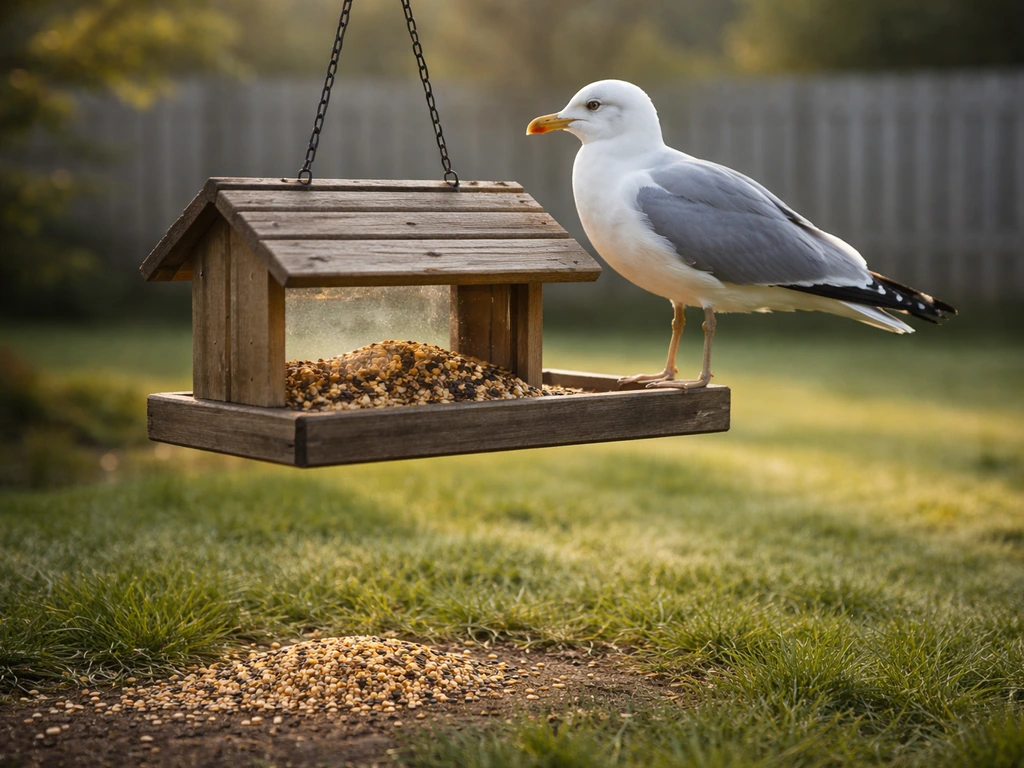
Do Seagulls Eat Bird Seed? How to Stop Them
Yes, seagulls often eat bird seed. Learn why they show up and how to block them while keeping feeding safe.
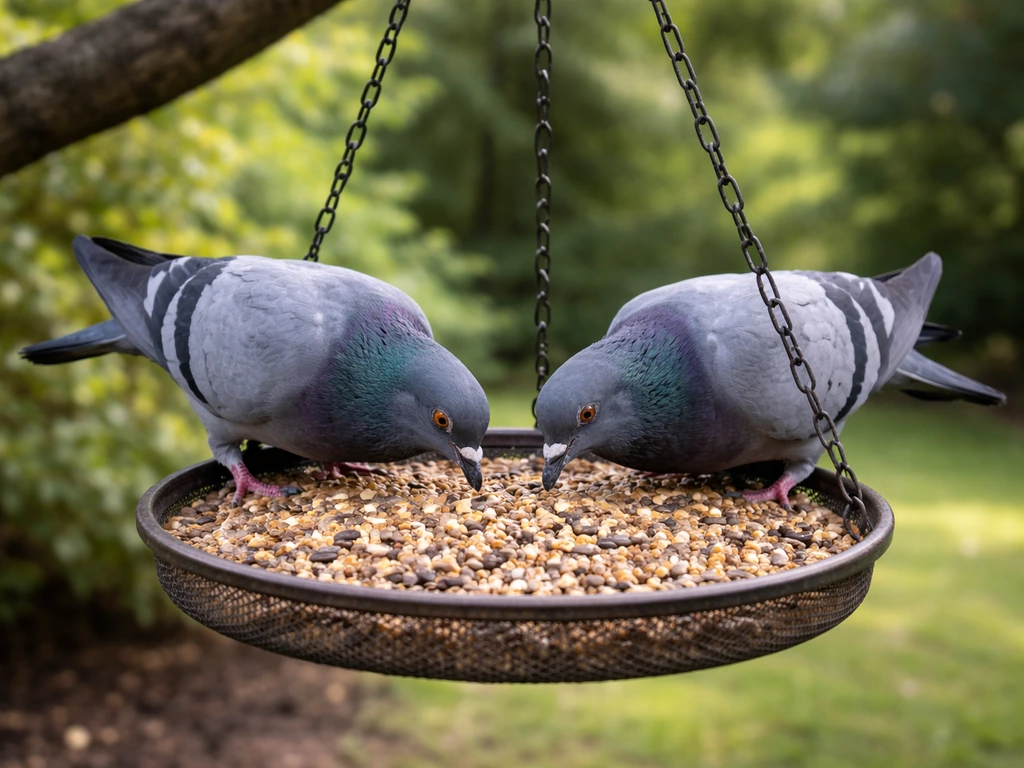
Do Pigeons Eat Bird Seed? Safe Feeding Tips and Risks
Yes, pigeons eat many seeds, but mold and mess make it risky. Learn safe bird seed storage, feeding, and placement.
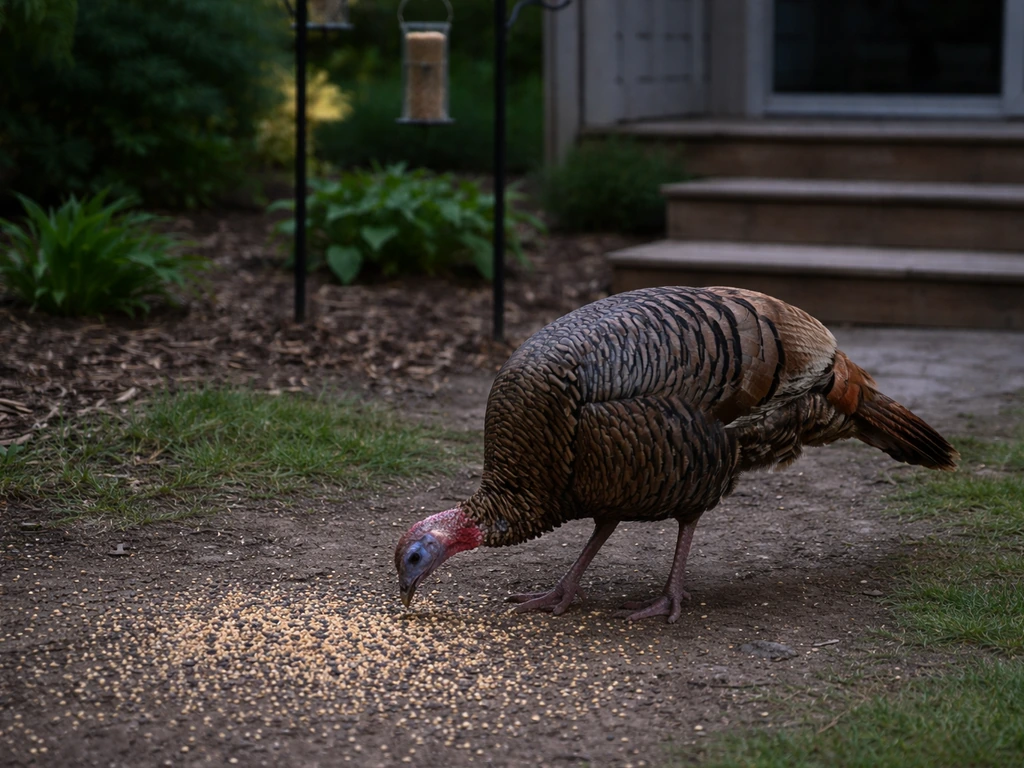
Do Turkeys Eat Bird Seed? What to Do for Safety
Do turkeys eat bird seed? Learn what attracts them, seed ingredients to avoid, and safety steps to stop mold and disease