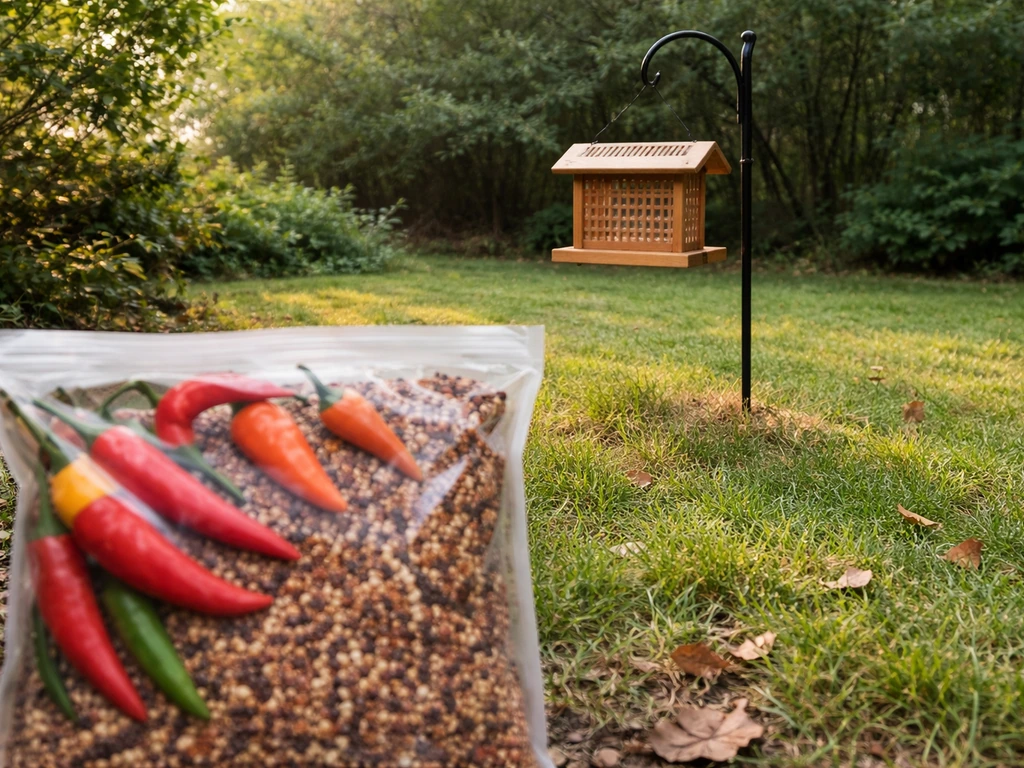
Short answer: sometimes yes, sometimes no, and the label alone won't always tell you. "African bird pepper" is a marketing name that gets applied to at least two different Capsicum species depending on the vendor, which means the heat level and flavor can vary quite a bit from one bag to the next. PepperScale also notes that peri-peri is sometimes called the African bird’s eye chili and discusses how it relates to Capsicum frutescens African bird pepper. If you need to substitute it for cayenne (or vice versa) with any predictability, you need to do a quick check before you start cooking or mixing it into a feeder blend.
African Bird Pepper vs Cayenne Pepper: Differences and ID

Maya Henderson
17 Apr 2026
What "African bird pepper" usually refers to (and why it's confusing)
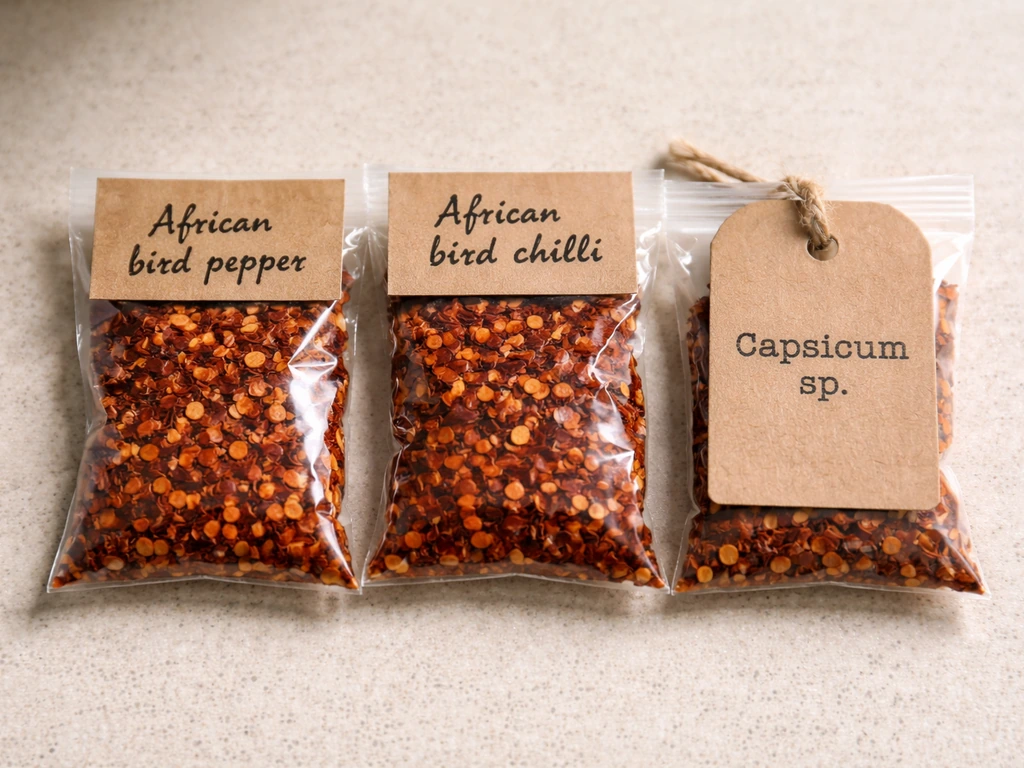
The confusion starts because "African bird pepper" is a common name, not a botanical one, and common names are famously unreliable. Depending on who's selling it, the same label can mean three genuinely different things. Some vendors, like Palm Beach Seed Company, explicitly classify African bird pepper as Capsicum frutescens. Others, like Herbco, list it as Capsicum annuum. And at least one vendor (American Spice) describes it as a hot chili that grows wild in parts of northwest Africa while calling it Capsicum annuum. Meanwhile, bird's eye chili is sometimes marketed under the "African bird pepper" alias even though its native range is typically traced to Mexico and it belongs to Capsicum annuum as well.
To make things messier, some vendors distinguish "African bird pepper" from peri-peri, with at least one seed guide explicitly warning growers not to confuse the two (peri-peri is sometimes classified as Capsicum baccatum, while wild African bird pepper is described as C. frutescens). The bottom line is that the name "African bird pepper" doesn't lock you into a single species, a single heat level, or even a single continent of origin. That's the core of the identification problem.
Is it the same as cayenne? a quick decision checklist
Cayenne pepper is more standardized. It's typically identified as Capsicum annuum, dried and ground, and commonly rated at around 30,000 to 50,000 Scoville heat units (SHU). That said, even commercial cayenne spec sheets sometimes show a range as wide as 15,000 to 100,000 SHU and occasionally list the botanical name as Capsicum frutescens rather than annuum, so there's some variation there too. Whether bird pepper is really the same as cayenne pepper comes down to what's actually in your specific bag, which is why the checklist below matters.
- Does the label list a botanical species? If it says Capsicum frutescens, it is not the same species as most standard cayenne (which is C. annuum), though heat levels can overlap.
- Does the label give a Scoville or HU number? African bird pepper powder has been sold at 90,000 HU and 150,000 SHU by different vendors. If yours says 150,000 SHU, it is significantly hotter than typical cayenne.
- Does it say 'bird's eye' anywhere as an alternate name? If so, it's likely C. annuum and closer to cayenne in behavior, though still usually hotter (50,000–100,000 SHU range).
- Is it whole dried pods, crushed flakes, or ground powder? Processing affects both heat intensity and how you substitute by volume.
- Does the vendor mention Africa specifically as the origin? If yes and the species is listed as C. frutescens, treat it as hotter than standard cayenne until you test it.
If you checked most of those boxes and your label says C. annuum with a heat rating under 60,000 SHU, you're working with something close enough to cayenne that the substitution is fairly straightforward. If not, keep reading.
How to verify what you actually have today
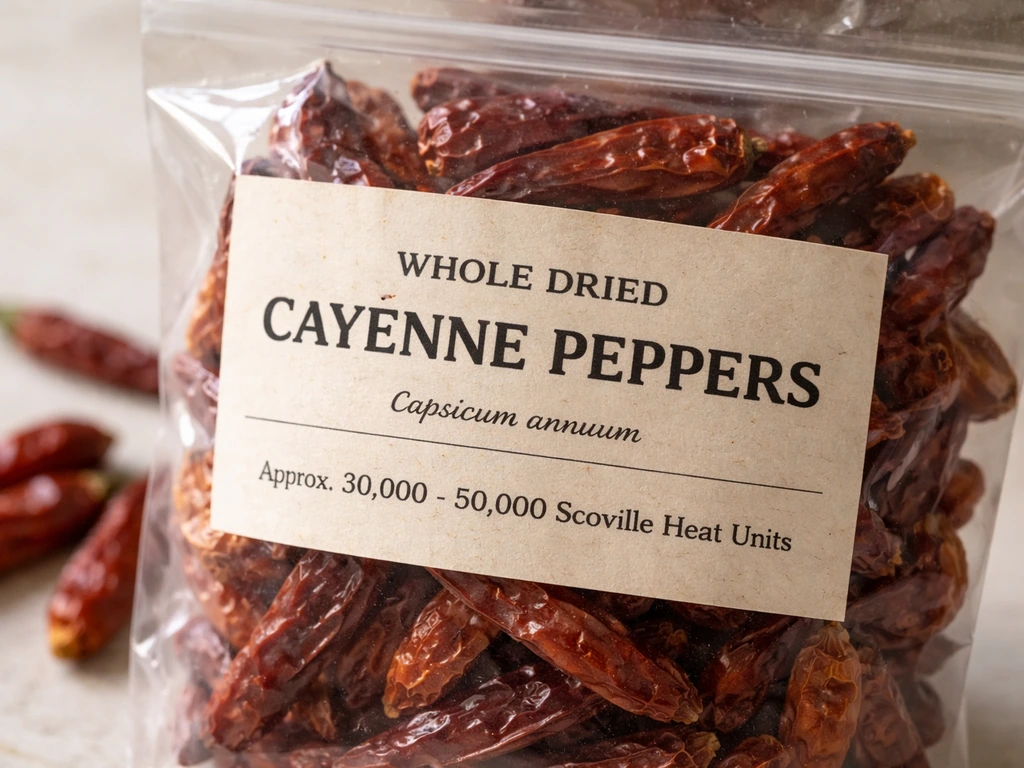
Start with the label. Look for: (1) the botanical species name (C. annuum vs. C. frutescens), (2) a Scoville or heat unit number, and (3) the country of origin. A product labeled "African Bird Pepper, powder, 150,000 SHU" is very different from one labeled "African Bird Pepper, ground, 30,000 SHU." If none of that is on the label, check the vendor's website or contact them directly, since many spice suppliers publish spec sheets.
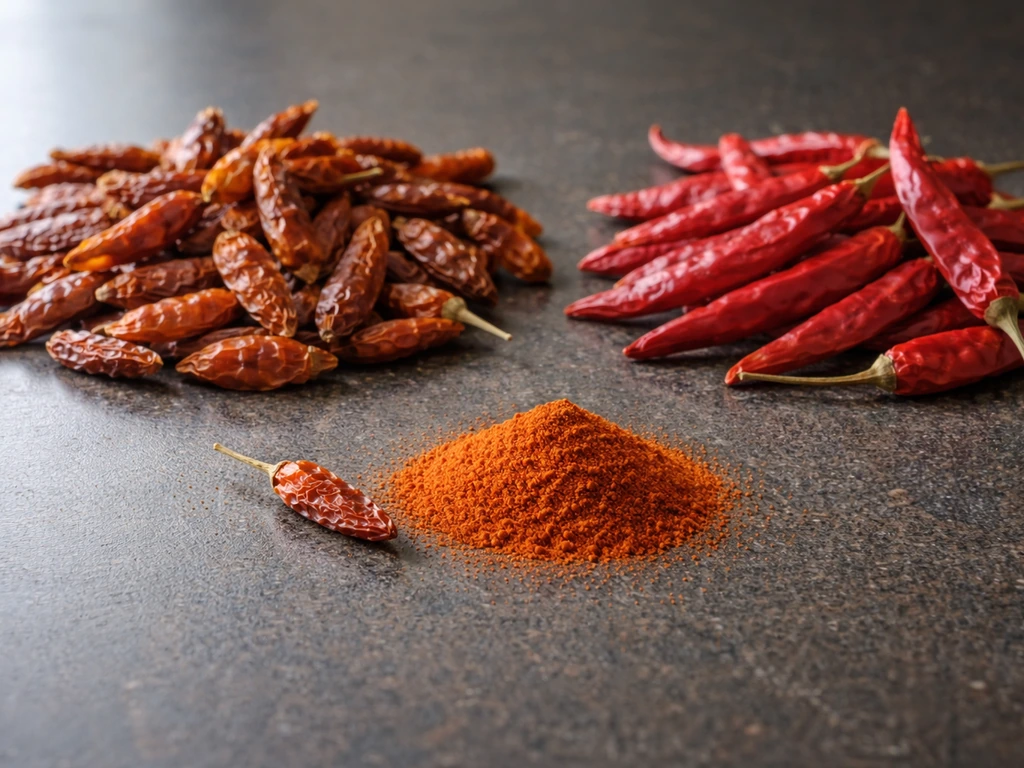
Next, look at the physical product. Ground cayenne is a fairly uniform orange-red powder. African bird pepper powder tends to be a similar color but may be slightly darker or coarser depending on processing. Whole dried African bird pepper pods are small (usually under 2 cm), thin-walled, and deep red, similar in shape to bird's eye chilis. If you have whole pods and you're unsure, that shape is a useful clue.
The heat test is the most reliable confirmation. Dissolve a tiny pinch (less than 1/8 teaspoon) in a small amount of neutral oil or plain water and taste carefully. Standard cayenne has a slow-building, medium-level burn. If what you have lights up instantly and lingers aggressively, it's hotter than cayenne, likely in the 90,000–150,000 SHU range. If it barely registers, it may have been sitting on the shelf long enough to lose potency, or it was a milder batch. Either way, you now have real information to work from.
Flavor and heat differences to expect
Cayenne has a clean, dry heat with relatively little fruity or smoky character. It's a background spice in most recipes: it adds heat without dominating the flavor profile. African bird pepper, particularly when it's C. frutescens, tends to have a sharper, more immediate heat with a slightly brighter, almost citrusy edge. The difference is subtle in small amounts but noticeable when you're using more than a pinch.
Heat differences between the two can be dramatic. If your African bird pepper is rated at 150,000 SHU and your cayenne is the standard 30,000–50,000 SHU, the African bird pepper is roughly 3 to 5 times hotter by weight. That's a real substitution risk if you just swap them one-for-one. Freshness and grind coarseness matter too: a finely ground fresh pepper releases capsaicin faster and more completely than a coarser grind or an older product. Capsaicin, the compound responsible for that burn, activates pain pathways in mammals through specific receptor mechanisms, so there's real chemistry behind why one pepper feels so much more intense than another.
Substitution ratios and how to stay in control of the heat
The safest approach is to treat any unfamiliar African bird pepper as 3 times hotter than cayenne until you've tested it. That means if a recipe calls for 1 teaspoon of cayenne, start with 1/3 teaspoon of African bird pepper, taste, and adjust. If your label confirms the SHU is similar to cayenne (30,000–50,000 range), a 1:1 swap is fine. Here's a practical reference table:
| Scenario | Cayenne called for | African bird pepper to use | Notes |
|---|---|---|---|
| African BP is ~same heat as cayenne (30k–50k SHU) | 1 tsp | 1 tsp | Safe 1:1 swap; taste as you go |
| African BP is moderately hotter (60k–90k SHU) | 1 tsp | 1/2 tsp | Start here, adjust upward |
| African BP is significantly hotter (100k–150k SHU) | 1 tsp | 1/3 tsp | Use caution; add in small increments |
| Species unknown, no SHU on label | 1 tsp | 1/4 tsp to start | Heat-test the product first before cooking |
Going the other direction (replacing African bird pepper with cayenne) is easier because you're typically dialing the heat down. If the original recipe was built around a 150,000 SHU African bird pepper, use about 2 to 3 times as much cayenne to approximate the heat level, keeping in mind that the flavor character will be milder and less sharp. Add a small pinch of white pepper if you want to add a little more immediate bite without stacking more capsaicin.
For DIY uses like spice blends or homemade hot sauces, the same ratios apply. Measure by weight if precision matters, since coarse-ground products pack less mass per teaspoon than fine-ground ones.
The backyard angle: pepper at feeders, and what it means for birds and pets
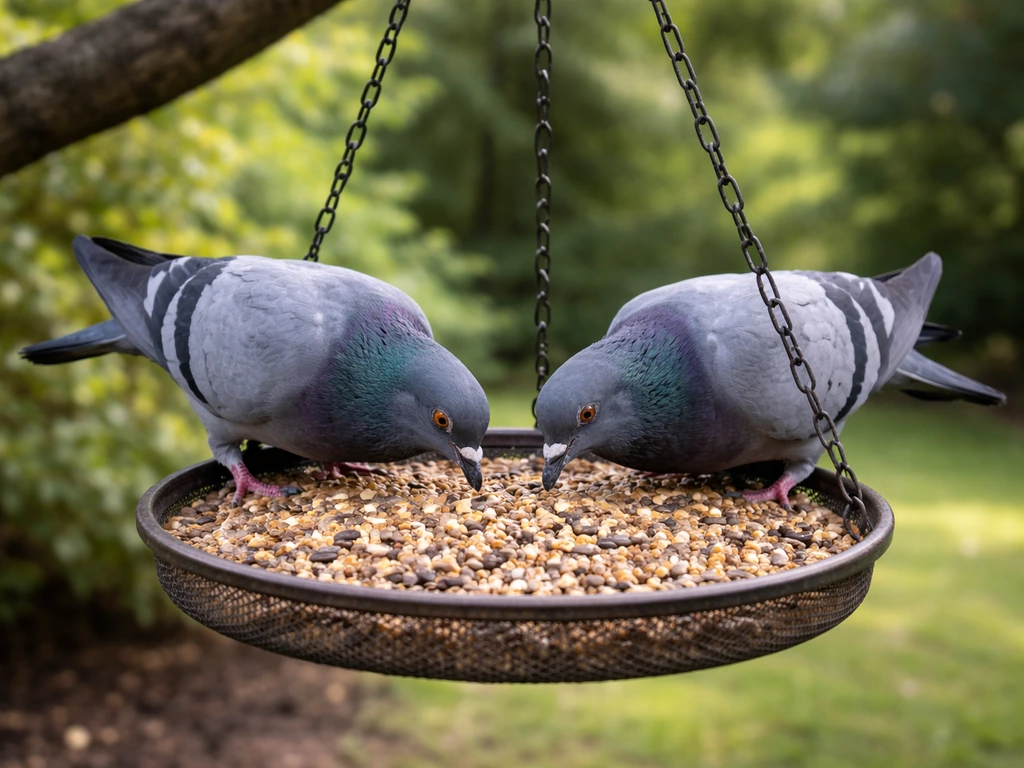
This is where African bird pepper and cayenne become genuinely interesting from a wildlife feeding perspective. Many backyard birders add cayenne or hot pepper flakes to seed blends specifically to deter squirrels and other mammals while leaving the food accessible to birds. The reason this works is well-supported: capsaicin is essentially undetectable by birds but causes real irritation in mammals. Research published in peer-reviewed ornithology journals confirms that capsaicin is unpalatable to mammals but apparently undetectable by birds, which is why hot pepper bird seed has become a popular management strategy.
That selective effect isn't perfect across all mammals. If you're wondering about specific visitors to your feeder setup, the evidence on rodents is worth knowing: whether mice will eat hot pepper bird seed is a real question, and the answer is more nuanced than most people expect. Similarly, whether rats eat hot pepper bird seed depends on the individual animal and how hungry it is. Capsaicin deters most mammals most of the time, but persistent or hungry rodents may work through mild deterrence.
Raccoons are another common feeder visitor. Whether raccoons eat hot pepper bird seed is a practical concern for anyone managing a feeder in a suburban or urban yard, and like rodents, their tolerance can vary. The capsaicin deterrence strategy is most reliable as part of a broader feeder management approach rather than a standalone fix.
If you're curious which birds actively seek out chili peppers rather than just tolerating them, which bird species eat chillies is a useful reference. Some birds are natural dispersers of hot pepper plants and actively prefer the fruit, which is part of why the common name "bird pepper" exists in the first place.
Safety for pets and handling precautions
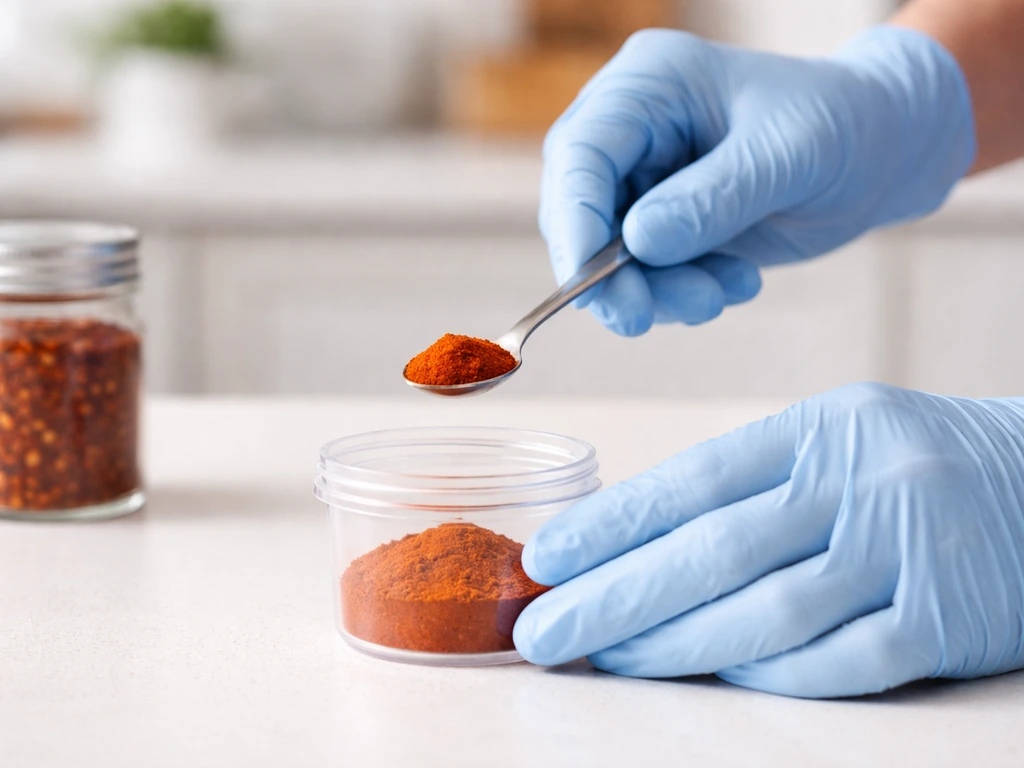
If you're using any high-SHU pepper product around a yard where pets spend time, the handling rules are straightforward but important. Capsaicin causes intense irritation to skin, eyes, and mucous membranes in mammals, including cats and dogs. Wear gloves when handling concentrated powder or flakes, and avoid touching your face. Don't let pets walk through areas where loose powder has been scattered, and don't apply it directly to feeder surfaces where a dog might investigate.
If a pet ingests a significant amount of capsaicin-containing product, the ASPCA Animal Poison Control Center is available 24/7 for guidance. The Pet Poison Helpline is another around-the-clock option if your pet shows signs of GI distress, excessive drooling, or eye irritation after contact. For handling accidents on yourself (especially eye or skin contact with concentrated powder), Poison Control at poison.org recommends flushing the affected area thoroughly with water and seeking medical advice if irritation is severe or if any was inhaled.
African bird pepper rated at 90,000 to 150,000 SHU carries a meaningfully higher exposure risk than standard cayenne at 30,000 to 50,000 SHU, so the precautions scale with the product you're using. Treat anything in the 100,000+ SHU range the way you'd treat a moderately hazardous chemical: gloves, eye protection, and good ventilation when grinding or mixing in bulk.
The direct verdict
African bird pepper and cayenne pepper are not reliably the same thing. They overlap in some products (both can be C. annuum, both can fall in the 30,000–50,000 SHU range), but "African bird pepper" is sold under at least two different botanical species and a wide heat range, from roughly 30,000 SHU all the way to 150,000 SHU depending on the vendor. Cayenne is more consistent, typically C. annuum at 30,000–50,000 SHU.
Check your label for species and SHU, run a heat test if those aren't listed, and use the substitution ratios above to adjust accordingly. For feeder use, both products work on the same principle: mammals feel the burn, birds don't, so either pepper can function as a deterrent additive. Just apply appropriate safety precautions when handling anything rated above 50,000 SHU, and keep it away from pets and out of areas where curious animals could get a face full of powder.
FAQ
Can I substitute African bird pepper for cayenne using only the “heat rating” on the label, without doing the taste test?
Yes, but only if the label provides a Scoville or SHU number and it is clearly comparable to cayenne. If the label lacks SHU, lists only “hot” or “very hot,” or gives a different measurement system, do the pinch heat test first because bag-to-bag labeling can be inconsistent, especially for “African bird pepper.”
If my African bird pepper label lists a botanical name but no SHU, how do I estimate a safe starting amount?
Start conservatively by treating it as hotter than typical cayenne. A practical approach is to use about one quarter to one third of the cayenne amount called for, then adjust in small increments after tasting. The reason is that Capsicum frutescens batches often land above standard cayenne even when vendors list species but not SHU.
Does the grind size (powder vs flakes vs whole pods) change substitution ratios between African bird pepper and cayenne?
Yes. Coarser products usually pack less measurable capsaicin per teaspoon, so teaspoon-to-teaspoon swaps can underheat. For better consistency, either grind the whole pods to a similar particle size as your cayenne or measure by weight (for example, grams) when building blends or sauce recipes.
What if the African bird pepper is much hotter than cayenne, but I still want cayenne-like flavor in a recipe?
Use a smaller amount and rely on other flavor partners instead of more pepper. Cayenne’s heat often comes with a drier, less citrusy profile, while some African bird pepper batches feel sharper. Start with 25 to 50 percent of the cayenne called for, then add acidity (like lemon or vinegar) or herbs to bring the taste closer without escalating capsaicin.
Is the “heat test” safe to do with high-SHU African bird pepper powder?
It is safer to do it in a controlled way, not by tasting directly from a spoon. Dissolve a tiny pinch in a small amount of neutral oil or plain water, taste carefully once, then wait a moment before deciding. If you wear gloves during handling and avoid touching your eyes, you reduce the risk even if the product is 100,000+ SHU.
Can I use African bird pepper in place of cayenne in a hot sauce without wrecking the balance?
Often, but you must adjust gradually because heat build-up can be faster with some African bird pepper batches. Add it in increments, such as one quarter of the planned amount first, then taste after the sauce sits for 10 to 20 minutes (flavor and perceived heat can mellow slightly as the sauce hydrates).
For wildlife feeder deterrence, should I use the same amount of African bird pepper as cayenne per cup of seed?
Not reliably. Because African bird pepper can be several times hotter than standard cayenne, start lower and observe over a few days. A safer starting point is to begin with roughly one third of the cayenne dose you would normally use, then adjust based on which animals stop visiting and which still tolerate it.
Will adding capsaicin reduce the appeal for birds if it’s African bird pepper instead of cayenne?
Generally birds tolerate capsaicin better than mammals, but strong heat levels can still reduce feeding activity for some bird species, especially if the dose is heavy or the powder clumps. Keep the application light and even, and avoid wetting seeds with pepper sauce, since liquid can increase sticking and contact intensity.
Do mice and rats respond the same way to hot pepper seed made with African bird pepper?
Not exactly. Rodent tolerance varies with hunger and exposure history, and some will sample despite deterrents. If you switch from cayenne to African bird pepper, start at a lower dose to avoid over-application, but also expect that persistent, hungry rodents may still learn to take the seeds.
What’s the safest way to handle concentrated African bird pepper powder around pets and kids?
Treat any powder at or above the 50,000+ SHU category as high exposure risk. Use gloves, keep the powder contained during mixing, clean surfaces thoroughly, and avoid sprinkling loose powder where a pet might walk through it and then lick paws. Store it sealed and out of reach, since even small amounts can irritate eyes and mucous membranes.
If I accidentally get African bird pepper powder in my eye or inhale it, what should I do first?
Rinse immediately with plenty of cool running water and avoid rubbing the eye. If you inhaled powder and develop coughing or breathing irritation, seek medical guidance right away. For significant exposure or if symptoms are severe, contact poison control or the local emergency number for instructions specific to your situation.
How can I tell whether “African bird pepper” I bought is actually bird’s eye chili or peri-peri?
Look for both the botanical name and product form on the label. Bird’s eye chili is often sold as a Capsicum annuum product under “bird pepper” aliases, while peri-peri listings may include different botanical classification and sometimes different recommended use cues. If botanical name and SHU are missing, compare pod size and shape (whole pods are usually small and thin for bird’s eye type) and rely on the SHU heat test rather than the common name.