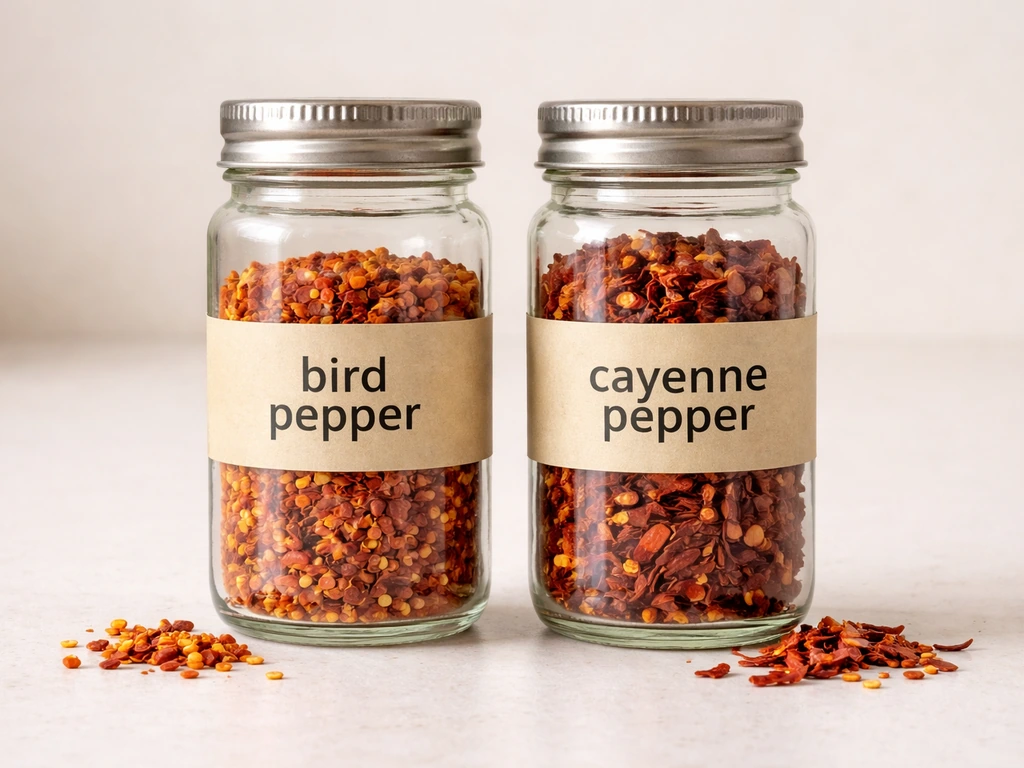
Bird pepper and cayenne pepper are not always the same thing, but they can be. The name "bird pepper" is a common name, not a botanical standard, so it gets attached to several different chili plants depending on who's selling it and where you are. Most of the time, when a commercial spice label says "bird pepper," you're looking at either a close relative of cayenne or a product being marketed as a cayenne substitute. But if the label says "African Bird Pepper" or describes a wild small-fruited chili, you likely have something different entirely. The fastest way to know for sure is to check the ingredient list for the botanical species name and the Scoville Heat Unit (SHU) range.
Is Bird Pepper the Same as Cayenne Pepper? How to Tell

Maya Henderson
21 May 2026
What each pepper actually is
Cayenne pepper
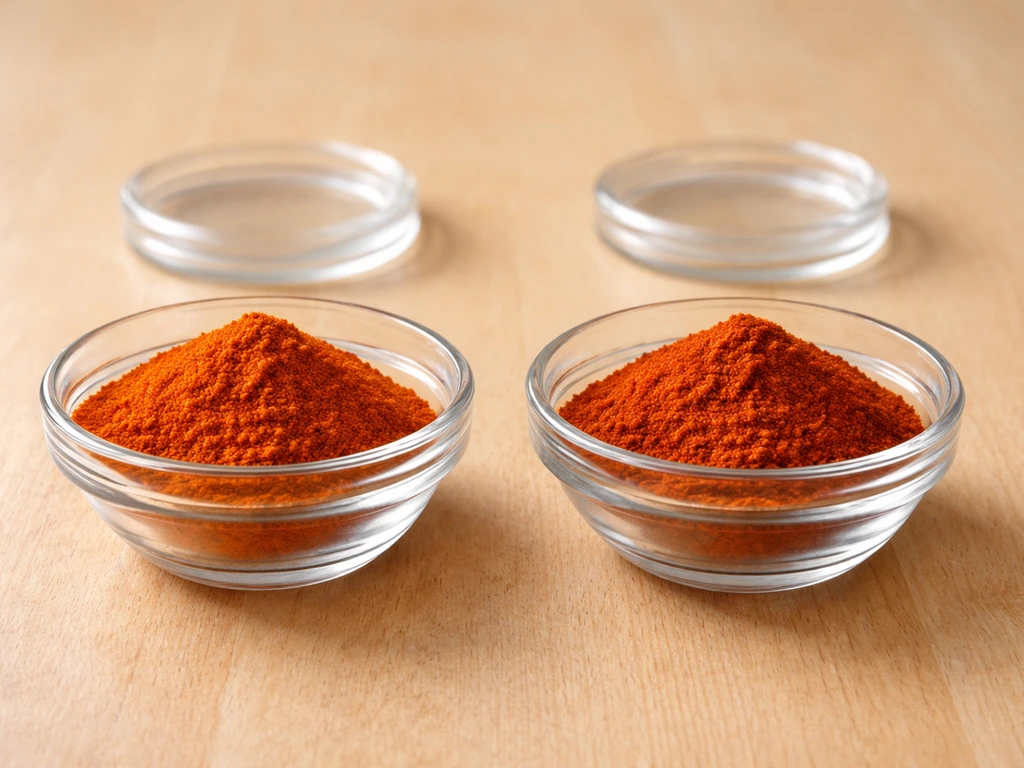
Cayenne pepper is a specific dried, ground chili made from Capsicum annuum (and occasionally Capsicum frutescens, depending on the supplier). It measures roughly 30,000 to 55,000 Scoville Heat Units. When you buy ground cayenne in a grocery store, you are getting a predictable, medium-hot powder with a sharp, immediate burn and very little complexity in the flavor. It's been the standard kitchen spice for that kind of direct heat for centuries, which is why it appears on so many spice rack labels with a consistent SHU range and a consistent botanical name on the spec sheet.
Bird pepper
"Bird pepper" is a common name, and that's where the confusion starts. It can refer to at least three different things depending on context. First, some spice retailers use it as a colloquial nickname for cayenne itself, listing "bird pepper" as one of several informal names for the same ground Capsicum annuum product. Second, botanically speaking, "bird pepper" is often used as the common name for Capsicum annuum var.
glabriusculum, also called chiltepin or bird chile, which is a small wild or semi-wild variety that grows naturally in parts of North America and the Caribbean. Third, "African Bird Pepper" is sold as its own distinct spice product made from a wild chili native to northwest Africa, described by some retailers as a cayenne substitute but not the same pepper.
The Capsicum annuum species umbrella is wide enough to include bell peppers, jalapeños, cayenne, and bird pepper varieties all under the same botanical roof, which is why the names blur together at the species level. Sharing a species name doesn't make them the same chili any more than a jalapeño and a bell pepper are the same because they share the same Latin name.
How to check what you actually have
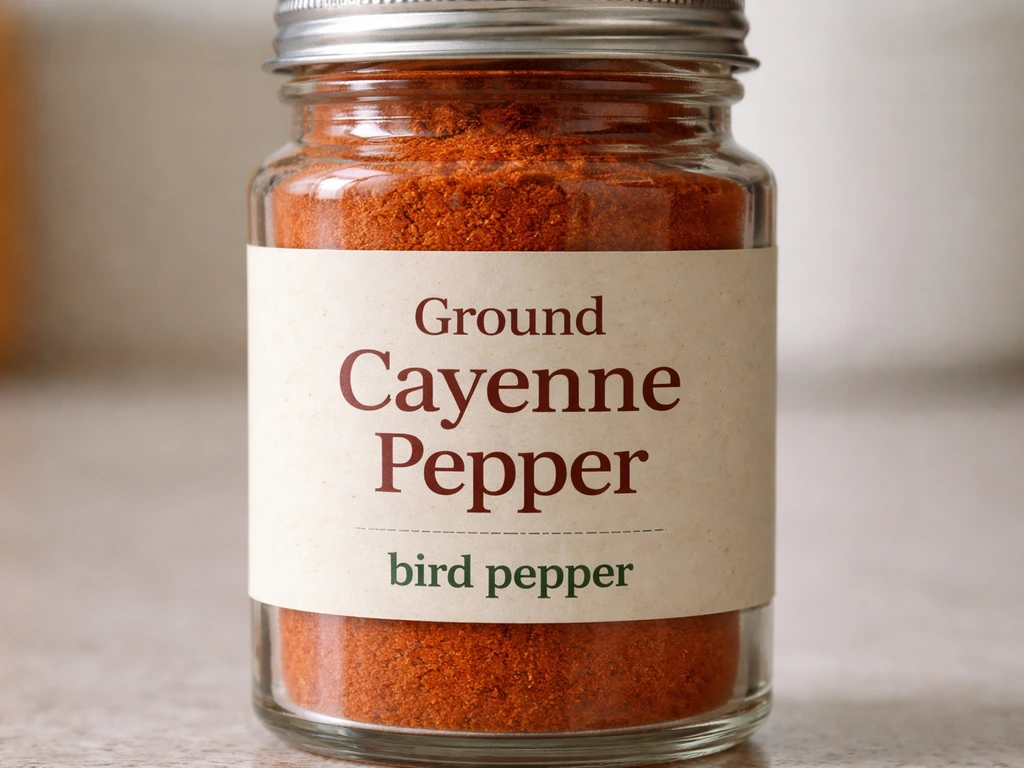
The label and ingredient list are your most reliable tools. Here's a simple process to work through:
- Check the product name first. If it says "Ground Cayenne Pepper" or "Cayenne Pepper Powder," you have standard cayenne regardless of whether "bird pepper" appears anywhere as a secondary name.
- Read the ingredients line. It should say something like "dried cayenne peppers," "ground cayenne," or "dried ripe Capsicum annuum fruit." Those phrases confirm cayenne. If the ingredients say "African Bird Pepper" or "Capsicum annuum var. glabriusculum" without the word cayenne, you have a different pepper.
- Look for an SHU range. Standard cayenne lands between 30,000 and 55,000 SHU. If the range on the label is significantly outside that window, the pepper is not a match for typical cayenne even if a common name overlap exists.
- Check for country or region specifics. "African Bird Pepper" or region-labeled products ("Jamaican Bird Pepper," for example) are signals that you have a distinct regional variety, not standard cayenne.
- If in doubt, contact the manufacturer or retailer. Most reputable spice companies can tell you the exact variety and botanical name. That's the cleanest confirmation you'll get.
The flavor and heat differences you'll actually notice
If you swap a true bird pepper variety for cayenne in cooking, the difference is noticeable. Cayenne is straightforward: the heat is immediate, sharp, and forward-facing with almost no background flavor. It does one job and does it well. A true bird pepper like blank" rel="noopener noreferrer">chiltepin (Capsicum annuum var. glabriusculum) has a more complex profile: earthy and slightly smoky with a subtle citrus-like brightness, and the heat can vary depending on how the pepper was harvested and dried.
African bird pepper is similar in heat class to cayenne, which is why retailers describe it as a substitute, but it may carry additional bitterness or a different burn build. African bird pepper versus cayenne is especially worth double-checking if you are trying to match a specific heat and flavor profile African bird pepper vs cayenne pepper. In something like a simple chili or a spice rub where cayenne is doing background work, the substitution is seamless.
In a dish where the pepper flavor itself matters, like a sauce or a dry seasoning blend, the difference comes through. So if your "bird pepper" product produces a flavor that feels slightly smokier or more complex than you expected from what you thought was cayenne, that's normal and explainable.
A quick comparison
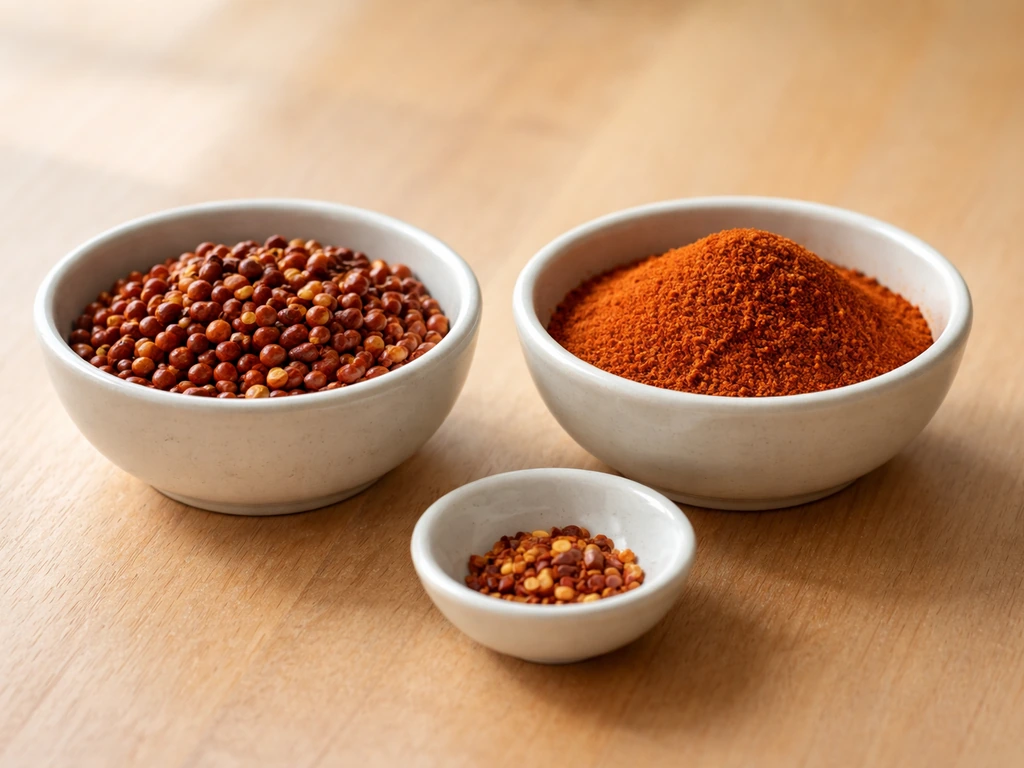
| Feature | Cayenne Pepper | Bird Pepper (Chiltepin) | African Bird Pepper |
|---|---|---|---|
| Botanical name | Capsicum annuum (or C. frutescens) | Capsicum annuum var. glabriusculum | Capsicum annuum (wild African variety) |
| Typical SHU range | 30,000 to 55,000 | Variable, often 50,000 to 100,000+ | Similar class to cayenne |
| Flavor profile | Sharp, direct heat, little complexity | Earthy, smoky, subtle citrus notes | Slightly bitter, similar burn to cayenne |
| Can substitute for cayenne? | Is cayenne | Yes, with flavor change | Yes, per most retailers |
| Label indicator | "Ground cayenne" or "Capsicum annuum" | "Chiltepin," "bird chile," or botanical variety name | "African Bird Pepper" explicitly stated |
Heat safety: what this means for pets, birds, and people
Whether you're working with cayenne or any bird pepper variety, the active compound causing heat is capsaicin. That matters a lot if you're thinking about using pepper products around a bird feeder, around pets, or if accidental exposure happens.
What birds actually experience
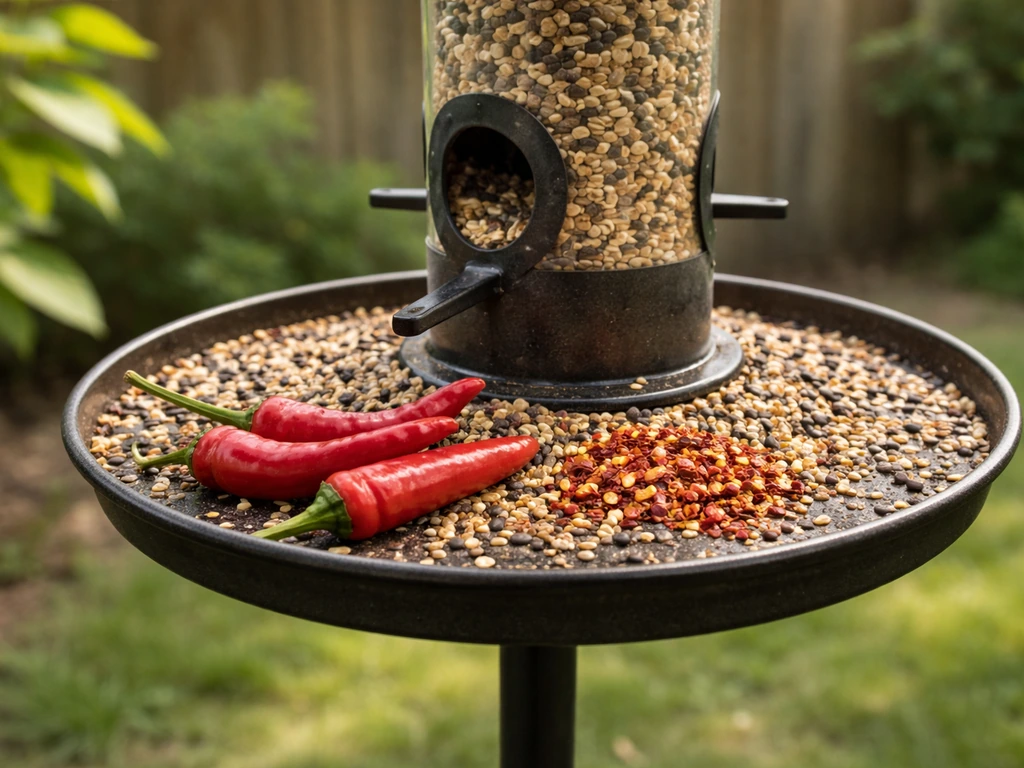
Birds famously lack the mammalian receptors that make capsaicin feel painful, which is part of why hot pepper bird seed exists as a product to deter squirrels and rodents while leaving birds unaffected. Whether you're using hot pepper bird seed or regular pepper products, the key detail is how capsaicin affects birds versus mammals. However, blank" rel="noopener noreferrer">EPA-registered capsaicin repellent products do exist specifically to deter birds from treated surfaces, and those can cause irritation at higher concentrations.
So at feeder seed levels, birds are generally unbothered. Bird seed and other bird-safe hot pepper products are designed for birds to avoid the capsaicin burn, so the key question becomes which bird eats chillies. At repellent concentrations applied directly to surfaces, birds can be irritated. The line matters.
If you're curious about how mammals like mice, rats, or raccoons respond when they encounter hot pepper bird seed, those are closely related topics worth exploring. You may also wonder do raccoons eat hot pepper bird seed, and how capsaicin affects them compared with other rodents. This article answers that question directly, including what to expect if rats encounter hot pepper bird seed.
If you’re wondering whether will mice eat hot pepper bird seed, the answer depends on how strong the capsaicin is and how the seed is presented. It also raises the question of whether will rats eat hot pepper bird seed.
Pets and capsaicin
Dogs and cats do feel capsaicin's burn the same way humans do, and ingesting significant amounts can cause vomiting, drooling, and gastrointestinal distress. If a pet gets into a large quantity of cayenne or bird pepper powder, contact the Pet Poison Helpline or your veterinarian right away. Time-sensitive guidance is important because capsaicin effects move quickly through an animal's system. For birds that are kept as pets, the approach is the same as for any toxic exposure: remove the bird from contact with the substance and get it into a clean, safe environment immediately, then contact an avian vet.
Safe handling for people
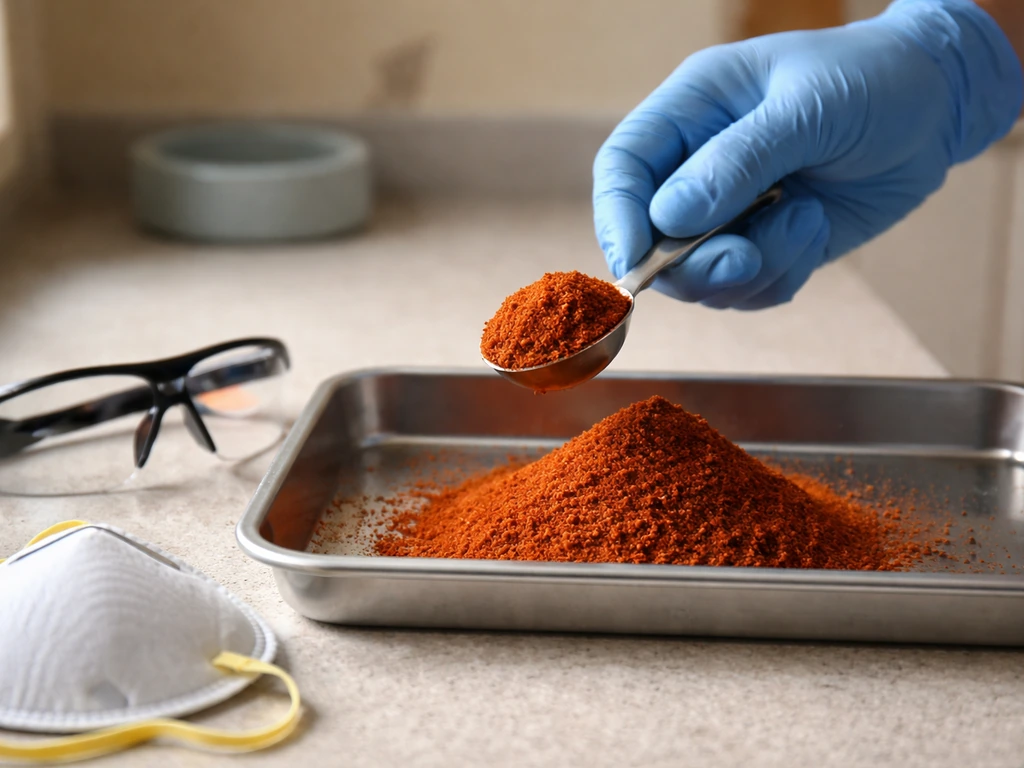
Handling cayenne or any concentrated pepper powder in large quantities deserves the same care you'd give any concentrated irritant. Capsaicin causes prolonged burning pain if it contacts eyes and can trigger respiratory symptoms, including asthma attacks, if inhaled in significant amounts.
- Wear gloves when measuring or transferring large quantities of ground pepper products, especially when filling bird feeders with hot pepper seed mixes.
- Avoid touching your face or eyes during handling. If exposure happens, rinse the affected area with water for several minutes immediately.
- Work in a ventilated area or outdoors when pouring powdered pepper to avoid inhaling airborne particles.
- If capsaicin gets in your eyes, flush with water right away and contact Poison Control at 1-800-222-1222 if the burning does not resolve.
- Keep pepper products stored out of reach of children and pets.
The bottom line is simple: if your label says "ground cayenne" with a species name and an SHU range in the 30,000 to 55,000 window, you have standard cayenne. If it says "bird pepper" without any of those qualifiers, you need to read the ingredient line more carefully. Some spec sheets for ground cayenne list the product as “RED PEPPER (CAYENNE PEPPER)” made from ground dried ripe fruit and provide an SHU range, which helps confirm the identification “bird pepper” without any of those qualifiers. The overlap in names is real, but so is the difference between the peppers, and knowing which one you have takes about thirty seconds with a label in hand.
FAQ
What should I look for on the label if I want true cayenne, not a “bird pepper” substitute?
Look for “ground cayenne” plus the botanical species (Capsicum annuum, sometimes with frutescens listed). If the product does not provide a species name or an SHU range, treat it as an unknown blend and test heat level rather than assuming it matches standard cayenne.
If the SHU is listed, can I use that to decide whether “bird pepper” will taste like cayenne?
Mostly. If the listed SHU falls near the typical cayenne window (about 30,000 to 55,000), the heat class will be comparable. Still, flavor can differ, especially with wild-type bird chiles that have more earthy or smoky notes, so expect taste differences even when SHU looks close.
Is it possible to buy “African bird pepper” that is actually just cayenne powder?
Yes, some vendors market rebranded cayenne under informal or regional names. The deciding detail is the ingredient line and botanical name, not the marketing phrase “African bird pepper.” If it lists cayenne species and an SHU consistent with standard cayenne, it is likely a rebrand.
How can I confirm bird pepper is chiltepin (bird chile) rather than a cayenne nickname?
Check for a botanical description that matches Capsicum annuum var. glabriusculum (or “chiltepín” wording). Also look for the form and origin notes, wild or semi-wild harvest descriptions are common with chiltepin, while simple grocery “bird pepper” is often just a casual name for standard cayenne.
I’m substituting bird pepper for cayenne in a recipe, what’s a safe starting amount?
Start with less than you would use for cayenne, especially if you do not have SHU data. A practical approach is to begin at about half the called-for cayenne amount, then adjust after simmering or tasting, because different bird pepper varieties can have a different heat build and bitterness.
Why does bird pepper sometimes taste smokier or more bitter than cayenne even when the heat level seems similar?
Wild or semi-wild bird pepper types can vary in drying method and plant compounds beyond capsaicin, and those differences can show up as a longer burn, a smoky undertone, or a sharper bitterness. Cayenne powders are typically more standardized, which is why flavor is more consistent.
Can capsaicin in bird pepper affect birds or other animals differently than it affects humans?
Birds generally have less capsaicin “pain” response than mammals, which is why hot pepper bird seed products exist. However, capsaicin repellent products designed for surfaces can still cause irritation at higher concentrations, so the concentration and application method matter, not just the spice name.
What should I do if my pet gets into a lot of bird pepper or cayenne powder?
Treat it as a potential poisoning or severe irritant exposure. Remove the pet from the source, prevent further ingestion, and contact your veterinarian or a pet poison service immediately. With powder, inhalation during licking or coughing can also contribute to respiratory irritation, so monitor breathing closely.
Is it safe to handle bird pepper powder the same way I handle cayenne?
Use the same precautions as any concentrated chili powder. Wear eye protection if you’re measuring large quantities, avoid creating dust, and wash hands thoroughly. Capsaicin can cause intense eye burning and can worsen respiratory symptoms if inhaled in significant amounts.
Next Articles
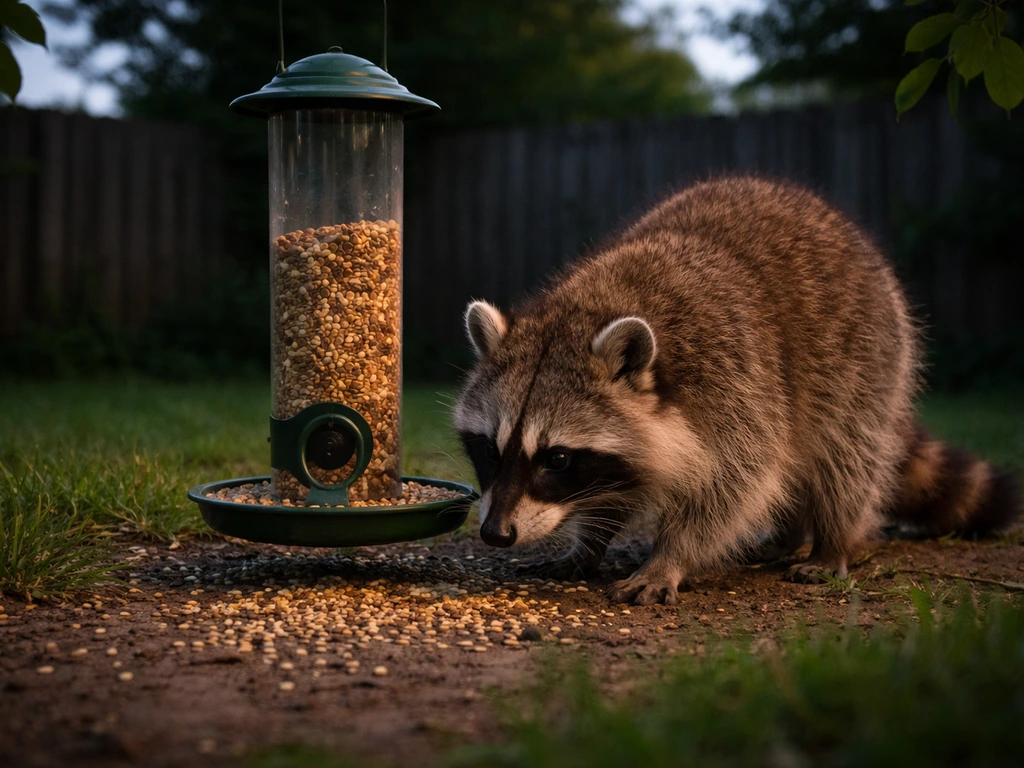
Do Raccoons Eat Hot Pepper Bird Seed? Fix It Today
Learn if raccoons eat hot pepper bird seed and how to stop them fast with baffles, cages, cleanup, and safer feeding ste
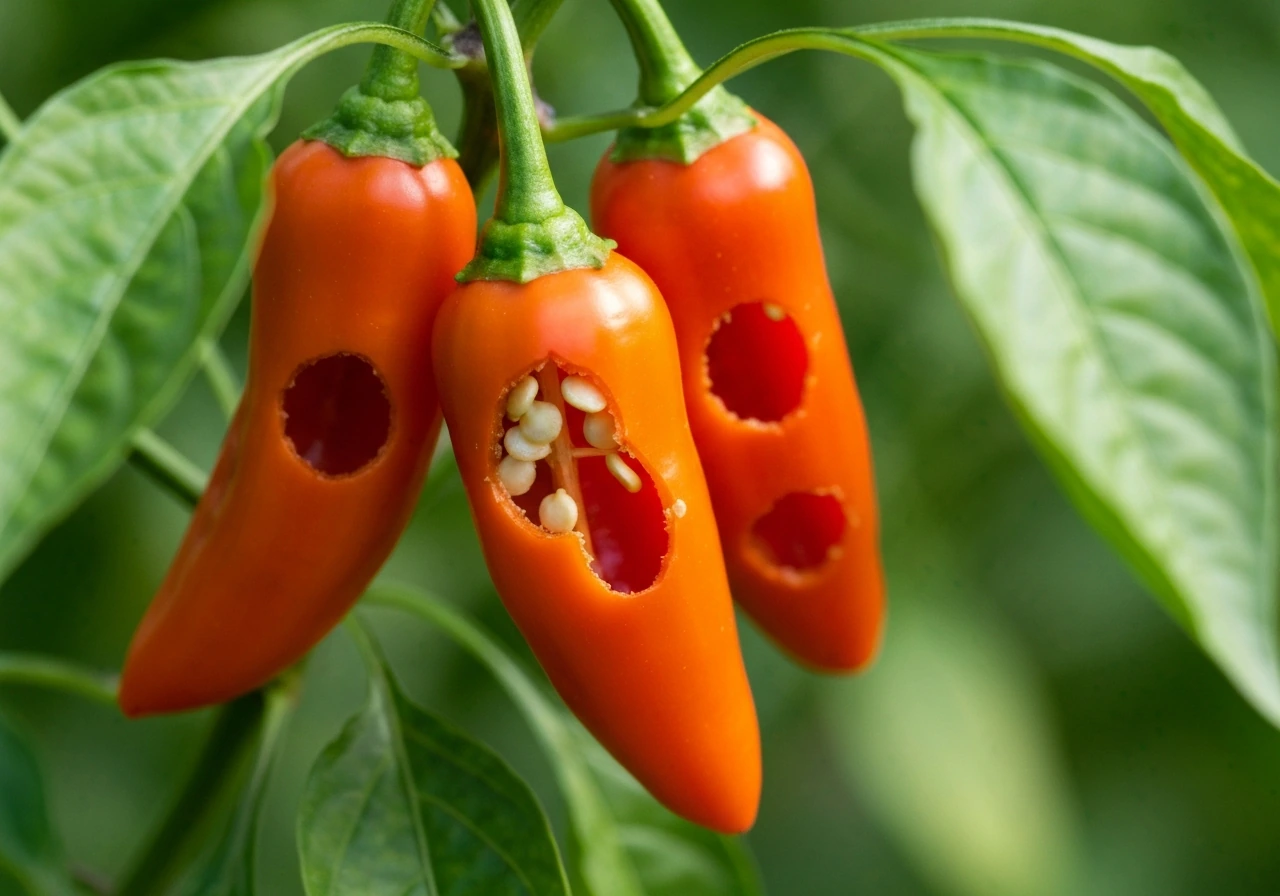
Which Bird Eats Chillies? Identify and Stop It Fast
Find which bird pecks your chillies using beak and feeding clues, then deter quickly and safely or attract the right bir
Will Rats Eat Hot Pepper Bird Seed? Practical Fixes
Learn if rats eat hot pepper bird seed and stop feeder raids with practical cleanup, exclusion, and safer deterrent step