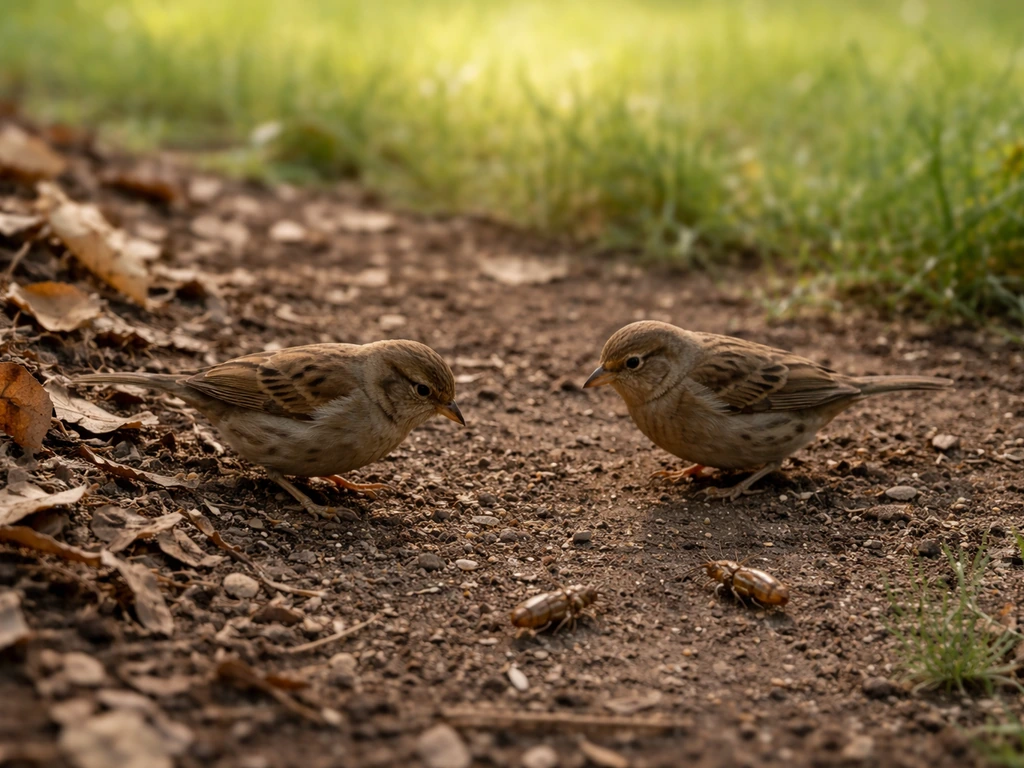
Bird grasshoppers, which are large grasshoppers in the genus Schistocerca (like the American bird grasshopper, Schistocerca americana, or the vagrant/gray bird grasshopper, Schistocerca nitens), eat plants. Mostly grasses, broadleaf weeds, and leafy vegetation, though adults will broaden out to crops like alfalfa, cotton, and corn when food gets scarce. They are not eating your birds, and they are not eating bird seed directly in most cases, but they absolutely can show up around feeders and cause confusion. Here is what is actually going on and what to do about it.
What Do Bird Grasshoppers Eat? Diet and Feeder Tips

Maya Henderson
17 May 2026
What bird grasshoppers actually are
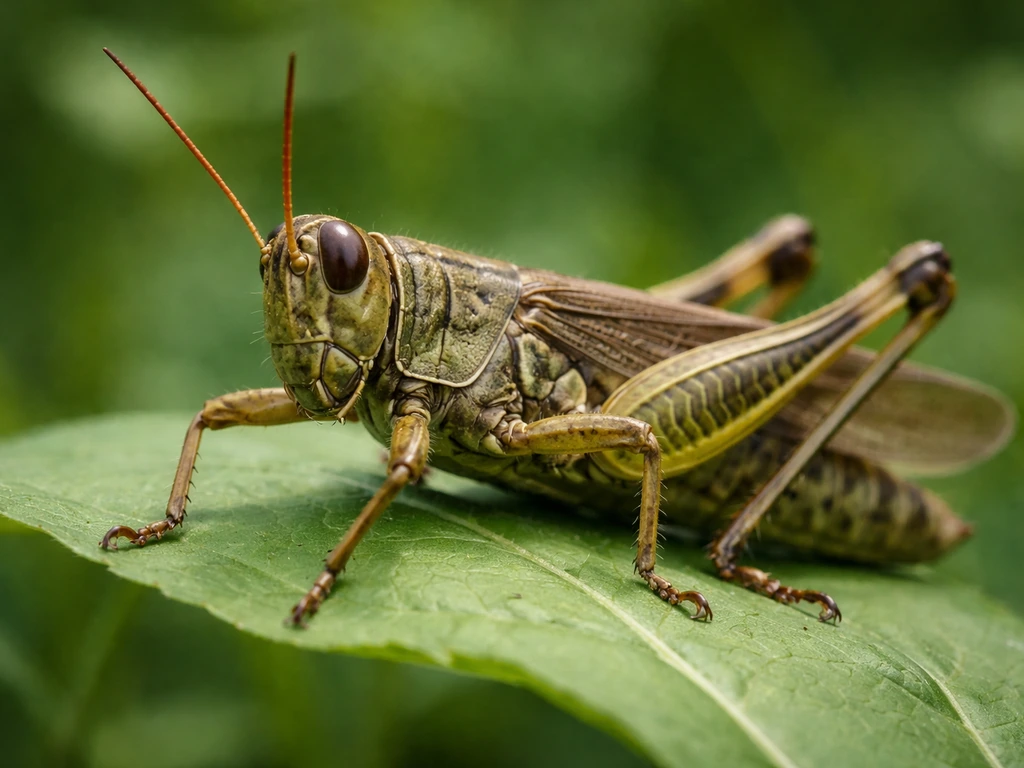
The name 'bird grasshopper' throws people off. It does not mean a grasshopper that eats birds. It refers to a group of large, fast-flying grasshoppers in the family Acrididae, genus Schistocerca. They got the nickname because of their size and the way they take off in a burst, almost like flushing a bird from cover. The Missouri Department of Conservation specifically uses 'bird grasshoppers' to describe Schistocerca species like Schistocerca obscura (the obscure bird grasshopper). The U.S. Fish and Wildlife Service recognizes Schistocerca nitens as the vagrant grasshopper, another common bird grasshopper species in North America.
These grasshoppers go through simple (incomplete) metamorphosis: eggs hatch into nymphs that look like small, wingless versions of adults, and the nymphs molt several times before becoming winged adults. That life stage detail actually matters for diet, which I will get into below.
What bird grasshoppers eat, broken down by life stage
All grasshoppers are primarily plant feeders. Bird grasshoppers in the Schistocerca genus are described as 'mixed feeders' by University of Wyoming entomologists, meaning they are not locked into one plant species. Schistocerca nitens, for example, feeds on diverse plants including cotton, alfalfa, citrus, and banana. Some bird grasshoppers also consume acorns and other plant material, which can contribute to where new trees and shrubs grow acorns and plants trees. That flexibility is part of what makes them successful as a species and occasionally a pest in agricultural settings.
However, the diet is not the same at every life stage. Research on Schistocerca emarginata shows that nymphs have a significantly narrower diet than adults. Young nymphs tend to stay near their egg-laying sites and feed on whatever plants are immediately available, often grasses. As they mature and eventually get wings, adults can range much farther and exploit more plant types. Iowa State University Extension notes that nymphs move to new feeding sites when local food gets scarce, which explains why you can suddenly see a wave of them move through a yard or garden.
One thing worth knowing: some grasshopper species, including relatives in Acrididae, can behave as opportunistic omnivores. Penn State research on Romalea microptera documented grasshoppers consuming other arthropods. This is not universal, and bird grasshoppers are not carnivores in any meaningful practical sense, but it is a reminder that 'grasshopper diet' has more nuance than just 'leaves.' The rosemary grasshopper (Schistocerca ceratiol) in Florida, for contrast, feeds only on Florida rosemary, showing how narrowly specialized some Schistocerca species can get.
| Life Stage | Diet Breadth | Typical Food Sources | Movement |
|---|---|---|---|
| Nymph (early) | Narrow | Grasses and nearby weeds | Stays near egg site |
| Nymph (late) | Moderate | Broadleaf plants, grasses | Moves when food is scarce |
| Adult | Wide (mixed feeder) | Grasses, crops, weeds, shrubs, occasional seeds/pods | Can fly long distances |
Where bird seed and feeders fit into the grasshopper food picture
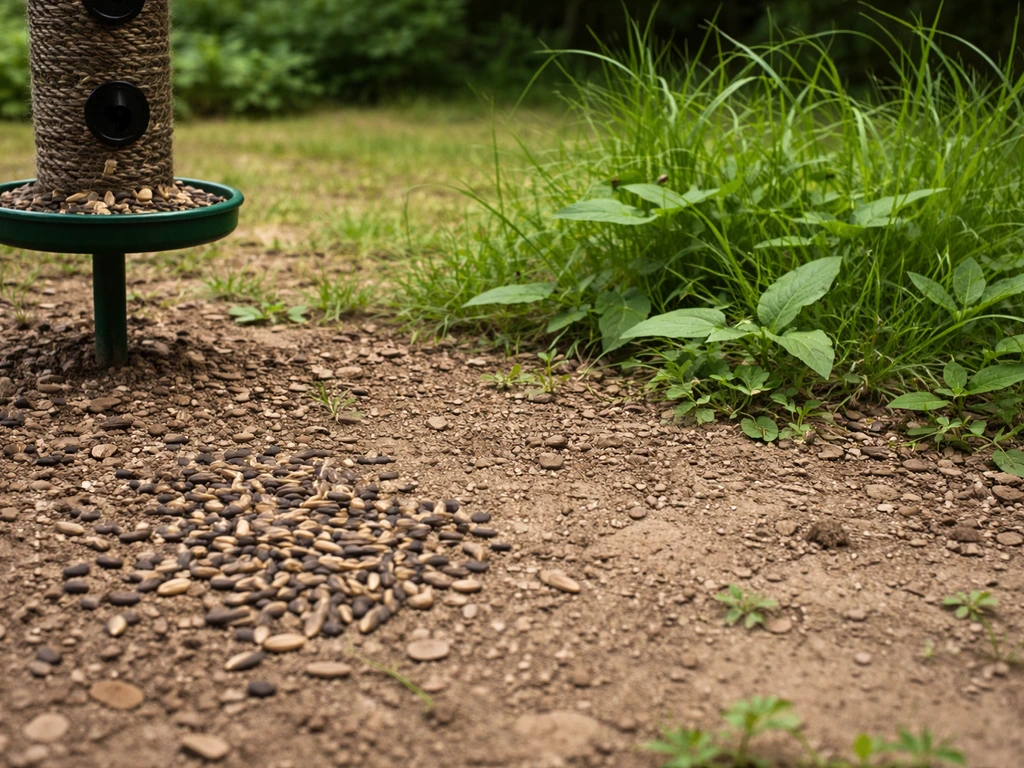
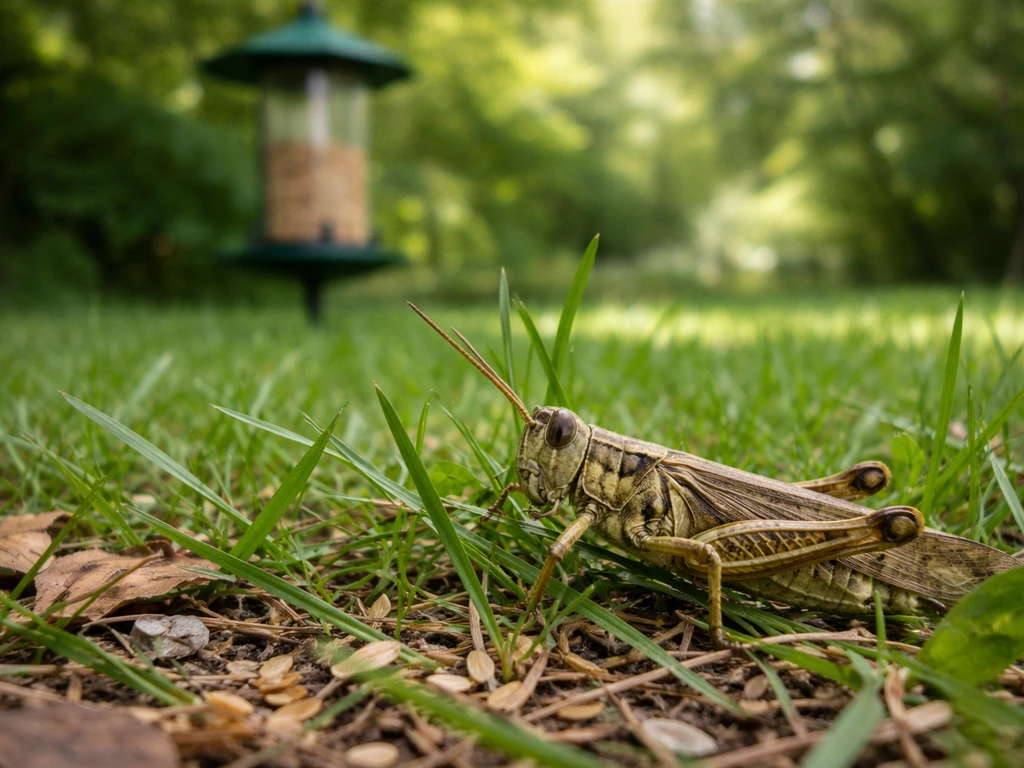
Here is the honest answer: bird grasshoppers are not coming to your feeder for sunflower seeds. If you are asking, “what bird eats holly berries,” you can look to local berry-eating songbirds for an answer. What they are doing is foraging in the weeds, grasses, and ornamental plants that tend to grow up around feeders, especially in summer. Feeders attract spilled seed, spilled seed produces weeds and seedlings, and those weeds are exactly the kind of vegetation Schistocerca species eat. So the connection is indirect but real.
That said, there is some evidence that grasshoppers can and do access seed structures in certain conditions. University of Kentucky and Purdue University IPM guidance documents grasshoppers chewing through soybean pods to reach the seed inside. UC Statewide IPM notes grasshoppers feeding on corn foliage and ears. So if you have cracked corn, milo, or millet spilled on the ground around a feeder, a grasshopper that is already nearby might opportunistically feed on it. This is more likely during dry conditions when vegetation is stressed, because food becomes more concentrated and easier to find.
How your backyard setup changes what grasshoppers eat and when
Season and habitat have a big influence. Bird grasshopper nymphs appear in spring, and adults are most active later in the season, typically peaking in late summer and fall. That timing lines up with peak backyard feeding activity for many bird watchers. Hot, dry summers push grasshoppers to move more widely in search of food, which increases the chance they end up in your yard.
- Overgrown grass and weeds under or around feeders: prime grasshopper habitat and food source
- Spilled cracked corn, millet, or milo on the ground: accessible to grasshoppers, especially in late summer when vegetation dries up
- Ground-level or platform feeders: put seed closer to where grasshoppers forage
- Wet, moldy seed on the ground: less likely to be eaten by grasshoppers, but creates a hazard for birds and pets
- Dry, warm conditions in late summer: highest risk period for grasshopper influx
Feeder placement and seed type matter too. Project FeederWatch recommends cracked corn and millet for ground and platform feeders because they attract many ground-feeding birds. But those same low-to-the-ground setups put seed in reach of grasshoppers and other insects. Tube feeders with trays catch less spillage and are a practical first step if you want to reduce non-bird wildlife activity near your feeding station.
Clearing up the confusion: do grasshoppers eat birds?
No. Grasshoppers do not eat birds. So, if you are wondering whether sparrowhawks eat the whole bird, the key point is that they typically pluck and eat parts rather than swallowing the entire bird whole. The food web runs the other direction. Britannica and Missouri Department of Conservation both describe birds as predators of grasshoppers, not the other way around. Many bird species actively forage for grasshoppers, including meadowlarks, killdeer, robins, and other ground feeders. If you are trying to figure out what bird eats grasshoppers, look at the foraging birds that actively hunt them in your area Bird grasshoppers. If you see a bird near a grasshopper in your yard, the bird is almost certainly hunting the grasshopper, not the reverse. This predator-prey relationship is actually one reason having grasshoppers in your yard is not all bad: it brings in foraging birds who also happen to be attracted to the same habitat your feeder creates. The article on what bird eats grasshoppers covers that predator side of the relationship in much more detail. If you meant a different predator, some people ask what bird eats crickets, which is common among many insect-eating species.
The other confusion people run into is whether 'bird grasshopper' refers to a grasshopper that mimics birds, or a grasshopper that is somehow dangerous to birds or backyard setups. Neither is true. The name is just informal shorthand for a big, bird-sized grasshopper in the Schistocerca group.
Keeping your feeder area safe when grasshoppers are around
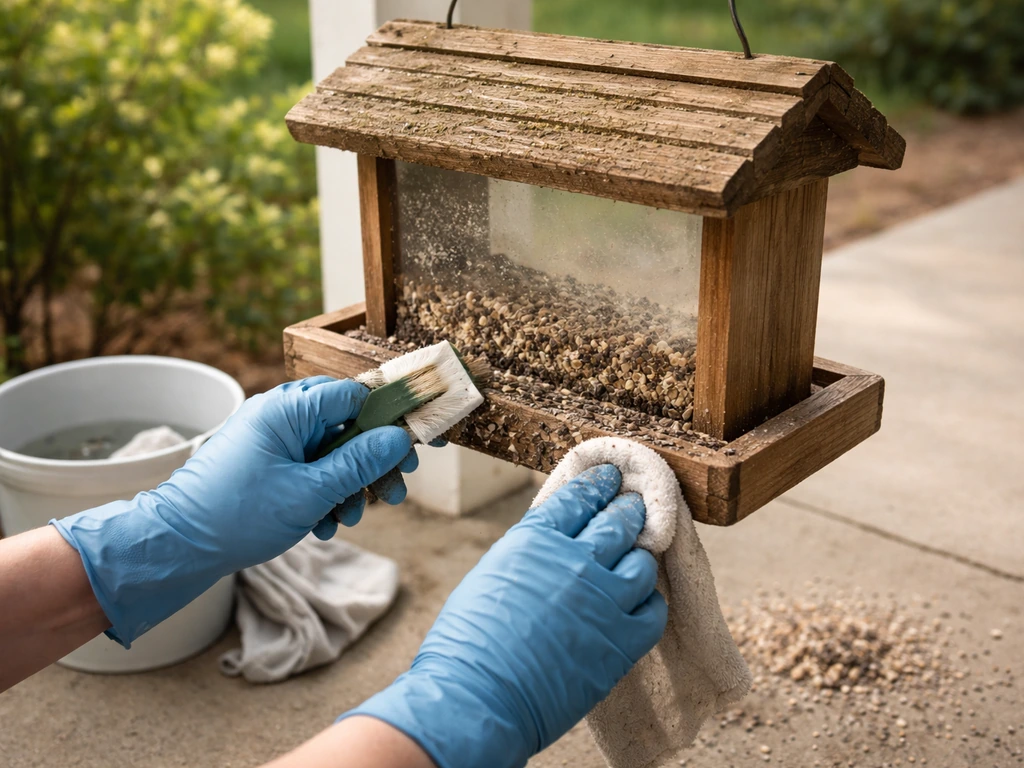
The biggest risk around feeders is not grasshoppers themselves. It is the moldy, spoiled seed that accumulates when feeders are not maintained. blank" rel="noopener noreferrer">Corn especially, which grasshoppers may feed on, is the bird food most likely to be contaminated with aflatoxins, according to All About Birds. Aflatoxins are produced by Aspergillus molds and are dangerous to birds and pets. The FDA has documented aflatoxin poisoning in pets, with blank" rel="noopener noreferrer">symptoms including sluggishness, vomiting, loss of appetite, and jaundice. If you have dogs or cats that access your yard, this is a genuine hazard.
Project FeederWatch and Penn State Extension both recommend cleaning feeders every two weeks, and more often during warm, wet weather. Minnesota DNR specifically flags wet weather as a driver of mold and bacterial growth on seed. West Virginia University Extension advises removing spilled seed from the ground regularly to prevent buildup of moldy feed and to reduce attraction of unwanted pests, which very much includes insects like grasshoppers.
- Clean feeders every one to two weeks with a dilute bleach solution, rinse thoroughly, and let dry before refilling
- Remove spilled seed from the ground every few days, especially after rain
- Do not use seed that smells off, looks clumped, or shows any visible mold
- Trim grass and weeds under and around feeders to reduce grasshopper habitat
- Switch to tube feeders with small trays if ground spillage is becoming a pest issue
- Keep pets away from areas with accumulated seed debris, especially wet or discolored corn
How to figure out what is eating what in your yard
If you are seeing damage to plants around your feeder area and wondering whether grasshoppers are responsible, look for ragged, chewed leaf edges rather than clean cuts (which suggest caterpillars or slugs). Grasshopper feeding damage is irregular and often starts at leaf margins. You may also see them directly in the morning or late afternoon when they are most active and temperatures are comfortable. The University of Wyoming field guide approach is practical here: learn which Schistocerca species are known in your region, then check whether adults or nymphs are more likely to be present based on the time of year.
For the grasshopper-versus-bird-seed question specifically: check whether any seed spillage on the ground shows signs of being disturbed or partially consumed. Grasshoppers leave behind chewed fragments rather than clean husks. Bird feeding on seeds produces more intact empty shells. If you are seeing something that looks like chewed, broken-up seed material on the ground, insects rather than birds are the more likely culprit. If you are wondering what bird eats roadkill, that can also depend on the local scavenging species in your area.
One more thing worth knowing about gray bird grasshoppers in particular: they can release a defensive regurgitation (sometimes called 'tobacco juice') when handled or threatened, but they are not aggressive and do not pose a meaningful bite hazard to people. If you have questions about that, the topic of whether gray bird grasshoppers bite is covered separately and is worth checking if that concern came up.
Quick troubleshooting guide
| What you're seeing | Most likely cause | What to do |
|---|---|---|
| Grasshoppers near feeder area in late summer | Attracted to vegetation/weeds, not seed | Trim weeds, remove ground spillage |
| Chewed, ragged plant damage near feeder | Grasshopper feeding on nearby plants | Identify species, reduce habitat cover |
| Broken/chewed seed fragments on ground | Insect feeding on spilled seed | Rake up and dispose of ground spillage |
| Moldy or clumped seed on ground | Wet conditions and poor feeder hygiene | Remove immediately, clean feeder area |
| Birds foraging on ground near grasshoppers | Birds hunting grasshoppers | Let them work, good natural pest control |
| Pet acting lethargic after accessing feeder area | Possible aflatoxin exposure from moldy seed | Contact vet immediately |
FAQ
If bird grasshoppers don’t eat bird seed, why are they suddenly in my yard during hot weather?
They mostly target live vegetation, but during drought or when grass is stressed they may shift to concentrated food sources near feeders. To confirm what is happening, look for chewed plant material and grasshopper bodies on the ground rather than intact seed husks (birds usually leave cleaner, hollow shells).
Can bird grasshoppers eat sunflower seed or cracked corn near feeders?
Yes, especially if seed is spilled and sits on the ground. Cracked corn, millet, and other ground-accessible foods can become opportunistic feeding targets, most often when surrounding weeds are dry or scarce.
Why do I see small, wingless “grasshoppers” near my feeder in spring, then larger ones later?
Nymphs are typically wingless and stay closer to their egg-laying areas, so you may see them clustered in specific patches of weeds or grasses near your feeder. Adults can move farther, which is why appearances tend to spread later in the season.
What feeder changes reduce grasshopper activity the fastest?
Use a placement test: switch to a tube or tray setup that reduces spillage for 1 to 2 weeks. If grasshopper activity drops, the main driver was likely ground vegetation growth and seed scatter, not direct feeding at the feeder.
How can I tell whether birds or grasshoppers are eating the seed on the ground?
If you see mostly whole kernels or seed husks with minimal chewing, birds are more likely. If you see broken, irregular fragments and partly consumed seed mixed with insect activity, grasshoppers or other insects are more likely.
Are grasshoppers the main risk to dogs or cats, or is spoiled bird seed a bigger problem?
If you have pets that roam outdoors, treat seed waste as a food safety issue too. The biggest concern is moldy, spoiled corn (and other bird foods) developing toxins, so clean up spilled seed quickly and don’t leave it under humid covers.
Should I spray insecticide to get rid of bird grasshoppers at my feeder?
Avoid using insecticide sprays around feeders. They can harm beneficial predators that eat grasshoppers and may contaminate surfaces birds contact, especially if you scatter food on the ground.
Will clearing weeds around the feeder stop bird grasshoppers from showing up?
Yes, but it will not happen because they “want” bird food, it will happen if spilled seed and the new weeds it creates are near their plant preferences. Reducing weed growth around the feeder, along with removing spilled seed, usually cuts the connection.
Do bird grasshoppers bite or pose any handling hazards to people?
They are not an immediate direct threat to people, but handling can trigger defensive regurgitation in some Schistocerca species. If you need to move one, use a container and gloves, then wash your hands afterward.
Why do grasshoppers increase in my yard during late summer even if I didn’t change my feeder?
In many regions, adult bird grasshoppers peak in late summer to fall, which can align with increased backyard feeding. If you see a late-season spike, check for dry weather and recent weed flushes near the feeder area.
Next Article
What Bird Eats Crickets? Identify and Feed Safely
Identify birds that eat crickets and feed them safely, with tips to confirm visitors and avoid bait and pesticide risks.