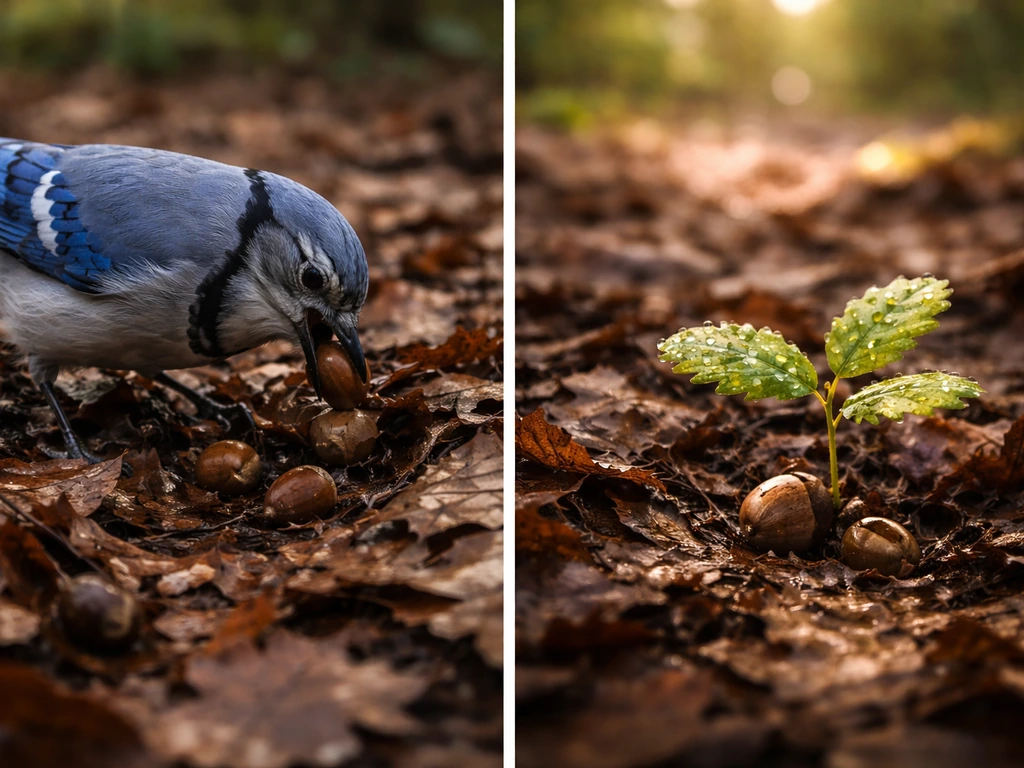
The bird most responsible for planting trees by eating acorns is the Steller's jay or scrub-jay (depending on your region), but the real champion is the blue jay in the East and the California scrub-jay in the West. These birds cache acorns by burying them individually in soil, forget a meaningful percentage of those stashes, and the forgotten ones sprout. That's not just eating acorns.
What Bird Eats Acorns and Plants Trees: Identify It Fast

Maya Henderson
20 May 2026
Some birds eat holly berries instead of acorns, and the likely culprit depends on your region. That's reforestation. Acorn woodpeckers and white-breasted nuthatches also eat and store acorns, but in ways that rarely result in new trees. Knowing which bird you're actually watching changes what you should do next.
Some birds eat crickets too, but the common backyard option is usually a warbler or sparrow that hunts insects on the ground. Sparrows are mostly seed and insect eaters, so their diet is different from the acorn-caching birds discussed here sparrows eat seeds and insects.
Common acorn-eating birds to look for
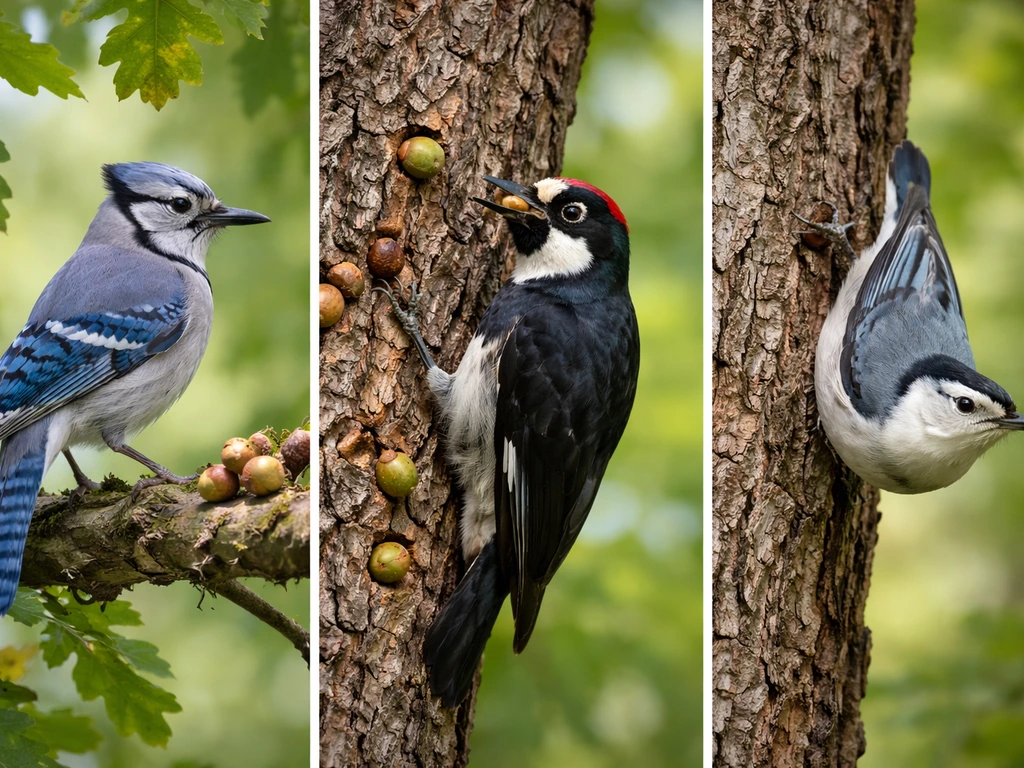
A handful of species show up reliably wherever oaks grow. Each has a distinct strategy for dealing with acorns, so it helps to know who's who before you start watching. If you are also wondering what sparrow bird eat, it can help to compare seed and insect diets with the acorn-based foods discussed here for jays and other tree-planting birds.
| Bird | Region | Size | Defining feature | Acorn strategy |
|---|---|---|---|---|
| Blue jay (Cyanocitta cristata) | Eastern North America | 11–12 inches | Blue crest, bold white face markings | Buries acorns individually across wide areas (key tree planter) |
| California scrub-jay (Aphelocoma californica) | Western North America | 11–12 inches | Blue and gray, no crest | Caches acorns in soil; hammers acorns to extract meat; disperses far in dry years |
| Steller's jay (Cyanocitta stelleri) | Western mountains/coast | 11–13 inches | Dark crest, deep blue body | Caches acorns in soil; similar planting role to blue jay in mountain zones |
| Acorn woodpecker (Melanerpes formicivorus) | West/Southwest oak zones | 7–9 inches | Clown-like face, red cap | Stores acorns in communal granary trees; rarely results in germination |
| White-breasted nuthatch (Sitta carolinensis) | Widespread North America | 5–6 inches | Blue-gray back, white face, walks headfirst down bark | Wedges acorns into bark crevices and hammers them; caches surplus under bark |
If you're in the East, the blue jay is almost certainly your tree-planting culprit. In the West, the California scrub-jay does the equivalent job. Both species are members of the corvid family (crows, ravens, jays), and corvid intelligence is a big part of why their caching behavior is so effective at spreading oaks.
How to identify the bird by behavior and clues
You don't need binoculars to figure out which species is working your yard. Watch the ground and the trees for about 20 minutes after acorns drop in fall, and you'll usually pick up clear behavioral clues.
Field clues for jays (the main tree planters)
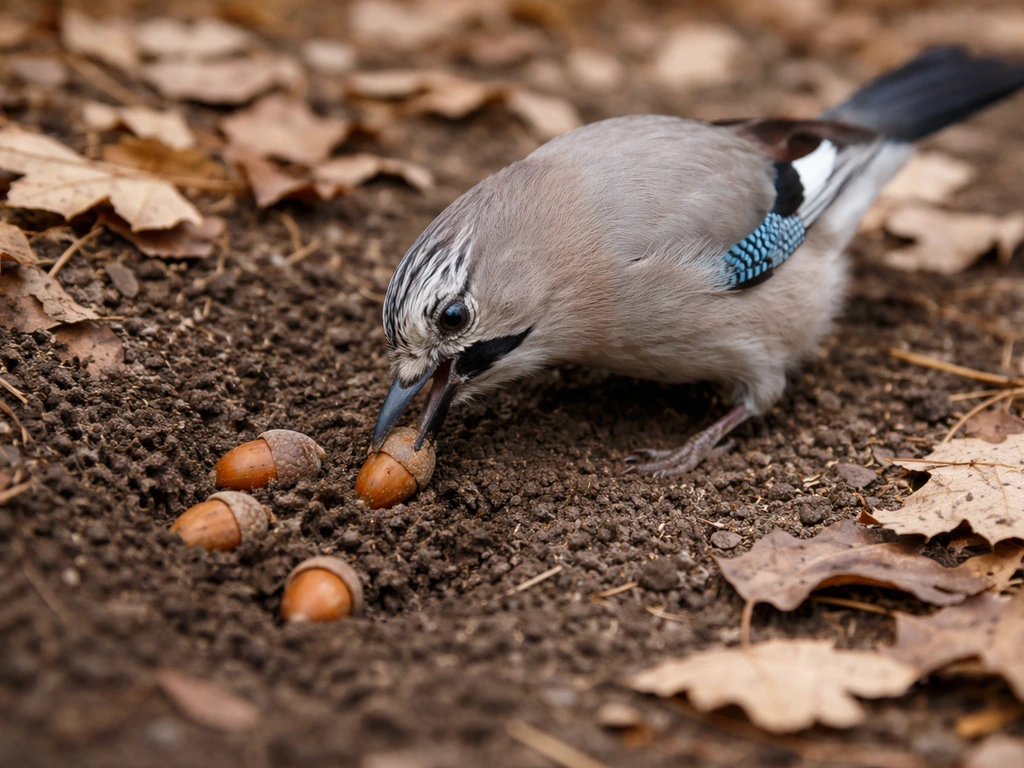
- They grab one acorn at a time, sometimes two or three tucked in the throat pouch, then fly a short distance and land, look around, and poke the acorn into bare soil or leaf litter with a quick deliberate jab.
- They often make several trips in a row from the same oak, moving in a rough radius of 100 to 300 feet from the source tree.
- You'll see small disturbed patches of soil or leaf litter with no visible acorn (they cover it). That's a cache site.
- Blue jays are noisy and unmistakable: loud 'jay-jay' calls, 11–12 inch body, bright blue with white and black barring.
- California scrub-jays are quieter, blue and gray with no crest, and will actively hammer an acorn on a branch before caching pieces or carrying whole ones.
- Steller's jays have a prominent dark crest and a harsher, more raspy call than blue jays.
Field clues for acorn woodpeckers
- Look for a tree (or wooden utility pole, barn siding, or fence post) riddled with small round holes, each holding a single acorn. That's a granary.
- The woodpecker's clown-like face, red cap, and loud 'waka-waka' call make it easy to identify.
- They work in family groups and aggressively defend granary trees. You'll often see multiple birds flying back and forth to the same storage spot.
- Granary acorns are packed too tightly to germinate. Great for storage, bad for tree regeneration.
Field clues for white-breasted nuthatches
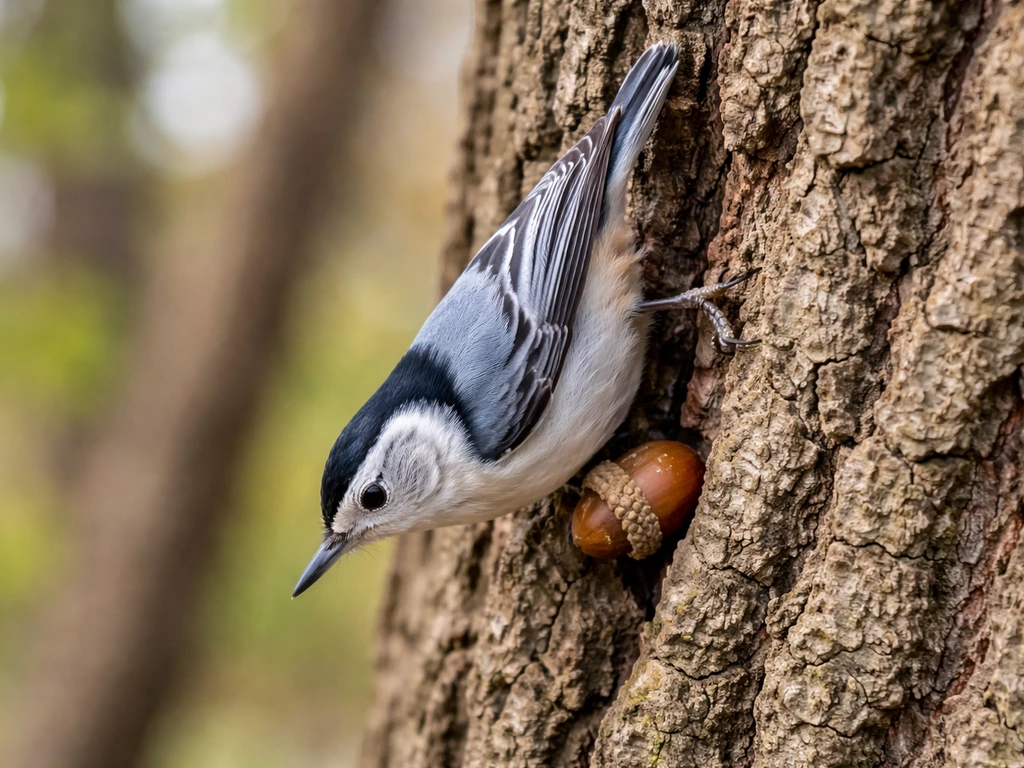
- The headfirst-down-the-bark walk is the instant giveaway. No other common backyard bird does this.
- Watch for them wedging an acorn into a bark crevice and hammering it with rapid bill strikes.
- They cache surplus food under loose bark, not in soil, so their caches almost never sprout.
- Call is a nasal 'yank-yank' sound, short and repeated.
What birds actually do with acorns (and when trees grow from it)
Not every acorn-eating bird plants trees. The mechanism matters. Blue jays and scrub-jays bury acorns individually in soil at depths of about half an inch to an inch, which is actually close to the ideal planting depth for oak germination. Research estimates that a single blue jay can cache 3,000 to 5,000 acorns in a season. They recover most of them, but they forget or abandon a meaningful fraction, especially if the bird dies, migrates, or if acorn supply is unusually high. The forgotten caches germinate the following spring. This is called scatter-hoarding, and it's the primary way oaks spread beyond their parent tree's drip line.
Acorn woodpeckers take a completely different approach. Acorn woodpeckers take a completely different approach, and if you're also curious about what other insects birds eat, see what do bird grasshoppers eat. They store acorns in what the USDA Forest Service calls a granary: a single defended tree (or structure) packed with thousands of individually fitted acorns. The family group monitors and maintains the granary year-round. Because these acorns are stored in wood rather than soil and are typically consumed over winter, they rarely if ever germinate. The woodpecker's strategy is food security, not dispersal.
blank" rel="noopener noreferrer">White-breasted nuthatches cache seeds and acorns under bark, which is also a poor germination environment. Their caching is valuable to them nutritionally but doesn't contribute meaningfully to oak regeneration. California scrub-jays sit in between: they cache acorns in soil like blue jays do, and Audubon notes they may disperse considerable distances from oak stands during years when the acorn crop is poor. That long-distance movement can carry acorns into areas well outside the original tree's range.
Other animals that eat acorns vs. birds that actually plant trees
Squirrels get most of the credit (or blame) for acorn burial, and they do bury acorns individually in soil, which does sometimes result in new trees. But squirrels tend to cache acorns closer to the parent tree, have smaller home ranges than jays, and recover caches at higher rates. Jays move acorns farther, bury them in more exposed or open areas (including disturbed ground where oaks historically struggle to establish), and forget more of them. That combination makes jays the more effective long-distance oak dispersers.
Other common acorn consumers that don't contribute meaningfully to tree planting include white-tailed deer (they eat acorns whole and digest them), wild turkeys (same), bears, and raccoons. These animals consume acorns as food but the seeds don't survive digestion. Mice and voles cache acorns underground like squirrels and occasionally result in germination, but their short travel distances make them minor players in oak range expansion.
| Animal | Buries acorns in soil? | Dispersal distance | Tree-planting contribution |
|---|---|---|---|
| Blue jay / scrub-jay | Yes, individually | Up to 1 mile+ | High (primary oak dispersers) |
| Squirrels (gray, fox) | Yes, individually | Short to moderate (under 300 ft typically) | Moderate |
| Acorn woodpecker | No (stores in wood granaries) | Stays near granary | Negligible |
| White-breasted nuthatch | No (stores under bark) | Short | Negligible |
| Mice / voles | Yes, underground | Very short | Low |
| Deer / turkeys / bears | No (consume and digest) | N/A | None |
How to encourage acorn-caching birds and native tree regeneration safely
If you want jays working your yard and caching acorns, the single most effective thing you can do is keep mature oaks on or near your property and leave the leaf litter intact beneath them. Jays cache acorns in bare soil and leaf litter, not in mowed lawn. A yard with a dense grass monoculture under an oak is a much less attractive caching environment than a yard with mulch, garden beds, or natural groundcover.
You can also supplement with a platform feeder offering whole, unsalted, unroasted peanuts in the shell. Blue jays and scrub-jays are strongly attracted to these and will cache peanuts the same way they cache acorns. This doesn't plant oaks, but it does bring the birds in and establish them as regular visitors during acorn season, which overlaps in fall.
If your goal is specifically oak regeneration, the best approach is to protect areas where you've seen caching activity. Put up a small wire cage or plant guard over spots where you observe a jay jabbing the ground. Oak seedlings look like nothing in their first year, and foot traffic, mowing, or deer browsing kills most of them before you'd ever notice them. Protecting a handful of cache sites in fall gives you a real shot at established seedlings by spring.
Risks and safe backyard practices
Feeding birds and supporting wildlife around your yard comes with a few real hazards worth knowing before you start, especially if you have pets or are considering leaving acorns out as supplemental feed.
Acorns and pet safety
Acorns are mildly toxic to dogs. They contain tannins that can cause gastrointestinal upset, kidney stress, and in large quantities, more serious harm. If you're trying to attract jays by leaving acorns out, do it on an elevated platform feeder that dogs can't reach, not on the ground. Cats are generally not acorn-eaters, but keep an eye on any cat that hunts in areas where jays are actively caching, as cornered jays will defend themselves.
Moldy seed and acorns
Wet or stored acorns can develop mold, and moldy organic material at feeders or on the ground is a real hazard for birds, pets, and backyard wildlife. Aflatoxin-producing molds (the same family of molds that affect corn and peanuts) can grow on acorns that have been sitting in wet conditions. If you're using fallen acorns to attract birds, only use fresh ones that haven't been soaking in wet ground or stored in warm, humid conditions. Discard any that show white fuzzy growth, dark spots, or a musty smell. The same rule applies to bird seed: check feeders after rain and discard any seed that has clumped or smells off.
Feeder placement and wildlife coexistence
- Place platform feeders at least 5 feet off the ground to reduce access by raccoons, opossums, and dogs.
- Clean feeders every one to two weeks with a 10% bleach solution and rinse thoroughly before refilling.
- Don't leave seed or acorns out overnight, especially in areas with known bear activity.
- If squirrels are out-competing jays at your feeder, use a baffle on the pole and position the feeder away from jump-off points like fences or branches.
- Avoid offering salted or roasted nuts. Both are harmful to birds and wildlife. Raw, unsalted whole peanuts or shelled peanuts are the safe choice.
Species like jays and woodpeckers that visit feeders can also attract hawks. If you notice a Cooper's hawk or sharp-shinned hawk working your feeder area, it's normal predator-prey behavior, but you can temporarily take feeders down for a few days to let the hawk move on. Sparrowhawks are also opportunistic predators, and they typically consume their prey rather than leaving whole acorns or seeds intact do sparrowhawks eat the whole bird. Feeders clustering prey birds into a small area can make hunting easier for raptors, so spacing feeders out or moving them near denser shrub cover gives smaller birds more escape routes.
Quick troubleshooting and when to call in experts
If you're trying to confirm which species is visiting your yard right now, here's a fast diagnostic sequence you can run today. People also wonder whether gray bird grasshoppers bite, but the concern is different from acorn-eating birds discussed in this article.
- Check for granary holes in trees or wooden structures. If you see them, you have acorn woodpeckers. They are not planting trees.
- Watch any oak tree in your area for 15 to 20 minutes in the morning. If you see a jay-sized bird flying away from the tree with something in its bill and landing 50 to 200 feet away, that's caching behavior. Mark the landing area and check for disturbed soil.
- Listen for calls: loud 'jay' screams indicate blue jays; a softer, more conversational chattering often indicates scrub-jays or Steller's jays; 'waka-waka' is acorn woodpecker; nasal 'yank' is nuthatch.
- Look at bark on large trees for a small bird walking headfirst downward. That's your nuthatch.
- If you're not sure of your species, take a photo with your phone, upload it to the Merlin Bird ID app (free, from Cornell Lab), and confirm before adjusting your feeding setup.
When to get local wildlife help
Most acorn-eating bird situations don't require expert intervention. But contact a local wildlife rehabilitator or your state wildlife agency if you find an injured jay or woodpecker (flying into windows is common in fall when jays are moving acorns actively), if you suspect a bird has been poisoned by a moldy food source, or if you're seeing unusual numbers of sick or lethargic birds near your feeder.
Some scavenging birds, like crows, also eat roadkill and help clear away carrion. For questions about oak restoration on your property or in a local habitat area, your county cooperative extension office or a local native plant society can connect you with regional programs that may include tree protection resources or seedling giveaways. These are often more effective than trying to manually protect individual cache sites.
The short version: watch for jays burying acorns in fall, protect a few of those cache sites from foot traffic and deer, keep your feeders clean and your pets clear of fresh acorns on the ground, and you're already doing more for oak regeneration than most people realize is possible from a backyard. Some birds also eat grasshoppers, and that can be part of the same natural food web in your yard.
FAQ
How can I tell if I’m seeing jay caching or just an acorn being eaten on the spot?
Look for the “scatter-hoarding” pattern: jays push acorns into individual spots in bare soil or leaf litter, then move on, instead of taking all food to one place. Blue jays and scrub-jays are also loud and often repeat the same ground-jabbing route for multiple acorns over a short time after fall drop.
When should I start protecting cache sites for the best chance of oak seedlings?
In most yards, your best timing is the first 2 to 3 weeks after acorns start dropping, because that’s when caching activity peaks and seeds set up for spring germination. If you only protect caches later, many will already be buried and may have been uncovered, eaten, or destroyed by then.
What yard maintenance mistakes reduce the odds that cached acorns become seedlings?
Mowing is the biggest practical destroyer after acorns are cached. Keep the ground layer unmowed and undisturbed under oaks during the fall caching window, and avoid raking or leaf-blowing that strips leaf litter and exposes soil the way jays prefer to bury in that transitional layer.
Will mulch automatically prevent jays from caching acorns in my yard?
Yes, but not with your typical “birdfeeder” setup. Jays cache in open, suitable ground and leaf litter, not in thick mulch right against tall grass or under dense ground cover that blocks access. If you want caching, leave some natural patches near mature oaks (especially where deer can’t instantly browse).
Is it better to leave acorns on the ground or use a feeder to attract caching jays?
If you want to encourage acorn-caching birds, place peanuts in shells on a raised platform feeder, but do not put loose acorns directly on the ground for long periods. Loose acorns attract pets and mold growth risk, and you can end up feeding more than jays, such as raccoons or deer.
How do I choose fallen acorns safely so I do not promote mold or low-quality seed?
Acorns can be attractive even when they are not viable. Only use fresh, dry, unsoaked acorns, and discard any that look wet, develop fuzzy growth, or smell musty. Stored or rain-wetted acorns are more likely to fail germination and can also create a mold hazard for wildlife and pets.
If I protect cache sites, how do I prevent deer from wiping out seedlings?
Yes. Jays sometimes cache where deer browsing pressure is high, but the seedlings often get removed before you can tell they were growing. Use small, protective guards on the spots you see being cached, and consider reducing deer access around oak trunks (fencing or repellents depending on your local guidance).
Should I dig up acorns from cache sites and plant them elsewhere to guarantee germination?
For many yards, you do not need to remove cached acorns. Instead of digging them up to “help,” protect the micro-sites you observe and let natural timing work. Digging disrupts what the jay buried and can expose seeds to predators or desiccation.
What behavior cues best differentiate jays from nuthatches when both take acorns?
To support fast identification, note the bird’s behavior and silhouette more than the color alone. Jays and scrub-jays typically hold the acorn and then perform deliberate ground-burying actions, while nuthatches often wedge items and cache under bark or into crevices and rarely create open-soil cache points.
How do I avoid accidentally helping squirrels more than jays when trying to grow new oaks?
Since squirrels often cache closer to the parent oak and recover acorns more efficiently, you can still succeed by focusing on where you specifically see jay activity. If you try to “beat squirrels” by removing caches, you may remove the exact spots that would have produced jay-driven dispersal.
If I see lots of acorn storage, how do I know it will not turn into seedlings later?
Do not assume “bird near the oak” equals “oak regeneration.” Woodpeckers store acorns in a defended granary that is typically consumed over winter, so it does not usually create new oak seedlings. If you want seedlings, prioritize protecting the individual soil-burying spots you can clearly attribute to jays.
What should I do about hawks that start targeting my feeder area?
Yes, take a pause during active raptor hunting. If you see a Cooper’s hawk or sharp-shinned hawk using your feeder area, temporarily remove feeders for a few days can reduce easy targets. Also spread any food sources out so smaller birds are not funneled into one tight escape-limited spot.
How should I clean or manage feeders after rain to reduce mold and disease risk?
Mold can be worsened by humidity, rain exposure, and stale food. After wet weather, check both feeders and the surrounding ground layer, remove clumped or smelly seed, and clean perches if you have one. Fresh, dry food reduces the chance of aflatoxin-producing mold risks.
What’s the safest way to attract acorn-caching birds if I have a dog?
For immediate safety, keep pets away from any area where fresh acorns are falling or being cached, and avoid dog access to elevated feeders if they can jump up. Tannins in acorns can cause GI upset or worse in larger quantities, so preventing access matters even when you are trying to attract beneficial birds.
What should I do if an acorn-caching bird is injured or keeps flying into windows?
If you find a jay or woodpecker injured, contact a local wildlife rehabilitator rather than trying to move it yourself. Flying into windows is common in fall, and a stressed bird may also be carrying injuries that need trained handling.
Next Articles
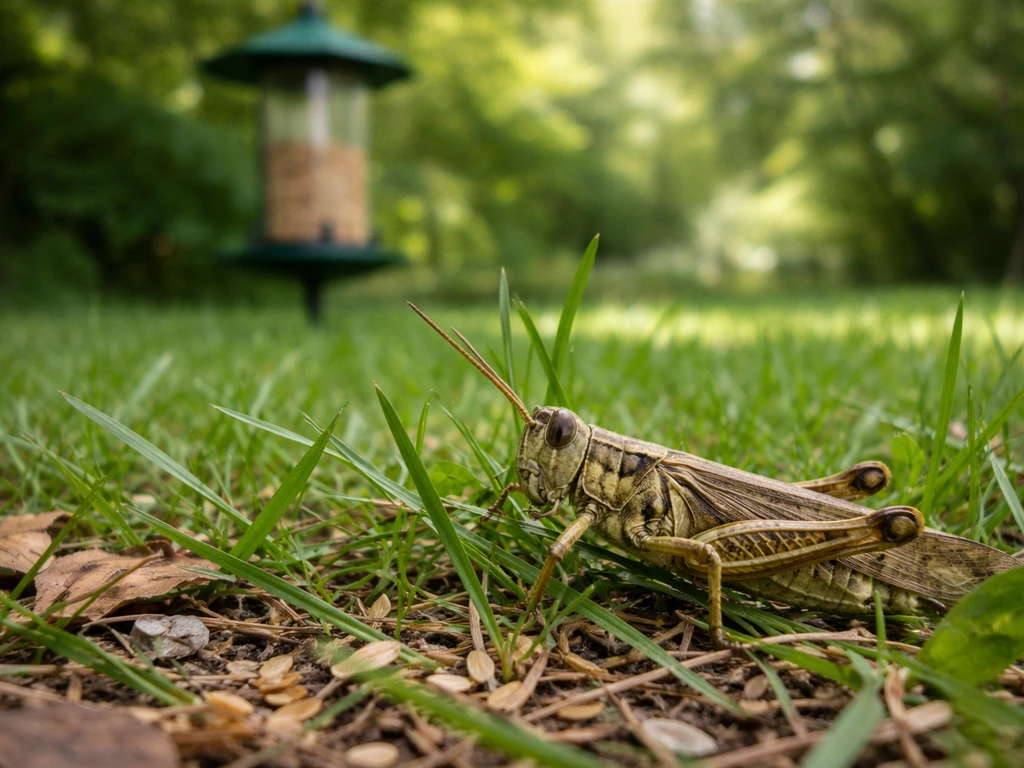
What Do Bird Grasshoppers Eat? Diet and Feeder Tips
What bird grasshoppers eat, why they appear near feeders, and how seed, plants, and seasons affect their diet and your b
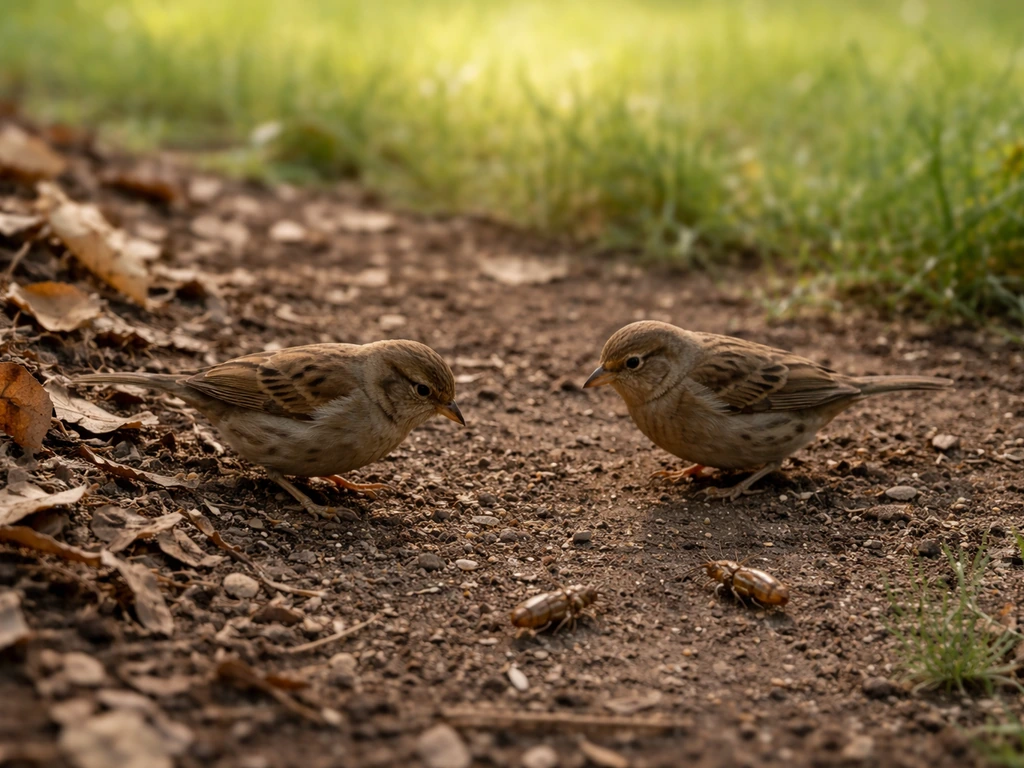
What Bird Eats Crickets? Identify and Feed Safely
Identify birds that eat crickets and feed them safely, with tips to confirm visitors and avoid bait and pesticide risks.
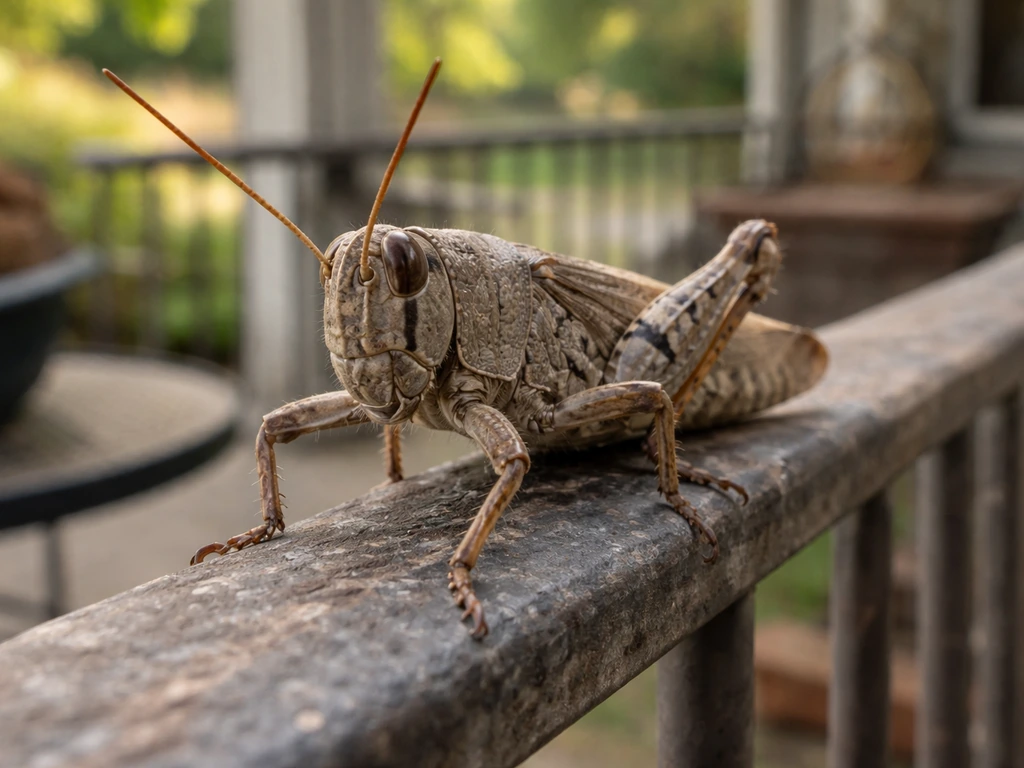
Do Gray Bird Grasshoppers Bite? What to Expect and How to Reduce Them
Do gray bird grasshoppers bite? Get a clear yes or no, what to expect on skin, and tips to reduce them safely.