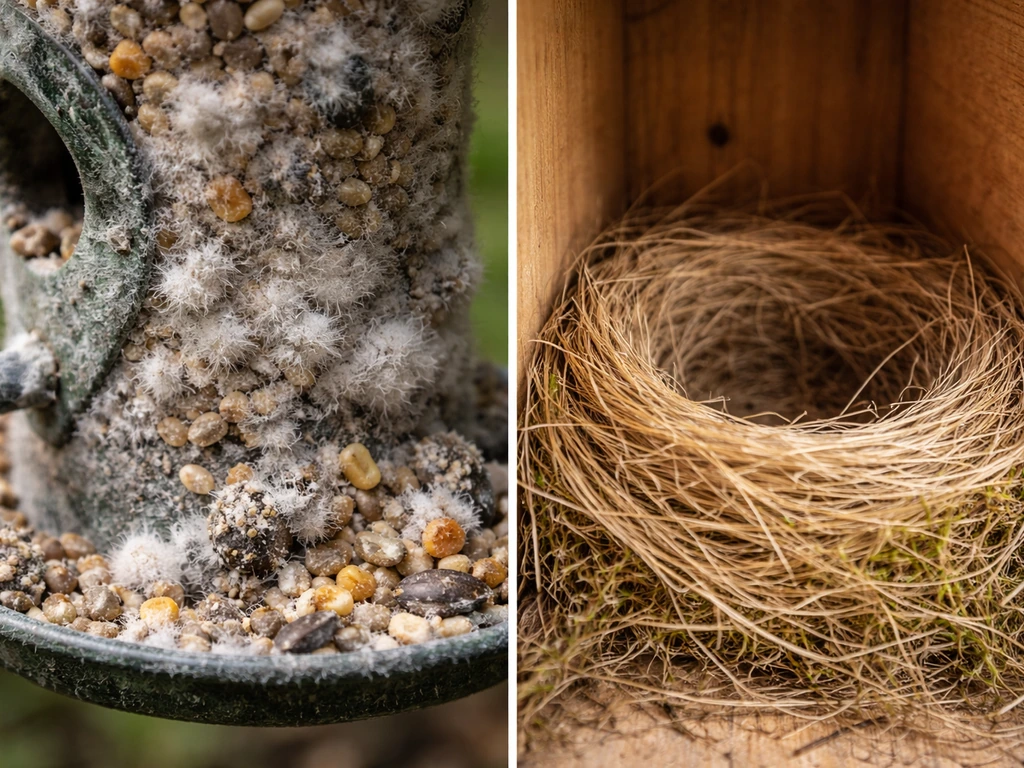
Bird seed, seed cakes, and nest-style feeding products do technically carry expiry or 'best before' dates, but those dates tell you less than you might think. The real safety question isn't whether you've crossed a printed date, it's whether the product shows signs of spoilage like mold, rancid smell, clumping, or pest damage. A bag of seed kept dry and sealed in a cool spot can still be perfectly fine weeks past its best-before window. A bag that got damp in a humid garage could be dangerous well before that date. So yes, check the label, but then check the seed itself.
Does Bird Nest Have an Expiry Date? How Long Is It Safe?

Maya Henderson
21 May 2026
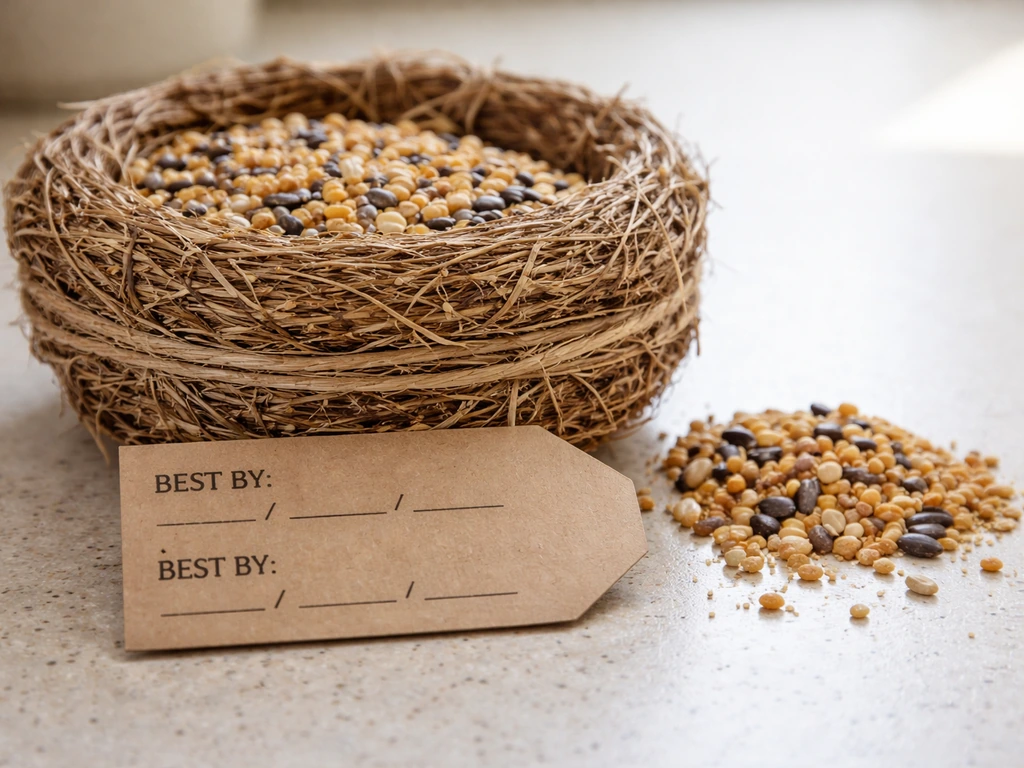
What 'expiry date' actually means on bird nest and seed products
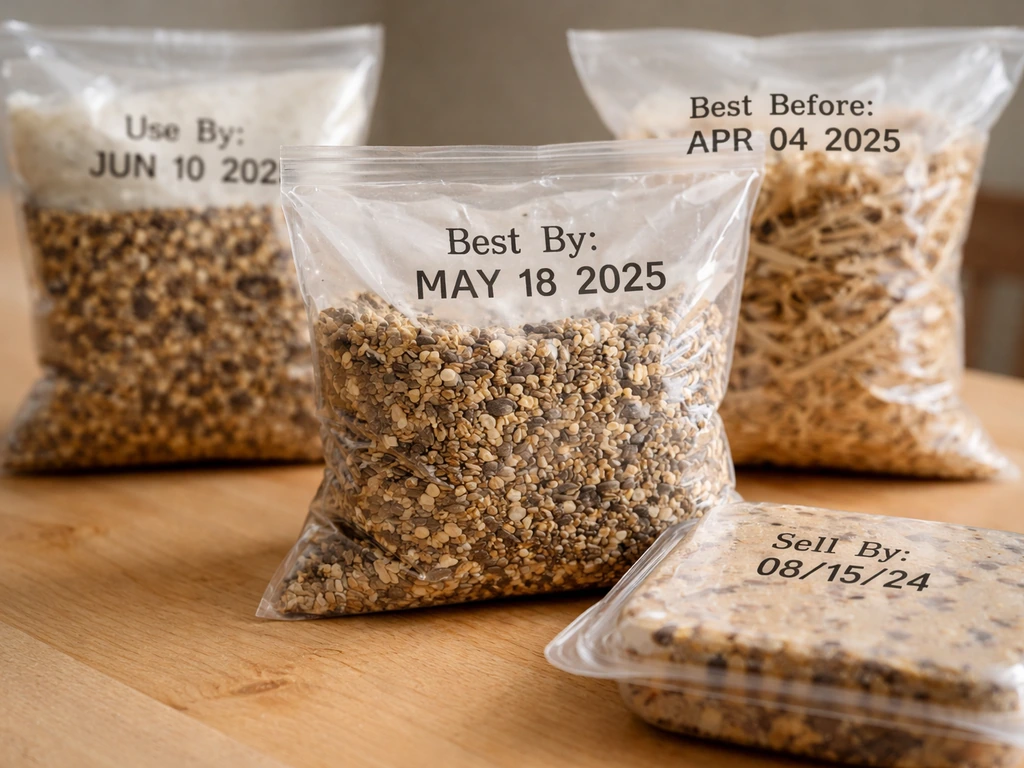
Most bird seed bags, suet cakes, and nest-style feeding products carry one of a few label types: 'Best By,' 'Best Before,' 'Use By,' or 'Sell By. ' According to the FDA, all of these dates are set by the manufacturer and indicate when quality starts to decline, not a hard safety cutoff the way a medical expiry date works.
The EU's approach is similar: 'best before' is a quality marker, not a signal that the product instantly becomes dangerous the next day. 'Use by' dates are more serious and are typically reserved for perishable products that can become genuinely unsafe quickly. For dry bird seed and seed cakes, you'll almost always see 'best before' or 'best by', meaning the seed was at peak freshness when packaged, and quality degrades gradually from there, depending almost entirely on how it's stored.
The confusion between date types is well-documented, even the European Food Safety Authority has flagged it as a major driver of unnecessary food waste. The same confusion applies to bird seed: people throw out perfectly good, dry seed because the date has passed, or (worse) keep using visibly spoiled seed because it's still technically 'in date.' Neither is the right call. Use the date as a starting prompt to inspect the product, not as the final answer.
How to tell if your bird nest or seed product is still safe today
Run through this quick check before putting anything in or near a feeder. It takes about 60 seconds and will tell you far more than the printed date.
- Smell it first: Fresh seed has a mild, nutty, slightly oily scent. Rancid seed smells sharp, sour, or like old cooking oil. Moldy seed has a musty, damp odor. Either of those is a stop sign.
- Look for visible mold: Check for any gray, green, white, or black fuzz — especially in corners of the bag or at the bottom where moisture collects.
- Check for clumping: Dry seed flows freely. Clumped or stuck-together seed means moisture got in, and where there's moisture, mold follows even if you can't see it yet.
- Inspect for insects or larvae: Tiny webbing, small moths, larvae, or live/dead bugs in the seed mean it's infested and should be discarded entirely.
- Look at the packaging: Holes, tears, or signs of chewing mean pests may have contaminated the contents — even if the seed looks okay on the surface.
- Check the color: Seed that's gone noticeably dull, grayish, or shriveled has likely lost moisture balance and degraded significantly.
- For suet or seed cakes: Look for an unusual color change (yellowing or browning), soft or greasy texture beyond normal, and any off-putting odor. These are indicators of rancid fat.
If the seed passes all of those checks and has only recently passed its best-before date, it's almost certainly fine to use. If it fails even one, don't use it, especially around pets or in a feeder that children or other animals can access.
The main reasons bird seed and nest products go bad
Moisture and clumping
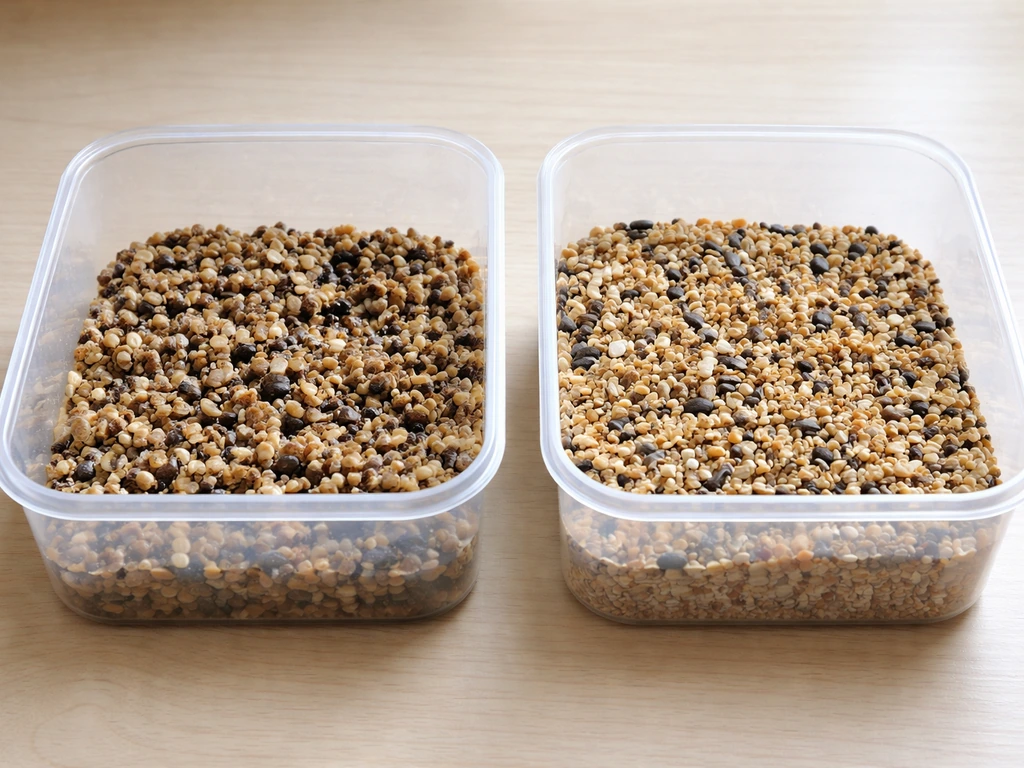
Moisture is the single biggest enemy of bird seed. Once humidity gets into a bag or container, it sets off a chain reaction: seed clumps, mold spores activate, and the nutritional value drops fast. This is especially common in humid climates or when seed is stored in garages, sheds, or outdoor awnings where temperature swings cause condensation inside containers.
Mold and mycotoxins
Mold doesn't just ruin the seed, some molds produce mycotoxins, which are genuinely toxic compounds. Aflatoxin is one of the most concerning, and it can occur in damp grain-based seeds. These toxins don't disappear if you dry the seed out or remove visible mold. Once contaminated, the batch needs to go.
Rancid oils
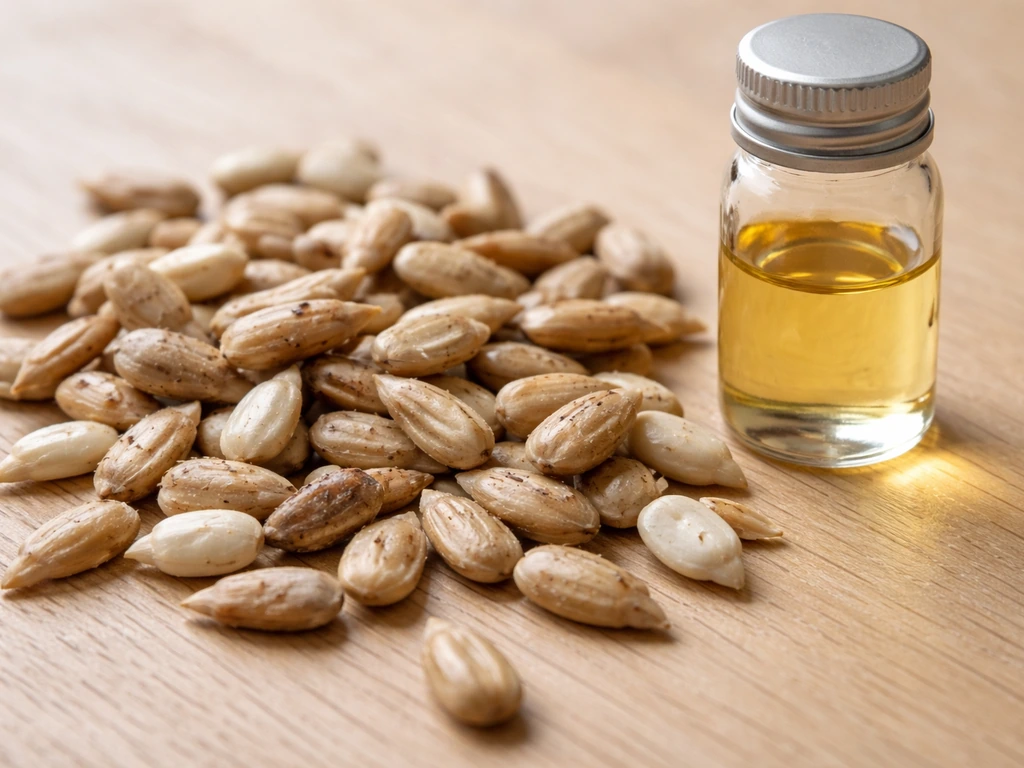
Seeds like sunflower, safflower, and nyjer contain natural oils that go rancid over time, faster when exposed to heat or light. Rancid seed smells sharply unpleasant and has reduced nutritional value. Suet and seed cakes are particularly prone to this in warm weather because the fat component breaks down more quickly.
Pests and contamination
Grain moths, weevils, and rodents are attracted to stored bird seed. Infested seed carries bacteria, droppings, and the pests themselves, all of which can contaminate a feeder and pose a health risk to the birds feeding from it and any pets nearby. If you've found evidence of rodent chewing on a bag, treat the entire batch as compromised.
Why spoiled seed is risky for birds and pets
Birds will often keep eating from a contaminated feeder even when the seed is clearly bad. They don't have the same aversion signals that mammals do, some will peck at visibly moldy or rancid seed without hesitating. That's exactly why you can't rely on birds 'self-selecting' away from dangerous feed. Moldy seed can cause aspergillosis, a serious respiratory fungal infection in birds. Mycotoxins can affect the nervous system and liver. Rancid seed leads to poor nutrition and can cause digestive upset over time.
For pets, particularly dogs, the risk is more immediate. Dogs that get into spoiled bird seed, which is easy if feeders are low or seed has fallen on the ground, can ingest mycotoxins that cause vomiting, tremors, or worse. Cats that hunt around feeders can be exposed indirectly. If your dog has eaten seed that looks or smells off, contact your vet promptly rather than waiting to see if symptoms develop.
It's worth noting that questions about what birds and animals can safely consume come up a lot in this space, including discussions around whether bird nest soup products are safe for people with health conditions, which is a separate topic but reflects the same underlying principle: the safety of any bird-derived product depends heavily on its condition and how it's been stored. If you are asking about whether you can eat bird nest during first trimester, treat it as a separate nutrition and safety question, but the same rule applies: only use bird-derived products that are in great condition and properly stored.
If you’re also seeing “white fungus” on nest products, use the same storage and inspection logic, since white fungus vs bird nest issues are closely tied to moisture and mold risk. While this article focuses on safety for birds and pets, you should also treat bird nest fern as potentially unsafe and check for poison warnings before feeding or handling it is bird nest fern poisonous.
You may also wonder is bird nest fern edible, but its safety depends on the specific plant and preparation method. If you can’t confirm it’s dry, uncontaminated, and free of mold or rancid smells, it’s safer not to eat an expired bird nest-style product can expired bird nest be eaten. If you're wondering whether you can eat bird nest during the first trimester, the safest approach is to treat it like any other food-derived product and focus on quality, storage, and contamination risk can eat bird nest during first trimester.
If you mean whether an expired bird nest itself can be eaten, the key issue is whether it is moldy or otherwise spoiled, not just the printed date expired bird nest can be eaten. If you're asking whether a can cancer patient eat bird nest, the same rule applies: only consider it if it's fresh, properly stored, and approved by your healthcare provider for your specific situation.
If you are wondering whether bird nest soup is illegal in the US, the answer depends on where it’s sourced and how it’s regulated bird nest soup products are safe for people with health conditions.
How to store bird seed and nest products so they actually last
Good storage practice is what actually determines whether seed stays usable past its best-before date. The Wild Bird Feeding Institute recommends keeping seed indoors in a cool, dry place, away from humidity and temperature extremes, and secured from rodent access. Here's what that looks like in practice:
- Use airtight hard-sided containers: Metal or thick plastic bins with tight-fitting lids are far better than the original paper or thin plastic bags, which breathe and let moisture in.
- Store indoors when possible: A basement, laundry room, or climate-controlled space beats a garage or shed in humid or hot climates. If you must use a garage, elevate the container off the concrete floor.
- Keep it cool and dark: Heat and light degrade seed oils. Aim for consistent temperatures below 70°F (21°C) when possible.
- Rotate stock: Use the oldest seed first and don't pour fresh seed on top of old seed in the same container. This 'first in, first out' habit prevents old seed from sitting at the bottom for months.
- Track the date you opened it: Write the purchase or open date on the container with a marker. Most dry seed, stored properly, stays in good shape for 6 to 12 months.
- Buy in quantities you'll use: Bulk buying saves money but not if the seed degrades before you can use it. Buy what you'll realistically go through in 4 to 6 weeks during active feeding seasons.
- For suet and seed cakes: Store unused cakes in a fridge or freezer during warm months. Heat breaks down the fat binder quickly, and soft cakes mold faster.
What to do if the seed is expired or looks spoiled
If you've determined the seed is bad, here's the cleanup process. Don't just throw it in an outdoor bin next to the feeder, that attracts the same pests you're trying to avoid.
- Stop feeding immediately: Remove the feeder or basket and stop adding any seed from the suspect batch.
- Bag the contaminated seed: Double-bag it in sealed plastic bags before putting it in the trash. Do not compost moldy or infested seed.
- Clean the feeder thoroughly: Use a solution of 1 part bleach to 9 parts water, scrub all surfaces including perches, feeding ports, and the interior floor of the feeder where wet seed accumulates. Rinse completely and let it dry fully — at least 24 hours — before refilling.
- Clean up spilled seed under the feeder: Rake or sweep up any fallen seed on the ground. Wet seed sitting on soil is a direct mold and pest source. If there's significant accumulation, consider temporarily removing the feeder for a week to let the ground dry out.
- Check nearby containers: If one bag was infested or moldy, inspect every other bag or container you have from the same purchase or storage area.
- Consider a feeding pause: If mold was severe or birds appeared unwell, take a short break of 3 to 5 days before resuming feeding. This encourages birds to forage naturally and clears the area of contaminated material.
Feeder hygiene is genuinely one of the most overlooked parts of backyard bird feeding. A clean feeder with fresh seed is far more beneficial to birds than a constantly full feeder with questionable seed.
Seasonal tips for keeping bird seed fresh year-round
The storage and spoilage challenges shift with the seasons, so it helps to adjust your habits accordingly.
| Season | Main Risk | Best Practice |
|---|---|---|
| Spring | Increasing humidity and rain wetting seed in feeders | Use feeders with weather guards or roofs; reduce fill quantity so seed turns over faster |
| Summer | Heat degrading oils, mold in warm/humid conditions, insects | Store seed indoors or in a fridge/freezer; clean feeders weekly; use small fill amounts |
| Fall | Seed sitting long-term as demand drops; pests seeking stored food | Check stored seed monthly; seal containers tightly against mice and squirrels moving indoors |
| Winter | Seed freezing and thawing causing moisture damage in containers | Store in a garage-safe insulated bin; check for ice or condensation; suet is ideal in cold weather |
In humid climates (Southeast US, Pacific Northwest, coastal regions), the risks are higher year-round. If you live in an area with significant humidity, it's worth treating seed storage more like you would store flour or oats, airtight, cool, and rotated regularly. In dry climates, seed can last longer in storage, but heat in summer months is still a concern for oil-rich seeds and suet products.
One final point on feeding behavior: different bird species have different feeding patterns, and understanding how much seed your regular visitors go through helps you size your purchases right. Busy feeders with high traffic from finches, sparrows, or cardinals will cycle through seed quickly, naturally limiting spoilage risk. Slower-traffic feeders need more frequent manual checking, especially after rain or during humid stretches. Keep an eye on what's sitting untouched for more than a few days, that's usually your first signal that conditions or seed quality need attention. If you're wondering about food safety for wild-foraging too, a related question is whether an is bird nest fern edible.
FAQ
Does bird nest have an expiry date even if I keep it dry?
Usually, no. The printed date on bird nest-style feeding products is typically a quality marker, not a sudden safety cutoff. Use it as a starting point, then do a 60-second inspection for moisture, mold, rancid odor, clumping, and pest damage before you put anything near a feeder.
Is “best before” the same thing as “expiry date” for bird seed or bird nest products?
For dry seed and most nest-style products, treat “Best By” and “Best Before” as “peak quality” dates. If the product looks and smells normal and stays free of dampness, it can often be fine after the date, but a sealed bag that was stored well matters far more than how long it has been.
What date type should I take most seriously on a bird nest product label?
“Use By” labels are the most cautious. If your package says “Use By,” do not rely on odor or color alone, especially for products that have any moisture or fat content. When in doubt, especially if it smells off or has any visible spoilage, discard it.
What if I opened the bag before the date and it sat in a humid garage?
If you accidentally opened a bag and it sat in a humid area, assume spoilage risk rises quickly. Transfer the contents to a dry, airtight container and inspect daily for the first few days. If you notice clumps, musty odor, or any fuzzy growth, throw the batch away rather than trying to “dry it out.”
Can I remove the moldy bits and still use the rest?
Do not “rescue” moldy seed by removing visible pieces. Many harmful contaminants are not reliably visible. The safest move is to discard the entire batch if you see mold, smell mustiness, or find pest droppings.
How can I tell if oil-rich seed has gone rancid?
A rancid smell is a strong fail signal. Oils in seeds and fats in suet or cakes can oxidize and become unhealthy even before they look different. If it smells sharply unpleasant or “paintlike,” treat it as spoiled.
What should I do if I find weevils, moths, or signs of rodents in the bag?
Infestation evidence is a hard stop. If you see webbing, tiny insects, holes in packaging, pellets of droppings, or rodent chewing, assume the feeder food is contaminated. Clean the feeder thoroughly and do not reuse the old seed as “top-up.”
If birds keep eating it, does that mean the bird nest product is safe?
Birds may keep eating bad seed, so their behavior is not a reliable safety test. If the seed is moldy, rancid, or damp, it can still harm birds, including serious respiratory issues. You need to inspect and remove unsafe food yourself.
My dog got into spoiled seed. What is the right next step?
If your dog likely ate spoiled bird seed, do not wait for symptoms. Contact a veterinarian promptly, and if possible, tell them the product type, approximate amount, when it was eaten, and whether it looked moldy or smelled rancid. Mycotoxin-related signs may not be immediate.
Can rain or condensation make an “in date” bag unsafe even if it looks okay at first?
Yes, it can. Even when the “food” seems dry, condensation can form inside containers or around feeder ports. After rain or during hot, humid stretches, check the remaining seed more often, and clean any caked residue promptly.
How often should I check or replace seed at the feeder after the printed date?
Feeders that stay full and sit untouched can hide problems. If seed sits for more than a few days, especially after wet weather, do a quick swap and inspection. For high-traffic feeders, spoilage often happens less because fresh food cycles through faster.
If I see white fungus on bird nest-style items, is it always unsafe?
Any bird-derived product, including bird nest fern products and nest-style items, should be treated as quality-dependent. If you see white fungus or any moisture-related growth, do not use it. When handling or feeding to any animals or pets, follow the same spoilage-and-contamination inspection rule.
Next Article
White Fungus vs Bird Nest: How to Tell and What to Do
Learn to spot white fungus vs real bird nests, handle risks fast, and prevent mold around feeders and nesting boxes.