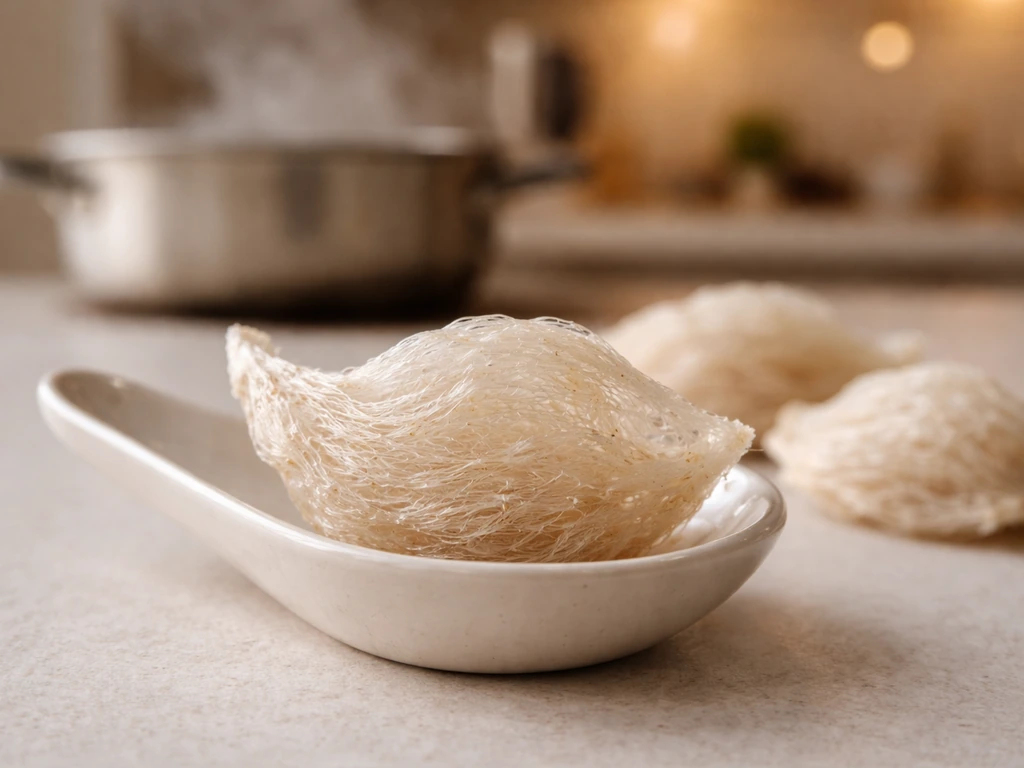
Bird nest fern (most commonly Asplenium nidus) is not reliably documented as edible for humans. It is not classified as toxic either, but that middle ground is not a green light to eat it. There is no established culinary tradition, no meaningful nutritional research, and no consistent safety data for eating the fronds. If someone pointed you toward this plant as food, or you are trying to figure out whether it is safe after a person or pet nibbled on it, the practical answer is: do not eat it intentionally, and call Poison Control or a vet if ingestion already happened.
Is Bird Nest Fern Edible? Safety, ID, and What to Do

Maya Henderson
6 May 2026
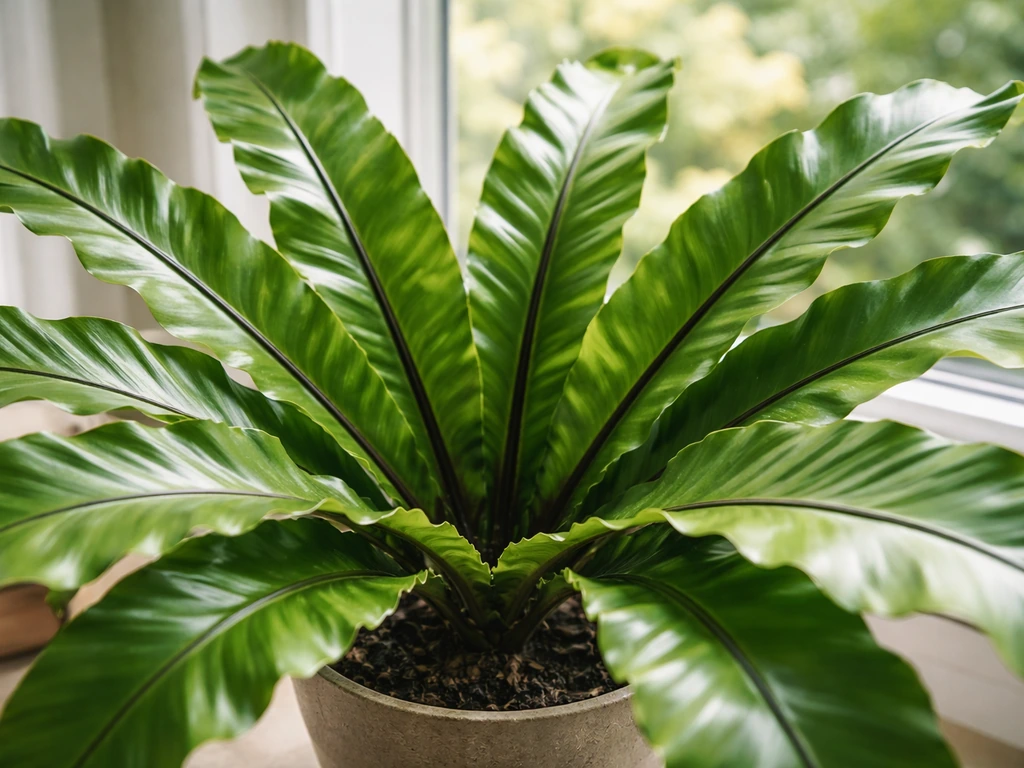
Quick answer: can you eat bird nest fern
No, not in any practical or recommended sense. Asplenium nidus is blank" rel="noopener noreferrer">widely kept as a houseplant and ornamental landscape plant. It is not listed as a toxic plant by major poison control references, which means accidental small exposures are unlikely to cause serious harm. But "not known to be highly toxic" is very different from "safe to eat." There is no documented history of it being prepared and consumed as food, no established safe dosage, and no way to predict reactions across different people. Treat it as a decorative plant only.
How to identify bird nest fern vs lookalikes
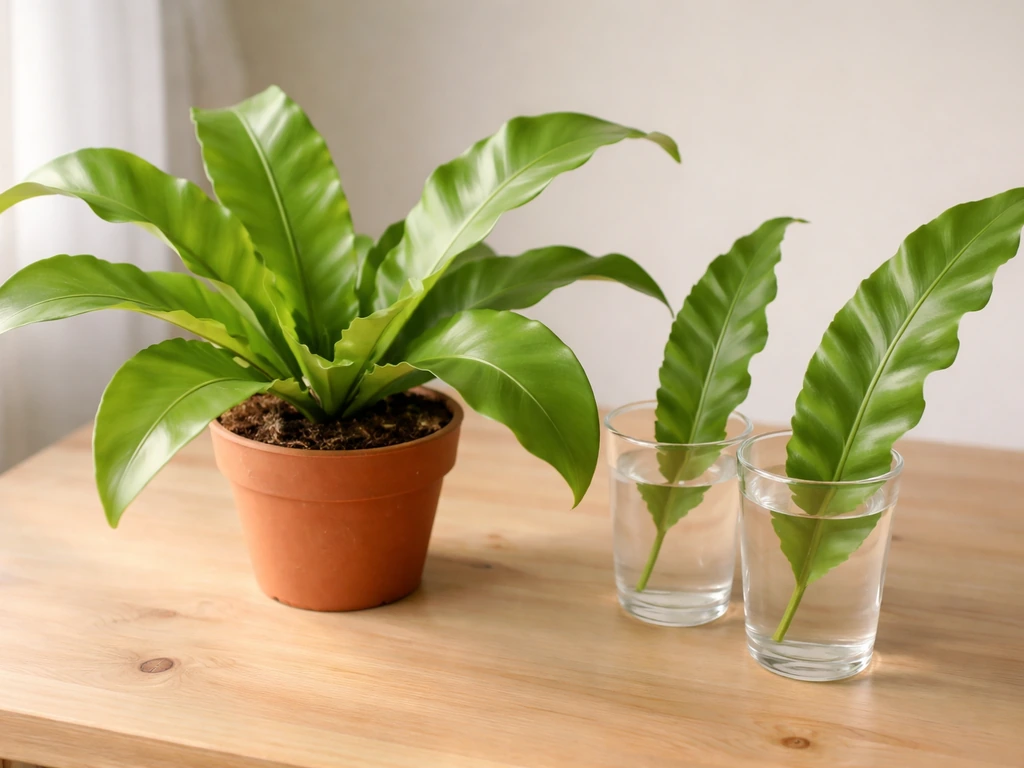
Fern identification is where foraging goes wrong, and the common name "bird's nest fern" makes things worse because it can apply to several closely related Asplenium species. The name alone is not enough to confirm what you have. Asplenium nidus, the most common version sold as a houseplant or grown in gardens, has a distinctive look, but it does share its rosette shape with other ferns that may not have the same safety profile.
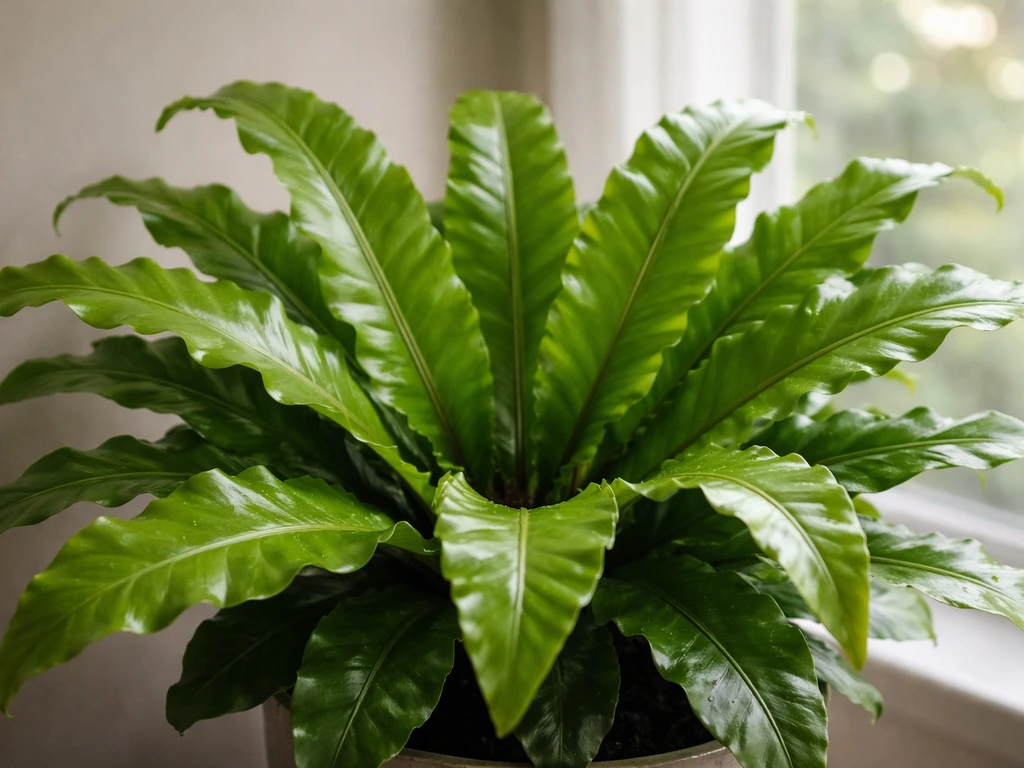
Key identifying features of Asplenium nidus specifically:
- Fronds are large, strap-shaped, and undivided (not feathery or pinnate like many ferns)
- Leaf edges are wavy or slightly ruffled, not serrated or deeply cut
- Fronds are glossy and bright green with a dark central midrib
- New fronds emerge tightly coiled from the center of the rosette, forming a cup or "nest" shape
- Typically epiphytic in the wild, meaning it grows on tree surfaces rather than in soil
- Undersides of mature fronds show long, narrow brown sori (spore lines) running parallel to the midrib
The plant that could genuinely trip you up is any other Asplenium species sold under the same common name, or unrelated ferns with a vaguely similar rosette shape. If you are looking at a plant with divided or feathery fronds, it is almost certainly not Asplenium nidus, no matter what the label says. When in doubt, get a scientific name confirmed before doing anything else.
Edibility status: what "edible" actually means here
When people look up whether a plant is edible, they often assume the answer is binary: it is food or it is poison. With bird nest fern, neither label fits cleanly. If you are wondering about whether bird nest fern has an expiry date like packaged foods, there is no reliable food-safety guidance for eating it.
White fungus is a different kind of problem, and it also should not be confused with a plant that is safe to eat With bird nest fern. The accurate description is "not documented as food and not confirmed toxic at typical exposure levels. During pregnancy, it is especially important to avoid experimental plant-eating when there is no reliable safety or nutrition evidence. " That is a research gap, not a safety endorsement.
For comparison, some ferns do have genuine food use. Fiddlehead ferns (young coiled fronds of Matteuccia struthiopteris, the ostrich fern) are a real food with documented preparation methods. Bracken fern has traditional use in parts of Asia but also carries real carcinogen concerns. Bird nest fern sits in neither camp.
It does not appear in credible foraging guides as a food source, and it has not been studied for nutritional value or safe preparation methods. If you are asking this as a cancer patient or caregiver, you should also treat eating any unverified plant as higher risk, which overlaps with guidance on can cancer patient eat bird nest. Eating it would be experimental in the most literal sense.
If you are wondering whether a bird nest fern that has gone past its prime can be eaten, it still does not have established safe guidance can expired bird nest be eaten.
Real risks to know about before handling or tasting
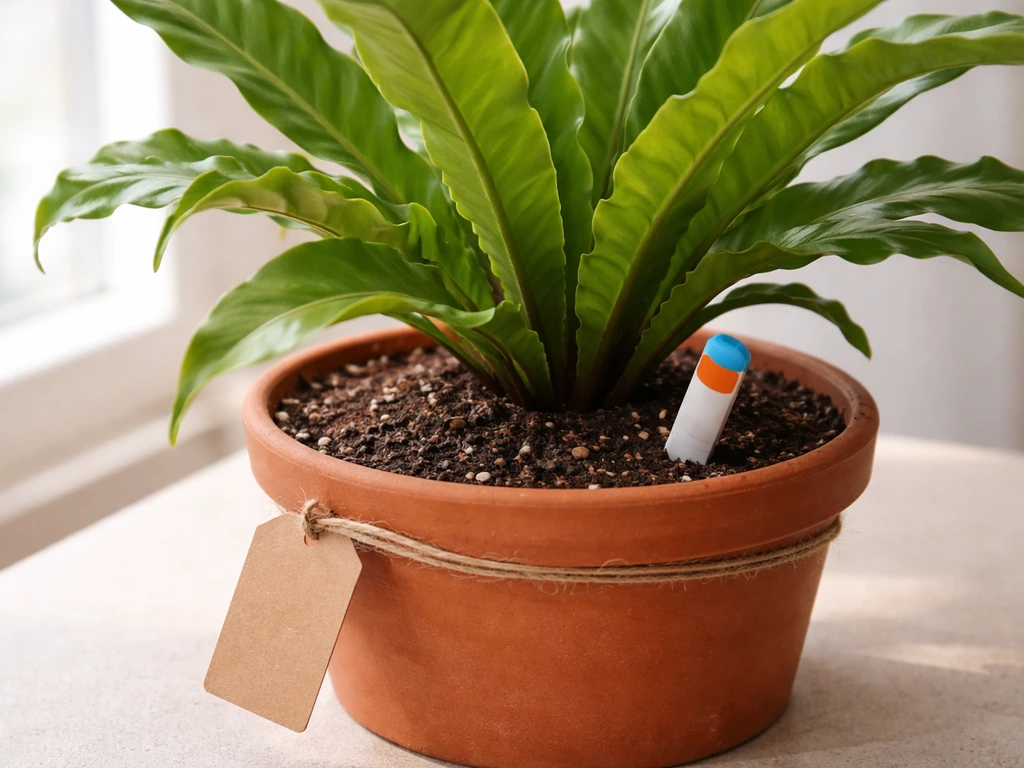
Even if a plant is not acutely toxic, there are several practical hazards worth taking seriously with any houseplant or garden fern:
- Pesticide and fertilizer residues: Houseplants and nursery stock are routinely treated with systemic pesticides and fungicides that do not wash off. A plant labeled bird nest fern at a garden center may carry chemical residues that were never meant to come into contact with food.
- Potting mix contamination: Indoor growing media often contains added wetting agents, slow-release fertilizer pellets, and other additives that are not food-safe.
- Skin and eye irritation: Some ferns, including certain Asplenium species, can cause mild skin irritation in sensitive individuals. Wear gloves when handling, wash hands before touching your face, and avoid getting plant sap or spore dust in your eyes.
- Mold and bacterial contamination: Ferns grown in humid conditions can harbor mold at the base of the fronds or in the root ball. Eating moldy plant material carries its own risks entirely separate from the plant itself.
- Allergic reactions: People with fern allergies or sensitivities to spores can react to handling or being around the plant, let alone consuming it.
If you are determined to try: a conservative preparation approach
This section is not a recommendation to eat bird nest fern. It is here because some readers will try regardless, and doing so with fewer risk factors is better than doing so carelessly. If you are going to experiment, here is the most conservative possible approach:
- Confirm the scientific name first. Get a confirmed ID of Asplenium nidus from a plant expert or extension service before anything else. Do not rely on a store label or a casual photo match.
- Use only plants you have grown yourself from untreated stock, with no pesticide or fertilizer use for at least a full growing season.
- Harvest only young, clean fronds from a healthy plant. Avoid any frond with discoloration, mold spots, or visible pest damage.
- Wash thoroughly under running water and inspect carefully.
- Cook rather than eating raw. Cooking reduces some plant compounds and kills surface contamination.
- Try a very small amount first and wait 24 hours to monitor for any reaction before eating more.
Things to avoid completely: eating ferns foraged from the wild without expert ID confirmation, eating any plant that came from a nursery or garden center without knowing its chemical treatment history, eating large quantities of any untested plant, and treating "not listed as toxic" as a safety guarantee.
When not to eat it: special cases
Some situations call for a harder no, not just a cautious approach:
- Children: Kids are more sensitive to plant compounds by body weight, and a "probably fine in small amounts" margin of safety shrinks considerably. Keep bird nest fern out of reach and do not offer it as food to children.
- Pets: Dogs, cats, and small mammals may nibble on houseplants. Asplenium nidus is listed as non-toxic to dogs and cats by the ASPCA, which is reassuring for accidental nibbling, but that does not make it appropriate to feed as part of their diet. If your pet eats a significant amount of any houseplant, call your vet.
- Pregnancy: There is no safety data for consuming bird nest fern during pregnancy or while breastfeeding. Given the research gap, this is a category where you simply do not experiment. Pregnancy-specific questions about consuming bird nests in other forms (such as bird's nest soup) involve entirely different source material.
- Allergy or asthma: People with fern spore allergies, respiratory sensitivities, or known plant latex reactions should handle bird nest fern carefully and avoid any consumption.
- Uncertain identification: If you are not 100% certain you have Asplenium nidus and not a lookalike, do not eat it. Full stop.
How to get a reliable plant ID and what to do after accidental ingestion
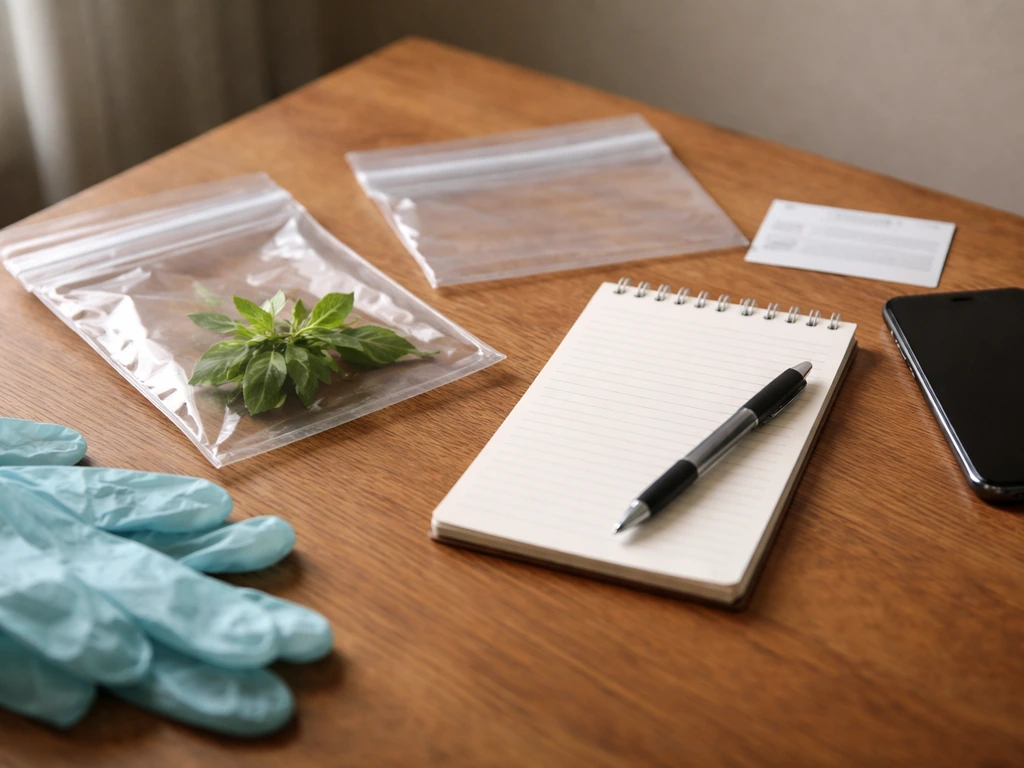
If your goal is to confirm what you actually have before making any decisions, these are the resources that will give you a credible answer:
- Your local Cooperative Extension office (connected to a land-grant university in most US states) often has a master gardener hotline or plant ID service. Look up your state's extension service online to find the contact.
- The Missouri Botanical Garden Plant Finder and similar university botanical databases let you compare your plant against confirmed photos and descriptions.
- iNaturalist allows you to upload photos and get ID suggestions from a large community of botanists and naturalists. It is not infallible, but a consensus ID from experienced users is a solid starting point.
- Local plant nurseries that specialize in ferns or native plants often employ staff who can confirm a scientific name with a photo or in-person look.
If a person has eaten a significant quantity of any fern plant and you are unsure about safety, call the US Poison Control Center at 1-800-222-1222. They handle plant ingestions and can tell you whether the specific plant is a concern and what symptoms to watch for. For pets, call the ASPCA Animal Poison Control Center at 888-426-4435 or contact your vet directly.
One last practical note: if the original question behind your search was really about feeding birds or wildlife rather than about eating the plant yourself, bird nest fern does not belong in that category either. Safe backyard bird feeding is about seeds, suet, and appropriate fresh foods, not houseplants. Redirecting to responsible seed-based feeding practices is a much better path than experimenting with plant foraging for either people or the birds visiting your yard.
FAQ
If bird nest fern is not documented as edible, what should I do if I already tasted a small piece?
Do not keep eating it, rinse your mouth, and monitor for symptoms (mouth irritation, nausea, vomiting, diarrhea). Because safety data is lacking, treat even “small taste” as an exposure and contact Poison Control if you have any symptoms or if the amount was more than a nibble.
Can bird nest fern be used as a garnish or in small amounts, like for smoothies?
No reliable guidance exists for safe culinary use, so there is no “small amount” rule you can safely follow. If you want fern-based ingredients, use documented edible species instead of experimenting with Asplenium nidus.
What symptoms would be a reason to call Poison Control urgently after ingestion?
Call right away if there are repeated vomiting, trouble swallowing, wheezing or breathing trouble, severe abdominal pain, unusual sleepiness, or rapidly worsening gastrointestinal symptoms. If symptoms are mild but you are uncertain about the plant species or the quantity, it is still appropriate to ask Poison Control what to watch for.
How can I tell if I actually have Asplenium nidus, since the common name “bird nest fern” is used for multiple plants?
Confirm by scientific name, not just the common name. Look for a full rosette with broad, undivided fronds and verify the label or take clear photos of the crown and frond shape. If you cannot confirm the scientific name, treat it as not edible and do not experiment.
Could bird nest fern be contaminated with pesticides or garden chemicals if someone picked it from outside?
Yes. Even if a plant were harmless in theory, nursery and garden treatments can change the risk. Avoid ingestion of any plant unless you can reliably rule out chemical treatment history, which is usually not possible for wild or reused yard growth.
Is it safer if the fern is cooked, steamed, or boiled?
Cooking does not substitute for evidence of edibility. With untested plants, heating can reduce some surface irritants but does not establish safety, and it can also concentrate certain compounds depending on the plant and preparation method.
What if a pet or child chewed bird nest fern but only got tiny amounts?
For pets, call ASPCA Animal Poison Control or your vet, and be ready to share the pet’s weight and the estimated amount eaten. For children, call Poison Control even after small amounts if there is drooling, vomiting, or persistent mouth pain, since reactions can vary.
Does having “white fungus” or mold on a bird nest fern change whether it is edible?
Yes, and it should make you avoid it entirely. Mold and rot can create additional toxins or irritants that are not related to the plant itself. The safest approach is not to eat any plant that shows fungus or has been rotting.
Is there any situation where bird nest fern is used safely, for example in herbal remedies?
There is no established, credible record of human preparation and safe use for Asplenium nidus. If you see “folk remedy” claims, treat them as unverified, because they do not provide dosage or safety evidence.
What is the safest alternative if I’m trying to eat something “fern-like”?
Choose a fern that is specifically documented as edible and learn a known preparation method for that species. For example, edible fiddleheads come from a particular species and require correct harvesting and cooking steps, unlike bird nest fern which lacks culinary guidance.