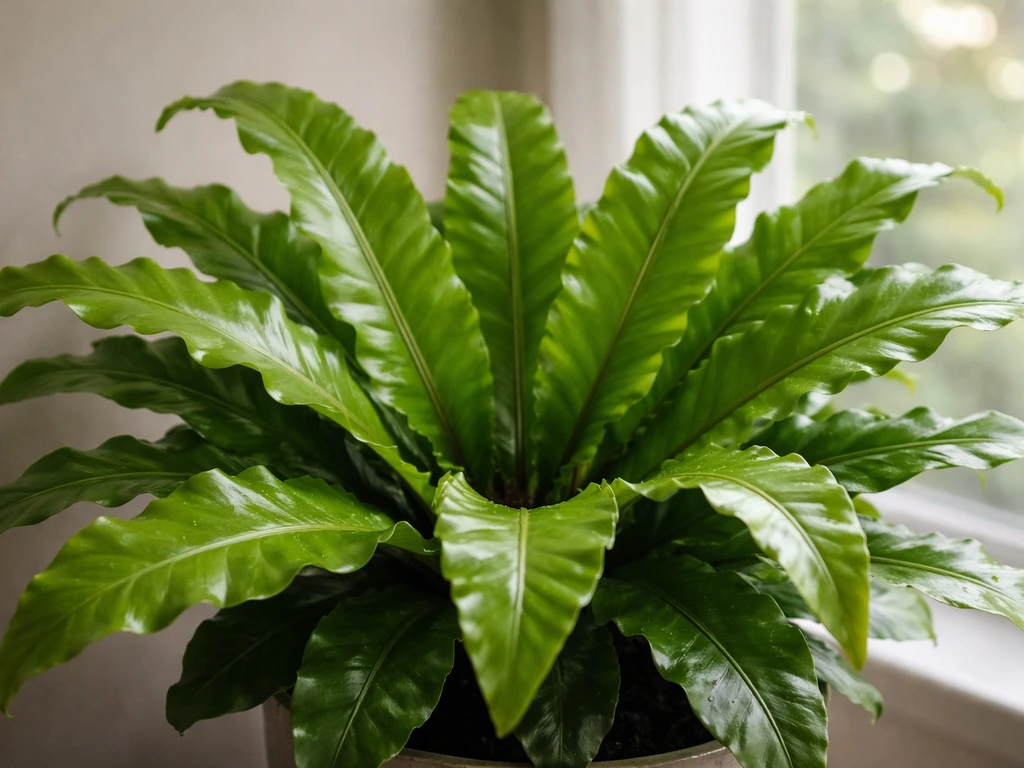
Bird nest fern (Asplenium nidus) is not considered toxic or poisonous to people, cats, dogs, or most backyard wildlife. If you are wondering is bird nest fern edible for people, the guidance is to treat it as a non-food plant and avoid eating it unless a trusted source explicitly says otherwise. It does not contain the alkaloids, glycosides, or other harmful compounds found in genuinely dangerous plants. That said, 'non-toxic' does not mean 'eat freely', if a pet chews a large amount, mild stomach upset is still possible. Because it is non-toxic, small bites are usually harmless, but eating a lot, especially if the plant was recently treated, can still cause stomach upset can expired bird nest be eaten. The practical verdict: this is a low-risk plant, not a medical emergency, but you still want to act sensibly if a pet or child gets into it.
Is Bird Nest Fern Poisonous? Safety and What to Do

Quick answer: is bird nest fern poisonous?
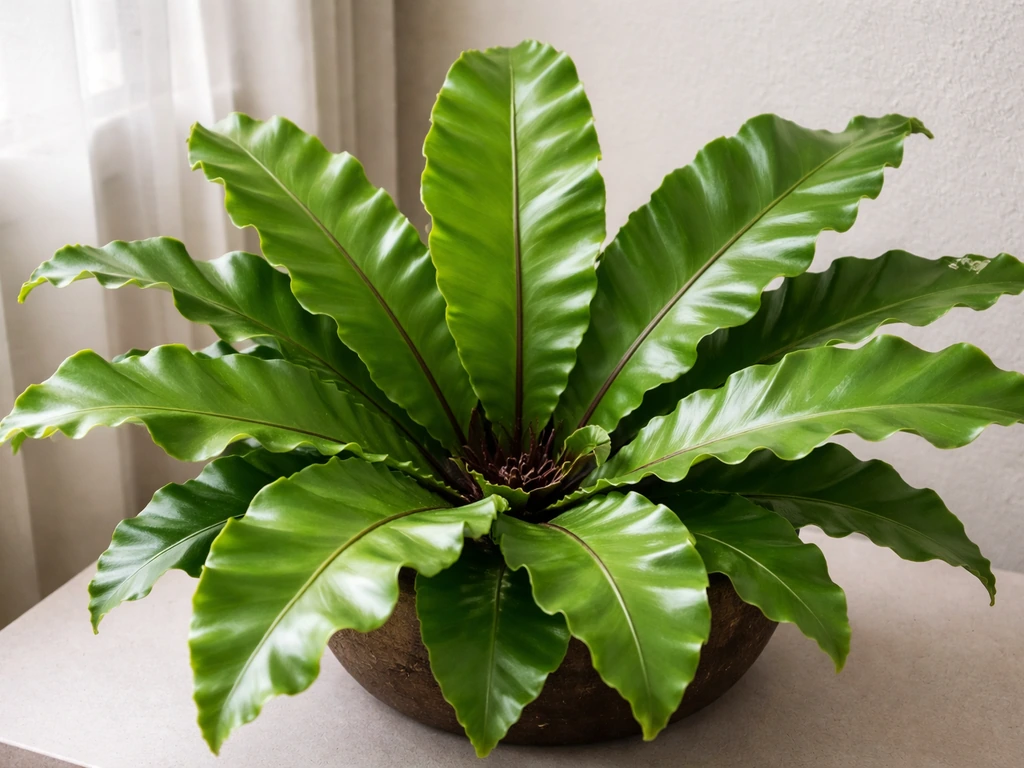
Asplenium nidus is not on the ASPCA's toxic plants list, and it is not recognized as a poisonous plant by major poison control authorities. It belongs to the spleenwort family of ferns, which are broadly considered safe around people and pets. If you are seeing the name 'bird's nest fern' associated with toxicity warnings online, double-check whether the source is actually referring to a different plant, there is some name overlap in the houseplant world, and other plants with similar common names can have very different risk profiles. This article specifically covers Asplenium nidus, the popular tropical houseplant with broad, glossy fronds that grow in a rosette pattern.
One important distinction worth making here: bird nest fern the houseplant is completely separate from bird's nest soup (made from swiftlet saliva nests) and from other 'bird nest' products popular in Southeast Asian wellness traditions. Those have their own set of questions around safety and legality. Bird's nest soup legality in the US is a separate question from the plant and depends on how the nests are sourced and handled. This article is purely about the green, leafy Asplenium nidus sitting on your windowsill.
Who's actually at risk?
Because the plant itself is non-toxic, serious risk is essentially off the table for most scenarios. But certain groups are still worth thinking about, not because of the plant's chemistry, but because of how they interact with it.
Cats
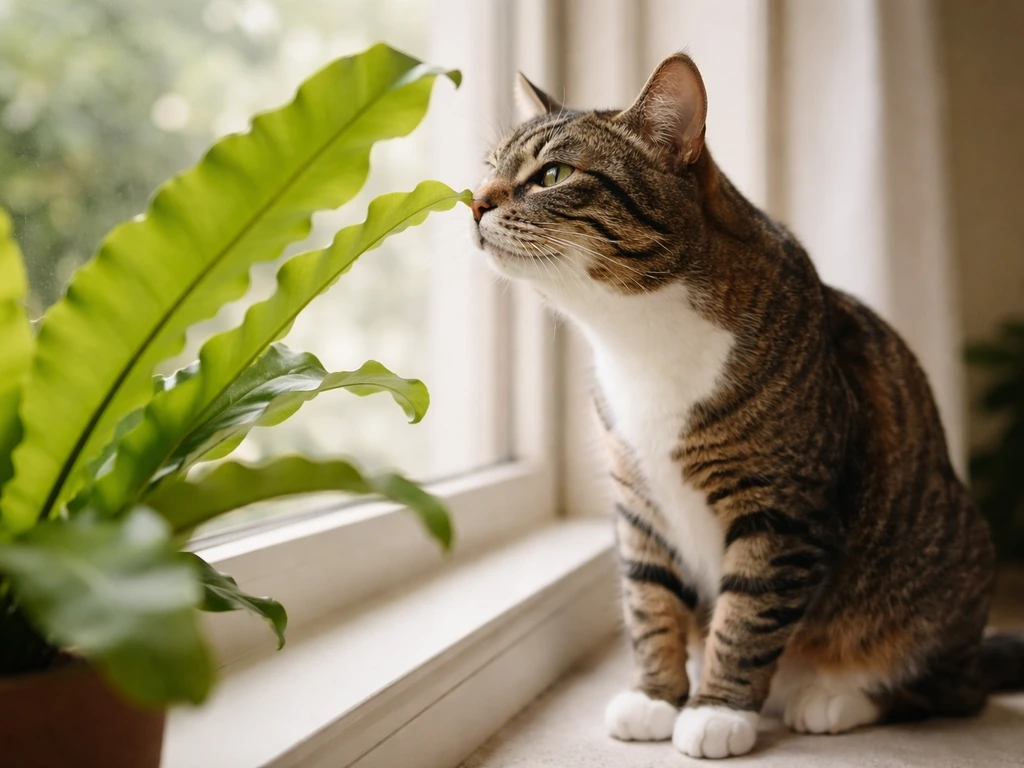
Cats are the most likely household culprit for nibbling on houseplants. A cat that chews bird nest fern fronds may experience mild drooling or a brief bout of vomiting, not because the plant is toxic, but because cats lack the digestive enzymes to handle plant fiber well. This is the same reaction many cats have to any non-toxic plant material. It is uncomfortable for the cat and unpleasant to clean up, but it is not dangerous.
Dogs
Dogs, especially younger or more curious ones, may chew or ingest pieces of the fern. As the ASPCA notes, even non-toxic plants can trigger vomiting and gastrointestinal upset in dogs if eaten in quantity. A dog that eats a small piece is unlikely to show any symptoms. A dog that eats most of the plant may vomit or have loose stools for a day. Neither scenario is a toxicological emergency.
Children
Young children who put fern fronds in their mouths are at extremely low risk. If you are wondering whether a cancer patient can eat bird nest, it's best to consult a clinician first because guidelines for supplements and foods can vary by person and treatment can cancer patient eat bird nest. The plant is not toxic, and any skin contact is similarly benign for the vast majority of people. But if you are pregnant, it's still best to avoid eating bird nest fern during your first trimester and stick with safer food options can eat bird nest during first trimester. A very small number of individuals may have a plant-related contact allergy, which could cause localized skin irritation, but this is rare and not specific to bird nest fern.
Backyard birds and wildlife
Birds that visit your yard and happen to peck at or forage near a bird nest fern kept outdoors are not in any danger from the plant itself. Wild rabbits, squirrels, and other small mammals may nibble on it opportunistically with no ill effect. The fern is not a target for most foraging wildlife anyway, it simply does not provide the seeds, berries, or insects that attract them.
What happens if a pet or child chews or eats it?
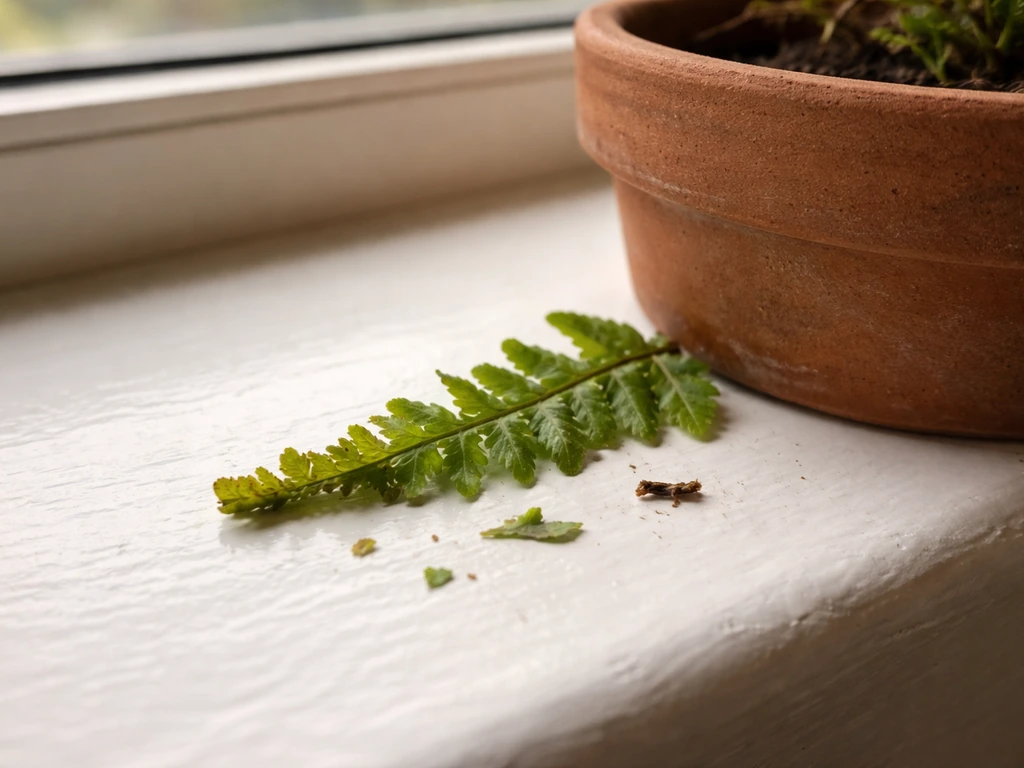
Most of the time: nothing notable. If symptoms do appear, they are almost always mild and short-lived. Here is what to actually watch for in the hours after exposure.
| Who ate it | Likely symptoms | Severity |
|---|---|---|
| Cat (small amount) | Drooling, one episode of vomiting | Very mild, self-resolving |
| Cat (large amount) | Repeated vomiting, lethargy | Mild — monitor closely |
| Dog (small amount) | No symptoms or brief loose stool | Minimal |
| Dog (large amount) | Vomiting, diarrhea, appetite loss | Mild — contact vet if prolonged |
| Child (mouthed or swallowed piece) | Possible drooling, minor stomach discomfort | Very low risk |
| Backyard wildlife | No expected symptoms | Negligible |
Symptoms that should make you call a vet or poison control immediately, regardless of what was eaten, include repeated or uncontrollable vomiting, difficulty breathing, tremors, collapse, or extreme lethargy. These symptoms are not expected with bird nest fern ingestion, but they signal something more serious may be going on, including the possibility that the plant was treated with chemicals (more on that below).
What to do right now after exposure
Even with a low-risk plant, the right first steps matter. Pet Poison Helpline advises against inducing vomiting without professional guidance and recommends calling the helpline or a vet instead blank" rel="noopener noreferrer">Even with a low-risk plant, the right first steps matter.. For practical do/don’t guidance after a suspected poisoning, Pet Poison Helpline recommends avoiding unsafe home remedies and contacting the helpline for tailored instructions blank" rel="noopener noreferrer">the right first steps matter. Follow this sequence and you will handle it well regardless of how things unfold.
- Remove access to the plant immediately — move the pet or child away from the fern so they cannot eat more.
- For a child: rinse their mouth gently with water. Poison.org recommends a 15-minute rinse for skin or mouth exposure to unknown substances. For bird nest fern, a quick rinse is sufficient.
- Do NOT try to induce vomiting in a pet on your own. The Pet Poison Helpline is clear on this: do not give home antidotes or attempt to make the animal vomit without professional guidance.
- Monitor for 2 to 4 hours. Watch for vomiting, excessive drooling, lethargy, or any behavior that seems off.
- If your pet shows more than one mild symptom, or if symptoms are not resolving on their own, call your vet.
- If you are unsure or want professional reassurance, call ASPCA Animal Poison Control at (888) 426-4435 or Pet Poison Helpline at (855) 764-7661. For a child, call Poison Control at 1-800-222-1222 or use webPOISONCONTROL at poison.org.
In most cases involving bird nest fern, you will not need to do anything beyond steps one and two. The monitoring step is just good practice when any plant has been chewed or eaten, especially if you are not 100 percent certain the plant was not treated with chemicals.
Hidden causes of real toxicity risk (the stuff most guides skip)
Here is where things actually get complicated. The fern itself is safe, but the way you care for it can introduce real hazards.
Pesticides and fertilizers
If you recently treated your bird nest fern with a systemic insecticide, a fungicide spray, or a synthetic fertilizer, the plant surface and soil carry residue that is genuinely toxic to pets and children. This is by far the most underappreciated risk when a pet chews a 'non-toxic' houseplant. Symptoms of pesticide ingestion in pets look very different from mild plant-related GI upset, they can include tremors, excessive salivation, seizures, and rapid deterioration. If your plant was treated recently and a pet has chewed on it, treat it like a real toxicology event and call poison control or your vet immediately.
Mixed plant exposure
Many households keep multiple plants together. If a pet goes on a plant-chewing spree, they may have sampled the bird nest fern AND something genuinely toxic, like a pothos, peace lily, or sago palm, nearby. Never assume mild behavior means only one plant was eaten. Check what else the pet had access to, and report the full list when you call poison control.
Plant name confusion
Some plant retailers and online sources use 'bird's nest fern' loosely. Asplenium nidus is safe, but other ferns sold under similar names may not be. For example, some brackens (Pteridium species) are toxic to livestock and potentially harmful to other animals. If you are not certain your fern is specifically Asplenium nidus, look for the broad, undivided fronds growing in a circular rosette with a dark center, that is the identifying feature. A divided or feathery fern sold as 'bird's nest' may be a different species entirely.
How to keep it safe at home
Even though bird nest fern is low-risk, there are practical reasons to keep pets and wildlife away from your houseplants in general. It also has no standard “expiry date” like some foods or medicines; the main thing to check is whether it has been treated with anything and whether it is still in good condition Even though bird nest fern is low-risk. Here are the most effective strategies.
Placement
Bird nest fern thrives in indirect light, which makes it easy to place on a high shelf, hanging basket, or plant stand that is out of reach of floor-level pets. Hanging planters are especially effective for cats, since they remove both the plant and the interesting soil from the cat's reach. Avoid placing it near furniture that acts as a launch pad for jumping cats.
Deterrents
- Citrus peel placed in the pot soil — cats and dogs dislike the smell and tend to avoid the area.
- A light dusting of cayenne pepper around the base of the pot (not on the plant itself) works as a short-term deterrent for dogs.
- Double-sided tape on the surface near the plant discourages cats from jumping up to investigate.
- Commercial bitter sprays applied to the lower fronds of the plant will deter most chewing without harming the plant.
Pet-friendly alternatives if you want to remove the temptation entirely
If you have an obsessive plant-chewer and want total peace of mind, there are other non-toxic ferns and foliage plants that are similarly easy to care for: Boston fern (Nephrolepis exaltata), maidenhair fern (Adiantum), and prayer plant (Maranta leuconeura) are all widely confirmed as non-toxic to cats and dogs. Providing a pot of cat grass or wheatgrass as a designated chewing spot can also redirect the behavior away from all your other plants.
For outdoor situations where you are thinking about birds and backyard wildlife, bird nest fern is not a plant that attracts or endangers typical feeder visitors. If you are feeding birds nearby, the fern poses no additional hazard. Just make sure your bird feeding area is clear of any plants that have been recently sprayed with pesticides, since residue on insects and seeds can reach birds indirectly.
Bottom line: bird nest fern is one of the genuinely pet-friendly houseplants you can keep without serious worry. The risk sits not in the plant itself but in how it is treated and what is growing next to it. Keep it clean, keep it elevated if you have curious pets, and you are in good shape.
FAQ
What should I do if my pet or child ate a small piece of bird nest fern, and when is monitoring enough?
If your child or pet only had a tiny nibble and the plant is from a normal indoor environment, you usually just monitor for mild GI upset (vomiting once, mild diarrhea, drooling) and maintain hydration. Save the plant piece and note the time, because the “when” matters more than the “exact” amount if symptoms start. Call poison control or your vet sooner if you cannot confirm it is Asplenium nidus or if you recently applied any product to the plant or soil.
How can bird nest fern be “non-toxic” but still make a pet sick?
Don’t rely on the phrase “non-toxic” from a label or a website alone. Many hazards come from residue after treatment, even if the fern species itself is safe. If you sprayed or fertilized within the last few weeks, assume there may be residue and contact a vet or poison control for guidance, especially for cats and dogs that chew repeatedly.
My plant was fertilized or sprayed recently, but I thought it was safe. What should I do if my pet chewed it?
In general, if the fern was treated with a systemic insecticide, fungicide, or synthetic fertilizer, residue on the leaves and potting mix can cause real poisoning signs. You should treat it as a toxic exposure, not just an upset stomach, and call your vet or poison control right away if chewing occurred. The urgency is higher if you used a product meant for fast pest kill, or if you see symptoms like drooling, tremors, repeated vomiting, or unusual agitation.
What if the plant I have is labeled “bird’s nest fern” but I’m not sure it is Asplenium nidus?
Yes, but the key is the “species match.” Some plants sold with similar common names are not Asplenium nidus. Check for the hallmark rosette with broad, undivided fronds and a dark center. If the fronds look feathery or divided, or if you cannot confirm the plant name on the tag/receipt, get professional identification before assuming safety.
Are there dog-specific warning signs that mean I should seek care sooner?
If a dog eats most of the plant or is vomiting repeatedly, loose stools that persist, or acts very weak, call your vet even if you think the plant is non-toxic. Severe symptoms that can indicate something else include trouble breathing, collapse, tremors, or rapid worsening. For dogs, quantity and recurrence matter more than whether it “seems mild at first.”
Should I induce vomiting or give activated charcoal if my pet ate bird nest fern?
If you see symptoms after chewing, do not induce vomiting at home unless a veterinarian or poison control specifically instructs you. Also avoid giving home remedies like milk, oils, or activated charcoal unless directed, because timing, the animal’s size, and the suspected exposure change what is safest. Focus on contacting the right source with the plant details (name if known, time, and any products used).
What if someone gets irritation after touching bird nest fern, is that allergy or poisoning?
Skin contact is usually not a concern, but contact allergy, while uncommon, can happen. If you notice persistent redness, swelling, hives, or itching on an exposed area, wash with soap and water and consider medical advice if it worsens or spreads. These reactions are typically managed like other contact irritant or allergic rashes, not as plant poisoning.
Is bird nest fern dangerous to wildlife or birds if it’s planted outdoors?
If a plant is outdoors and wildlife has nibbled it, the plant itself is not a typical danger signal. The main practical concern is pesticide residue, because birds and small mammals can be affected indirectly through contaminated insects or directly from residue on leaves or seeds in the area. If you recently sprayed nearby, switch to non-spraying intervals and remove the plant from access while residues dissipate.
Can pregnant people ever eat bird nest fern, or should it be avoided entirely?
If you are pregnant, the article’s advice is to avoid eating bird nest fern, especially in early pregnancy. For general plant ingestion concerns during pregnancy, stick to the safest approach: treat the fern as a non-food and avoid supplements or home remedies made from it unless your clinician explicitly approves.
Does bird nest fern affect bird feeding areas or bird safety if I keep it outdoors?
If you are feeding birds in the backyard, the fern is not an attractant and usually does not add risk by itself. The bigger issue is treated plants nearby, because residues can move through insects and seeds. Keep feeding areas away from plants that have been recently sprayed, and avoid letting feeders sit under areas where leaves or soil wash down after watering or rain.
Guidance on whether cancer and chemo patients can safely eat bird nest, risks from contamination, dosing tips, and when
Learn if expired bottled bird nest is safe to eat and how to check seals, storage, spoilage and health risks.
Clear US legality check for bird nest soup, key federal rules, risks, and a today checklist of what to do next.