An expired best-by date on bottled bird's nest does not automatically make it unsafe. If the seal is intact, the product was stored correctly, and there are no signs of spoilage (no off smell, no cloudiness, no mold, no swollen lid), it is very likely still fine to eat. If any of those conditions fail, throw it out. The date on the label is a [quality marker, not a hard safety cutoff](https://www.
Can Expired Bird Nest Be Eaten? Safety Checks for Bottled

Maya Henderson
27 Apr 2026
usda. gov/sites/default/files/documents/USDA-Food-Date-Labeling-Infographic. pdf), but storage conditions and what you find when you open it matter far more than the printed date. FDA explains that, except for infant formula, many date labels on packaged foods like “Best if Used By” are quality guidance rather than strict safety cutoffs [date labels are quality guidance rather than strict safety cutoffs](https://www.
fda. gov/food/consumers/how-cut-food-waste-and-maintain-food-safety).
What 'bird nest' means here (and what 'expired' usually refers to)
Edible bird's nest (sometimes called swallow's nest or swiftlet's nest) is a culinary ingredient made from the solidified saliva of edible-nest swiftlets. It has been used for centuries in Asian cuisines, typically in soups and drinks, and is believed to have nutritional value. You will find it sold as dried strands or cups, and increasingly as ready-to-drink bottled products with rock sugar or ginseng, pre-cooked and sealed. That bottled format is what most people are asking about when they search this question. Some people also wonder if other forms of bird nest, like bird's nest fern, are edible, but that is a different plant from the culinary edible bird's nest product discussed here is bird nest fern edible.
Quick note: bird's nest fern (genus Asplenium) is a completely different thing, a houseplant, and has nothing to do with the edible ingredient. This article is only about the food product.
When the label says 'expired,' it almost always means the Best By or Best Before date has passed. If you are wondering about whether bottled bird's nest has an expiry date, the label usually uses Best By or Best Before wording does bird nest have expiry date. According to USDA food-safety guidance, that type of date is a quality indicator, not a safety cutoff. It tells you when the manufacturer expects the product to be at its best flavor and texture, not the date after which it becomes dangerous. The one category where date labels carry hard safety weight is infant formula. Bottled bird's nest is not in that category.
How bottled bird's nest should be stored and what the labels mean
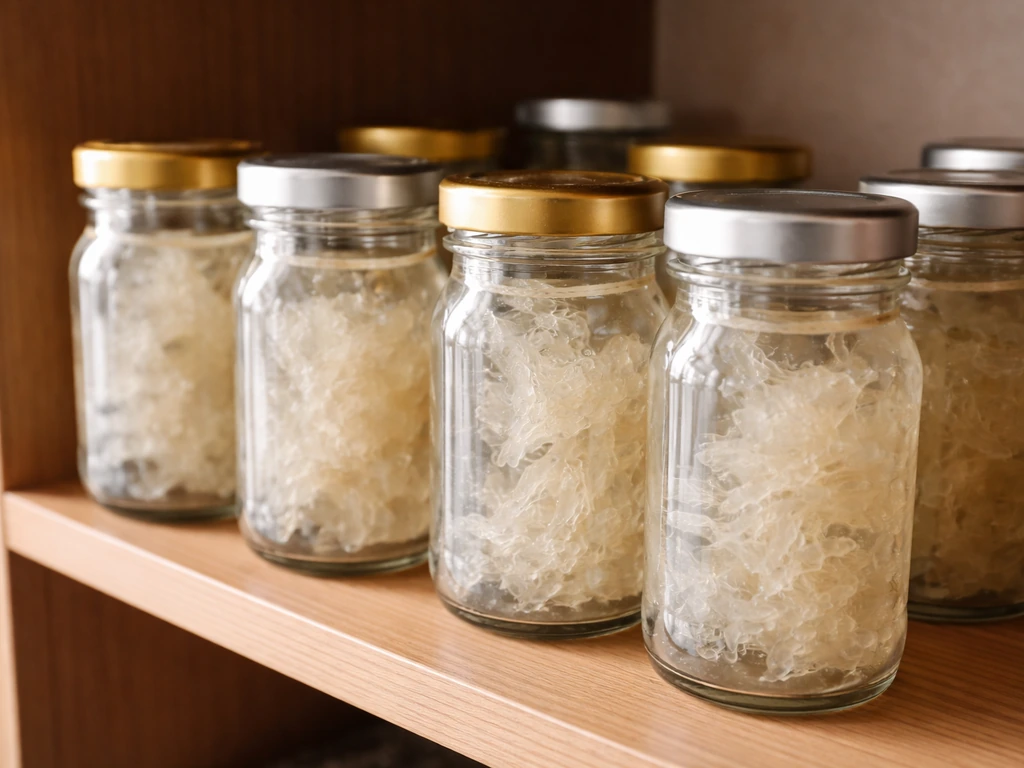
Most commercially bottled bird's nest products list a shelf life of around two to three years from the production date when unopened and stored at room temperature away from direct sunlight and heat. Once you open it, the rules change completely. Brands like New Moon specify consuming within 12 hours of opening, and GoldenNest explicitly states the product must be refrigerated at all times after opening. Some product pages (like FairPrice's listing for concentrated bird's nest) simply say 'consume immediately after opening.' That is not marketing language. It reflects the fact that these are pre-cooked, high-moisture, protein-rich liquids that become hospitable to bacteria fast once the seal is broken.
So if your bottle is past its Best By date but has never been opened and was kept in a cool, dry pantry, that is a very different situation than a bottle that was opened a week ago and left on the counter. The date alone tells you almost nothing without knowing those storage details.
Quick spoilage checks you can do right now
Before you decide anything, run through these checks on the bottle and its contents. They take about two minutes and give you a much clearer answer than the date label ever will.
Check the packaging first
- Is the lid or seal bulging, cracked, or leaking? Discard immediately. This is a red flag for gas-producing bacterial activity inside.
- Is the lid seal still fully intact and unbroken? If yes, that is a good sign.
- Is there any visible rust or damage to a metal cap? Do not consume.
- Does the lid pop or hiss when opened for the first time? A vacuum seal breaking with a slight hiss is normal. Pressure releasing outward (suggesting internal gas buildup) is not.
Check the contents
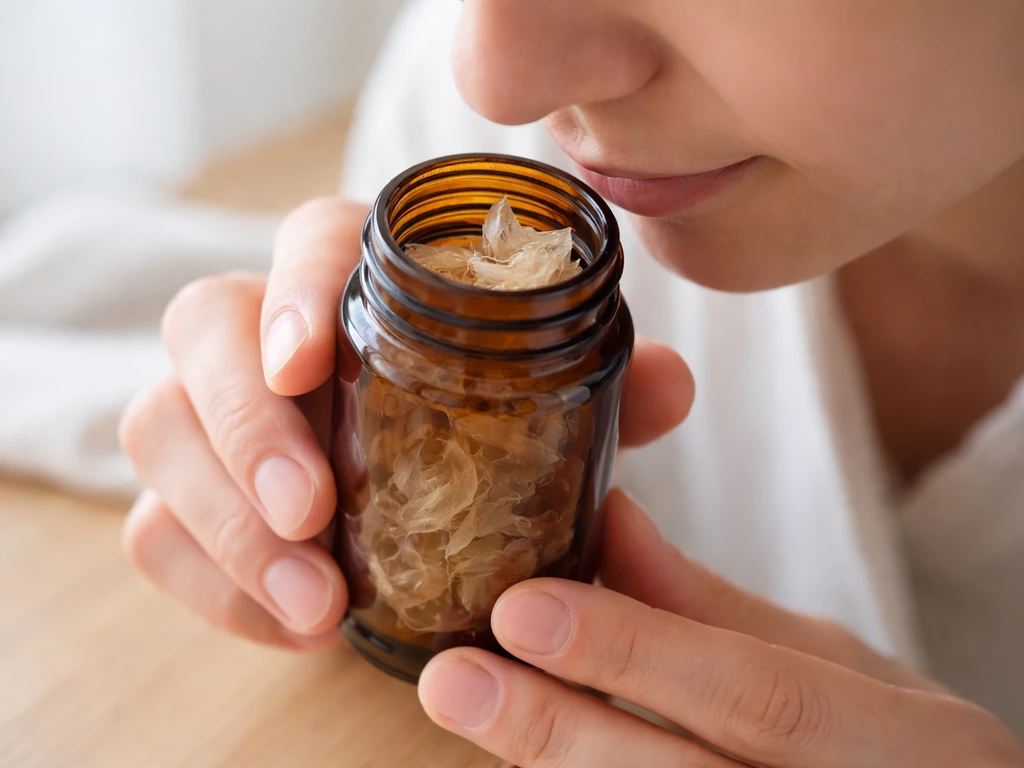
- Smell it immediately after opening. Fresh or properly aged bottled bird's nest has a mild, slightly sweet, neutral aroma. A sour, fermented, rotten, or strongly 'off' smell means discard.
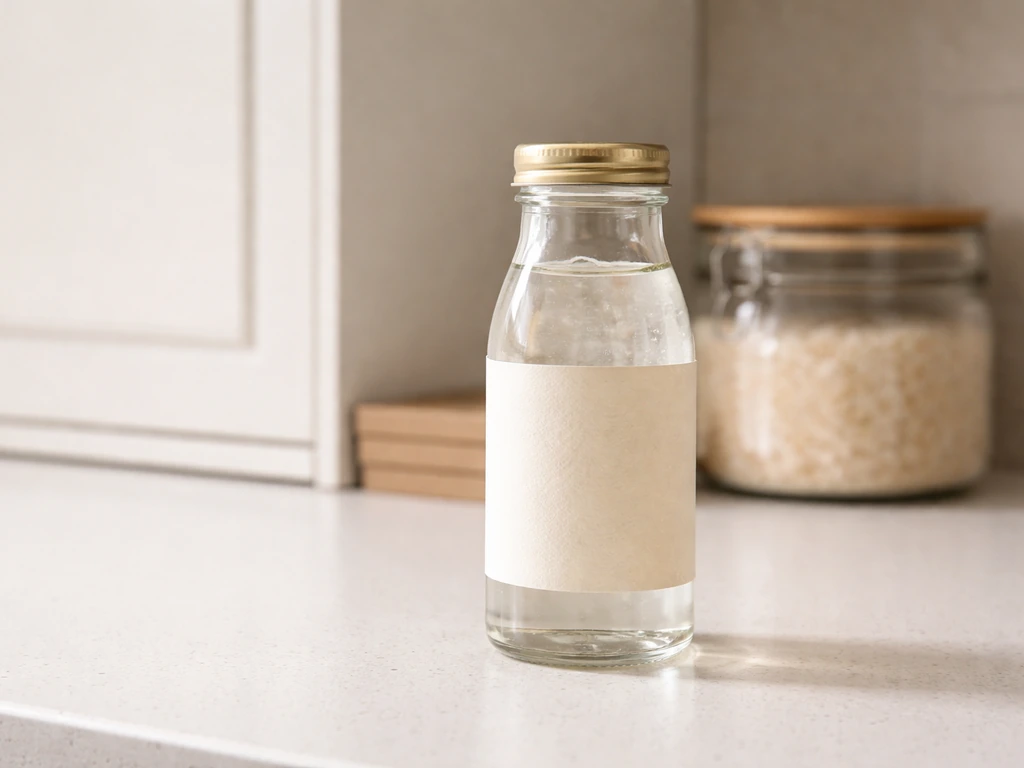
- Look at the liquid. It should be clear to lightly golden depending on the formula. Unexpected cloudiness, murky sediment, or visible mold spots on the surface or on the nest strands are discard signals.
- Check the texture of the nest strands. They should be soft and gelatinous. Sliminess, unusual disintegration, or a mushy paste-like consistency that differs from what you expect is a warning sign.
- Look for any visible mold (fuzzy patches in any color). If you see any, do not eat it. Do not try to scoop it out and eat the rest.
When expired bird's nest is definitely not safe to eat
The date is almost a secondary concern. The following conditions make the product unsafe regardless of when it was bottled.
- Mold of any kind is visible inside the bottle or on the nest strands.
- The liquid smells sour, fermented, or foul.
- The lid was bulging, cracked, or leaking before you opened it.
- The product was opened and left unrefrigerated for more than a couple of hours.
- The product was opened days ago and stored in the fridge but shows any cloudiness or off smell.
- The bottle was stored somewhere warm and humid (like near a stove or in a car) even if unopened, because heat abuse accelerates spoilage independently of the printed date.
Research on edible bird's nest has identified that fungi and bacteria are among the main microbiological concerns with this product. Precooked bird's nest products are specifically vulnerable to fermentation and bacterial contamination when exposed to favorable temperatures after opening. These are not theoretical risks. One manufacturer's warning explicitly states that failure to follow storage instructions will result in fermentation or bacterial contamination. That is the scenario you are trying to avoid.
Health risks if you eat spoiled bird's nest
Eating spoiled bird's nest carries the same category of risks as eating any spoiled high-protein, high-moisture food. The main concerns are foodborne illness from bacteria (nausea, vomiting, diarrhea, stomach cramps, and in more serious cases, fever), and potential exposure to mycotoxins if mold has been present for a while.
If you are trying to identify what you are seeing in a bottle, you may also find guidance on white fungus vs bird nest helpful for distinguishing harmless residue from concerning growth. Mycotoxins are toxic compounds produced by certain molds, and unlike the mold itself, they are not destroyed by cooking or reheating. This is why you cannot simply scoop off visible mold and eat the rest.
If mold grew in the bottle, the liquid around it may already be contaminated even if it looks fine. However, people also wonder whether bird nest fern is poisonous, so it is worth checking the exact plant before eating or using it.
People with compromised immune systems, pregnant women in their first trimester, cancer patients undergoing treatment, and the elderly face higher risks from any foodborne contamination. If you fall into one of those groups, err strongly on the side of discarding anything with even a borderline spoilage sign. The potential reward of not wasting an expensive product is not worth the health risk in those cases.
If it passes all the checks: how to prepare it safely
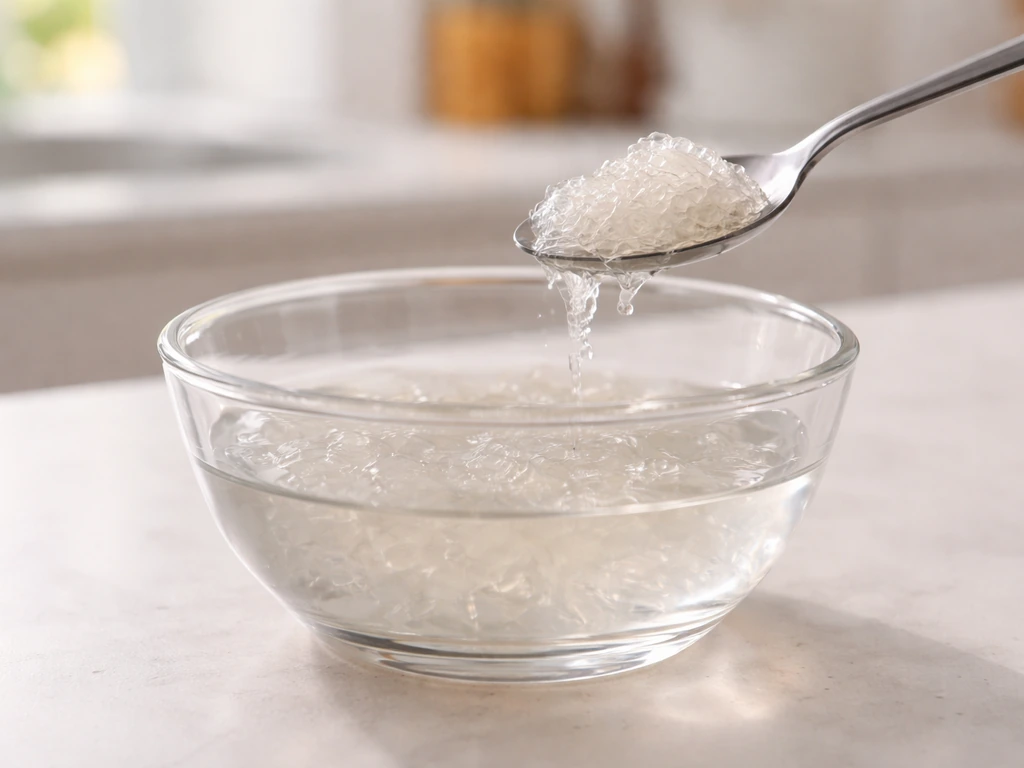
If your bottle passed every check above (intact seal, no off smell, clear liquid, normal texture, no mold, properly stored), it is very likely safe to consume even if the Best By date has passed. Here is how to handle it from this point forward.
- Consume the entire bottle in one sitting if possible, or within 12 hours if refrigerated after opening. Do not leave opened bird's nest sitting out.
- If the product is intended to be served warm, heat it gently to an internal temperature of at least 165°F (74°C) before eating. Do not boil it aggressively, as this can break down the delicate protein strands.
- Do not add raw or unclean utensils directly to the bottle if you plan to save any portion. Contaminating the remaining liquid with bacteria from a used spoon speeds up spoilage dramatically.
- Check the brand's specific label or website for their recommended preparation steps. Love Birdnest and other brands publish storage and cooking instructions that are worth following for their specific formulas.
- Do not mix leftover bird's nest with other foods and re-store it. Eat it fresh and separate.
How to store bird's nest properly after opening (and before it gets this far)
Prevention is much easier than inspection. Follow these habits going forward and you will rarely need to wonder whether a bottle is safe.
- Unopened bottles: Store in a cool, dry place away from direct sunlight and heat sources. A pantry shelf is fine. Near the stove, in a warm garage, or in a car is not.
- After opening: Refrigerate immediately. Most brands require this. Do not leave an opened bottle at room temperature.
- Consume after opening: Aim to finish the bottle within 12 hours of opening, or follow the specific window your brand lists on the label. Some say consume immediately.
- First in, first out: Rotate your stock so older bottles get used first. Check dates when you buy new stock.
- Do not freeze bottled bird's nest unless the manufacturer specifically says it is safe to do so. Freezing can affect the gel texture of the nest strands.
When to discard and what to do next
If the bottle fails any of the physical checks above, do not taste it to 'see if it's okay.' Tasting spoiled food is not a reliable safety test, and some pathogens and toxins do not produce obvious flavors. Just discard it.
To discard safely: rinse the bottle, seal it in a bag, and put it in the trash. There is no useful way to salvage moldy or fermented bird's nest.
If your bottle passed all checks but is well past its Best By date and you are still uncertain, the safest move is to heat it thoroughly before eating rather than consuming it cold straight from the bottle. Heat will not neutralize mycotoxins from mold, but it will reduce risk from most bacterial contamination if the spoilage is minor and not mold-related.
Going forward, buy in quantities you can use within a reasonable window. Bottled bird's nest is relatively expensive, but buying fewer bottles and using them fresh is a better approach than stockpiling and then having to decide whether past-date bottles are safe. And always check the label for that brand's specific post-opening window, because manufacturers who formulate these products know their own preservative systems and moisture levels better than any general guideline can.
| Situation | What it means | Action |
|---|---|---|
| Unopened, past Best By, properly stored, no damage | Likely still safe (quality may be reduced) | Do spoilage checks before opening; if clear, consume promptly |
| Unopened, bulging or leaking lid | Potential internal contamination | Discard immediately, do not open |
| Opened, refrigerated, consumed within 12 hours | Safe window for most products | Finish it or discard the rest |
| Opened, left unrefrigerated for hours | High bacterial risk | Discard |
| Any mold visible inside bottle | Unsafe regardless of date | Discard, do not scoop and eat |
| Sour or foul smell after opening | Spoilage confirmed | Discard |
| Stored in heat or sunlight (unopened) | Accelerated spoilage, date unreliable | Do full spoilage checks; when in doubt, discard |
FAQ
Can I eat expired bottled bird's nest if it smells slightly sour or “off,” but there is no visible mold?
No. An off or sour smell is a spoilage signal, and with these high-moisture, protein-rich products it can indicate fermentation or bacterial growth even if mold is not visible. Discard it, do not taste-test.
What should I do if the bottle seal looks intact, but the lid is slightly bulged when I press it?
Do not eat it. A swollen or bulging lid can point to gas buildup from microbial activity. Even if the liquid looks normal, treat it as unsafe and discard.
If I see a small amount of white film or particles, can I strain it and eat the rest?
Do not rely on straining alone. Visible growth can mean the liquid is already contaminated, and mycotoxin risk cannot be eliminated by cooking or removing visible mold. If you are unsure whether it is harmless residue versus growth, discard.
Does reheating or boiling make expired bird's nest safe if it has been opened?
Heating can reduce risk from some bacterial contamination, but it does not destroy mycotoxins from mold. If there are any mold signs, off smell, cloudiness, or fermentation indicators after opening, discard instead of trying to salvage.
Can I taste a tiny bit to check quality if the product is only a few days past the Best By date?
No tasting as a safety test. Some pathogens and toxins may not cause immediate noticeable flavor or smell. The safer decision rule is to use the physical checks and discard if any fail.
Is it safe to eat bird's nest that was left out at room temperature after opening for a few hours?
If it was not kept refrigerated after opening, treat it as higher risk. Follow the brand’s post-opening instructions, many require refrigeration at all times and use within about 12 hours. When in doubt, discard, especially for people in higher-risk groups.
What if my bottle is unopened but was stored in a warm place, like near a stove or in sunlight?
Warm or sunny storage can accelerate spoilage even before the Best By date. If the product was exposed to heat, check closely for off smell, cloudiness, texture changes, and any swelling, and discard if anything seems off.
Does “Best Before” mean the same safety risk as “Use By”?
Typically, no. Best Before or Best By is usually a quality marker rather than a hard safety cutoff, but storage conditions still determine safety. “Use By” can be more strict, so when the label uses different wording, follow the stricter instruction.
I am pregnant or immunocompromised, can I eat past-date bird's nest if it looks fine?
Err strongly on the side of discarding anything that is even borderline. People with compromised immune systems, including pregnancy in the first trimester and certain medical conditions, have higher risk from foodborne contamination, so do not stretch the date or tolerate mild warning signs.
How can I store opened bottled bird's nest correctly to avoid the expiration problem?
Refrigerate immediately after opening if the label requires it, keep the bottle sealed, and follow the stated post-opening window (often around 12 hours for some brands). Avoid leaving it out to “save later,” because exposure after opening is the biggest risk increase.
Can I freeze bottled bird's nest instead of discarding if I will not finish it in time?
Freezing is not guaranteed to be safe or to preserve texture and quality because these products are high-moisture and protein-rich. The label-specific guidance matters most. If your brand does not explicitly allow freezing, do not assume it is a safe fix for time limits after opening.
If it passed all checks but is very far past Best By, is heating it enough?
Heating is not a substitute for time and storage. If it is far beyond the date and you are uncertain, the safest choice is to discard rather than rely on heating, particularly because shelf life assumes specific storage conditions and intact product handling.
Next Articles
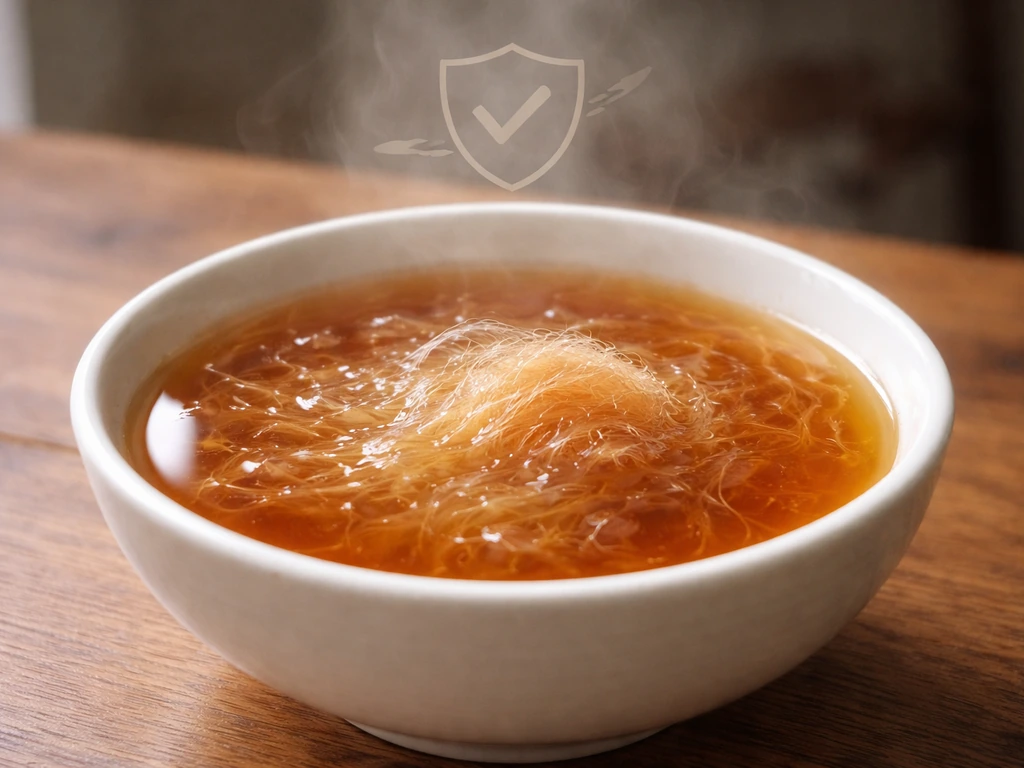
Is Bird Nest Soup Illegal in the US? What to Do Now
Clear US legality check for bird nest soup, key federal rules, risks, and a today checklist of what to do next.
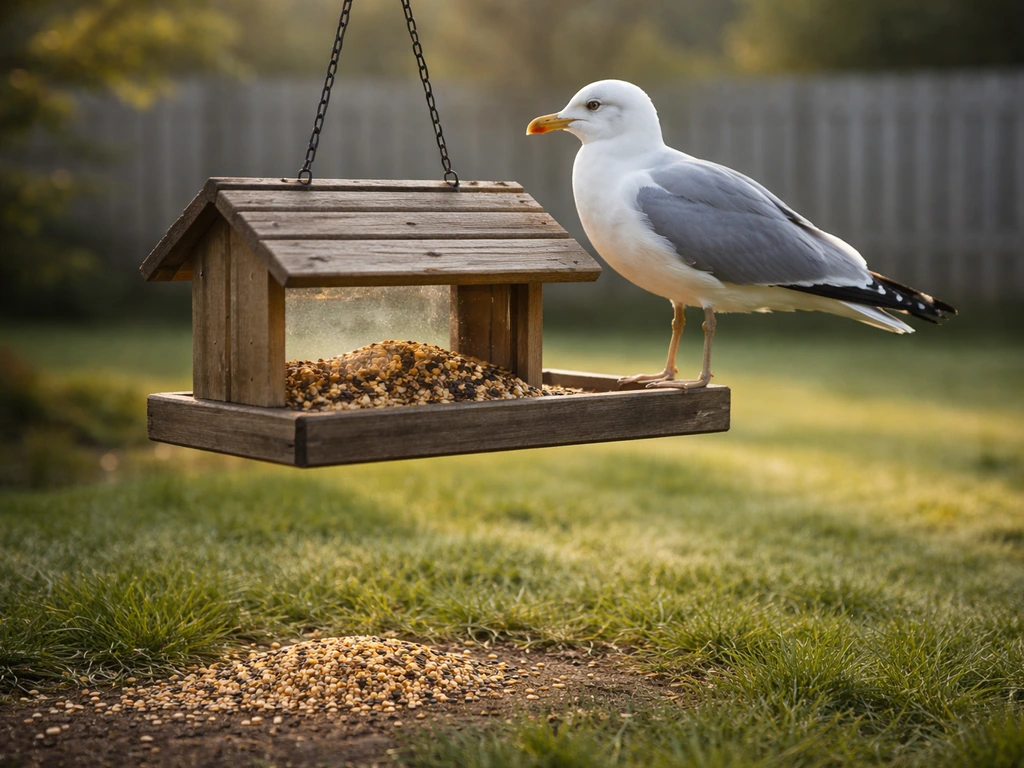
Do Seagulls Eat Bird Seed? How to Stop Them
Yes, seagulls often eat bird seed. Learn why they show up and how to block them while keeping feeding safe.
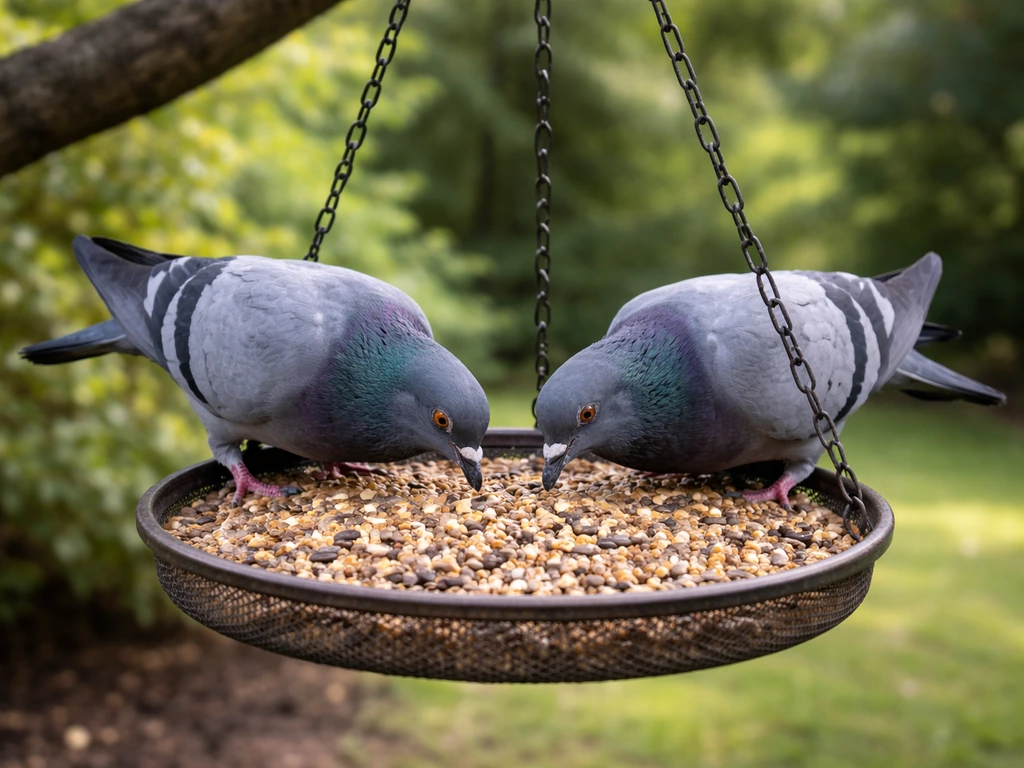
Do Pigeons Eat Bird Seed? Safe Feeding Tips and Risks
Yes, pigeons eat many seeds, but mold and mess make it risky. Learn safe bird seed storage, feeding, and placement.