A cancer patient can eat bird's nest, but whether they should depends heavily on the treatment they are receiving, the quality of the product, and what their oncology team says. There is no evidence that bird's nest directly harms cancer patients, but there are real contamination risks, potential interactions with chemotherapy, and an allergy risk that matter far more when someone's immune system is already compromised. The honest answer is: it may be fine, but get clearance from your cancer care team before adding it, especially during active treatment.
Can Cancer Patients Eat Bird Nest Safely on Chemo?

Maya Henderson
27 Apr 2026
What bird's nest actually is and what's in it
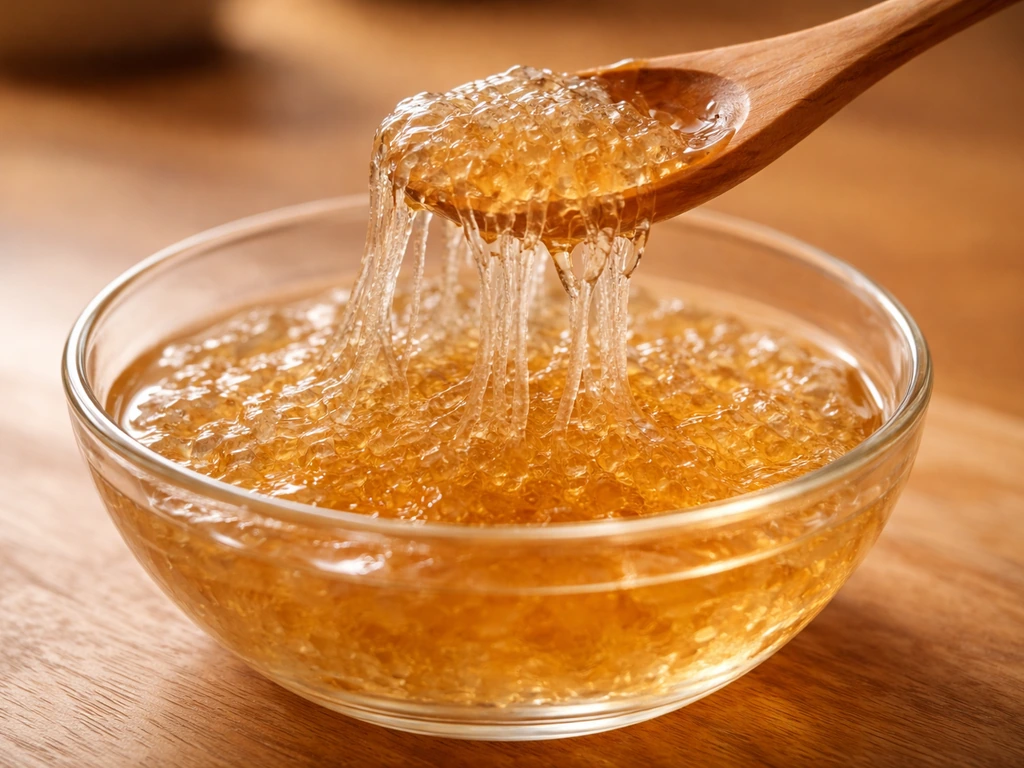
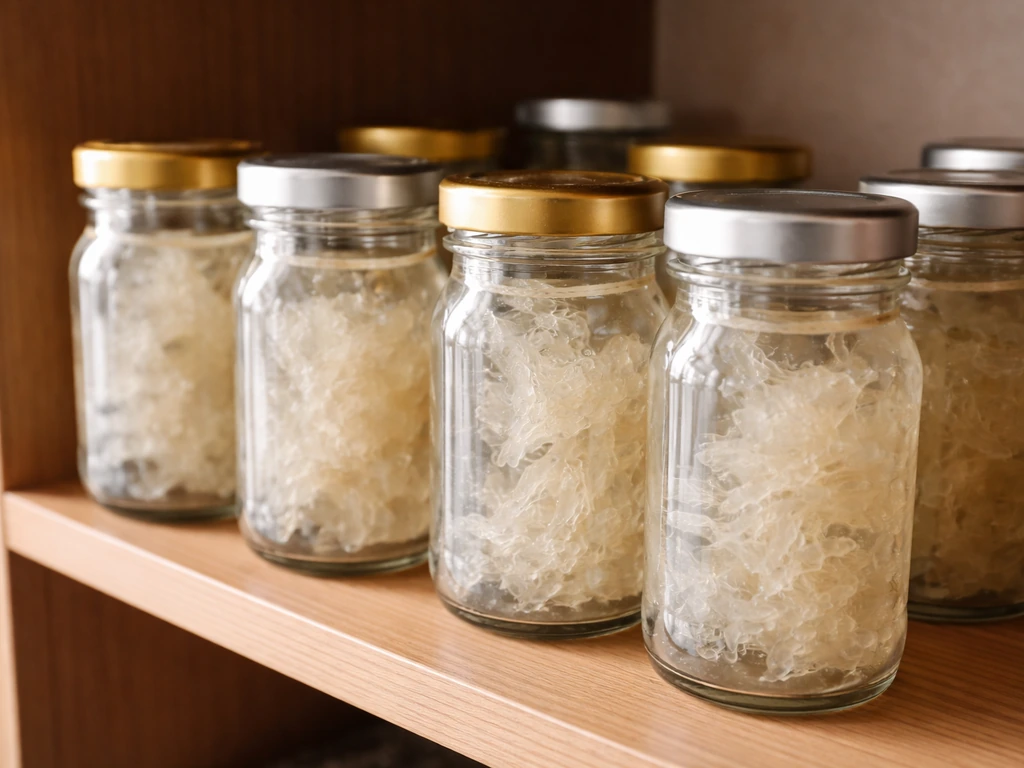
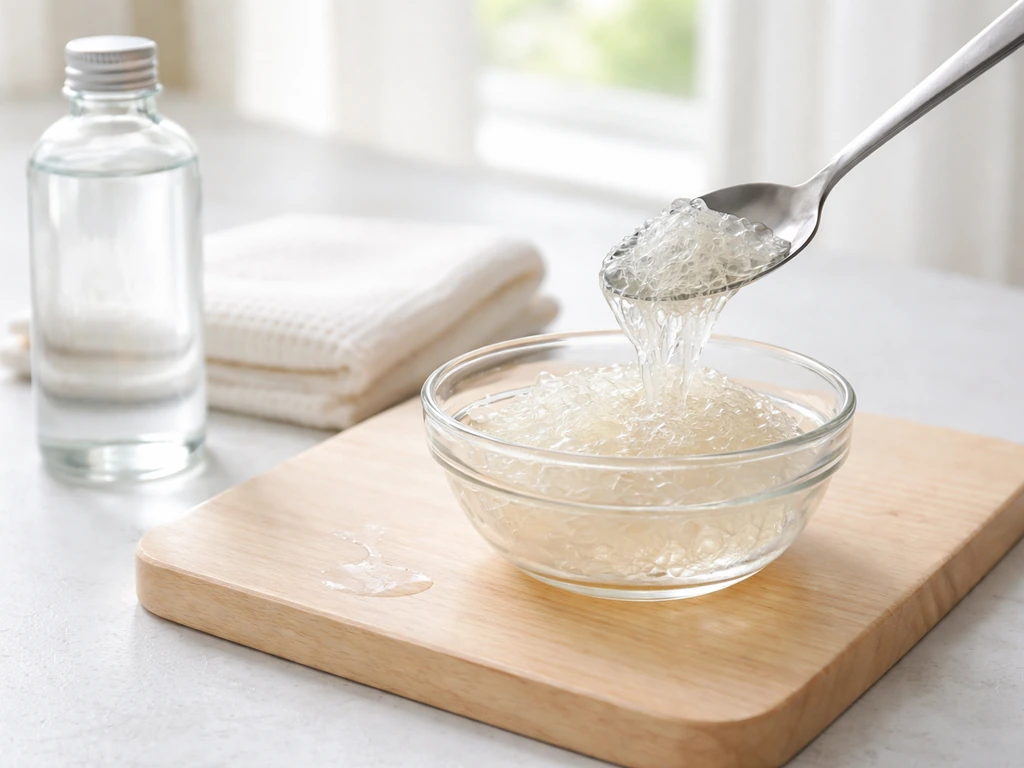
Edible bird's nest (EBN) is made from the hardened saliva of swiftlets, particularly Aerodramus fuciphagus. It has been used in traditional Chinese medicine for centuries, usually prepared as a soup, a ready-to-drink product, or dissolved into a tea or congee. If you are also researching is bird nest fern poisonous, treat it as a separate plant question and do not assume the safety of bird's nest carries over to ferns. You can also find it in powder and concentrated forms.
Nutritionally, EBN is a mucin glycoprotein, meaning it has both protein and carbohydrate components. The carbohydrate portion makes up roughly 28% of its dry weight. The key sugar compounds include sialic acid (specifically N-acetylneuraminic acid at about 9%), galactose (around 17%), N-acetylgalactosamine, N-acetylglucosamine, and small amounts of fucose and mannose. Protein content is significant, fat is very low (under 1%), moisture around 8%, and minerals about 2%. Sialic acid is the component that gets the most research attention for potential immune and digestive effects, though most of that research is still mechanistic or experimental rather than clinical.
Common product forms include ready-to-drink bottles (a standard serving is typically one 75 ml bottle), raw nest prepared as soup, bottled soup products, powdered supplements, and blended drinks. White fungus is sometimes compared to bird's nest as an alternative ingredient with a similar texture and use in soups, though they are nutritionally quite different.
Is bird's nest safe for cancer patients?
For most cancer patients not currently receiving active chemotherapy or radiation, a high-quality, properly prepared bird's nest product is generally considered low-risk as a food. It is not a medication and should not be treated as one. It will not cure cancer, slow tumor growth, or replace any part of a treatment plan. That needs to be said plainly.
The bigger concern is the population. Cancer patients, especially those mid-treatment, often have suppressed immune systems. That makes them far more vulnerable to foodborne illness and contamination from low-quality products. Bird's nest research has flagged bacteria including E. coli, Salmonella, Staphylococcus aureus, coliforms, yeast, and mold as known biological contaminants. For a healthy person, trace contamination might cause a mild stomach issue. For someone on chemotherapy with a compromised immune system, it can become a serious infection.
Who should be especially cautious or avoid it
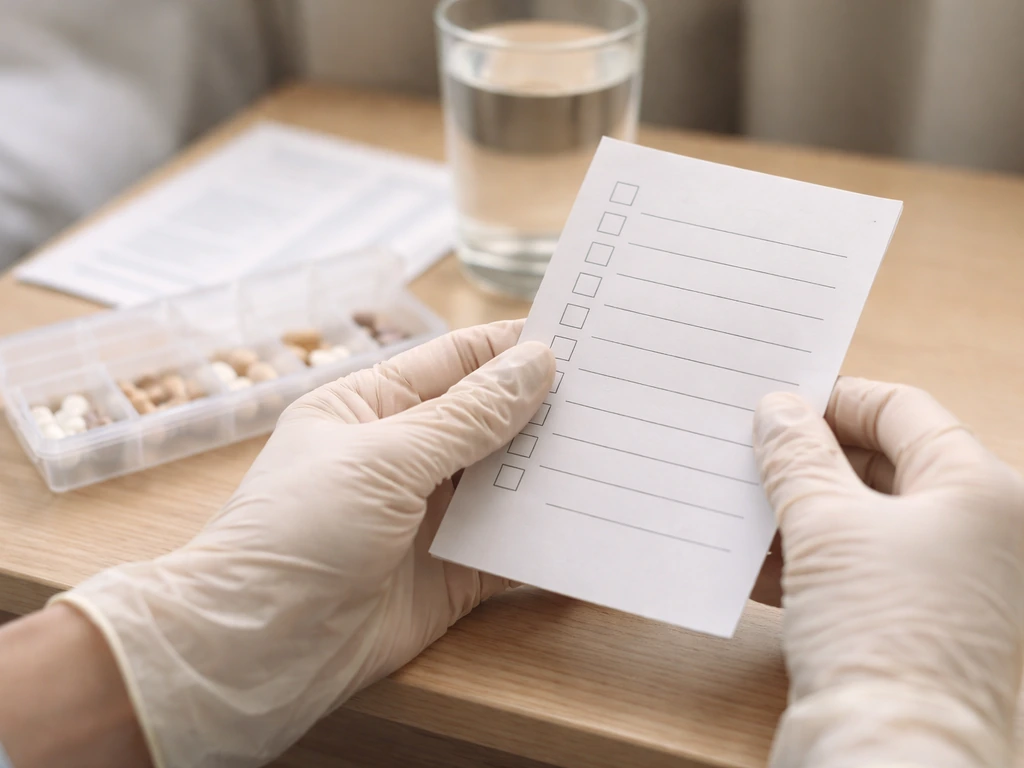
- Patients currently receiving chemotherapy or radiation (highest-risk window for contamination and drug interactions)
- Anyone with a known egg white, shellfish, or bird-related allergy (EBN proteins have been documented as potential allergens capable of triggering severe reactions)
- Patients on anticoagulants or blood thinners (supplements can affect bleeding parameters, which is already a monitored concern in cancer care)
- Patients with active neutropenia or very low white blood cell counts (microbial contamination risk is highest for this group)
- Anyone buying unverified, unprocessed, or cheaply sourced nest products
Chemotherapy and supplement interactions: what you need to know
This is where things get genuinely complicated. The American Cancer Society is direct about it: people undergoing chemotherapy or other cancer medicines may be at higher risk for side effects when taking dietary supplements, and you should discuss any supplement with your cancer care team before treatment. That guidance applies to bird's nest.
One of the less obvious concerns is antioxidant activity. The NCI has noted that antioxidant supplement use during chemotherapy or radiation has been linked to increased risk of total mortality and worsened recurrence-free survival in some study contexts. Many chemotherapy agents work partly by generating reactive oxygen species to damage cancer cells, and antioxidants can theoretically blunt that effect. Bird's nest is not a concentrated antioxidant supplement, but some commercial bird's nest products are blended with other ingredients (rock sugar, collagen boosters, herbal extracts) that do have antioxidant activity, so always check the full ingredient list.
Memorial Sloan Kettering Cancer Center advises stopping herbal remedies and dietary supplements at least 7 days before starting chemotherapy or radiation. The reasons cited include bleeding risk and the possibility that some supplements can keep chemotherapy from working as well as it should. This is a conservative but widely respected institutional guideline.
Bleeding risk is a real issue. Cancer patients are already monitored closely for platelet counts and hemoglobin. Adding any supplement with biological activity, including bird's nest, without informing the oncology team creates a variable that can complicate interpretation of lab results and patient symptoms.
There is also the regulatory reality: dietary supplements in the US are regulated as foods under DSHEA (1994), not as drugs. If you are wondering whether bird's nest soup is illegal in the US, the key point is that products sold as dietary supplements are regulated differently than prescription drugs regulatory reality. Manufacturers do not need to prove safety or efficacy before selling. That means a bird's nest supplement can reach store shelves without any clinical review of how it interacts with specific chemotherapy drugs.
How to eat or drink it safely if you get the go-ahead
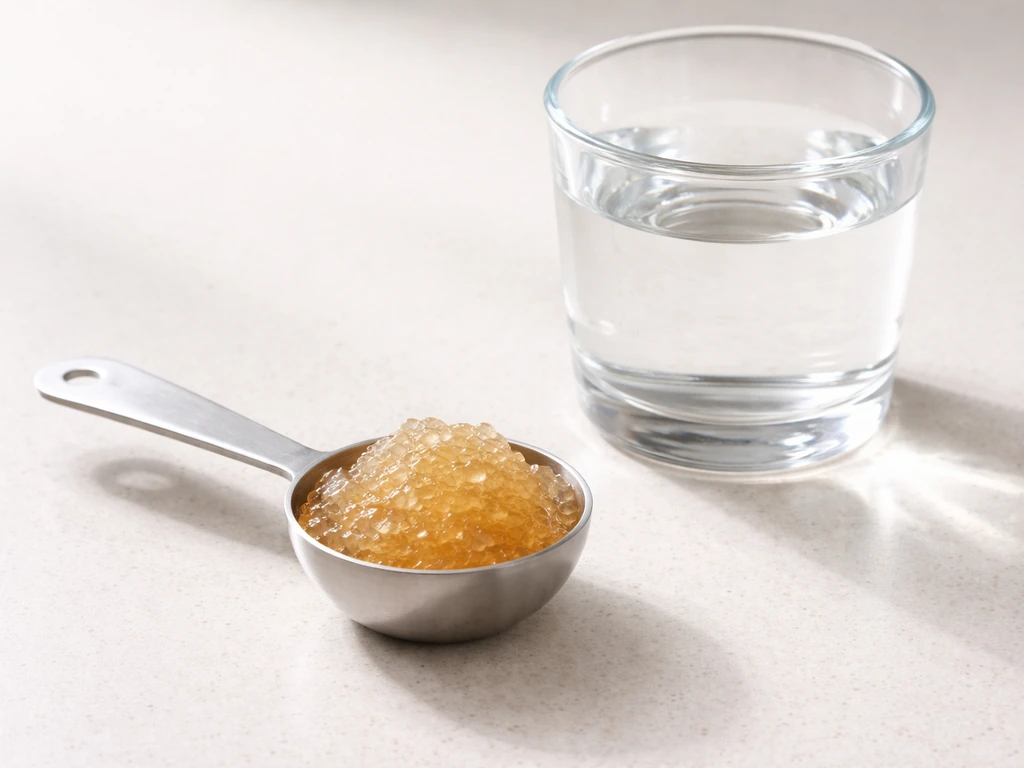
If your oncology team says bird's nest is fine given your current treatment status, the goal is to minimize any additional risk from the product itself. Start low and go slow, especially if you have never eaten it before or if you are testing your tolerance post-treatment.
- Start with a small test amount: try a half-serving (roughly 35 to 40 ml if drinking a bottled product) on its own, with no other new foods introduced that day. Wait 24 to 48 hours to check for any allergic or digestive reaction before continuing.
- Stick to one standard serving at a time: a single 75 ml ready-to-drink serving is a typical commercial portion. Do not assume more is better.
- Choose ready-to-drink or commercially processed products over raw nest during active treatment. Raw or lightly processed nest has a higher risk of microbial contamination because it skips pasteurization steps.
- Read the full ingredient list on every product. Many commercial bird's nest drinks contain added sugars, herbal extracts, or other supplements that may have their own interaction concerns.
- Avoid eating bird's nest on an empty stomach the first few times if you are managing chemotherapy-related nausea. Take it after a small meal.
- Do not use it as a meal replacement. Treat it as a supplementary food, not a primary nutrition source.
In terms of forms, commercially bottled ready-to-drink bird's nest soup is the easiest to standardize and typically undergoes more processing quality controls than raw nest or homemade preparations. Powder forms can be convenient but quality varies enormously by brand and sourcing.
Real risks to watch for: contamination, quality, and allergies
The contamination picture for bird's nest is worth taking seriously, not to scare anyone, but because it directly raises the stakes for immunocompromised patients. Research has identified multiple categories of concern.
| Risk Type | Specific Concern | Why It Matters for Cancer Patients |
|---|---|---|
| Biological contamination | E. coli, Salmonella, Staphylococcus aureus, yeast, mold | Serious infections in immunocompromised patients; mold exposure can be especially dangerous |
| Heavy metals | Arsenic, mercury, lead, cadmium, tin (detected via ICP-MS in some samples) | Accumulate in the body; may worsen side effects and interfere with organ function already stressed by treatment |
| Allergens | Proteins in EBN linked to severe allergic reactions | Anaphylaxis risk, especially in those with egg white or shellfish allergies |
| Adulteration | Some products found to contain fillers or undisclosed ingredients | Unpredictable effects; cannot assess interactions with chemo drugs |
| Storage/mold | High humidity and poor storage linked to microbial and fungal growth | Even a product that was clean at manufacture can spoil; expired or poorly stored nest is higher risk |
Heavy metal contamination is not hypothetical. Studies measuring EBN from Indonesia using ICP-MS found residual arsenic, mercury, lead, cadmium, and tin. These metals are particularly concerning for cancer patients whose kidneys and liver are already under stress from treatment. This is also why product sourcing matters: bird's nest from regulated facilities with third-party testing is meaningfully safer than unverified imported products.
On the quality side, look for products with a USP Verified mark or equivalent third-party certification. USP testing has found that some dietary supplements contain harmful levels of heavy metals, microbes, pesticides, or other contaminants. The USP mark means an independent lab has verified the product's contents, contaminant levels, and label accuracy. Malaysia has formal government standards for EBN processing (MS 2333:2010 and MS 2334:2011), so Malaysian-sourced products from certified facilities are generally held to defined quality benchmarks.
If you are curious about expired or improperly stored product, the risk profile is even higher. Mold and bacterial growth accelerate in high humidity and poor storage conditions, and the microbial load in a spoiled nest can be significant. Do not use bird's nest that has passed its expiry date or shows any discoloration, off smell, or unusual texture.
Practical next steps you can take today
The most important thing you can do right now, before buying or eating anything, is bring it up with your oncologist or oncology nurse. If you are pregnant, especially in the first trimester, it is still important to ask your OB-GYN before using bird's nest supplements or ready-to-drink products. This does not need to be a long or awkward conversation. You are simply flagging a supplement you are considering so they can check it against your current drug regimen and blood work picture.
Questions to ask your oncology team
- Is bird's nest safe to eat given my specific chemotherapy regimen or medications?
- Are there any timing restrictions, such as avoiding it on infusion days or for a set window before or after treatment?
- Do any of my current drugs interact with dietary supplements in ways that affect bleeding, clotting, or drug metabolism?
- Should I avoid bird's nest products that contain added herbs or other bioactive ingredients?
- Are there specific quality markers or certifications you recommend when choosing a product?
When to stop and get help
Stop eating bird's nest immediately and contact your care team or seek urgent care if you notice any of the following after eating it: skin hives, swelling of the lips or throat, difficulty breathing (signs of an allergic reaction), unusual bruising or bleeding, fever or chills (which in a neutropenic patient is a medical emergency), or any new digestive symptoms such as severe cramping, bloody stool, or persistent vomiting. These are not common outcomes, but they are the warning signs that matter most given the contamination and allergy profile of EBN.
If you are between treatment cycles or in a remission or monitoring phase, the risk calculus is different and your oncologist may be more relaxed about it. The core principle stays the same though: ask first, choose a verified high-quality product, start with a small amount, and pay attention to how your body responds.
FAQ
Can a cancer patient eat bird nest during active chemotherapy or radiation if the oncology team says it is okay?
Yes, but the safer approach is to treat it as a food, not a medicine, and still use the plan your oncology team outlines. Many clinicians prefer starting with a small amount on a low-risk day (for example, not when you are already febrile or having severe GI side effects), and then stopping if you develop fever, worsening mouth sores, or new GI symptoms.
What if I am neutropenic, meaning my white blood cell or ANC is low, can I eat bird nest then?
Do not eat it until your care team clears it. Low neutrophils raise the stakes for bacterial and mold exposure, even if the product is “reputable,” because a small contamination issue can become serious. If you are unsure of your current counts, ask your oncology nurse before taking any supplement-form bird nest.
Is bottled ready-to-drink bird nest safer than raw or homemade soup for cancer patients?
Often, yes, because bottled products are easier to standardize and typically have more consistent processing and quality controls. Still, “bottled” does not guarantee contaminant-free, so you should choose products with third-party verification and avoid any items with damaged packaging, unusual smell, or storage history you cannot confirm.
Can bird nest interact with cancer drugs or blood thinners?
It is possible indirectly, mainly because supplement ingredients can affect bleeding risk or complicate how your team interprets labs and symptoms. Tell your oncology team about the exact brand and all other supplements you take, especially if you are on anticoagulants, antiplatelet therapy, or have low platelets.
Can bird nest worsen nausea, reflux, or diarrhea during treatment?
It can, especially if a product contains added sweeteners, herbal extracts, or large doses that irritate the GI tract. If you try it, start with a small serving and stop if symptoms are severe, persistent, or include blood, because chemotherapy-related complications should not be masked.
What is the safest way to test tolerance after approval?
Use a “small first dose” strategy and do it when you can monitor yourself. For example, try a fraction of a standard bottle serving at home, avoid combining it with other new supplements on the same day, and stop immediately if you notice hives, swelling, shortness of breath, fever, or concerning GI symptoms.
How can I tell if a bird nest product is high quality if I am buying in the US?
Look for independent third-party testing marks such as USP Verified or comparable certifications, and read the full label for added botanicals or collagen boosters. Also check that the product is from a source with clear manufacturing standards, because unverified imports are more likely to have heavy metal and microbial variability.
Is it okay to take bird nest as a powder supplement instead of soup?
Sometimes, but powders can be harder to evaluate for consistency, and quality varies widely by brand. If you choose powder, confirm third-party contaminant testing and avoid blends that include additional herbal extracts, because those add extra interaction and bleeding-risk uncertainty.
What should I do if I already ate bird nest and now I have fever or feel unwell?
If you have fever or chills, especially if you could be neutropenic, contact your oncology team urgently or go to emergency care. Fever in this context is treated as a medical emergency until proven otherwise, rather than attributing it to the food.
Can a cancer patient eat bird nest if they are pregnant or trying to conceive?
Ask the OB-GYN and oncology team before using it, particularly in the first trimester. Even when a product is “food,” pregnancy adds another layer of caution, and your clinicians may want to review it alongside your specific cancer history, medications, and blood work.
Next Article
Can Expired Bird Nest Be Eaten? Safety Checks for Bottled
Learn if expired bottled bird nest is safe to eat and how to check seals, storage, spoilage and health risks.