Edible bird's nest is generally considered low-risk food for most healthy adults, but the first trimester is a different story. The honest answer is: there is not enough high-quality clinical evidence to call it clearly safe during early pregnancy, and several real contamination and allergy risks make a cautious approach the smarter call. A thread in r/Costco also reflects first-hand buyer experiences and discussion about purchasing and preparing bird’s nest products, which can provide qualitative context for common consumer questions and concerns real contamination and allergy risks. Most OBs and midwives will tell you to hold off or consume it only occasionally in small amounts from a verified, tested source. If you are already eating it and feel fine, that is useful information, but it is not the same as a safety guarantee, especially in weeks 1 through 13 when the fetus is most vulnerable.
Can You Eat Bird Nest in the First Trimester? Safety Guide

What 'bird nest' actually means in supplements and soup
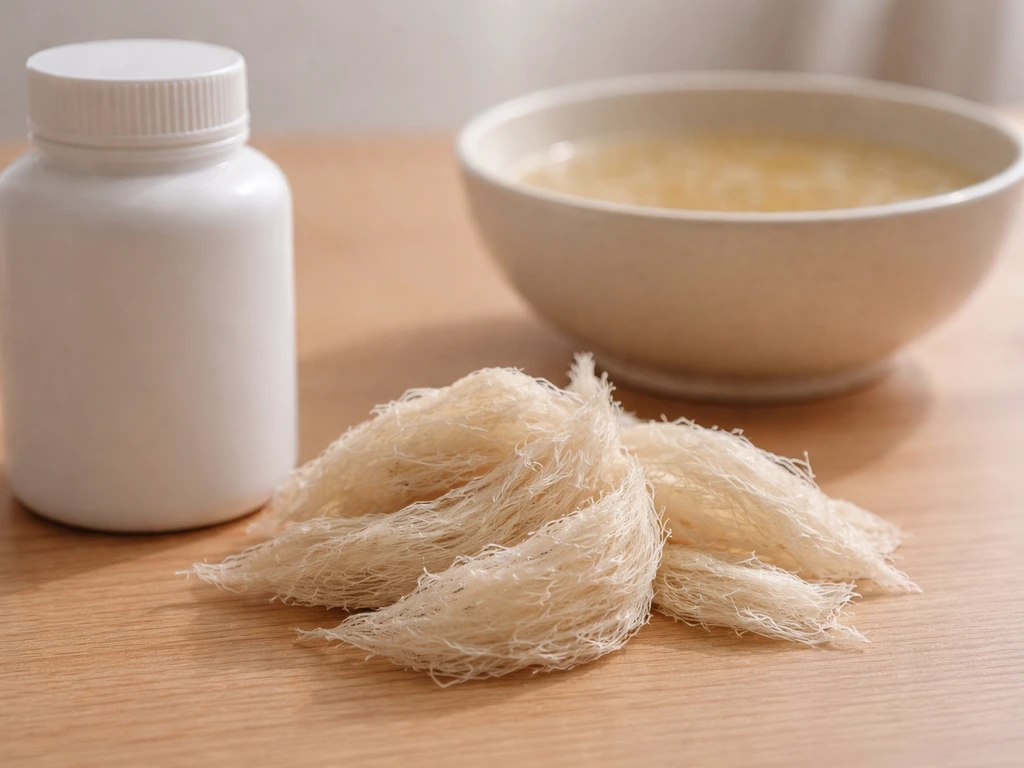
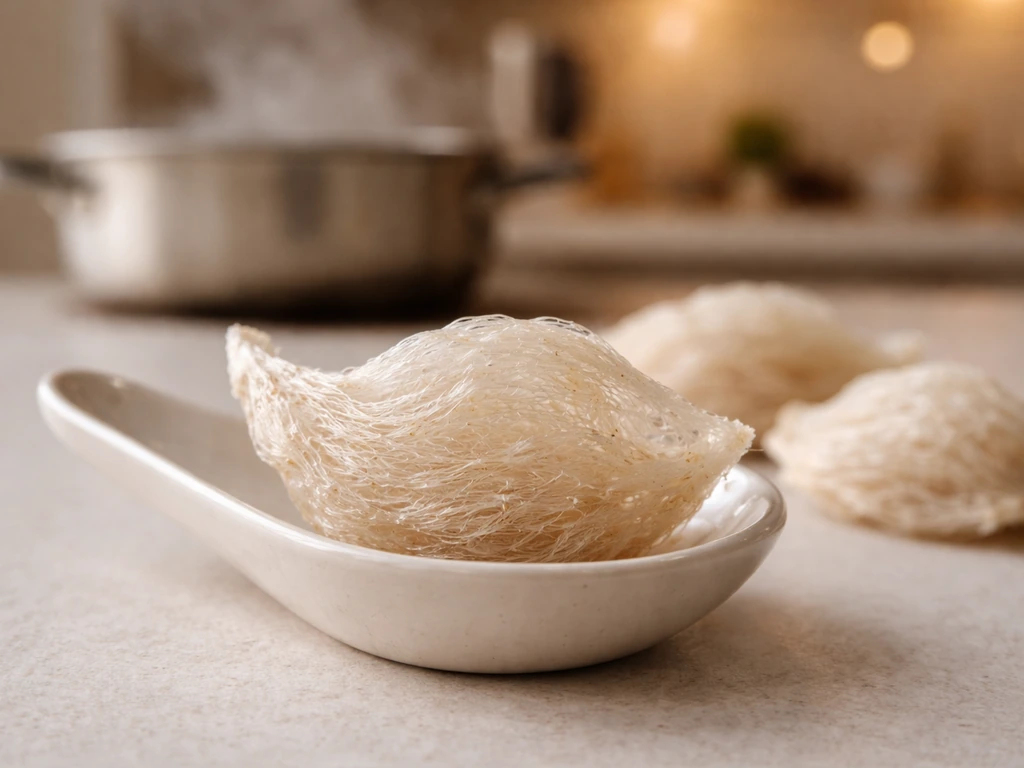
Edible bird's nest (EBN) is made from the hardened saliva of edible-nest swiftlets, small birds native to Southeast Asia. The swiftlets build their nests almost entirely from strands of their own saliva, and those nests are harvested, cleaned, and sold as a luxury food ingredient. This is what you find in bird nest soup, bird nest tonics, and bird nest drinks sold in health food shops and Asian grocery stores.
The confusion around the term is real and worth clearing up. Bird's nest fern (Asplenium nidus) is a common houseplant that sometimes appears in searches about whether 'bird nest' is edible or safe. It is not the same product at all, and food safety guidance for one does not apply to the other. Similarly, bird seed, feeder foods, and pet bird foods are completely unrelated, even if a reader lands here after searching about birds generally. When this article says 'bird nest,' it means swiftlet-saliva EBN only.
On the label side, EBN products range from raw dried nests (which you reconstitute and cook yourself) to pre-made bottled tonics and soups with added sweeteners, rock sugar, or other formulation ingredients. The bottled versions vary enormously by brand, so the ingredient list and third-party testing matter a lot, as you will see below.
First-trimester safety: the real risks to weigh
The first trimester is the period of organogenesis, when the embryo's organs and neural tube are forming. Any food-safety issue that would be a minor inconvenience later in pregnancy can be more consequential now. That does not mean EBN is definitively harmful, but it does mean the risk-benefit math shifts.
EBN is primarily a sialylated-mucin glycoprotein, composed of roughly 60 to 65 percent protein, 30 to 35 percent carbohydrate, and about 1 percent fat, though those numbers vary by swiftlet species, country of origin, and how the nest was processed. The protein content sounds impressive, but the amounts typically consumed in a serving of soup or tonic are small enough that EBN is not a meaningful dietary protein source compared to eggs, legumes, or meat.
The first-trimester risks that actually matter are contamination (discussed next), the real possibility of an allergic reaction triggered or worsened by pregnancy-related immune changes, and the fact that some bottled products contain added sugars, preservatives, or undisclosed ingredients that are worth avoiding in early pregnancy regardless of the EBN itself.
Contamination and adulteration concerns: how to check what you are buying
This is the section most people skip, and it is the most important one. EBN has a documented history of adulteration and contamination issues in the global supply chain. A 2023 PubMed-indexed study used NMR-based methods to trace bird’s nest origin and detect adulteration, using gelatin, agar, and starch as adulterant examples in its study design blank" rel="noopener noreferrer">NMR-based methods to trace origin and detect adulteration. If you are wondering whether you need to worry about legal status too, you might also check whether is bird nest soup illegal in the us, since enforcement and labeling rules can vary. The main hazards found in tested EBN products include heavy metals (particularly nitrite levels elevated by certain bleaching processes), microbial contamination from improper drying or storage, mold from humid storage conditions, and outright adulteration where cheaper materials like karaya gum or pork rind gelatin are added to increase weight and volume.
House-farmed EBN (from purpose-built swiftlet houses) is generally considered less contaminated than cave-harvested EBN because the production environment is more controlled. However, even house-farmed EBN can be improperly processed or stored after harvest. The country of origin and the processor matter: Malaysia and Indonesia both have regulatory frameworks for EBN export, but enforcement varies.
Here is how to verify quality before buying or consuming EBN while pregnant:
- Look for products that carry third-party heavy metal and microbial testing certificates, not just a brand claim of 'pure' or 'natural.'
- Check whether the product is registered or certified by a recognized food safety authority in the country of origin, such as Malaysia's Ministry of Agriculture or Singapore's SFA.
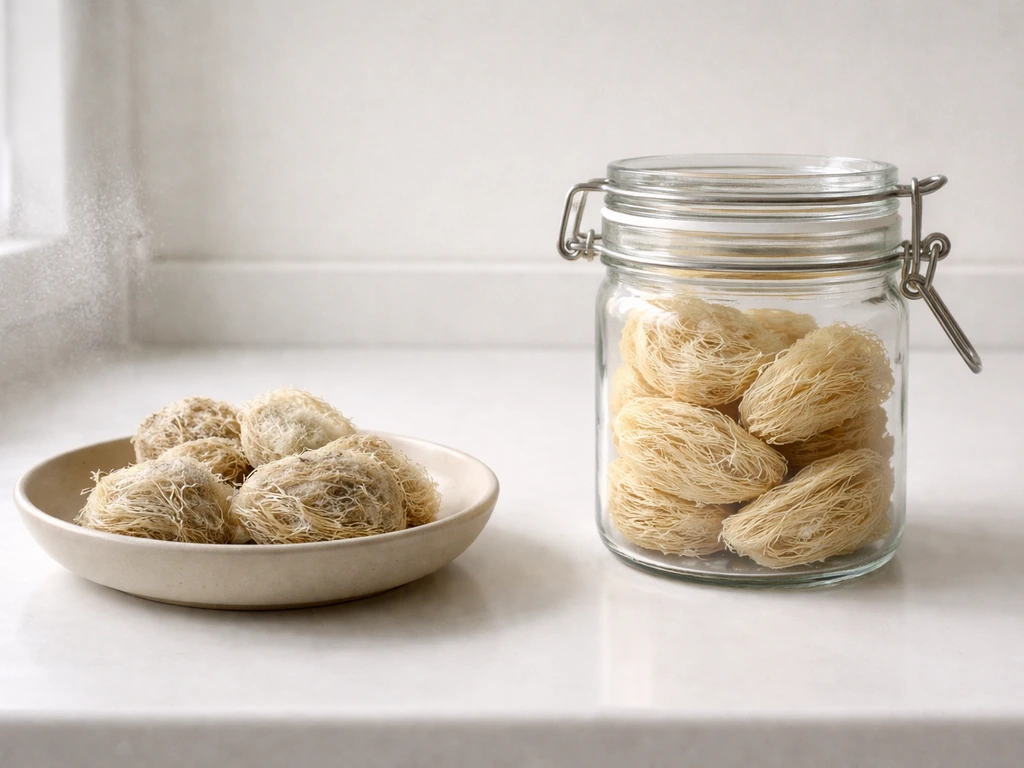
- For raw dried nests, choose off-white or pale yellow nests. Bright white nests have often been bleached with hydrogen peroxide or sodium nitrite, which introduces chemical residues.
- Read the ingredient list on bottled tonics carefully. Added sugars, artificial flavors, carrageenan, and unnamed 'natural extracts' are common and can be worth discussing with your provider.
- Avoid buying from informal sources, social media sellers, or unlabeled bulk packaging, especially during pregnancy.
If you are curious about expiry dating and shelf life for EBN products, those are genuinely relevant safety questions, particularly for pre-packaged bottled soups and tonics where storage conditions before purchase can affect microbial safety. Expired bird nest is only safe to eat if it has been stored properly, the package shows no signs of spoilage, and the product is still within the stated shelf life guidelines expiry dating and shelf life.
Allergies, immune changes, and intolerance during early pregnancy
EBN allergy is real and has been reported in adults and children, particularly in people with known egg white or dust mite allergies, since EBN glycoproteins share some structural similarities with egg white proteins. Pregnancy significantly reshapes the immune system, particularly in the first trimester, and some women develop new food sensitivities or experience stronger reactions to foods they previously tolerated without issues. FoodSafety.gov’s pregnancy guidance includes using a pregnancy-focused food safety checklist and avoiding raw or undercooked high-risk foods while accounting for pregnancy-related immune system changes avoid raw or undercooked high-risk foods while accounting for pregnancy-related immune system changes.
If you have never eaten EBN before, starting for the first time during the first trimester is a higher-risk introduction than it would be at other times. If you have eaten it before without problems, that history is reassuring but not a guarantee, because immune sensitivity can shift during pregnancy.
Watch for these signs of a reaction after consuming EBN:
- Hives, rash, or itching around the mouth or body
- Swelling of the lips, tongue, or throat
- Nausea or vomiting beyond your baseline morning sickness
- Shortness of breath or chest tightness
- Unusual fatigue or a feeling that something is 'off' after eating
Any of those symptoms after eating EBN warrant stopping immediately and contacting your provider or going to urgent care if symptoms are severe.
What the nutritional claims are actually worth
EBN is marketed heavily on claims of collagen-boosting effects, skin benefits, immune support, and fetal brain development support in some Asian markets. Here is a practical breakdown of what the evidence actually supports versus what is marketing.
| Claim | What the evidence actually shows |
|---|---|
| High protein content | True in percentage terms (60-65%), but a typical serving delivers only a few grams of protein total, far less than an egg or a handful of legumes |
| Collagen or collagen precursors | EBN contains glycoproteins, not collagen itself; whether glycoprotein fragments translate to meaningful collagen synthesis in humans is not established by clinical trials |
| Fetal brain development support | Some lab studies show sialic acid (a component of EBN glycoproteins) may support neurological development, but human clinical evidence in pregnancy is absent |
| Immune support during pregnancy | No robust clinical trials support this claim specifically for pregnant women; immune modulation effects observed in cell studies do not translate directly to safe use in pregnancy |
| Mineral content (calcium, iron, potassium) | EBN does contain trace minerals, but amounts per serving are nutritionally minor compared to standard prenatal supplements or whole foods |
The honest bottom line: EBN is not nutritionally meaningless, but it is also not the superfood that its price tag and marketing suggest. White fungus (a different ingredient often used in soups and desserts) has its own preparation and contamination considerations, so it is worth checking quality and safety separately from bird nest. For a pregnant woman who is already taking a good prenatal vitamin and eating a reasonably balanced diet, EBN adds little that cannot be obtained from safer, better-studied foods.
If you choose to eat it: safest preparation, portion, and storage
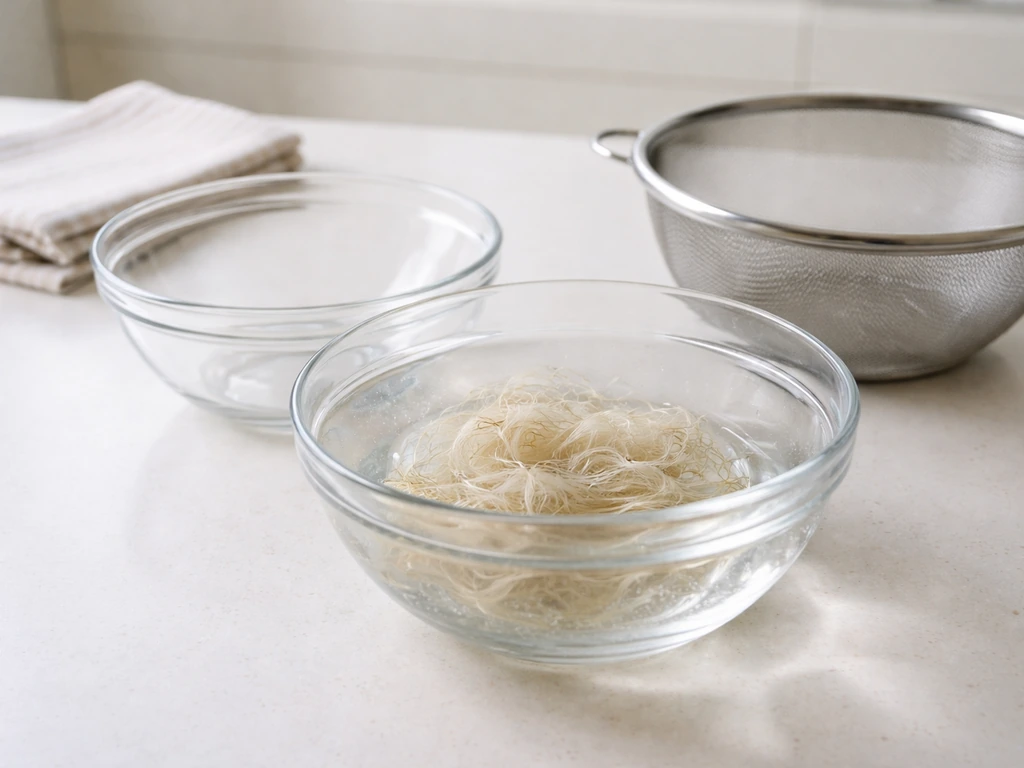
If you have talked to your OB or midwife and they are comfortable with you consuming EBN occasionally, here is how to do it as safely as possible.
Preparation steps for raw dried nests
- Soak the dried nest in clean, cold water for 30 minutes to several hours until it expands and softens fully.
- Pick out any visible feathers, debris, or dark spots during soaking. This is a normal part of the cleaning process.
- Cook the softened nest in a double boiler (bain marie) for 30 to 40 minutes, reaching an internal temperature sufficient to eliminate microbial contamination. Do not microwave raw nests as a substitute for cooking.
- Avoid adding raw eggs or other high-risk ingredients to the prepared nest during the first trimester.
- Sweeten lightly if desired; avoid high-sugar additions that add caloric load without nutritional benefit.
Portion and frequency
Traditional consumption guidelines in Southeast Asian cultures often recommend 3 to 5 grams of dried EBN per serving, two to three times per week at most. During the first trimester, if your provider approves consumption at all, staying at the lower end (once weekly or less) is the more conservative approach. More is not better here, and there is no established minimum therapeutic dose.
Storage rules
- Store raw dried nests in an airtight container in a cool, dry place away from humidity. Humidity is the main driver of mold growth.
- Once prepared (cooked), store in the refrigerator and consume within 24 hours.
- Bottled tonics should be refrigerated after opening and consumed within the time frame stated on the label. Do not use products past their expiry date.
- Discard any nest product that smells off, shows visible mold, or has changed color or texture unexpectedly.
When to avoid it entirely and what to ask your provider
There are situations where skipping EBN entirely during the first trimester is the clearest recommendation, with no need to weigh it further.
- You have a known egg white, dust mite, or shellfish allergy (cross-reactivity risk is higher)
- You have never eaten EBN before and are considering starting for the first time during the first trimester
- You are in a high-risk pregnancy, including multiples, a history of miscarriage, or any immune-related condition
- The product you have is unlabeled, untested, from an informal source, or past its expiry date
- Your bottled tonic contains added ingredients you cannot identify or verify as safe in pregnancy
- You develop any allergic or unusual symptom after an initial taste
When you talk to your OB or midwife, these are the specific questions worth raising:
- Given my allergy history, is there a reason to avoid EBN specifically?
- Is there any reason related to my specific pregnancy risk level that makes EBN a concern?
- If I consume it, how often and in what amount do you consider reasonable?
- Are there third-party tested brands you would feel comfortable with me using?
- Should I watch for any specific symptoms given my health history?
Your provider cannot give you a perfectly tailored answer without knowing your full history, which is exactly why this conversation is worth having before you decide. EBN is not in the same category as alcohol or raw fish where the answer is a blanket no during pregnancy, but it is also not a standard prenatal food with a strong safety record behind it. The cautious, informed approach is the right one here, especially in the first trimester when the stakes are highest.
FAQ
If I already ate bird nest before I knew I was pregnant, should I be worried?
Usually it is more reassuring than the internet makes it sound, because a short exposure typically does not predict an outcome. Still, you can tell your OB at your next visit, especially if you ate it from an unverified source, ate it while it was expired, or had any immediate symptoms like hives, wheezing, vomiting, or throat tightness after eating it.
Is “bird nest” tea, tonic, or soup always the same as edible bird nest (EBN)?
No. Some products labeled “bird nest” can include different ingredients or heavily sweetened blends. Before using it in the first trimester, check that the ingredient list explicitly says edible bird nest from swiftlet saliva and review the full label for added preservatives or other additives you would avoid during pregnancy.
Can I eat bird nest if I have a dust mite allergy or egg allergy?
Be cautious. People with egg-related allergies or dust mite sensitivities are reported to react to EBN in some cases. Pregnancy can intensify reactions, so it is best to avoid EBN unless your clinician says it is appropriate for you, and you should not “test” it with a new brand in early pregnancy.
What if I tried it once in the first trimester and felt fine, can I continue?
Feeling fine once is not the same as proven safety. If you and your provider decide to continue, keep it occasional and from a well-tested source, and avoid escalating dose or frequency. Also stop promptly if any mild allergy-like symptoms appear the next time.
How can I tell whether a product is likely to be safer quality (and not adulterated)?
Look for third-party testing or certifications that specifically address heavy metals and microbial contamination. Avoid products where the label is vague about ingredients, where packaging appears tampered with, or where you cannot verify that the supplier tests for contaminants.
Is house-farmed edible bird nest safer than cave-harvested during pregnancy?
It can be, but it is not guaranteed. House-farmed nests are produced in more controlled environments, which may reduce contamination risk, but processing and storage after harvest can still introduce mold or microbial issues, so quality checks still matter.
Are there any situations where I should skip bird nest even if my OB usually allows it?
Yes. Skip it if the product is past its best-by date, smells musty, shows any visual mold or discoloration, was stored improperly (for example, in humid conditions), or if you have had a previous allergic reaction to EBN or similar glycoprotein-rich foods.
Can I use bird nest to replace nutrition in my prenatal diet?
No. Even when EBN is consumed, it is not a meaningful substitute for proven pregnancy nutrition like iron, folate, iodine, protein, and omega-3 fats. If you are considering EBN for a “health boost,” focus first on staying consistent with your prenatal vitamin and a balanced diet.
What is the most conservative way to consume it if my clinician approves?
Stay at the lowest end of the customary practice and consider once per week or less during the first trimester. Use a verified, tested source, follow package preparation directions carefully (especially for raw dried forms), and do not mix it with other unfamiliar supplements that could confuse symptom tracking if you react.
If I want to stop consuming bird nest, does it affect anything important for fetal development?
In the first trimester, skipping EBN is unlikely to create a nutritional gap that cannot be covered elsewhere. Since the pregnancy benefits promoted by marketing are not strongly supported by robust evidence, stopping is usually a reasonable decision, especially if contamination or allergy risk concerns you.
Is Bird Nest Fern Poisonous? Safety and What to Do
Learn if bird nest fern is poisonous, what symptoms to watch after chewing, and what to do for pets and people.