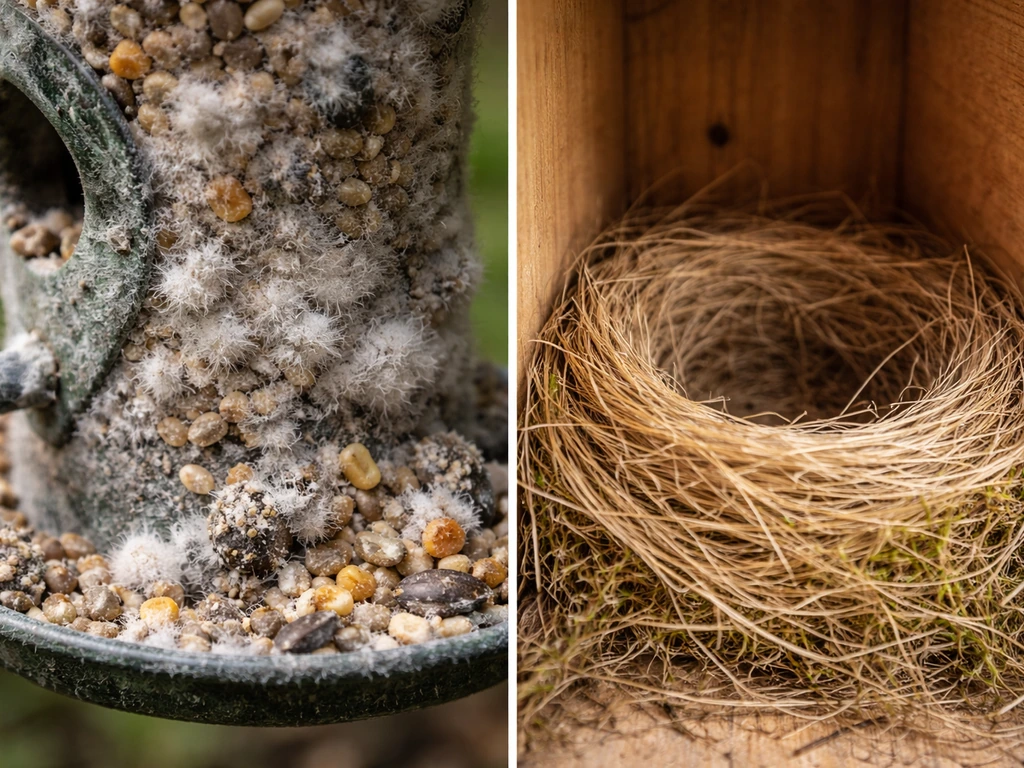
If you see white fuzzy or crusty growth near a bird feeder, nest box, or on the ground underneath your feeder, here is how to sort it out fast: poke it gently with a stick. Mold crumbles, smears, or wipes off and usually smells musty or sour. A real bird nest holds its shape, has visible woven fibers, and does not wipe away. That one check alone will answer the question for most people. From there, the action plan is completely different: mold must be removed and cleaned up for safety, while an active nest should be left alone.
White Fungus vs Bird Nest: How to Tell and What to Do

Maya Henderson
11 May 2026
Why you're seeing white 'fuzz' near birds in the first place
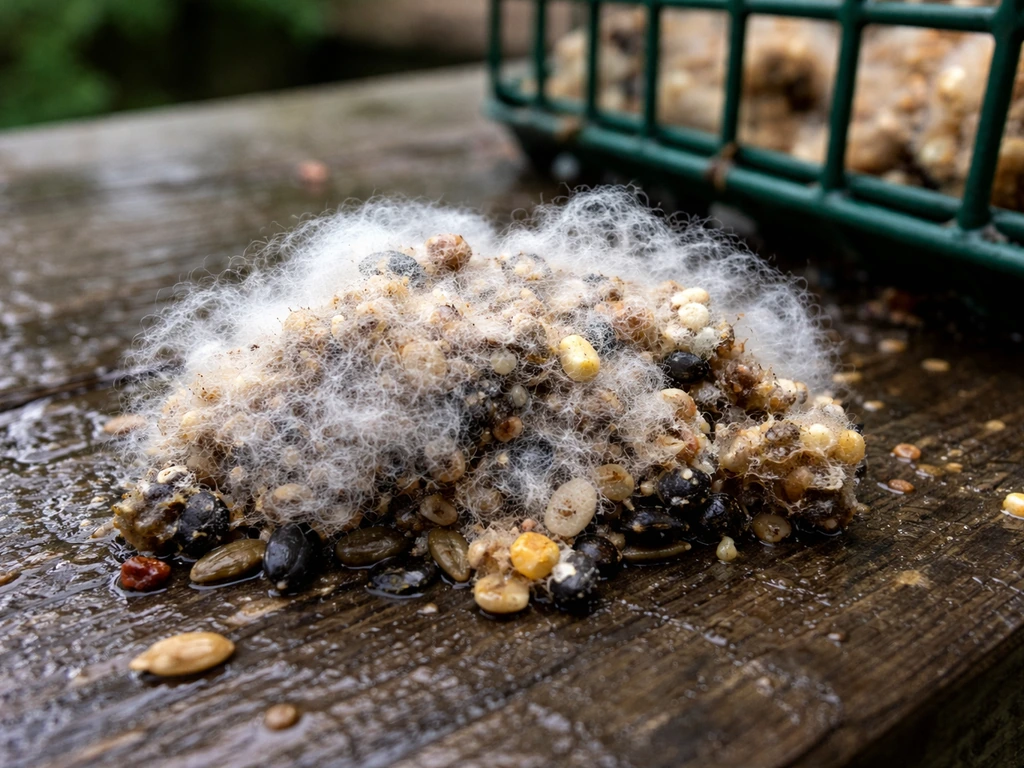
White or pale fuzzy growth near bird areas almost always comes down to one of three things: mold or fungus on damp seed or food, spoiled suet or nesting debris, or actual nesting material like spider silk and white plant fibers. The Minnesota DNR confirms that mold and bacteria commonly form on wet birdseed, especially during wet weather, both inside feeders and on the ground below them. This happens faster than most people expect. A spilled pile of seed, a suet cake that has gotten soggy, or seed packed at the bottom of a tube feeder can start visibly molding within a few days of rain or high humidity.
The white color specifically tends to come from white-spored molds (like certain Aspergillus strains or common food molds), dried spider silk used as nesting material, white cotton or plant fibers birds collect for nesting, or mineral deposits from condensation on surfaces. Spider silk is a legitimate and common nest-building material. Hummingbirds wrap their entire cup nest in it, and many songbirds use it as structural binding. So if the white material is silky, stretchy, and woven into a small structure, you may be looking at a nest rather than a hazard.
White fungus vs bird nest: fast visual ID checklist
Run through these checks before you touch anything. You want to identify what you're dealing with before you decide to remove it or leave it alone.
| Feature | Mold / White Fungus | Real Bird Nest |
|---|---|---|
| Structure | Fuzzy, powdery, or slimy coating on a surface | Woven cup or platform with visible fibers, twigs, grass |
| Materials | No distinct fibers; uniform fuzz or crust | Twigs, bark, grass, feathers, mud, hair, spider silk |
| Location | On seed, soil, feeder surfaces, rotting wood, or damp ground | In a sheltered spot: box, fork of a branch, eave, ledge |
| Shape | Irregular blob or spreading patch | Recognizable cup, dome, or platform shape |
| Color | White, grey, green, or black; may be mixed | Brown, tan, grey; may have white silky threads as part of structure |
| Smell | Musty, sour, or earthy unpleasant odor | Minimal smell, or faint earthy/organic smell |
| Wipe test | Smears or transfers onto a cloth or stick | Does not wipe off; structure stays intact |
| Bird behavior nearby | Birds avoid the area or food | Birds visit repeatedly; may show alarm if you approach |
One more useful cue: nests have intentional placement. Birds choose protected, elevated, or enclosed spots. If the white growth is on or inside a seed pile, stuck to the bottom of a feeder, spreading across wood chips, or coating old seed husks on the ground, it is almost certainly mold. Nests do not appear on the ground in the open or inside a feeder tube.
The smell, texture, and wipe tests: what they tell you
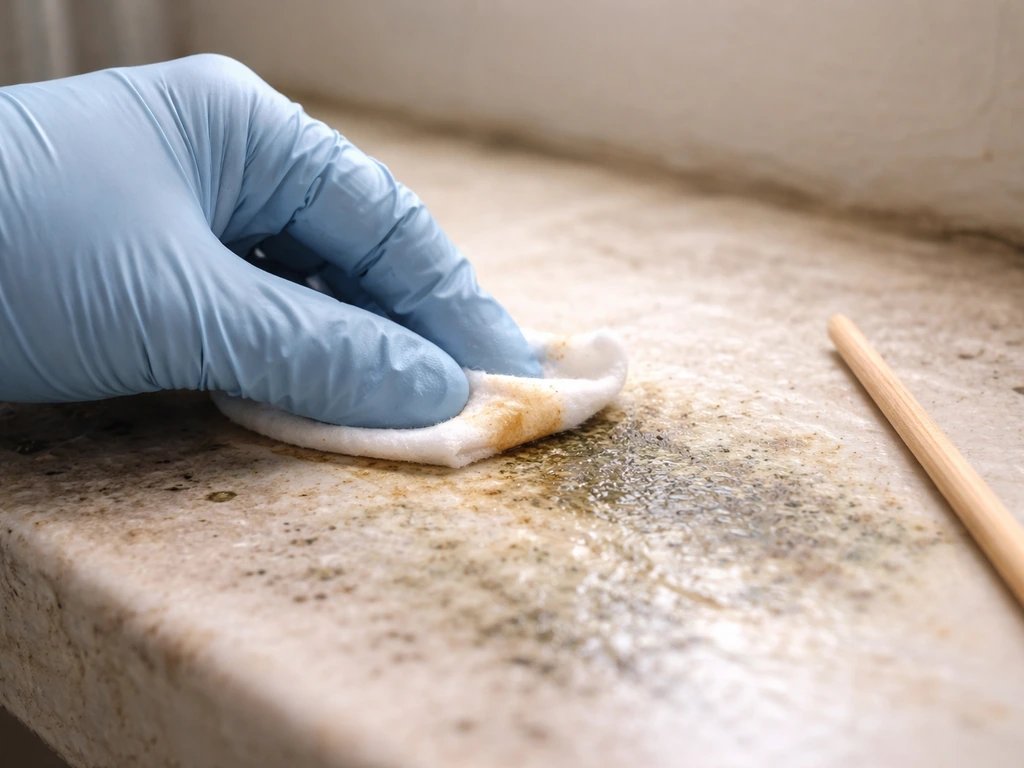
Do not put your face close to anything you suspect is mold. Use a stick or gloved hand. A musty, stale, or sour smell is a strong indicator of fungal or bacterial growth. Fresh seed has a mild nutty or oily smell. Suet that has gone off smells rancid. If what you smell makes you pull back, that is a sign to treat it as a mold situation.
The wipe test is the most reliable quick check. Use a gloved finger or a disposable cloth and lightly press against the white material. If it transfers, smears, or leaves a powdery residue, it is mold. If it does not wipe off and you can see woven or layered structure beneath, you are likely looking at a nest. Texture also matters: mold tends to feel slimy when wet or powdery when dry, while nesting material feels fibrous, springy, or firm depending on how it was constructed.
One caution: do not try to smell mold up close or poke into a dusty white patch without at minimum a simple dust mask. Fungal spores are microscopic and become airborne easily when disturbed. The EPA and CDC both recommend using an N-95 respirator when dealing with mold, especially in enclosed spaces or when disturbing a significant amount of growth.
The real risks: what mold near feeders can do to birds, pets, and people
Risks to birds
Aspergillosis is the main fungal disease risk for wild birds at feeders. It is caused by inhaling spores from Aspergillus fungi, primarily Aspergillus fumigatus, and it causes a respiratory tract infection that can be acute and rapidly fatal. The USGS lists it as a significant wildlife disease, and the California Department of Fish and Wildlife has documented cases occurring at bird feeders and birdbaths, including localized die-offs. The Pennsylvania Game Commission specifically highlights moldy bird feeder seed as an exposure source and recommends keeping seed fresh and mold-free. Birds that eat moldy seed are not just getting bad nutrition. They are inhaling spores every time they visit a contaminated feeder.
Risks to pets
Cats and dogs that roam near bird feeders will sometimes eat fallen seed or chew on contaminated material on the ground. If you are wondering can expired bird nest be eaten, treat it as potentially contaminated, especially if it looks moldy or smells off. The FDA has documented aflatoxin poisoning in pets from mold-contaminated food, caused by Aspergillus flavus growing on grains, peanuts, and corn-based ingredients. Symptoms include vomiting, diarrhea, jaundice, and bleeding or bruising.
The AKC specifically notes that damp or old birdseed may harbor mold and raise aflatoxin concerns if dogs ingest it. The Pet Poison Helpline also warns that tremorgenic mycotoxins from moldy food are a real toxicity risk for dogs and cats. If you suspect your pet has eaten moldy birdseed, contact your vet or the Pet Poison Helpline immediately.
Risks to people
For healthy adults, brief exposure to mold near a feeder is unlikely to cause serious harm, but prolonged exposure or disturbing a large growth can cause respiratory irritation and allergic reactions. People with weakened immune systems, asthma, or mold allergies face a higher risk. The CDC specifically notes that people with compromised immune systems should not enter heavily moldy environments. The FDA also warns that mycotoxins from fungi, including aflatoxins, can cause illness in people through contaminated food products.
For backyard feeding purposes, the practical risk is primarily from cleaning up a heavily moldy feeder or seed pile without protective gear. CDC also recommends protecting the mouth and nose by wearing at least a disposable N-95 respirator during mold-related cleanup [protect the mouth and nose by wearing at least a disposable N-95 respirator during mold-related cleanup](https://www. cdc. gov/natural-disasters/safety/what-you-can-do-to-protect-your-respiratory-health-during-disaster-cleanup.
html).
What to do right now: step-by-step removal and cleanup
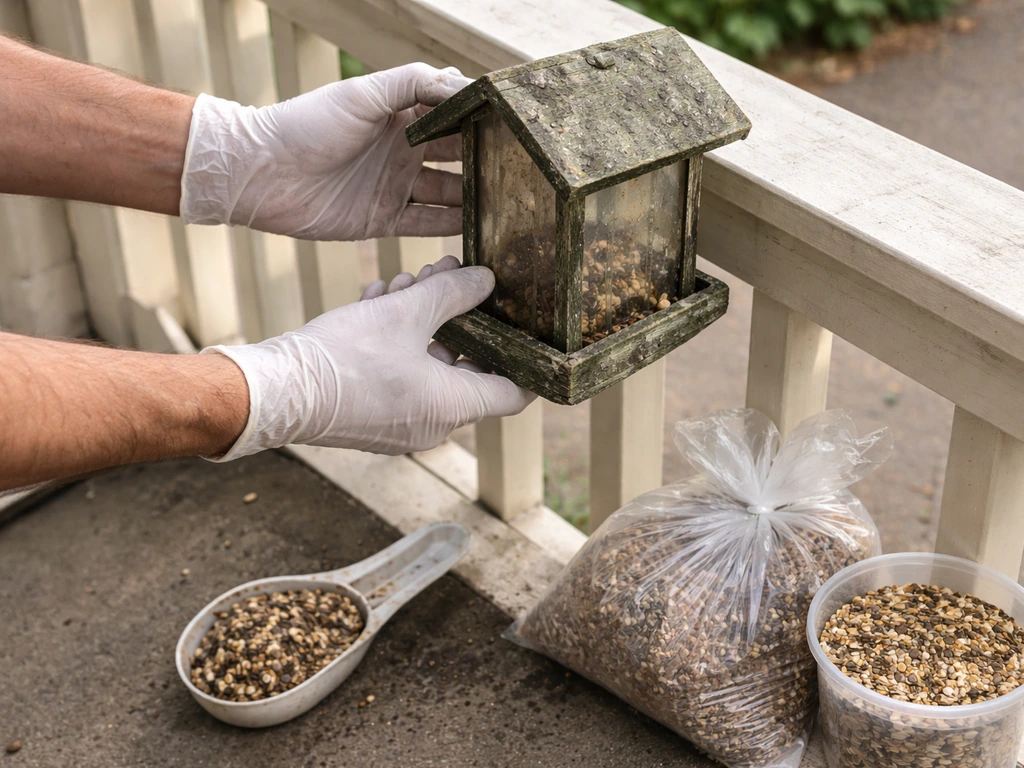
If you have confirmed mold or white fungus, act the same day. The EPA recommends drying water-damaged areas within 24 to 48 hours to prevent mold from spreading further. Here is the safest sequence:
- Stop filling the feeder immediately. Do not add fresh seed on top of contaminated seed.
- Put on PPE before you touch anything: disposable gloves, an N-95 mask at minimum, and eye protection if you are cleaning inside a feeder or nest box. The CDC recommends all three.
- Remove and bag all contaminated seed, suet, or debris in a sealed plastic bag. Do not dump moldy seed in your yard or compost pile where birds or pets can access it.
- Rake the area underneath the feeder and bag up seed husks, droppings, and any white-coated material on the ground. BC Wildlife Health guidance specifically recommends this step.
- Clean the feeder with hot soapy water first, scrubbing all surfaces. For disinfection, the CDC recommends a solution of 1 cup household bleach per 1 gallon of water, letting it remain wet on surfaces for the required contact time. Do not mix bleach with ammonia.
- Rinse the feeder thoroughly and let it dry completely before refilling. A damp feeder just restarts the problem.
- If a nest box has moldy material inside (and no active nest), remove all old nesting material, scrub the box, and let it dry fully before the next nesting season.
- Wash your hands thoroughly after removing all PPE, even if you wore gloves.
- Hold off on refilling the feeder for at least 24 to 48 hours so the feeder and the area around it can dry out fully.
One note on bleach: the EPA advises against using chemical biocides as a routine default for mold cleanup and cautions that killing mold with bleach does not remove the spores or the allergens they leave behind. Soap, hot water, scrubbing, and thorough drying do most of the real work. Bleach is a useful final disinfection step for feeders and hard surfaces, not a substitute for physical cleaning.
Prevent it from coming back: storage, hygiene, and moisture control
Most mold problems at feeders are caused by the same two things: wet seed sitting too long, and feeders that are not cleaned often enough. A peer-reviewed review available via PMC emphasizes that removing moldy substrates and preventing bird feeders and nest-boxes from accumulating moldy material helps reduce aspergillosis risk in birds wet seed sitting too long. Both are easy to fix once you build the habit.
Seed storage
Penn State Extension is direct on this: store seed in a cool, dry place and do not use it if it becomes moldy. Keep seed in a sealed hard-sided container (not the paper bag it came in) away from moisture. Never store seed outdoors in humid conditions or in a hot shed where condensation builds. Buy seed in quantities you will use within two to four weeks. Older seed is more likely to be contaminated before you even put it out.
Feeder cleaning schedule
Project FeederWatch and Cornell's All About Birds both recommend cleaning seed feeders about once every two weeks, and more often during warm, wet, or humid weather or during disease outbreaks in your area. That schedule is a minimum. If you live somewhere with regular rain or humidity, once a week is smarter during spring and summer. Hummingbird feeders (nectar) need cleaning every two to three days in warm weather because sugar water ferments fast.
Moisture control and feeder placement
- Use feeders with drainage holes or weather guards to keep rain from pooling in seed trays.
- Avoid putting out more seed than birds will eat in one to two days, especially in wet weather.
- Move feeders away from low-lying, shaded, or poorly drained spots where moisture collects.
- Rake and replace the ground cover under feeders regularly to remove seed husks and droppings before mold develops there.
- Consider switching to no-waste seed mixes (hulled seeds, chips) that do not leave shells accumulating on the ground.
- In wet weather, reduce the amount of seed you put out and check feeders more frequently.
Choosing mold-resistant seed options
Hulled sunflower chips, nyjer (thistle), and safflower hold up better in damp conditions than mixed seeds with fillers like milo or cracked corn, which absorb moisture quickly and mold faster. Suet cakes in warm weather are another common problem point: switch to suet-alternative cakes formulated for warm weather, or simply stop offering suet when daytime temperatures stay above 80F consistently.
If it might be an active nest: what to do and when to get help
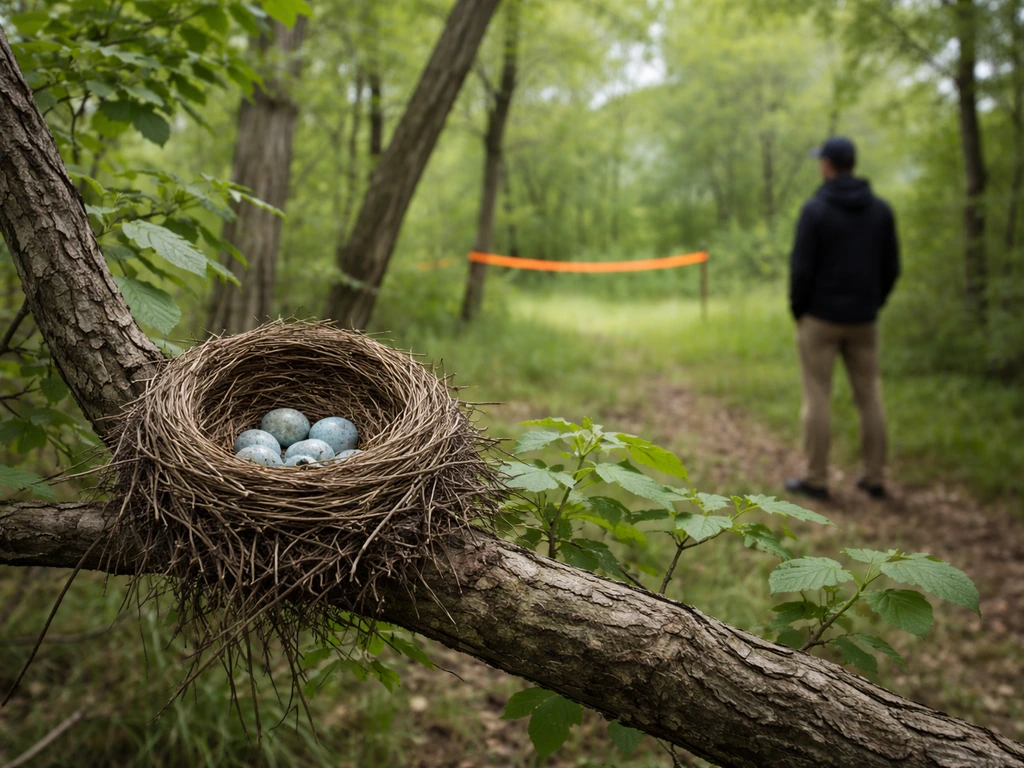
If your identification points to a real bird nest rather than mold, the calculus changes completely. In the United States, nearly all native wild bird species and their active nests are protected under the Migratory Bird Treaty Act. Disturbing, moving, or removing an active nest with eggs or chicks is illegal and harmful. The right move is to step back, observe from a distance, and leave it alone.
The BTO notes that birds will usually sit tight through brief disturbances like a quick peek, but repeated visits or extended disturbance near an active nest can cause adults to abandon it. If the nest is in an inconvenient location (like inside a nest box you want to clean, or in a wreath on your front door), wait until the breeding cycle is complete. Most songbird nests are active for two to five weeks from egg-laying to fledgling departure.
Here is how to handle the most common situations:
- Nest in a nest box with eggs or chicks: leave it completely alone. Once the fledglings have left, remove the old nest (USFWS guidance suggests doing this so birds can use the box again cleanly next season), clean the box with soapy water, rinse, and let it dry.
- Nest near a feeder: move the feeder at least 10 feet away temporarily so cleaning and refilling activity does not stress the nesting birds.
- Nest in a hazardous spot (near a door, inside equipment, on a vehicle): if there are no eggs or chicks yet, you can gently move the nesting material to a nearby sheltered spot. Once eggs are present, do not move it.
- Abandoned nest (cold, no adult visits in 24 to 48 hours, no eggs or chicks): an empty, unused nest can be removed safely once you are confident it is abandoned.
- Injured bird near a nest: do not handle it yourself. Contact a licensed wildlife rehabilitator in your area.
If you are genuinely unsure whether what you found is a nest or mold and there seem to be birds actively using the area, call your local wildlife rehabilitator, your state wildlife agency, or a local Audubon chapter. They can help you identify what you have and what the right next step is. Do not guess and remove something that turns out to be an active nest.
One final note: edible bird's nest, the ingredient used in bird's nest soup made from swiftlet saliva, is an entirely different thing from the backyard nests described here. If you meant a backyard bird nest instead of the edible “bird’s nest” ingredient, the fern commonly sold as bird nest fern is a separate plant question, including whether it is poisonous edible bird's nest.
Bird nest fern is also sold for food in some places, so check local guidance before eating it and use only well-identified, safe portions edible bird's nest. If you are asking about edible bird nest soup during pregnancy, it is worth reviewing first-trimester safety guidance before you eat it can eat bird nest during first trimester.
If you mean a bird nest found around a feeder or nesting spot, the safe answer depends on whether it is moldy or active, not on the fact that it might look like a nest edible bird's nest. If you are asking about whether a cancer patient can eat bird nest for dietary reasons, the guidance can differ from the outdoor nest and mold safety context, so it is best to follow medical advice can cancer patient eat bird nest. If you are asking this for an illness or dietary reason, including whether a cancer patient can eat bird nest, the guidance is different from the outdoor nest and mold context can cancer patient eat bird nest.
If that is the direction your search was heading, that topic involves a separate set of regulations, health questions, and sourcing considerations that are outside this backyard context. In general, pregnancy nutrition advice like whether you can eat bird nest during the first trimester should come from your clinician rather than from wildlife or bird-feeding guidance can eat bird nest during first trimester.
FAQ
I already touched it with my bare hand, is that automatically dangerous?
No. If the material is moldy, the main problem is inhaling or spreading microscopic spores. Instead, keep it at arm’s length, wear disposable gloves, and use a tool (stick, scoop) so you minimize disturbance and contact.
What if it’s hard to decide because some of it wipes off but it also looks woven?
If it wipes off, crumbles, or smells musty, treat it as mold. If it stays intact with woven or layered structure and does not wipe away, it is likely nesting material. When it is both dusty and structurally complex (for example, blended plant fibers and spider silk), err on the side of “nest” and observe from a distance for bird activity.
If it is mold, should I throw out the seed right away or clean it and reuse it?
Start by removing the bird food source. Replace any seed or suet that has visible growth, then clean the feeder and the area underneath using soap and hot water, followed by thorough drying. Avoid using bleach as the first step, because it can kill surface growth without fully removing spores and allergens.
Can I vacuum or sweep white fungus off the ground and call it done?
Do not. Even if the mold seems “old” and dry, you can still release spores when you brush or vacuum, especially indoors or in enclosed spaces. If you must handle it, dampen first with light water mist, then remove gently with gloves and bag it.
If it turns out to be a nest, can I clean it after the birds leave, or will birds reuse it?
Partly. A nest can be reusable in some species, but many nests are not. If you find an active nest, the safest move is to wait until birds have fledged and the nesting material is no longer being used, then clean and disinfect the area.
What should I do if a nest is inside a nest box or in a place I need to access for cleaning?
For active nests, the legal and practical rule is to leave it alone. If the nest is inside a nest box you need to maintain, stop until the breeding cycle ends. If you suspect a nest is being built inside a feeder housing or hard-to-reach cavity, contact a local wildlife rehabilitator for species-specific guidance.
Why does the white growth come back within a few days?
If you removed moldy material and see fresh growth returning quickly, the feeder and seed handling are still the moisture source. Focus on fixing water exposure (dripping roof, leaking feeder, wet ground), improving draining, and shortening how long seed stays out.
My dog ate some fallen seed, what symptoms should worry me and what should I do first?
If your pet shows symptoms after possible exposure, treat it as urgent. Call your veterinarian or a pet poison hotline immediately, bring a sample or photo of the moldy seed if you have it, and do not wait for symptoms to “pass.”
Do I need a mask even if it seems like a small patch of white fungus?
It depends on risk, not just your observation. Healthy adults can often avoid problems from brief exposure, but if you have asthma, allergies, a compromised immune system, or you are cleaning a large growth, limit exposure and consider wearing an N-95 respirator and eye protection while cleaning.
Can I keep checking a suspected nest to confirm it, or will I scare the birds off?
Yes, but it’s a timing and placement issue. Birds can still abandon if they are repeatedly disturbed, so avoid frequent checks. Use binoculars or zoom from a distance, and only approach if you truly need to, then pause activity and noise for a while.
Does “bird nest” mean the edible ingredient, or the nest I found outdoors near my feeder?
Edible bird’s nest (swiftlet saliva) is a different product with different safety considerations than outdoor bird nests or mold. If your question is about the outdoor material near a feeder, the mold versus active nest identification matters, and food-safety rules for supplements or soups do not apply.
How can I tell the difference when the white stuff is on the ground but it still looks like fibers?
Commonly, the white material that wipes away is mold, but the “nest” materials can also look pale and fluffy (spider silk, plant fibers). If there are no active birds nearby and the white material is coating seed husks or spreading across the ground, mold is more likely. If you see a structured cup and birds are using the spot, treat it as a nest.
Next Article
Is Bird Nest Fern Edible? Safety, ID, and What to Do
Bird nest fern edibility verdict, how to identify safely, key risks, avoid advice, and next steps if ingested.