Bird food is not outright poisonous to dogs in most cases, but it absolutely can be harmful depending on what's in it, how much your dog ate, and whether the seed is fresh or spoiled. A few bites of plain sunflower seeds scattered under a feeder? Probably fine. A mouthful of moldy suet cake or a pile of treated wild-bird mix? That's a genuine emergency. The honest answer is: bird food ranges from a minor stomach upset waiting to happen all the way to a serious toxicity risk, and the difference usually comes down to the ingredient list and the condition of the food.
Is Bird Food Bad for Dogs? Risks and What to Do

Maya Henderson
5 Apr 2026
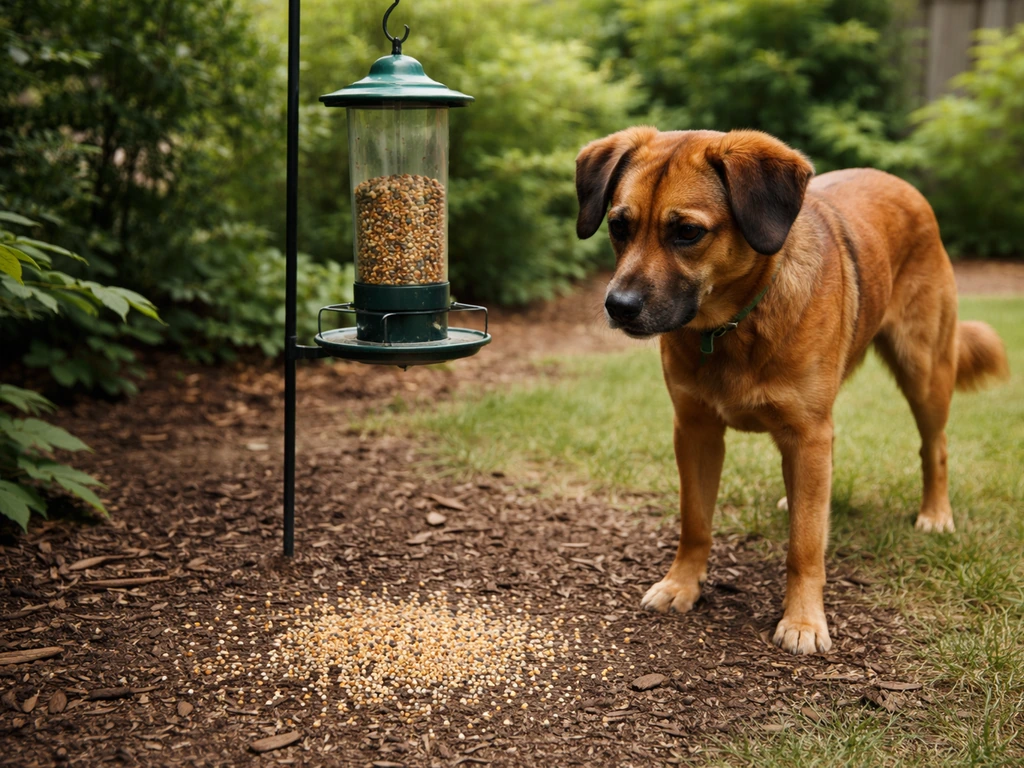
What's actually in bird food that could hurt your dog
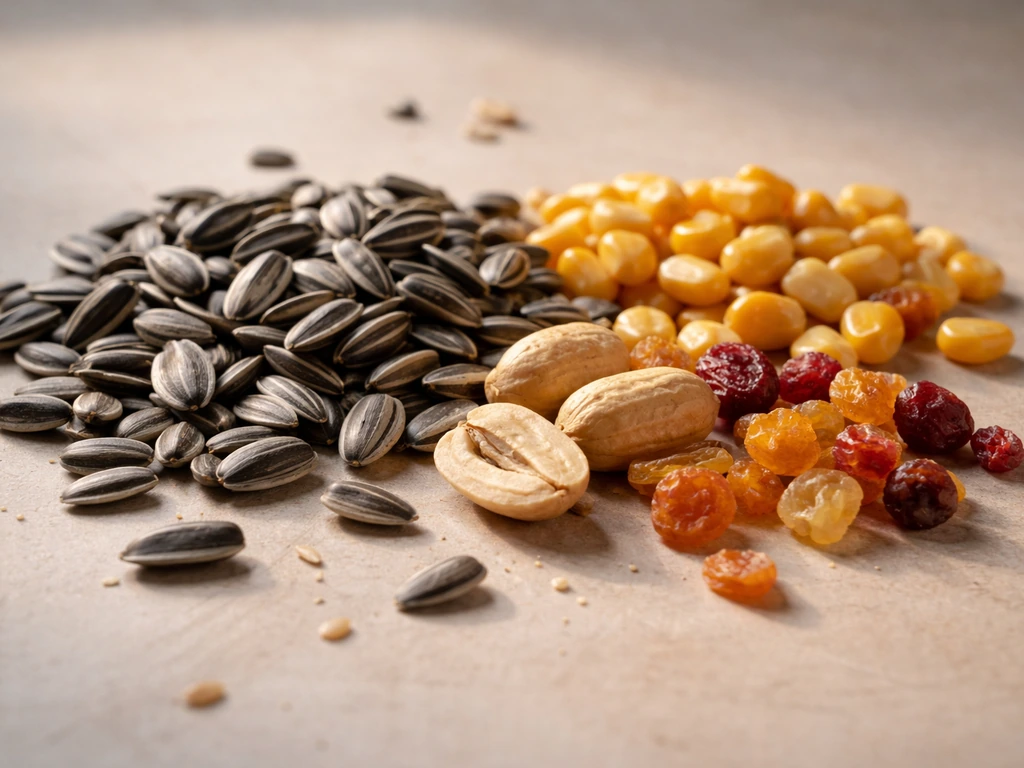
Most commercial wild-bird mixes contain a combination of millet, sunflower seeds, safflower, corn, peanuts, and sometimes dried fruit, insect meal, or flavored coatings. None of those individually are acutely toxic to dogs in small amounts, but several become a real problem depending on quantity and context.
Peanuts and peanut-based products (common in suet blends and 'high-energy' mixes) are high-fat foods. If your dog gorges on a fallen suet cake or a heap of peanut-heavy seed, you're looking at a serious risk of acute pancreatitis. The American Animal Hospital Association confirms that high-fat dietary indiscretion is one of the leading triggers of acute pancreatitis in dogs, with signs including severe abdominal pain, vomiting, and loss of appetite. That's not a 'wait and see' situation.
Corn is another ingredient worth flagging, mostly because of its mold risk rather than the grain itself. When corn sits in a wet or humid feeder, aflatoxin-producing mold can grow on it quickly. Dried fruit and flavored seed coatings can contain added sugars, artificial sweeteners, or flavoring agents that dogs shouldn't have. And if a mix contains raisins or currants (sometimes added to specialty songbird blends), that's an immediate toxicity concern, since both are known to cause kidney failure in dogs even in small amounts.
Suet products deserve special attention. Bird suet can be genuinely dangerous for dogs, especially the rendered-fat cakes that are spiked with nuts, corn, peanut butter, or berries. The fat content alone is enough to cause GI distress, and many suet blends include ingredients that compound the risk.
Seed types and their risk level at a glance
| Bird Food Type | Main Hazard for Dogs | Risk Level |
|---|---|---|
| Plain sunflower seeds (black oil) | High fat, shell choking risk | Low-moderate |
| Millet / safflower | Minimal direct toxicity | Low |
| Corn (dried or cracked) | Mold / aflatoxin risk | Moderate-high if spoiled |
| Peanuts / peanut-based mix | Pancreatitis, mold risk | Moderate-high |
| Suet / fat cakes | High fat, pancreatitis, additives | High |
| Mixes with raisins or currants | Kidney toxicity | Very high |
| Flavored or coated seeds | Sweeteners, additives | Moderate |
| Insect meal / dried mealworms | GI upset in large amounts | Low-moderate |
Mold, spoiled seed, and contamination: the hidden danger
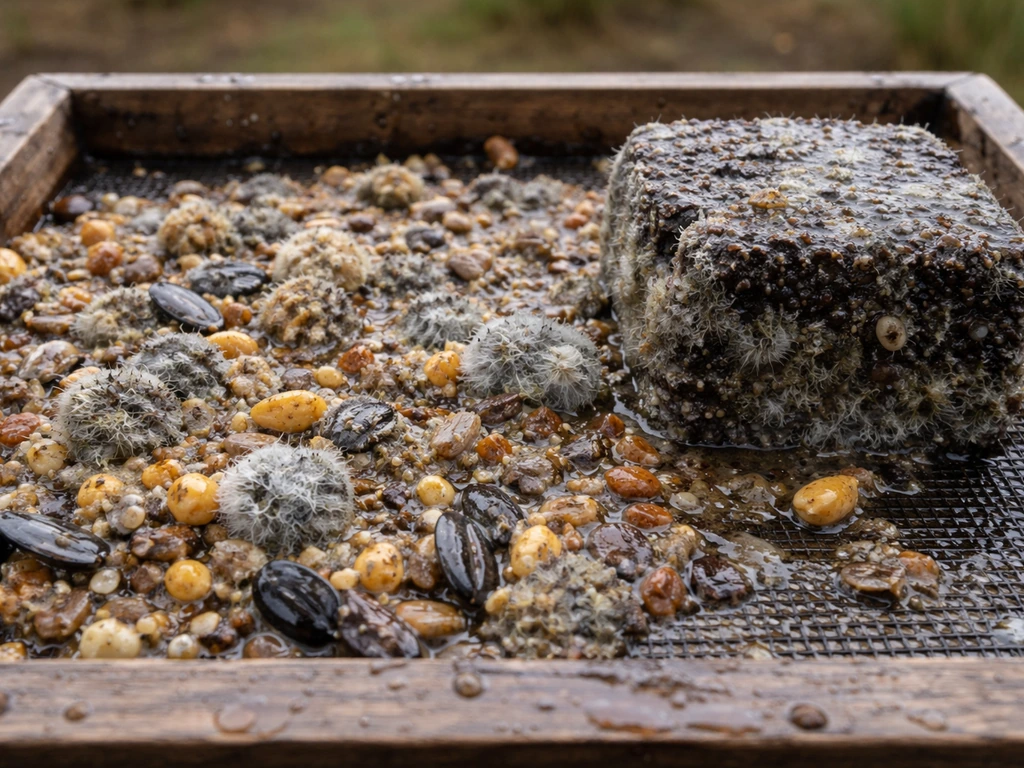
This is the part most people underestimate. Fresh bird seed under a clean, dry feeder is one thing. Old seed that's been rained on, sitting in a wet feeder tray, or scattered on damp ground is a completely different story. Aflatoxins are the main concern here. These are toxins produced by certain molds (Aspergillus species) that grow on corn, peanuts, and other grains under warm, humid conditions. The FDA has documented aflatoxin poisoning in pets who ate contaminated food, with signs including sluggishness, loss of appetite, vomiting, diarrhea, jaundice, and unexplained bleeding or bruising. The Merck Veterinary Manual specifically documents acute and fatal aflatoxicosis in dogs, meaning this is not a theoretical risk.
Treated or chemically preserved seed is another hazard that often flies under the radar. Some wild-bird seed is treated with pesticides or fungicides before sale. Dogs rooting around below a feeder can ingest treated seed directly or lick residue off the ground. If you're not sure whether your seed is treated, check the label before filling your feeder. The ASPCA notes that onset of signs from moldy food ingestion can be very rapid, so there's no time for a slow watch-and-wait approach if your dog has eaten anything you suspect is spoiled.
Feeder spill on wet ground is especially risky in spring and fall when temperatures fluctuate. Seed can look fine but harbor invisible mold. I always tell people: if you wouldn't pick it up and smell it yourself, your dog definitely shouldn't eat it.
Your dog just ate bird food: do this right now
First, stay calm and gather information before doing anything else. The steps you take in the next 10 minutes matter.
- Stop access immediately. Get your dog away from the feeder, spilled seed, or suet and prevent any further eating.
- Identify what they ate. Look at the feeder or packaging. Note the seed type, any visible mold, whether it's suet or a mix, and approximately how much they consumed.
- Check for raisins, currants, or xylitol. If the mix contains these, call a vet or poison control immediately without waiting for symptoms.
- Assess the condition of the food. Was it fresh from a sealed bag, or old and damp from a feeder that's been out in the rain? Spoiled or moldy food escalates urgency.
- Call for guidance. Contact your veterinarian, the ASPCA Animal Poison Control Center (available 24 hours a day, 365 days a year), or the Pet Poison Helpline. Give them the specific ingredients, quantity estimate, and your dog's weight and breed.
- Do NOT induce vomiting on your own. The Pet Poison Helpline explicitly advises against inducing vomiting without first consulting a vet or poison control, as it can make some situations worse.
- Go to an emergency vet if symptoms are already present. Vomiting, lethargy, difficulty breathing, or collapse means skip the phone call and drive directly to the clinic.
When you call, the information they'll want includes: your dog's weight, the type and brand of bird food if known, how much was eaten, when it happened, and whether the food appeared fresh or spoiled. Having that ready saves time.
Symptoms to watch for and what they actually mean
Not every symptom requires a 3 a.m. emergency vet visit, but some absolutely do. Here's how to read what your dog's body is telling you.
Mild GI upset (monitor at home, call your vet in the morning)
- One or two episodes of soft stool or mild vomiting
- Mild gas or bloating that resolves quickly
- Slightly reduced appetite for a meal or two
- No other symptoms alongside the GI signs
More serious symptoms (call your vet or poison control now)
- Repeated vomiting or vomiting that doesn't stop
- Severe abdominal pain: dog is hunched, reluctant to move, or cries when touched near the belly
- Bloody diarrhea or vomit
- Lethargy or weakness beyond normal tiredness
- Loss of appetite lasting more than 12-24 hours
- Jaundice (yellowing of gums, whites of the eyes, or skin)
- Unexplained bruising or bleeding
- Tremors, seizures, or muscle twitching
The severe abdominal pain and vomiting pattern is a red flag for pancreatitis, which is documented by both the Merck Veterinary Manual and AAHA as a serious and painful condition that requires veterinary treatment. The jaundice, sluggishness, and bleeding combination points strongly to aflatoxin toxicity, which the FDA identifies as a potentially fatal condition in dogs. These are not symptoms to sleep on.
If your dog shows any signs of GI obstruction (inability to keep anything down, abdominal swelling, extreme lethargy, signs of shock), that's also a veterinary emergency. The Merck Veterinary Manual lists anorexia, regurgitation, vomiting, diarrhea, lethargy, and shock as possible signs of GI obstruction in small animals, which can occur if a dog swallows shells, cobs, or clumped seed material in large amounts.
Keeping your dog away from feeders (practical prevention)
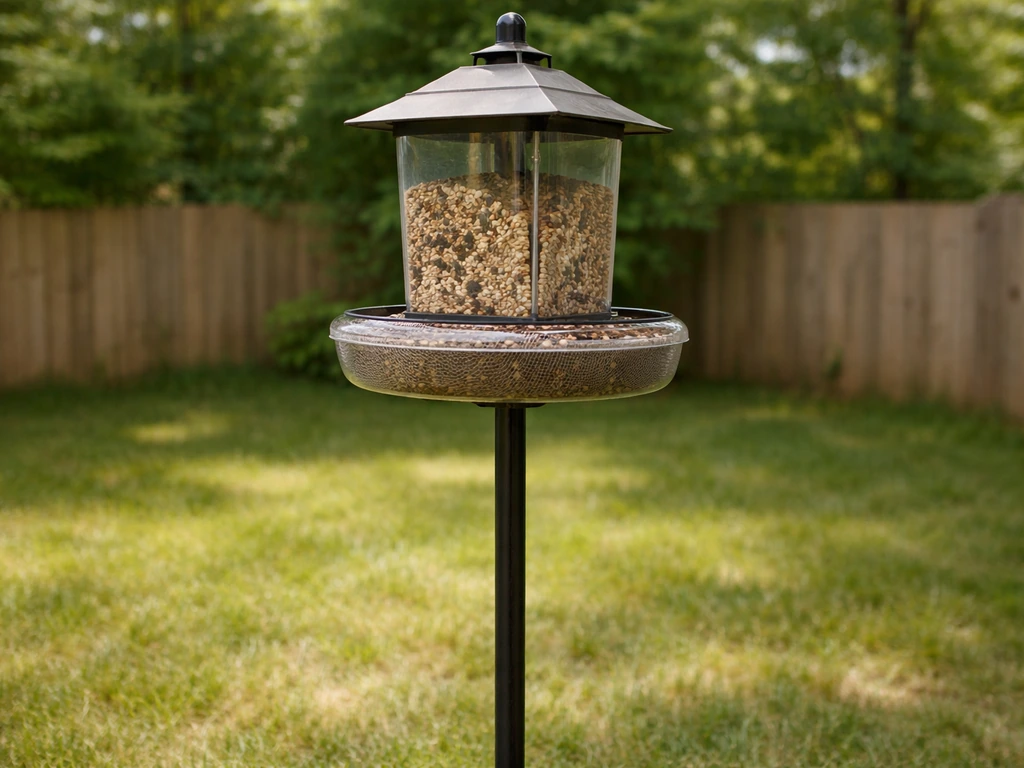
The most effective prevention is feeder placement. Position feeders high enough (at least 5 to 6 feet off the ground) that spillage lands in a contained area, and place them far enough from your dog's regular outdoor zone that casual grazing isn't possible. A fenced bird-feeding area within a larger yard works well for dogs who free-roam.
Seed storage matters just as much as feeder placement. Store seed in airtight, hard-sided containers (metal or heavy plastic) in a cool, dry location. Damp seed stored in bags or open containers is where mold problems start. Check seed before each fill: if it smells musty, looks clumped, or has visible dark spots, throw it out. It's not worth the risk.
Cleaning your feeder regularly prevents the wet seed buildup that leads to mold. A good rule of thumb is to clean feeders every one to two weeks with a 10% bleach solution, rinse thoroughly, and let them dry completely before refilling. Rake or remove ground spillage at least weekly, especially after rain. For dogs who are persistent scavengers, a physical barrier like a short garden fence or raised planter bed around the feeder base can block access to fallen seed without disrupting the birds.
Some owners wonder if the materials around feeders can cause secondary problems. For instance, dog hair collected near feeders can actually be used by birds for nesting material, which is an interesting and harmless coexistence side note, but the more pressing concern near any feeder is always keeping fallen seed off the ground and away from pets.
Backyard coexistence: reducing spill, managing wildlife, and feeding smarter
If you love feeding birds but also have dogs, the goal isn't to choose one over the other. It's to set up your yard so both can coexist without the birds attracting hazards for your pets.
Ground-feeding birds (like doves and sparrows) scatter seed constantly, which means spill is unavoidable with standard platform or tube feeders. Switching to no-mess seed mixes (hulled seeds, shelled sunflower chips, or Nyjer thistle) dramatically reduces the debris on the ground. Hulled seeds also decompose faster and don't leave hard shells that dogs might crunch on. Tray feeders with drainage holes and a seed catcher dish underneath keep fallen seed contained and off the lawn.
Wildlife drawn to feeders, including squirrels, raccoons, and rats, can knock seed to the ground in large quantities overnight, creating an inviting pile for your dog to find in the morning. Squirrel-proof feeders and baffles on feeder poles reduce this significantly. If you're noticing a lot of wildlife activity, bringing feeders in at night is the most straightforward fix.
Fat balls and suet cages are particularly attractive to dogs because of the strong smell, and they tend to fall in chunks when birds peck at them. Bird fat balls can pose real dangers to dogs if they contain high-fat ingredients or are left to spoil on the ground. If you use fat balls, hang the cage high and check daily for fallen pieces. For more detail on this specific product type, whether dogs can safely eat bird fat balls comes down to ingredients, freshness, and quantity, so it's worth understanding before you buy.
One thing that often surprises people is wondering about the more exotic end of bird-related foods. If you've ever seen products like bird nest soup marketed as a health food and wondered about dogs, dogs and bird nest soup is a separate topic worth understanding, especially if you have unusual products around the house alongside standard backyard bird food.
The practical rules to keep in your back pocket
Here's what it comes down to in plain terms. Bird food is not designed for dogs, and while a small taste of fresh, plain seed is unlikely to cause serious harm, the real dangers are high-fat ingredients (especially suet), mold and aflatoxins on old or wet seed, toxic additives like raisins, and treated seed with pesticide residue. Dogs who scavenge near feeders regularly are at ongoing, cumulative risk, not just from a one-time snack.
Set your feeder up in a way that physically limits your dog's access, keep seed fresh and dry, clean the feeder regularly, and manage ground spill. If your dog has already eaten bird food and you're not sure what was in it or how much, call your vet or a poison control line before you wait and see. That's the safest approach every time.
FAQ
My dog ate a small amount of plain bird seed, should I still worry about toxicity?
Often a tiny taste of fresh, plain seed may cause mild stomach upset, but you still need to look at freshness and ingredients. If the seed was wet, moldy, or coming from a spill pile, treat it as a higher-risk exposure (especially if it included corn, peanuts, or suet blends). If you cannot confirm the brand or quantity, contact your vet with the packaging details (or a photo) right away.
How can I tell if bird food is the “mold risk” type?
The most practical check is condition. Seed that smells musty, looks clumped, has dark or dusty patches, or was left in a damp feeder tray or on wet ground should be assumed contaminated. Even if it looks normal at first glance, mold toxins can be present, so don’t rely on appearance alone.
What ingredients in bird food are most concerning for dogs?
The highest-risk items are raisin or currant-containing mixes (kidney failure risk) and high-fat suet or peanut-heavy products (pancreatitis risk). Also watch for mixes that include corn or peanuts because those grains are prone to aflatoxin-producing mold when stored poorly or exposed to moisture.
My dog ate suet. Is it enough to cause pancreatitis even if they seem okay right now?
Yes. Pancreatitis signs can start after a delay and can progress quickly. If your dog has vomiting, severe abdominal pain (tense belly, crying when touched), lethargy, or loss of appetite after eating a fatty suet item, you should contact an emergency vet rather than monitoring at home.
If raisins or currants were in the bird mix, what should I do immediately?
Call your vet or a poison control line right away, tell them the product name and estimated amount eaten, and follow their instructions on whether you need urgent evaluation. Do not try to “wait for symptoms,” because kidney injury can develop even if your dog initially acts normal.
How should I describe the amount eaten when I’m not sure how much?
Give the best estimate you can using visual clues, like “a mouthful,” “a small handful,” or “a chunk the size of a walnut,” and note whether it came from a feeder spill or a whole fat ball/suet piece. If possible, photograph the remaining food and the feeder area. That helps clinicians judge dose and likely risk.
Can treated or pesticide-coated seed affect dogs even if it was dry?
Yes, residue can transfer to paws or be licked off from the ground, and direct ingestion is still a concern. If the bag label indicates treatment with insecticides or fungicides, treat any eating by a dog as potentially significant and ask your vet what symptoms to watch for and whether decontamination or observation is appropriate.
Should I induce vomiting if my dog ate bird food?
Do not induce vomiting unless a vet or poison control specifically instructs you. The right approach depends on the ingredients (for example, fatty suet and mold risks) and how long ago the dog ate. Incorrect timing can worsen aspiration risk or delay needed treatment.
What symptoms mean I should go to the emergency vet now?
Go urgently if you see severe or persistent vomiting, marked lethargy, abdominal pain or a tense belly, jaundice (yellow gums or eyes), unexplained bruising or bleeding, inability to keep water down, signs of shock, or extreme weakness after suspected moldy seed or suet. These can indicate pancreatitis, aflatoxin toxicity, or other serious problems.
My dog sometimes snacks under the feeder. Is that a one-time issue or a cumulative risk?
Ongoing exposure is a real concern. Even if each incident seems minor, repeated contact increases the chance of eating spoiled or moldy seed and of encountering high-fat pieces. The safest approach is to physically block access and switch to no-mess options that reduce debris on the ground.
What are “no-mess” options that reduce the ground pile problem?
Consider shelled sunflower chips, hulled seeds, or thistle products designed to reduce waste. Pair that with a tray or feeder setup that includes drainage and a seed-catching dish. This reduces how much ends up on the lawn where dogs can scavenge and where moisture allows mold to grow.
How often should I clean the feeder if dogs are nearby?
If you want a simple routine, clean feeders about every one to two weeks, and more often during wet seasons or if you notice wet buildup. After rain, remove spilled seed from the ground quickly and fully. Completely dry the feeder before refilling, since residual moisture can seed mold growth.
Next Articles
Do Seagulls Eat Bird Seed? How to Stop Them
Yes, seagulls often eat bird seed. Learn why they show up and how to block them while keeping feeding safe.
Do Pigeons Eat Bird Seed? Safe Feeding Tips and Risks
Yes, pigeons eat many seeds, but mold and mess make it risky. Learn safe bird seed storage, feeding, and placement.
Do Turkeys Eat Bird Seed? What to Do for Safety
Do turkeys eat bird seed? Learn what attracts them, seed ingredients to avoid, and safety steps to stop mold and disease