Bird fat balls are not acutely poisonous to dogs in the way that, say, xylitol or grapes are, but they can absolutely cause real harm depending on what's inside them, how much your dog ate, and how long the fat ball had been sitting outside. The main risks are a serious stomach upset from the high fat content, potential toxicity from certain add-in ingredients like raisins, chocolate, or xylitol-containing peanut butter, choking or intestinal blockage from chunks of compacted seed, and bacterial or mold contamination from a product that has been weathering outdoors. So the honest answer is: a plain fat ball in a small amount is unlikely to be a crisis, but you should always check the ingredients and watch your dog carefully.
Are Bird Fat Balls Dangerous for Dogs? Risks and What to Do

Maya Henderson
29 Apr 2026
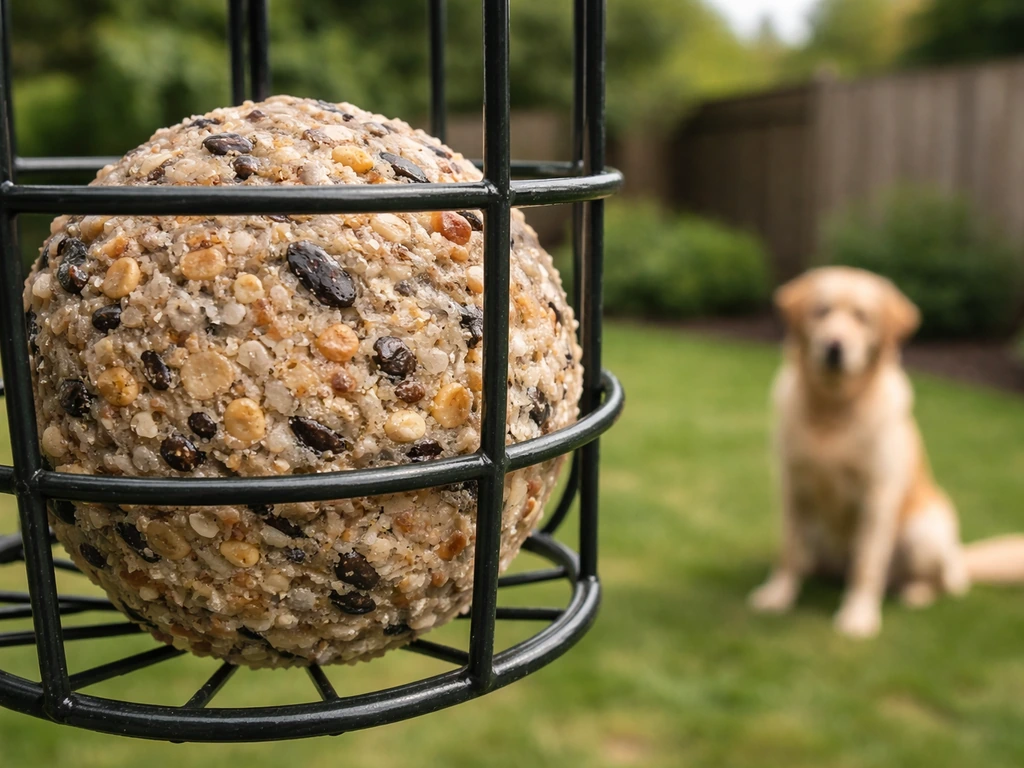
What bird fat balls actually contain
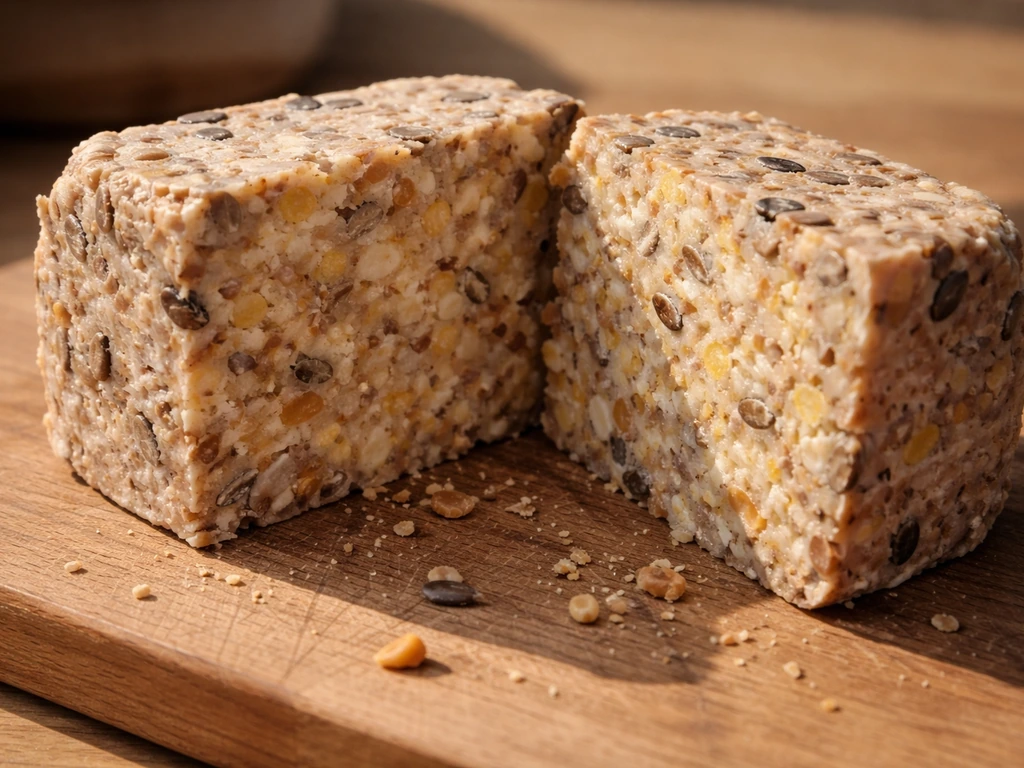
Most commercial fat balls (also called suet cakes, fat cakes, or suet blocks) are built around rendered animal fat, typically beef or pork tallow, lard, or suet. That fat is mixed with filler ingredients to attract birds: sunflower seeds, wheat or oat flakes, millet, crushed peanuts, and sometimes dried fruit, mealworm pieces, or orange/berry flavoring. Some seasonal or premium blends add things like raisins, sultanas, dried cherries, or even a cocoa-based coloring or flavoring. Cheaper or older products occasionally use binders that could theoretically contain artificial sweeteners.
The net result is a dense, calorie-packed block that smells strongly of animal fat and seed, which is exactly why dogs find them irresistible. From a dog's perspective, it's basically a greasy, seedy meatball sitting on the ground.
The real risks for dogs
High fat content and pancreatitis
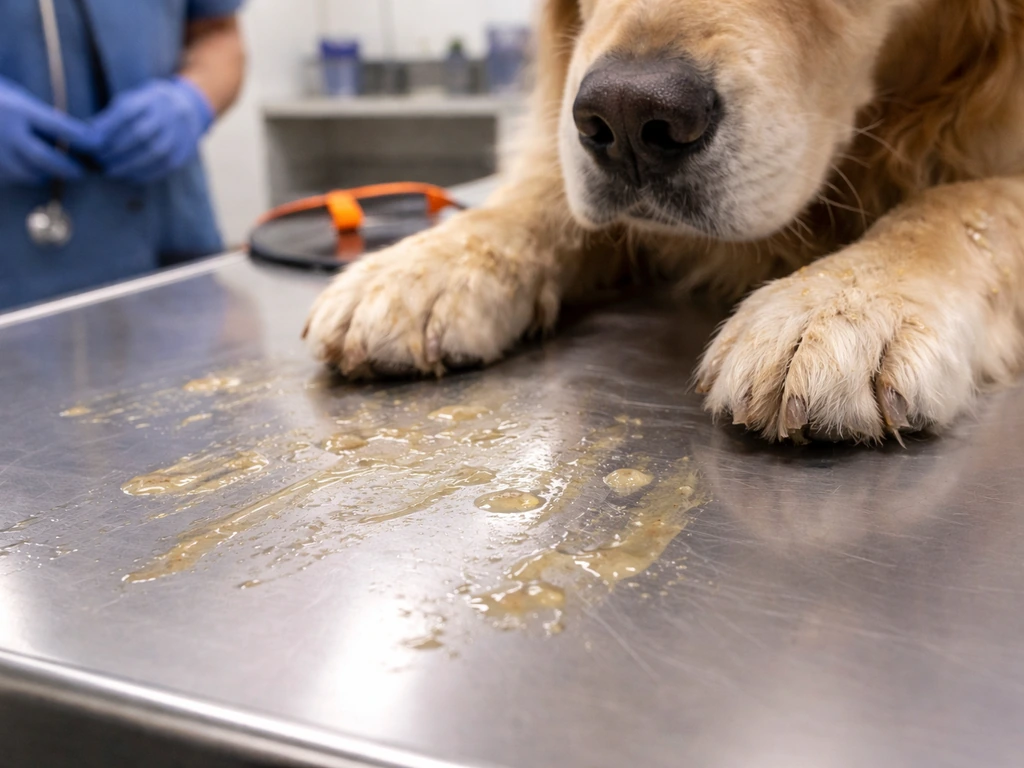
The most common problem is straightforward: fat balls are extremely high in animal fat, and dogs are not built to handle a sudden large dose of it. Eating a whole fat ball, or even a significant chunk, can trigger acute pancreatitis. Symptoms include vomiting, abdominal pain, weakness, diarrhea, and loss of appetite. Severe cases can escalate to dehydration, systemic shock, and require intensive veterinary care. Small or toy breeds, dogs prone to pancreatitis (like Miniature Schnauzers), and overweight dogs face a higher risk even from moderate amounts.
Toxic ingredients hiding in the mix
This is where it gets more serious. Several ingredients that legitimately appear in bird fat balls are genuinely toxic to dogs. Raisins and sultanas are a major one: grape and raisin toxicity in dogs is unpredictable, cannot be reliably dose-predicted, and can cause acute kidney failure. Any ingestion should be treated as a potential emergency.
Chocolate is another: it contains theobromine and caffeine, which can cause increased heart rate, agitation, tremors, and seizures, with risk varying by the cocoa content of the product. Xylitol, an artificial sweetener occasionally found in peanut butter-based fillings or flavored products, is rapidly dangerous and potentially lethal even in small quantities.
The FDA warns that xylitol poisoning symptoms can include vomiting followed by decreased activity or weakness, and the condition can progress to collapse and seizures Xylitol, an artificial sweetener occasionally found in peanut butter-based fillings or flavored products, is rapidly dangerous and potentially lethal even in small quantities. .
Choking and gut blockage
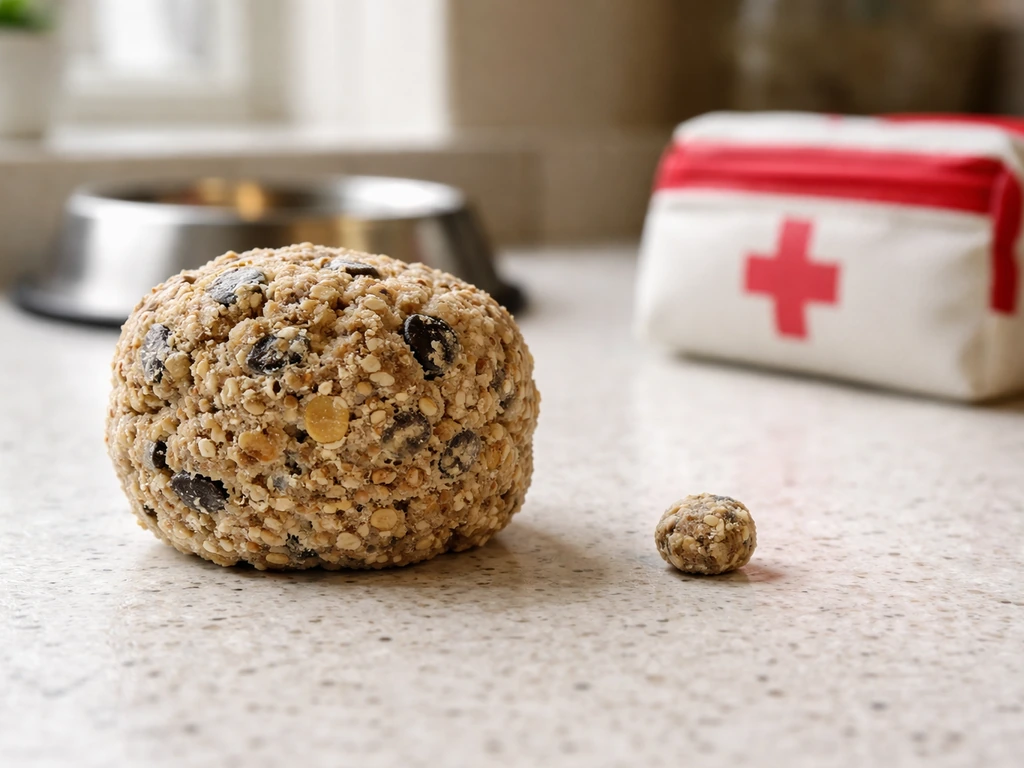
Fat balls are dense and compacted. A dog that gulps a large chunk whole could choke on it or swallow a piece big enough to lodge in the stomach or small intestine. Obstruction is a surgical emergency. Vomiting is the most common early sign, along with drooling, lethargy, and loss of appetite. If the blockage isn't caught, it can lead to tissue damage and perforation.
Mold, bacteria, and outdoor contamination
A fat ball that has been hanging outside for days or weeks in warm weather is a different hazard from a fresh one. Animal fat goes rancid and grows mold; the seed mix can harbor bacterial growth, especially after rain or in heat. Dogs that eat a partially decomposed fat ball may develop vomiting and diarrhea from the spoilage alone, on top of any other risks.
When it's more dangerous
| Risk Factor | Why It Matters | What To Do |
|---|---|---|
| Raisins, sultanas, or dried grapes in the mix | Toxic at unpredictable doses, can cause kidney failure | Call vet or poison control immediately |
| Chocolate flavoring or cocoa-based coloring | Theobromine and caffeine are toxic; severity depends on type and amount | Call vet or poison control immediately |
| Xylitol in peanut butter filling or sweetener | Rapidly dangerous, potentially lethal even in small amounts | Treat as emergency, call poison control now |
| Large chunk swallowed whole | Obstruction risk in stomach or small intestine | Monitor closely, call vet if vomiting or lethargy develops |
| Outdoors for days in warm or wet weather | Mold, rancid fat, and bacteria increase GI illness risk | Note how old/degraded the product looked |
| Small or toy breed dog | Lower body weight means a smaller dose has bigger impact | Lower threshold for calling the vet |
| Known pancreatitis history | Even plain fat can trigger a severe episode | Call vet, do not wait for symptoms |
What to do right now if your dog ate a fat ball
- Stay calm and get the packaging if you can. You need the ingredient list. Look specifically for raisins, sultanas, dried fruit, chocolate, cocoa, or any sweetener labeled xylitol or 'birch sugar.'
- Do not try to make your dog vomit at home unless a vet or poison control tells you to. Home vomiting induction without guidance can cause additional harm.
- If the label lists raisins, sultanas, chocolate, or xylitol, call poison control immediately. Pet Poison Helpline is available 24/7 at (855) 764-7661. ASPCA Animal Poison Control is available 24/7 at (888) 426-4435. Both may charge a consultation fee but are staffed by veterinary toxicologists.
- If there are no obviously toxic ingredients listed, call your regular vet or an out-of-hours emergency clinic anyway and describe the size of your dog, roughly how much they ate, and whether the fat ball was fresh or had been outside for a while.
- Note the time your dog ate it. Symptoms from fat-related GI upset typically appear within a few hours. Symptoms from raisin toxicity can be delayed by 24 to 72 hours.
- When you call the vet or poison control, have ready: your dog's weight, the product name and brand, a rough estimate of how much was eaten, how long ago, and any symptoms you're already seeing.
- Keep your dog calm and under observation. Don't offer food right away. Fresh water is fine.
Symptoms to watch for and red flags that mean go to a vet now
Some symptoms are general GI upset and can be managed with monitoring and vet guidance. Others are red flags that need urgent care.
Watch for these over 24 to 72 hours
- Vomiting (especially repeated or ongoing)
- Diarrhea, including loose or greasy stools
- Loss of appetite or refusing water
- Lethargy or unusual quietness
- Drooling more than normal
- Hunched posture or signs of abdominal discomfort
Go to an emergency vet immediately if you see
- Repeated vomiting with nothing coming up (could indicate blockage)
- Tremors, muscle twitching, or seizures (possible chocolate or xylitol toxicity)
- Extreme lethargy or collapse
- Swollen or rigid abdomen
- Pale gums
- Rapid heart rate or obvious distress
- Reduced or absent urination after 24 hours (possible raisin/grape kidney damage)
How to stop this from happening again
Feeder placement matters most
The single most effective prevention step is placing fat ball feeders where your dog simply cannot reach them. Hang feeders at least 5 feet off the ground and away from fences, tree trunks, or garden furniture that a dog could use to jump up or knock feeders down. Don't place them over grass or paving where dropped pieces land within easy reach. If you have a large or athletic dog, opt for cage-style or enclosed feeders designed to prevent scavenging animals from removing the fat ball in one go.
Managing fat balls in your garden
- Only put out as much as birds will eat in a day or two, especially in warm weather, to minimize spoilage and reduce what's available on the ground.
- Remove any uneaten fat ball remnants before letting your dog out in the garden.
- Check under feeders regularly for dropped chunks and clear them away.
- Store unused fat balls in a sealed container in a cool, dry place, out of any pet's reach.
- Check ingredient labels every time you buy a new brand. Formulations change, and a new 'fruit and berry' or 'peanut butter' variety from a trusted brand could contain raisins or different fillers.
- Avoid products that list raisins, sultanas, dried fruits, chocolate, cocoa, or any artificial sweeteners in the ingredients if your dog has garden access.
Safer ways to feed garden birds when you have dogs
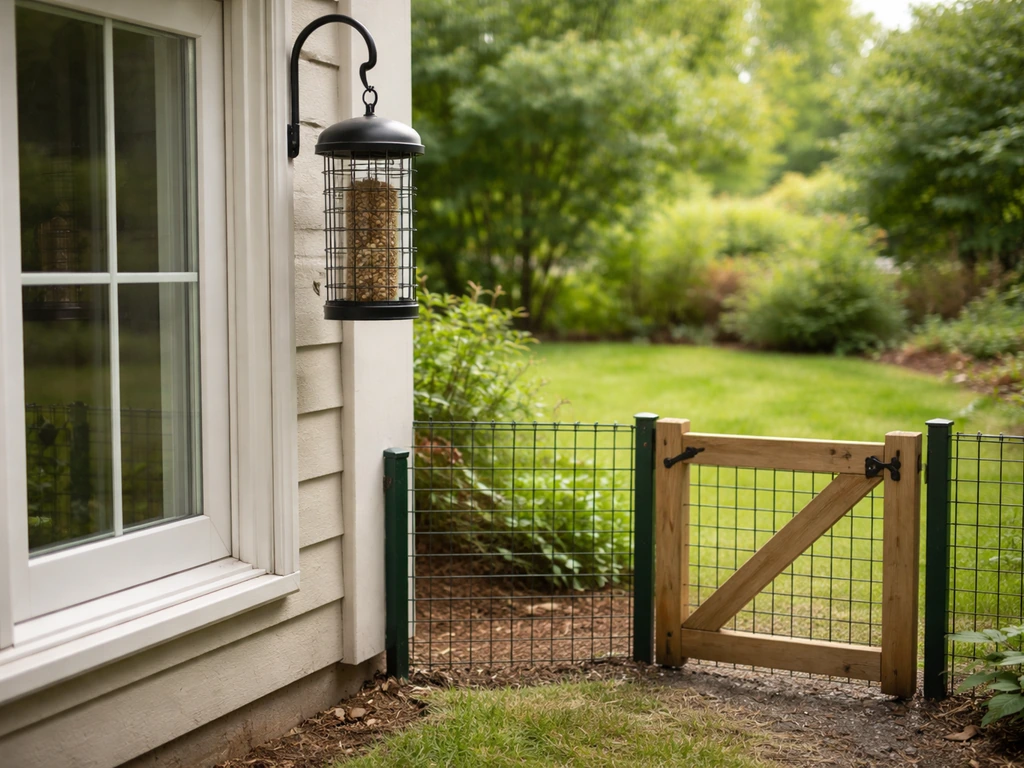
You don't have to choose between feeding birds and keeping your dog safe. The simplest approach is to use window-mounted feeders or hanging feeders attached to a dedicated high post that dogs cannot access. Stick to suet or fat cakes made with plain ingredients: rendered beef tallow, sunflower seeds, and plain grains with no fruit, chocolate flavoring, or sweeteners.
However, if you are wondering whether dog hair can work for bird nests, the safest choice is to stick to proper nest materials or approved animal-safe supplies suet or fat cakes. These carry a much lower toxicity risk even if your dog does manage to grab a small piece. In general, bird food can be risky for dogs, especially if it contains high-fat ingredients, toxic add-ins, or hardened chunks.
If your dog has persistent access to the whole garden and you can't reliably keep them away from fallen pieces, consider switching to loose seed in a tube feeder or a squirrel/pet-resistant enclosed feeder design, both of which limit how much ends up on the ground. Nyjer or safflower seed feeders tend to produce less spillage than suet and are lower risk if ingested in small amounts, though they should still be treated as unsuitable dog food.
It's also worth thinking about where you position any bird feeding station relative to your dog's patrol routes. Placing it in a corner of the garden that you can physically section off, or in a spot only reachable by a raised path your dog doesn't use, is a practical solution that many backyard birders use successfully. The goal is not to stop feeding birds, it's to make sure the food stays inaccessible to your dog rather than relying on training alone to keep them away from something that smells irresistible.
If you're also thinking about related risks, it's worth noting that bird suet sold in block or cake form shares most of the same hazards as fat balls, and other general bird foods like mixed seed also carry some risk if eaten in quantity. The same ingredient-checking habit and feeder placement rules apply across all of them.
FAQ
If my dog only licked or took a small bite, do I still need to call the vet?
Yes. Even if the brand is not known for “toxic add-ins,” rancid or moldy fat balls can trigger vomiting and diarrhea. If your dog ate it and had symptoms within a few hours, treat it as an ingestion event and contact your vet for dosing and observation guidance, especially for puppies, small breeds, or dogs with a history of pancreatitis.
My fat ball had raisins or chocolate (or I suspect it did), when is it an emergency?
Don’t wait for symptoms if the fat ball likely contained raisins, chocolate, or xylitol. For xylitol and chocolate, clinical effects can start sooner than you expect. For raisins or sultanas, kidney injury can still develop even when the amount seems small, and there is no reliable “safe” dose based on appearance.
How can I tell if it’s pancreatitis versus an intestinal blockage?
If you think your dog swallowed a large chunk, watch for repeated retching, ongoing drooling, abdominal pain, a hard distended belly, or no ability to keep food or water down. Obstruction is a surgical emergency, so if these signs appear, head to an emergency vet rather than trying home treatment.
What information should I give the vet if my dog ate part of a fat ball?
Bring the wrapper or photo of the ingredient list to the vet. Knowing whether it contains grapes or raisins, chocolate, mealworms, or peanut butter with sweeteners can change what they monitor for and whether they recommend decontamination or bloodwork.
Should I try to make my dog vomit after eating a fat ball?
Do not induce vomiting unless a vet specifically tells you to. With dense, greasy, compact food, vomiting attempts can increase the chance of aspiration into the lungs. Instead, keep your dog calm, prevent further scavenging, and follow vet instructions for whether they want you to monitor at home or come in.
What can I do at home if my dog seems to be just nauseous or has diarrhea?
Gastro upset from high fat can overlap with other problems, so the “right” home care depends on severity. In general, avoid additional rich foods or treats, offer water in small amounts if your dog is alert, and monitor for worsening vomiting, lethargy, or lack of appetite. If symptoms persist beyond a short window, contact your vet.
Does an old, weathered fat ball change the risk level?
Rancid fat balls and mold can be more irritating to the stomach than a fresh one, and warm weather increases the chance of bacterial or mold growth. If the fat ball had been outside for days, assume higher risk and seek vet advice even if the dog only ate a small amount and seems fine initially.
What symptoms mean I should go to an emergency vet immediately?
Watch for early signs like vomiting, drooling, weakness, tremors, agitation, or unusual behavior. Any seizure activity, repeated collapse, or inability to stand is a “go now” situation. For lethargy plus vomiting or a painful abdomen, emergency assessment is safer than waiting.
What makes xylitol-containing fat balls so dangerous compared with other ingredients?
Xylitol exposure is especially time-sensitive because it can cause a rapid drop in blood sugar, sometimes before other symptoms are obvious. If you suspect xylitol-containing peanut butter or flavored product, treat it as urgent and contact a vet or poison line right away.
My dog grabbed one fat ball, but I keep finding pieces around the yard. What should I do?
Try to remove any remaining pieces from the yard and check under decks, fences, and garden furniture where chunks land after being knocked down. Also clean up residue so your dog is not repeatedly sampling, since repeated small intakes can still add up.
Can dogs be safer around bird nesting materials than around fat balls?
Yes, some “nesting” and bird-feeding materials can create a similar problem if they contain fat, sweeteners, or hardened chunks. If you want bird nests without increasing dog risk, choose materials specifically intended as animal-safe for pets, and avoid anything that looks like compacted suet or contains unknown additives.
If I switch to loose seed or tube feeders, is my dog fully in the clear?
Loose seed can be risky mainly due to quantity and filler types, but it usually causes less emergency risk than a dense, high-fat block. Tube or enclosed feeders reduce spillage and limit how much ends up on the ground, which is often the biggest factor for preventing repeated ingestion.
Is it enough to rely on training to keep my dog from fat balls?
Even if training is good, scent-driven scavenging can override it, especially when the dog is alone outside. The safest approach is physical inaccessibility (height, enclosure, or sectioned-off garden zones) so your dog cannot reach fallen pieces or knocked-down feeders.