Dog hair and pet fur are not a good choice for bird nests, and in most situations you should avoid putting them out deliberately. The risk side is real: pet hair can carry residues from flea and tick treatments that are toxic to nestlings, it can tangle around birds' legs and feet, and it may hold grooming product chemicals that don't belong anywhere near a nest. A handful of wildlife organizations do note that hair from an untreated pet is less dangerous than hair from a chemically treated one, but even that narrow exception comes with caveats. The safest, most practical advice is to skip the pet hair and use the alternatives covered below. If you are also wondering about what a dog might eat, including things like bird nest soup, it helps to check the ingredients and potential toxins first can dog eat bird nest soup.
Is Dog Hair Good for Bird Nests? Risks and Safer Options
How birds pick nesting materials
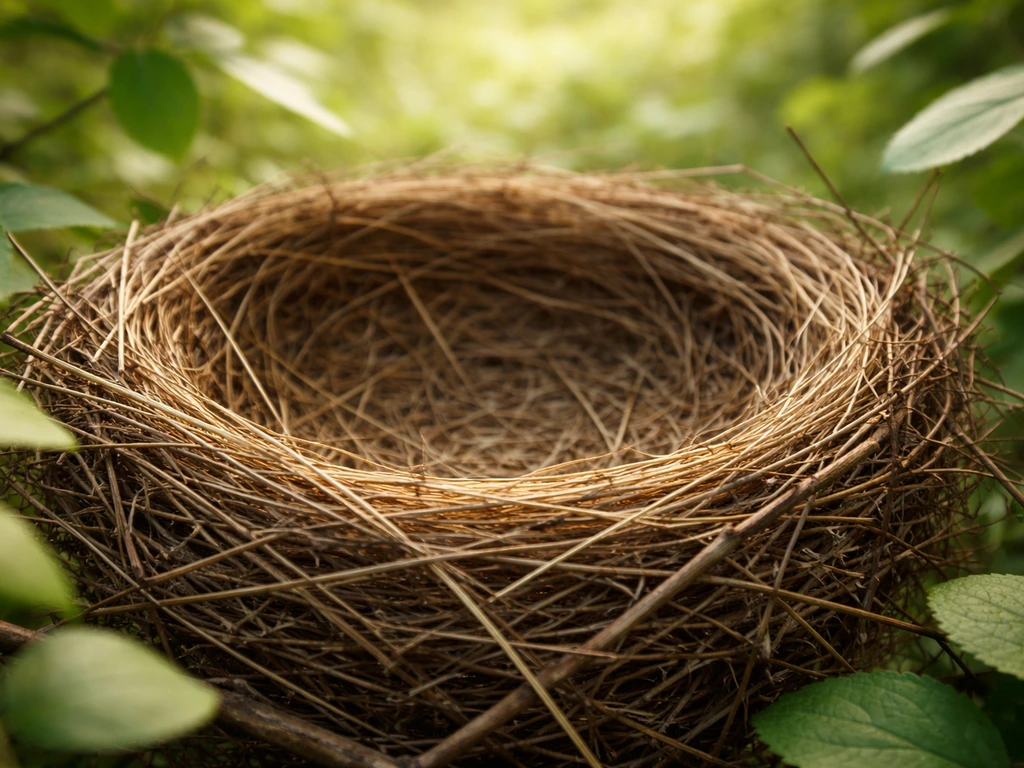
Birds are selective about what goes into a nest, and they're working with a pretty clear structural logic. The outer shell of most cup-shaped nests is built from coarser materials like twigs, small branches, and dried grasses. The inner lining is where softer, finer fibers come in: mosses, feathers, spider webs, animal fur, and fine plant material. That inner layer is what keeps eggs and chicks insulated and comfortable, and it's also where pet hair tends to end up when birds collect it.
Birds are drawn to fibers that are soft, pliable, and roughly the right length to weave or mat together without creating hazards. Spider webs are a prime example of a natural fiber that works brilliantly: elastic, strong, and chemical-free. Mosses, pine needles, and fine grasses are similarly practical. Wild animal fur from deer, rabbits, or squirrels also gets used in nature, but that fur hasn't been through flea baths, spot-on treatments, or scented shampoo. That distinction matters a lot.
The real risks of putting pet hair out for birds
Flea and tick treatment residues
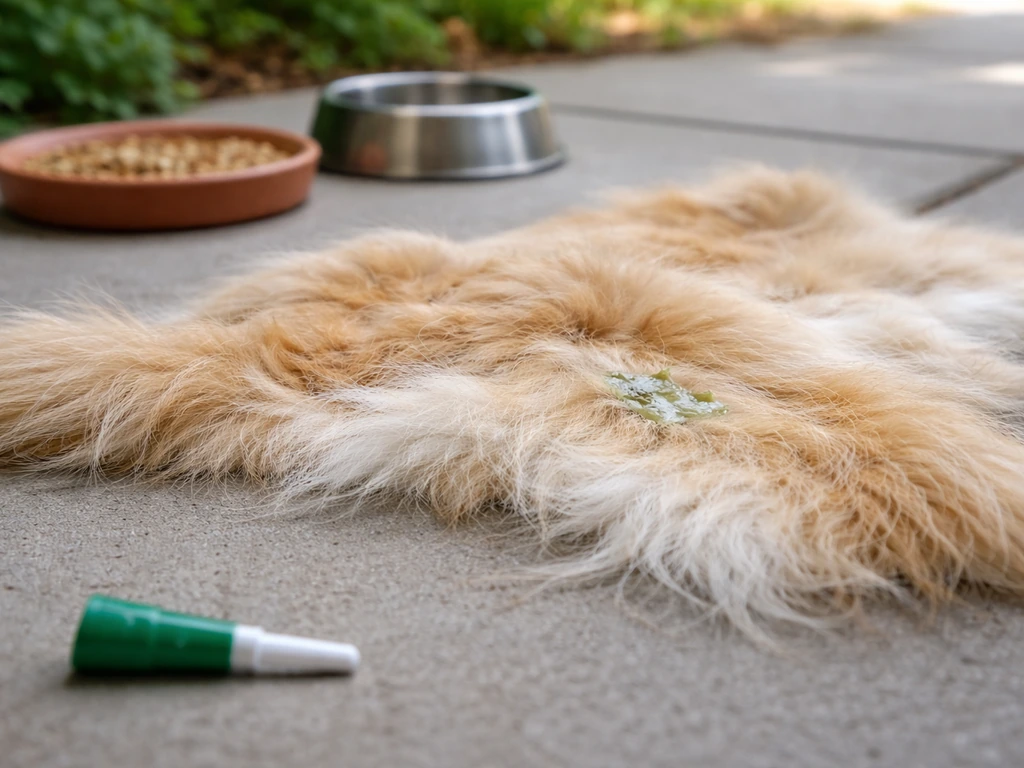
This is the biggest concern, and the research backs it up hard. A 2025 study published in Science of the Total Environment sampled over 100 bird nests and found veterinary ectoparasiticide residues in nests lined with pet fur. The insecticides used in common spot-on flea and tick treatments can persist on animal fur for extended periods, and when birds collect that fur to line a nest, the chemicals go right into the environment where eggs hatch and chicks develop. The University of Sussex research connected to this study explicitly recommends that pet owners dispose of cat and dog hair in the bin if they use any spot-on treatment. The GSPCA and Cornell Lab's All About Birds echo this directly, with Cornell noting that pet hair should only ever come from animals that have never received flea or tick treatments.
Tangling and physical injury
Hair and fur, especially longer strands, can wrap around a bird's legs or feet and cut off circulation. Sacramento Audubon explicitly lists this as why pet fur is not recommended: birds' legs or feet can become tangled in it. The same risk applies to human hair. Unlike natural fibers such as moss or short grass clippings that break down or release easily, hair tends to hold its structure and tighten when wet. A chick or adult bird that gets a leg caught in a fur-lined nest wall is in serious trouble.
Grooming products, shampoos, and other chemical residues
Even if your dog hasn't had a flea treatment, their fur may carry residues from shampoos, conditioners, detanglers, or other grooming products. These scented and chemical-laden residues have no place in a nest lined against the skin of developing nestlings. Wildlife support guidance consistently flags this: be careful not to leave pet hair out that may carry chemicals from grooming products. It's a quieter risk than insecticide contamination, but it's still a real one.
Moisture retention and nest integrity
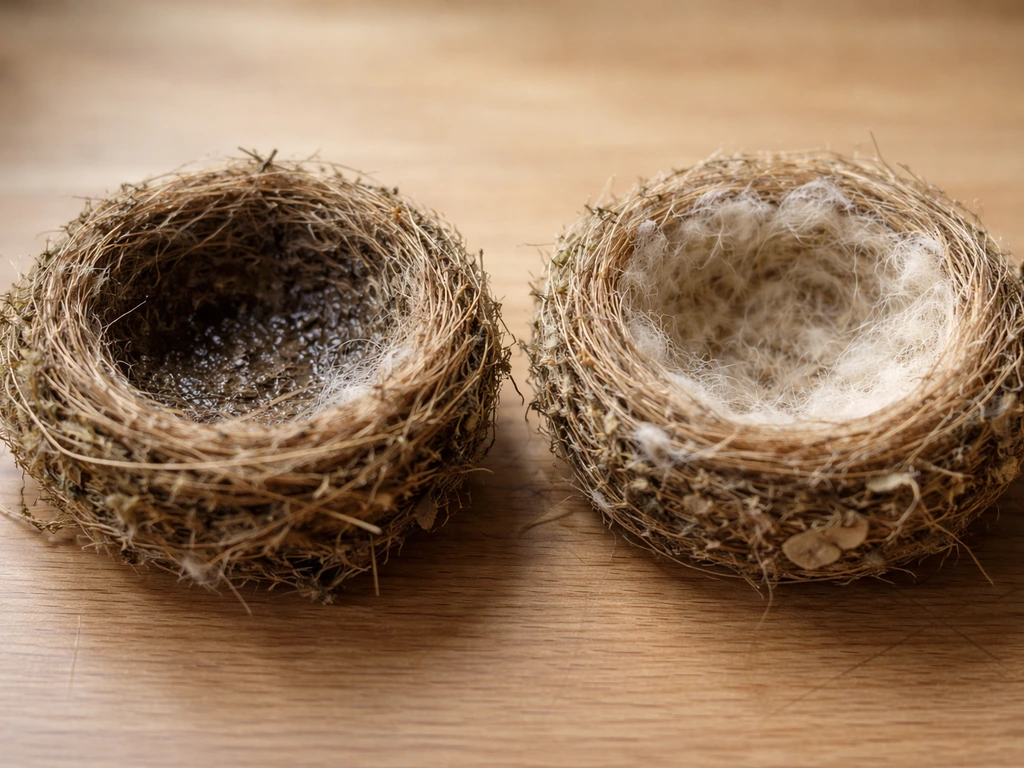
Fur and hair can hold moisture in ways that damage a nest over time. A wet inner lining chills eggs and chicks, creates a breeding ground for bacteria and mold, and can cause the nest structure to break down. This is the same problem that makes dryer lint a poor choice: materials that look soft and cozy can become moisture traps that compromise the whole nest.
The narrow exception: when it might be less risky
Cornell Lab's All About Birds is the most specific source on this: if a pet has never received any flea, tick, or anti-parasitic treatment, and if the fur has not been exposed to grooming chemicals, then offering small amounts of short fur is less risky than offering treated fur. That's a real exception, but it's an extremely narrow one. If you have a dog that has never had a flea treatment in its life and you never use scented grooming products on it, short collected fur (not long strands) falls into a lower-risk category. Most pet owners, realistically, cannot check all those boxes. If there's any doubt about treatment history or product exposure, skip it entirely.
Species context also plays a small role. Birds that naturally use animal fur in their inner nest lining, such as chickadees, titmice, and some warblers, are the ones most likely to collect pet hair in a backyard setting. That makes them the most exposed to whatever is on that fur. There's no species for which treated pet hair is a safe choice.
Better ways to help backyard birds nest
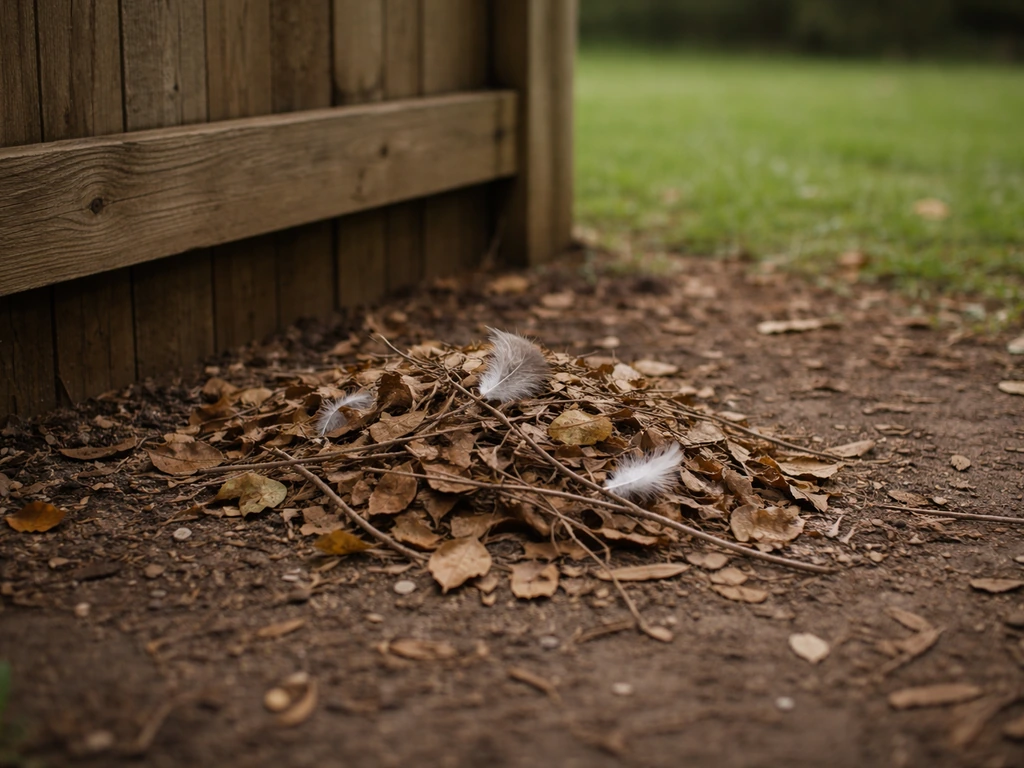
The good news is that there are plenty of things you can genuinely do to support nesting birds, and none of them require putting pet hair out. Here's what actually works:
- Leave fallen leaves, small twigs, and yard debris in a corner of your garden. Cornell Lab and the RSPB both point to untidied natural debris as one of the best nesting material sources you can offer.
- Put out short lengths of natural plant fiber, untreated cotton, or wool in a clean wire-mesh suet cage or mesh bag hung from a tree or fence post. Keep strands under 4 inches to reduce tangling risk.
- Offer natural mosses and dried grasses by draping them over vegetation or pushing them gently into tree crevices.
- Install nest boxes suited to the bird species in your area. A correctly sized box in the right location does far more than any pile of nesting material.
- Maintain a source of fresh water. A clean birdbath or shallow dish supports birds through breeding season and reduces stress on nesting adults.
- Avoid cutting hedges or pruning shrubs between March and August, the core nesting season in North America and the UK. Intact dense vegetation is prime nesting habitat.
Safe vs. unsafe nesting materials at a glance
| Material | Safe to Offer? | Notes |
|---|---|---|
| Short twigs and small sticks | Yes | Excellent outer structure material |
| Fallen leaves | Yes | Leave in natural piles; birds collect as needed |
| Dried grasses and plant stems | Yes | Keep under 4 inches; chemical-free only |
| Mosses | Yes | Natural, non-entangling, great for lining |
| Untreated cotton fiber (short) | Yes | Avoid long strands; no synthetic blends |
| Pet hair (untreated animal only) | Use caution | Only if pet has had zero flea/tick treatments and no grooming products; short strands only |
| Pet hair (treated animal) | No | Carries insecticide residues; can harm nestlings |
| Human hair | No | Entanglement risk; too long and strong |
| Dryer lint | No | Holds moisture; may contain synthetic fibers and detergent residue |
| Yarn or string | No | Entanglement risk; avoid all synthetic fibers |
| Synthetic or man-made fibers | No | Not recommended by any major wildlife authority |
What to do right now
If you've already brushed your dog and left fur outside, or if you're in the middle of nesting season and wondering whether to act, here's a practical sequence to follow today:
- Pick up any pet hair you've left out, especially if your pet receives flea or tick treatments of any kind. Bag it and bin it rather than composting it.
- Check around feeders and garden areas for accumulated shed fur. Birds actively forage in these spots during nesting season and will pick up loose material.
- Set up a clean mesh bag or suet cage with short natural fibers: dried grasses, moss, or short untreated cotton. Hang it 5 to 6 feet off the ground where birds can access it easily.
- If you want to go further, add a nest box appropriate for your local species. Match the entry hole diameter to the birds you want to attract.
- Keep your birdbath clean and topped up. Disease pressure goes up during breeding season, and clean water matters.
- Resist tidying up leaf litter and debris piles right now. That mess is actually a resource for nesting birds building nearby.
If you've been thinking about this topic because you're also wondering what else from around pets and feeders might affect birds or wildlife, it's worth knowing that concerns about pet-related products showing up in wildlife habitats extend well beyond nesting materials. The same care you'd apply to what you put out for nesting also applies to what birds and other animals might access around feeders and pet food areas. If you are also asking whether is bird food bad for dogs, the safest move is to keep dog access to birdseed and feeder areas to prevent them from ingesting it pet food. If your question is specifically whether bird feed or “bird fat balls” can make dogs sick, the key is preventing access and checking the ingredients before anything is within reach are bird fat balls dangerous for dogs. Pet suet is a different situation from nesting materials, so check the ingredients and portion size before offering it to birds is bird suet bad for dogs.
The bottom line is simple: the risks of putting pet hair out for birds are real, well-documented, and easy to avoid. Skip the fur, offer natural alternatives, and you'll be doing far more good for the birds in your backyard than any pile of brushed-out dog hair ever could. The U.S. Fish & Wildlife Service also advises avoiding string, twine, yarn, dryer lint, and pet hair, and suggests natural nesting materials like twigs, leaves, seeds, mosses, lichens, and untreated grass clippings Skip the fur, offer natural alternatives.
FAQ
Is dog hair ever okay for bird nests if my dog is indoor only and never had flea or tick treatment?
It’s still not a good “default” choice. The lower-risk case depends on both no flea or tick or anti-parasitic products ever being used and no grooming chemicals (scented shampoo, conditioners, detanglers) being involved. If you cannot verify both conditions, skip it entirely and use safer fibers like dry grasses, moss, or untreated natural materials.
What if I already put out a pile of brushed dog hair and birds started collecting it?
Stop adding more immediately. At that point, removing nest lining is usually best left alone because you can disrupt eggs or nestlings. Focus on preventing recurrence by disposing of remaining hair in the trash or compostable bag (if it is truly untreated), and switch to natural nesting materials that do not come from treated or chemically scented sources.
Can I use dryer lint instead of dog hair for bird nests?
Generally no. Dryer lint can trap moisture and increase mold or bacterial problems in the nest lining, similar to the moisture-trapping issue discussed for hair. If you want something with better moisture behavior, use untreated short grasses, moss, or spider webs, since they don’t have the same tendency to clump and hold water.
Do birds benefit from pet hair at all, or is it always harmful?
Birds may find hair soft and usable, but “usable” does not mean “safe.” The main hazards are chemical residues from parasite treatments, grooming product chemicals, and physical entanglement risks for legs or feet. Because those factors vary widely by dog and product history, it’s not reliable enough to treat as beneficial.
Is human hair safer than dog hair for bird nests?
Human hair shares the same physical risk, longer strands can tangle around feet or legs, especially when wet. If you are trying to help nesting birds, choose alternatives that are naturally suited for nest interiors, like moss or fine grasses, rather than any human or pet hair.
What nesting materials can I offer that are safer than dog hair?
Prefer natural, chemical-free options such as dry grasses (short pieces), moss, pine needles, and small untreated twigs for the outer structure. Spider webs are also a great natural resource if you let them remain undisturbed. Avoid anything that might have been exposed to pesticides, pet grooming products, or scented detergents.
If pet hair is removed from the nest, will that make things safer for nestlings?
Often it’s best not to intervene. Disturbing a nest can stress adults, chill eggs, or cause abandonment. If you suspect a hazard, the practical step is prevention for the next nesting attempt, and contacting a local wildlife rehabilitator for guidance if you see active entanglement or illness.
Does this advice apply to feather nests only, or also to platform nests and ground nests?
It applies broadly because the core issue is contamination and entanglement, not just cup-shaped nests. Any nest lining that ends up in close contact with eggs or chicks can transfer residues or create hazards, so avoid pet hair for all nesting contexts.
What’s the simplest way to prevent my dog from disturbing nests during nesting season?
Manage access. Keep your dog leashed or confined near known nesting areas, and discourage digging or sniffing directly at nests. Even if you never put out pet hair, your dog can still trample nests, so distance and control around shrubs and under eaves matters.
If I use spot-on flea or tick treatment on my dog, how long should I avoid any exposure around outdoor wildlife areas?
Use the product label guidance, then be extra cautious. The article’s key issue is that residues can persist on fur, which can transfer to the environment before a nest forms. Practically, you should dispose of any brushed-out hair in the bin and avoid allowing hair to accumulate outdoors, especially during nesting season.
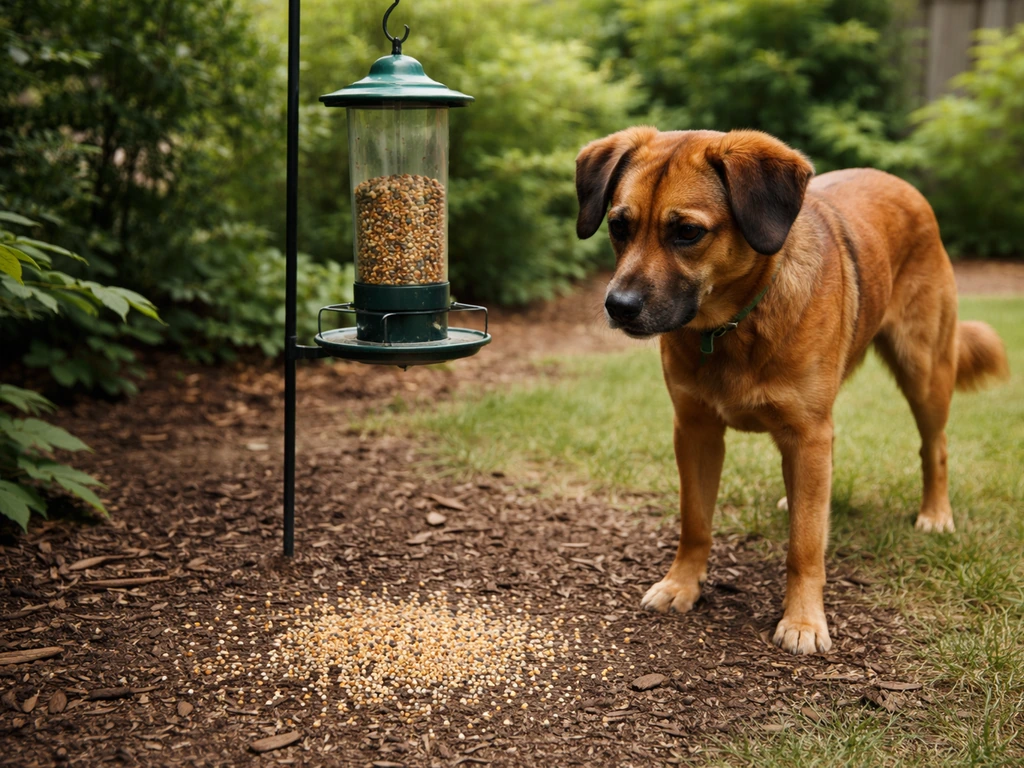
See if bird seed is toxic to dogs, which types are risky, mold signs, and what to do if your dog eats it.
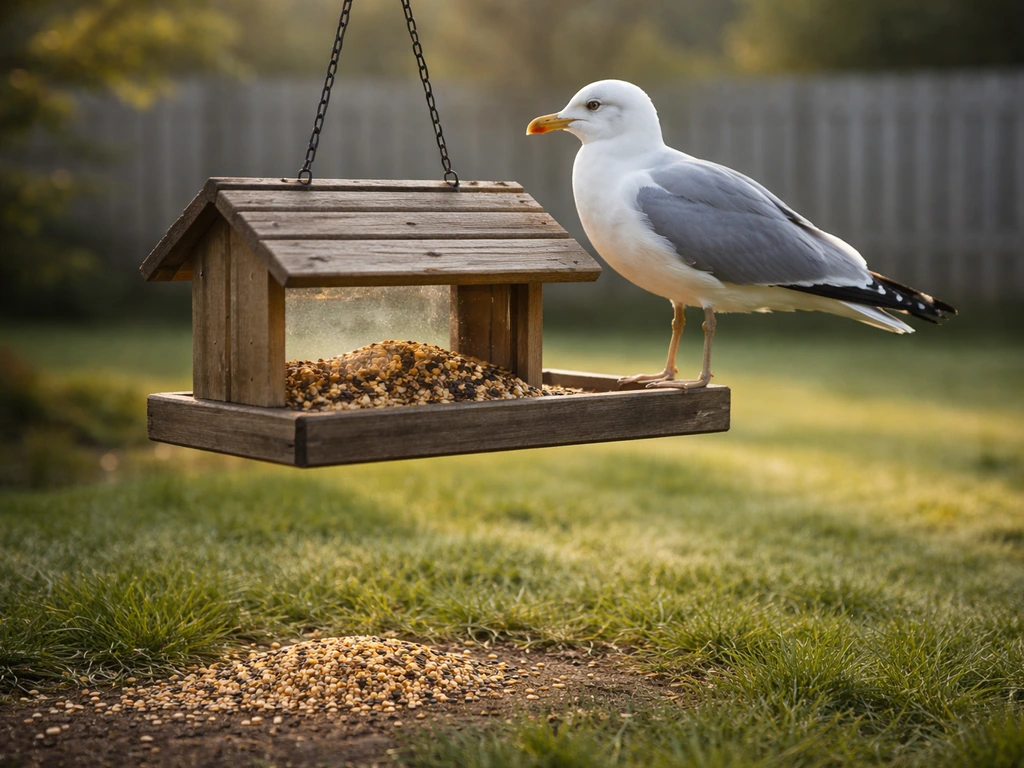
Yes, seagulls often eat bird seed. Learn why they show up and how to block them while keeping feeding safe.
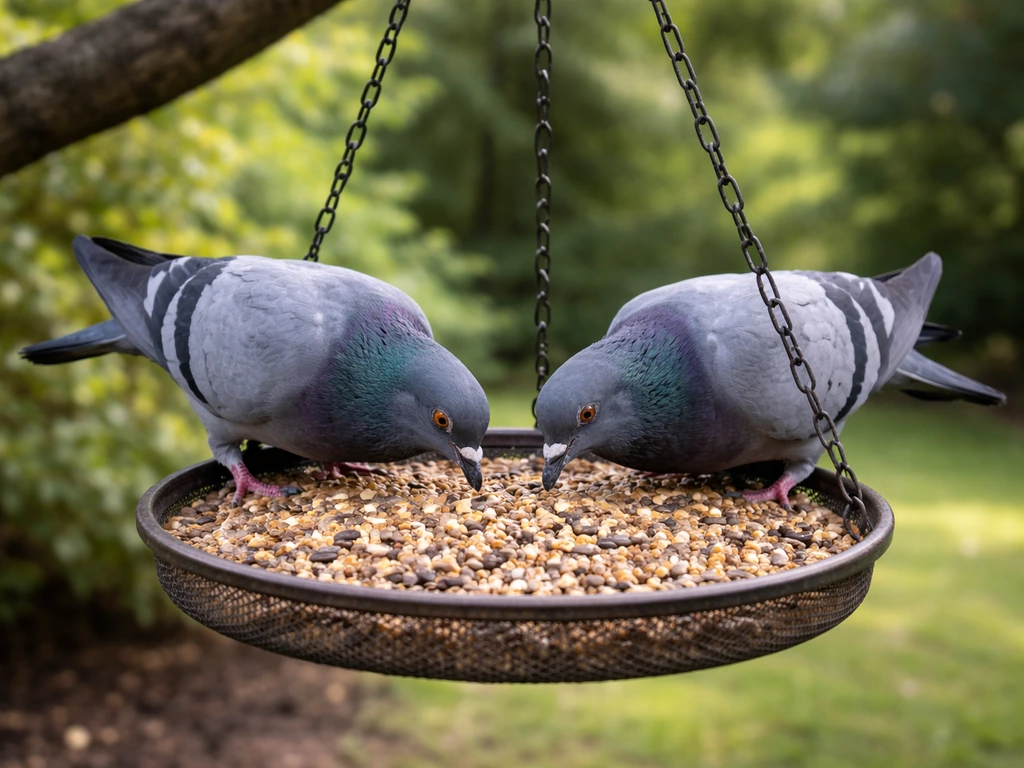
Yes, pigeons eat many seeds, but mold and mess make it risky. Learn safe bird seed storage, feeding, and placement.