Bird suet is not outright poisonous to dogs in the way that, say, xylitol or grapes are, but it can absolutely make your dog sick and, depending on what's in it, can cause serious problems. A dog that steals a small piece of plain suet will most likely end up with an upset stomach. A dog that regularly gets into suet, or eats a large amount at once, is at real risk of pancreatitis, choking, or worse if the suet contains additives or has gone rancid. So yes, bird suet is bad for dogs, and it's worth taking seriously.
Is Bird Suet Bad for Dogs? Safety, Risks, and What to Do

Maya Henderson
24 Apr 2026
Quick verdict on bird suet for dogs
Bird suet should be kept away from dogs. It is not a food made for dogs, and most formulations pose at least one real hazard, whether that's the high fat content, added ingredients like dried fruit, nuts, or artificial flavors, or the risk of the suet going rancid in warm weather. Plain, fresh suet in a very small amount is unlikely to be lethal to a healthy adult dog, but that's a pretty narrow scenario.
Most of the suet dogs encounter in the real world has been sitting in a feeder outdoors, which means it may be spoiled, contaminated with bird droppings, or mixed with seed and mold. None of that is safe. The bottom line: don't let your dog eat it, and take steps to make sure they can't access your bird feeders.
Avoid letting dogs snack on bird fat balls either, since those high-fat feeder treats can raise similar concerns about excess fat and ingredient risks.
Why suet can be harmful (toxicity vs other risks)
The risks from bird suet fall into two categories: true toxicity from specific ingredients, and non-toxic hazards that still cause harm. It helps to understand both, because the right response depends on what kind of suet your dog ate.
Ingredients that can be genuinely toxic
Many commercial suet cakes include additives that are dangerous for dogs. Raisins and currants are common in fruited suet blends, and even small amounts can cause acute kidney failure in dogs. Some suet products include artificial sweeteners, and xylitol in particular is highly toxic. Certain nuts, especially macadamia nuts, are toxic to dogs. Chocolate-flavored or cocoa-based suet products exist and should be treated as seriously toxic. Always check the ingredient list of the specific suet your dog got into, because this determines the urgency of your response.
High fat content and pancreatitis risk
Even plain suet with no toxic additives is a high-fat food, and dogs are not equipped to handle large amounts of dietary fat in one sitting. According to the Merck Veterinary Manual, acute pancreatitis in dogs is closely associated with eating high-fat foods. The clinical signs are severe abdominal pain, vomiting, diarrhea, and loss of appetite, and pancreatitis can be life-threatening if it's severe or goes untreated. Some dogs, particularly smaller breeds and those with a history of pancreatitis, are more vulnerable than others. But any dog that eats a significant amount of suet is at risk.
Spoilage, mold, and contamination
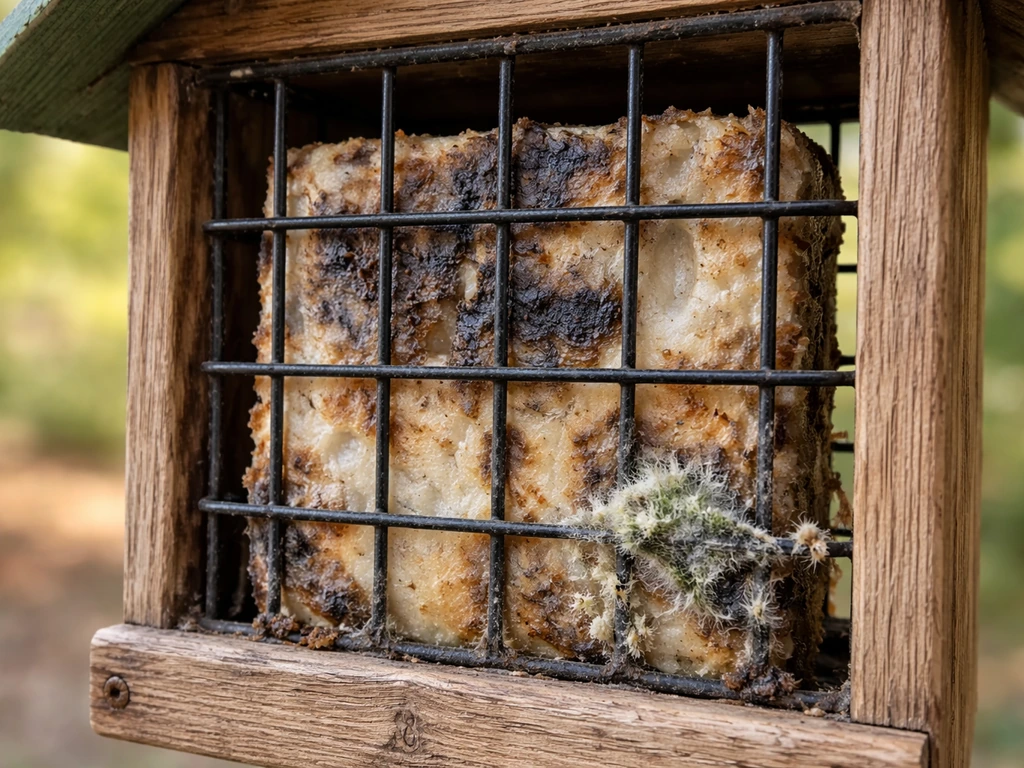
Suet that has been hanging in a bird feeder for days or weeks in warm weather goes rancid. Rancid fat causes gastrointestinal irritation, vomiting, and diarrhea. Suet cakes also frequently grow mold, especially when mixed with seed. Mold can produce mycotoxins that are harmful to dogs. On top of that, suet sitting in a bird feeder will be covered in bird droppings, which can carry Salmonella and other bacterial pathogens. A dog chewing on or licking a fallen suet cake isn't just eating fat, it's potentially ingesting a mix of bacteria, mold, and spoiled grease.
Choking and GI obstruction
Suet cakes are often dense and solid, especially in cold weather. Dogs that gulp large pieces can choke, and if a large solid chunk gets swallowed, it can cause a gastrointestinal obstruction. Cornell University's College of Veterinary Medicine notes that GI foreign body obstructions occur when a dog swallows something that becomes lodged in the stomach or intestine, which can require emergency surgery. Wire or plastic suet cage feeders also pose a risk if a dog chews on the feeder itself and swallows a fragment.
What to do if your dog ate bird suet (step-by-step)
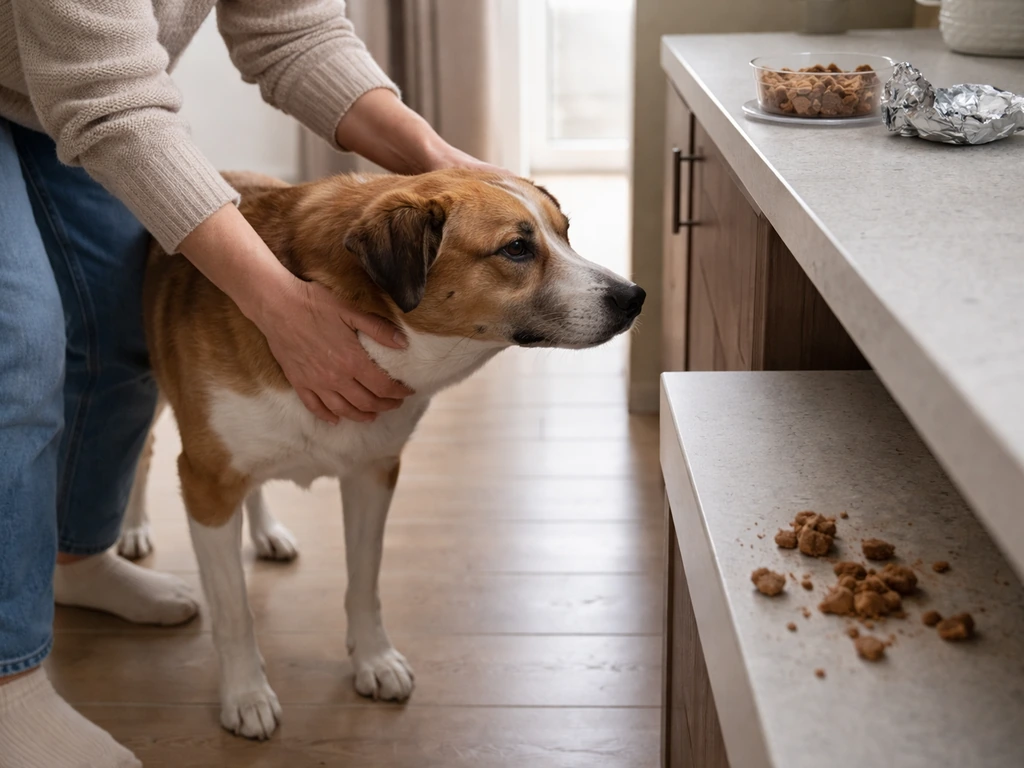
Stay calm and act methodically. What you do in the next few minutes matters more than panic.
- Remove your dog from the area and stop them from eating any more suet.
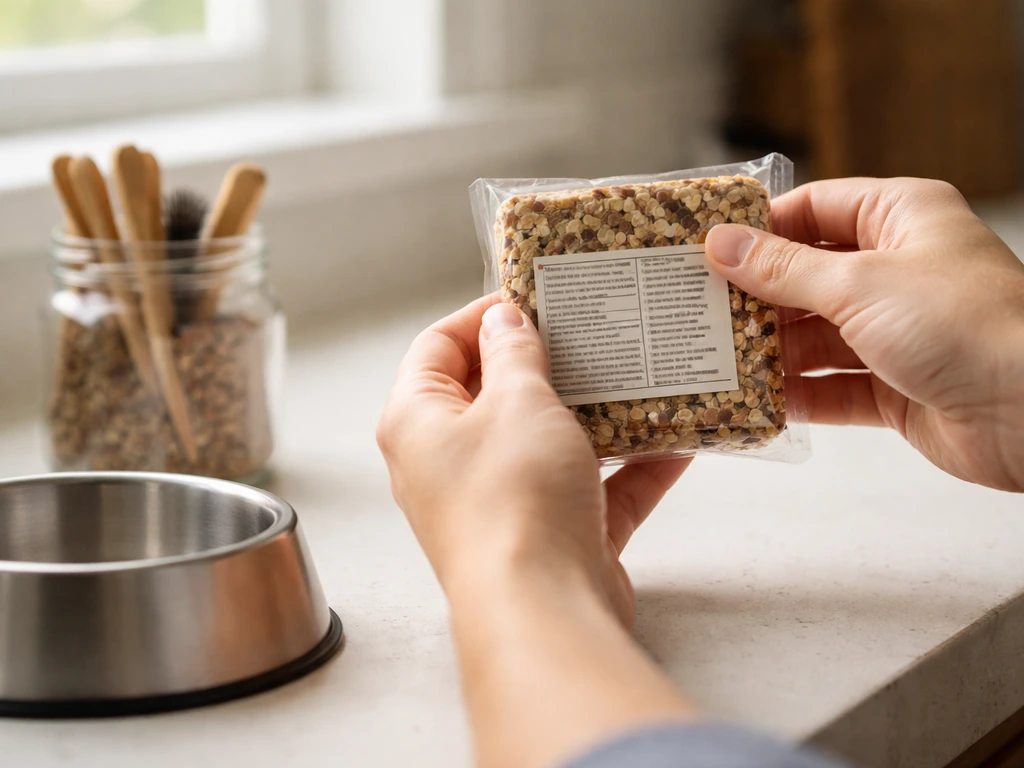
- Find the suet packaging if you can. You need the brand name, the full ingredient list, and the net weight of the product.
- Estimate how much was eaten. Is a whole cake gone? Half? Just a bite? If the suet was already partially used, try to estimate what's missing.
- Note the time your dog ate it. Symptoms of pancreatitis or toxicity can take 30 minutes to several hours to appear depending on what was ingested.
- Know your dog's weight. You'll need this when you call a vet or poison control, because it affects the risk assessment.
- Call your vet or the ASPCA Animal Poison Control Center (888-426-4435, available 24/7) right now if the suet contains any potentially toxic ingredients like raisins, currants, xylitol, chocolate, or macadamia nuts. Do not wait for symptoms.
- Do NOT induce vomiting unless a vet or poison control specifically tells you to. The Pet Poison Helpline is explicit on this: inducing vomiting without guidance can make things worse depending on what was ingested.
- If your dog seems fine and the suet was plain with no toxic additives, monitor closely for the next 24 to 48 hours for signs of GI distress or pancreatitis (vomiting, diarrhea, lethargy, hunching over, loss of appetite). Even then, a call to your vet to describe the situation is a good idea.
When to call a vet or poison control (red flags and timing)
Some situations require an immediate call, not a wait-and-see approach. Contact your vet or ASPCA Poison Control (888-426-4435) right away if any of the following apply. A Reddit user in r/AustralianCattleDog said calling blank" rel="noopener noreferrer">ASPCA Poison Control (888-426-4435) after suspected poisoning was helpful for treatment guidance and coordinating with a vet.
- The suet contained raisins, currants, grapes, xylitol, chocolate, cocoa, or macadamia nuts
- Your dog is a small breed and ate a substantial amount relative to their body weight
- Your dog has a history of pancreatitis, liver disease, or kidney disease
- Your dog is vomiting repeatedly or has bloody diarrhea
- Your dog is showing signs of severe abdominal pain such as hunching, guarding their belly, whimpering, or refusing to move
- Your dog is lethargic, weak, or unresponsive
- Your dog is showing signs of choking or difficulty swallowing
- The suet was visibly moldy, rancid-smelling, or heavily contaminated
On timing: toxic reactions from raisin or xylitol ingestion can begin within 30 minutes to a few hours. Pancreatitis symptoms typically appear within 24 to 72 hours of eating a high-fat meal. GI obstruction symptoms may take longer to develop, sometimes 24 hours or more. The fact that your dog seems fine an hour after eating suet does not mean they are out of the woods. When in doubt, call. Cornell University's veterinary guidance recommends having the brand name, ingredients, quantity eaten, time of ingestion, and the dog's weight ready before you call, because that information directly shapes the advice you'll receive.
How to prevent future exposure (safer feeding setup)
The most reliable fix is making sure your dog simply can't reach the suet. Here are the practical steps that actually work.
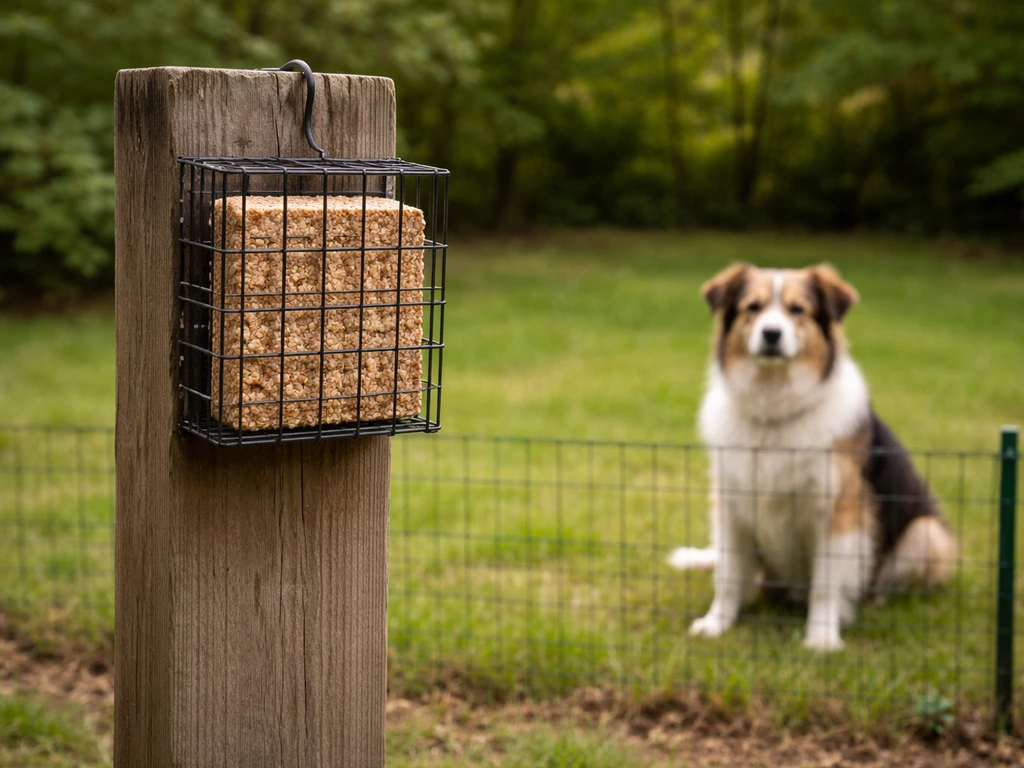
- Hang suet feeders at least 5 to 6 feet off the ground and away from any surface a dog could use to jump, such as deck railings, benches, or raised garden beds
- Use a pole-mounted feeder with a baffle below it rather than hanging feeders from trees or fences that dogs can approach from multiple angles
- Place feeders in areas your dog cannot access unsupervised, such as behind a fence gate that's kept closed
- Check the ground below feeders daily and clean up any dropped suet immediately, before your dog finds it on their own
- Avoid buying suet with fruit, raisins, or other high-risk additives if you have a dog and know there's any chance of access
- In warm weather, take suet feeders down during the hottest part of the day or switch to a feeder design that minimizes dripping and falling chunks
- Supervise your dog in the yard near feeders, especially with younger dogs or dogs that are known scavengers
If you're setting up a bird feeding station from scratch with a dog in the yard, think of it the same way you'd think about keeping trash cans secure. Dogs are opportunistic and persistent. Barrier and height are your best tools. This principle applies equally if you're also using <a data-article-id="570A9C2F-45F4-45B2-AF92-5B3DAAFCE89E">bird fat balls or other high-fat feeder products</a> around your yard.
Alternatives to bird suet that are safer around pets
If you love feeding birds but are worried about your dog's access, there are options that attract similar bird species with lower risk.
| Alternative | Birds Attracted | Risk to Dogs | Notes |
|---|---|---|---|
| Nyjer (thistle) seed | Finches, siskins | Very low (no fat cake) | Small, lightweight seed is unlikely to cause serious harm if eaten in small amounts |
| In-shell peanuts (no added salt) | Jays, woodpeckers, nuthatches | Low to moderate (high protein/fat) | Whole shells make gulping harder; still avoid unsupervised access |
| Safflower seed | Cardinals, chickadees, doves | Very low | Bitter taste deters most dogs naturally |
| Mealworms (dried) | Bluebirds, robins, wrens | Low | Protein-based, not high-fat; unappealing to most dogs if fresh feeder |
| Nectar feeders (hummingbird) | Hummingbirds | Very low | Sugar-water solution; not attractive to dogs; feeder hung high |
None of these are completely risk-free if your dog eats large amounts, but they represent a meaningful step down in hazard compared to a block of rendered fat mixed with additives. If you're replacing suet specifically to attract woodpeckers and nuthatches, in-shell peanuts in a mesh feeder hung high is probably the closest practical substitute that keeps those birds coming while reducing what's at stake if your dog gets to a fallen piece. Plain seeds like safflower are your lowest-risk option overall.
Whatever you feed birds, the goal is a setup where your dog can coexist with the feeding station without being at risk. If you are wondering about bird nest soup, the key question is whether any ingredients could be toxic or cause stomach upset for your dog. This same idea applies to other bird-attracting items, including whether dog hair would be a safe material for bird nests dog safe. A little planning with feeder height, product choice, and daily cleanup goes a long way toward keeping both your birds fed and your dog safe.
FAQ
My dog only licked bird suet once, should I worry?
Not necessarily. A dog can look okay for the first hour after eating suet, but pancreatitis and GI obstruction symptoms can start later (often within 24 to 72 hours for pancreatitis). If you do not know the exact product ingredients, treat it as higher risk and call your vet, especially if the dog is small, the amount was more than a lick or two, or they have a history of pancreatitis.
Is outdoor bird suet dangerous even if it is labeled “plain”?
Yes. If the suet was outdoors, it may have bacterial contamination from bird droppings, mold growth from sitting in damp conditions, or rancid fat from warm weather. Even if it does not contain known toxic ingredients, those non-toxin hazards can still cause vomiting, diarrhea, and dehydration.
What should I do right after my dog eats suet?
Stop giving food treats and do not try to “fix it” at home with oils, milk, or charcoal unless your vet tells you to. For most poison-control guidance, you focus on monitoring, preventing more access, and preparing details (brand, ingredient list, estimated amount, time, and weight). If your dog is vomiting repeatedly, has severe belly pain, seems lethargic, or you suspect choking, seek urgent care.
How do I know if the suet had “toxic” ingredients?
If you are unsure whether it included raisins/currants, cocoa/chocolate, xylitol, or macadamia nuts, you should handle it like a possible toxic ingestion and contact a vet or poison control. Ingredient ambiguity changes the urgency because some triggers can start showing effects within about 30 minutes to a few hours, depending on what was eaten.
My dog seems normal right now, can I just watch for a day?
There are no reliable home indicators that tell you it is safe to wait. With high-fat foods, delayed pancreatitis is a key concern, and with solid feeder pieces you can also get obstruction that may not be obvious right away. If you cannot estimate the amount or the dog is not acting normally (pain, vomiting, refusal to eat), call for advice.
Can a dog choke on suet or get an obstruction from small pieces?
If it is a suet cake, the biggest concern for “partial swallowing” is choking or later GI foreign body obstruction, especially in dogs that gulp chunks. Watch for repeated gagging, pawing at the mouth, drooling, bloated belly, straining to poop without passing stool, or continued vomiting, and do not offer more food to “wash it down.”
Are some dogs more at risk than others?
Dogs with prior pancreatitis, smaller body size, diabetes, or a tendency to eat non-food items should be treated as higher risk. With those dogs, even moderate amounts can justify earlier veterinary input because they may be more likely to develop significant symptoms sooner.
What if my dog ate the feeder cage instead of the suet?
Yes, feeder cages and wire frames can be chewed. If your dog chews and swallows fragments, that can create both choking and foreign body risks. If you notice broken pieces missing, increased drooling, gagging, or unexplained vomiting, treat it as an urgent concern and contact your vet.
How can I prevent my dog from getting fallen suet from the ground?
If you keep birds around, the safest approach is physical separation plus cleanup. Use a feeder location that is inaccessible to your dog (height, barriers, and a dog-proof enclosure) and remove fallen pieces daily, especially in warm weather. This prevents the “best case” scenario (fresh suet) from turning into rancid, moldy, or contaminated suet.