Dogs should not eat bird nest soup. The dish itself is rarely dangerous from the bird's nest ingredient alone, but the real risks come from everything else in the bowl: sugar, salt, alcohol (Shaoxing wine is a common addition), ginger, and sometimes garlic or onion-based stock. Any one of those extras can cause a problem depending on how much your dog ate and how big they are. If your dog already helped themselves to some, keep reading because the next steps depend on exactly what was in it.
Can Dog Eat Bird Nest Soup? Risks and What to Do Now

Maya Henderson
28 Apr 2026
What bird nest soup actually contains (and why that matters for dogs)

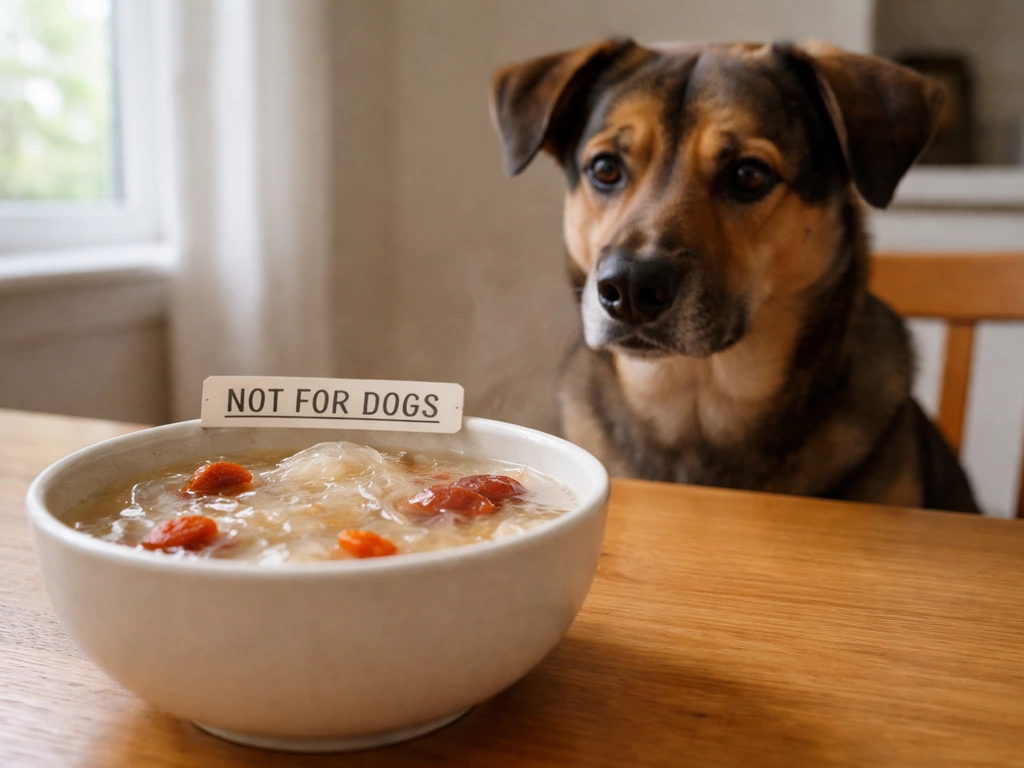
Bird nest soup is built around edible bird's nest, which is made from the dried saliva of swiftlets. On its own, the nest is a protein-rich, largely neutral ingredient. The problem is that it almost never arrives in a bowl by itself. Traditional recipes and commercial products consistently add ingredients that are problematic for dogs.
A typical homemade version includes rock sugar, salt, Shaoxing rice wine, chicken stock, and ginger. Commercial ready-to-eat products often add further seasonings, preservatives, and flavor enhancers. Some richer preparations, like a mini fo tiao qiang style, layer in multiple meats, aromatics, and wine. Each of these additions stacks potential risk:
- Rock sugar / added sweeteners: High sugar loads are hard on a dog's digestion and can spike blood sugar. More critically, if any product uses xylitol as a sweetener (common in some sugar-reduced versions), even a small amount can cause profound hypoglycemia in dogs, with signs appearing as quickly as 30 minutes after ingestion.
- Salt: Excess sodium can cause vomiting, diarrhea, and in larger amounts, serious electrolyte imbalances. Small dogs or dogs with heart or kidney disease face higher risk even from moderate salt exposure.
- Shaoxing wine or rice wine: Alcohol is toxic to dogs. VCA notes that even small quantities warrant a call to a vet, and treatment can involve IV fluids, glucose support, and anti-nausea medication.
- Garlic or onion (in stock or seasoning): Garlic is 3 to 5 times more toxic than onion for dogs and can cause Heinz body hemolytic anemia. Both raw and cooked forms are dangerous.
- Ginger: Generally low risk in small amounts, but it adds to the overall richness and may irritate a sensitive stomach.
- Preservatives and additives: Commercial products vary widely in what they include, so always check the label.
Risks tied specifically to the bird's nest ingredient
Setting aside the soup base, the nest itself carries its own set of concerns. Research on edible bird's nest highlights that quality and safety depend heavily on where the nest was harvested and how it was processed. Microbial contamination and residual heavy metals have both been flagged in scientific reviews as issues tied to supply chain and handling variability. A nest that was improperly stored, poorly cleaned, or sourced through unregulated channels may carry bacteria or contaminants that would upset a dog's gut even if the rest of the soup were harmless.
Wild or foraged bird nests (not commercially prepared ones) carry additional risks including parasites, mites, droppings contamination, and environmental pathogens. If the bird nest your dog accessed came from a backyard, garden, or was found rather than purchased, treat it as a potentially contaminated wildlife item and monitor closely.
Your dog just ate some: what to do right now
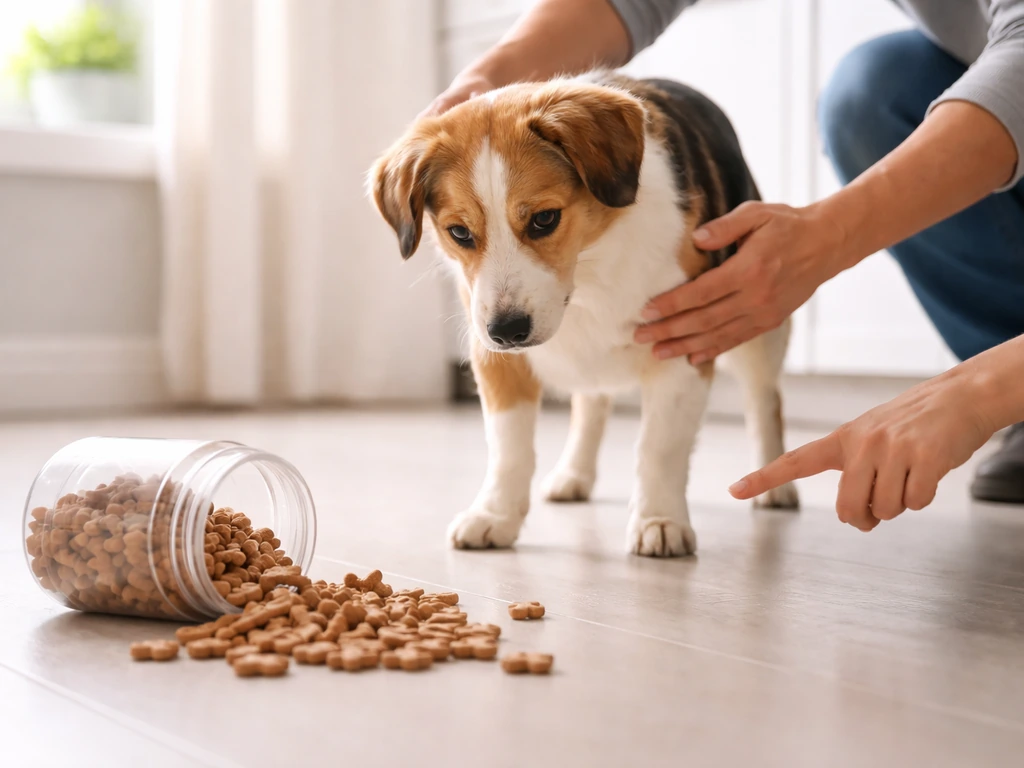
Don't panic, but don't wait and see either. The right move in the next few minutes makes a real difference. Here is what to do in order:
- Remove your dog from the area so they cannot eat any more.
- Check the ingredient list on the product or recall what went into the homemade version. Look specifically for garlic, onion, xylitol, alcohol, and total salt content.
- Note how much your dog ate and their approximate weight. A large dog licking the bottom of a bowl faces very different risk than a small dog eating a full serving.
- Call ASPCA Animal Poison Control (888-426-4435, available 24/7) or Pet Poison Helpline (855-764-7661, available 24/7) right now if the soup contained garlic, onion, xylitol, or a meaningful amount of alcohol or salt.
- Do NOT induce vomiting on your own. Pet Poison Helpline explicitly advises against this without veterinary guidance, and Merck Veterinary Manual notes it is contraindicated in several situations including when the material could cause damage on the way back up or when significant time has already passed.
- If your dog is already showing symptoms (vomiting, lethargy, wobbling, tremors), skip the helpline and go directly to an emergency vet.
If the soup was a plain, lightly sweetened version with no alliums and no alcohol, and your dog only got a small taste, the risk is likely low but still worth a quick call to your vet to confirm. VCA recommends contacting a veterinarian or poison helpline for any potentially concerning exposure, even if symptoms have not started yet. Pet Poison Helpline is available 24/7 by phone at (855) 764-7661.
Symptoms to watch for after eating bird nest soup
The symptoms you need to watch for depend on which ingredient caused the problem. Here is a practical breakdown:
| Ingredient concern | Symptoms to watch for | Onset timeline |
|---|---|---|
| Garlic or onion | Pale gums, lethargy, weakness, rapid breathing, dark or reddish urine, vomiting | Anemia symptoms may take 1 to 5 days; GI upset can be immediate |
| Xylitol (if present) | Vomiting, weakness, staggering, seizures, collapse | As fast as 30 minutes post-ingestion |
| Alcohol (wine) | Vomiting, disorientation, slow breathing, low body temperature, collapse | Within 30 to 60 minutes |
| Excess salt | Excessive thirst, vomiting, diarrhea, muscle tremors, seizures in severe cases | Within a few hours |
| Bacterial contamination / spoilage | Vomiting, diarrhea, loss of appetite, lethargy | Usually within 6 to 24 hours |
| General richness / unfamiliar food | Loose stool, mild vomiting, gas | Within a few hours |
Any sign from the first four rows warrants an immediate vet call. Garlic and onion toxicity is particularly sneaky because the hemolytic anemia it causes builds over days, so a dog may seem fine at first and then deteriorate. If you know garlic or onion was in the soup, do not wait for symptoms to appear before calling a vet.
Safer alternatives and how to keep your dog away from bird nest products
Bird nest soup is a human delicacy, not a dog treat, and there is no version of it worth adapting for your dog. If you want to give your dog a protein-rich broth as a treat or food topper, plain unsalted bone broth made without onion or garlic is a far safer option. Look for commercial dog-specific bone broths that are explicitly labelled free of alliums, salt, and artificial sweeteners.
If you keep bird nest soup in your home, treat it the same way you would any human food that contains risky ingredients. Store it out of reach, use sealed containers, and never leave a bowl unattended on a low table or counter where a dog can access it. This applies equally to commercial bottled versions sitting in a pantry, since a curious dog can knock over and chew through packaging.
For backyard and wildlife contexts, if you have a bird feeder or nesting boxes in your garden, the risk extends beyond soup. Natural bird nests in your yard can attract a dog's attention, and a dog that mouths or eats a wild nest may be exposed to parasites, mites, or bacteria from droppings.
Even if the soup ingredients seem harmless, is dog hair good for bird nests is not a great tradeoff, since hair can add mess and possible contaminants to nests. The same principle applies to other bird-related foods in your backyard setup. Many common bird foods, including certain fat-based products and seed mixes, carry their own risks for dogs who investigate feeders or spillage.
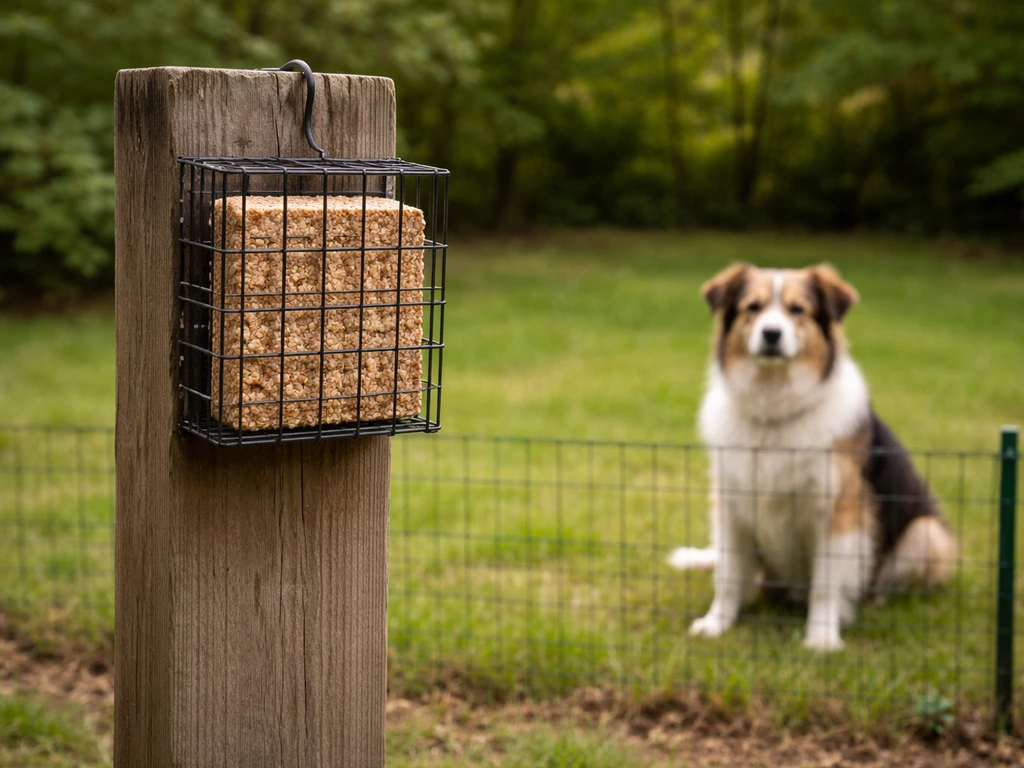
If your dog gets into bird fat balls, it can also lead to stomach upset and, in some cases, pancreatitis risk certain fat-based products. Fat balls are a fat-based bird food, so they can cause GI upset or pancreatitis risk in dogs depending on how much they eat.
Practical prevention steps for a backyard with both birds and dogs: Since suet is a fat-based bird food, you may also wonder whether is bird suet bad for dogs, so it is best to keep it out of reach.
- Mount feeders high enough that your dog cannot reach them or the ground spillage easily, ideally using a pole-mounted feeder away from fences or structures a dog could climb.
- Clean up fallen seed, fat balls, or suet regularly to reduce the temptation of foraged snacking.
- If you spot an active bird nest in a low shrub or on the ground, gently redirect your dog away and supervise outdoor time in that area during nesting season.
- Teach a reliable 'leave it' cue so your dog can be redirected from anything wildlife-related they show interest in.
- Keep any bird nest soup, bottled bird's nest products, or related supplements stored in a closed cabinet your dog cannot access.
The core takeaway: the bird's nest itself is not highly toxic, but bird nest soup as a dish is loaded with ingredients that genuinely are. Treat it as a no-go food for your dog, act quickly if they already ate some (especially if garlic, onion, xylitol, or alcohol was involved), and call ASPCA Poison Control at 888-426-4435 or Pet Poison Helpline at 855-764-7661 if you have any doubt about what was in the bowl.
FDA lists alcoholic drinks and food products containing alcohol as potentially dangerous items for pets, including dogs and cats. If you are wondering, is bird food bad for dogs, the safest move is to keep them away from any bird food and related seeds or treats no-go food.
FAQ
Can a dog have a tiny lick of bird nest soup, and will it be harmful?
A small taste is less likely to cause a serious reaction, but you still should not treat it as safe. The main risk comes from the usual additives, especially alcohol (Shaoxing wine), salt, sugar, and any alliums (garlic or onion). If you cannot confirm the ingredients and portion size, call a vet or poison hotline for guidance.
What if my bird nest soup had no alcohol and no garlic or onion?
If it was truly free of alcohol and alliums and the amount was minimal, the risk is generally lower, but it is not zero. Ginger, extra salt, and sweeteners can still trigger vomiting or diarrhea in some dogs. Provide the exact ingredient list and approximate amount to your vet or poison helpline so they can decide whether monitoring at home is reasonable.
How long after eating bird nest soup should I watch for symptoms?
Expect quicker GI signs like vomiting or diarrhea within the first several hours. However, garlic and onion related problems can be delayed, with anemia building over days, so a dog may seem okay at first. If you suspect alliums, follow up with veterinary advice even if symptoms have not started.
My dog seems normal right now. Should I still call a vet?
Yes, especially if you are unsure about ingredients or you know the dog ate more than a few licks. A professional can risk-stratify based on your dog’s weight, the amount consumed, and whether xylitol, alcohol, garlic, or onion were present. Do not wait for worsening signs if alliums were included.
What should I do at home immediately after exposure?
First, remove any remaining soup and prevent more access. Do not force vomiting or give “neutralizing” home remedies unless a vet specifically instructs you to. Have the packaging or recipe details ready (brand, ingredient list, and your best estimate of the amount).
Will bird nest soup cause pancreatitis in dogs?
It can, depending on what else was in the bowl. If the soup included fatty meat, rich stock, or higher fat additions, the risk increases, particularly for dogs with prior pancreatitis or older age. If you notice repeated vomiting, pain, unusual lethargy, or a tense belly, seek veterinary care promptly.
Does the bird nest itself stay toxic, or is it only the added ingredients that matter?
The nest ingredient alone is usually less concerning, the bigger issue is that bird nest soup is commonly formulated with seasonings that can be problematic for dogs (alliums, alcohol, salt, sweeteners). Also, quality and processing can vary, so contaminated or improperly stored nest products can upset a dog’s gut even without the “classic” toxic ingredients.
What if the dog ate the bird nest that was floating in the soup, not much liquid?
Amount matters, but the risk still depends on what the nest was cooked or soaked in. If the nest came with a broth containing salt, alcohol, ginger, or alliums, the dog could still be exposed to harmful ingredients. Measure what you can, estimate portion size, and get advice based on your dog’s weight.
Can canned or bottled bird nest products be safer than homemade?
Not necessarily. Bottled and canned versions can still include sugar, salt, alcohol, flavor enhancers, or preserved seasonings, and some products add extra ingredients that dogs should not have. Check the label carefully, and if you cannot confirm “no alcohol” and “no alliums,” treat it as unsafe.
Is bird nest soup ever safe as a dog treat if I make it without salt and alcohol?
It’s still a no-go as a regular treat. The reasons include potential contamination variability and that many recipes add other ingredients dogs should avoid. If you want a similar protein-rich broth, use plain unsalted bone broth that is explicitly free of onion, garlic, and artificial sweeteners.
My dog also got into backyard wild bird nests. Is that the same situation?
It is related but not identical. Wild nests can expose dogs to mites, parasites, and bacteria from droppings or nesting material, even if no obvious “toxic” food was involved. If your dog chews or eats wild nesting material, monitor for GI upset and skin irritation, and contact a vet if symptoms appear.
Next Article
Is Bird Suet Bad for Dogs? Safety, Risks, and What to Do
Learn if bird suet can harm dogs, warning signs, what to do if eaten, and safer ways to feed birds safely.